Top 20 Waterfalls in New Hampshire
Waterfalls in New Hampshire are a prominent feature of the state's natural landscape, particularly within the White Mountains. The region offers a variety of waterfall experiences, from towering plunges to gentle cascades. These natural formations are often found along hiking trails, providing access for outdoor enthusiasts. Many locations are situated within state parks or national forests, contributing to their preservation and accessibility.
Best waterfalls in New Hampshire
- The most popular waterfalls is Arethusa Falls, a waterfall considered the highest…
Last updated: September 27, 2026
Arethusa Falls
Highlight • Waterfall
Translated by Google •
Tip by

Glen Ellis Falls
Highlight • Waterfall
Translated by Google •
Tip by

Sign up now to discover places like this
Get recommendations on the best single tracks, peaks, & plenty of other exciting outdoor places.
Coliseum Falls
Highlight • Waterfall
Translated by Google •
Tip by
Bemis Falls
Highlight • Waterfall
Translated by Google •
Tip by
Crystal Cascade
Highlight • Waterfall
Tip by

Falling Waters Trail
Highlight (Segment) • Waterfall
Tip by

The Basin (Pemigewasset River)
Highlight • Natural Monument
Tip by

Fawn Pool
Highlight • River
newenglandwaterfalls.com/nh-arethusafalls.html
Translated by Google •
Tip by
Bemis Brook Waterfalls Trail
Highlight (Segment) • Trail
newenglandwaterfalls.com/nh-arethusafalls.html
Translated by Google •
Tip by
Diana's Baths Waterfalls
Highlight • Waterfall
Tip by
Sign up for free to discover even more waterfalls in New Hampshire.
Already have an account?
Start today with a free account
Your next adventure awaits.
Popular around New Hampshire
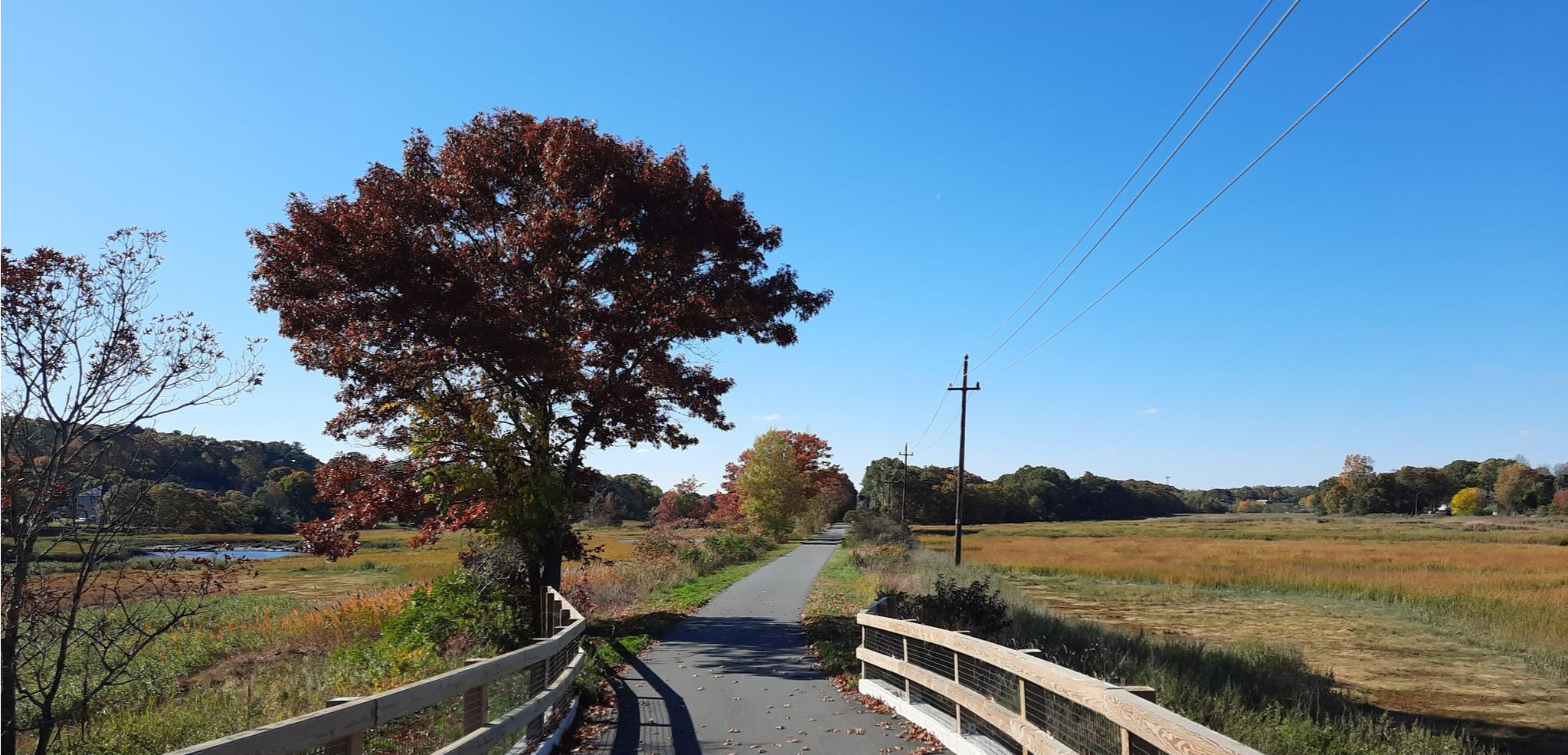
East Coast Greenway — An unforgettable ride along the Atlantic Seaboard
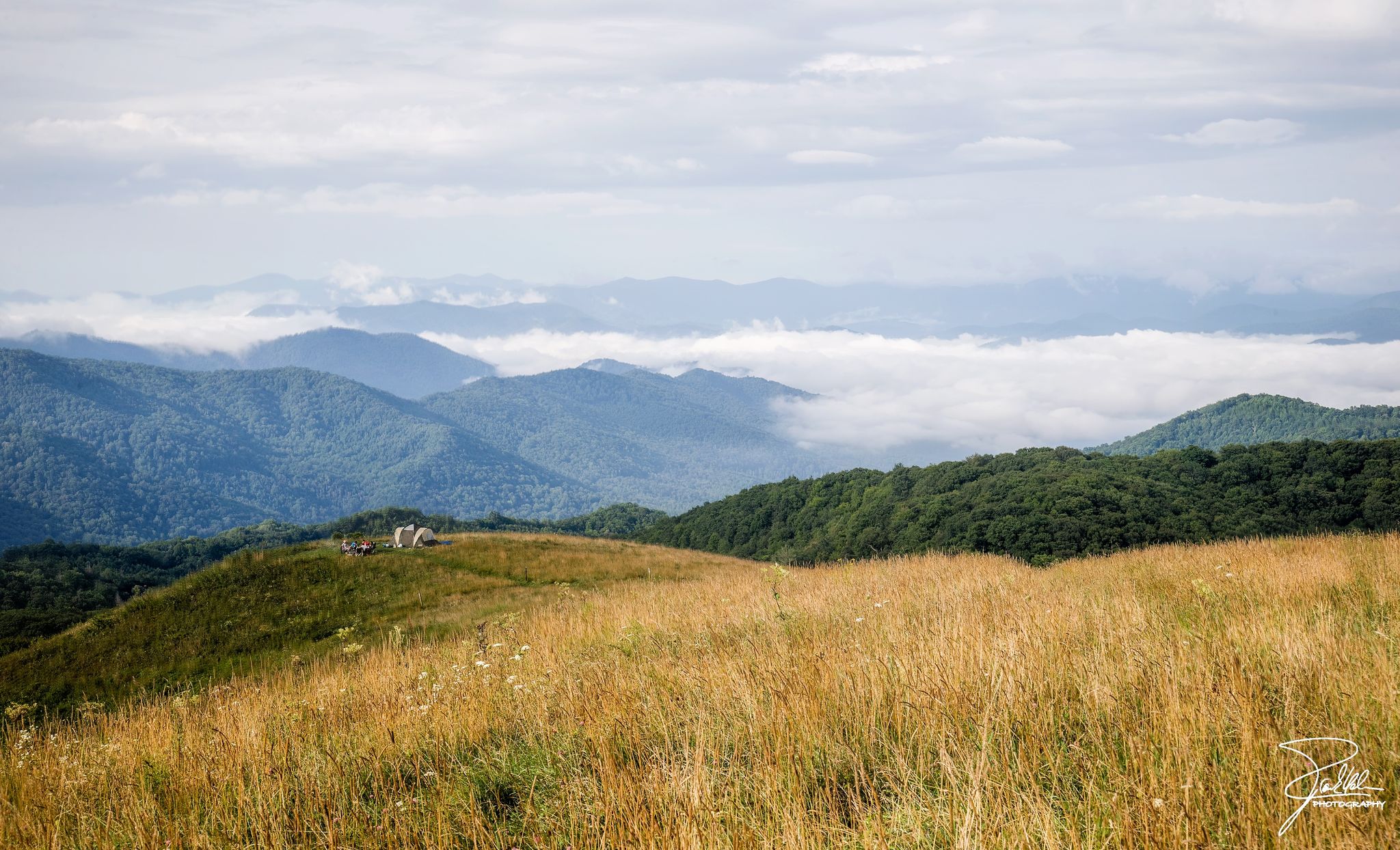
The Appalachian Trail — America's most iconic long-distance hike
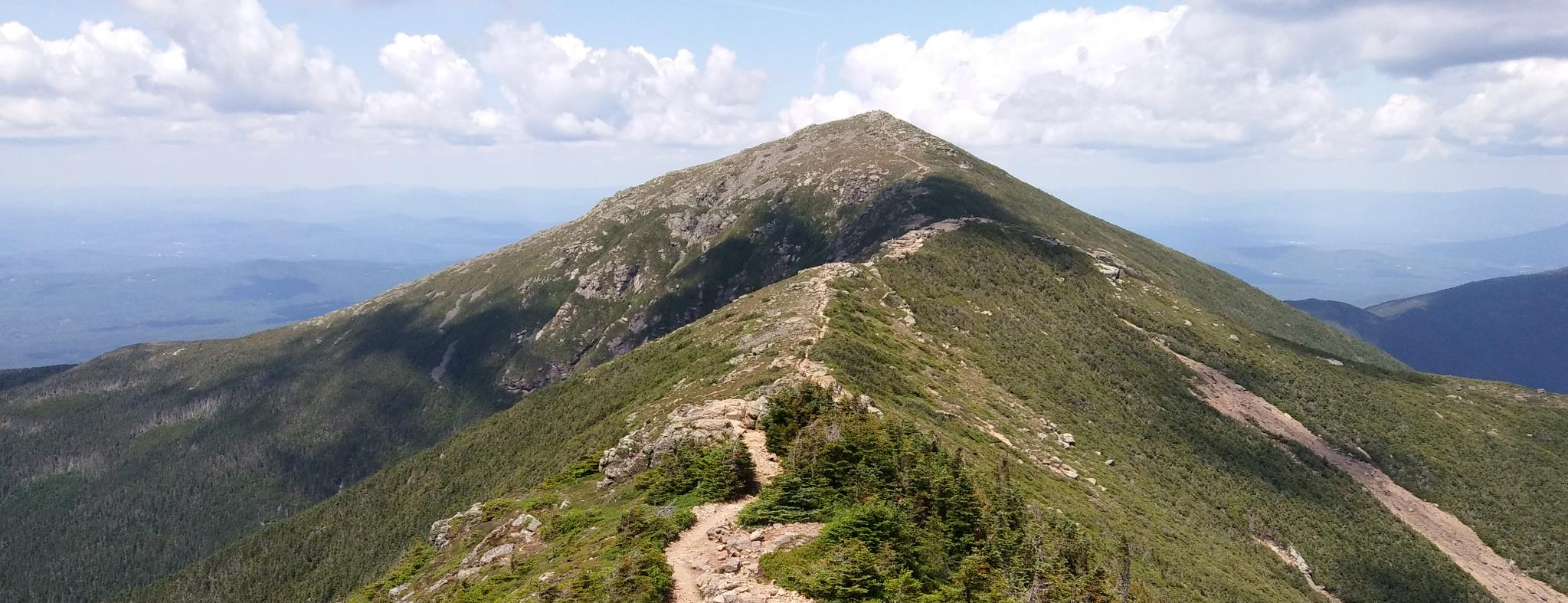
Pemigewasset Loop — A White Mountains classic I keep coming back to
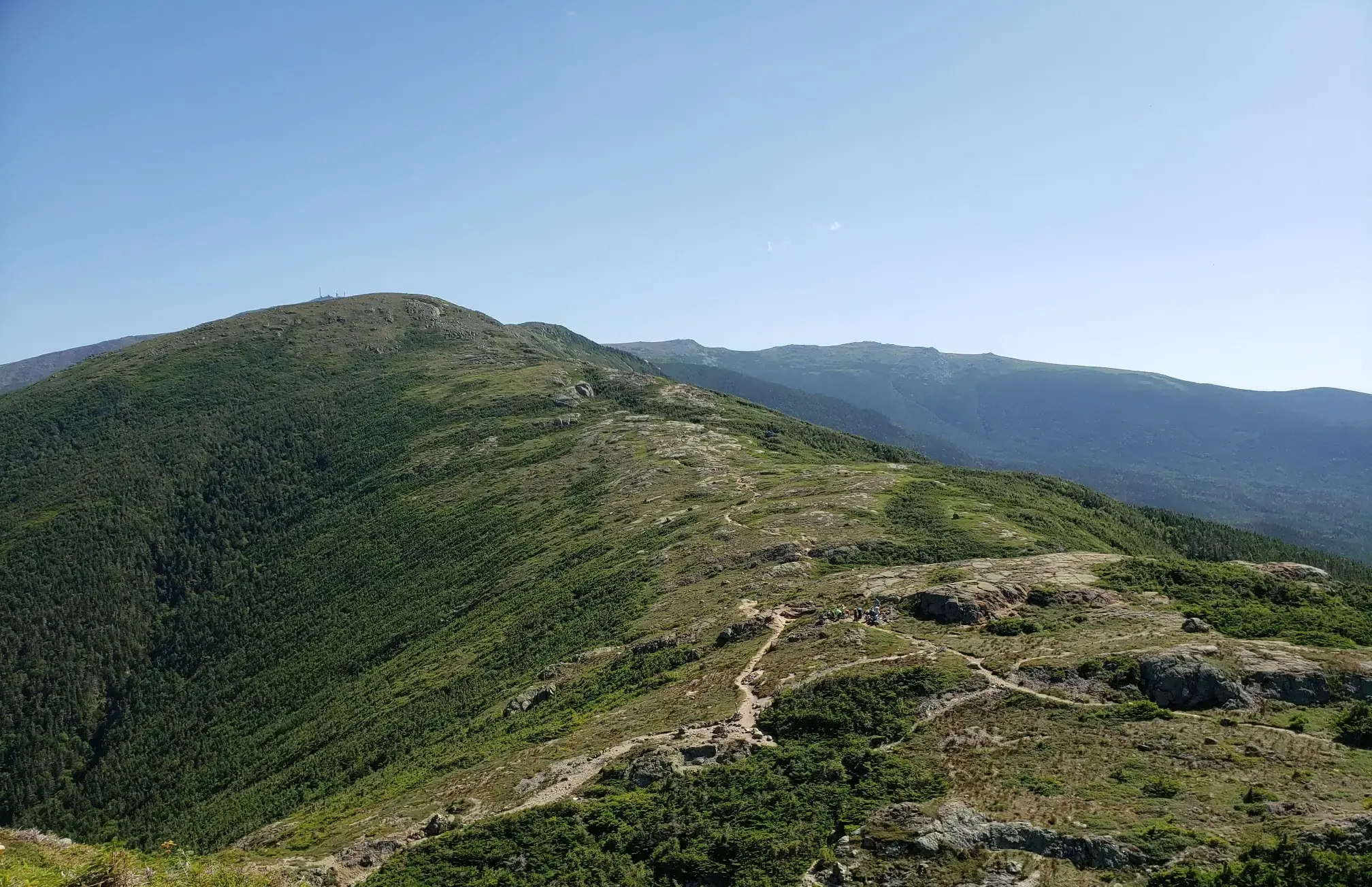
The Presidential Traverse — A classic New Hampshire sandbag
Cohos Trail — Exploring New Hampshire’s remote North Woods
Monadnock-Sunapee Greenway Trail — Backpacking southern New Hampshire’s hidden gem

On the trail of the Pilgrim Fathers – road trip along the Atlantic coast
New England – vibrant cities, picturesque coastlines and wild mountain landscapes
Hiking in New Hampshire
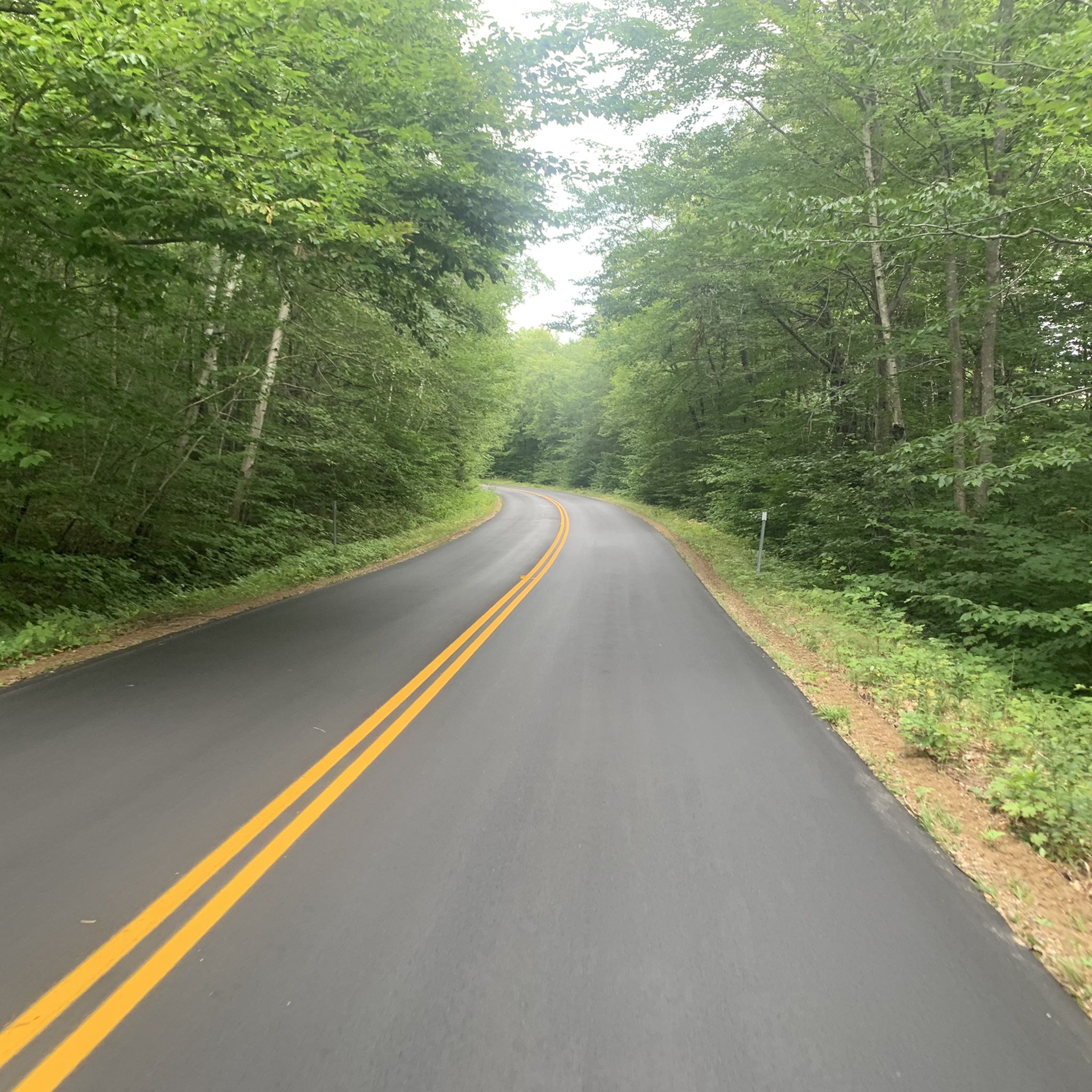
Road Cycling Routes in New Hampshire
Other adventures in New Hampshire


Tips from the Community


The Basin is a 30-foot-wide, 15-foot-deep glacial pothole in the Pemigewasset River, formed by melting glaciers at the end of the last Ice Age. Its smooth granite walls were shaped by swirling sand and stones over thousands of years and is an absolutely striking sight, worthy of capturing some incredible photos. Nineteenth-century writers like Henry David Thoreau admired its beauty, calling it one of New England’s most remarkable curiosities.
0
0

The Falling Waters Trail is a 2.6-mile round-trip hike to Little Haystack Mountain, known for its beautiful waterfalls. Starting from the Trailhead Parking Lot or Lafayette Campground, hikers first encounter Stairs Falls, followed by the 60-foot Swiftwater Falls. The highlight of this hike is the 80-foot Cloudland Falls, a fan-shaped waterfall visible from trail. The hike can continue to the Franconia Ridge Trail, but caution is advised as the terrain becomes more challenging and the trail becomes a bit more exposed.
0
0

The 'Fawn Pool' is located below the 'Coliseum Falls'. The water flows over a long, flat granite slab in the valley floor down into the pool and then drops steeply again. https://www.newenglandwaterfalls.com/nh-arethusafalls.html
2
0
The 'Coliseum Falls' are located below the 'Bemis Brook Falls' on the trail of the same name, a less frequented alternative to the 'Arethusa Falls'. The water falls down a low granite step and flows over a long, flat granite slab in the valley floor down into the 'Fawn Pool'. In dry times you can walk from the waterfall to the pool on the granite slab. https://www.newenglandwaterfalls.com/nh-arethusafalls.html
2
0
The 'Bemis Brook Falls' are located below the 'Arethusa Falls' and can be reached on the 'Bemis Brook Waterfalls Trail'. This alternative route to the 'Arethusa Falls' runs along the valley floor and climbs steeply up to the main route at the lower waterfall. Only a few hikers visit the smaller waterfall, which falls over four steps of granite rock. https://www.newenglandwaterfalls.com/nh-arethusafalls.html
2
0
The 'Bemis Brook Waterfalls Trail' is a trail variant to the 'Arethusa Falls'. The route runs along the valley floor of the 'Bemis Brook' and climbs steeply up to the main route at the lower waterfall. https://www.newenglandwaterfalls.com/nh-arethusafalls.html
2
0
Arethusa Falls on Bemis Brook are considered the highest single-stage waterfall accessible by hiking trail in New England. The hike to Arethusa Falls on the trail of the same name is one of the most popular day hikes in White Mountain National Forest. There is a large parking lot at the trailhead on Crawford Notch Road - US Route 302; park admission costs $5 per vehicle. https://www.newenglandwaterfalls.com/nh-arethusafalls.html
4
0
Frequently Asked Questions
Are there family-friendly waterfalls in New Hampshire?
Yes, several waterfalls in New Hampshire are great for families. Flume Gorge in Franconia Notch State Park offers a well-maintained boardwalk trail suitable for all ages, showcasing cascading waterfalls like Avalanche Falls. Diana's Baths Waterfalls near North Conway features a series of small cascades and pools, easily accessible via a short walk. Sabbaday Falls also has a gentle, short path, making it enjoyable for a leisurely stop.
What is the best time of year to visit New Hampshire's waterfalls?
The best time to visit New Hampshire's waterfalls depends on what you want to experience. Spring and early summer offer the most powerful water flow due to snowmelt, making waterfalls like Arethusa Falls particularly impressive. Summer is popular for swimming and enjoying the refreshing spray, though it can be crowded. Fall provides stunning foliage backdrops, while winter offers a unique, frozen landscape for ice climbers at spots like Arethusa Falls.
Are there any easy-to-access waterfalls in New Hampshire?
Yes, New Hampshire has several easily accessible waterfalls. Glen Ellis Falls is a popular choice, requiring only a short 0.4-mile walk from Route 16. Diana's Baths near North Conway is also very accessible, featuring a series of cascades along Lucy Brook. Lower Falls on the Kancamagus Highway provides another scenic and accessible spot for relaxation.
Can I bring my dog to New Hampshire's waterfall trails?
Many waterfall trails in New Hampshire are dog-friendly, especially those within the White Mountain National Forest. Arethusa Falls, for example, is listed as dog-friendly. However, it's always best to check specific trail regulations before you go, and ensure your dog is leashed and you clean up after them.
What other natural features can I see near New Hampshire's waterfalls?
Beyond the waterfalls themselves, New Hampshire's natural landscape offers diverse features. At Flume Gorge, you'll find towering granite walls and a natural chasm. Many waterfalls are nestled within lush forests, like Bemis Falls, which flows through a verdant forest. You can also find scenic rivers, like the Ellis River near Glen Ellis Falls, and picturesque pools, such as Fawn Pool, which is located below Coliseum Falls.
Are there any hidden gem waterfalls in New Hampshire?
While many waterfalls are well-known, some offer a more secluded experience. Welton Falls near Alexandria is a 30-foot plunge waterfall surrounded by a gorge, offering high vantage points and even a cave. Garfield Falls near Pittsburgh is another powerful plunge waterfall known for its great viewpoint from a ledge across from it, often less crowded than the more popular spots.
What outdoor activities can I do near New Hampshire's waterfalls?
New Hampshire's waterfalls are often integrated into broader outdoor recreation areas. You can find numerous hiking trails, such as the Falling Waters Trail which features Cloudland Falls, Stairs Falls, and Swiftwater Falls. For more extensive outdoor adventures, consider exploring the hiking trails in New Hampshire or the running trails in New Hampshire. The region also offers road cycling routes, like those found in the road cycling guide for New Hampshire.
Are there any waterfalls in New Hampshire that are good for wild swimming?
While many waterfalls have pools, not all are suitable or safe for swimming due to strong currents or rocky bottoms. However, Diana's Baths near North Conway features cascading pools along Lucy Brook that are popular for wading and cooling off. Franconia Falls also has a beautiful pool and two sliding features that are enjoyed by visitors.
What is the typical duration for a hike to a New Hampshire waterfall?
Hike durations vary significantly. Easily accessible waterfalls like Glen Ellis Falls or Diana's Baths can be reached with a short walk of 0.4 to 0.7 miles roundtrip. More substantial hikes, such as the one to Arethusa Falls, typically involve a 3-mile out-and-back trail. Trails like the Falling Waters Trail, which includes Cloudland Falls, can be longer loops or out-and-back routes depending on your destination.
Are there any waterfalls in New Hampshire that are particularly striking in winter?
Yes, some waterfalls in New Hampshire transform into stunning ice formations during winter. Arethusa Falls is a notable example, becoming a favorite spot for ice climbers when it freezes. The powerful plunge of Glen Ellis Falls can also create dramatic icy landscapes, offering a unique and beautiful experience for those prepared for winter conditions.
What should I wear when hiking to waterfalls in New Hampshire?
When hiking to New Hampshire waterfalls, it's best to wear layers, as temperatures can change, especially in shaded gorges or near mist. Sturdy, waterproof hiking boots with good grip are essential, as trails can be rocky and wet. Quick-drying clothing is advisable, and a rain jacket is always a good idea. For popular spots like Glen Ellis Falls, expect spray, so protect electronics.
Are there any waterfalls in New Hampshire known for their unique geological features?
Absolutely. Flume Gorge is a prime example, featuring a natural chasm with towering granite walls up to 90 feet high. Ripley Falls is notable for its 100-foot drop where the water maintains contact with the rock wall, creating one of New England's steepest-angled slides. Diana's Baths also showcases water flowing over smooth granite, forming unique cascading pools.
Where can I find waterfalls that are less crowded in New Hampshire?
To avoid crowds, consider visiting during off-peak times (weekdays, early mornings, or late afternoons) or exploring less-trafficked trails. While Arethusa Falls is popular, the alternative Bemis Brook Waterfalls Trail, which includes Bemis Falls and Coliseum Falls, sees fewer hikers. Welton Falls and Garfield Falls are also generally less frequented than the major attractions.
Most popular routes in New Hampshire
Most popular attractions in New Hampshire

Get inspired with the komoot mobile app


Didn’t find what you were looking for?
Looking for more great places nearby? See even more amazing waterfalls in New Hampshire with these guides per region:
Explore more
Happy to travel a little further afield? Then browse these guides for the best waterfalls in New Hampshire:
