The 20 Most Amazing Peaks in New Hampshire
Best mountain peaks in New Hampshire are primarily found within the White Mountains, a range covering a significant portion of the state. This region features all of New Hampshire's highest mountains, including many "4000-footers." The diverse landscape offers a range of hiking experiences, from accessible trails to challenging alpine environments. These peaks are notable for their natural features and historical significance.
Best mountain peaks in New Hampshire
- The most popular mountain peaks is Mount Monadnock Summit, a summit known…
Last updated: September 26, 2026
Mount Monadnock Summit
Highlight • Summit
Tip by

Mount Chocorua Summit
Highlight • Summit
Translated by Google •
Tip by

Sign up now to discover places like this
Get recommendations on the best single tracks, peaks, & plenty of other exciting outdoor places.
Mount Washington Summit
Highlight • Summit
Tip by

Cathedral Ledge
Highlight • Climb
Translated by Google •
Tip by
Mount Jackson Summit
Highlight • Summit
Tip by
Black Cap Summit
Highlight • Summit
Tip by

Bald Mountain Peak
Highlight • Summit
Tip by
Mount Lafayette Summit
Highlight • Summit
Tip by
Mount Kearsarge
Highlight • Summit
Tip by

Old Bridle Path
Highlight • Trail
Tip by

Sign up for free to discover even more peaks in New Hampshire.
Already have an account?
Start today with a free account
Your next adventure awaits.
Popular around New Hampshire
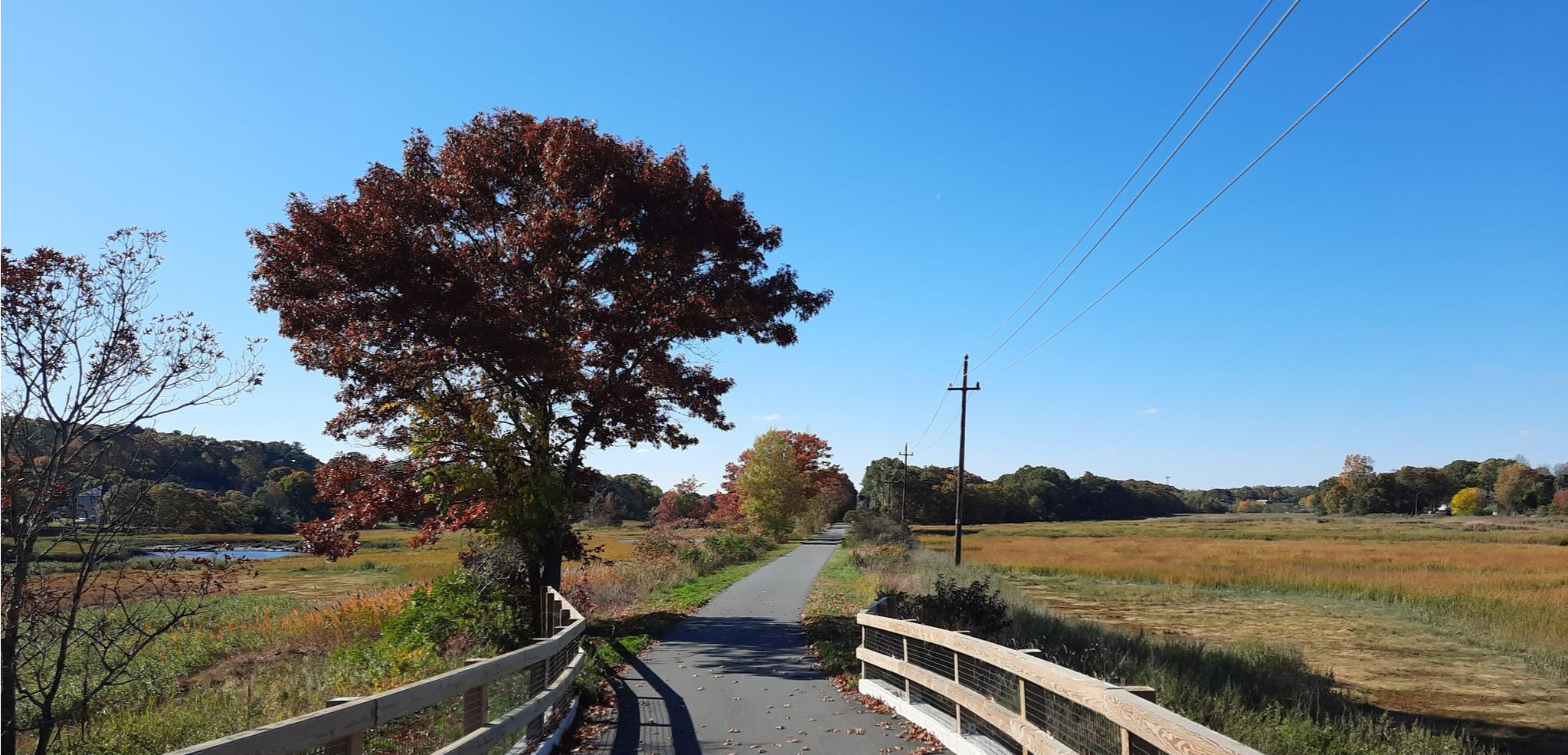
East Coast Greenway — An unforgettable ride along the Atlantic Seaboard
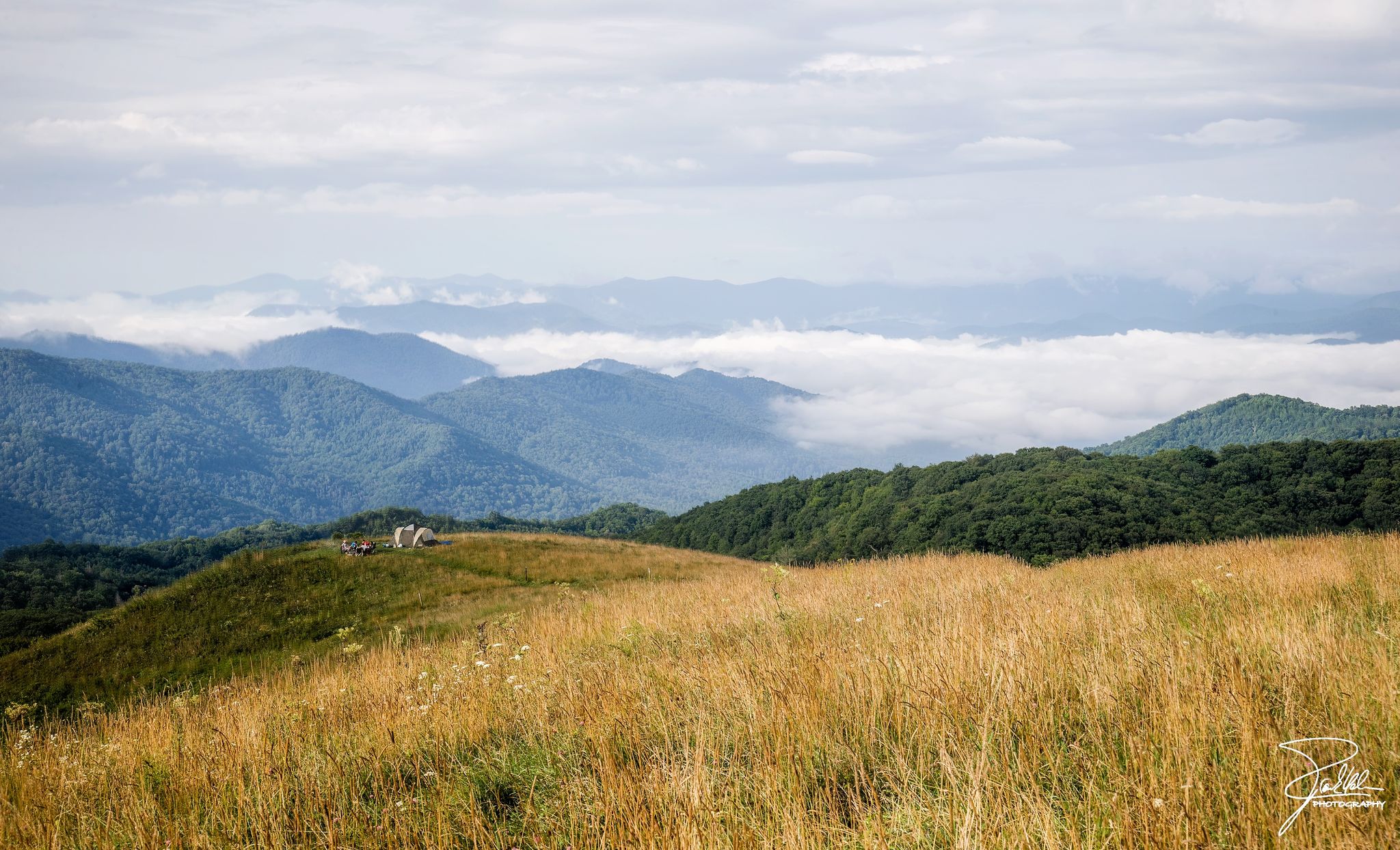
The Appalachian Trail — America's most iconic long-distance hike
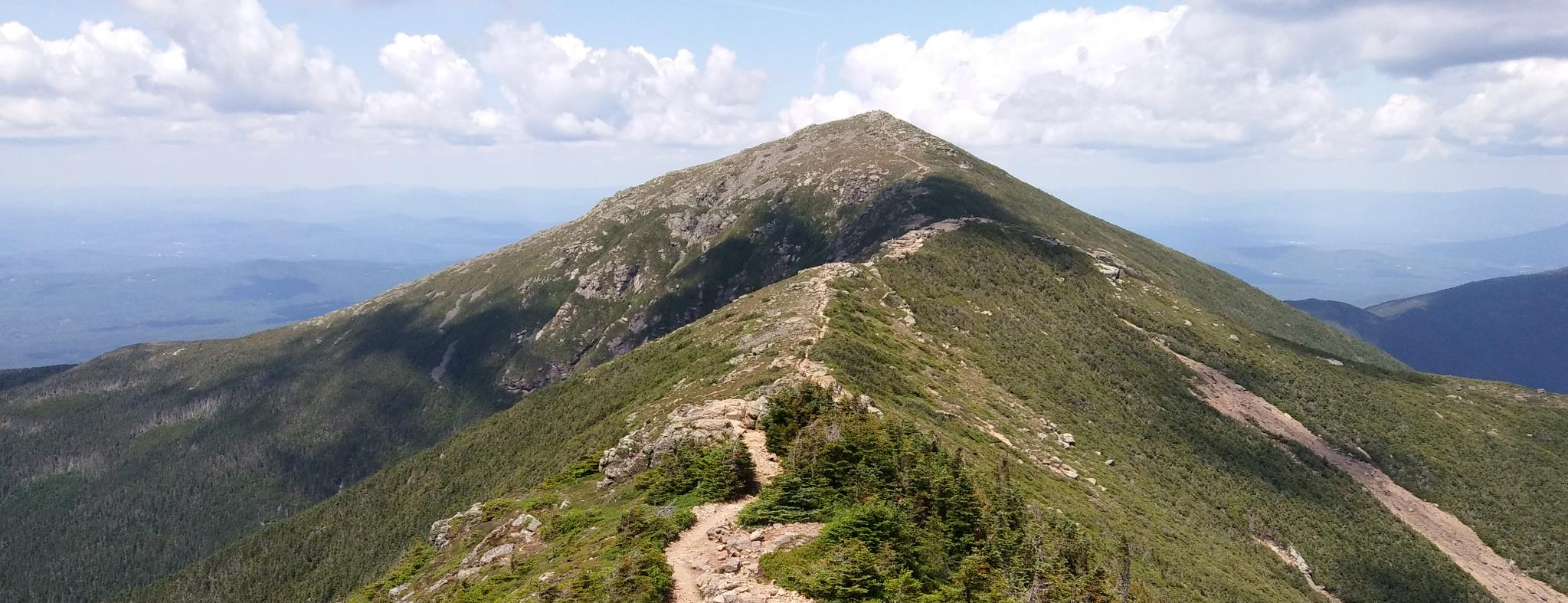
Pemigewasset Loop — A White Mountains classic I keep coming back to
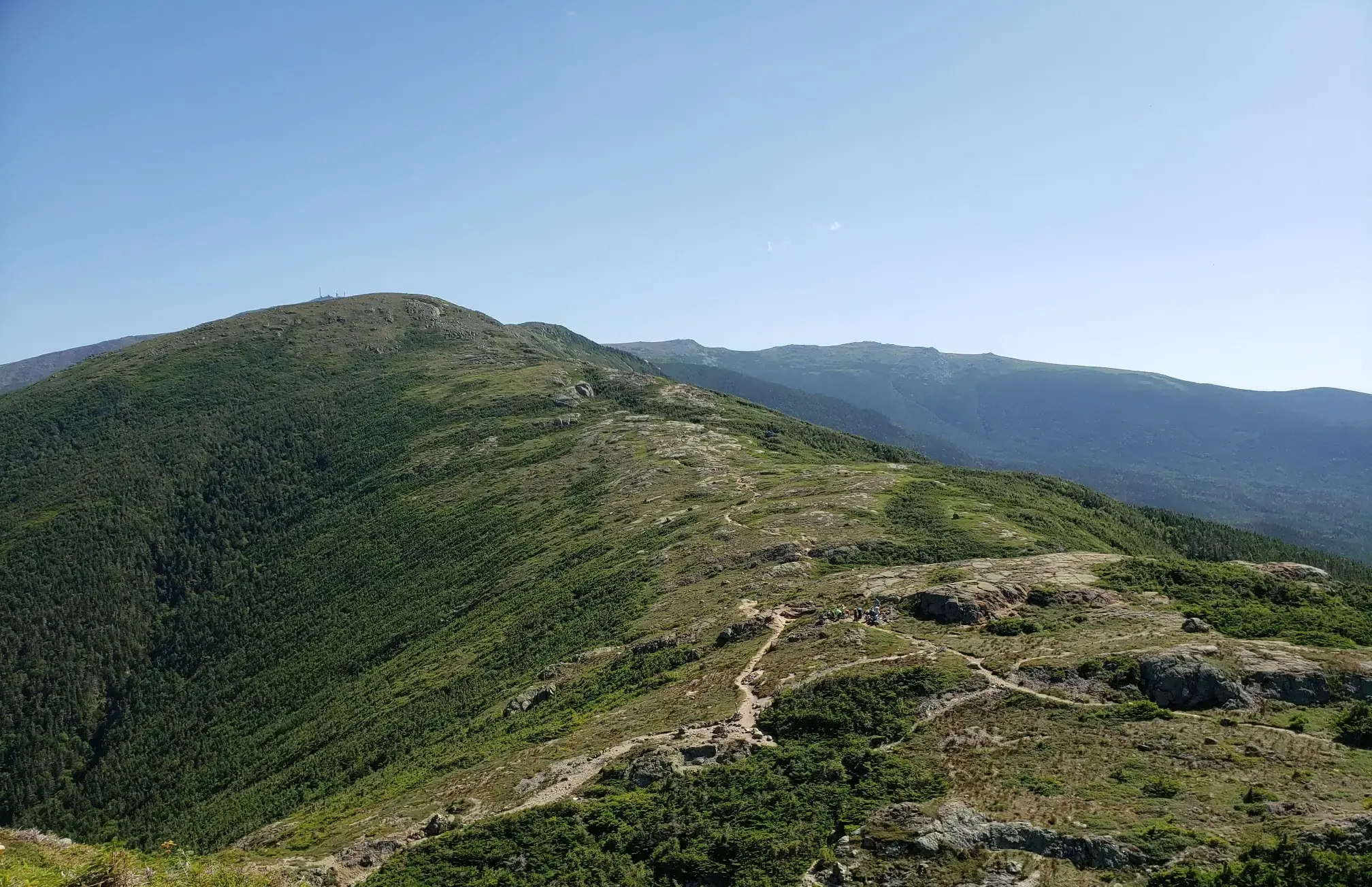
The Presidential Traverse — A classic New Hampshire sandbag
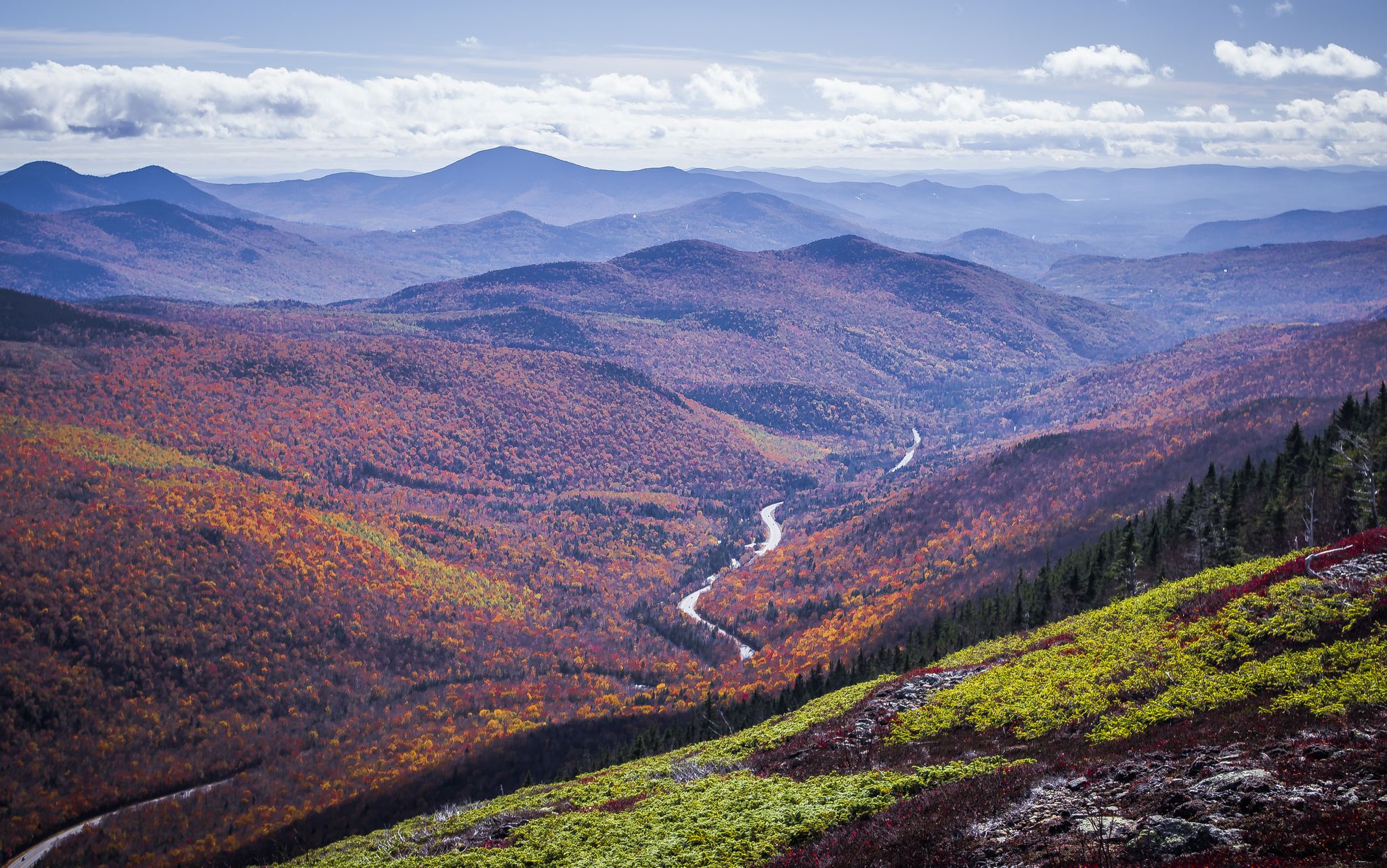
Cohos Trail — Exploring New Hampshire’s remote North Woods
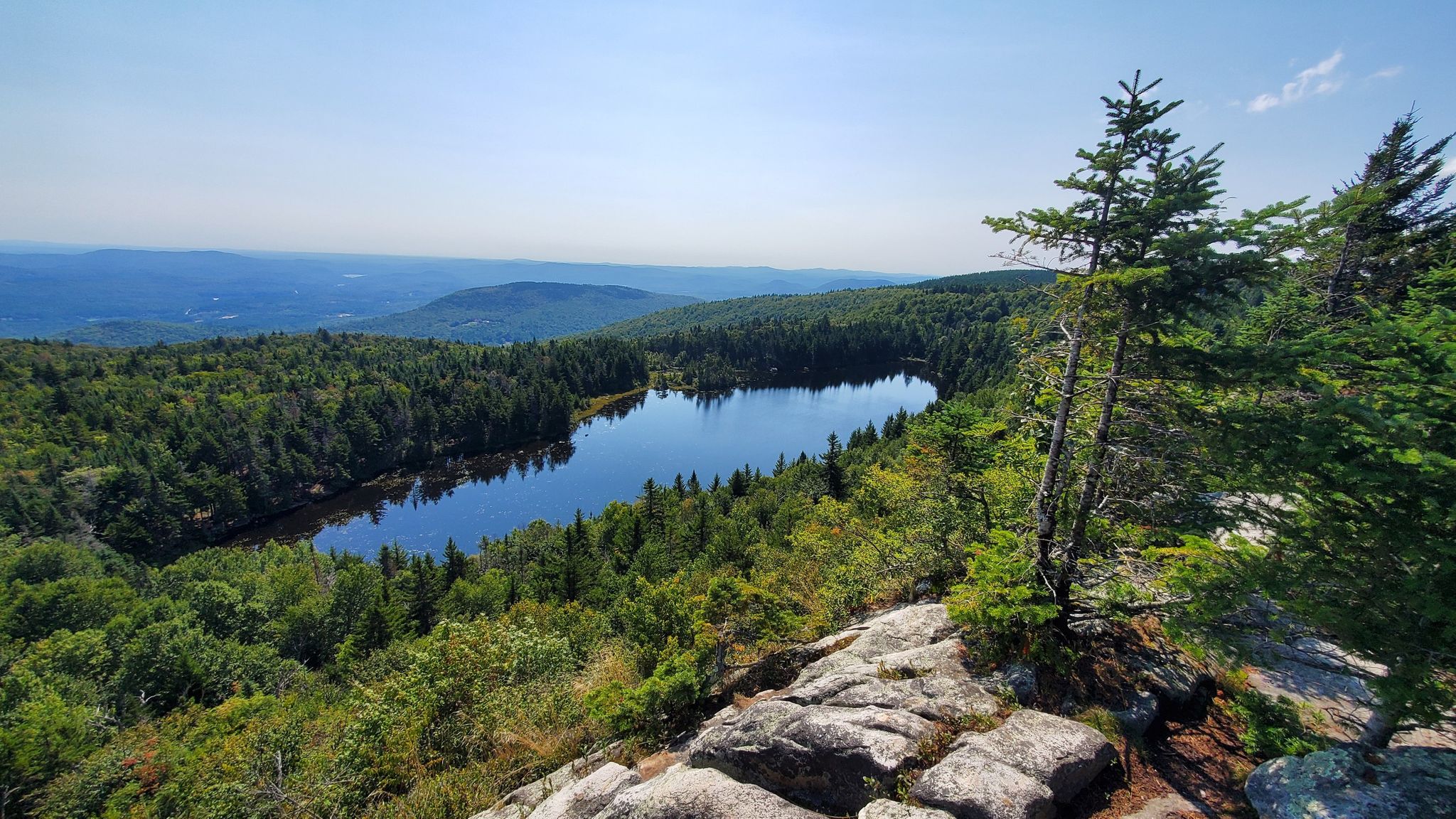
Monadnock-Sunapee Greenway Trail — Backpacking southern New Hampshire’s hidden gem
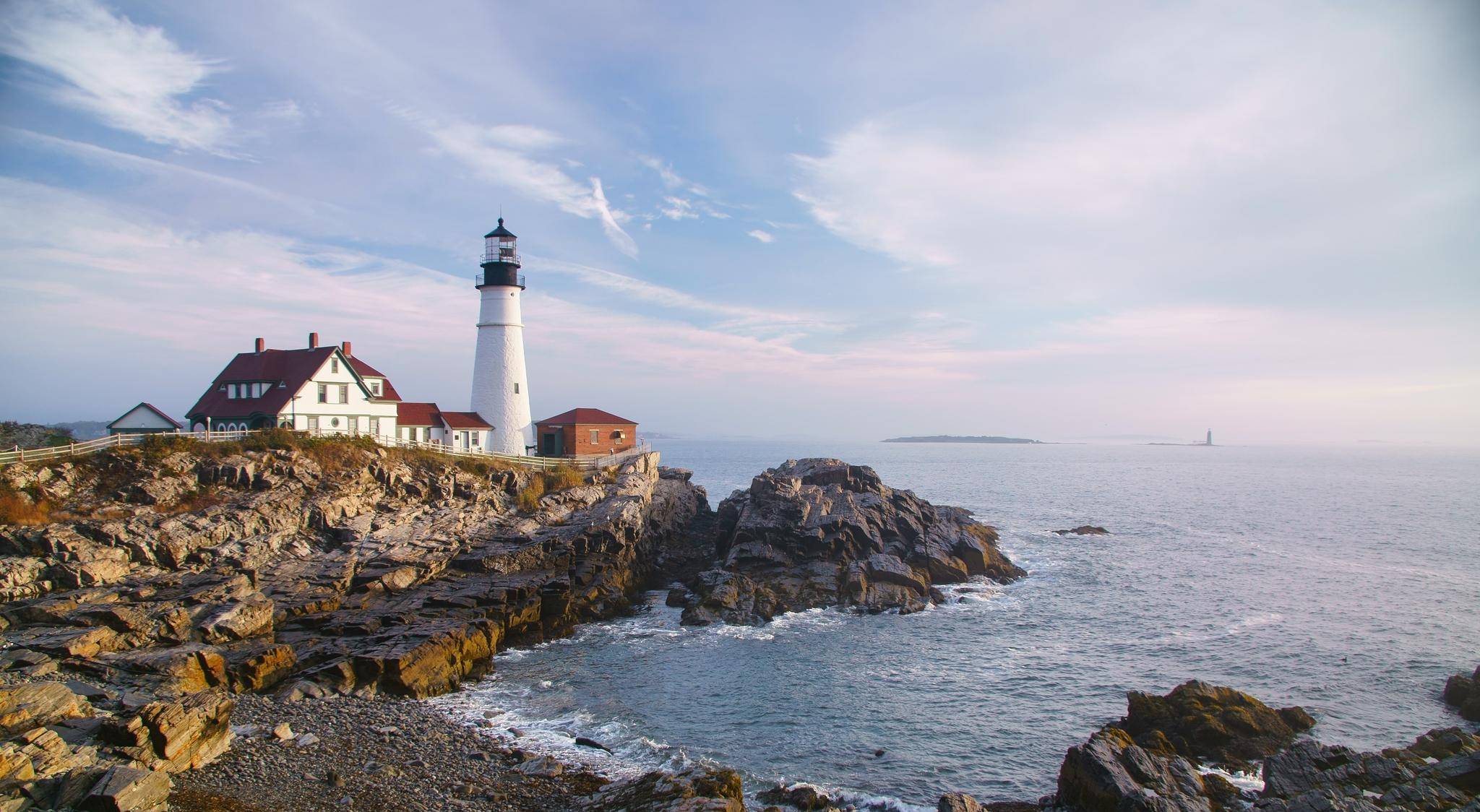
On the trail of the Pilgrim Fathers – road trip along the Atlantic coast
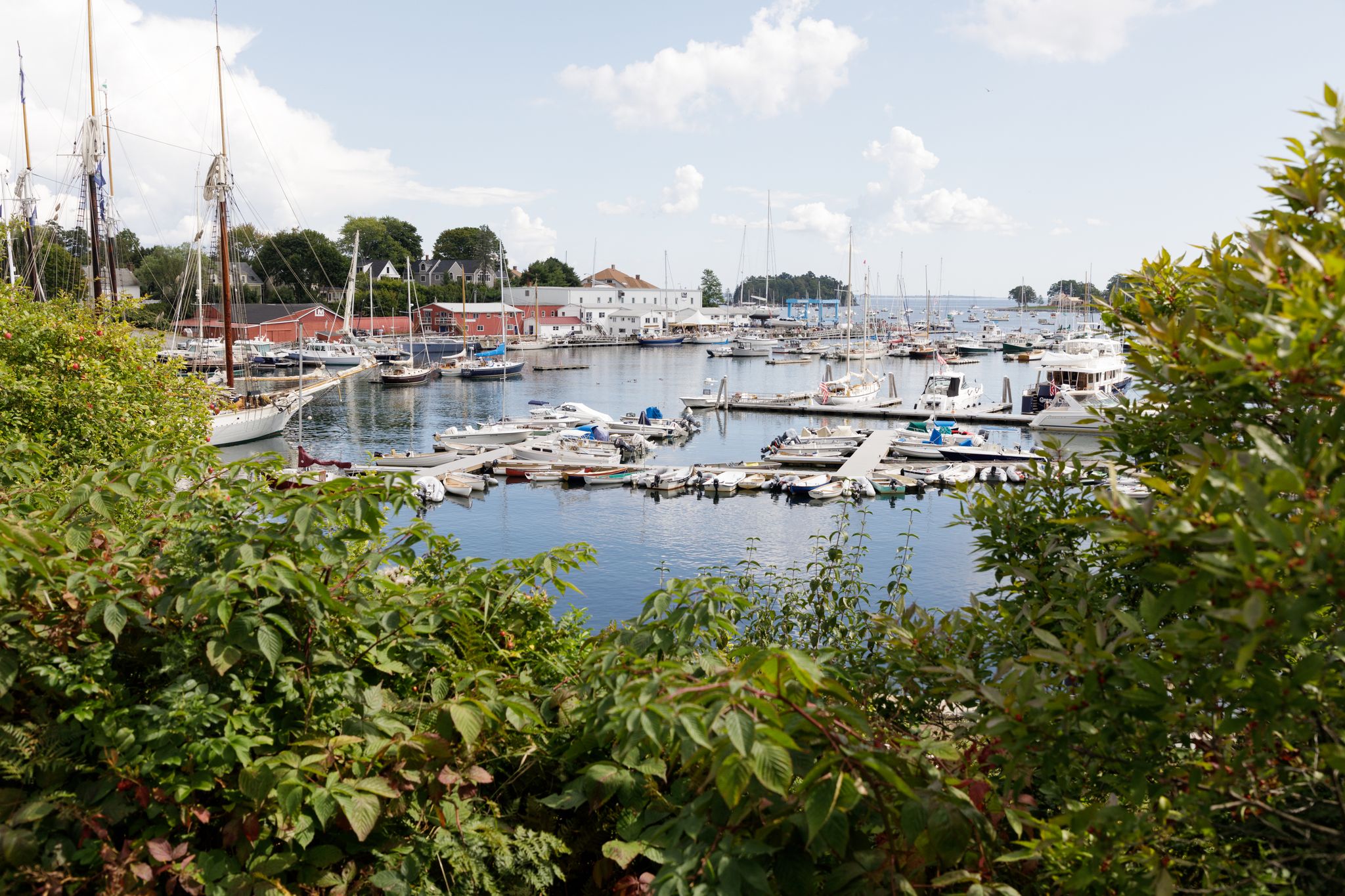
New England – vibrant cities, picturesque coastlines and wild mountain landscapes
Hiking in New Hampshire
Road Cycling Routes in New Hampshire
Other adventures in New Hampshire


Tips from the Community


Highly suggest hiking this counterclockwise. Great 360 degree views from the top and a climbable fire tower!
0
0

Washington is the most prominent mountain in the eastern U.S. and an absolutely incredible peak to bag. This is easily one of the best summits in New England. It is also the most dangerous if you come unprepared, especially in the winter. Washington creates its own rapidly changing weather system and is known for being the deadliest small mountain in the world. The second-fastest wind speed on earth was recorded here at over 230mph. That said, a quarter million people visit Washington every year, and if you come prepared and respect the mountain you have nothing to fear and are guaranteed to have an epic summit.
0
0

Black Cap, a 2,369-foot mountain in Conway, New Hampshire, sits between Kearsarge North Mountain and Peaked Mountain. Its rocky summit offers sweeping views of Maine and New Hampshire's White Mountains. Known as the "little mountain with big views," Black Cap is a favorite for its stunning scenery despite its modest climb to the peak.
0
0

The Old Bridle path is one of the more famous trails in Franconia Notch in the White Mountains of New Hampshire. This steep, strenuous trail is the most popular route to the summit of Mount Lafayette, and also leads to the AMC Greenleaf Hut. It is also often completed as part of a large, but amazing loop that includes the Falling Waters Trail up to the ridge where you summit Little Haystack, Mount Lincoln, and Lafayette, before heading down the Old Bridle Path.
0
0

Mount Chocorua is named after the Sokosis chief Chocorua, who lived in the early 18th century. The 1,064 m high Mount Chocorua is one of the most frequently climbed mountains in the US state of New Hampshire. The Appalachian Mountain Club notes that Mount Chocorua is one of the most photographed mountains in the world. https://www.chocorualake.org/hike-chocorua The striking mountain is the easternmost peak of the Sandwich Range and lies at the southern end of the White Mountains. The rocky peak is the result of a series of forest fires between the early 19th and 20th centuries. From its summit there are excellent views of the surrounding mountains and forests. The mountain is part of the almost 25 sq. km. large protected area ‘Mount Chocorua Scenic Area‘, which was created in 1986 as part of the ‘White Mountain Forest Plan‘. https://www.fs.usda.gov/Internet/FSE_DOCUMENTS/stelprdb5364479.pdf
2
0
The 'Cathedral Ledge' is the epicenter of traditional climbing in New Hampshire. The area near the town of North Conway in the 'Saco River Valley' offers routes of all levels of difficulty and styles and has been popular for decades. The viewpoint on the rocky cliff overlooking the 'Saco River Valley' can be reached via hiking trails and a road. https://www.mountainproject.com/area/105908823/cathedral-ledge
3
0

Dress warmly. Snow season begins July 1 and ends June 30. We were at 68 mph at the summit. Keeping your hat on is a good idea. Two days ago, when we were last up there, it was 73 degrees Fahrenheit and the wind was blowing lightly around 23 mph. Mt. Washington is the highest peak within 1,000 miles, making it an exposed location with what the US Weather Service calls the worst and most surprising weather in the world.
0
0
Frequently Asked Questions
Which mountain peaks in New Hampshire offer the most impressive panoramic views?
Many of New Hampshire's peaks are renowned for their breathtaking vistas. For expansive 360-degree views, consider Mount Washington Summit, which can extend into five states and Canada on a clear day. Mount Cardigan summit, with its treeless granite top, also provides outstanding views of west-central New Hampshire, including the White Mountains. Additionally, Mount Monadnock Summit offers excellent views of the surrounding mountains, and Black Cap is known for its sweeping views of Maine and the White Mountains.
Are there family-friendly mountain peaks to hike in New Hampshire?
Yes, New Hampshire offers several options suitable for families. Pack Monadnock Mountain is noted as family-friendly. Black Cap Summit also offers a family-friendly trail. For those seeking moderate challenges with great rewards, Mount Cardigan is a good option, providing impressive panoramic vistas without the extreme difficulties of higher White Mountain peaks.
What are some of the most popular hiking trails on New Hampshire's mountain peaks?
New Hampshire is home to many iconic hiking trails. The Franconia Ridge Loop Trail, encompassing Mount Lafayette, is considered one of the most iconic hikes in the East, renowned for its stunning, exposed ridge walk. Mount Monadnock boasts approximately 35 miles of maintained hiking trails, making it one of the most frequently climbed mountains globally. For a challenging experience, trails leading to Mount Washington Summit are very popular, though demanding.
What is the difficulty level of hiking New Hampshire's 4000-footers, such as those in the Presidential Range?
Hiking New Hampshire's 4000-footers, especially within the Presidential Range, is generally considered challenging. Peaks like Mount Washington Summit are known for extreme and rapidly changing weather conditions, even in summer. The Presidential Traverse is a classic and highly challenging alpine event. Mount Lafayette also shares characteristics with taller peaks, including an alpine zone above the treeline, requiring preparedness for rugged terrain and exposure to elements.
What unique natural features can I expect to see on New Hampshire's mountain peaks?
New Hampshire's mountain peaks offer diverse natural features. You can find alpine zones above the treeline on peaks like Mount Lafayette and in the Presidential Range. Mount Jefferson features glacial cirques such as Jefferson Ravine and the Great Gulf. The distinctive profile of Mount Chocorua Summit makes it one of the most photographed mountains. Additionally, trails like the Falling Waters Trail near Mount Lafayette feature beautiful waterfalls such as Stairs Falls and Cloudland Falls.
Are there any historical or cultural aspects associated with New Hampshire's mountain peaks?
Yes, several peaks have rich historical and cultural significance. Mount Chocorua Summit is associated with a local legend about an Indian chief named Chocorua, which is part of New Hampshire history and marked by a state historical marker. Mount Washington holds the record for the highest surface wind speed ever observed. The Presidential Range, including Mount Washington, Mount Adams, and Mount Jefferson, is named after U.S. presidents, reflecting a historical naming convention.
What outdoor activities can I do near New Hampshire's mountain peaks besides hiking?
Beyond hiking, New Hampshire's mountain regions offer a variety of outdoor activities. You can find excellent cycling routes, such as the Franconia Notch Bike Path or the challenging Mount Washington Auto Road Bicycle Hillclimb race route. Mountain biking is also popular, with trails like the Pemigewasset River loop. For more details on these activities, you can explore the Cycling in New Hampshire and MTB Trails in New Hampshire guides.
What is the best time of year to hike New Hampshire's mountain peaks?
The best time to hike New Hampshire's mountain peaks largely depends on your experience and desired conditions. Summer (June to September) offers the most favorable weather for general hiking, though high-altitude peaks like Mount Washington can still experience extreme conditions. Fall (late September to October) is popular for vibrant fall foliage, but weather can be unpredictable. Spring can be muddy with melting snow, and winter hiking requires specialized gear and experience due to snow, ice, and extreme cold.
Which mountain peaks are considered easier for beginners in New Hampshire?
For beginners or those seeking less strenuous hikes, Pack Monadnock Mountain and Black Cap Summit are good choices, often noted as family-friendly with rewarding views. Mount Pierce is also considered one of the easier 4,000-footers to hike, offering great views of the Presidential Range with a moderately graded trail.
What should I know about accessibility and parking for popular mountain peaks?
Accessibility varies by peak. For Mount Washington Summit, you can reach the top by hiking, driving the Mount Washington Auto Road, or taking the historic Mount Washington Cog Railway. Mount Monadnock is highly accessible from the Boston area, contributing to its popularity. Parking availability can be a concern at popular trailheads, especially during peak season, so it's advisable to arrive early or check specific park websites for current conditions and fees.
Are there any specific safety considerations for hiking in the White Mountains?
Hiking in the White Mountains, especially above the treeline, requires careful preparation. Conditions can change rapidly and drastically, particularly on peaks like Mount Washington, which is known for extreme weather. Always carry multiple layers of clothing, including wind and rain protection, even on clear days. Be aware of trail conditions, as many trails are rugged. It's recommended to check weather forecasts and inform someone of your hiking plans.
What are the '4000-footers' in New Hampshire?
The '4000-footers' refer to the 48 mountain peaks in New Hampshire that have an elevation of 4,000 feet or more. Many of these are located within the White Mountains, including all of New Hampshire's highest mountains. Hiking all 48 of these peaks is a popular goal for thousands of hikers, often tracked by organizations like the Appalachian Mountain Club (AMC).
Most popular routes in New Hampshire
Most popular attractions in New Hampshire

Get inspired with the komoot mobile app


Didn’t find what you were looking for?
Discover New Hampshire’s best peaks and summits by region:
Explore more
See even more amazing summits in New Hampshire with these guides:
