Attractions and Places To See around Sompting - Top 20
Best attractions and places to see around Sompting include a blend of historical landmarks and natural features, many located within the South Downs National Park. The area offers diverse points of interest, from ancient hillforts to scenic viewpoints. Sompting's landscape provides numerous footpaths and opportunities for exploring its rich heritage and natural beauty.
Best attractions and places to see around Sompting
- The most popular attractions is Devil's Dyke, a historical site that is a v-shaped chalkland dry valley known for wildflowers and butterflies. It was an Iron Age hillfort and offers a unique landscape for hiking.
- Another must-see spot is Chanctonbury Ring hillfort, a late Bronze or early Iron Age hillfort. It provides sublime views over the South Downs countryside and is known for its prominent beech trees.
- Visitors also love Cissbury Ring Hill Fort, the largest hill fort in Sussex. From its summit, visitors can see extensive views over the countryside, including Brighton and the chalk cliffs of the coast.
- Sompting is known for its historical sites, natural monuments, and scenic viewpoints. The region offers a variety of attractions to explore, from ancient fortifications to expansive landscapes.
- The attractions around Sompting are appreciated by the komoot community, with more than 270 upvotes and over 70 photos shared.
Last updated: April 24, 2026
Devil's Dyke
Highlight • Historical Site
The name comes from a legend: the devil, furious for the conversion of the Kingdom of Sussex to Christianity, dug a dyke through the South Downs to allow the water from the sea to flow through and drown the villages of the Sussex Weald.
The site was a hillfort in the Iron Age. You can still see some earthworks and burrows in the surrounding area. Apparently it was a very popular destination in Victorian times, with a funfair and even a railway line from Brighton!
It gets busy on the weekend but it's a paradise if you manage to hike here on a weekday.
Tip by

Chanctonbury Ring hillfort
Highlight • Historical Site
Tip by

Sign up now to discover places like this
Get recommendations on the best single tracks, peaks, & plenty of other exciting outdoor places.
Sign up for free
Cissbury Ring Hill Fort
Highlight • Historical Site
During spring and autumn you are able to observe a wide variety of migratory birds here as Cissbury is one of the first coastal landing points. The fort is managed by the National Trust and is accessible at any time, free of charge.
Tip by
Downs Link at Botolphs
Highlight • Viewpoint
Translated by Google •
Tip by

Bramber Castle Ruins
Highlight • Historical Site
The most visible feature of the castle today is the gatehouse tower, which still stands to almost its full height. Beyond it are the foundations of the living quarters, a kitchen and a guardhouse. The original castle was centred on a high knoll, on which was built a motte (a mound) that probably held a wooden structure. The motte was later abandoned in favour of a three-storey stone keep, of which only one wall still stands. The castle was surrounded by an outer ditch and an outer bank, and a stone wall around the top of the knoll.
Tip by

Sign up for free to discover even more attractions around Sompting.
Sign up for free
Already have an account?
Start today with a free account
Your next adventure awaits.
Login or Signup

Tips from the Community

The remains of this Norman castle are perched on a high natural knoll overlooking the River Adur, defending a gap in the South Downs. Built soon after the Norman Conquest to help protect William I’s newly won territories, the castle was the Sussex seat of the de Braose family.
0
0


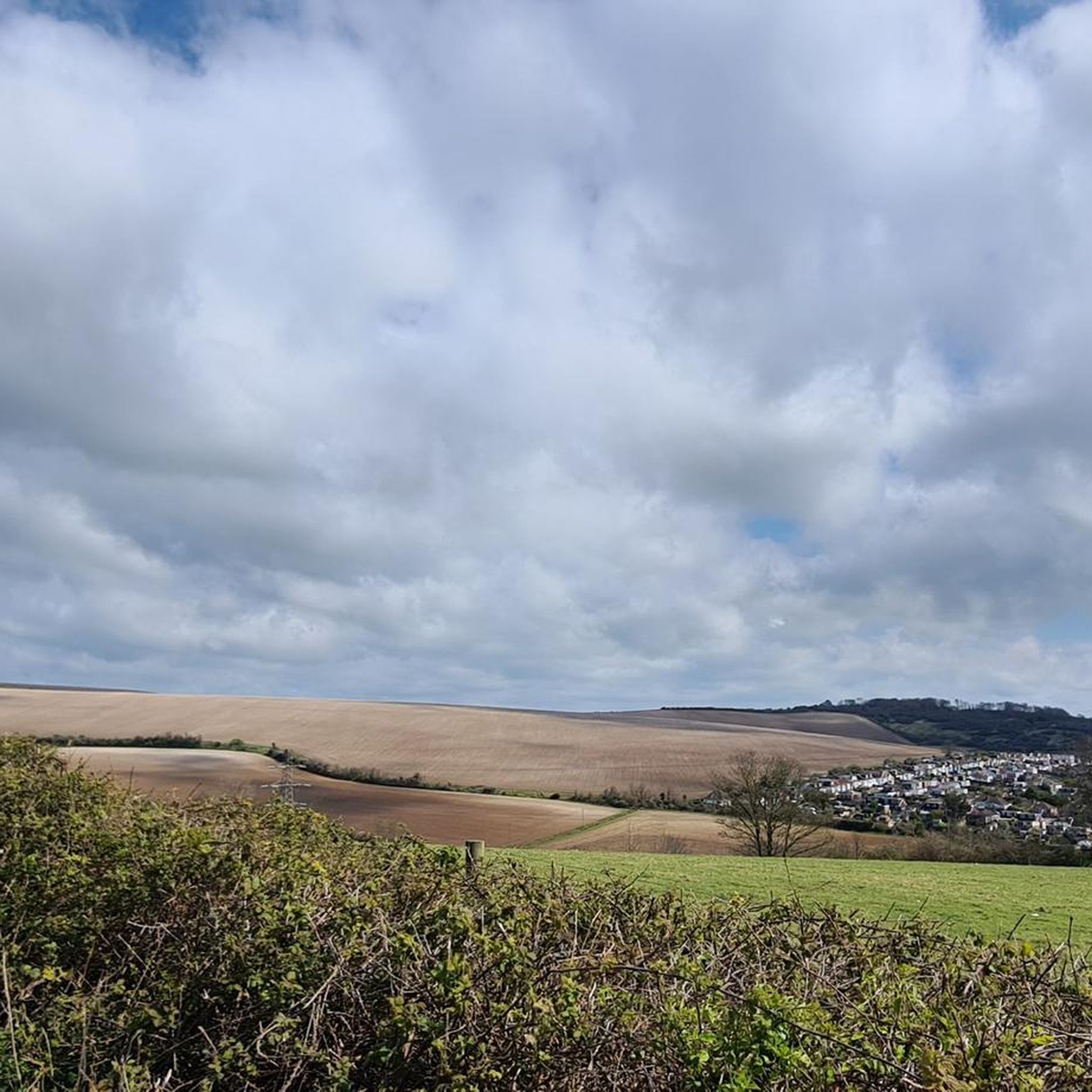
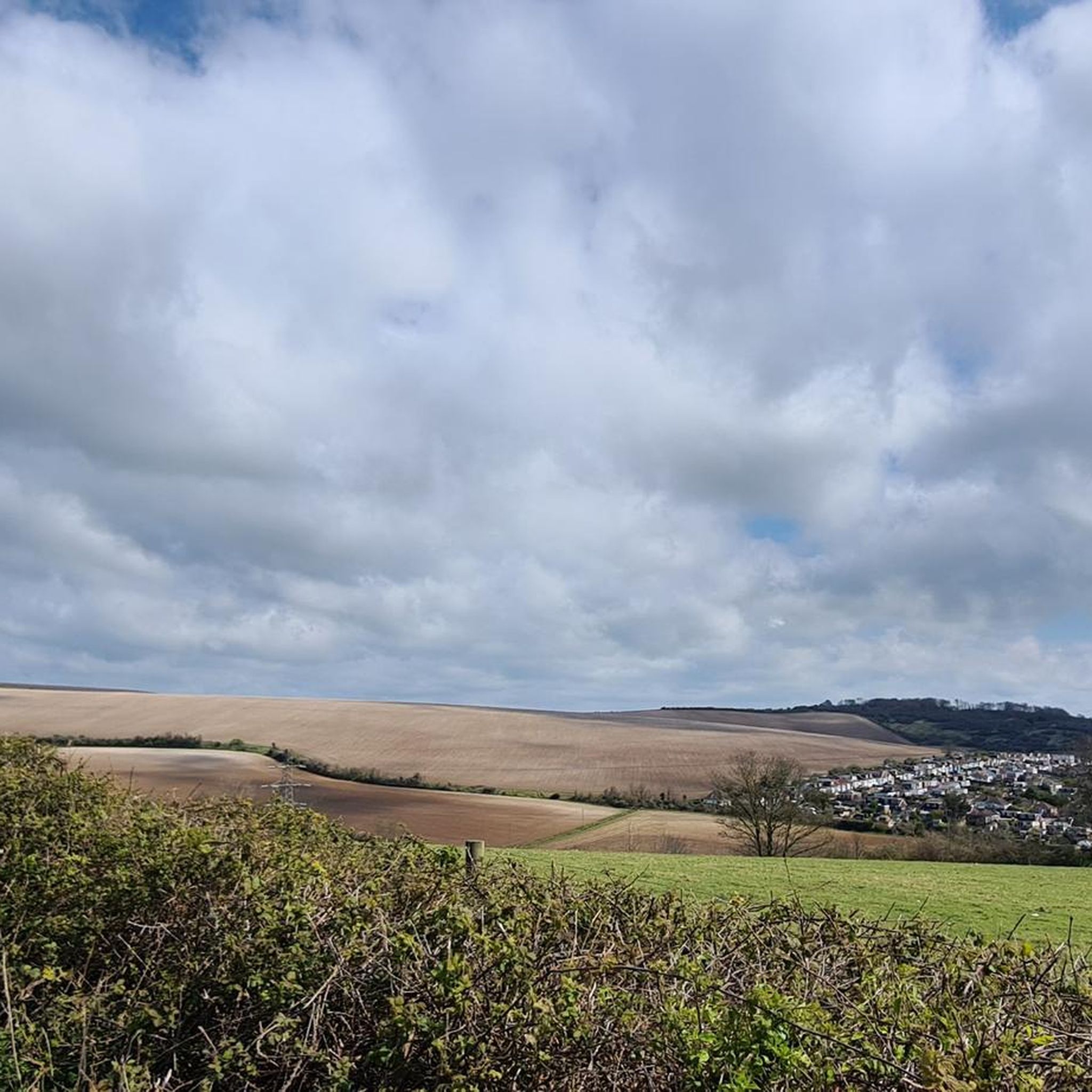
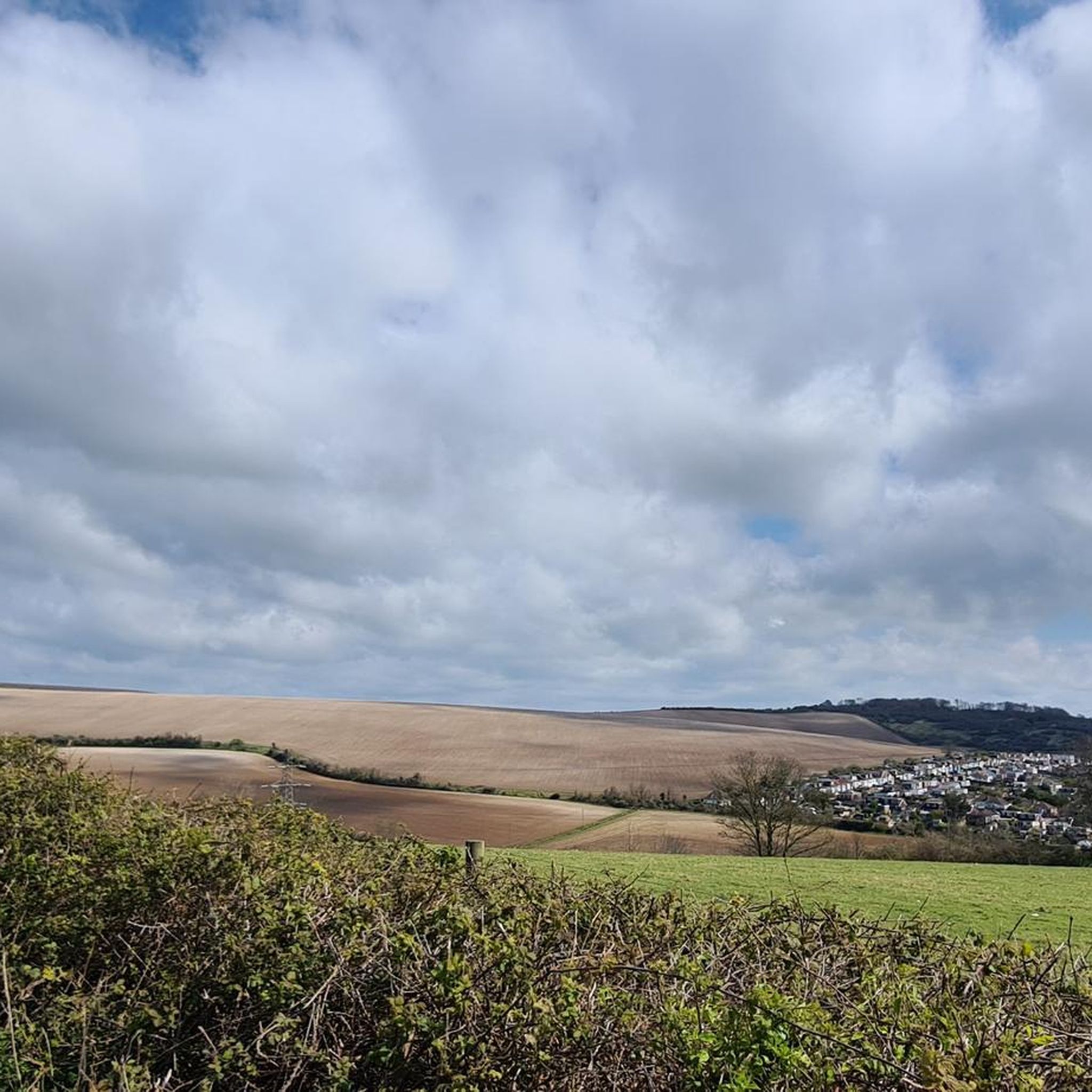
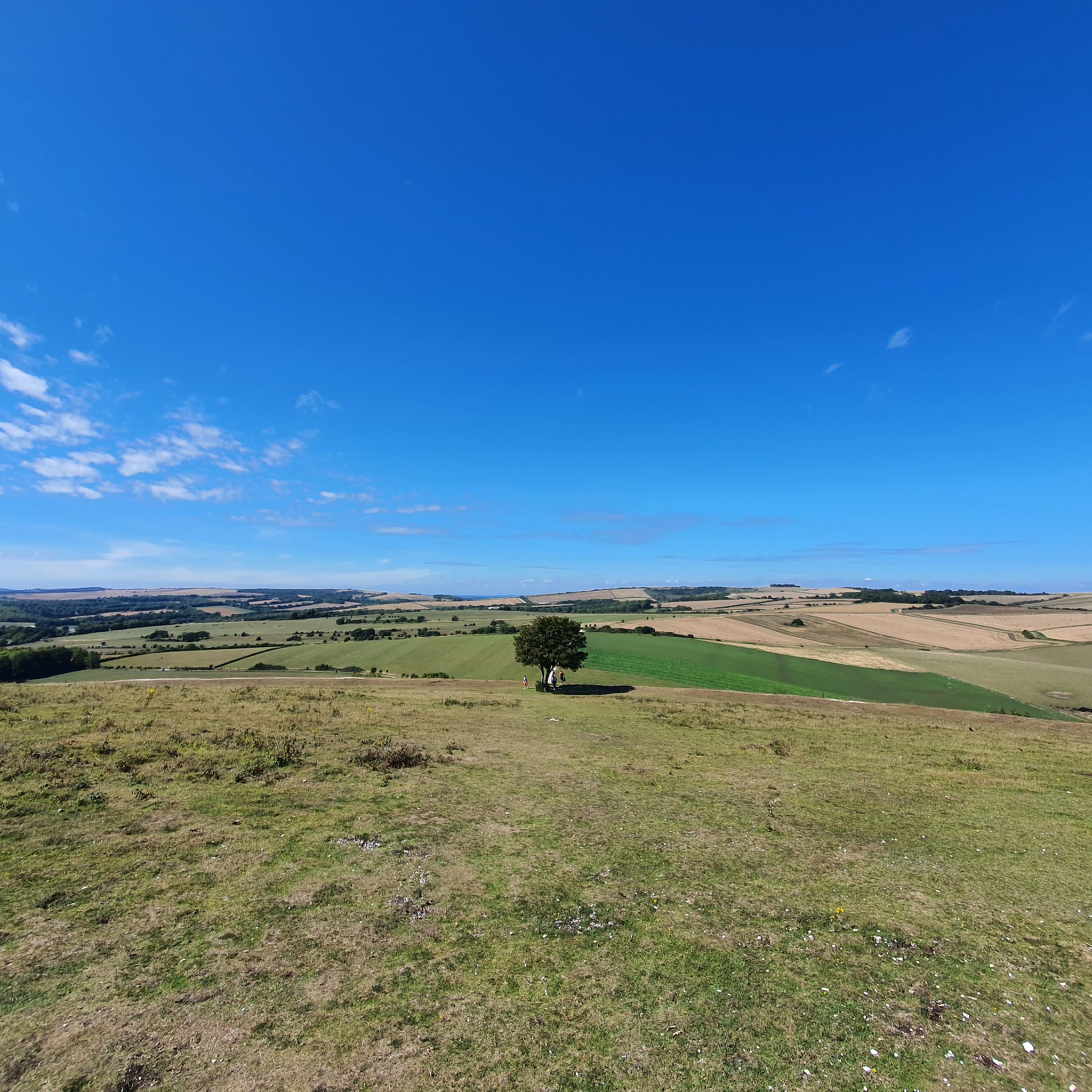
This is a beautiful spot, there is a trig point that is placed on one of the ramparts of the actual Iron Age hillfort here. It is very popular with walkers, and families. The valley bowl is also particularly beautiful.
1
0
Cissbury Ring is one of the jewels in the crown of the new South Downs National Park. It's the largest hill fort in Sussex and has a history dating back over 5,000 years. Set high up on a chalk promontory, its ditch and ramparts enclose about sixty-five acres. From the top on a clear day you can see forever, with views across to the chalk cliffs beyond Brighton and as far as the Isle of Wight.
0
0
This is a beautiful spot with expansive views out North over the rolling South Downs countryside giving you a lush patchwork of quilted green fields. There is also a sturdy bench to take the weight off your feet and super cool Cissbury Ring just behind you.
1
0
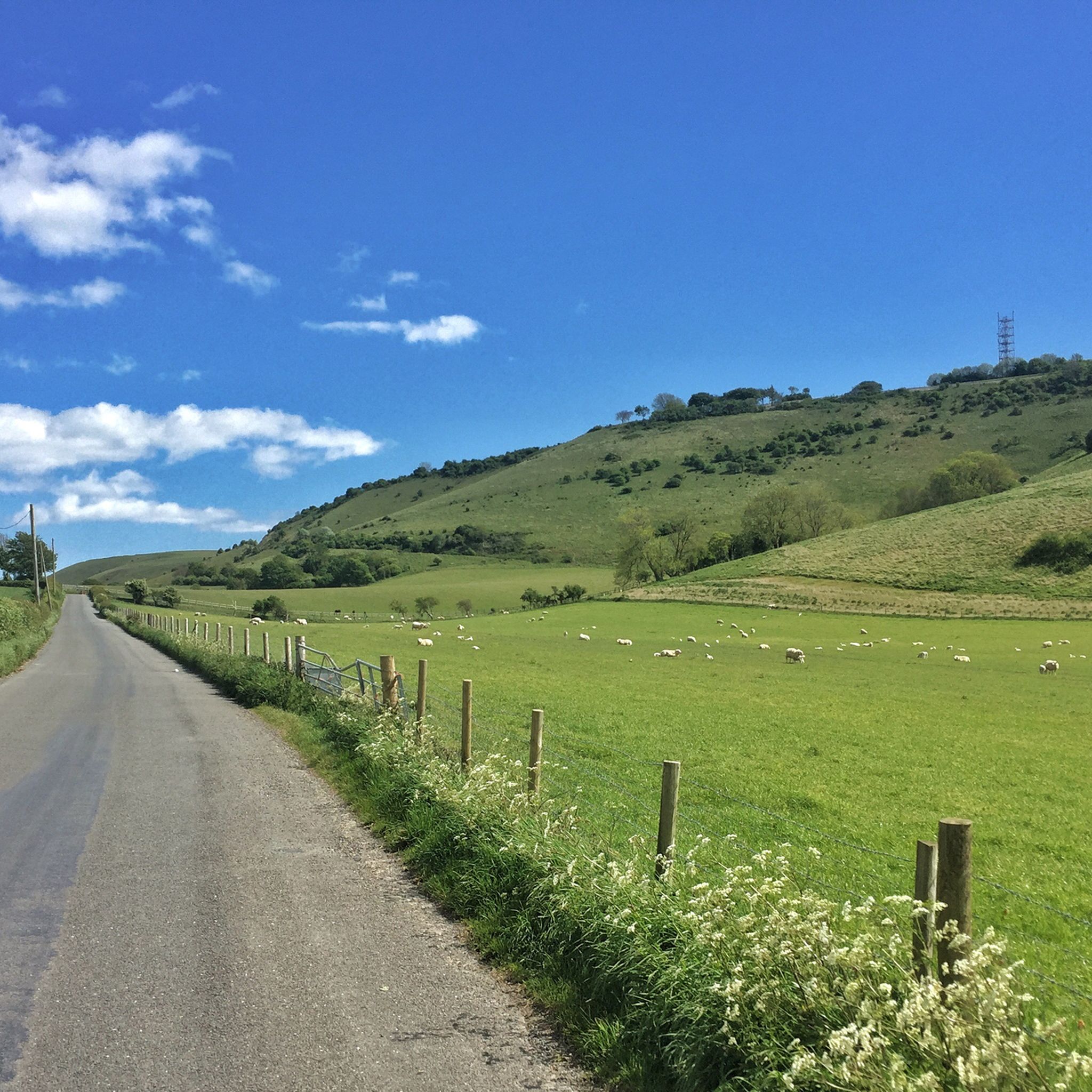
The Downs Link is a beautiful long-distance route for walkers, horse riders, and cyclists that follows two disused railway lines. It crosses the Surrey Hills, the Low Weald, the South Downs, and the Coastal Plain. Since the trains departed in the 1960s, the embankments and cuttings have become a green corridor for wildlife and people.
2
0

Frequently Asked Questions
What historical landmarks can I explore in and around Sompting?
Sompting is rich in history. You can visit Devil's Dyke, an Iron Age hillfort with a unique v-shaped chalkland dry valley. Other significant historical sites include Chanctonbury Ring hillfort, known for its ancient origins and prominent beech trees, and Cissbury Ring Hill Fort, the largest hill fort in Sussex offering extensive views. Within Sompting village, don't miss St Mary's Church, a Grade I-listed Anglo-Saxon and Norman church with a rare 'Rhenish helm' tower, and the ruins of Bramber Castle, a Norman motte-and-bailey castle.
Are there good walking trails near Sompting, especially in the South Downs National Park?
Yes, the northern part of Sompting lies within the South Downs National Park, offering numerous footpaths and exceptional views. You can find various hiking routes, including those around Cissbury Ring and Chanctonbury Ring. For more detailed options, explore the Hiking around Sompting guide, which features routes like the Cissbury Ring Circular Trail and paths along the South Downs Way.
What natural features and viewpoints can I enjoy around Sompting?
Sompting boasts several natural attractions. The Sompting Gap, a protected area between Sompting and Worthing, features the Broadwater Brook and reedbeds designated as a Site of Nature Conservation Importance. The Sompting Brooks Nature Trail offers a newer walking experience with farm fields, a wildflower meadow, and sculptures. For stunning views, head to 'The Mountain' within the South Downs National Park, or the summits of Chanctonbury Ring and Cissbury Ring, which provide panoramic vistas over the countryside and even the coast.
Are there any family-friendly activities or attractions in Sompting?
Many of the natural and historical sites around Sompting are suitable for families. The Sompting Brooks Nature Trail, with its wildlife sculptures, is a great option for a gentle family walk. The Devil's Dyke is a popular destination for hiking and relaxing in nature, and the Downs Link at Botolphs offers a family-friendly cycle way along the river. The open spaces of the South Downs National Park also provide ample opportunities for outdoor family adventures.
What are the best times to visit Sompting for outdoor activities?
The spring and autumn months are ideal for visiting Sompting. During these seasons, the weather is generally pleasant for hiking and exploring the natural beauty of the South Downs. Spring brings wildflowers to areas like Devil's Dyke, while autumn offers vibrant foliage. Migratory birds can also be observed at Cissbury Ring during these times. While accessible year-round, some paths might be muddy in winter.
Can I find easy walking trails around Sompting?
Yes, there are several easy walking trails available. The Sompting Brooks Nature Trail is a gentle option, and within the South Downs National Park, you can find less strenuous paths. For specific easy routes, refer to the Easy hikes around Sompting guide, which includes routes like the South Downs Way Trail loop from Steep Down and various loops around Cissbury Ring with easier difficulty grades.
Are there opportunities for cycling or mountain biking near Sompting's attractions?
Absolutely. The Downs Link at Botolphs is a well-maintained cycle way that follows the River Adur. For mountain biking enthusiasts, the MTB Trails around Sompting guide offers routes such as loops around Devil's Dyke and Cissbury Ring, catering to moderate skill levels.
What kind of views can I expect from the viewpoints near Sompting?
The viewpoints around Sompting offer spectacular vistas. From Chanctonbury Ring hillfort, you'll get sublime views over the South Downs countryside. Cissbury Ring Hill Fort provides breathtaking panoramic views over the countryside, extending to Brighton, the chalk cliffs of the coast, and even the Isle of Wight on a clear day. 'The Mountain' within the South Downs National Park also offers exceptional views.
What is the significance of St Mary's Church in Sompting?
St Mary's Church is a highly significant landmark in Sompting, dating back to around 960 AD. It is a Grade I-listed Anglo-Saxon and Norman church, unique in England for its 'Rhenish helm' tower – a four-sided gabled pyramidal cap. The church underwent later remodelling by the Knights Templar in the 12th and 13th centuries and remains a striking architectural and historical site.
Are there any archaeological sites or ancient history to explore in Sompting?
Yes, Sompting has a rich archaeological past. Evidence of early and continuous settlement includes remains from late Bronze Age, Iron Age, and Romano-British farmsteads and field systems. A Bronze Age bowl barrow was discovered on the higher ground of the Downs at Park Brow. The hillforts of Devil's Dyke, Chanctonbury Ring, and Cissbury Ring are also significant prehistoric sites.
What do visitors enjoy most about the attractions around Sompting?
Visitors frequently praise the stunning views and the historical significance of the area. Many appreciate the unique landscapes, such as the v-shaped chalkland dry valley at Devil's Dyke, and the panoramic vistas from Cissbury Ring. The opportunity for hiking and exploring nature, combined with the rich history of the hillforts and ancient churches, makes Sompting a highly valued destination for outdoor enthusiasts and history buffs alike.
Most popular routes around Sompting
Most popular attractions around Sompting

Get inspired with the komoot mobile app


Explore more
Still not found the Highlight you’re looking for? See guides of the top attractions in other regions:
