Top 20 Mountain Passes in Japan
Mountain passes in Japan traverse diverse landscapes, from dense forests to alpine regions. These routes often hold historical significance, connecting ancient pilgrimage paths and trade routes. Japan's mountainous terrain provides numerous opportunities for exploring its natural features. Many passes offer routes for hiking and cycling, allowing access to varied environments.
Best mountain passes in Japan
- The most popular mountain passes is View of Mount Fuji from Otome Pass, a mountain pass known as one of the best spots to view Mount Fuji. This pass is located on the border between Kanagawa and Shizuoka prefectures.
- Another must-see spot is Echizen Pass, a historical mountain pass. Pilgrims have used this pass for centuries to reach the Nachi Taisha temple complex, involving a climb of over 800 meters in altitude.
- Visitors also love Yabitsu Pass, a mountain pass with an altitude of 761 meters. It is a well-known climbing spot in Kanagawa.
- Japan is known for high-altitude passes, historical routes, and scenic driving roads. These include routes through the Japanese Alps and passes with views of Mount Fuji.
- The mountain passes in Japan are appreciated by the komoot community. The guide features 50 highlights, with 15 upvotes and 10 photos contributed by users.
Last updated: June 24, 2026
Wada Pass (Wada-tōge)
Highlight • Mountain Pass
Wada Pass may also be accessed from the Daigo line which is longer, with some very steep sections and is a rindo (mountain way) so not very well kept and progress can be hard. The last 100m is a gravel track.
Descending from Wada Pass on either side is very fast so care and attention is needed as there are often hikers, cyclists and motor vehicles also using the route.
Tip by

Echizen Pass
Highlight • Mountain Pass
Translated by Google •
Tip by

Sign up now to discover places like this
Get recommendations on the best single tracks, peaks, & plenty of other exciting outdoor places.
Sign up for free
Yabitsu Pass
Highlight • Mountain Pass
Tip by

Mysterious mountain landscapes
Highlight • Viewpoint
Translated by Google •
Tip by
Climb to the pass
Highlight (Segment) • Climb
Translated by Google •
Tip by
Tsuetsuki-tōge Pass Climb on the Akiha Kaidō (杖突峠 Climb)
Highlight (Segment) • Climb
Tip by

View of Mount Fuji from Otome Pass
Highlight • Mountain Pass
Translated by Google •
Tip by

Highest Point of Japan National Road
Highlight • Mountain Pass
It's the highest national (public) road of Japan, at an elevation of 2.172m.
Tip by
UFO Line (UFO Line)
Highlight • Trail
On a clear day, you can see not only the Ishizuchi Mountain range but also the Pacific Ocean.
Be prepared for fog, rain and wind.
Tip by

Iriyama Pass (Iriyama-tōge)
Highlight • Mountain Pass
Tip by
Sign up for free to discover even more mountain passes in Japan.
Sign up for free
Already have an account?
Start today with a free account
Your next adventure awaits.
Login or Signup
Popular around Japan
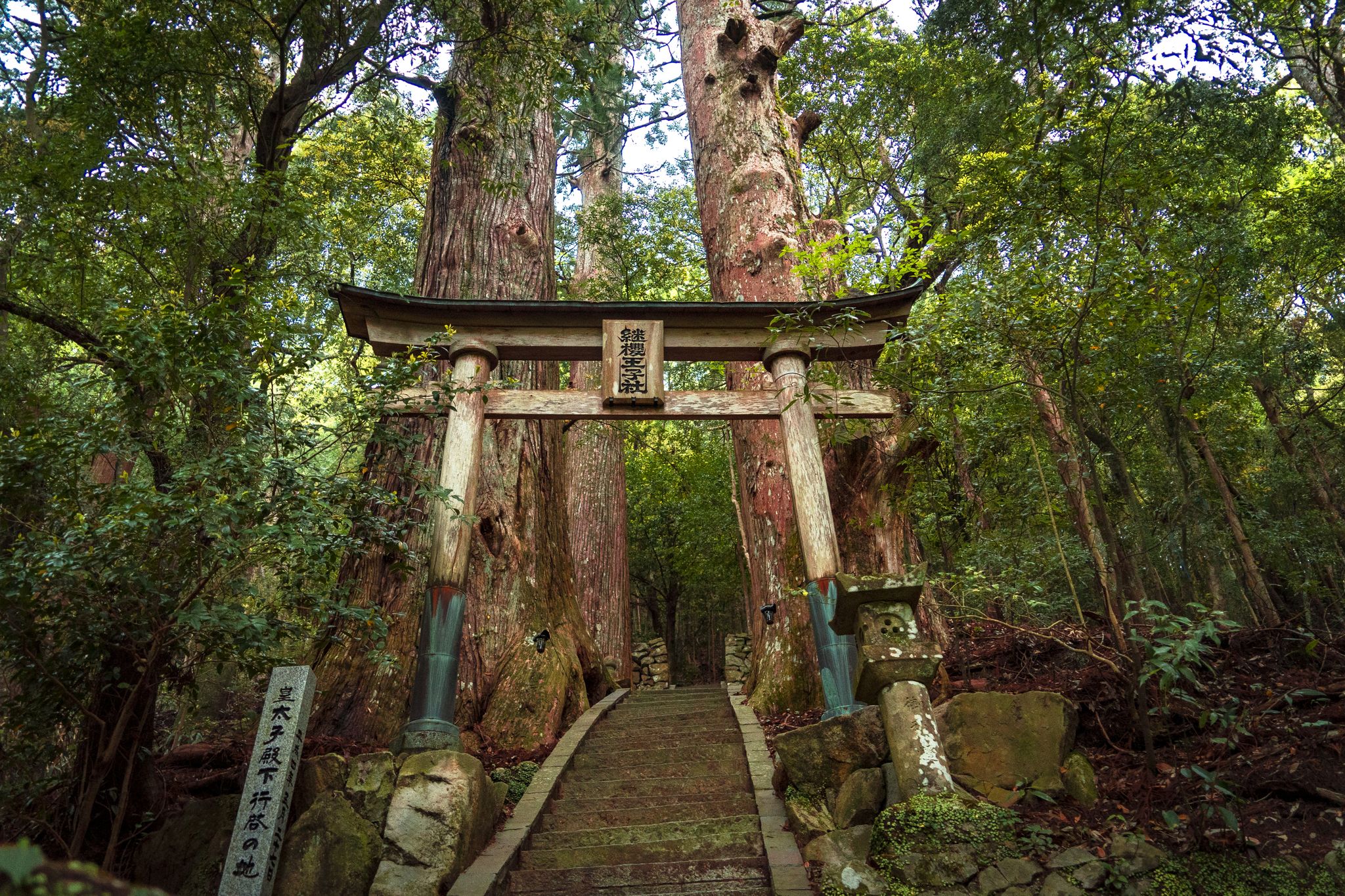
Kumano Kodo – a pilgrimage in the sacred forests of Japan
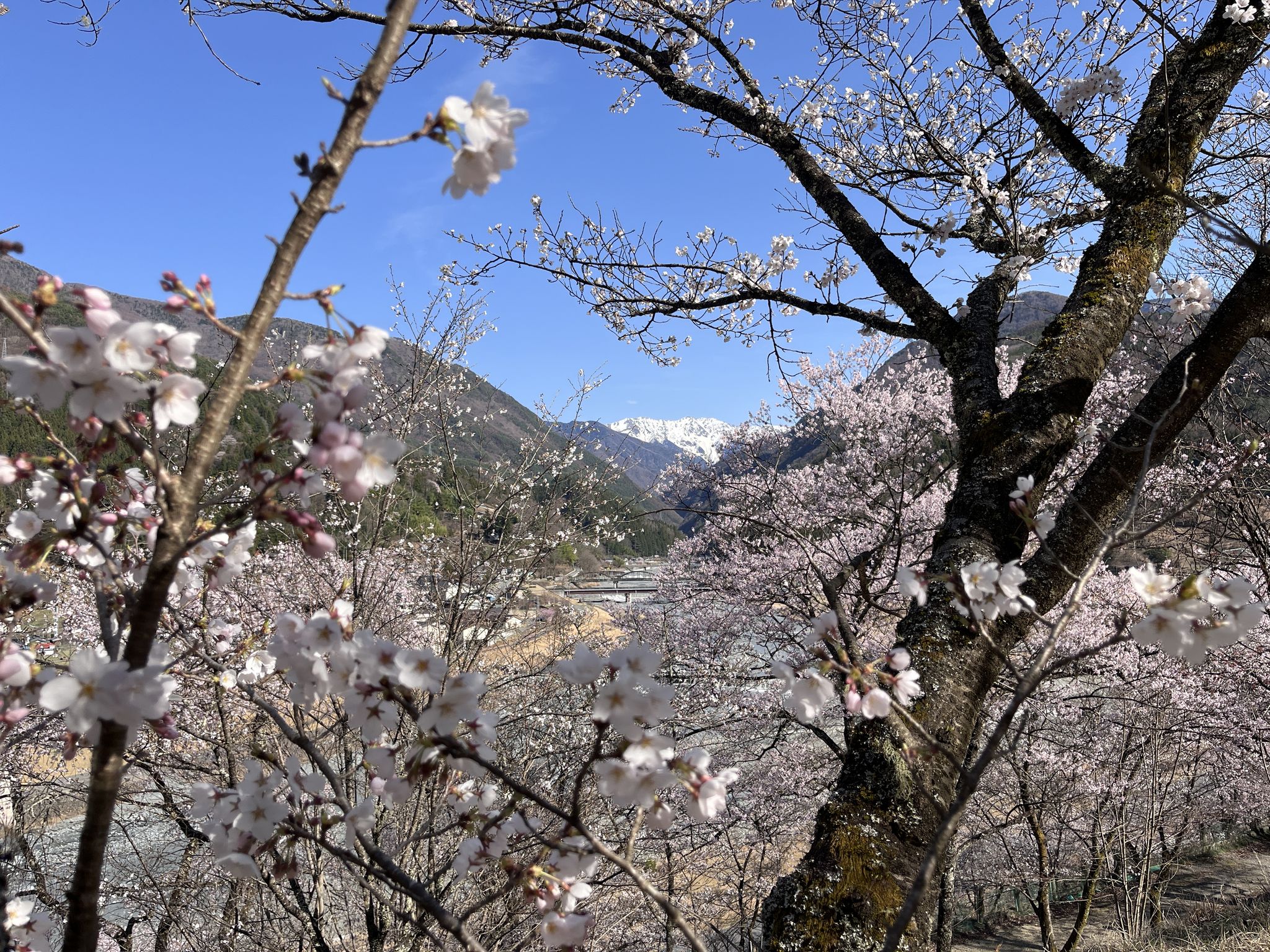
Oshika Akiha Kodo Hanami Tours
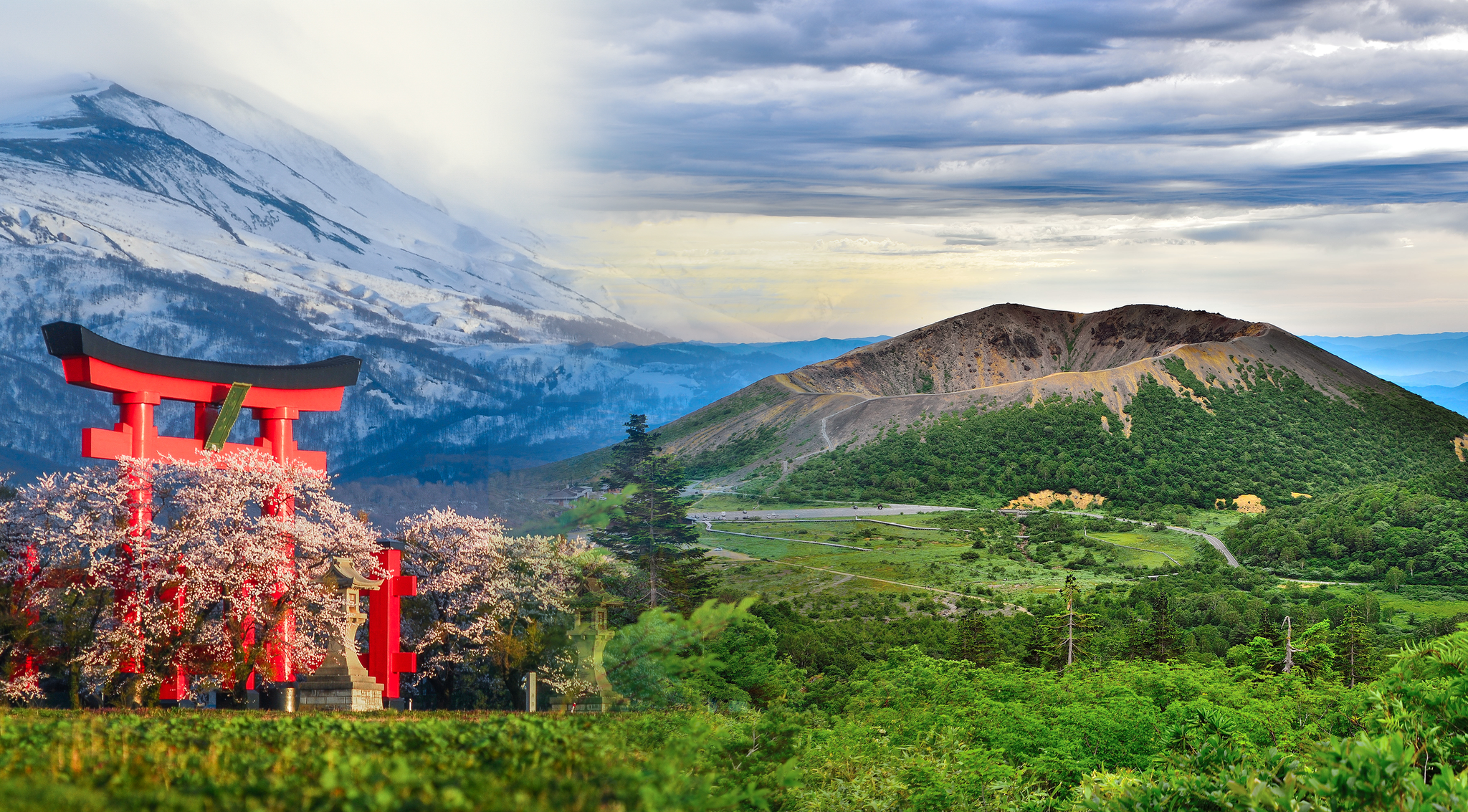
Spiritual peaks — hiking Bandai Asahi National Park’s Volcano Trail
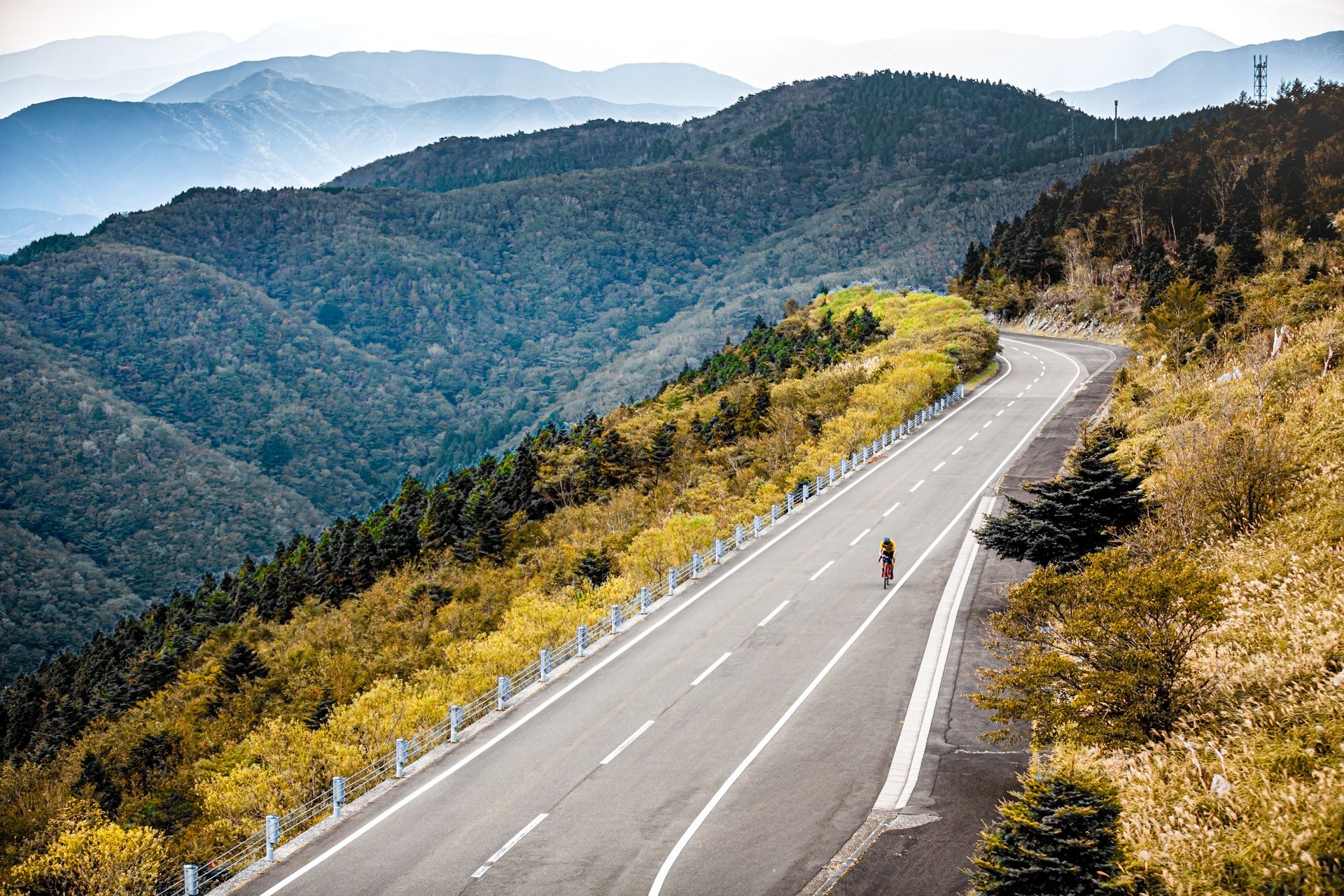
The Japanese Odyssey — 1,600km of volcanic islands to Tokyo
Hiking in Japan
Cycling in Japan
Running Trails in Japan
Road Cycling Routes in Japan
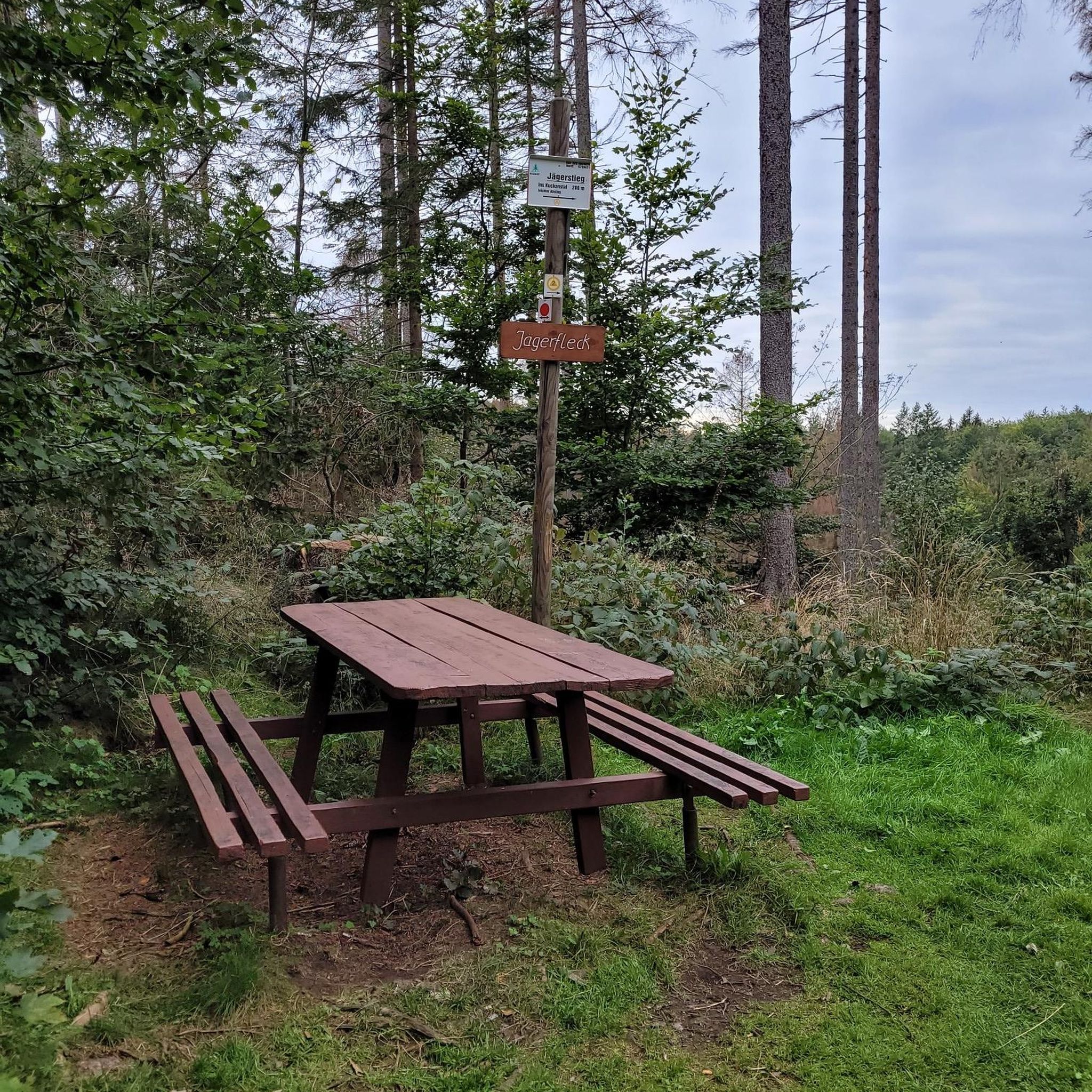
Mountain Hikes in Japan
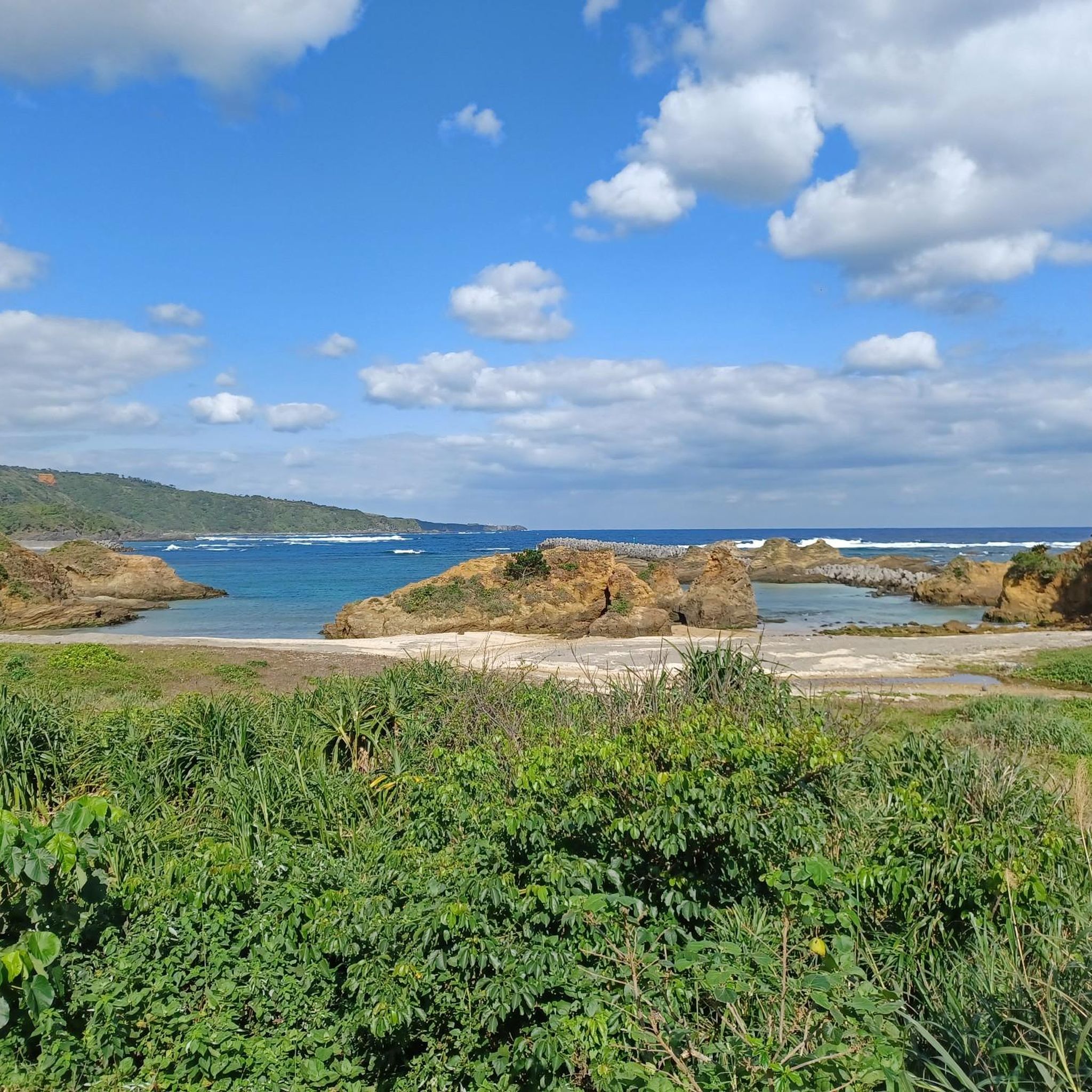
MTB Trails in Japan
Other adventures in Japan


Tips from the Community

Amazing snow walls can be seen in the end of April and the beginning of May. One of the best hill climb routes in Nagano.
0
0

Shibu Pass is a well-known mountain pass in Japan, located at an elevation of 2,172 meters and representing the highest point of any national highway in Japan. National Highway 292, which runs through the Shiga Kogen region, offers cyclists a challenge and breathtaking views. The climb from Kusatsu to Shibu Pass is approximately 20 km long and offers an average gradient of 5-6%. The maximum gradient is 11%, making the ride even more challenging. The road is paved and provides a good surface for cycling. The gradients are challenging, but the views are breathtaking. The ride to Shibu Pass offers breathtaking mountain scenery and a variety of natural attractions. The Shiga Kogen region is known for its volcanic activity and offers a unique landscape. Shibu Pass is a highlight for cyclists and a must-see for anyone looking for a challenge. The views from Shibu Pass are breathtaking and offer views of the surrounding mountains and valleys.
1
0
The Tsuetsuki Pass (Japanese: 杖突峠, Tsuetsuki-tōge) is a mountain pass in Japan, located in Nagano Prefecture. The pass is known for its scenic beauty and offers breathtaking views of the surrounding landscape. The Tsuetsuki Pass has an elevation of approximately 1,247 meters above sea level. It is a popular destination for hikers and cyclists who want to experience the beauty of Japanese nature. Approaching the pass from the south, it is approximately 9 kilometers long with an average gradient of 4%, but a maximum gradient of 12%.
0
0

Riding National Route 152 up to Tsuetsuki-tōge (1,247 m) is the longest and hardest climb on the Akiha Kodō pilgrimage route. On a winding two-lane stretch of 6 kilometers, you must gain 390 meters in elevation. One kilometer before the pass there is a rest stop (Tōge-no-chaya) with a café, a soba noodle restaurant, and a stunning view of the Suwa basin. On some days there is considerable motorized traffic. Cars and trucks will be over taking you fast, so this climb is not for the faint of heart.
0
0

Otome Pass (Otome-toge) is located on the border between Kanagawa and Shizuoka prefectures in Fuji-Hakone-Izu National Park and is known as one of the “3 best spots to view Mt. Fuji”.
2
0

Route up from Itsukaichi has been improved and is now good for road bikes although there are still many potholes and gravelly areas so descending towards Itsukaichi needs care. Route from Hachiouji is quite smooth, has some great views especially near the Iriyama Tunnel but watch out for rock slides. Both have some steep parts but are doable with a wide range of gears. Gates are generally shut on both sides and you are asked to refrain from going up - cyclists don't seem to get stopped so I assume it's more for motorbikes etc.
0
0
Wada Pass from the main Hachiouji side is a very well kept road with big sweeping corners. It is a quite steep in parts and there isn't much of a view at the top. From the top you can continue over towards Fujino and Lake Sagami-ko. You can also park your bike here and walk up to the top of Mt Jimba for some great views. The cafe at Wada Pass states that there is a fee for parking your bicycle there but I have never been asked to pay. Wada Pass may also be accessed from the Daigo line which is longer, with some very steep sections and is a rindo (mountain way) so not very well kept and progress can be hard. The last 100m is a gravel track. Descending from Wada Pass on either side is very fast so care and attention is needed as there are often hikers, cyclists and motor vehicles also using the route.
1
0

This route, which zigzags along a ridge from 1,300m to 1,700m above sea level, is popular as a driving course with spectacular views leading to the sky. On a clear day, you can see not only the Ishizuchi Mountain range but also the Pacific Ocean. Be prepared for fog, rain and wind.
1
1
Frequently Asked Questions
Which mountain passes in Japan offer historical significance?
Japan's mountain passes are rich in history. Echizen Pass is a historical mountain pass that pilgrims have used for centuries to reach the Nachi Taisha temple complex. Misaka-toge Pass, at 1,569 meters, is the highest pass on the Ancient Tosando Trail, Japan's oldest national road, and is mentioned in historical texts like the Nihonshiki. Bunkui Pass also sits on the legendary Akiha Kodo pilgrimage road, offering a glimpse into ancient routes.
Where can I find mountain passes with stunning views of Mount Fuji?
For breathtaking views of Mount Fuji, visit View of Mount Fuji from Otome Pass. It's known as one of the best spots to view the iconic mountain. The Hakone Skyline also offers potential views of Mount Fuji on clear days, particularly from the Hakone Ropeway.
What are some challenging mountain passes for cycling or hiking?
Many passes offer challenging routes. Norikura Pass, one of Japan's highest paved passes at 2,716 meters, is popular with cyclists and hikers. Yabitsu Pass is a well-known climbing spot in Kanagawa. The climb to Echizen Pass involves an ascent of over 800 meters, described by a poet as 'hard and strenuous'. Kuragari Pass is renowned as Japan's steepest slope, featuring centuries-old cobblestones for a challenging experience.
What kind of natural features can I expect to see at Japan's mountain passes?
Japan's mountain passes traverse diverse landscapes. You can expect to see dense forests, alpine meadows, and volcanic terrain. Passes like Norikura offer impressive alpine vistas, while others provide views of surrounding mountains and valleys, such as the Japan Median Tectonic Line Valley from Bunkui Pass. Many passes are also part of national parks, offering rich natural beauty.
Are there mountain passes known for unique or mystical experiences?
Yes, Bunkui Pass near Ina in Nagano Prefecture is known for its mystical sites. It features a 'power spot' where the Earth's magnetic field is said to be particularly weak, offering a unique experience alongside its scenic beauty and historical pilgrimage routes.
When is the best time to visit Japan's mountain passes?
The best time to visit depends on the pass and your activity. High-altitude passes like Norikura can be windy and cold, suggesting warmer months for comfortable visits. Generally, spring and autumn offer pleasant weather for hiking and cycling, with vibrant foliage in autumn. Some passes may have seasonal road closures, so it's advisable to check local conditions before planning your trip.
What outdoor activities can I do near mountain passes in Japan?
Beyond exploring the passes themselves, the surrounding regions offer various outdoor activities. You can find numerous mountain hikes, including challenging routes like the View of Mount Fuji Crater loop. There are also MTB trails, such as the 七国峠 loop, and waterfall hikes like the Fushimi Inari Shrine loop.
Are there any mountain passes suitable for scenic drives?
Absolutely. The Hakone Skyline is a 5 km toll road offering many scenic views, and the Hakone Turnpike is an iconic 'Touge' road famous among car enthusiasts for its enjoyable driving experience. Mikuni Pass near Yamanakako is another popular choice for driving enthusiasts seeking engaging mountain roads with twists and turns.
How accessible are Japan's mountain passes by public transport?
Accessibility varies by pass. Norikura Pass is notable for being home to Japan's highest bus station, making it accessible even at its high elevation. For other passes, public transport options might include buses to nearby towns or trailheads, but some more remote passes may require private vehicle access or a combination of transport methods.
What do visitors particularly enjoy about the mountain passes in Japan?
Visitors appreciate the diverse experiences offered by Japan's mountain passes. Many enjoy the breathtaking views, especially of iconic landmarks like Mount Fuji. The challenging climbs, whether for cycling or hiking, are a draw for adventurers. The historical significance of ancient pilgrimage routes and the unique natural beauty, from dense forests to alpine landscapes, are also highly valued by those exploring these passes.
Are there any specific tips for hiking or cycling on these passes?
When hiking or cycling, be prepared for varying conditions. For instance, the climb to Echizen Pass is incredibly steep, and early mornings can offer a magical mood. On descents, especially in wet conditions, watch your steps on mossy stones. Always check for road closures, as some sections, like parts of Yabitsu Pass, may be temporarily inaccessible.
Most popular routes in Japan
Most popular attractions in Japan

Get inspired with the komoot mobile app


Didn’t find what you were looking for?
Find even more amazing mountain passes in Japan organized by region:
Explore more
See even more epic mountain passes by checking out these guides in Japan:
