The best walks and hikes in Japan
4.5
(5377)
50,709
hikers
1,379
hikes
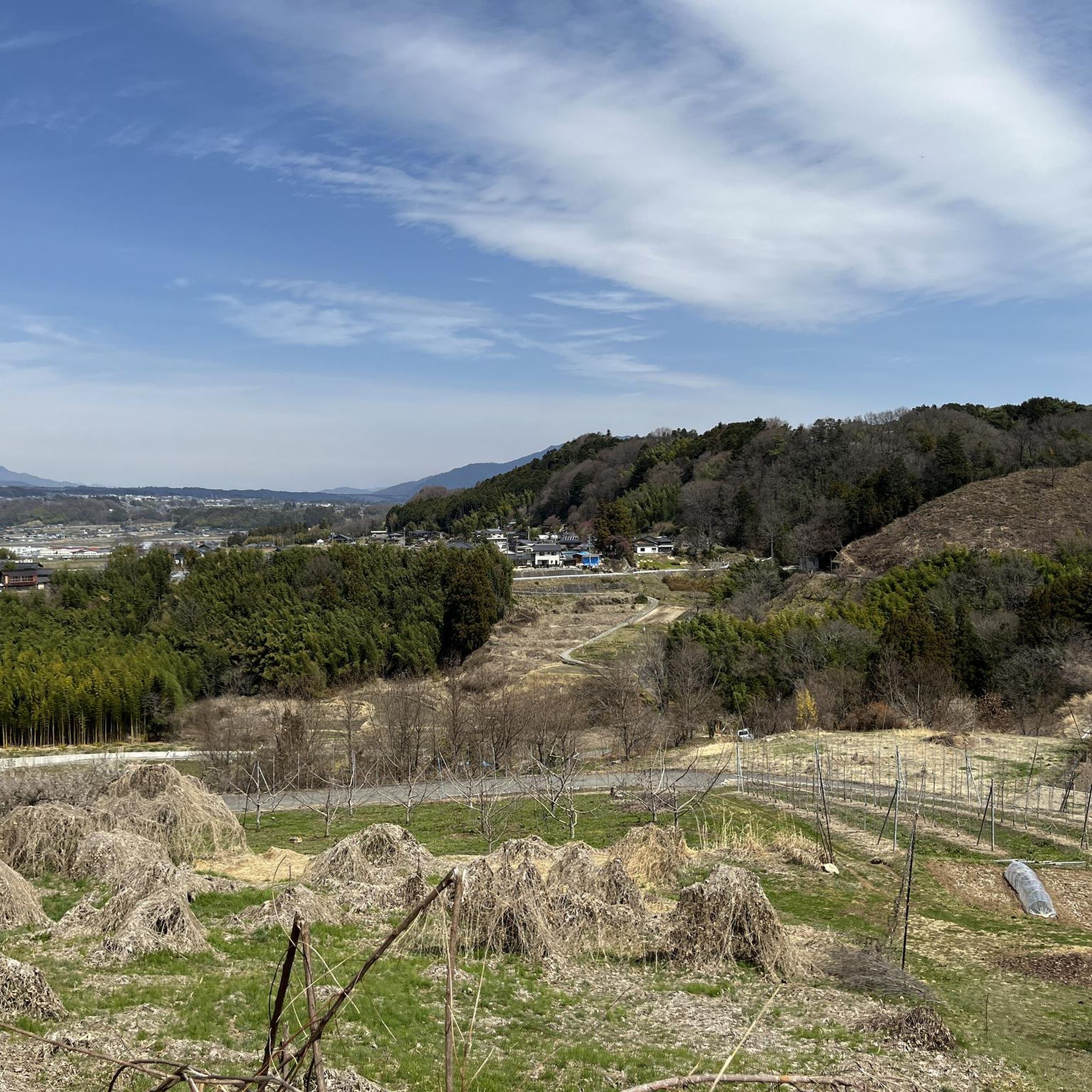
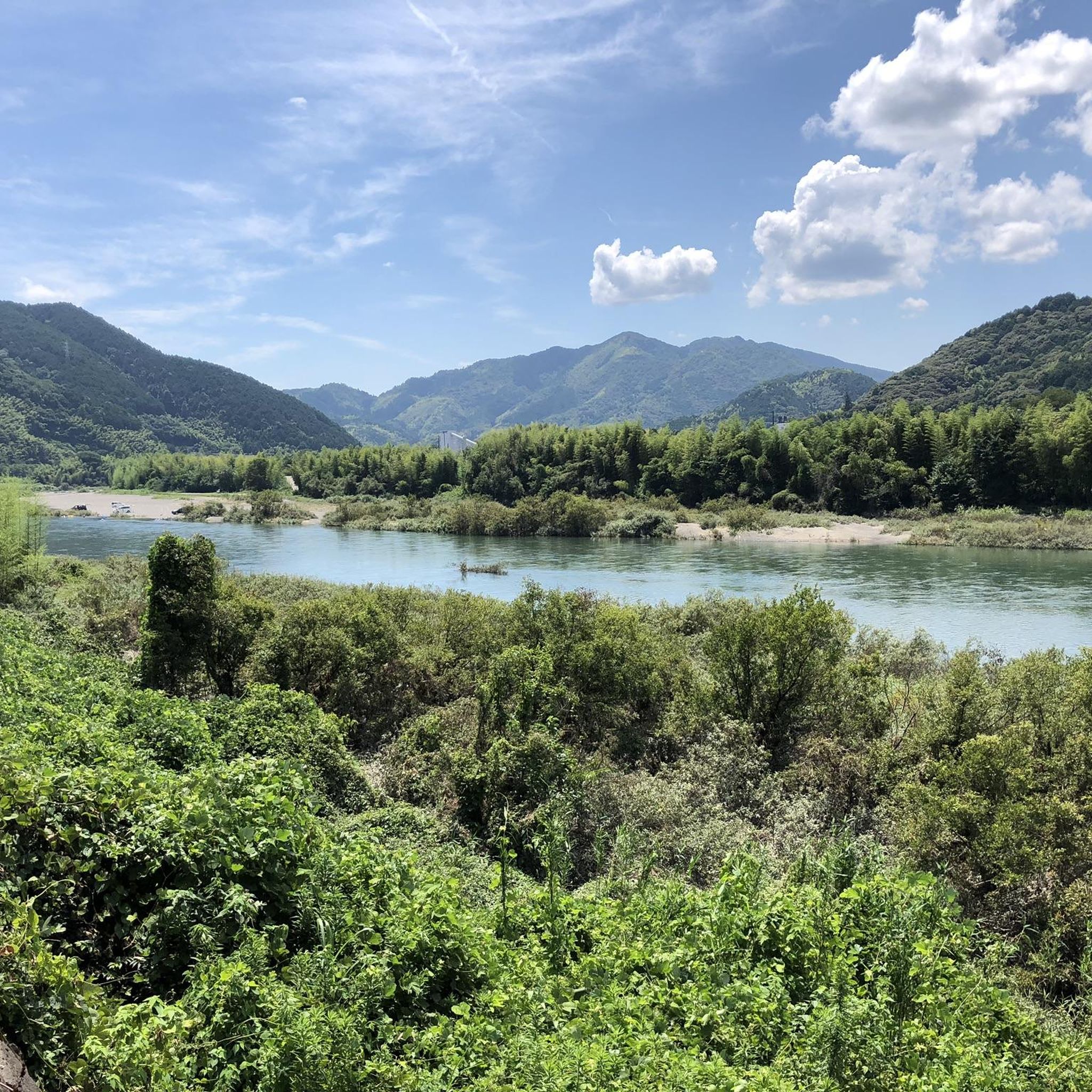
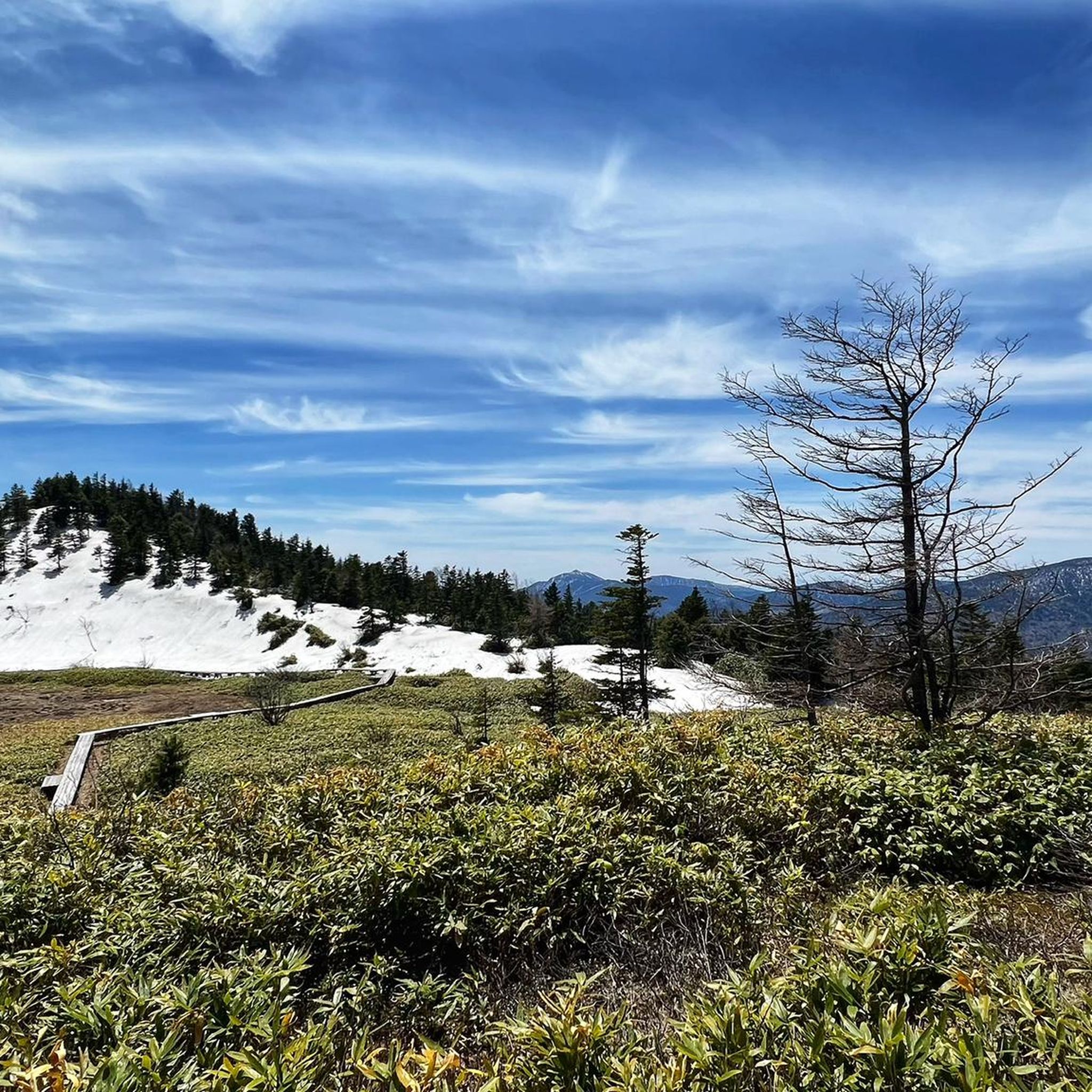
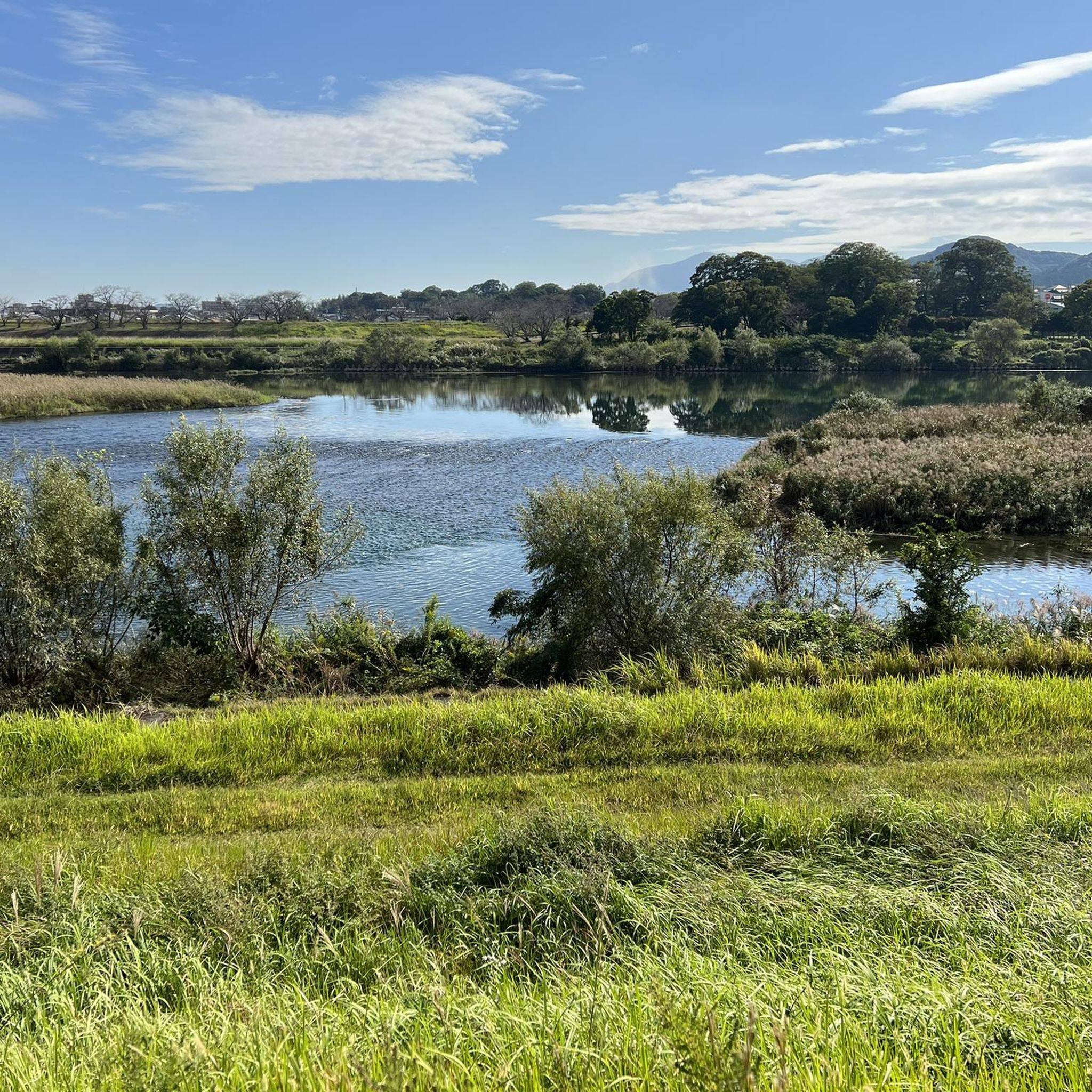
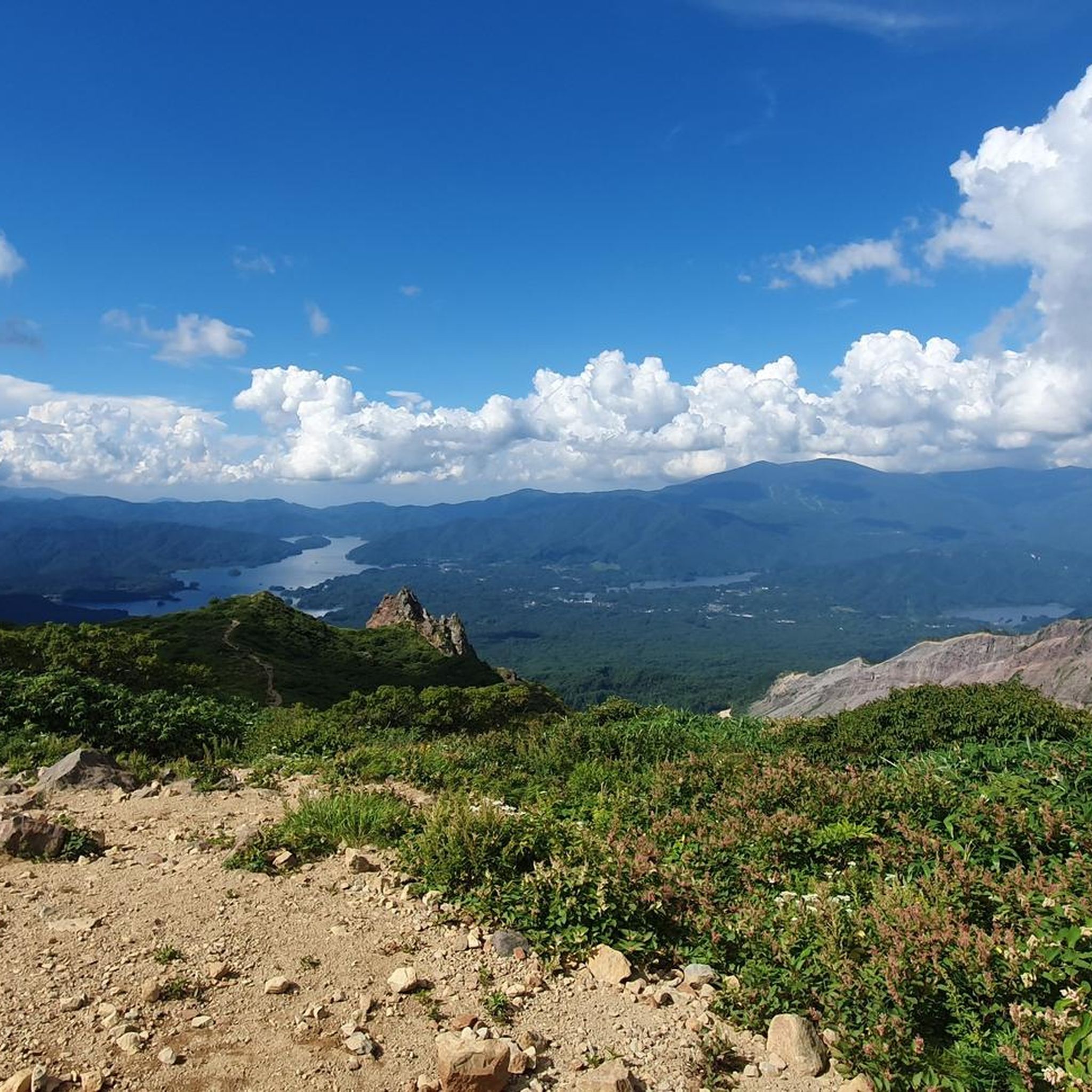
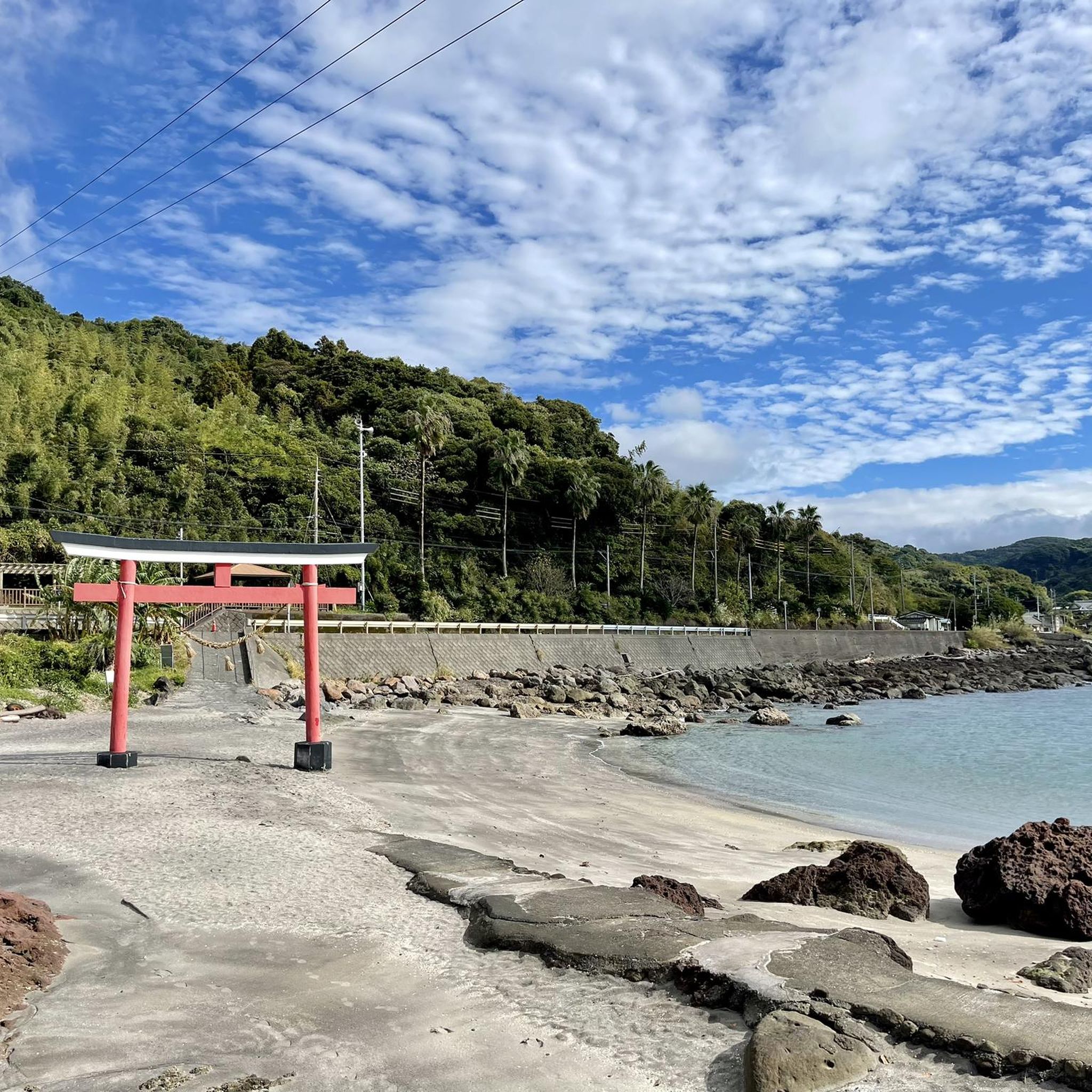
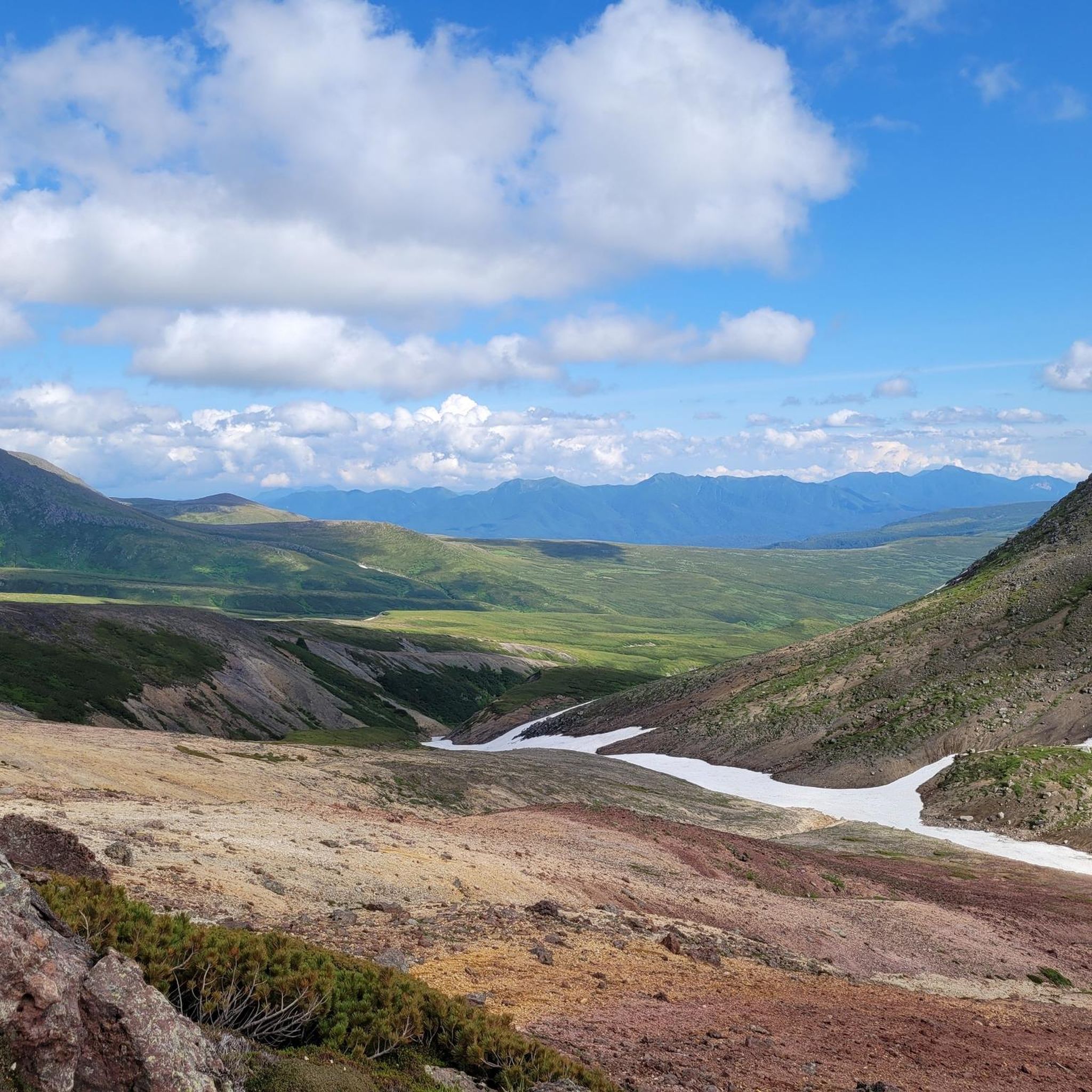
Hiking in Japan features diverse landscapes, from the mountainous terrain covering approximately 70% of the country to subtropical forests and volcanic peaks. The archipelago includes dramatic mountain ranges like the Japanese Alps and numerous active volcanoes. Trails often traverse ancient forests, lead to historic pilgrimage sites, and provide access to natural hot springs.
Best hiking trails in Japan
- The most popular hiking route is Myojingatake and Myojogatake Traverse, a 7.0 miles (11.3 km) trail that takes 4 hours 24 minutes to complete. This moderate route offers a scenic traverse between two prominent peaks.
- Another top favourite among local hikers is Fushimi Inari Shrine – View of Kyoto loop from 稲荷, an easy 2.8 miles (4.5 km) path. This trail loops around the iconic Fushimi Inari Shrine, providing views of Kyoto.
- Local hikers also love the Nakasendo Old Post Road – Nakasendo Stone Path loop from Tsumago-juku, a 9.3 miles (14.9 km) trail leading through historic post towns and cedar forests, often completed in about 4 hours 34 minutes.
- Hiking in Japan is defined by volcanic peaks, ancient forests, and historic pilgrimage routes. The network offers options for different ability levels, from easy day hikes to challenging multi-day treks.
- The routes in Japan are highly rated by the komoot community with an average score of 4.6 stars from over 4,300 reviews. More than 42,000 hikers have used komoot to explore Japan's varied terrain.
Last updated: August 3, 2026
4.6
(56)
194
hikers
11.3km
04:24
820m
820m
Moderate hike. Good fitness required. Easily-accessible paths. Suitable for all skill levels.
4.9
(172)
3,433
hikers
4.56km
01:26
180m
180m
Easy hike. Great for any fitness level. Easily-accessible paths. Suitable for all skill levels.

Sign up for free
4.8
(187)
1,569
hikers
14.9km
04:34
540m
540m
Moderate hike. Good fitness required. Easily-accessible paths. Suitable for all skill levels.
4.0
(1)
47
hikers
Moderate hike. Good fitness required. Easily-accessible paths. Suitable for all skill levels.
5.0
(1)
20
hikers
10.5km
04:17
860m
860m
Moderate hike. Good fitness required. Easily-accessible paths. Suitable for all skill levels.
5.0
(1)
10
hikers
11.5km
03:56
570m
570m
Moderate hike. Good fitness required. Mostly accessible paths. Sure-footedness required.
4.8
(182)
1,240
hikers
6.70km
02:37
480m
480m
Moderate hike. Good fitness required. Easily-accessible paths. Suitable for all skill levels.
4.7
(151)
1,202
hikers
11.4km
03:01
110m
110m
Moderate hike. Good fitness required. Easily-accessible paths. Suitable for all skill levels.
4.8
(132)
1,207
hikers
15.7km
04:51
600m
600m
Moderate hike. Good fitness required. Easily-accessible paths. Suitable for all skill levels.
24.8km
08:56
1,720m
1,030m
Hard hike. Very good fitness required. Easily-accessible paths. Suitable for all skill levels.
Get access to more routes and recommendations from other explorers.
Sign up for free
Already have an account?
Our route recommendations are based on thousands of hikes, rides, and runs completed by other people on komoot.
Start today with a free account
Your next adventure awaits.
Login or Signup
Popular around Japan
Other adventures in Japan


Tips from the Community

Fushimi Inari-Taisha, Kyoto 伏見稲荷大社 The Fushimi Inari-Taisha 伏見稲荷大社, also known as Oinari-san, is a Shinto shrine in the Fushimi ward of Kyoto. It is dedicated to the kami Inari and is the head shrine of about one-third of all Inari shrines in Japan. It is one of the oldest and most famous Shinto shrines in Kyoto. Furthermore, it also counts the most visitors of all Shinto shrines in Japan, especially during New Year (cf. Hatsumōde) and on uma no hi in February, the Japanese Day of the Horse, when the shrine has hosted the Hatsu-uma-matsuri since 708 – celebrated by all Inari shrines. However, at Fushimi Inari-Taisha it is called Hatsu-uma-tai-sha and lasts a full 21 days. The avenues of thousands of orange torii on the grounds of Fushimi Inari-Taisha are particularly famous, all of which are donations from individuals, families, or companies. They lead up a hill, at the top of which, unusually for a Shinto shrine, the holiest sanctuary (in this case a mirror) is publicly visible. Fushimi Inari-Taisha is one of the few shrines (called tanritsu-jinja) that did not join the newly founded umbrella organization Jinja Honchō ("Association of Shinto Shrines") after the end of the war. Characteristic of all Inari shrines are the fox statues (messengers of the deity Inari), which usually have red bibs around their necks and the so-called Dharma key or a wish jewel in their mouths. These objects symbolize the magical-religious power of the foxes. Text / Source : wikipedia.org https://de.wikipedia.org/wiki/Fushimi_Inari-Taisha
13
0
Fushimi Inari Shrine, Kyoto 伏見稲荷大社 The Fushimi Inari Shrine (伏見稲荷大社, Fushimi Inari Taisha) is a significant Shinto shrine in southern Kyoto. It is famous for its thousands of vermilion torii gates that wind up a network of trails behind the main buildings. The trails lead into the wooded slopes of the sacred Mount Inari, which is 233 meters high and part of the shrine grounds. Fushimi Inari is the most important of several thousand shrines dedicated to Inari, the Shinto god of rice. Foxes are considered messengers of Inari, leading to many fox statues on the shrine grounds. The Fushimi Inari Shrine has ancient origins, predating the capital's move to Kyoto in 794. Text / Source : japan-guide.com https://www.japan-guide.com/e/e3915.html
13
0

The 1,000 torii gates at Fushimi Inari Taisha have religious significance in Shinto. ⛩️ Meaning of the Torii A torii gate marks the transition from the ordinary world to a sacred realm. When you pass through a torii, you symbolically enter the realm of the gods (kami). The many torii gates were donated by companies, families, or individuals. They express their gratitude to the deity Inari. Inari is the god of rice, prosperity, and business success. Many companies donate torii gates to ask for good fortune in their business. Therefore, the following is inscribed on the back of each gate: the donor's name the date of the donation 🦊 The Fox Statues You will also see many fox statues at the shrine. Foxes are considered messengers of Inari and often carry: a key to the rice granary, a scroll, or a rice grain symbol. The name “1000 Torii” is rather symbolic – in fact there are over 10,000 torii gates along the mountain.
0
0

A must-see! The mountain and the paths with their many gates are an absolute highlight in Kyoto!
0
0

A very nice viewpoint overlooking the city after a short hike uphill. There are a few benches here, but it can get crowded quickly.
0
0
Kojingamine (Tanakasha Shinseki) is a small, quiet Shinto sub-shrine located roughly halfway up Mount Inari within the expansive Fushimi Inari Taisha complex in Kyoto. Location: It is found along the winding mountain path lined with the famous vermilion Torii gates, well past the main Senbon Torii section. Significance: The site is known as a shinseki (神蹟), meaning a "site of a former shrine where a deity remains." The deity worshipped here is Gondayu Okami. Atmosphere: For many visitors who make the ascent, Kojingamine offers a tranquil break and a more secluded spiritual experience away from the heavy crowds at the mountain's base. It also offers a spot with good panoramic views of Kyoto city.
0
0
The Senbon Torii (literally "One Thousand Torii Gates") is the iconic, dense pathway of vibrant, vermilion-red Shinto gates at Fushimi Inari Taisha in Kyoto. While the name suggests one thousand, the entire network of trails leading up Mount Inari is lined with approximately 10,000 torii gates, creating a captivating tunnel. Each gate is a donation from an individual or a Japanese company, given to show gratitude for a wish fulfilled or to pray for business prosperity and good fortune, reflecting that Fushimi Inari is the head shrine dedicated to Inari, the Shinto god of rice and commerce.
0
0

Beautiful bridge that you have to walk over if you want to get to the base station of Mt. Misen.
7
0
More Information
Exploring Japan’s phenomenal forests
You’re sure to find many of the best hiking trails in Japan deep within its extraordinary forests. Why? Because this wonderful country has around 70% forest cover. With plenty of rain, heat and varying altitudes, Japan is not just rich in healthy forests but it also has several distinct types.
In the north of the chain, Hokkaido has abundant coniferous forests in the mountainous regions and stunning deciduous oak forests in the south. In Honshu, lush, deciduous and broadleaf evergreen forests run rampant and trails here are wondrous.
Japan is also home to sacred forests, where you can find shrines and temples set amongst stunning green backdrops of cedar and cypress. At these cherished sites, you’ll learn about Japanese culture and heritage too.
Nature watching
On hikes in Japan, the astounding sights aren’t limited to the blissful forests, this nation has more wildlife than you could imagine. With such fantastic habitats and sparsely populated across much of the wildernesses, animals are in heaven here.
Ever heard of tanuki? These furry animals are a type of racoon dog and live throughout the country. If you hike enough, you may well see them but you’ll definitely see statues of them in front of temples as they’re said to bring good luck.
Black bears thrive in the mountainous areas of Japan. Bear bells and spray are useful to have if you go hiking in these beautiful places as they’ll keep any bears away. Seeing bears from a distance is a breathtaking experience though. Sika deer are also abundant throughout Japan, mostly famously in Nara Park where they’re extremely tame.
Islands and mountains
Aside from its forests, walks in Japan are inherently linked to the country’s exquisite mountainous landscape. In fact, you can hike in forested mountains, perfectly merging the two dominant landscapes.
Both of the main islands have significant mountainous landscape as well as some of the small islands, like the magical Yakushima. Japan’s mountain trails range from expert multi-day treks requiring serious preparation and athletic ability to gentler hikes in lower ranges. Some of the mountains here are volcanoes, which means you can see perfect conical shapes, a good example being Mt. Fuji.
With 34 national parks, you can trek through the most incredible protected landscape in the world. Wherever you choose to hike in Japan, you won’t get more than ten steps without realising you’re in love with the country.
Frequently Asked Questions
How many hiking trails are available in Japan on komoot?
Komoot features over 1,300 hiking routes across Japan, catering to various skill levels. You'll find approximately 490 easy routes, 670 moderate routes, and 220 difficult trails, offering diverse experiences from leisurely walks to challenging alpine treks.
What kind of terrain can I expect on hiking trails in Japan?
Japan's hiking terrain is incredibly diverse, reflecting its mountainous geography. You can expect trails traversing ancient cedar forests, volcanic landscapes with crater lakes, dramatic alpine paths in the Japanese Alps, and historic pilgrimage routes. Many trails are well-maintained, but some can be steep and rocky, especially in higher elevations.
Are there any easy, family-friendly hikes in Japan?
Yes, Japan offers many accessible and family-friendly options. For example, the Fushimi Inari Shrine – View of Kyoto loop from 稲荷 is an easy 2.8-mile path that loops around the iconic shrine, offering cultural insights and views of Kyoto. Another gentle option is the Kamikochi Nature Trail – Myojin Bridge loop from Kamikochi, which provides beautiful riverside walks with views of the Northern Alps.
What is the best time of year to go hiking in Japan?
The best time for hiking in Japan generally depends on the region and elevation. Spring (April-May) offers cherry blossoms and pleasant temperatures, while autumn (October-November) is famous for vibrant fall foliage. Summer (July-August) is ideal for high-altitude treks in the Japanese Alps, though it can be hot and humid at lower elevations. Winter hiking is possible in some areas, especially for snowshoeing, but requires appropriate gear and caution.
Can I find circular hiking routes in Japan?
Yes, many trails in Japan are designed as loops, allowing you to start and end at the same point. A notable example is the Nakasendo Old Post Road – Nakasendo Stone Path loop from Tsumago-juku, which takes you through historic post towns and cedar forests. Another is the Niomon Gate (Miyajima) – Momiji Bridge loop from Itsukushima Shrine, offering scenic views on Miyajima Island.
Are there any historic or spiritual pilgrimage routes I can hike?
Absolutely. Japan is renowned for its ancient pilgrimage routes. The Kumano Kodo Pilgrimage Routes, a UNESCO World Heritage Site, weave through cedar forests and connect historical shrines on the Kii Peninsula. The Nakasendo Trail, an Edo period route, offers a journey through well-preserved traditional villages. These trails provide a unique blend of natural beauty and cultural heritage.
What unique natural features can I discover while hiking in Japan?
Japan's diverse landscape offers incredible natural features. You can hike around active volcanic peaks like Mount Aso or explore the dramatic scenery of the Japanese Alps. Yakushima, a World Heritage Site, is famous for its ancient, moss-covered forests. Oze National Park features expansive wetlands, while Shiretoko National Park is known for its dense bear population and scenic lakes.
How accessible are Japanese hiking trails by public transport?
Many popular hiking trails in Japan are remarkably accessible by public transport, including trains and buses. Even remote areas often have bus services connecting to trailheads, especially during peak hiking seasons. Major hubs like Tokyo and Kyoto offer excellent connections to various hiking regions, making it convenient to explore without a car.
What do other hikers say about the trails in Japan?
The hiking trails in Japan are highly rated by the komoot community, with an average score of 4.6 stars from over 4,300 reviews. Hikers frequently praise the stunning natural beauty, the cultural richness of the trails, and the well-maintained paths. Many appreciate the unique experience of combining challenging mountain ascents with visits to historic sites or relaxing in natural hot springs.
Are there mountain huts available for overnight stays on longer treks?
Yes, especially in popular mountain ranges like the Japanese Alps and around Mount Fuji, you'll find mountain huts (yama-goya) that offer basic accommodation, meals, and sometimes even hot springs. These huts are crucial for multi-day treks. For example, you can find options like the Mountain Hut in Fuji-Hakone-Izu National Park or the Nishihō Mountain Hut.
What are some notable peaks or viewpoints I can reach on a hike?
Japan offers numerous iconic peaks and breathtaking viewpoints. Mount Fuji, Japan's tallest peak, is a popular climbing destination, with its summit accessible via trails like the Yoshida Trail (Mount Fuji Summit). Other notable peaks include Mount Kintoki (Mount Kintoki Summit) and Mount Misen, which offers a stunning View of the Seto Inland Sea.
Do I need permits for hiking in Japan?
For most general hiking trails in Japan, permits are not required. However, specific regulations apply to certain areas, particularly for climbing Mount Fuji during the official climbing season or for entering designated national park zones. It's always advisable to check the local rules for the specific area you plan to hike, especially for multi-day treks or sensitive natural environments.
Are there any trails that offer views of Mount Fuji?
Absolutely. Many trails in the Fuji-Hakone-Izu National Park and surrounding areas offer spectacular views of Mount Fuji. While climbing Fuji itself is an option, trails around lakes like Kawaguchiko or in Hakone provide iconic perspectives of the mountain. The Myojingatake and Myojogatake Traverse is a moderate route that offers scenic views, including glimpses of the iconic peak.
Most popular routes in Japan
Most popular attractions in Japan

Get inspired with the komoot mobile app


Didn’t find what you were looking for?
Check out more Hikes throughout Japan below and find the perfect route in your destination.
Explore more
Browse the best Hikes in other regions.
