The best hikes from bus stations in Japan
4.5
(4935)
47,121
hikers
367
hikes
Hiking in Japan offers diverse landscapes, from towering mountains and active volcanoes to ancient forests and serene coastlines. The volcanic archipelago is largely mountainous, providing varied terrain for exploration. Many trails follow ancient pilgrimage routes, connecting cultural sites with natural features. The country's well-developed infrastructure often allows access to these natural areas via public transport, making bus station hiking trails a practical option for many.
Best bus station hiking trails in Japan
- The most popular bus station hiking route is…
Last updated: June 27, 2026
4.8
(114)
1,025
hikers
15.7km
04:51
600m
600m
Moderate hike. Good fitness required. Easily-accessible paths. Suitable for all skill levels.
5.0
(1)
3
hikers
Moderate hike. Good fitness required. Easily-accessible paths. Suitable for all skill levels.

Sign up for free
4.7
(111)
922
hikers
14.9km
03:59
160m
160m
Moderate hike. Good fitness required. Easily-accessible paths. Suitable for all skill levels.
4.8
(24)
714
hikers
Easy hike. Great for any fitness level. Easily-accessible paths. Suitable for all skill levels.
4.6
(47)
567
hikers
Moderate hike. Good fitness required. Easily-accessible paths. Suitable for all skill levels.
Get access to more routes and recommendations from other explorers.
Sign up for free
Already have an account?
Our route recommendations are based on thousands of hikes, rides, and runs completed by other people on komoot.
Start today with a free account
Your next adventure awaits.
Login or Signup
Popular around Japan

Hikes from bus stations in the Japanese Alps

Hikes from bus stations in the Kii Mountains
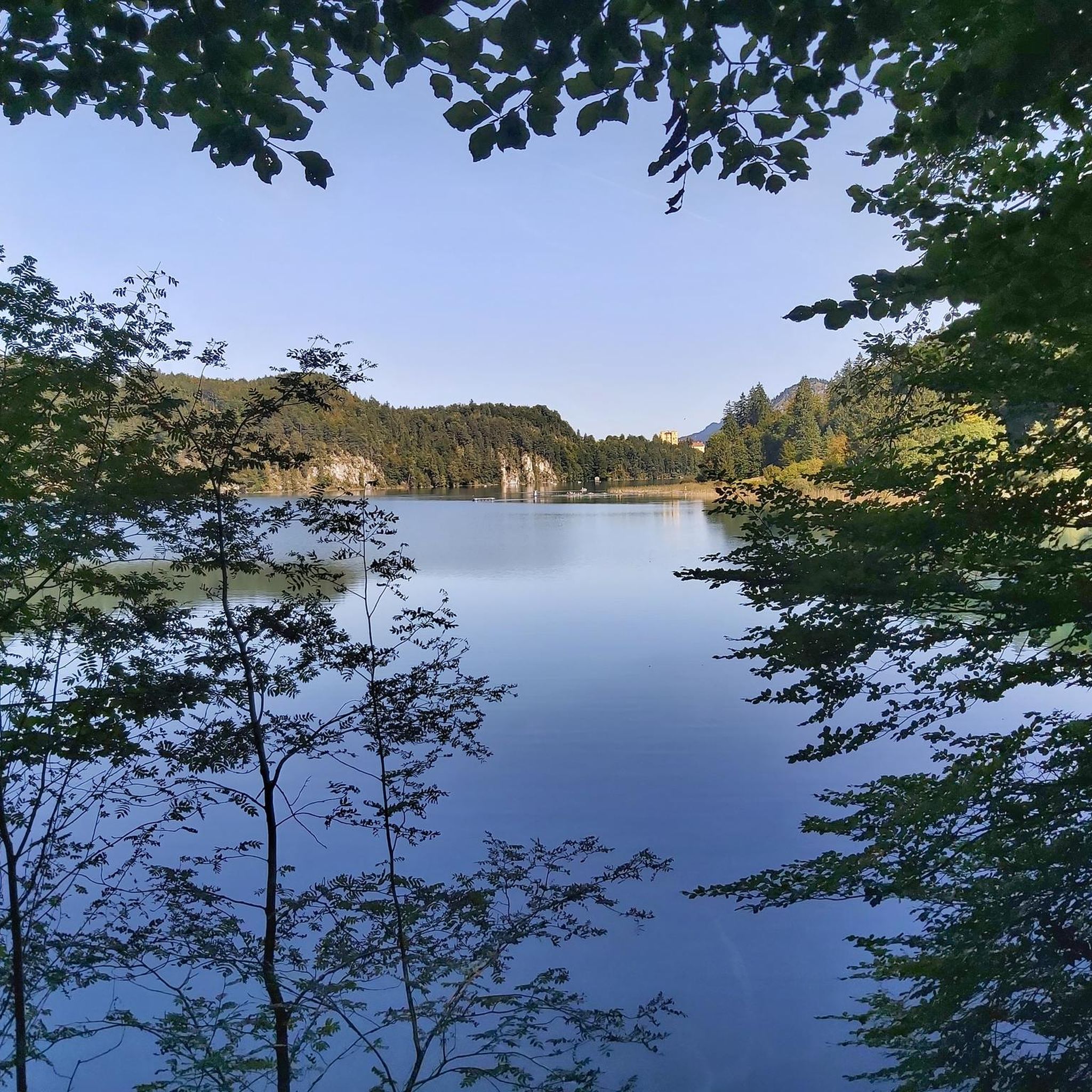
Hikes from bus stations around Mikuni-sammyaku

Hikes from bus stations in the Kyushu Mountains
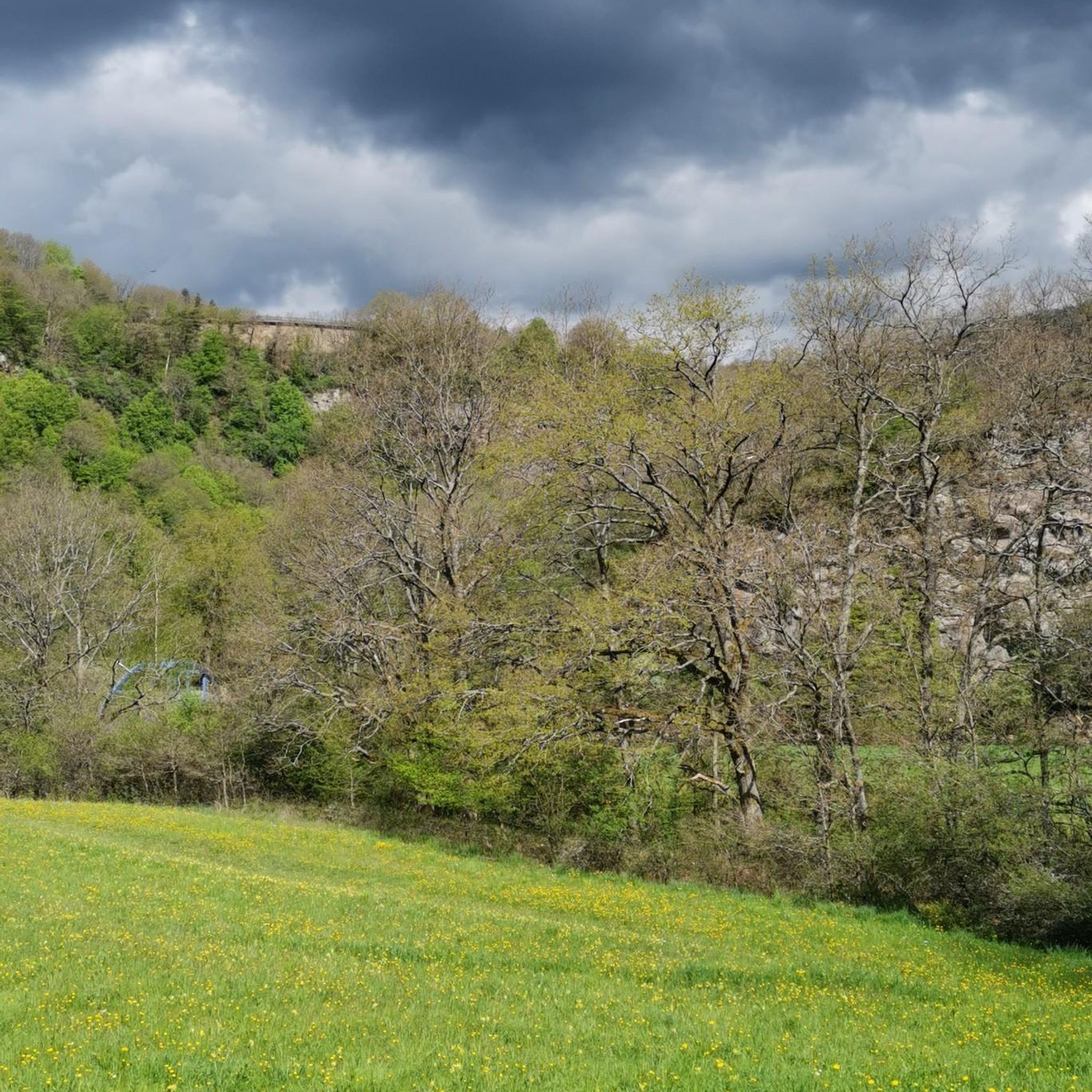
Hikes from bus stations in the Chugoku Mountains

Hikes from bus stations in the Shikoku Mountains

Hikes from bus stations in the Ryohaku Mountains
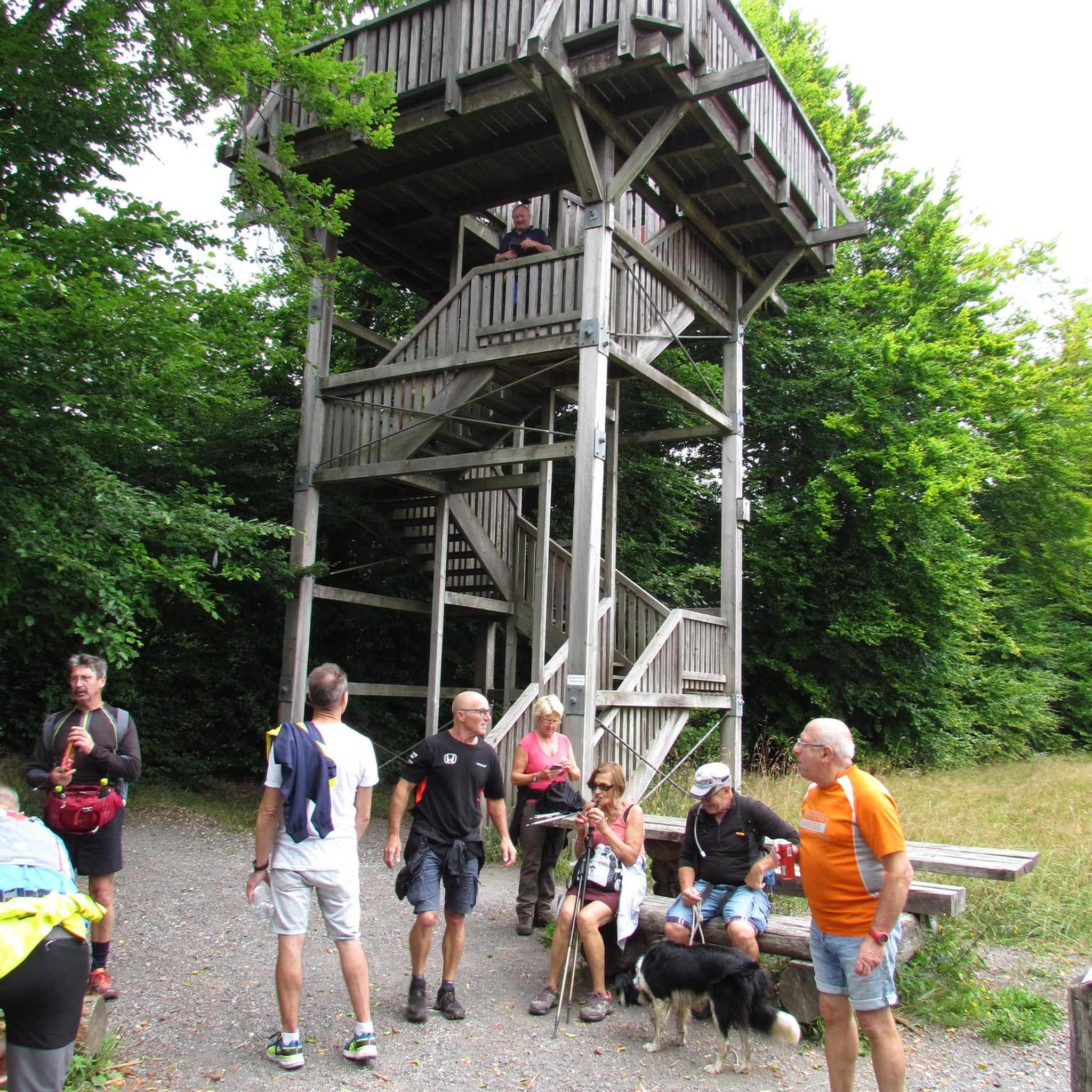
Hikes from bus stations around Lake Biwa

Hikes from bus stations around Mount Asahi
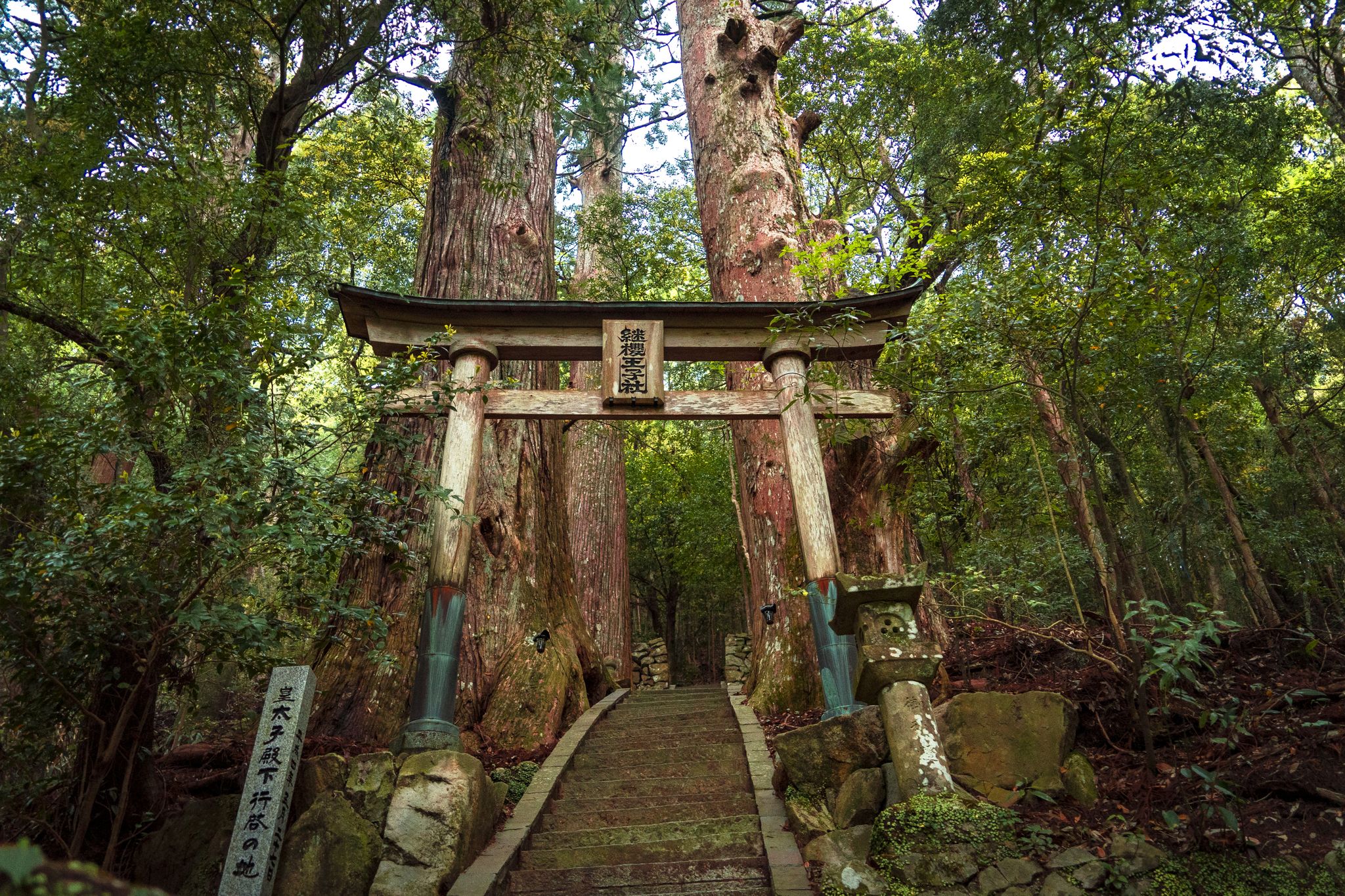
Kumano Kodo – a pilgrimage in the sacred forests of Japan
Other adventures in Japan


Tips from the Community

Right next to the park center there is a campsite with a fantastic mountain panorama directly on the river.
0
0


The Jigokudani Monkey Park (Jigokudani Yaen Koen) is the main habitat of the snow monkeys and is located in Nagano Prefecture, northwest of Tokyo
0
0

As awesome as the snow monkeys are, the trail leading to them is not less so... the tall trees, steep side slopes and the information along the way, makes the trip a great experience
0
0

You might find them at the end of the hiking trail. Sometimes they're not there. A display 100 meters from here shows whether they're there or not.
0
0

From the Myojin Bridge, choose the other side of the river on the way back to complete the tour as a circular tour with a very beautiful path.
0
0

A place of civilization where everyone takes a break to enjoy the view.
0
0
Sheltered belvedere offering a beautiful viewpoint.
0
0
Frequently Asked Questions
How many bus station hiking trails are available in Japan?
Komoot offers over 360 hiking routes in Japan that are conveniently accessible from bus stations. These trails range from easy strolls to more challenging mountain ascents, ensuring there's something for every hiker.
What do other hikers enjoy most about bus station hikes in Japan?
The komoot community highly rates these bus-accessible hikes, with an average score of 4.6 out of 5 stars from over 4,300 reviews. Hikers often praise the stunning natural beauty, the cultural immersion found along ancient paths, and the excellent accessibility provided by Japan's public transport network. Many appreciate the chance to explore diverse landscapes, from volcanic regions to serene forests, without needing a car.
Are there family-friendly bus station hiking trails in Japan?
Yes, Japan offers many family-friendly hiking options accessible by bus. These often feature well-maintained paths, gentle gradients, and interesting sights to keep younger hikers engaged. For example, the Jigokudani Onsen Korakukan – Jigokudani Monkey Park loop from Jigokudani Monkey Park is an easy, shorter route perfect for families looking to see the famous snow monkeys.
Can I bring my dog on bus-accessible hikes in Japan?
While many outdoor areas in Japan are dog-friendly, specific rules regarding pets on public transport (buses) and within national parks or temple grounds can vary. It's always best to check the local regulations for the specific bus line and hiking area you plan to visit. Some trails may require dogs to be on a leash, while others might restrict access entirely.
What kind of terrain and difficulty can I expect on bus station hikes in Japan?
The terrain on bus-accessible hikes in Japan is incredibly diverse, reflecting the country's varied geography. You can find everything from flat, paved paths along rivers to steep, rocky mountain trails. Difficulty levels range from easy (over 130 routes) to moderate (over 160 routes) and difficult (over 60 routes). For a moderate challenge, consider the Nakasendo Stone Path – Nakasendo Old Post Road loop from 馬籠宿, which offers a mix of historical paths and forest trails.
What natural features or landmarks can I see along these bus station hiking trails?
Japan's bus-accessible trails lead to an abundance of natural wonders and cultural landmarks. You can encounter iconic mountains like Mount Fuji, explore ancient pilgrimage routes, or discover serene forests and waterfalls. Highlights include the View of the Seto Inland Sea from Mount Misen, the majestic Mount Fuji Summit (Yoshida Trail), and various shrines such as Nakasha Shinseki (Naka no Yashiro Shrine), Ninomine Peak. Many routes also pass by hot springs (onsen) for a relaxing post-hike experience.
Are there circular hiking routes accessible by bus in Japan?
Yes, many bus station hikes in Japan are designed as circular routes, allowing you to start and end at the same bus stop without needing to retrace your steps. This is ideal for day trips. An excellent example is the Myojin Bridge – Kamikochi Nature Trail loop from Taisho Pond, offering stunning alpine scenery in the Japanese Alps.
What is the best season for bus-accessible hiking in Japan?
Japan offers unique hiking experiences in every season. Spring (March-May) brings cherry blossoms, while summer (June-August) provides cooler mountain air and lush greenery. Autumn (September-November) is spectacular with vibrant foliage, especially in areas like the Japanese Alps or Nikko. Winter (December-February) offers peaceful, snowy landscapes, though some higher-altitude trails may be inaccessible or require special gear. Your best season depends on the type of scenery and challenge you seek.
Are there bus station hikes that lead to waterfalls?
Absolutely! Japan is rich in waterfalls, and many are accessible via bus routes. The country's volcanic and mountainous terrain creates numerous opportunities to discover these natural wonders. For instance, the Shosenkyo Gorge, accessible by bus, features the beautiful Sengataki Waterfalls. You can often find trails that incorporate waterfalls, especially in regions known for their lush forests and gorges.
Can I find food and accommodation near bus station hiking trails?
Yes, many bus-accessible hiking areas in Japan are supported by local communities offering amenities. You'll often find small inns (ryokan), tea houses, and restaurants near popular trailheads or along pilgrimage routes. These provide opportunities to experience traditional Japanese hospitality and refuel after your hike. It's advisable to check availability and opening hours, especially in more remote areas.
Are there any bus-accessible hikes that offer a cultural or historical experience?
Many bus-accessible hikes in Japan are deeply intertwined with the country's rich history and culture. Trails often follow ancient pilgrimage routes or old trade roads, connecting sacred shrines, temples, and preserved post towns. The Kibune Village – Kifune Shrine – Main Hall loop from Kurama offers a blend of nature and spiritual sites. The Nakasendo Trail, for example, allows you to walk through Edo-era post towns, providing a unique glimpse into Japan's past.
Are there any bus-accessible hikes in volcanic regions?
Japan's position on the 'Ring of Fire' means many hiking trails are in stunning volcanic regions. These offer unique landscapes, often with steaming vents, crater lakes, and panoramic views. The Mt. Yudono to Shizu Onsen - hiking Bandai-Asahi National Park's Volcano Trail is a great example, allowing you to explore the dramatic scenery of Bandai-Asahi National Park.
Most popular routes in Japan
Most popular attractions in Japan

Get inspired with the komoot mobile app


Didn’t find what you were looking for?
Check out more Hikes throughout Japan below and find the perfect route in your destination.
Explore more
Browse the best Hikes in other regions.
