The best waterfall hikes and walks in Japan
4.5
(4936)
47,123
hikers
134
hikes
Waterfall hiking trails in Japan traverse a landscape characterized by extensive forested mountains, deep valleys, and numerous rivers. The country's geology, shaped by volcanic activity and tectonic forces, creates a diverse terrain featuring dramatic elevation changes and abundant water sources. These natural features contribute to the formation of countless waterfalls, often nestled within ancient forests or cascading down steep slopes. The network of trails provides access to these natural wonders, ranging from gentle paths along river gorges to more challenging…
Last updated: July 7, 2026
4.9
(151)
3,010
hikers
4.44km
01:24
180m
180m
Easy hike. Great for any fitness level. Easily-accessible paths. Suitable for all skill levels.
4.8
(170)
1,402
hikers
14.9km
04:34
540m
540m
Moderate hike. Good fitness required. Easily-accessible paths. Suitable for all skill levels.

Sign up for free
4.8
(114)
1,025
hikers
15.7km
04:51
600m
600m
Moderate hike. Good fitness required. Easily-accessible paths. Suitable for all skill levels.
4.7
(100)
793
hikers
11.9km
04:17
530m
530m
Moderate hike. Good fitness required. Mostly accessible paths. Sure-footedness required.
4.7
(60)
616
hikers
7.92km
02:42
410m
410m
Moderate hike. Good fitness required. Mostly accessible paths. Sure-footedness required.
Get access to more routes and recommendations from other explorers.
Sign up for free
Already have an account?
Our route recommendations are based on thousands of hikes, rides, and runs completed by other people on komoot.
Start today with a free account
Your next adventure awaits.
Login or Signup
Popular around Japan

Waterfall hikes in the Japanese Alps

Waterfall hikes around Mikuni-sammyaku

Waterfall hikes in the Kii Mountains

Waterfall hikes around Lake Biwa

Waterfall hikes in the Ryohaku Mountains

Waterfall hikes around Mount Asahi

Waterfall hikes in the Chugoku Mountains
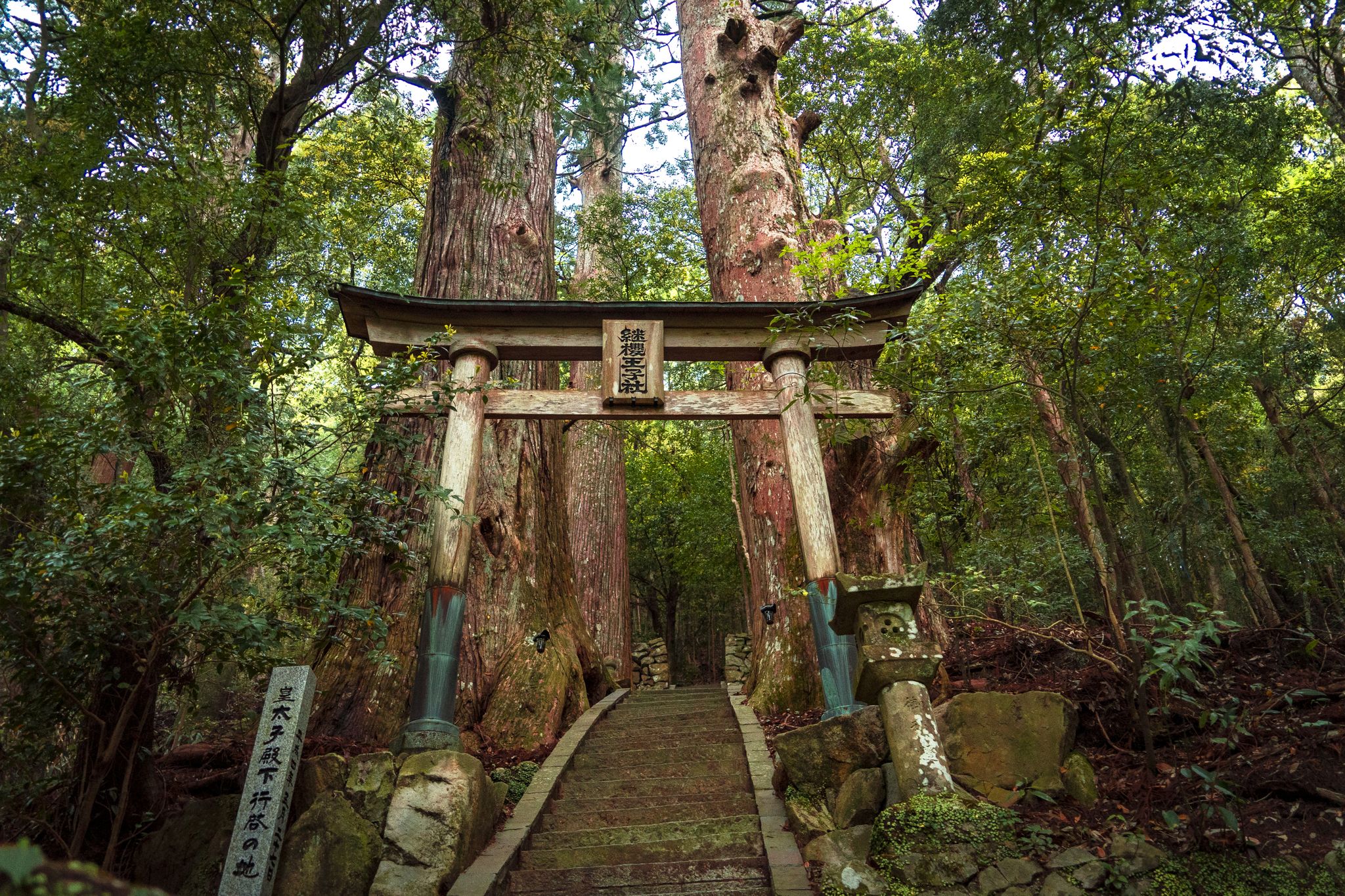
Kumano Kodo – a pilgrimage in the sacred forests of Japan
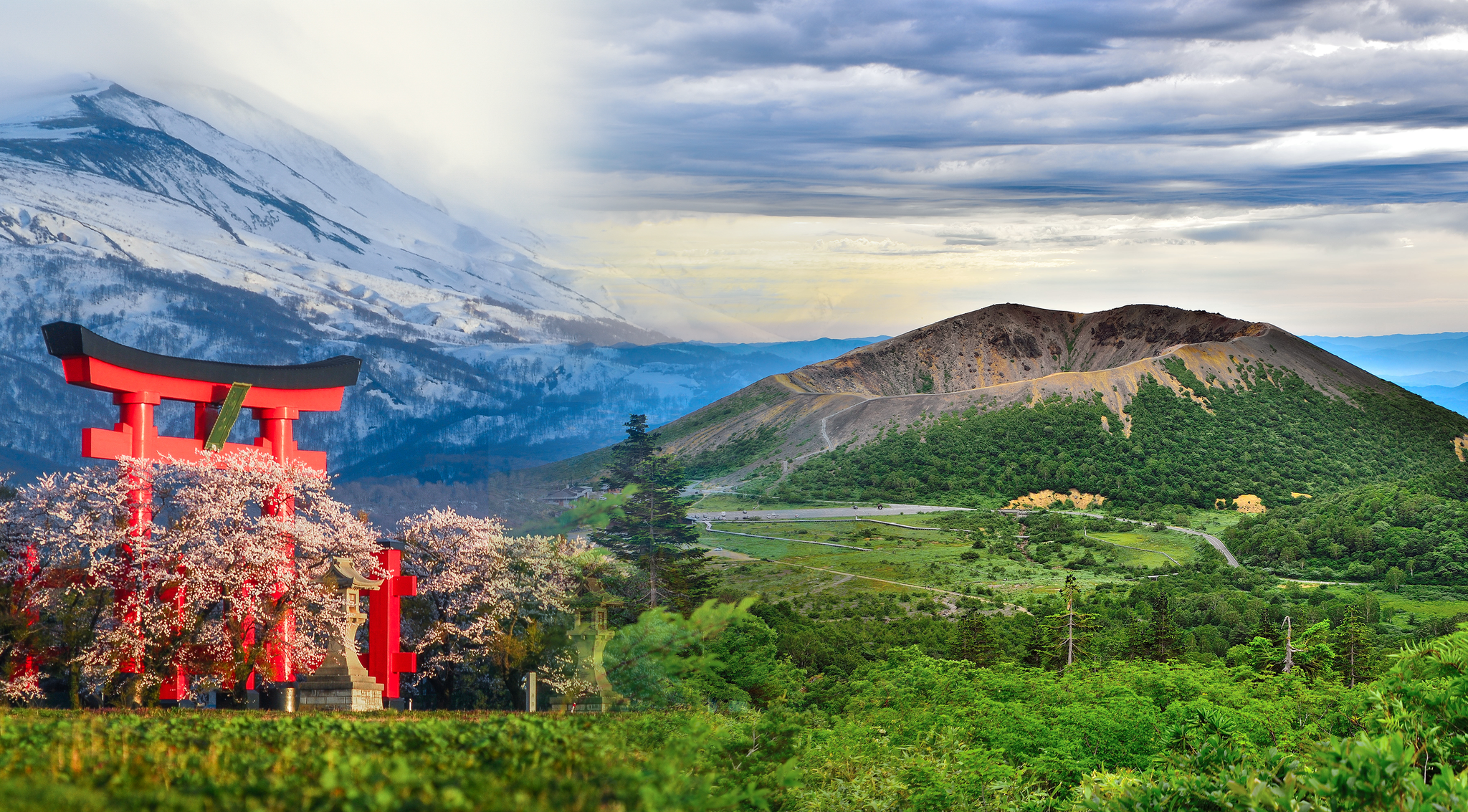
Spiritual peaks — hiking Bandai Asahi National Park’s Volcano Trail
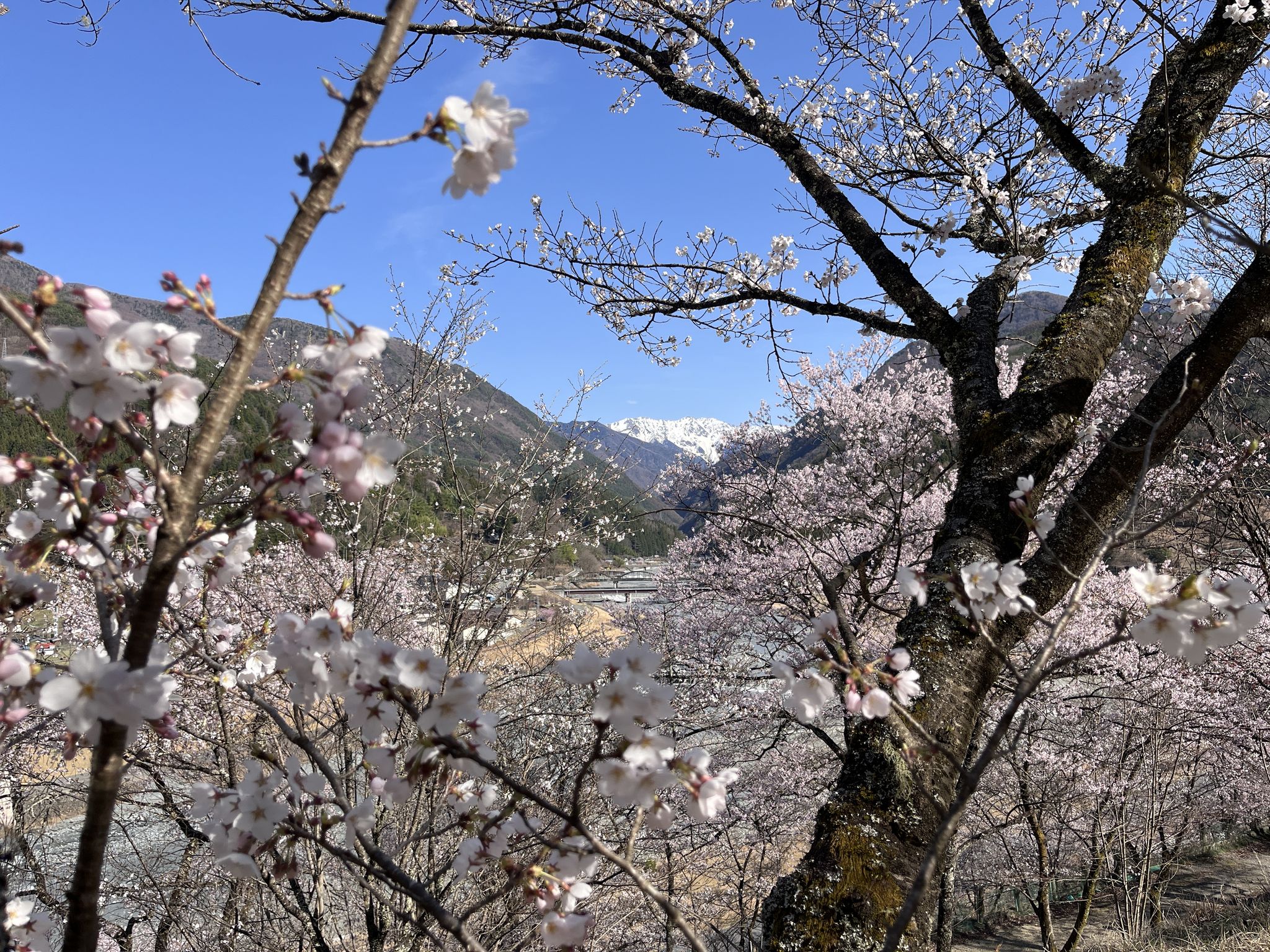
Oshika Akiha Kodo Hanami Tours
Other adventures in Japan


Tips from the Community

Fushimi Inari-Taisha, Kyoto 伏見稲荷大社 The Fushimi Inari-Taisha 伏見稲荷大社, also known as Oinari-san, is a Shinto shrine in the Fushimi ward of Kyoto. It is dedicated to the kami Inari and is the head shrine of about one-third of all Inari shrines in Japan. It is one of the oldest and most famous Shinto shrines in Kyoto. Furthermore, it also counts the most visitors of all Shinto shrines in Japan, especially during New Year (cf. Hatsumōde) and on uma no hi in February, the Japanese Day of the Horse, when the shrine has hosted the Hatsu-uma-matsuri since 708 – celebrated by all Inari shrines. However, at Fushimi Inari-Taisha it is called Hatsu-uma-tai-sha and lasts a full 21 days. The avenues of thousands of orange torii on the grounds of Fushimi Inari-Taisha are particularly famous, all of which are donations from individuals, families, or companies. They lead up a hill, at the top of which, unusually for a Shinto shrine, the holiest sanctuary (in this case a mirror) is publicly visible. Fushimi Inari-Taisha is one of the few shrines (called tanritsu-jinja) that did not join the newly founded umbrella organization Jinja Honchō ("Association of Shinto Shrines") after the end of the war. Characteristic of all Inari shrines are the fox statues (messengers of the deity Inari), which usually have red bibs around their necks and the so-called Dharma key or a wish jewel in their mouths. These objects symbolize the magical-religious power of the foxes. Text / Source : wikipedia.org https://de.wikipedia.org/wiki/Fushimi_Inari-Taisha
13
0
Fushimi Inari Shrine, Kyoto 伏見稲荷大社 The Fushimi Inari Shrine (伏見稲荷大社, Fushimi Inari Taisha) is a significant Shinto shrine in southern Kyoto. It is famous for its thousands of vermilion torii gates that wind up a network of trails behind the main buildings. The trails lead into the wooded slopes of the sacred Mount Inari, which is 233 meters high and part of the shrine grounds. Fushimi Inari is the most important of several thousand shrines dedicated to Inari, the Shinto god of rice. Foxes are considered messengers of Inari, leading to many fox statues on the shrine grounds. The Fushimi Inari Shrine has ancient origins, predating the capital's move to Kyoto in 794. Text / Source : japan-guide.com https://www.japan-guide.com/e/e3915.html
13
0

The 1,000 torii gates at Fushimi Inari Taisha have religious significance in Shinto. ⛩️ Meaning of the Torii A torii gate marks the transition from the ordinary world to a sacred realm. When you pass through a torii, you symbolically enter the realm of the gods (kami). The many torii gates were donated by companies, families, or individuals. They express their gratitude to the deity Inari. Inari is the god of rice, prosperity, and business success. Many companies donate torii gates to ask for good fortune in their business. Therefore, the following is inscribed on the back of each gate: the donor's name the date of the donation 🦊 The Fox Statues You will also see many fox statues at the shrine. Foxes are considered messengers of Inari and often carry: a key to the rice granary, a scroll, or a rice grain symbol. The name “1000 Torii” is rather symbolic – in fact there are over 10,000 torii gates along the mountain.
0
0

A must-see! The mountain and the paths with their many gates are an absolute highlight in Kyoto!
0
0


A very nice viewpoint overlooking the city after a short hike uphill. There are a few benches here, but it can get crowded quickly.
0
0
Kojingamine (Tanakasha Shinseki) is a small, quiet Shinto sub-shrine located roughly halfway up Mount Inari within the expansive Fushimi Inari Taisha complex in Kyoto. Location: It is found along the winding mountain path lined with the famous vermilion Torii gates, well past the main Senbon Torii section. Significance: The site is known as a shinseki (神蹟), meaning a "site of a former shrine where a deity remains." The deity worshipped here is Gondayu Okami. Atmosphere: For many visitors who make the ascent, Kojingamine offers a tranquil break and a more secluded spiritual experience away from the heavy crowds at the mountain's base. It also offers a spot with good panoramic views of Kyoto city.
0
0
The Senbon Torii (literally "One Thousand Torii Gates") is the iconic, dense pathway of vibrant, vermilion-red Shinto gates at Fushimi Inari Taisha in Kyoto. While the name suggests one thousand, the entire network of trails leading up Mount Inari is lined with approximately 10,000 torii gates, creating a captivating tunnel. Each gate is a donation from an individual or a Japanese company, given to show gratitude for a wish fulfilled or to pray for business prosperity and good fortune, reflecting that Fushimi Inari is the head shrine dedicated to Inari, the Shinto god of rice and commerce.
0
0
Frequently Asked Questions
How many waterfall hiking trails are available in Japan?
Japan offers a rich variety of outdoor experiences, and for waterfall enthusiasts, there are over 130 dedicated hiking trails. These routes traverse diverse landscapes, from ancient forests to volcanic mountains, leading to countless cascades.
Are there easy waterfall hikes suitable for families or beginners?
Yes, Japan has many accessible waterfall trails perfect for families and beginners. Approximately 42 of the routes are rated as easy. For instance, the Fushimi Inari Shrine – View of Kyoto loop from 稲荷 is an easy 2.8-mile (4.5 km) trail that offers scenic views and cultural sights, making it a great option for a gentle introduction to waterfall hiking.
What about more challenging waterfall treks for experienced hikers?
For those seeking a greater challenge, Japan's mountainous terrain provides ample opportunities. There are 25 routes rated as difficult, often involving significant elevation changes and longer distances. These trails can lead to more remote and dramatic waterfalls, offering a rewarding experience for seasoned hikers.
What is the best time of year to hike to waterfalls in Japan?
The best time to visit waterfalls in Japan largely depends on the region and desired experience. Spring (cherry blossoms) and autumn (vibrant foliage) offer stunning scenic backdrops. Summer provides lush greenery and a refreshing escape from the heat, while some waterfalls, particularly in northern regions, can be spectacular in winter with ice formations. Generally, late spring to early autumn is ideal for comfortable hiking conditions.
Can I bring my dog on these waterfall hiking trails?
Policies regarding dogs on hiking trails in Japan vary significantly by region, national park regulations, and specific trail rules. While some trails may permit dogs on a leash, others, especially those in national parks or near sacred sites, might have restrictions. It's always best to check specific trail guidelines or local regulations before planning your hike with a dog.
Are there circular routes available for waterfall hikes?
Yes, many waterfall hikes in Japan are designed as circular routes, allowing you to experience diverse scenery without retracing your steps. An example is the Summit of Mount Takao – Mount Takao Fudō Hall loop from 清滝, a moderate 7.3-mile (11.8 km) trail that takes you through dense woodlands and past temple grounds, offering a complete loop experience.
How can I reach these waterfall trails using public transport?
Japan's extensive and efficient public transport system makes many hiking trails, including those to waterfalls, highly accessible. Many popular trailheads are reachable by train or bus. For example, areas like Mount Takao are easily accessed from Tokyo, and the Kumano Kodo pilgrimage routes, which feature waterfalls, are well-served by local buses. Always check specific route access details for the most up-to-date information.
What other natural features or landmarks can I see near waterfall trails?
Japan's waterfall trails are often nestled within areas rich in natural beauty and cultural significance. You might encounter ancient forests, dramatic volcanic landscapes, or serene wetlands. Nearby attractions can include sacred sites like the Meiji Shrine, the iconic Arashiyama Bamboo Grove, or the unique Nara Park Deer. Many trails also lead past historic temples or offer panoramic viewpoints.
Are there any hot springs near waterfall hiking trails for post-hike relaxation?
Absolutely! Japan is famous for its onsen (hot springs), and many mountainous regions where waterfalls are found also boast natural hot springs. It's a popular and highly recommended way to relax and rejuvenate after a day of hiking. You'll often find trails that lead to or pass by charming onsen towns, offering a perfect blend of outdoor adventure and traditional Japanese relaxation.
What do other hikers enjoy most about the waterfall trails in Japan?
The waterfall trails in Japan are highly rated by the komoot community, with an average score of 4.6 stars from over 4200 reviews. Hikers frequently praise the stunning natural beauty, the well-maintained paths, and the unique blend of natural wonders with cultural sites. Many appreciate the accessibility of trails via public transport and the opportunity to experience Japan's diverse landscapes.
Are there any permits required for hiking to waterfalls in Japan?
For most general waterfall hikes in Japan, especially on well-established trails, permits are typically not required. However, certain areas, particularly within national parks, protected wilderness zones, or for specific challenging mountain treks, might require registration or permits. It's always advisable to check the regulations for the specific area you plan to visit, especially if venturing into more remote or sensitive environments.
What should I wear for waterfall hiking in Japan?
For waterfall hiking in Japan, it's best to wear comfortable, layered clothing suitable for the season. Sturdy, waterproof hiking boots with good grip are highly recommended, as trails can be wet or slippery near waterfalls. A waterproof jacket is also advisable, as weather can change quickly, and you might encounter mist or spray from the falls. Don't forget essentials like water, snacks, and sun protection.
Are there any waterfall hikes accessible from major cities like Kyoto or Tokyo?
Yes, several beautiful waterfall hikes are easily accessible from Japan's major cities. For example, the Fushimi Inari Shrine – View of Kyoto loop from 稲荷 is close to Kyoto, offering a blend of cultural exploration and natural beauty. From Tokyo, Mount Takao provides various trails, some of which lead past smaller cascades and offer a quick escape into nature.
Most popular routes in Japan
Most popular attractions in Japan

Get inspired with the komoot mobile app


Didn’t find what you were looking for?
Check out more Hikes throughout Japan below and find the perfect route in your destination.
Explore more
Browse the best Hikes in other regions.
