Top 16 Natural Monuments in La Paz
Natural monuments in La Paz, Bolivia, are characterized by diverse and unique geological formations. The region's high altitude and varied terrain have sculpted landscapes ranging from eroded clay valleys to prominent mountain peaks. These natural features offer insights into the area's geological history and provide numerous opportunities for exploration. La Paz is home to 16 distinct natural monuments, making it a notable destination for those interested in natural landscapes.
Best natural monuments in La Paz
- The most popular natural monuments…
Last updated: July 15, 2026
Valle de la Luna
Highlight • Natural Monument
Translated by Google •
Tip by

Pico Austria Summit
Highlight • Summit
Translated by Google •
Tip by

Sign up now to discover places like this
Get recommendations on the best single tracks, peaks, & plenty of other exciting outdoor places.
Sign up for free
Cerro Calvario
Highlight • Viewpoint
Translated by Google •
Tip by

Sacred Rock (Titikala)
Highlight • Natural Monument
Translated by Google •
Tip by

Laguna Chiar Khota
Highlight • Lake
Translated by Google •
Tip by
Valley of the Souls
Highlight • Gorge
Tip by

Tiwanaku Archaeological Site
Highlight • Historical Site
Translated by Google •
Tip by

Huayna Potosí (6,088 m)
Highlight • Summit
Translated by Google •
Tip by

Paso Chacoti (5150 m)
Highlight • Mountain Pass
Translated by Google •
Tip by
Cerro Palla Khasa Summit
Highlight • Summit
Translated by Google •
Tip by

Sign up for free to discover even more natural monuments in La Paz.
Sign up for free
Already have an account?
Start today with a free account
Your next adventure awaits.
Login or Signup

Other adventures in La Paz

Tips from the Community

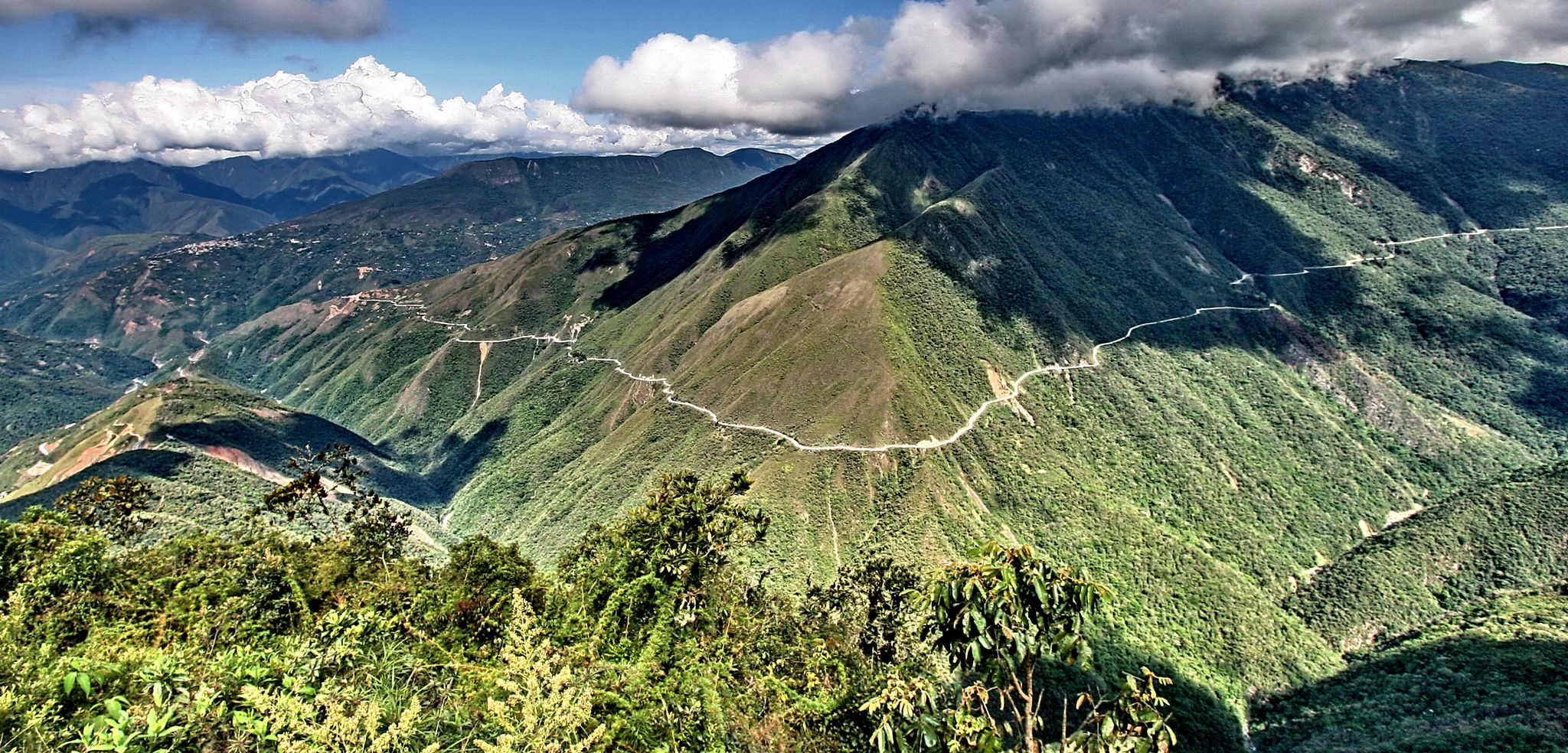
Guided tours go to the Animas Valley, but its proximity to La Paz makes it fairly easy to visit independently. I recommend taking the Teleférico to Irpawi station, then walking a few minutes to the main road to catch a minibus to Ovejuyo.
0
0

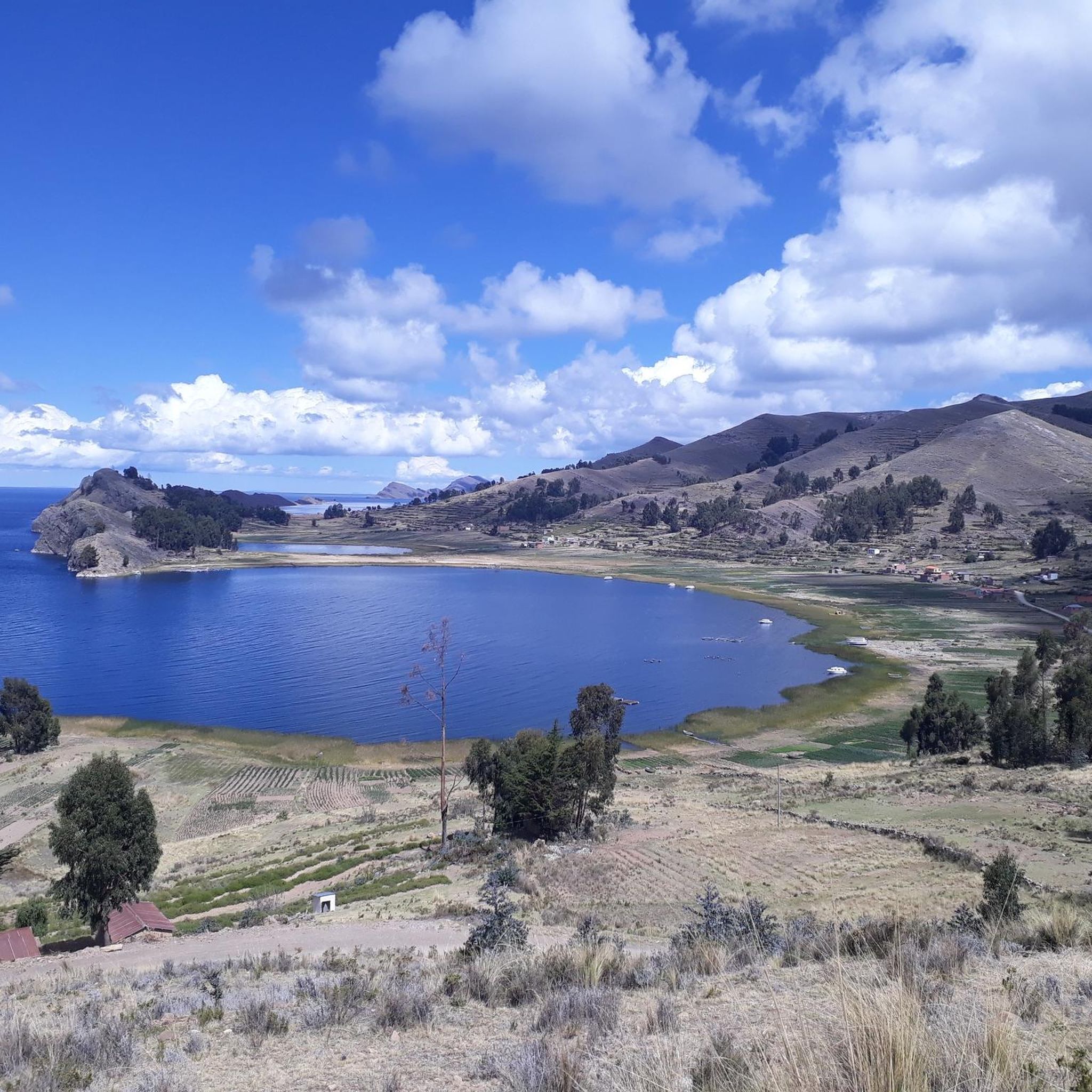
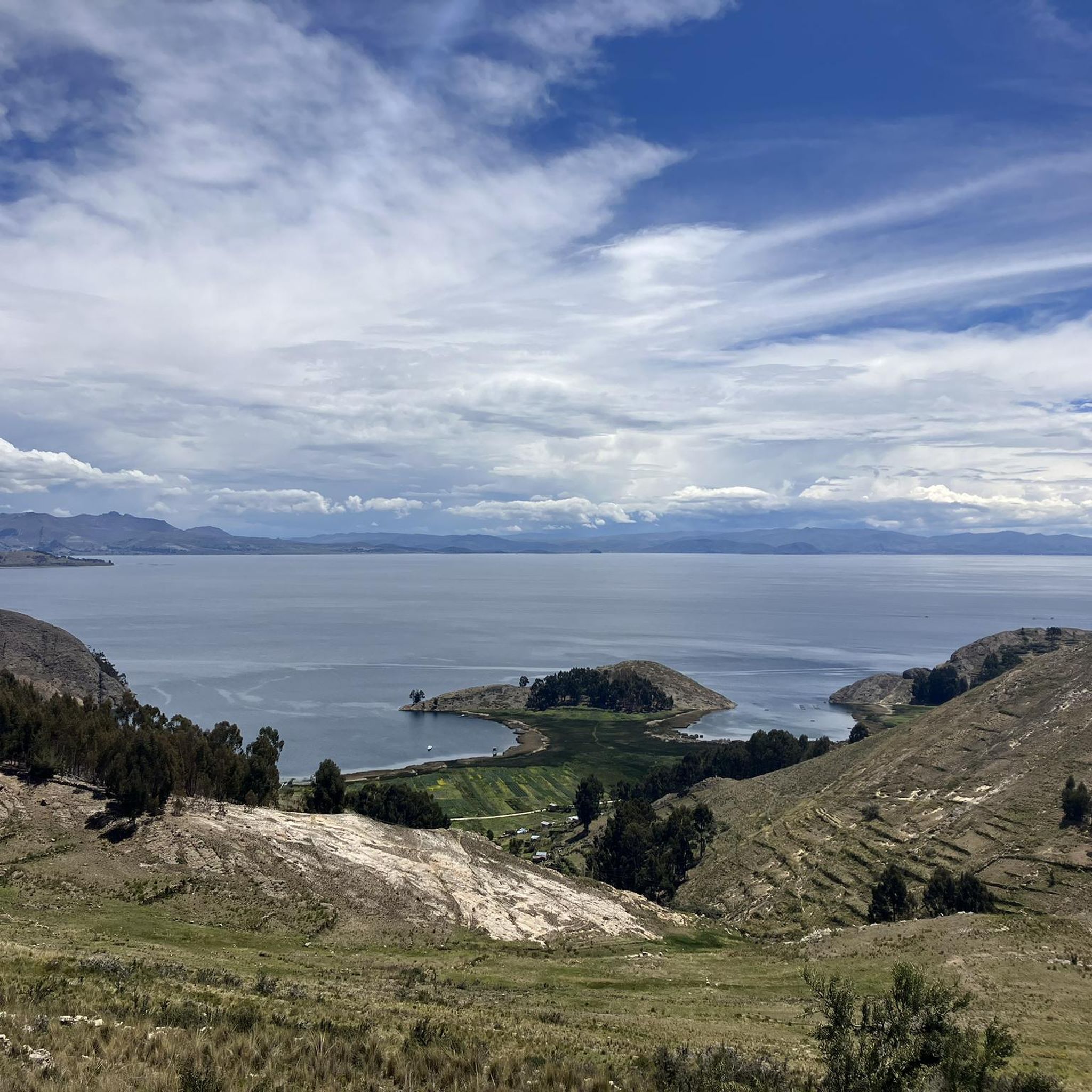
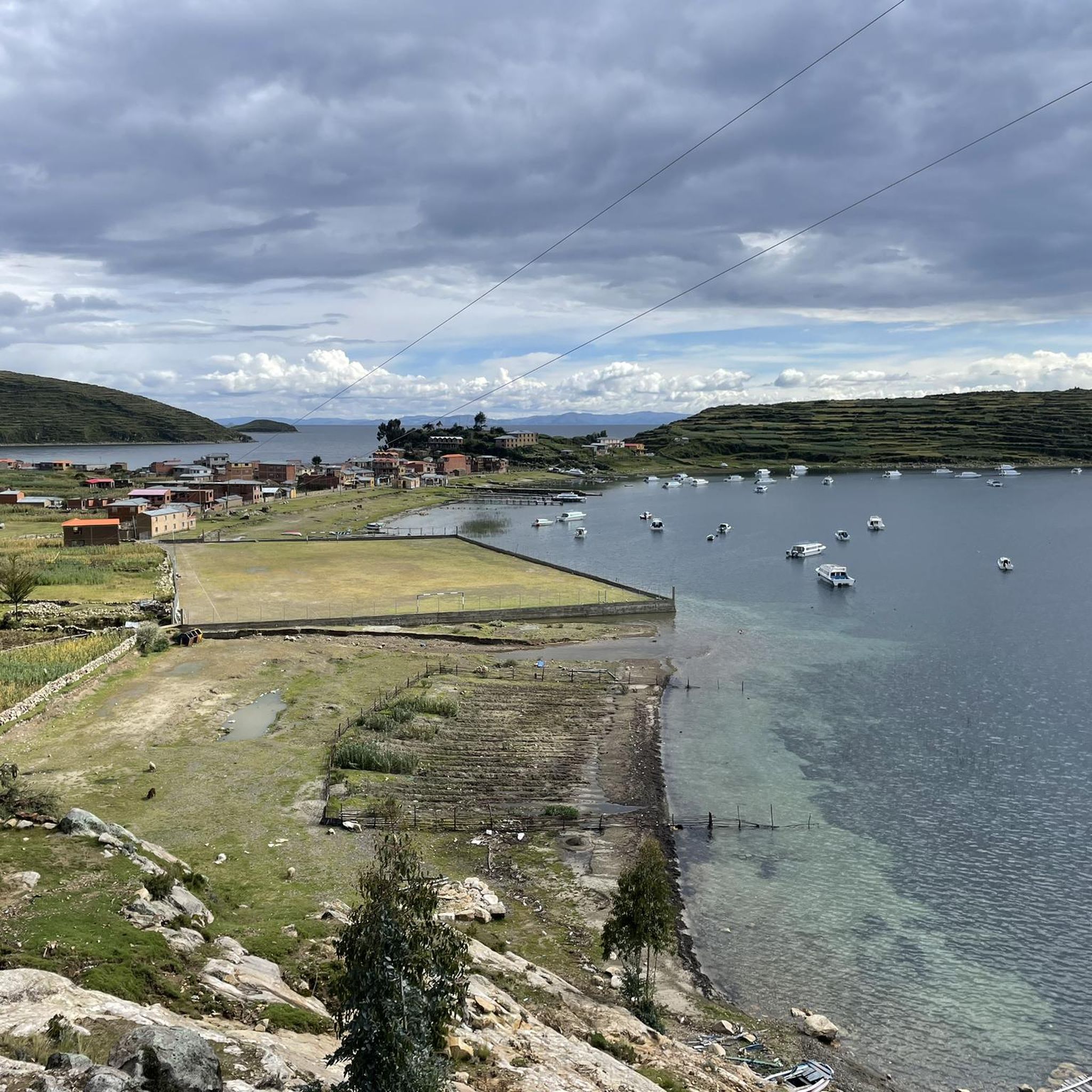
The Way of the Cross was built on this hill in the 1950s when the government decided that Copacabana should have more to offer its thousands of pilgrims than just the Basilica of the Virgin Mary.
2
0

No matter whether you are moving from La Paz towards Peru or vice versa, if you are interested in archaeology, the excavation site is very interesting.
0
0

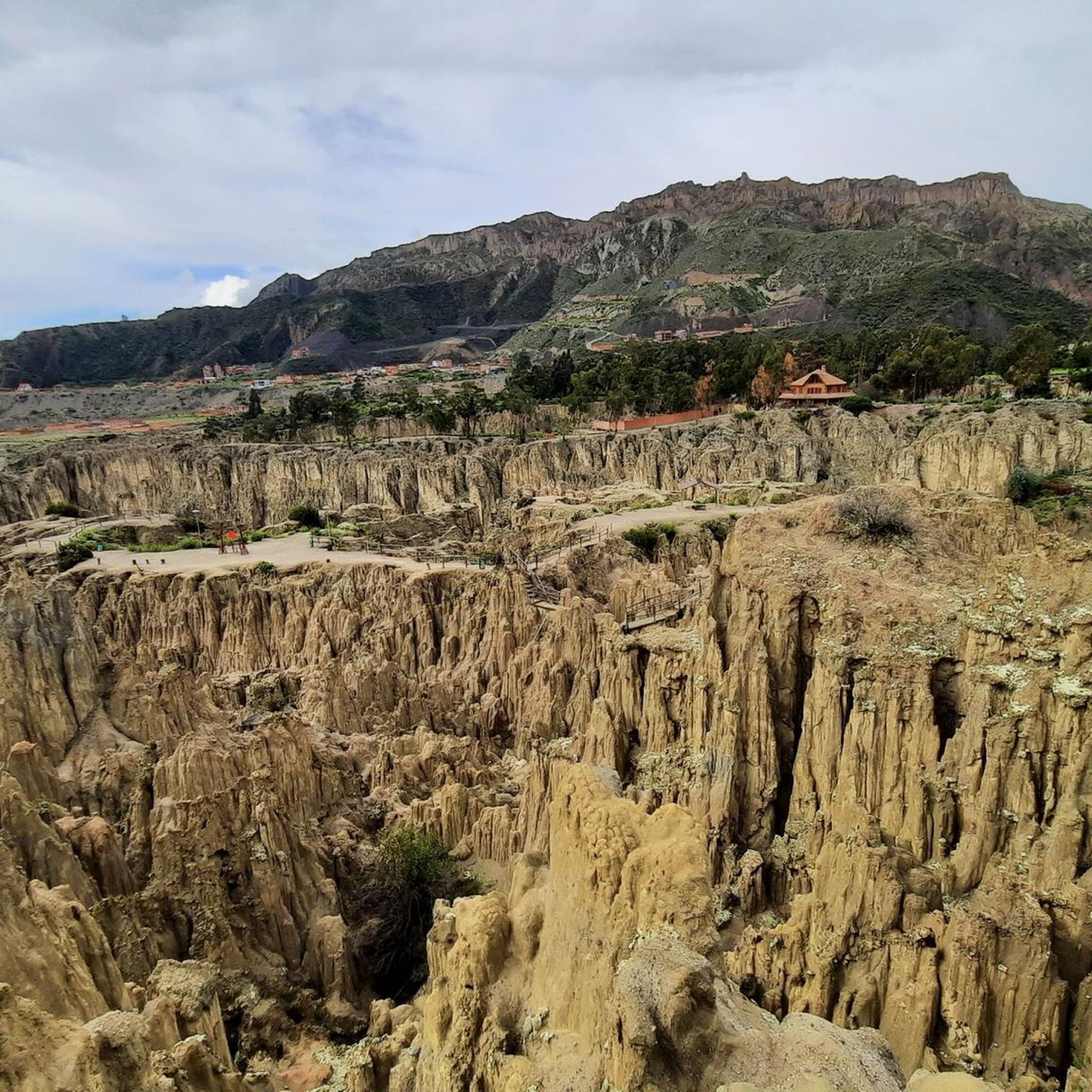
The Moon Valley is an impressive area! It is not made of stone, but of clay and pebbles and is therefore removed by around 1 cm per year. Jagged, bizarre formations can be viewed and climbed. You can choose between a short and a longer route (approx. 1km) via paths, stairs and wooden walkways. It goes up and down again and again and can get a bit strenuous.
3
0

The main areas of Tiawanacu are seven stone and earth structures now known as Kalasasaya, Putuni, Chunchukala, Kherikala, Kantatayita and Akapana. Two archaeological museums and two excavation sites can be visited with a combined ticket (currently 100 Bolivianos for foreign tourists). Kalasasaya is a low platform to the west of the semi-subterranean temple of Tiwanaku and is framed by upright megaliths. The platform, accessible via stairs, includes an inner courtyard, almost rectangular in shape, measuring 135 × 130 meters and a sunken courtyard. Kalasasaya is sometimes referred to as “America’s Stonehenge.” Today, the Ponce Monolith, the Monk Monolith and the so-called “Sun Gate of Tiwanaku” are located inside the site.
1
0
The bizarre formations created by erosion in the Valle de la Luna do not consist of rock, but mainly of reddish and gray-brown clay. They look like stalagmites. Every year they become on average one centimeter smaller due to rainfall. The area is almost devoid of vegetation, only a few cacti grow here.
4
0
Interesting archaeological site and museum.
2
0

The Laguna Chair Khota is located at approx. 4665 m in the Tuni-Condoriri National Park. It is fed by the Condoriri glaciers and therefore has a beautiful turquoise color. The mighty rock faces of the Condoriri rise on the north bank.
2
0
Frequently Asked Questions
What are some of the most popular natural monuments to visit in La Paz?
Among the most popular natural monuments in La Paz are the Valley of the Souls, known for its rugged, spiky rock formations, and Valle de la Luna, which features extraordinarily eroded clay and sandstone formations creating a unique lunar-like landscape. Another highly regarded spot is Pico Austria Summit, offering panoramic views from its 5327-meter peak.
Are there any family-friendly natural monuments in La Paz?
Yes, Valle de la Luna is a great option for families. It offers two circular walking tracks, a shorter 15-minute route and a longer 45-minute path, making it accessible for various activity levels. The unique lunar-like landscape is often a hit with children and adults alike.
What kind of unique geological formations can I expect to see in La Paz?
La Paz is renowned for its diverse geological formations. You can explore the eroded clay and sandstone structures of Valle de la Luna, which resemble stalactites and natural amphitheaters. The Valley of the Souls features rugged, spiky rock formations that are said to represent souls. Additionally, the iconic Muela del Diablo (Devil's Tooth) is a prominent rock formation offering expansive views.
What is the difficulty level for visiting these natural monuments?
The difficulty varies. Sites like Valle de la Luna offer easy walking paths. However, ascents like the Pico Austria Summit (5327 m) or the Muela del Diablo are more strenuous and require good physical condition and acclimatization due to the high altitude. Cerro Calvario also involves a strenuous climb, especially at altitude.
What outdoor activities can I do near the natural monuments in La Paz?
The region around La Paz offers a variety of outdoor activities. You can find numerous hiking trails, including challenging routes near high-altitude summits. For those interested in cycling, there are road cycling routes available. You can explore more options for hiking in La Paz or discover road cycling routes in the area.
Are there any natural monuments with historical or cultural significance?
Yes, the Sacred Rock (Titikala) is a natural monument with historical significance, particularly in Inca mythology. While not a natural monument itself, the nearby Tiwanaku Archaeological Site is a significant historical site that combines natural elements with ancient structures, offering insights into pre-Columbian cultures.
What is the best time of year to visit natural monuments in La Paz?
The dry season, typically from May to October, is generally considered the best time to visit. During these months, you'll experience clearer skies and less rain, which is ideal for hiking and enjoying the panoramic views from summits like Pico Austria Summit and Cerro Calvario.
What should I pack for a visit to the natural monuments in La Paz?
Given the high altitude and varied terrain, it's advisable to pack layers of clothing, including warm options, even during the day. Sturdy hiking shoes are essential for most trails. Don't forget sun protection (hat, sunglasses, sunscreen) and plenty of water. For evening visits, such as to Cerro Calvario at sunset, a headlamp or flashlight is recommended.
How accessible are these natural monuments from La Paz city?
Many natural monuments are quite accessible. Valle de la Luna is about a 40-minute drive and can be reached via the green cable car line followed by a minibus. The Valley of the Souls is also easily reachable by Teleférico to Irpawi station and then a minibus. Other, higher-altitude sites may require longer travel or organized tours.
Are there any natural monuments that offer stunning lake views?
Yes, Cerro Calvario provides beautiful views down to Copacabana and Lake Titicaca. Additionally, Laguna Chiar Khota, located at approximately 4665 meters, is fed by glaciers and boasts a beautiful turquoise color, with mighty rock faces rising on its north bank.
What are some of the highest peaks or summits that are considered natural monuments in the La Paz region?
The La Paz region is home to several impressive summits. The Pico Austria Summit stands at 5327 meters, offering extensive panoramic views. Another significant peak is Huayna Potosí, reaching an impressive 6088 meters, which is a challenging climb but rewards with spectacular vistas.
Do I need permits to visit the natural monuments in La Paz?
For some natural monuments, entry fees or permits are required. For example, there is an entry fee of 15 Bolivianos for Valle de la Luna. For the Pico Austria Summit, you need to pay 20 Bolivianos for entry to the national park, which is collected by local rangers.
Most popular attractions in La Paz

Get inspired with the komoot mobile app


Didn’t find what you were looking for?
Find even more amazing natural monuments in La Paz by checking out the top Highlights region by region:
Explore more
Extend your search for the best caves by checking out these guides of the top ones in La Paz:
