Top 6 Natural Monuments in Urubamba
Best natural monuments in Urubamba are found within Peru's Sacred Valley, an area defined by its towering Andean mountains and the winding Urubamba River. This region offers a diverse landscape, from ancient salt pans to high-altitude historical sites that blend natural beauty with human ingenuity. Visitors can explore unique geological formations and expansive vistas that characterize the valley. The natural features here contribute to a rich environment for outdoor exploration.
Best natural monuments in Urubamba
- The most popular natural monuments…
Last updated: July 15, 2026
Machu Picchu
Highlight • Historical Site
Translated by Google •
Tip by

Maras Salt Mines
Highlight • Structure
Translated by Google •
Tip by

Sign up now to discover places like this
Get recommendations on the best single tracks, peaks, & plenty of other exciting outdoor places.
Sign up for free
Climb to Huayna Picchu
Highlight • Summit
Translated by Google •
Tip by

Ancient steps to Machu Picchu
Highlight (Segment) • Trail
Translated by Google •
Tip by
Ollantaytambo Ruins
Highlight • Historical Site
Translated by Google •
Tip by
Wiñay Wayna Inca Ruins
Highlight • Historical Site
Translated by Google •
Tip by

Trail Past the Maras Salt Pans
Highlight • Trail
Translated by Google •
Tip by
View of Machu Picchu
Highlight • Viewpoint
Translated by Google •
Tip by

Start today with a free account
Your next adventure awaits.
Login or Signup
Other adventures in Urubamba

Tips from the Community

Great facility, but lots of steep steps.
0
0

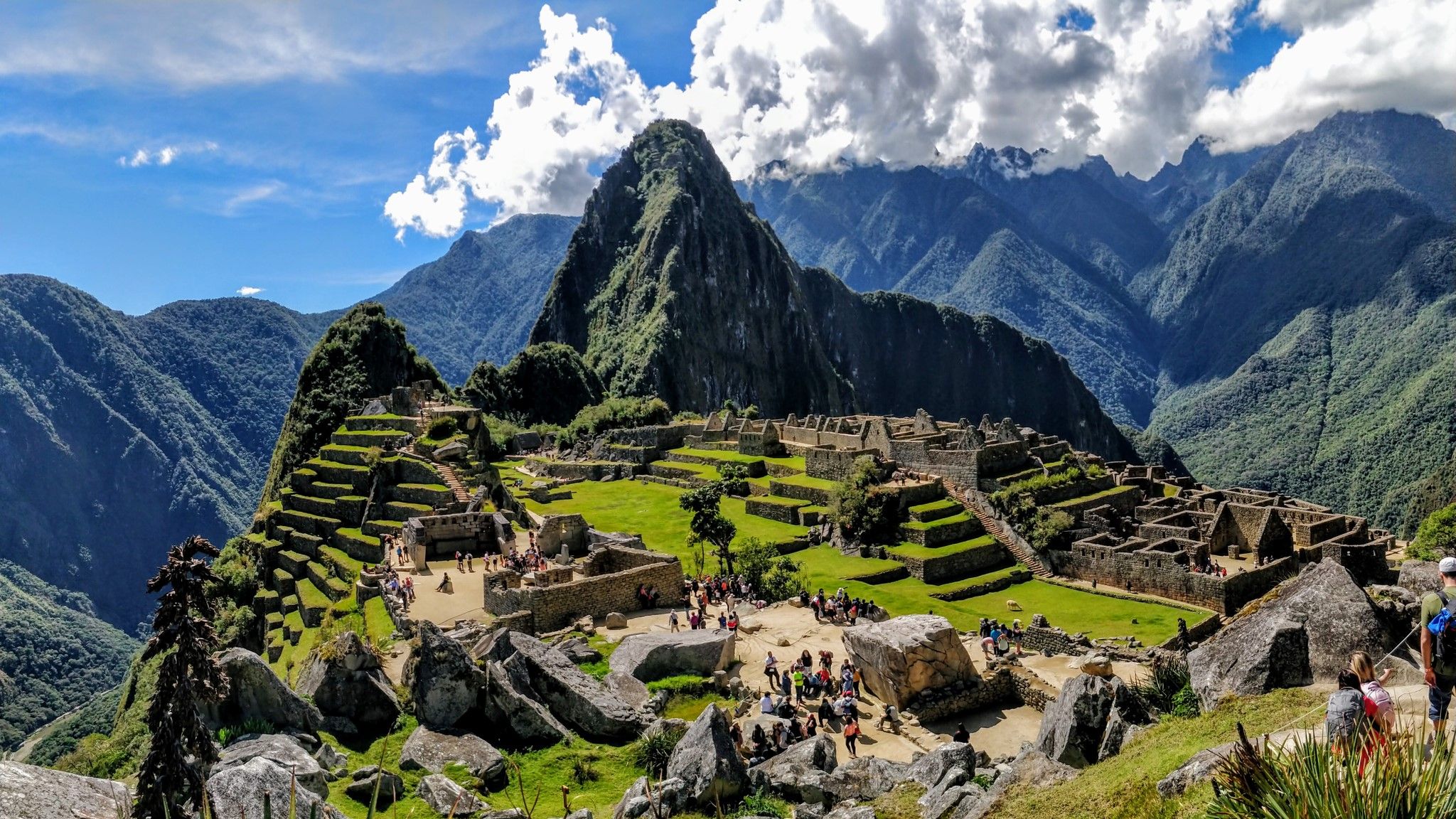
Machu Picchu is a must on a trip to Peru. Impressive, interesting and unique.
0
0

Here you have the best view of the city. You can turn here from the Inca Trial or from the guided tour of Machu Picchu if you have booked Tour 1.
0
0

Huayna Picchu (Quechua Wayna Pikchu for "young peak") is one of the two peaks between which the ruins of the Inca city of Machu Picchu lie. The peak is known for the classic postcard motif, where the mountain towers above the ruins of Machu Picchu in the background. The peak is accessible to tourists, but the number of visitors is limited to 400 per day. They must register and enter their names at a checkpoint before the climb. There they are also given an approximate return time. The climb takes about an hour, but the demands should not be underestimated. The steepest sections are equipped with steel cables to hold on to, the path sometimes leads through caves, and on the descent you have to crouch under a rock ledge and climb down 40 cm wide stairs, sometimes directly on the slope, without any safety equipment. A head for heights is therefore an absolute prerequisite. The climb can only be started between 8:00 and 10:00 and must be completed by 14:00. Access to the checkpoint is available after crossing the ruins of Machu Picchu. The same access can also be used to climb Huchuy Picchu in a 15-minute climb. Source: https://de.wikipedia.org/wiki/Huayna_Picchu
1
0
The Salineras de Maras are hidden in the highlands of southern Peru. In a mountain gorge, not far from Cusco, a mosaic of white-brown salt fields has developed over the centuries. There are said to be 4,000 fields. Rock salt, the so-called "white gold", was mined here as early as the time of the Incas. The descendants of that advanced civilization still harvest the popular Sal de Maras, which is also exported abroad. Source and further information: https://info-peru.de/salzterrassen-maras-peru/
2
0

From the viewing point, a path leads past the salt terraces and later through a beautiful gorge down into the Urubamba Valley.
8
0
The salt pans of Maras "Salinera de Maras" is the highest salt farm in the world. Thousands of salt basins are located on steep mountain terraces. What was once the white gold of the Incas is now only a very small source of income for the hard-working Andean salt farmers of Peru.
8
0
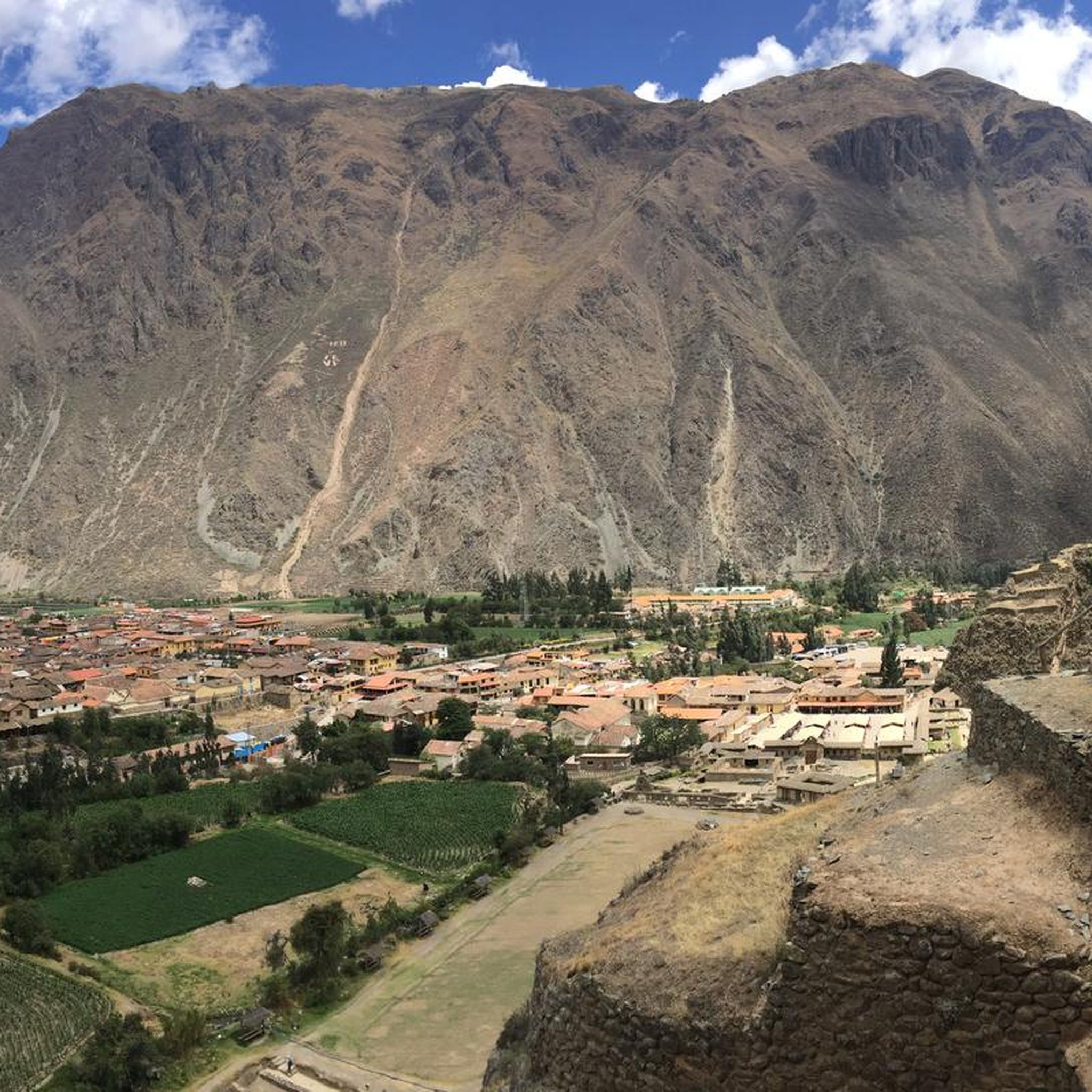
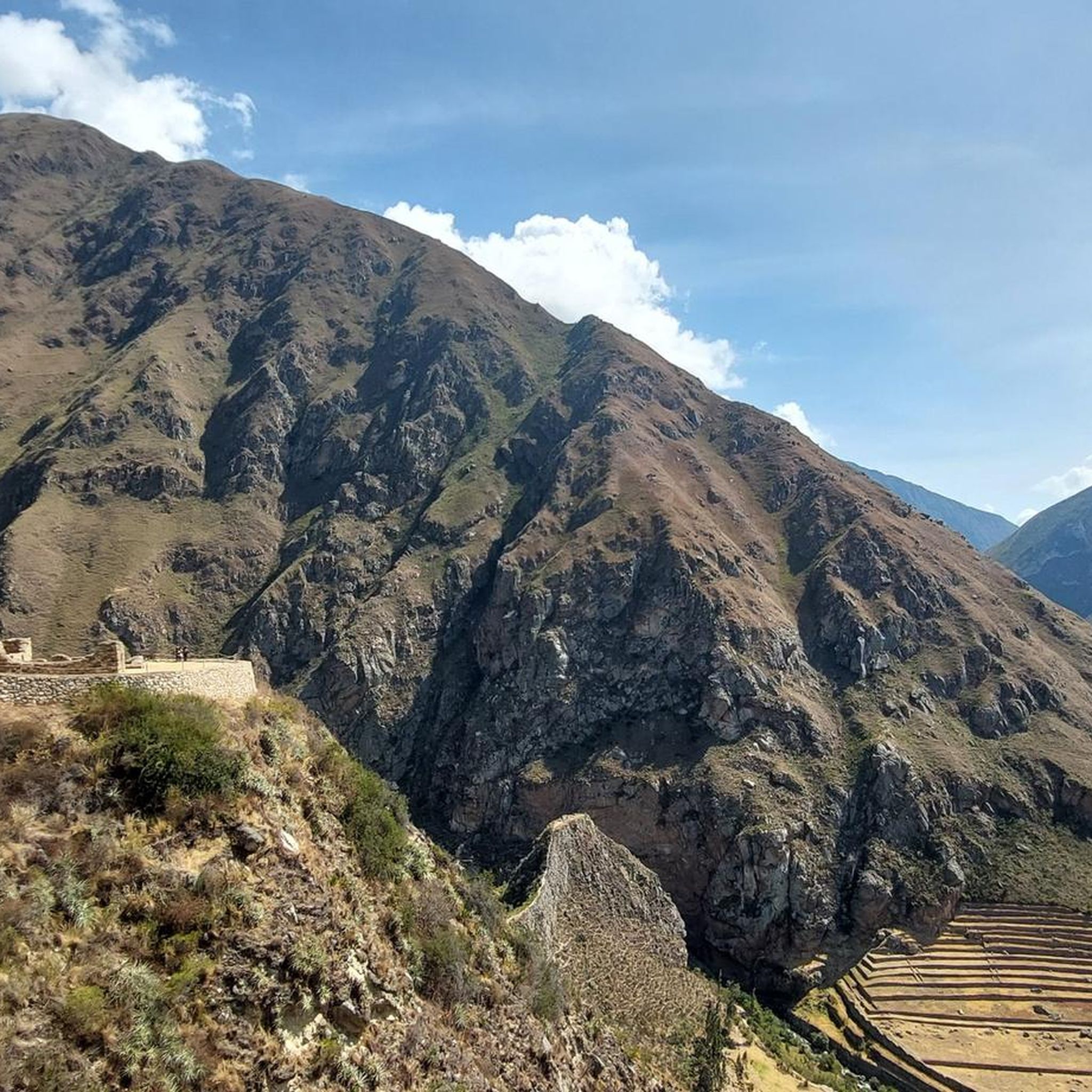
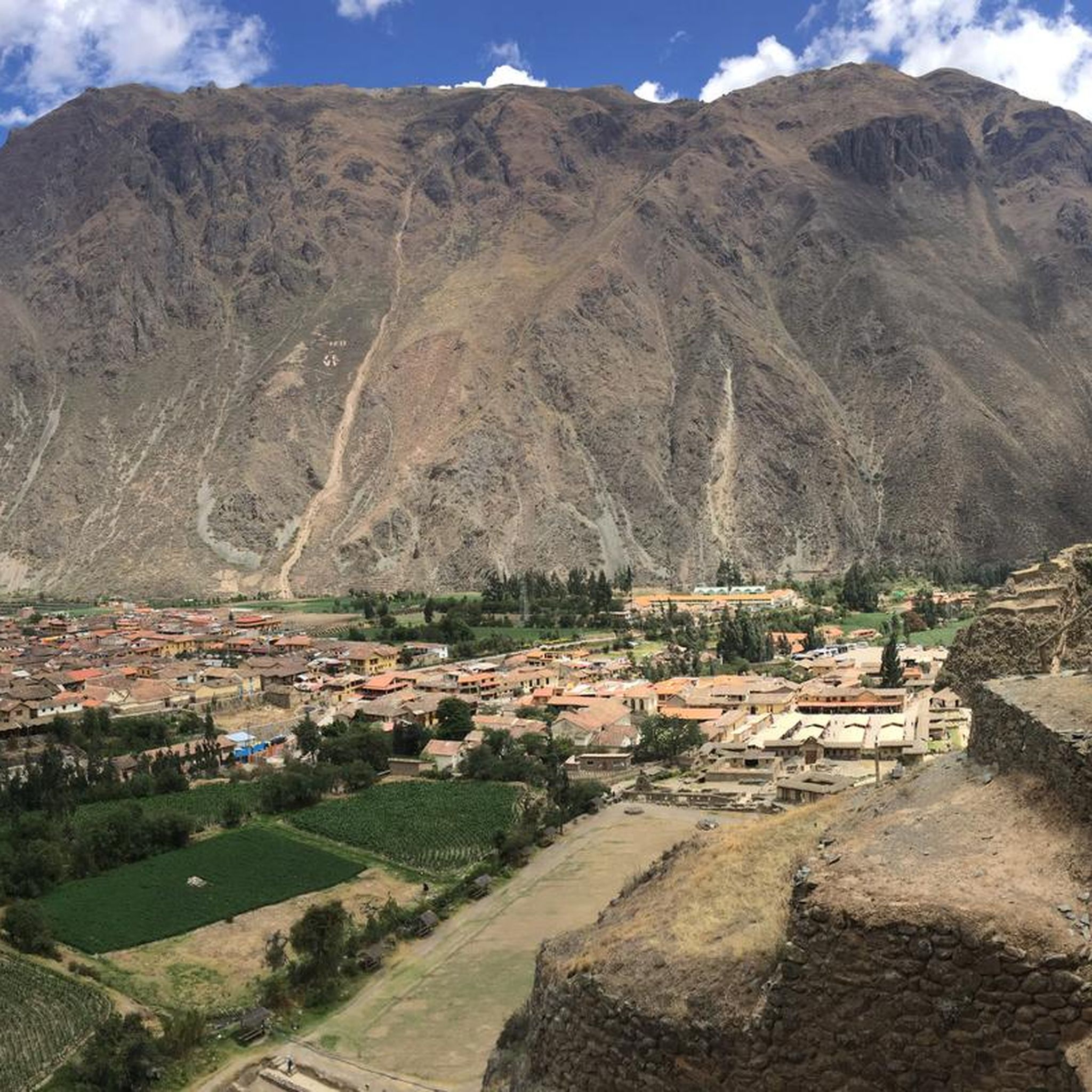
Ollantaytambo is the only town where you can still admire the town planning from Inca times. The narrow streets and alleys frame 15 square blocks that lead to a courtyard lined with houses. Many of them are made of the typical dark pink stone that was reserved for high nobles and priests. In the valleys and hills around the Urubamba and Patakancha rivers you can find many of the famous terraced fields of the Incas. This type of construction allowed the Incas to cultivate areas that would otherwise be uncultivable.
1
0
Frequently Asked Questions
What are the most popular natural monuments in Urubamba?
Among the most popular natural monuments in Urubamba, visitors highly recommend Machu Picchu, known for its incredible urban creation amidst a tropical mountain forest. The Maras Salt Mines are also a must-see, offering a unique landscape of thousands of salt basins on steep mountain terraces. Additionally, the Wiñay Wayna Inca Ruins provide fantastic views and impressive ancient structures integrated into the natural landscape.
What outdoor activities can I do near Urubamba's natural monuments?
The Urubamba region, with its towering Andean mountains and the Urubamba River, offers a variety of outdoor activities. You can enjoy hiking, mountain biking, and horseback riding in the surrounding mountains. The Urubamba River itself provides opportunities for adventure sports like rafting. For specific routes, you can explore options like cycling tours around the Moray Agricultural Terraces or various running trails and MTB trails in the area.
Are there hiking trails near the natural monuments in Urubamba?
Yes, the region is rich with hiking opportunities. Trails lead to panoramic viewpoints, hidden waterfalls, and offer a chance to explore the natural beauty. For instance, a trail leads past the Maras Salt Pans and through a beautiful gorge down into the Urubamba Valley. You can find various running trails and mountain biking routes that traverse the natural landscapes around Urubamba.
How difficult are the trails to Urubamba's natural monuments?
The difficulty of trails varies. Some highlights like Machu Picchu and Maras Salt Mines are generally considered intermediate. Climbing to Huayna Picchu or visiting the Wiñay Wayna Inca Ruins can be challenging due to steep steps and elevation. The surrounding Andean mountains offer diverse terrain, from easier paths to more demanding ascents, catering to various fitness levels.
Are there family-friendly natural monuments in Urubamba?
While specific 'family-friendly' categories aren't listed for all monuments, many sites can be enjoyed by families depending on their activity level. The Maras Salt Mines offer a unique visual experience that can be fascinating for all ages. The Urubamba River area provides tranquil settings for relaxation. For more active families, some of the less strenuous trails in the Andean mountains can be suitable, offering beautiful views without extreme difficulty.
What is the best time of year to visit the natural monuments in Urubamba?
The Sacred Valley, including Urubamba, generally experiences a dry season from May to October, which is often considered the best time to visit. During these months, the weather is typically sunny with less rainfall, making it ideal for hiking and exploring the outdoor natural monuments. The wet season, from November to April, brings more rain, which can affect trail conditions, but also makes the landscapes lush and green.
What kind of natural features can I expect to see in Urubamba?
Urubamba is surrounded by stunning natural beauty. You can expect to see towering Andean mountains like Salkantay, El Chicón, and El Verónica, which define the valley's geography. The winding Urubamba River flows through the valley, providing lush landscapes. The unique Maras Salt Mines present a surreal sight of thousands of white salt pools cascading down a hillside. The region also features diverse ecosystems within its mountainous terrain.
What historical sites are integrated with the natural landscape in Urubamba?
Urubamba is rich in historical sites that blend seamlessly with its natural surroundings. Machu Picchu is a prime example, with its gigantic walls, terraces, and ramps appearing almost naturally carved into the rock cliffs amidst a tropical mountain forest. The Maras Salt Mines have been in use since Inca times, showcasing ancient agricultural practices within a unique geological formation. The Wiñay Wayna Inca Ruins also offer impressive ancient structures integrated into the natural landscape with panoramic vistas.
Are there any viewpoints offering expansive views of the Urubamba Valley?
Yes, the surrounding Andean mountains provide numerous opportunities for breathtaking panoramic views. Trails often lead to impressive viewpoints, such as the Mirador de Tantanmarka, which offers expansive vistas of Urubamba and the Sacred Valley. Many of the historical sites like Machu Picchu, Huayna Picchu, and Wiñay Wayna Inca Ruins are also renowned for their spectacular vantage points over the valley and surrounding mountains.
What do visitors enjoy most about the natural monuments in Urubamba?
Visitors are consistently impressed by the unique blend of natural beauty and ancient history. The sheer scale and engineering of sites like Machu Picchu, set amidst stunning mountain forests, are often described as extraordinary. The surreal landscape of the Maras Salt Mines, with its thousands of terraced salt pools, offers a unique glimpse into ancient traditions. The tranquil ambiance of the Urubamba River and the breathtaking panoramic views from the Andean mountains also contribute significantly to a memorable experience for nature lovers and adventurers.
What are the options for parking and public transport to reach Urubamba's natural monuments?
Access to natural monuments in Urubamba can vary. For popular sites like Machu Picchu, visitors typically travel to Aguas Calientes by train, then take a bus or hike to the site. For other areas like the Maras Salt Mines, local transportation such as taxis or colectivos (shared vans) from Urubamba or nearby towns are common. Parking facilities are available in some areas, but it's advisable to check specific monument details or tour operator information for the most current transport and parking options.
Most popular attractions in Urubamba

Get inspired with the komoot mobile app


Didn’t find what you were looking for?
Find even more amazing natural monuments in Urubamba by checking out the top Highlights region by region:
Explore more
Extend your search for the best caves by checking out these guides of the top ones in Urubamba:
