The best family-friendly hikes and walks in Urubamba
4.5
(24)
360
hikers
1
hike
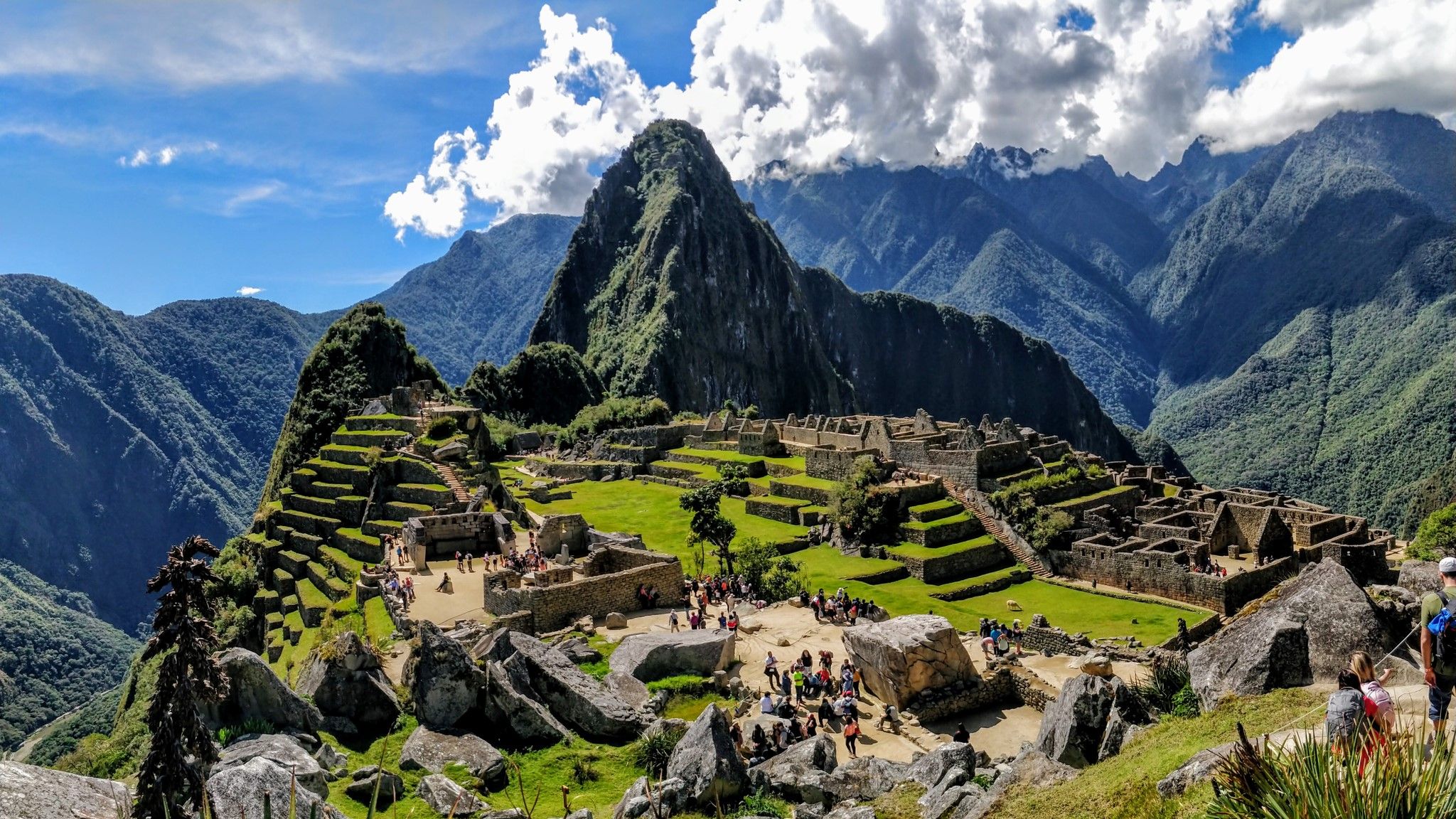
Family friendly hiking trails in Urubamba are set within Peru's Sacred Valley, characterized by the winding Urubamba River and fertile valley floors. The region is framed by the Andes mountains, including peaks like Chicón and Pumahuanca, though family routes typically remain at lower elevations. The terrain offers a mix of Andean countryside, scenic forests, and access to significant Inca archaeological sites.
Best family friendly hiking trails in Urubamba
- The most popular family friendly hiking route is San Francisco Square, Cusco…
Last updated: July 7, 2026
4.5
(11)
106
hikers
6.59km
02:04
230m
230m
Moderate hike. Good fitness required. Easily-accessible paths. Suitable for all skill levels.
5.0
(1)
50
hikers
Easy hike. Great for any fitness level. Easily-accessible paths. Suitable for all skill levels.

Sign up for free
4.0
(1)
14
hikers
9.46km
02:34
130m
130m
Moderate hike. Good fitness required. Easily-accessible paths. Suitable for all skill levels.
3.5
(2)
54
hikers
13.8km
04:00
360m
360m
Moderate hike. Good fitness required. Easily-accessible paths. Suitable for all skill levels.
5.0
(3)
15
hikers
Moderate hike. Good fitness required. Easily-accessible paths. Suitable for all skill levels.
Our route recommendations are based on thousands of hikes, rides, and runs completed by other people on komoot.
Start today with a free account
Your next adventure awaits.
Login or Signup
Popular around Urubamba
Other adventures in Urubamba

Tips from the Community

The Temple of the Sun is one of the most impressive relics of the Inca culture and was built in honor of the sun god Inti. It was the spiritual and religious center of the Inca Empire. Today, the Qoricancha stands as a symbolic example of the fusion of Inca building culture and Spanish colonial architecture. The Qoricancha housed not only the Temple of the Sun, but also other sacred shrines for other deities. (Temple of the Moon Goddess, the Temple of Lightning, the Temple of the Rainbow, the Temple of Water, and others. All temples were clad in gold and adorned with precious stones. The Spaniards plundered the treasures and partially destroyed the temple to build a monastery on it. The monastery was repeatedly damaged by several earthquakes, but the walls of the Inca temple have remained undamaged, which speaks to the exceptional architecture. Even today, 15 monks still live here.
1
0
You should definitely drink a freshly squeezed juice here and eat the quinoa bread from a nearby place. Simply delicious.
0
0
Even if you are no longer allowed to photograph inside the cathedral today (or precisely because of that), visiting it is a must for anyone visiting Cusco. Countless altars in various architectural styles and materials, the different patron saints, the silver monstrance, and of course the entire architecture are admirable. The supporting walls of the nave are built from stones of a nearby Inca temple. After an earthquake, the cathedral's roof was destroyed and rebuilt in the Gothic style.
1
0

Plaza San Francisco is considered one of the main squares in the city and is known for its colonial architecture and historical significance. The square is surrounded by several important buildings, including the Church of San Francisco, which is considered one of the most important colonial churches in Cusco.
3
0
At the heart of Cusco is Coricancha, the most important temple of the Inca Empire. Coricancha, also spelled Korikancha or Qorikancha, means "Golden Temple" in Quechua. This impressive Inca Temple of the Sun remains a key feature of the city for locals and tourists alike.
0
0

It is worth taking all the steps
0
0

One of the most beautiful viewpoints overlooking the city of Cusco.
1
0
The Church of San Cristóbal is a Catholic church in the city of Cuzco, Peru. It is located at the western end of the Plaza del Colcampata on the Sacsayhuamán hill and is an obligatory passage on the path between the Plaza de Armas and the ruins of Sacsayhuamán. Due to its location, the church is at the highest elevation in the city and can be seen from the square itself and from various points in the monumental quarter of Cusco. Source: https://es.wikipedia.org/wiki/Iglesia_de_San_Crist%C3%B3bal_(Cuzco)
1
0
Frequently Asked Questions
What kind of terrain can families expect on hikes in Urubamba?
Urubamba offers a variety of terrain suitable for families, from gentle valley walks along the Urubamba River to trails with moderate ascents. Many paths feature Andean countryside, scenic forests, and ancient agricultural terraces. While some routes involve climbs, there are plenty of options designed for easier exploration with minimal elevation gain.
Are there any easy, short walks suitable for families with young children or strollers?
Yes, Urubamba provides several options for easy, short walks. The dirt roads on the south side of the Urubamba River offer gentle, village-to-village strolls with few vehicles, perfect for acclimatization and leisurely family outings. While dedicated stroller-friendly trails might be limited to very flat sections, many valley paths are suitable for carrying younger children or using robust off-road strollers.
What are some scenic viewpoints or natural attractions to look out for on family hikes?
Urubamba is rich in natural beauty. Families can enjoy breathtaking views of the towering Andes mountains, including peaks like Chicón and Pumahuanca. The region also features the stunning Maras Salt Mines, a unique geological wonder, and the picturesque Perolniyoc Waterfall, accessible via a trail from Socma. For iconic views, some trails offer glimpses towards the Machu Picchu area.
Can we visit any Inca archaeological sites on family-friendly trails?
Absolutely! Urubamba's trails often integrate history with nature. You can explore sites like the Inca agricultural terraces of Moray, which are accessible via walks from the Salineras. The hike to Saywa Mountain also offers 360-degree views of the valley along with ancient Inca pillars at its summit. Other notable sites include Ollantaytambo Ruins and Wiñay Wayna Inca Ruins.
What is the best time of year to go hiking with family in Urubamba?
The best time for family hiking in Urubamba is during the dry season, which typically runs from April through September. During these months, you can expect more stable weather conditions, clearer skies, and less chance of rain, making for more enjoyable and safer trail experiences.
Are there any circular routes suitable for families?
While specific circular routes for families might vary, many trails in the Urubamba valley can be adapted for out-and-back walks, or combined with local transport to create a loop. For example, the gentle river road walks allow for flexible distances, and some archaeological sites like Moray can be explored as part of a loop from nearby villages.
What do other hikers say about family-friendly trails in Urubamba?
The Urubamba region is highly rated by the komoot community, with an average score of 4.07 stars. Reviewers often praise the stunning natural landscapes, the opportunity to combine hiking with cultural exploration of Inca sites, and the diverse trail experiences catering to various fitness levels, including many enjoyable options for families.
Is public transport available to reach trailheads in Urubamba?
Yes, public transport options like local buses (colectivos) and taxis are generally available in Urubamba and can help you reach various starting points for hikes. For some of the more remote trails, arranging private transport might be more convenient, especially when traveling with a family.
Are there any specific permits required for family hikes in the Urubamba area?
For most general family-friendly walks and day hikes in the immediate Urubamba valley, specific permits are typically not required. However, if your family plans to visit major archaeological sites like Moray or the Maras Salt Mines, there might be entrance fees. More challenging or multi-day treks, such as those leading to Machu Picchu, do require permits which should be booked well in advance.
Are there places to eat or rest near the family-friendly trails?
Urubamba town itself offers numerous cafes, restaurants, and accommodation options. For trails closer to villages or popular attractions like the Maras Salt Mines, you'll often find local vendors selling snacks and drinks. It's always a good idea to carry sufficient water and snacks, especially on longer walks, as amenities might be sparse on more secluded paths.
Can we bring our dog on family hikes in Urubamba?
While many outdoor areas in Peru are generally dog-friendly, specific rules can vary, especially around archaeological sites or protected natural areas. It's best to keep your dog on a leash and ensure they are well-behaved. Always check local regulations for specific trails or sites you plan to visit, and be mindful of livestock and local wildlife.
Most popular attractions in Urubamba

Get inspired with the komoot mobile app


