Top 15 Lakes around Capalbio
Lakes around Capalbio offer diverse natural landscapes and ecological significance in Tuscany. The area features coastal lagoons, pine forests, and nature reserves. Capalbio is situated near the Maremma plain, providing a blend of aquatic zones and protected habitats. This region is known for its natural beauty and opportunities for outdoor exploration.
Best lakes around Capalbio
- The most popular lakes is La Feniglia Pine Forest Trail, a trail that extends between the lagoon and the sea. This route is completely…
Last updated: June 30, 2026
Spanish Mill of Orbetello
Highlight • Monument
Source: it.wikipedia.org/wiki/Laguna_di_Orbetello
Translated by Google •
Tip by

Duna Feniglia Pine Forest Trail
Highlight • Forest
Translated by Google •
Tip by

Sign up now to discover places like this
Get recommendations on the best single tracks, peaks, & plenty of other exciting outdoor places.
Sign up for free
Spanish Windmill of Orbetello
Highlight • Monument
Translated by Google •
Tip by

La Feniglia Pine Forest Trail
Highlight • Trail
Tip by

Burano Lake Nature Reserve
Highlight • Lake
Translated by Google •
Tip by

Sign up for free to discover even more lakes around Capalbio.
Sign up for free
Already have an account?
Start today with a free account
Your next adventure awaits.
Login or Signup



Tips from the Community

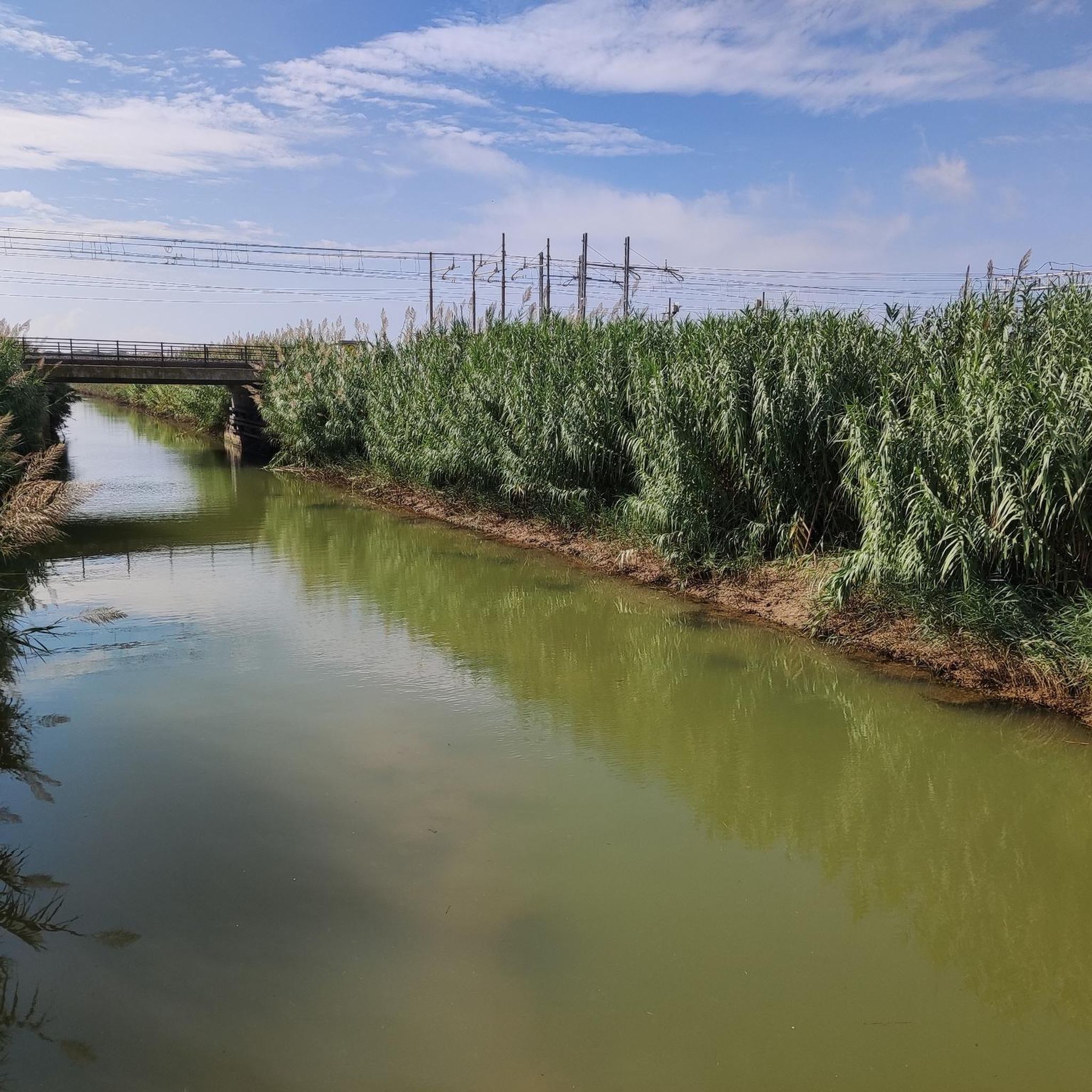
The Orbetello Lagoon is a coastal nature reserve of 27 km² located in the Maremma grossetana, in Tuscany. This unique brackish ecosystem is enclosed between the Monte Argentario promontory and the mainland by two 6 km long sand spits, known as Tombolo della Giannella and Tombolo della Feniglia. In the center of the lagoon lies the town of Orbetello, connected to Argentario by the historic Leopoldina Dam (built in 1842), which divides the body of water into the Western Lagoon and the Eastern Lagoon.
0
0

Who doesn't have a photo with this mill?😁
1
0

A very nice reserve with a walking path, free entrance
1
0

This surprising sight, which immediately makes you think of a city sunken in the sea (who has never heard of 'Atlantis'), is what visitors see at the end of the headland that separates the northern 'Laguna di Ponente' from the southern 'Laguna di Levante'. Even early in human history, people were clever enough to harness the power of the elements - which could be a threat on the one hand, but also helpful on the other. A total of nine tidal mills once diligently did their work here.
1
0

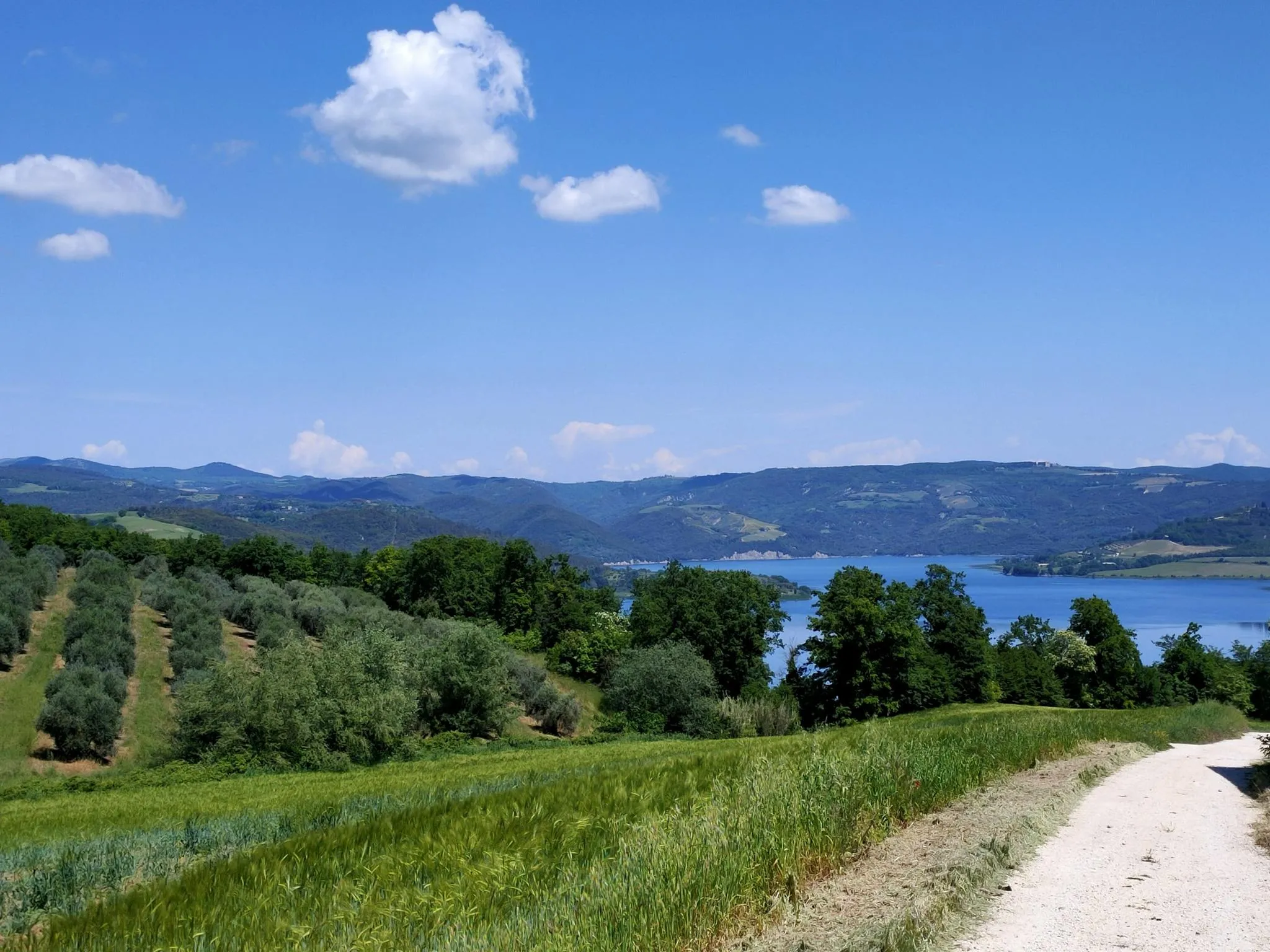
Beautiful reserve with wild and suggestive beaches.
0
0

Nine mills were built in the 15th century, all in a single line in the lagoon. They were built by the Sienese to grind grain (which was brought to the mill on the local boats) to produce flour. At the time, they were powered by the force of the water (which flowed in and out of the lagoon every six hours from the Giannella tombolo, causing a vast hydraulic phenomenon), which turned the millstones. A century and a half later, in 1557 to be precise, Orbetello became the capital of the Stato dei Presìdi, created by order of King Philip I of Spain. It was under Spanish rule that sails were added to the mill, so as to harness the power of the many winds (four mistral and five sirocco) that blew across the lagoon. The nine mills, arranged in a row by the inhabitants of Orbetello, managed to produce enormous amounts of water by exploiting both the currents and the winds, thus creating a phenomenon of hydraulic and wind engineering of great historical significance. Today, only one of the nine mills mentioned above remains, recently restored.
2
0
The road to follow in the pine forest is beautiful with two types of routes, one running along the lagoon and being able to admire the landscape as well as the wonderful pink flamingos, the other running along the part towards the sea where different outlets take you to admire the beautiful beach
2
0
Opportunity to admire hordes of pink flamingos up close
2
0
Frequently Asked Questions
What unique wildlife can be observed at Lake Burano?
Lake Burano, a WWF Oasis, is a crucial habitat for diverse wildlife. You can observe over 300 species of birds, including ducks, cormorants, marsh harriers, and crested cuckoos. The lake is also home to saltwater fish like mullet and sea bream. On land, hikers might spot lizards, snakes, porcupines, otters, wild rabbits, and foxes.
What makes Lake San Floriano ecologically significant?
Lake San Floriano boasts exceptional scenic value due to its unique plant communities, including notable associations of Nynphaea alba (white water lilies) and Polygonum amphibium. It is vital for aquatic birds in the region, with sightings of woodcocks, gray herons, and common pochards. For more details, you can visit Visit Tuscany's page on Lake San Floriano.
Are there nature reserves around Capalbio's lakes?
Yes, the area features significant nature reserves. The most prominent is the Burano Lake Nature Reserve, which is Italy's first WWF Oasis. Another notable reserve is the Duna Feniglia Pine Forest Trail, extending over a seven-kilometer-long dune.
Are there easy walking trails suitable for families near Capalbio's lakes?
Absolutely. The La Feniglia Pine Forest Trail is completely flat and suitable for everyone, offering a wonderful strip of land between the lagoon and the sea. The Duna Feniglia Pine Forest Trail is also ideal for exploring on foot or by bicycle on a beaten dirt road.
What cycling routes are available near the lakes?
You can find several cycling routes near the lakes. For example, the 'Capalbio and Lake Burano Loop' is a moderate 33 km touring bicycle route. Many other options are available in the Cycling around Capalbio guide and the Road Cycling Routes around Capalbio guide.
Can I go running near the lakes in Capalbio?
Yes, there are several running trails. You can find routes like the 'Oasi WWF del Lago di Burano loop' from Chiarone Scalo (14 km) or Capalbio Scalo (6.5 km). Explore more options in the Running Trails around Capalbio guide.
Are there any historical sites near the lakes?
Yes, the Spanish Windmill of Orbetello is a notable historical monument located in the middle of the water. It is the last of nine mills built in the 15th century, originally working with sea currents.
Is Lake Burano accessible for disabled visitors?
Yes, the path within the WWF Oasis at Lake Burano is accessible for disabled visitors, allowing everyone to enjoy its natural beauty and observe wildlife.
What is the best time to visit Lake Burano for nature observation?
The WWF Oasis at Lake Burano is typically open from September 1st to May 1st, making this period ideal for observing its diverse birdlife and other wildlife.
What tips should I know when visiting the Duna Feniglia Pine Forest Trail?
The Feniglia nature reserve extends over a seven-kilometer-long dune. It's a great place to explore on foot or by bicycle on a dirt but beaten road. At the entrance, you can find an overview describing what the pine forest offers. The vegetation includes maritime pines, cork oaks, and Mediterranean scrub, while fauna includes deer, wild boars, and foxes.
Can I take a day trip to other notable lakes from Capalbio?
Yes, Lago di Bolsena, located east of Capalbio, is Italy's largest volcanic lake and is recommended for a day trip. Visitors can explore its medieval town center and castle.
What kind of plants and fish can be found in Lake San Floriano?
Lake San Floriano is rich in unique plant communities, including white water lilies (Nynphaea alba) and Polygonum amphibium, along with marsh reeds, rushes, and duckweed. Fish species found here include chub, perch, carp, trout, tench, and eel.
Most popular routes around Capalbio
Most popular attractions around Capalbio

Get inspired with the komoot mobile app


Explore more
Still not found your perfect lake around Capalbio? Check out the guides of these regions to see even more beautiful places.
