Top 20 Lakes in Japan
Lakes in Japan are integral to the country's diverse geography, ranging from volcanic caldera lakes to ancient freshwater bodies. These aquatic features are often surrounded by mountains, forests, and cultural sites. Many lakes are known for their clear waters, unique ecosystems, and historical significance. They provide settings for various outdoor activities and offer views of Japan's natural landscapes.
Best lakes in Japan
- The most popular lakes is Ōhori Park Pond, a lake that was once part of the Fukuoka Castle moat system. This park features a more than 2 km long trail around the pond, ideal for walking and jogging.
- Another must-see spot is Shinobazu Pond, a lake located in Ueno Park. Visitors can enjoy views of the pond, which is known for its lotus flowers and a small island with a temple.
- Visitors also love Taisho Pond, a lake surrounded by forest. This pond offers scenic views and is a popular spot for nature observation and photography.
- Japan is known for its volcanic lakes, ancient freshwater lakes, and scenic crater lakes. These bodies of water offer a variety of landscapes and experiences, from clear waters suitable for kayaking to historical sites along their shores.
- The lakes in Japan are appreciated by the komoot community, with more than 90 highlights and over 200 photos shared.
Last updated: June 26, 2026
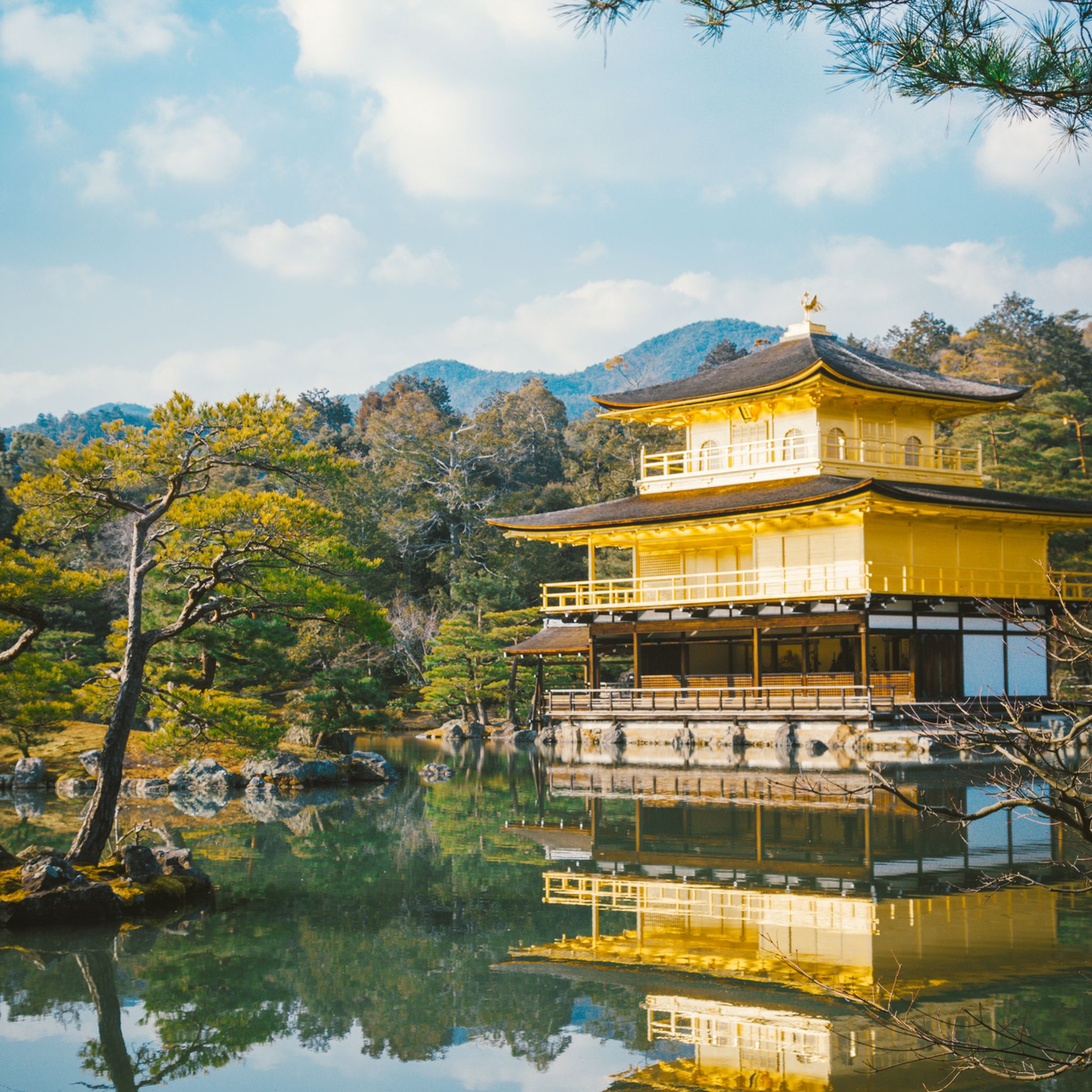
Kinkaku-ji (The Golden Pavilion)
Highlight • Religious Site
Kinkaku-ji 金閣寺, Ger. "Golden Pavilion Temple / 20Kg Gold"), actually Rokuon-ji (鹿苑寺, Ger. "Deer Garden Temple"), is a Buddhist temple in the northwest of the Japanese city of Kyoto.
The temple complex is known for the Shariden (舎利殿, "Relic Hall"), whose upper floors are completely covered with gold leaf and are therefore called Kinkaku (金閣), "Golden Pavilion". Due to the pavilion's fame, the name Kinkaku-ji is now used for the entire complex.
During the Muromachi period, at the end of the 14th century, medieval Japan experienced one of the most politically and economically stable phases under Shogun Ashikaga Yoshimitsu. This historical period thus provided fertile ground for one of the most flourishing and innovative cultural epochs in Japanese history, the so-called Kitayama culture (北山文化, Kitayama bunka).
Text / Source: wikipedia.org
de.wikipedia.org/wiki/Kinkaku-ji
Showing Translation
Tip by

Flame of Peace (Hiroshima Peace Memorial Park)
Highlight • Monument
Translated by Google •
Tip by

Sign up now to discover places like this
Get recommendations on the best single tracks, peaks, & plenty of other exciting outdoor places.
Sign up for free
Ōhori Park Pond
Highlight • Lake
Ohori means in the Japanese moat, the pond in the middle of the park was once part of the moat system of the neighboring Fukuoka Castle. The park was built between 1926 and 1929. In the middle of the pond there are three islands that are connected by elegant stone bridges.
Translated by Google •
Tip by

Shukkeien Garden
Highlight • Natural Monument
The park was completely destroyed by the atomic bomb explosion and rebuilt after the war.
Translated by Google •
Tip by
Shosei-en Garden
Highlight • Natural
Translated by Google •
Tip by
Shinobazu Pond
Highlight • Lake
Watching birds, fish or the nature with the high-rise buildings in the background - that is snowing off.
For a few hundred yen also a pedal boat can be rented.
Translated by Google •
Tip by

Kitanomaru Garden Pond
Highlight • Lake
Although the Edo Castle burned down in 1873 during a fire, there are still two original Edo-style gates that welcome guests at the entrance to the park. Stroll along the winding hiking trails and keep an eye out for the impressive collection of cherry trees around the Chidorigafuchi trench, which fill the area with delicate pink flowers all spring.
Translated by Google •
Tip by

Nunobiki Dam
Highlight • Monument
Translated by Google •
Tip by

Heiwa-no-Torii (Peace Torii) Gate, Hakone Shrine
Highlight • Religious Site
Translated by Google •
Tip by
Fountain Pond in Yoyogi Park
Highlight • Lake
Although Yoyogi Park has relatively few cherry trees compared to other places in Tokyo, in spring it is a beautiful cherry blossom viewpoint. He is also known for his ginko forest, which is intensely gilded in the fall.
Before the Yoyogi Park area was converted into a city park in 1967, it served as the site of the Olympic Village for the 1964 Tokyo Olympics and before that as a residential area for US military personnel.
Translated by Google •
Tip by
Sign up for free to discover even more lakes in Japan.
Sign up for free
Already have an account?
Start today with a free account
Your next adventure awaits.
Login or Signup
Popular around Japan
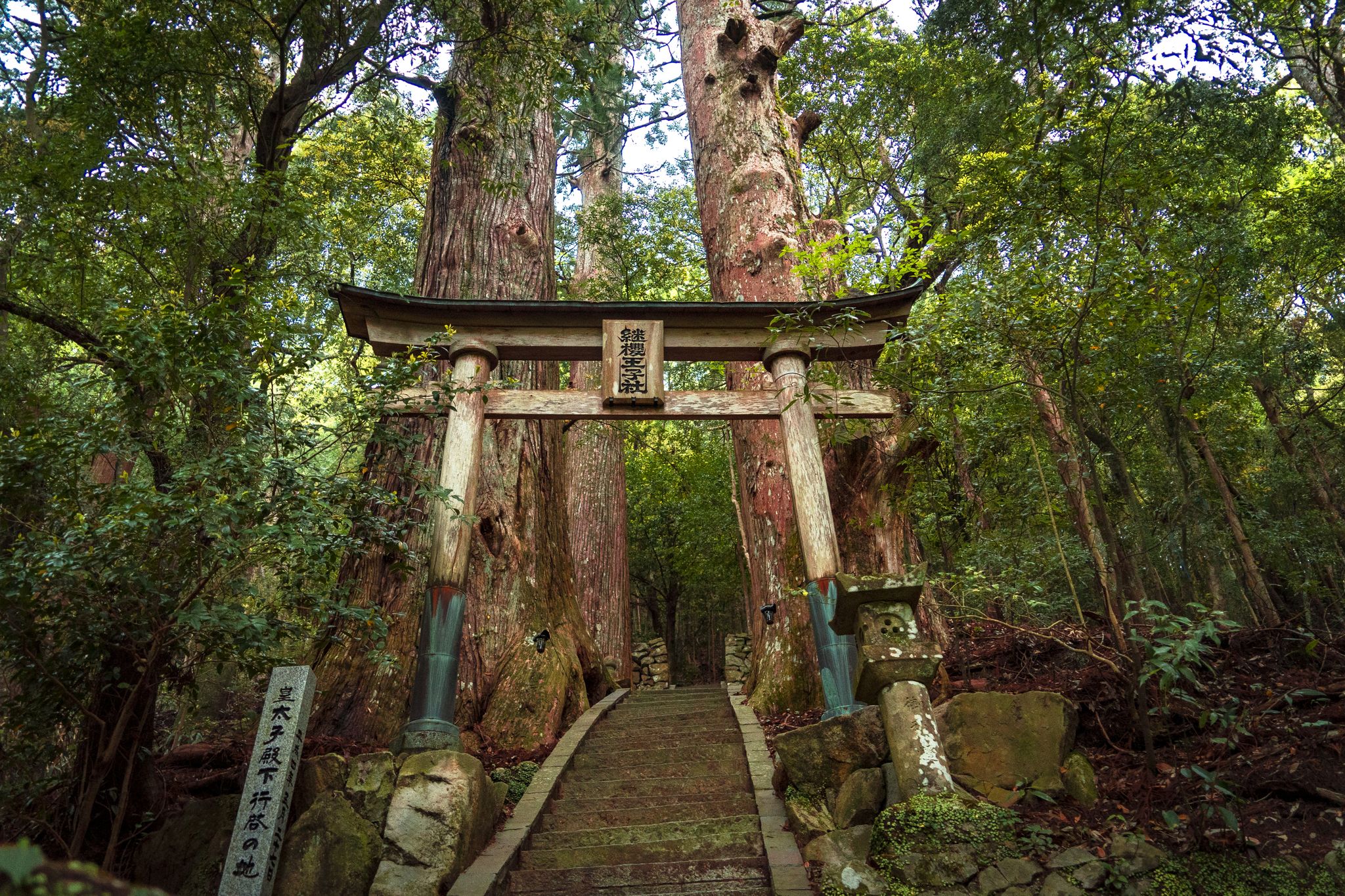
Kumano Kodo – a pilgrimage in the sacred forests of Japan
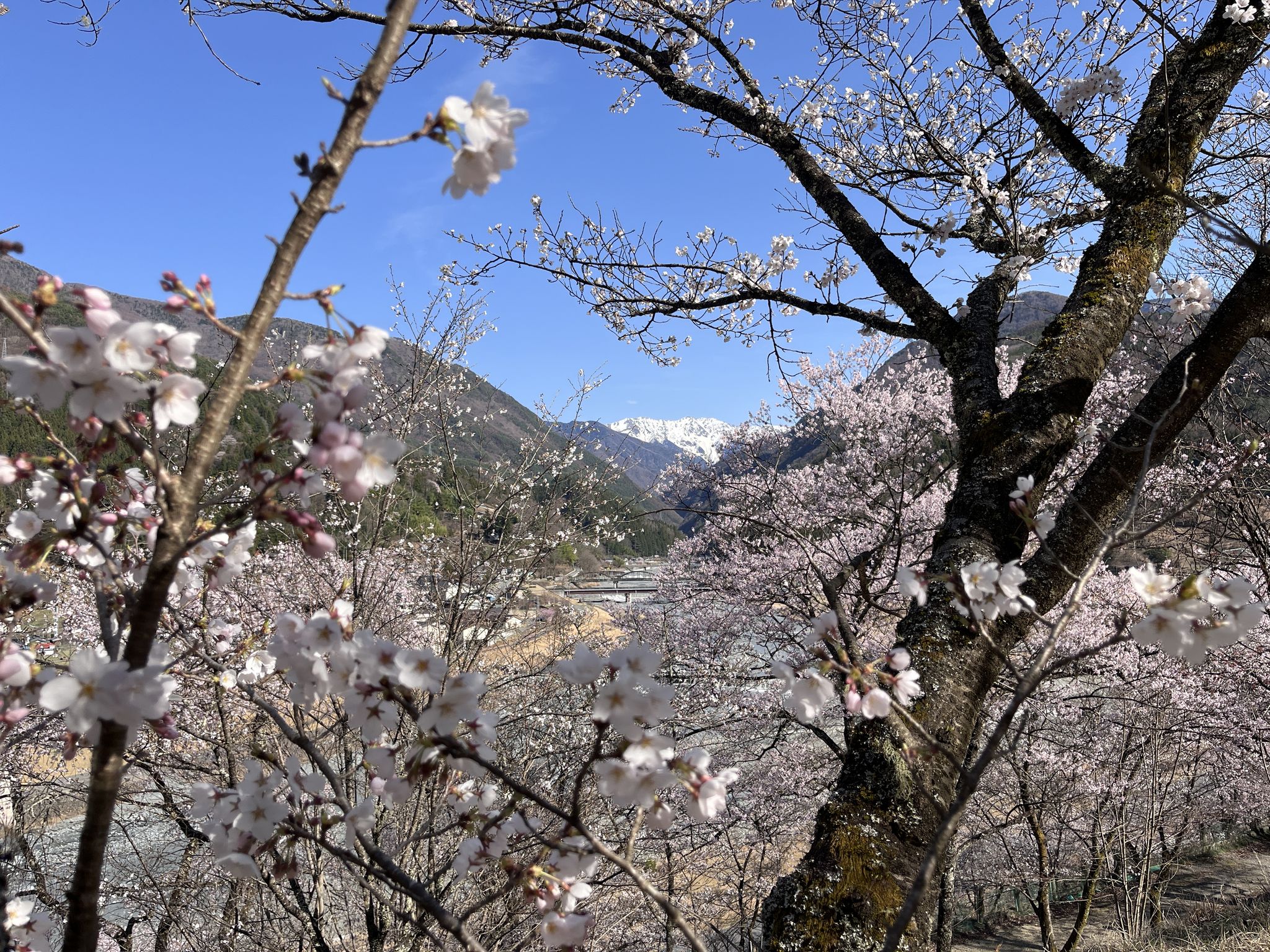
Oshika Akiha Kodo Hanami Tours
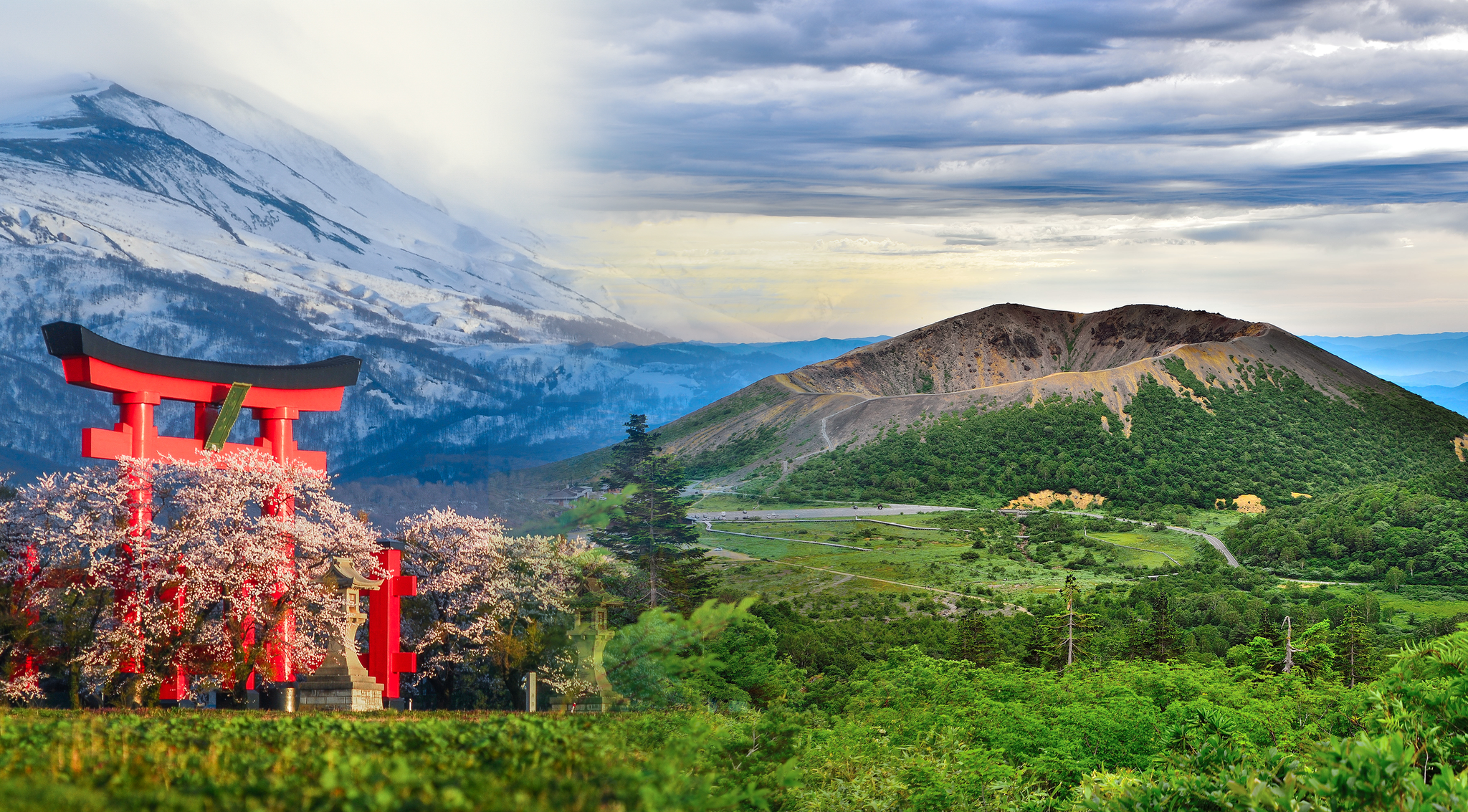
Spiritual peaks — hiking Bandai Asahi National Park’s Volcano Trail
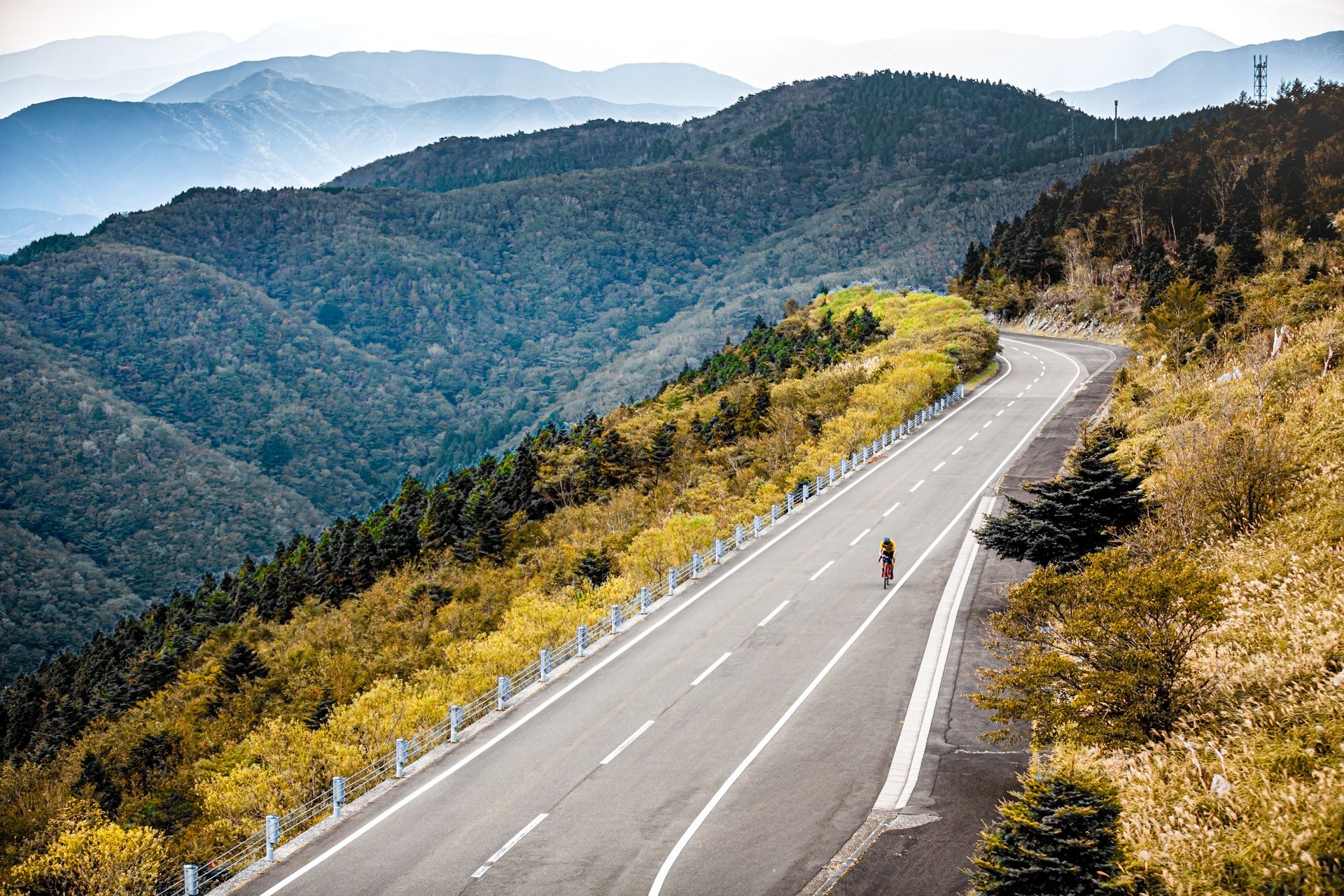
The Japanese Odyssey — 1,600km of volcanic islands to Tokyo
Hiking in Japan
Cycling in Japan
Running Trails in Japan
Road Cycling Routes in Japan
Mountain Hikes in Japan
MTB Trails in Japan
Other adventures in Japan


Tips from the Community

Kinkaku-ji 金閣寺 "Golden Pavilion Temple", Kyoto Kinkaku-ji 金閣寺, Ger. "Golden Pavilion Temple / 20Kg Gold"), actually Rokuon-ji (鹿苑寺, Ger. "Deer Garden Temple"), is a Buddhist temple in the northwest of the Japanese city of Kyoto. The temple complex is known for the Shariden (舎利殿, "Relic Hall"), whose upper floors are completely covered with gold leaf and are therefore called Kinkaku (金閣), "Golden Pavilion". Due to the pavilion's fame, the name Kinkaku-ji is now used for the entire complex. During the Muromachi period, at the end of the 14th century, medieval Japan experienced one of the most politically and economically stable phases under Shogun Ashikaga Yoshimitsu. This historical period thus provided fertile ground for one of the most flourishing and innovative cultural epochs in Japanese history, the so-called Kitayama culture (北山文化, Kitayama bunka). Text / Source: wikipedia.org https://de.wikipedia.org/wiki/Kinkaku-ji
14
0

The Golden Pavilion (Kinkaku-ji) itself is truly impressive. Even without bright sunshine, the temple covered in gold leaf has a very special look and is beautifully reflected in the pond in front of it. The combination of the golden building, the tranquil water, and the gardens makes the place a real highlight.
0
0

The Shōsei-en Garden, also called Kikoku-tei, is a stunning traditional Japanese stroll garden and a National Place of Scenic Beauty near Kyoto Station. It is a historical detached garden of the Higashi Honganji Temple, famous for its large central Ingetsu-chi pond and elegant structures like the Kaitō-rō Bridge. Why it's worth visiting: It is a valuable, tranquil oasis of classical beauty hidden in the heart of the modern city. The carefully designed circular paths allow you to experience a peaceful retreat and enjoy a continuously changing, picturesque landscape, making it a perfect spot for quiet contemplation just minutes from the main station.
0
0
The Kinkaku-ji (Golden Pavilion) is a stunning Zen Buddhist temple in northern Kyoto, famous for its Reliquary Hall whose top two floors are completely covered in dazzling gold leaf. Originally built in 1397 as a retirement villa for the Shogun Ashikaga Yoshimitsu, it was converted into a Zen temple after his death. The pavilion is a UNESCO World Heritage Site and a must-see because its shimmering golden facade, topped with a bronze phoenix, creates a breathtaking reflection in the tranquil Kyōko-chi (Mirror Pond), making it one of the most iconic and photogenic sights in Japan, particularly beautiful when surrounded by the unique colors of each season, including snow in winter. The three stories of the pavilion brilliantly incorporate three distinct architectural styles—palace, samurai, and Zen—symbolizing the opulence and cultural fusion of the period.
0
0
The Flame of Peace in the Hiroshima Peace Memorial Park is a powerful symbol of the city’s commitment to nuclear abolition.Lit on August 1, 1964, the flame has been burning continuously ever since, with the pledge that it will remain lit until the very last nuclear weapon on Earth is destroyed. The pedestal, designed by Kenzō Tange, represents two hands joined and reaching skyward, offering comfort to the bomb victims who desperately cried out for water. Located on the central axis of the park, the flame is a stark and eternal reminder of the devastation of 1945 and a clear visual declaration of the global desire for permanent world peace.
0
0

If you're willing to wait 30 minutes just to get a picture of yourself with the torii...please. But you can also just stand next to it for a moment and take a picture.
7
0

A beautiful garden in the middle of the city. A true respite. A Japanese experience.
0
0

✨ Kinkaku-ji, also known as the Golden Pavilion, is one of Japan's most iconic temples – and a true postcard image in Kyoto. But there's much more to the gleaming exterior: 🏯 Symbolic Architecture - The three-story pavilion is covered in gold leaf – a symbol of purity and spiritual enlightenment - Each floor represents a different architectural style: - 1st Floor: Palace Style of the Heian Period - 2nd Floor: Samurai Residence Style - 3rd Floor: Zen Temple Style with Chinese Influences 🌿 Garden Art & Reflecting Pond - The pavilion is reflected in the Kyōkochi Pond (“Reflection Pond”) – a deliberately designed image of the harmony between man and nature. - The garden is designed in the style of the Muromachi period and is intended to embody the Buddhist worldview. 📜 Historical Background - Originally built in 1397 as the retirement home of Shogun Ashikaga Yoshimitsu - After his death, the property was converted into a Zen temple - The current building is a 1955 reconstruction, after the pavilion was destroyed by arson in 1950
0
0
Frequently Asked Questions
Which lakes offer the most iconic views of Mount Fuji?
For breathtaking views of Mount Fuji, the Fuji Five Lakes region is unparalleled. Specifically, Lake Kawaguchiko is renowned for its "Reverse Fuji" reflection, while Lake Shojiko offers arguably the most gorgeous views from its northeastern bank. Lake Ashi in Hakone also provides picturesque views of Mount Fuji on clear days.
Are there family-friendly lakes in Japan with activities for children?
Yes, several lakes in Japan are excellent for families. Lake Yamanakako, one of the Fuji Five Lakes, is very family-friendly with parks, picnic areas, and water sports. Ōhori Park Pond in Fukuoka and Shinobazu Pond in Ueno Park are also popular urban spots with trails and recreational activities suitable for families. Lake Biwa offers a pirate-ship themed cruise and summer ziplining at Biwako Valley.
What historical or cultural sites can be found near Japan's lakes?
Many lakes in Japan are steeped in history. Lake Biwa, one of the world's oldest lakes, is surrounded by ancient towns and cultural sites, including the Shirahige Shrine with its 'floating' torii gate. Lake Chuzenji in Nikko has historical significance as a summer retreat for foreign diplomats. Near Lake Ashi, you can visit the Hakone Shrine with its iconic torii gate. Additionally, Ōhori Park Pond was once part of the Fukuoka Castle moat system, and Kinkaku-ji (The Golden Pavilion) is a famous temple reflected in a pond.
Which lakes are best for water sports like kayaking or swimming?
Lake Yamanakako is ideal for various water sports, including windsurfing, swimming, and boating. Lake Motosuko, known for its crystal-clear, emerald-green waters, is a prime location for kayaking and scuba diving. Lake Biwa also offers a wide range of recreational activities like swimming, sailing, windsurfing, kayaking, and stand-up paddleboarding.
When is the best time of year to visit lakes in Japan for scenic beauty?
The best time to visit depends on what you want to see. Spring (late March to April) is beautiful for cherry blossoms, especially around Lake Kawaguchiko. Autumn (October to November) is spectacular for vibrant foliage, with Lake Kawaguchiko and Lake Chuzenji being prime spots. Summer offers cooler climates around higher-altitude lakes like Lake Chuzenji, perfect for escaping the heat. Winter can provide stunning snow-capped views of Mount Fuji from the Fuji Five Lakes.
Are there accessible lakes in Japan for wheelchair users?
While specific accessibility details vary, major parks and tourist areas often have some accessible facilities. The Flame of Peace in Hiroshima Peace Memorial Park, which features a significant pond, is noted as wheelchair accessible. For other lakes, it's advisable to check specific visitor information for paths and facilities.
What outdoor activities, including hiking and cycling, can I do near Japan's lakes?
Many lakes offer excellent opportunities for outdoor activities. You can find numerous hiking trails around lakes like Saiko and Shojiko. For more extensive options, explore routes like the 'View of Mount Fuji Crater' in Fuji-Hakone-Izu National Park or the 'Sayama Lake Gravel Path' for gravel biking. You can find detailed routes for mountain hikes, cycling, and gravel biking in Japan on komoot.
Which lakes are known for their unique natural phenomena or colors?
Japan has several lakes with unique natural features. The Goshiki-numa (Five Colored Ponds) in Fukushima Prefecture are famous for their mysterious and vibrant color changes, ranging from cobalt blue to turquoise. Lake Mashu in Hokkaido is considered one of the clearest lakes in the world, often shrouded in enigmatic mists. Lake Tazawa in Akita Prefecture is Japan's deepest lake, known for its gorgeous caldera and iconic Tatsuko Statue.
Can I find quiet, off-the-beaten-path lakes in Japan?
Yes, if you're looking for solitude, Lake Shojiko, the smallest of the Fuji Five Lakes, is known for its secluded and peaceful atmosphere, surrounded by dense forests. Lake Saiko also offers a more rustic experience, ideal for hiking, camping, and birdwatching away from the crowds. The Shiretoko Five Lakes in Hokkaido provide a grand nature experience within a primeval forest.
Are there any lakes in Japan famous for their sunsets?
Lake Shinji in Shimane Prefecture is particularly famous for its beautiful sunsets. As the 7th largest lake in Japan, its brackish waters and diverse birdlife create a stunning backdrop for evening views.
What are some of the most popular urban lakes or ponds in Japan?
For urban lake experiences, Ōhori Park Pond in Fukuoka is a popular choice, offering a 2 km trail ideal for walking and jogging. Shinobazu Pond in Ueno Park, Tokyo, is known for its lotus flowers and a temple on a small island. Fountain Pond in Yoyogi Park also offers a peaceful escape within the city.
Most popular routes in Japan
Most popular attractions in Japan

Get inspired with the komoot mobile app


Didn’t find what you were looking for?
Find the best lakes in Japan per region:
Explore more
Still not found your perfect lake in Japan? Check out the guides of these regions to see even more beautiful places.
