Top 19 Gorges in Japan
Canyons in Japan are found across a diverse landscape, from deep V-shaped gorges in mountain ranges to serene valleys within urban areas. The country's geology, shaped by rivers and tectonic activity, has created numerous dramatic natural formations. These areas often feature steep cliffs, clear waters, and dense forests, providing varied natural environments. Japan's canyons offer a range of experiences, from accessible walking trails to challenging routes.
Best canyons in Japan
- The most popular canyons is Iwaya-ji (Temple 45), a…
Last updated: June 26, 2026
Iwaya-ji (Temple 45)
Highlight • Religious Site
Tip by

Rankyo Gorge
Highlight • Gorge
Tip by

Sign up now to discover places like this
Get recommendations on the best single tracks, peaks, & plenty of other exciting outdoor places.
Sign up for free
Narrow Rock Passage
Highlight • Gorge
Tip by

Ryuokyo Gorge (Ryuokyo-kyo)
Highlight • Gorge
Tip by

Geibikei Gorge
Highlight • Gorge
Tip by

Oboke and Koboke Valley
Highlight • Gorge
Tip by

Small suspension bridge
Highlight • Bridge
Translated by Google •
Tip by

Tip by

Sanpuku-gake Cliff (Sanpuku-gake)
Highlight • Natural Monument
Tip by
Dogashima Yuhodo Hiking Trail
Highlight (Segment) • Trail
Translated by Google •
Tip by

Sign up for free to discover even more gorges in Japan.
Sign up for free
Already have an account?
Start today with a free account
Your next adventure awaits.
Login or Signup
Popular around Japan
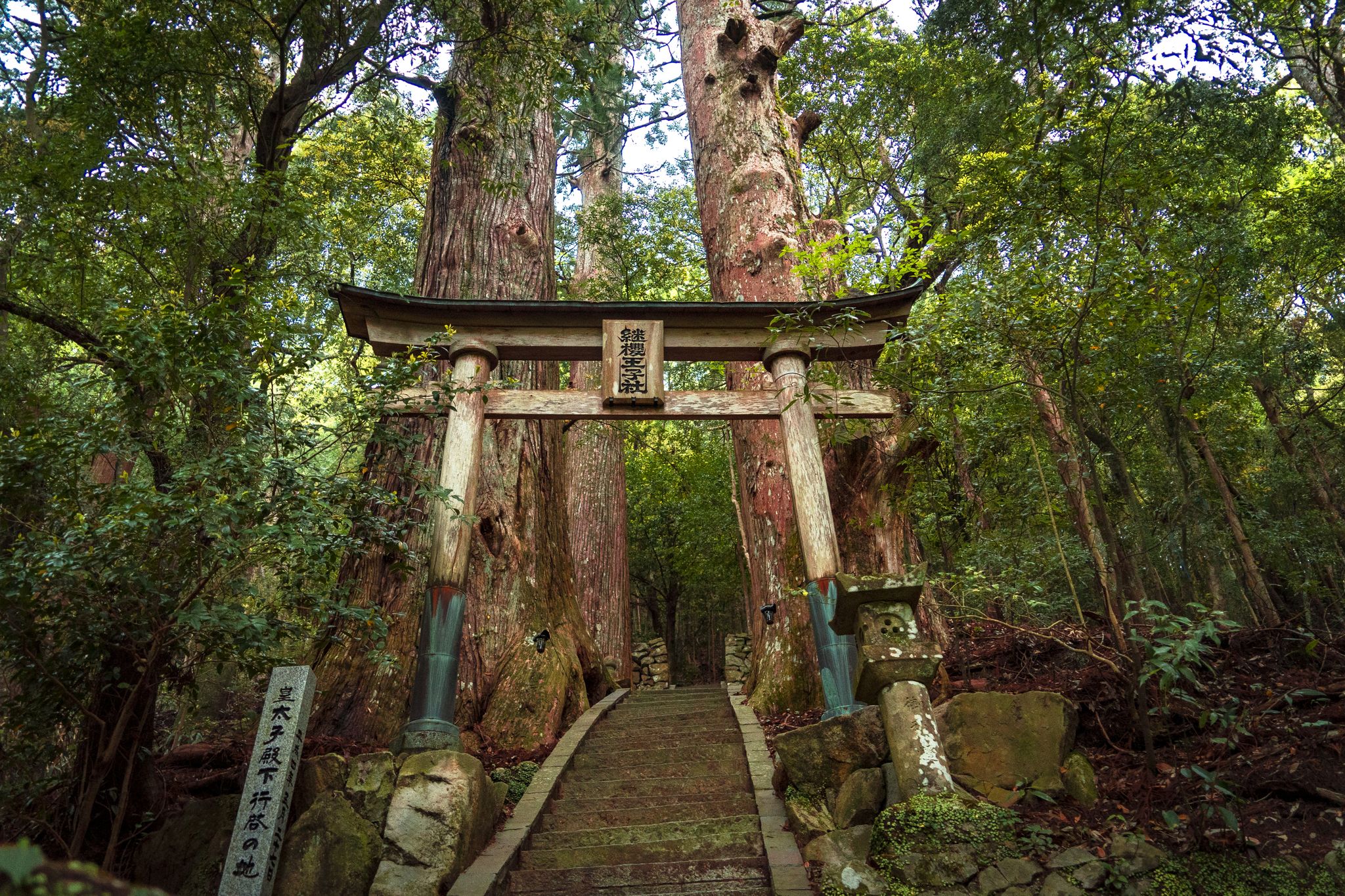
Kumano Kodo – a pilgrimage in the sacred forests of Japan
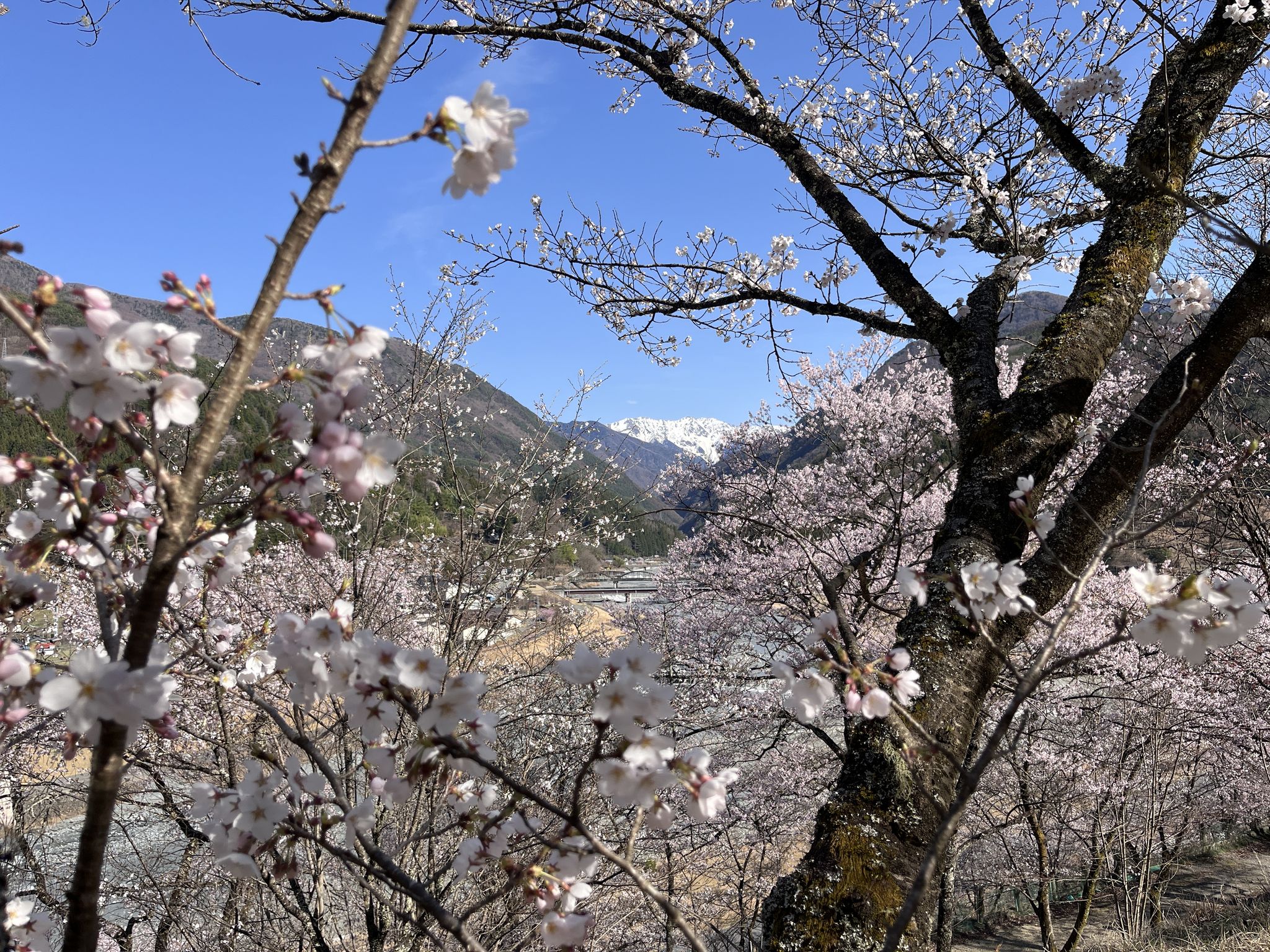
Oshika Akiha Kodo Hanami Tours
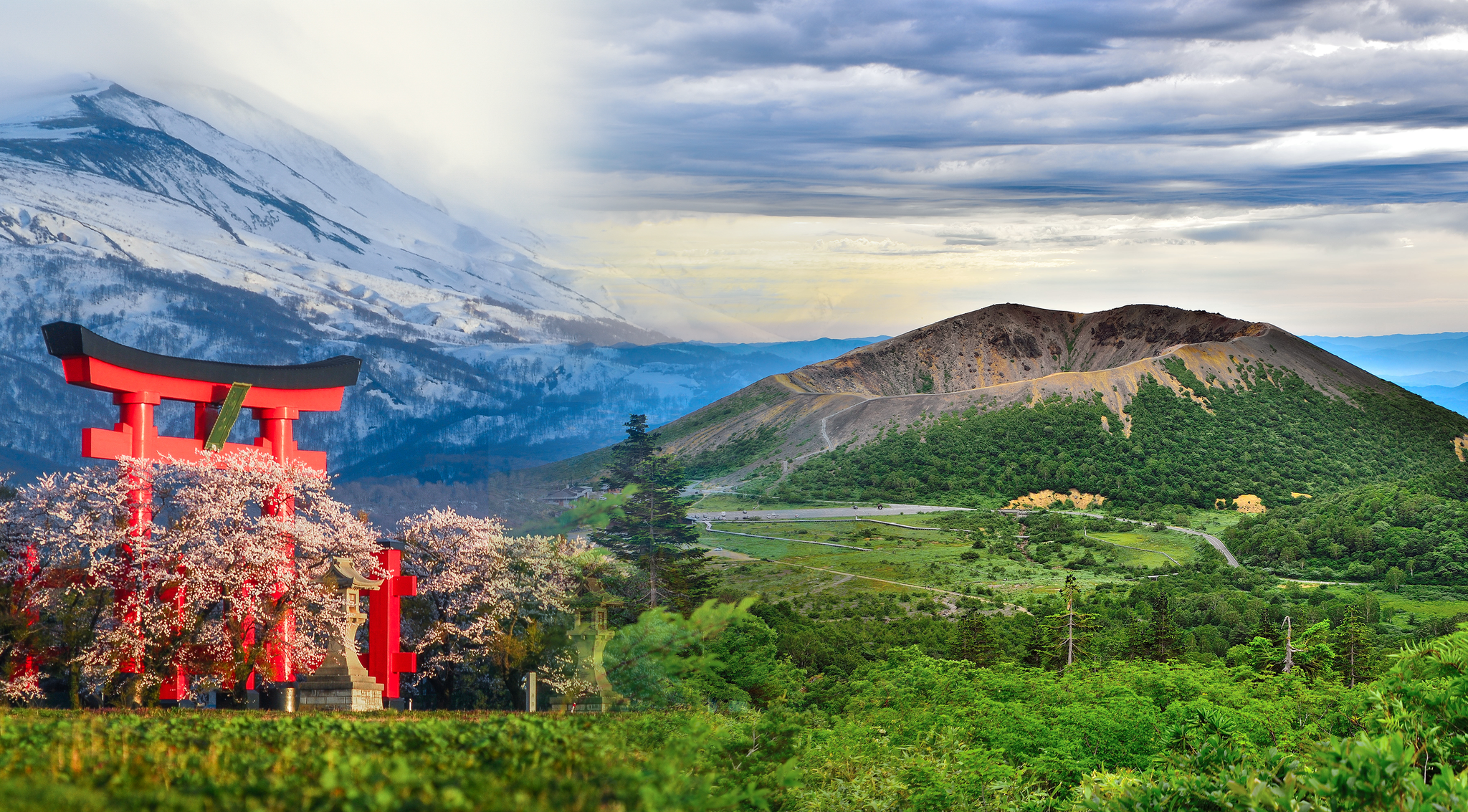
Spiritual peaks — hiking Bandai Asahi National Park’s Volcano Trail
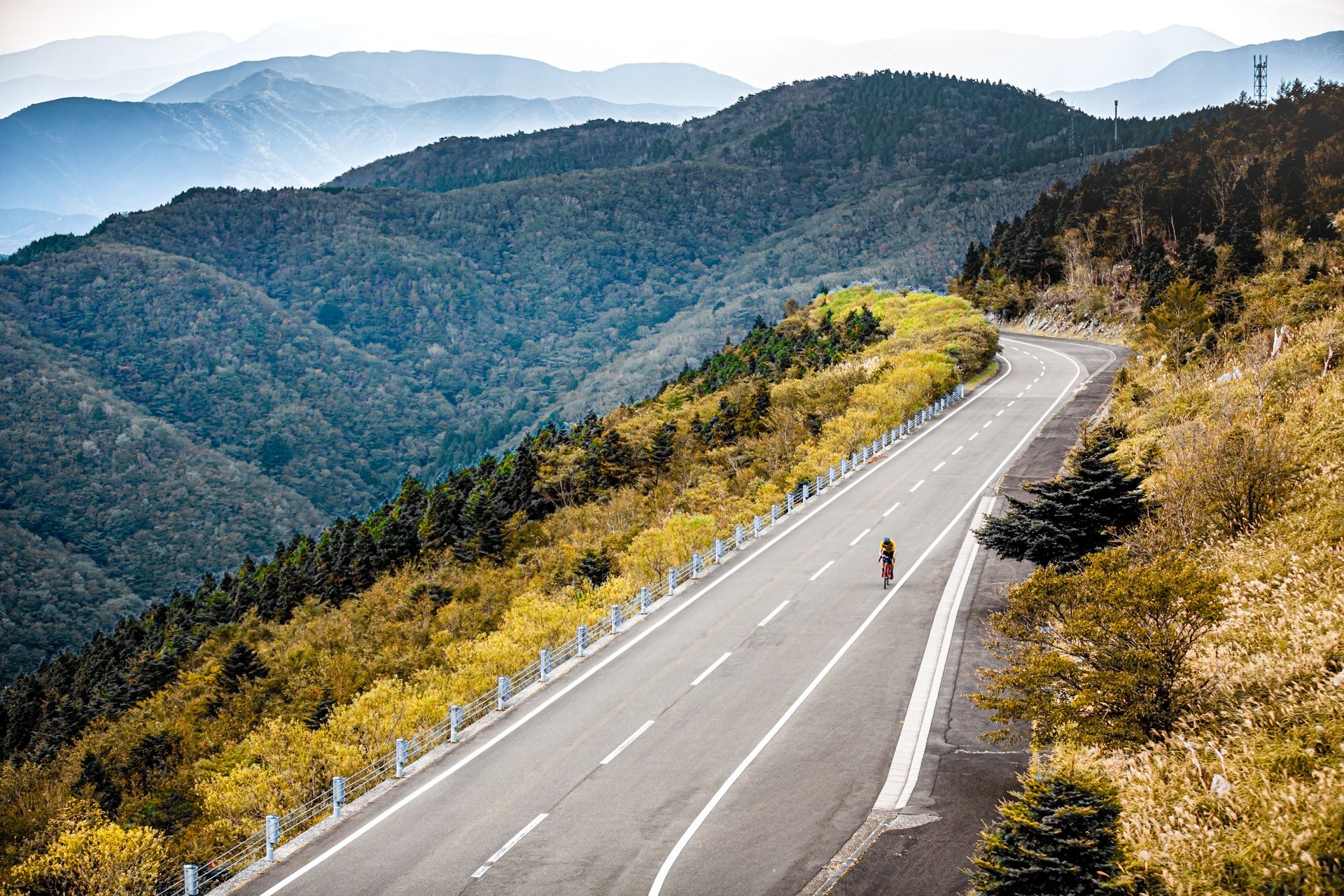
The Japanese Odyssey — 1,600km of volcanic islands to Tokyo
Hiking in Japan
Cycling in Japan
Running Trails in Japan
Road Cycling Routes in Japan
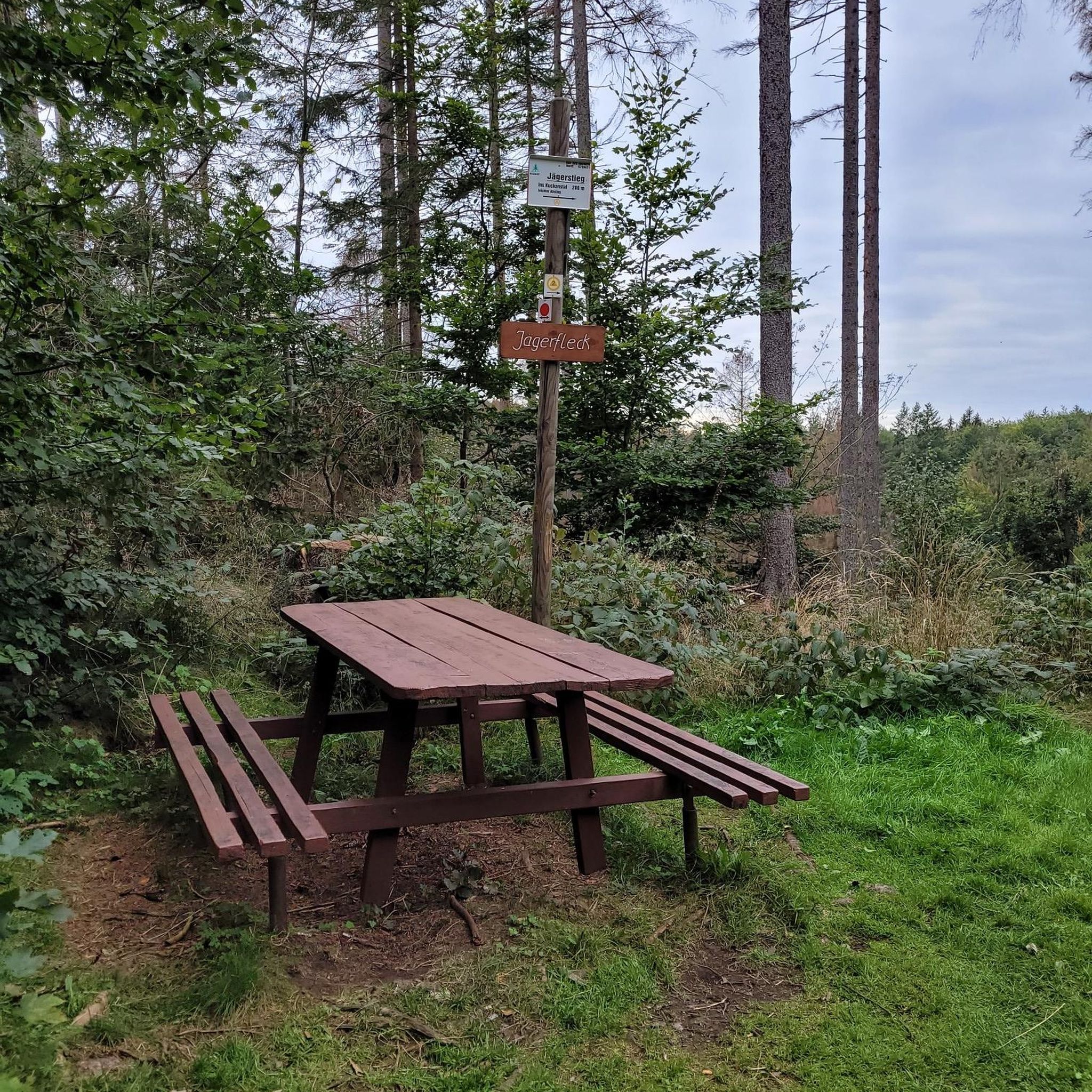
Mountain Hikes in Japan
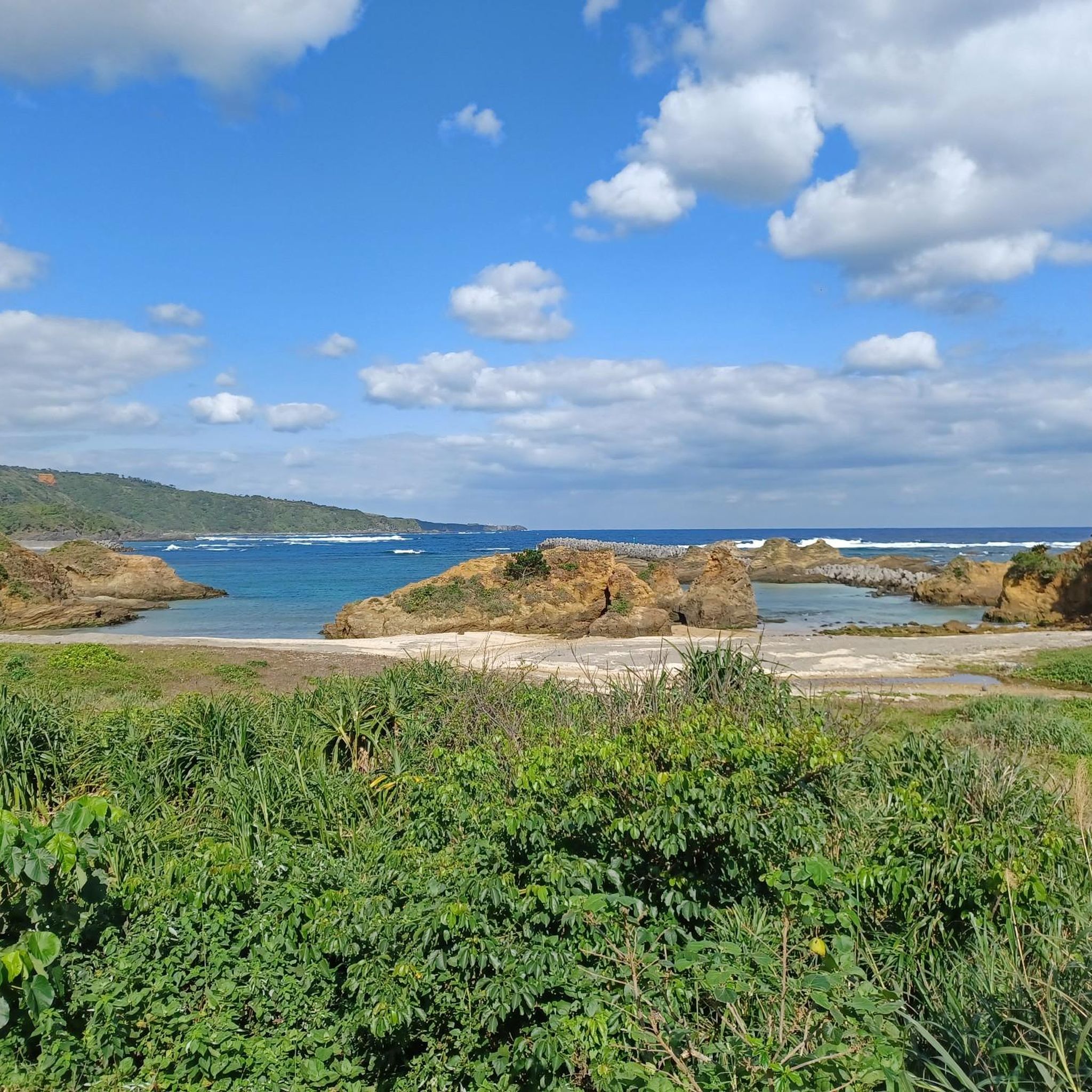
MTB Trails in Japan
Other adventures in Japan


Tips from the Community

The Hozugawa River Gorge (Rankyo) is the dramatic canyon carved by the Hozugawa River between Kameoka and Arashiyama. It is worth visiting because it offers Kyoto's most spectacular natural scenery, which is best experienced via the traditional Hozugawa River Boat Ride or the scenic Sagano Torokko Train. Both methods provide unique, seasonal views of the rugged mountains, dense forests, and river rapids, making it a thrilling and relaxing contrast to the city's temples.
0
0

A lovely little hiking trail with great viewpoints. One section requires a bit of climbing.
0
0

It’s narrow than it looks. You’ll need to push your backpack first. It can get a bit muddy if it rained some days before.
0
0

Lovely little hike along the river through the gorge between Kawaji Onsen and Kinugawa Onsen. Some scrambling at some points but nothing too difficult. If you don't feel like doing the entire route you can do a quick loop from Ryuokyo Station to a little teahouse hidden in the gorge.
0
0

This cliff sits at the border between Nagano and Shizuoka prefecture, right above the Sanpuku-toge Wildflower Meadow. Do not get too close, when enjoying this breathtaking scenery. There is always a danger of landslides and rockfall.
0
0
Here the new Seinaiji Kaido route leads through a cutting with extemely high and steep rockfaces on both sides of the road. The place is beautiful but also dangerous. There is quite an amount of rock fall so proceed with caution. The cutting was made when to road was built in 1909. There a soba and venison restaurant close by and a beautiful waterfall with a natural pool on the other side of the road. Great place to cool down in summer.
0
0

From Tokushima follow Ogawa river towards Kochi. Incredible gorges and rivers all the way.
0
0

Iwaya-ji is temple No. 45 on the Shikoku Pilgrimage, or Henro. If there’s one temple on the pilgrimage you really should visit in Ehime Prefecture, Iwaya-ji is it. The temple is located on Kuma Highland in a gorge formed of conglomerate rock. It inspires awe, from the trek up the hillside, to its location embedded in a pock-marked cliff, and the beauty of its structures. At an altitude of 585 m, this temple is one of the nansho (difficult to reach places) of Ehime and mountain recluses and wandering holy men once performed their religious disciplines among the cliffs here.
0
0
Frequently Asked Questions
What are some of the most dramatic canyons in Japan?
Japan offers several dramatic canyons. Kurobe Gorge in Toyama Prefecture is known as one of the deepest V-shaped gorges, offering steep cliffs and untouched forests. Sandankyo Gorge in Hiroshima Prefecture features numerous waterfalls and deep pools. Ryujin Gorge in Ibaraki Prefecture is home to one of Japan's longest pedestrian suspension bridges, offering panoramic views.
What natural features can I expect to see in Japan's canyons?
Japan's canyons showcase diverse natural beauty. You can find steep cliffs, emerald green waters, dense virgin forests, and unique rock formations. Many gorges feature waterfalls, such as the Kairo Falls in Dakigaeri Gorge, and deep pools. Some, like Rankyo Gorge, are carved by rivers and offer spectacular views of rugged mountains and rapids.
Are there canyons in Japan suitable for families?
Yes, several canyons offer family-friendly experiences. Kurobe Gorge is popular for its scenic railway, the Kurobe Gorge Railway, which provides a comfortable way to see the gorge. Sandankyo Gorge has well-maintained walking trails suitable for various fitness levels, and boat tours are available in areas like Kurobuchi. Hatonosu Canyon in Tokyo also offers a promenade and refreshing waters for swimming in summer.
What is the best time of year to visit canyons in Japan?
The scenery in Japan's canyons changes dramatically with the seasons. Spring brings lush greenery and blooming flowers like azaleas, while autumn offers spectacular displays of red and yellow foliage, making it a particularly popular time. Summer provides opportunities for swimming and enjoying cooler temperatures within the gorges. Some areas, like Dakigaeri Gorge, even host fall foliage festivals.
How accessible are Japan's canyons by public transport?
Many canyons in Japan are accessible, with some being quite convenient. Hatonosu Canyon and Todoroki Valley are both easily reachable by train from central Tokyo. The Kurobe Gorge Railway provides direct access into Kurobe Gorge. For others, a combination of train and local bus services might be required, or a car rental for more remote locations.
Can I go canyoning (sawanobori) in Japan, and where?
Yes, canyoning, known as 'sawanobori' or 'shower climbing' in Japan, is a popular adventure activity. Minakami in Gunma Prefecture is considered a premier canyoning destination globally, offering courses from family-friendly to adrenaline-pumping. Nametoko Gorge in Shikoku and Kamoshika Canyon in Hakuba (Nagano Prefecture) are also renowned for their canyoning opportunities, featuring slides, waterfall descents, and swimming in deep pools.
Are there any historical or cultural sites associated with Japan's canyons?
Yes, some canyons have historical or cultural significance. Iwaya-ji (Temple 45), a religious building located in a gorge on Kuma Highland, is part of the Shikoku Pilgrimage and is known for its location embedded in a cliff. Todoroki Valley in Tokyo features the atmospheric Todoroki Fudo temple and remains of tunnel tombs. The Kurobe Gorge Railway itself has historical roots as an industrial railroad for hydroelectric power plant construction.
What kind of outdoor activities can I do near Japan's canyons?
Beyond exploring the canyons themselves, you can find various outdoor activities nearby. For cycling enthusiasts, there are routes like the 'Tatara Bridge – Kurushima-Kaikyō Bridge loop' or the 'Peach blossom tour through the mountain hamlet of Wazo'. Mountain biking is also popular, with trails such as the '七国峠 loop from 飯能'. Additionally, running trails like the 'Imperial Palace Loop, Tokyo' offer scenic routes. You can find more details on these activities in the MTB Trails in Japan, Cycling in Japan, and Running Trails in Japan guides.
Where can I find unique viewpoints within Japan's canyons?
Many canyons offer stunning viewpoints. The Ryujin Suspension Bridge in Ryujin Gorge provides panoramic views of the gorge, surrounding mountain ranges, and even the Mito cityscape. The Kurobe Gorge Railway offers continuous scenic views as it traverses bridges and tunnels. The Kami-no-Iwahashi Bridge in Dakigaeri Gorge, Akita's oldest suspension bridge, also provides excellent vantage points. For a challenging view, Sanpuku-gake Cliff offers a dramatic perspective.
What do visitors particularly enjoy about the canyons in Japan?
Visitors appreciate the diverse experiences offered by Japan's canyons. Many enjoy the thrill of boat rides through gorges like Rankyo Gorge or the scenic train journey through Kurobe Gorge. The vibrant autumn foliage is a consistent highlight. For adventurous visitors, challenging routes like the Narrow Rock Passage are considered fun, despite potential muddy conditions. The serene escape from urban life, even within Tokyo at places like Todoroki Valley, is also highly valued.
Are there any specific permits required for visiting or canyoning in Japan?
For general visits to most scenic gorges, specific permits are typically not required, though some areas might have entrance fees or require tickets for specific attractions like boat tours or scenic railways. For adventurous activities like canyoning (sawanobori), especially in more remote or challenging areas, it's highly recommended to go with an organized tour operator who will handle any necessary permits or access arrangements. Always check local regulations for the specific area you plan to visit.
What are some of the geological characteristics of Japan's canyons?
Japan's canyons are largely shaped by rivers and tectonic activity, resulting in diverse geological features. Many are deep V-shaped gorges, like Kurobe Gorge, carved through mountainous terrain. You'll find conglomerate rock formations, as seen at Iwaya-ji (Temple 45), and smooth granite rocks in places like Nametoko Gorge. The striking cobalt-blue color of the water in Dakigaeri Gorge is attributed to highly acidic water from upstream hot springs, showcasing unique mineral interactions.
Which canyons offer opportunities for wild swimming?
While not explicitly designated as 'wild swimming' spots, several canyons in Japan feature clear, refreshing waters where visitors can cool off. Hatonosu Canyon in Tokyo is noted for its refreshing, cold waters, making it a great spot for swimming during the summer. Canyoning activities in places like Minakami, Nametoko Gorge, and Kamoshika Canyon also involve swimming in deep pools as part of the adventure.
Most popular routes in Japan
Most popular attractions in Japan

Get inspired with the komoot mobile app


Didn’t find what you were looking for?
Want to see even more gorges? See the best ones in Japan region by region:
Explore more
Already discovered everything in this region? See additional gorges in Japan for your next adventure:
