Attractions and Places To See in Sibiu - Top 20
Best attractions and places to see in Sibiu include a blend of historic landmarks, cultural sites, and accessible natural beauty within Transylvania, Romania. The city's historic center, divided into the Upper and Lower Towns, features centuries-old architecture and vibrant squares. Sibiu County is surrounded by the Carpathian Mountains, offering diverse landscapes from forests to high-altitude peaks. This region provides a rich tapestry of experiences for visitors.
Best attractions and places to see in Sibiu
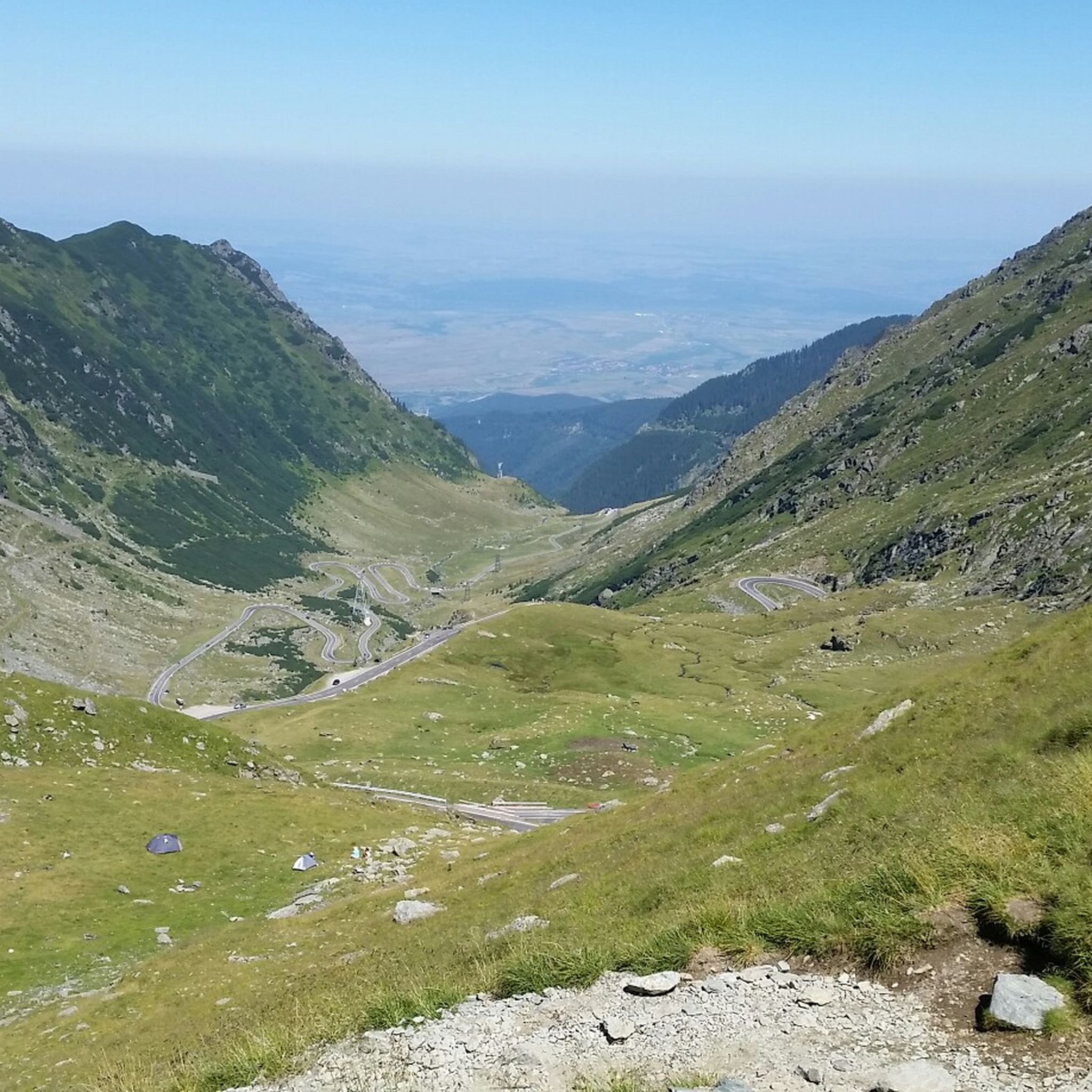
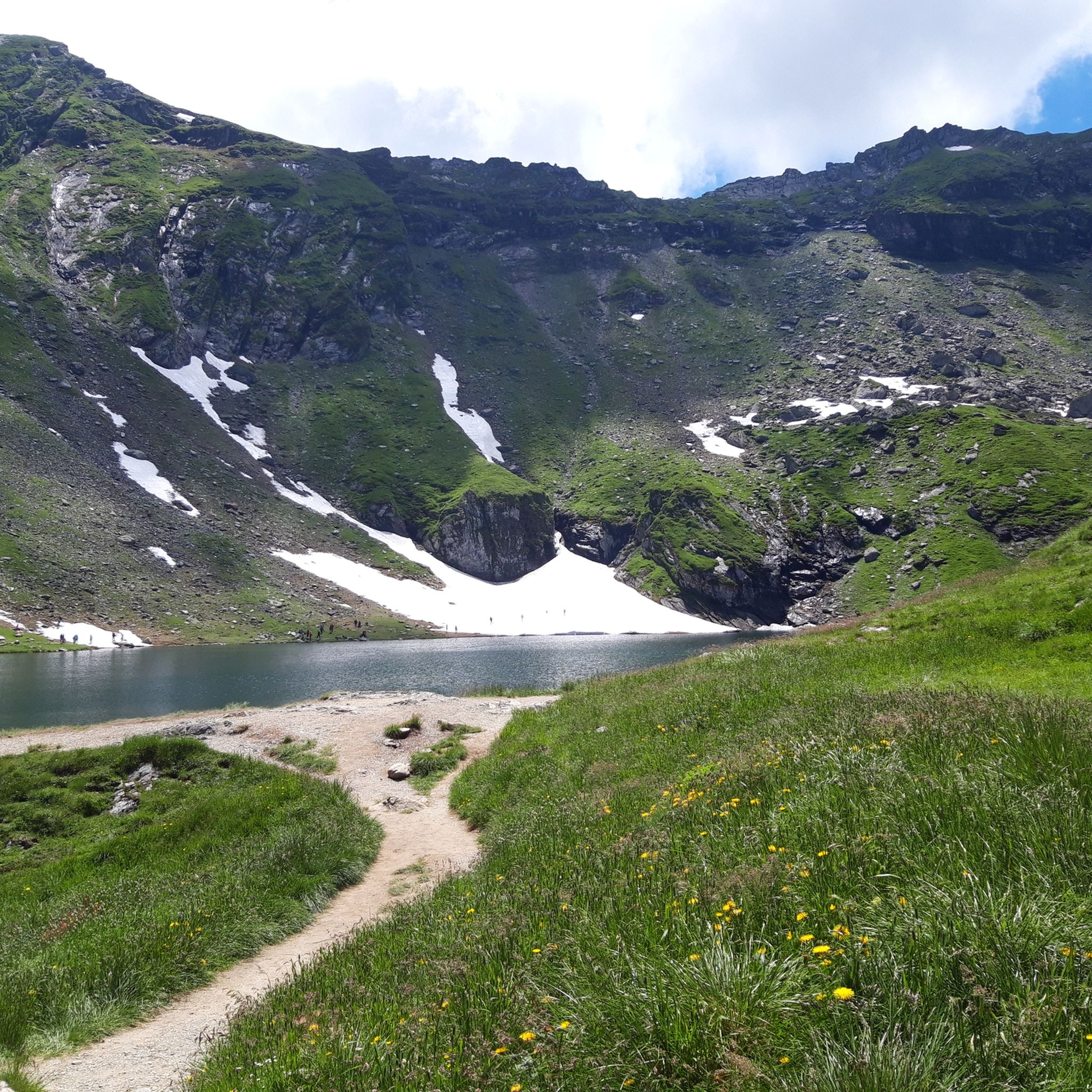
- The most popular attractions is Bâlea Lake, a lake that is a beautiful mountain lake with deep blue water. It is a prominent natural feature in the Făgăraș Mountains.
- Another must-see spot is Holy Trinity Orthodox Cathedral (Catedrala Sfânta Treime), Sibiu, a religious building. This cathedral, built between 1902 and 1906, is inspired by Istanbul's Hagia Sophia and features impressive frescoes.
- Visitors also love The Council Tower, a man_made_monument. Climbing this tower provides views of the city of Sibiu and the peaks of the Făgăraș Mountains.
- Sibiu is known for its historical sites, religious buildings, and natural features. Visitors can explore medieval fortifications, grand cathedrals, and expansive natural parks.
- The attractions in Sibiu are appreciated by the komoot community, with more than 190 highlights, over 118 photos, and more than 266 upvotes.
Last updated: October 10, 2026
Bâlea Lake
Highlight • Lake
Translated by Google •
Tip by

The Council Tower
Highlight • Monument
Tip by

Sign up now to discover places like this
Get recommendations on the best single tracks, peaks, & plenty of other exciting outdoor places.
The Great Square
Highlight • Historical Site
It is the largest public square in the old town and has witnessed the economic activities of Sibiu's merchants. It hosted civic assemblies, fairs, and even executions. It was in this market square that Johann Sachs von Harteneck was beheaded in 1703, a practice committed by the Saxons between 1691 and 1703.
Translated by Google •
Tip by

Small Square (Piața Mică), Sibiu
Highlight • Historical Site
Translated by Google •
Tip by

Bridge of Lies - Podul Minciunilor
Highlight • Bridge
Translated by Google •
Tip by
Carpenters' Tower
Highlight • Monument
Translated by Google •
Tip by
Holy Trinity Orthodox Cathedral (Catedrala Sfânta Treime), Sibiu
Highlight (Segment) • Religious Site
Translated by Google •
Tip by
Lutheran Cathedral of Saint Mary
Highlight • Religious Site
Translated by Google •
Tip by
Historic Center of Sibiu (Hermannstadt)
Highlight • Historical Site
Translated by Google •
Tip by
Brukenthal National Museum
Highlight • Historical Site
Translated by Google •
Tip by
Sign up for free to discover even more attractions in Sibiu.
Already have an account?
Start today with a free account
Your next adventure awaits.

Other adventures in Sibiu

Tips from the Community

The "Kleine Ring" is a very charming place in Hermannstadt. It is surrounded by the Bridge of Lies (Lügenbrücke), the Treasure Chest (Casa Artelor), various restaurants, the Pharmacy Museum, the old Council Tower, the Catholic Church, and various other houses (Luxemburghaus).
1
0
The Orthodox Cathedral of the Holy Trinity (Romanian: Catedrala Mitropolitană) is like from another world. Hermannstadt is very proud of its Saxon-Evangelical roots, but it also has this cathedral, which is inspired by the Hagia Sophia in Istanbul. When it is illuminated at night, it conjures up a magical atmosphere and transforms into a shining jewel from One Thousand and One Nights.
1
1
You just have to imagine: if the Evangelical City Parish Church could speak today, it would probably have the deep, pleasant voice of a very old wise person. Its masonry has certainly experienced and seen a lot in its over 600 years of city history. It has experienced sieges where the people of Hermannstadt held their breath. It has experienced magnificent weddings where the organ played with such joy that the church tower shook, and it has experienced countless generations of Hermannstadt's citizens, accompanying them from baptism, through confirmation and wedding, to their final journey. A visit to the church tower is highly recommended. The four small corner turrets offer a wonderful view of the old town, the Făgăraș Mountains in the background, and across Transylvania. 73 meters high, whoever built so high in the past certainly had the say in this beautiful city. The gravestones of the old patricians of Hermannstadt have now been largely built into the walls so that they are not damaged. Sometimes, when it is very quiet, you can still hear the tapping of the stonemasons from the 14th century. It is very beautiful and I would say: it is the memory of this city.
0
0

For 2 lei you can climb up, look into the rooms of the tower and have a beautiful view from the top (but only from behind the window panes)
0
1

Sibiu is a really great city. Beautifully restored houses line the city center
0
2

The Holy Trinity Cathedral, Sibiu (Romanian: Catedrala Sfnta Treime din Sibiu), at 35 Mitropoliei Street, Sibiu, Romania, is the seat of the Romanian Orthodox Archbishop of Sibiu and Metropolitan of Transylvania. It was built in the style of a Byzantine basilica, inspired by the Hagia Sophia with the main towers influenced by Transylvanian church architecture and Baroque elements. Source: Wikipedia
0
1
You should take some time here.
1
3
A really beautiful city. There is a lot to admire, especially in the historic center.
0
3
Frequently Asked Questions
What historical and cultural sites can I explore in Sibiu?
Sibiu's historic center, divided into the Upper and Lower Towns, is rich with landmarks. You can visit the expansive Piata Mare (Great Square), the charming Small Square (Piața Mică), and the iconic Bridge of Lies. Don't miss the Brukenthal National Museum, Romania's oldest museum, or the impressive Holy Trinity Orthodox Cathedral and Lutheran Cathedral of Saint Mary.
Are there any viewpoints offering panoramic views of Sibiu?
Yes, for breathtaking panoramic views of Sibiu and the surrounding Făgăraș Mountains, climb to the top of The Council Tower. The tower, located between Piata Mare and Piata Mica, offers a unique perspective of the city's historic architecture.
What natural attractions are there near Sibiu?
Just 4 kilometers from the city, you'll find Dumbrava Forest, home to the Astra National Museum Complex and featuring three lakes, perfect for leisurely strolls. The region is also enveloped by the Carpathian Mountains, offering stunning natural landscapes. A prominent natural feature is Bâlea Lake, a beautiful mountain lake with deep blue water in the Făgăraș Mountains.
What outdoor activities can I do near Sibiu's attractions?
Sibiu is a great base for outdoor adventures. You can explore various cycling routes, including those for touring bikes, gravel bikes, and road bikes. For example, there are moderate to difficult cycling loops around the Astra National Museum Complex and Dumbrava Sibiului Forest Trail. You can find more details on routes like 'Sub Arini Park – ASTRA National Museum Complex loop' or 'Cibin Cycling Lane loop' in the Cycling in Sibiu, Gravel biking in Sibiu, and Road Cycling Routes in Sibiu guides.
Are there family-friendly attractions in Sibiu?
Many of Sibiu's attractions are family-friendly. The Small Square (Piața Mică) and the Bridge of Lies are popular spots for families. The Astra National Museum Complex, an open-air ethnography museum in Dumbrava Forest, offers an immersive journey into traditional Romanian rural life, which can be very engaging for children. The Holy Trinity Orthodox Cathedral and Lutheran Cathedral of Saint Mary are also welcoming for families.
What is the best time to visit Sibiu to avoid crowds?
To avoid the largest crowds, consider visiting Sibiu during the shoulder seasons of spring (April-May) or autumn (September-October). The weather is generally pleasant, and the city is less bustling than during the peak summer months or the popular Christmas market period.
What are some unique historical features of Sibiu's Old Town?
Sibiu's Old Town is notable for its medieval fortifications, including remnants of 12th-century citadel walls and surviving towers like the Carpenters' Tower. The city also features the distinctive 'eyes' – attic windows on rooftops that resemble watchful eyes, particularly visible around the Small Square. The Stairs Passage, a 14th-century architectural feature, gracefully connects the Upper and Lower Towns.
Can I find traditional Romanian culture and rural life near Sibiu?
Absolutely. The Astra National Museum Complex, one of Europe's largest open-air museums located in Dumbrava Forest, provides an immersive experience of traditional Romanian rural life with authentic village architecture and crafts. Additionally, the ethnographic region of Marginimea Sibiului, comprising 18 villages on the outskirts of Sibiu, is known for its well-preserved authentic culture and picturesque scenery, making it ideal for an escape into traditional Transylvanian life.
What do visitors enjoy most about Sibiu's attractions?
Visitors frequently praise the beauty and historical significance of Sibiu's Old Town, often describing it as 'beautiful and lovingly renovated.' The panoramic views from The Council Tower are highly recommended. Many also appreciate the serene beauty of natural features like Bâlea Lake, despite sometimes encountering many visitors.
Are there any specific tips for visiting Bâlea Lake?
When visiting Bâlea Lake, be prepared for many visitors, especially during peak season. While it's a beautiful mountain lake with deep blue water, some visitors note that prices for amenities in the area can be high. It's a prominent natural feature in the Făgăraș Mountains and a must-see for nature lovers.
What are the main squares in Sibiu's Old Town?
Sibiu's Old Town is centered around several historic squares. The largest is Piata Mare (Great Square), surrounded by significant buildings like the City Hall and the Brukenthal National Museum. Adjacent to it is the charming Small Square (Piața Mică), home to the Council Tower and the Bridge of Lies. Huet Square, featuring the Evangelical Lutheran Cathedral, is another historical square worth exploring.
How can I learn about the history of Sibiu and the region?
To delve into the history of Sibiu and the wider region, visit the Brukenthal National Museum, housed in the magnificent Brukenthal Palace on Piata Mare. This institution, Romania's oldest museum, offers vast collections of European art, books, and historical artifacts. The 'Altemberger House' History Museum is also an excellent resource for understanding the region's past.
Most popular attractions in Sibiu

Get inspired with the komoot mobile app


Didn’t find what you were looking for?
Are you keen on exploring more awesome places nearby? Browse our guides:
Explore more
Still not found the Highlight you’re looking for? See guides of the top attractions in other regions:
