Attractions and Places To See in La Paz - Top 20
Best attractions and places to see in La Paz include a diverse range of natural landscapes, historical landmarks, and cultural sites. As one of the highest cities in the world, La Paz offers unique views and an immersive experience into Andean culture. Visitors can explore ancient ruins, surreal geological formations, and vibrant city squares. The region provides opportunities to discover both urban and natural attractions.
Best attractions and places to see in La Paz
- The most popular attractions is Chincana…
Last updated: July 4, 2026
Chincana Ruins, Isla del Sol
Highlight • Historical Site
Translated by Google •
Tip by

Pedro Domingo Murillo Square
Highlight • Historical Site
Translated by Google •
Tip by

Sign up now to discover places like this
Get recommendations on the best single tracks, peaks, & plenty of other exciting outdoor places.
Sign up for free
Valle de la Luna
Highlight • Natural Monument
Translated by Google •
Tip by

Basilica of Our Lady of Copacabana
Highlight • Religious Site
Translated by Google •
Tip by

Teatro Municipal Alberto Saavedra Pérez
Highlight • Monument
Translated by Google •
Tip by
Palacio Quemado (Presidential Palace)
Highlight • Historical Site
Translated by Google •
Tip by
Metropolitan Cathedral Basilica of Our Lady of Peace
Highlight • Religious Site
Translated by Google •
Tip by
Calle Jaén
Highlight • Historical Site
Tip by

Pico Austria Summit
Highlight • Summit
Translated by Google •
Tip by
Simón Bolívar Monument
Highlight • Monument
Translated by Google •
Tip by

Sign up for free to discover even more attractions in La Paz.
Sign up for free
Already have an account?
Start today with a free account
Your next adventure awaits.
Login or Signup

Other adventures in La Paz

Tips from the Community

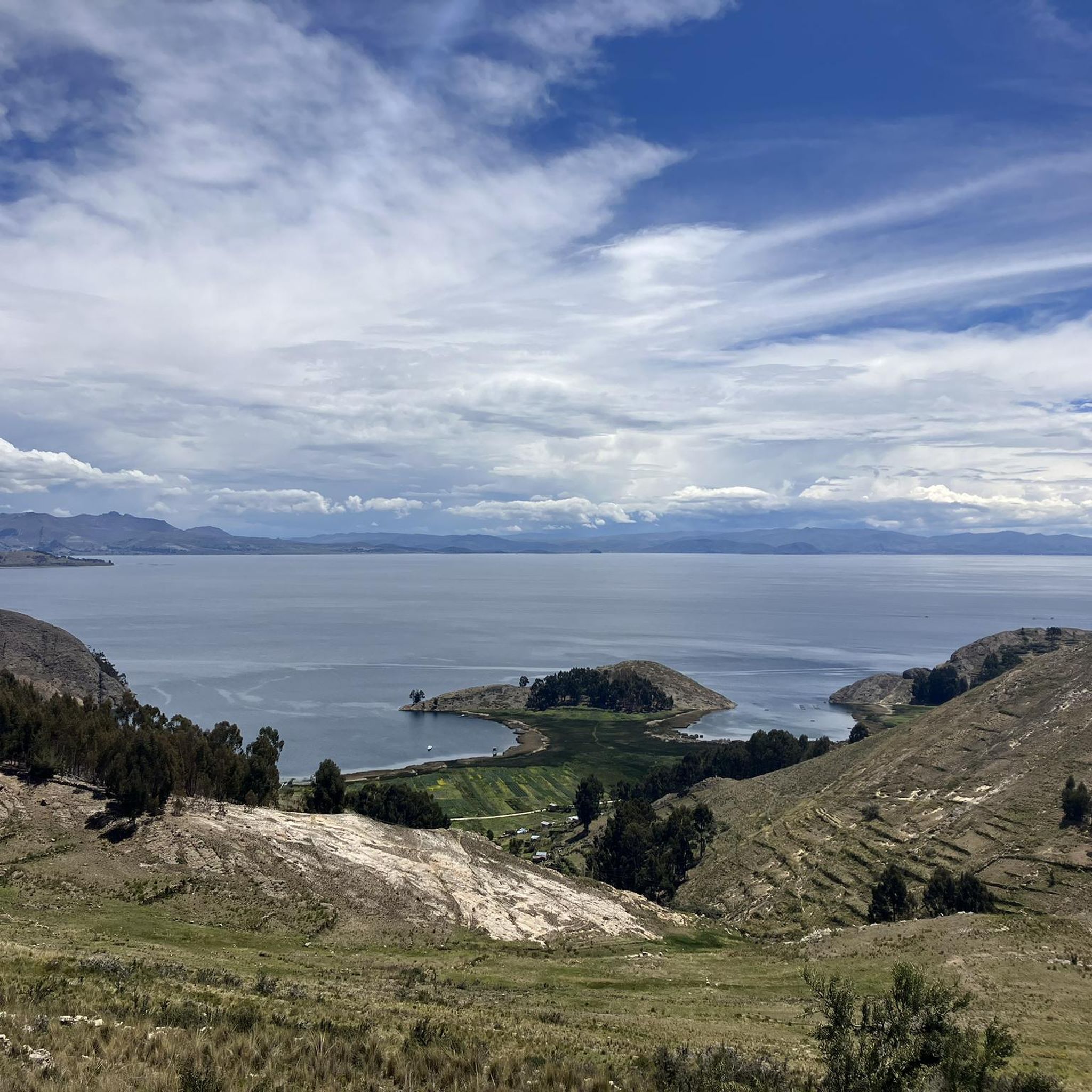
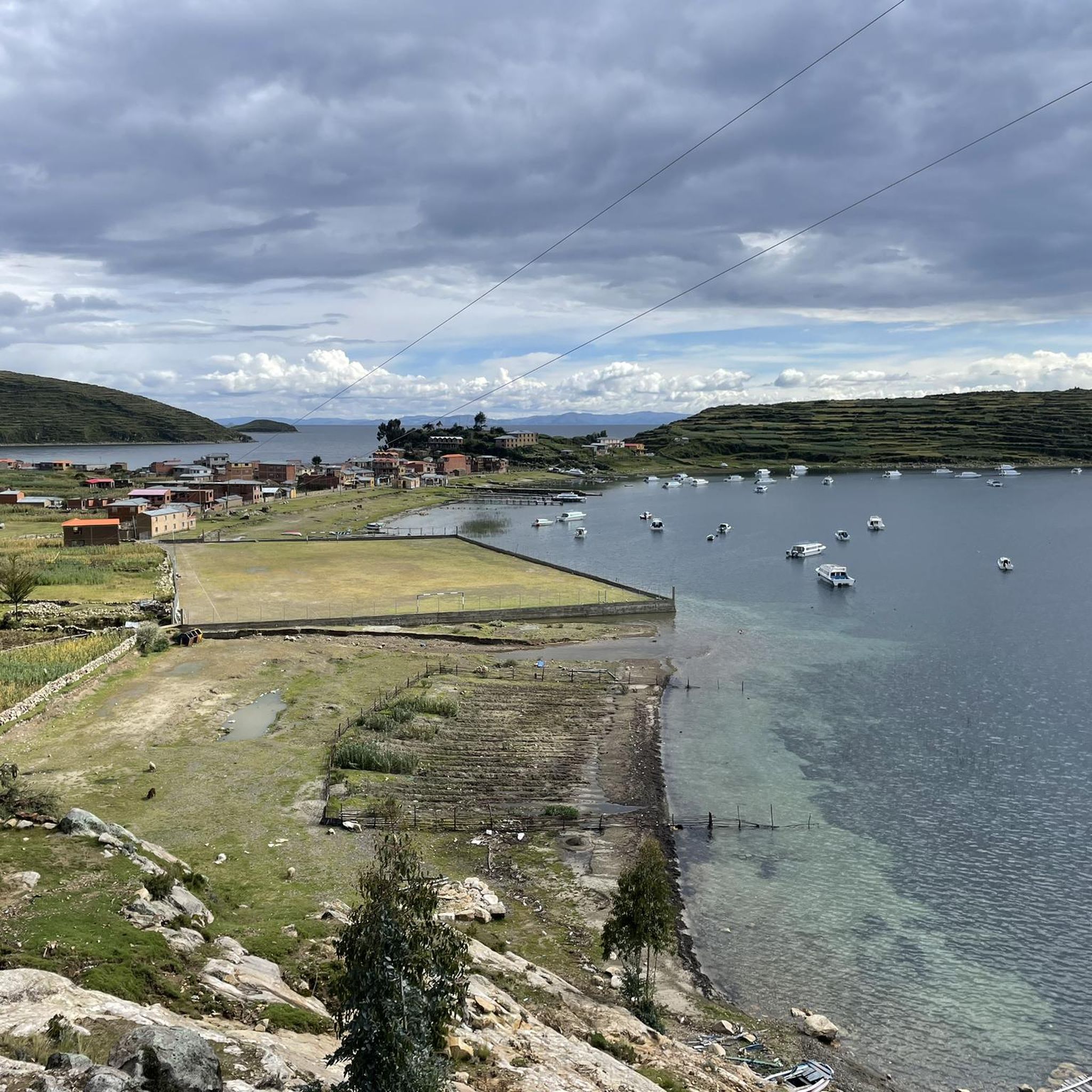
Even the path to the Chincana Temple offers spectacular views of the lake and the surrounding area. The scenery is almost Mediterranean, with small, hidden coves, fine sandy beaches, and turquoise waters, a dreamlike experience.
2
1
The Basilica of Our Lady of Copacabana is a 17th-century Spanish colonial shrine that houses the statue of the Virgen de Copacabana. The statue can be rotated; on weekends, it faces the church, and during the week, it can be seen in the Virgin's house on the first floor.
3
0
The five-aisled Catedral Basílica de Nuestra Señora de La Paz, as it is called in full, was built from March 24, 1835 under the direction of Manual Sanahuja and inaugurated in 1925. The consecration took place during the 100th anniversary celebrations of Bolivia's independence.
0
0
During the colonization period, eucalyptus trees grew around Plaza Murillo, which, among other things, surrounded the city's most important drinking water source, the Neptune Fountain. Even then, the square was the center of social life and a popular meeting place for the residents of La Paz.
1
0
The seat of the President of Bolivia has been rebuilt, expanded, remodeled and modernized many times throughout its history. Much of the architecture and interior still dates back to the new building in 1853 and the remodeling in 1923.
0
0

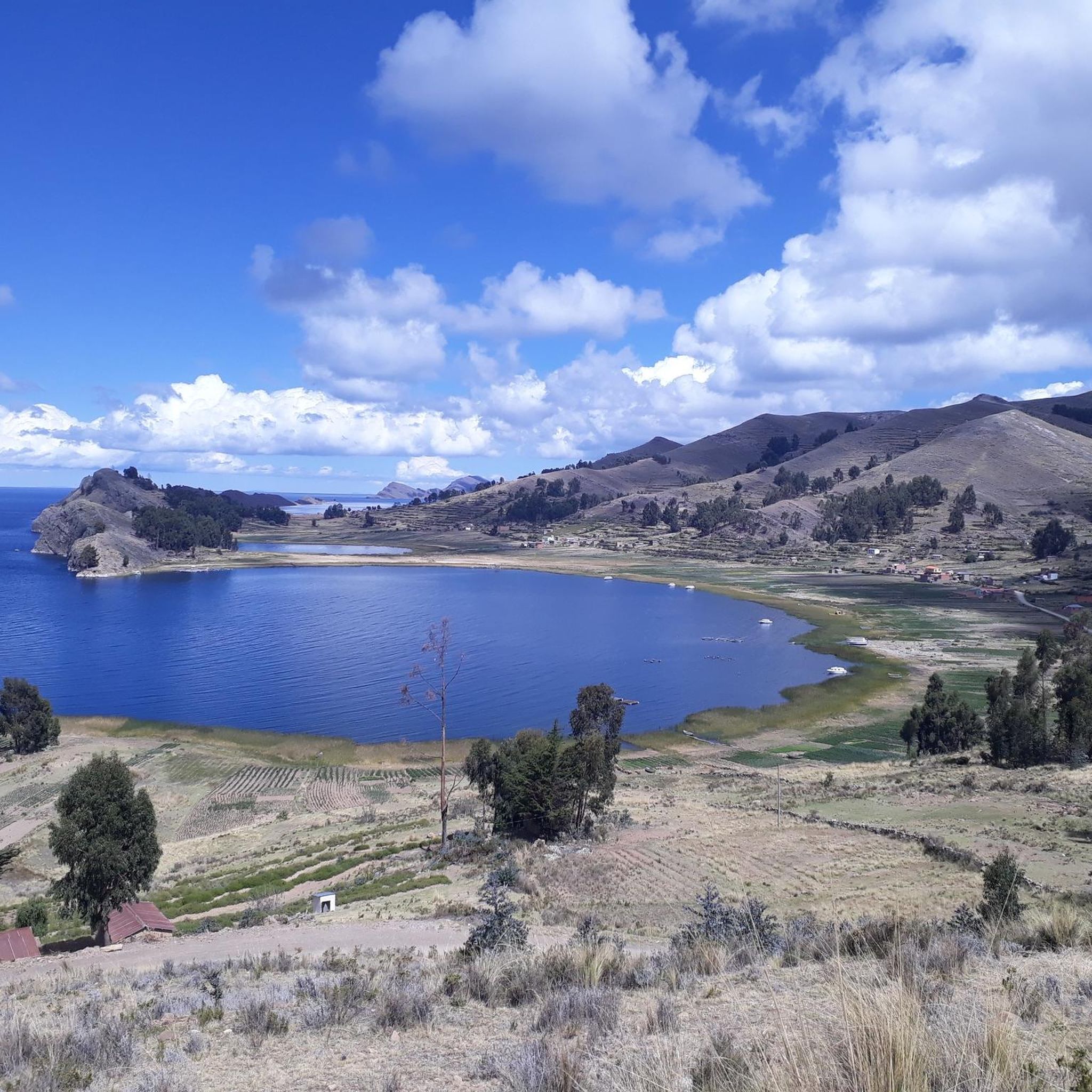
The trail meanders along Lake Titicaca, where the azure waters lap against the rocky shoreline in an almost unreal way. The historic site itself is a mix of ancient stone walls and a backdrop that is almost meditative. Once you reach the top, it's worth stopping for a moment to look out over the pristine landscape. If you feel like it, you can even take a refreshing swim on the shore - a rare opportunity at this altitude. But remember to bring plenty of water with you, as the height of Lake Titicaca is noticeable.
1
0

Nice ruins with a great backdrop. Also a nice place to go for a dip.
0
0

The Basilica of the Virgin of Candelaria in Copacabana has been an important symbol for the local population since its construction. It houses the image of the Brown Virgin, carved in wood in 1582 by Francisco Tito Yupanqui, grandson of the Inca Tupac Yupanki. Originally in Renaissance style, it has become Moorish due to the time it took to build it (over 60 years). An interesting element of the adaptation of the Catholic religion is the open-air chapel, built so that the Indians could attend the open-air worship service that was customary for them. The cathedral also has an adjoining room, the House of the Virgin, where she stays during the week, since Tito Yupanqui had asked that it be oriented towards the lake. Source: https://antipode-bolivia.com/es-mapa-basilica-de-copacabana
1
0
Frequently Asked Questions
What are some unique natural attractions to visit in La Paz?
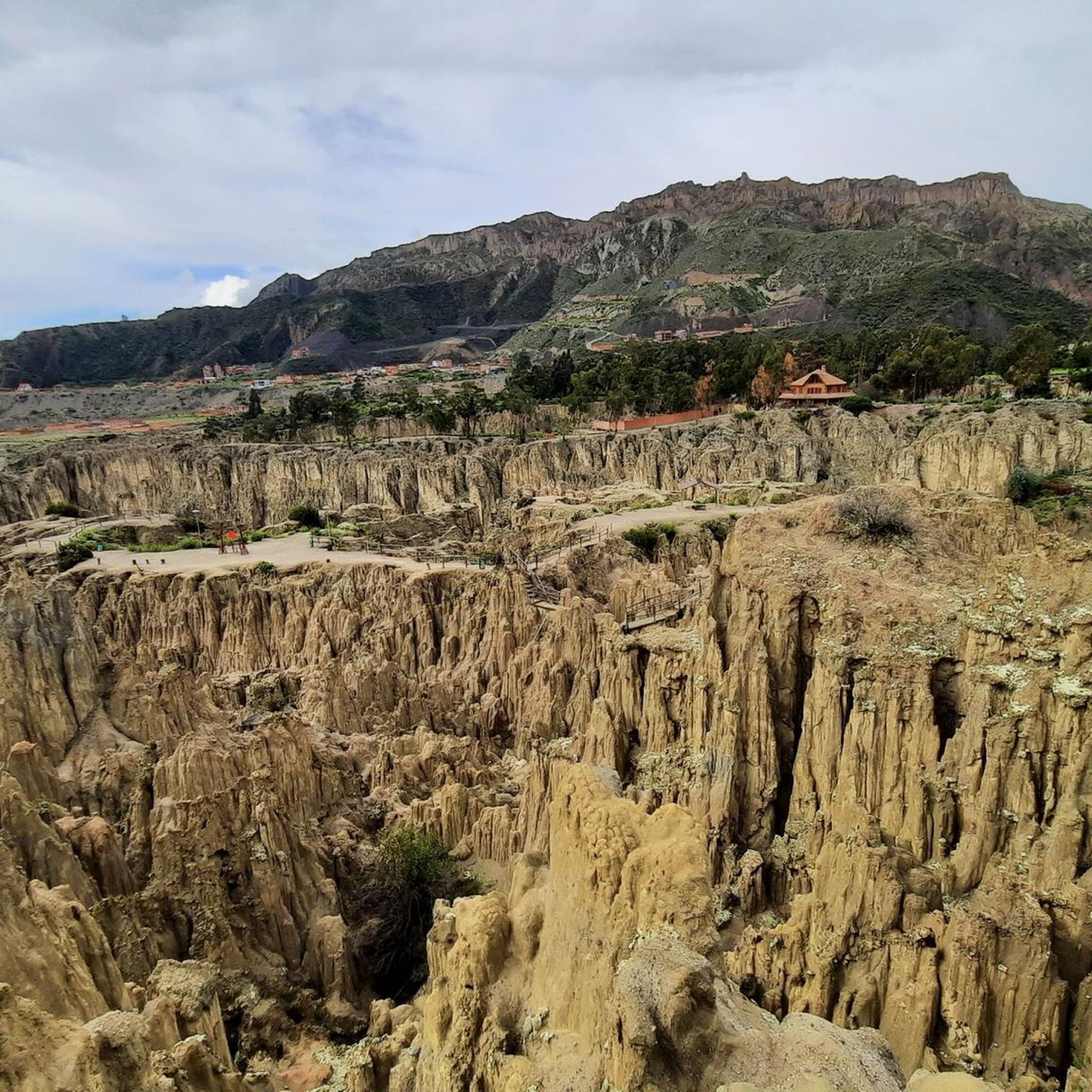
La Paz offers several distinctive natural sites. The Valle de la Luna (Moon Valley) is a surreal landscape of eroded clay and sandstone formations resembling a lunar surface, with short hiking trails. Another option is the Valle de las Animas (Valley of the Souls), known for its tall, thin rock formations and views of Mount Illimani. For a more challenging experience, Pico Austria Summit offers panoramic views of the Cordillera Real and surrounding mountains.
Where can I experience the history and culture of La Paz?
To delve into La Paz's history and culture, visit Pedro Domingo Murillo Square, the city's main square surrounded by significant historical buildings like the Presidential Palace and La Paz Cathedral. Explore Calle Jaén, a well-preserved colonial street with vibrant buildings and several museums. The Basilica of San Francisco is another iconic colonial-era church showcasing a blend of Spanish and indigenous architectural styles.
Are there family-friendly activities or attractions in La Paz?
Yes, La Paz has several family-friendly attractions. Exploring the unique formations at Valle de la Luna can be an engaging experience for all ages, with its short, easy hiking trails. The Pedro Domingo Murillo Square is also considered family-friendly, offering a lively atmosphere and historical sights. Additionally, the Mi Teleférico cable car system provides a fun and scenic way to see the city.
What are the best viewpoints to see the city and surrounding mountains?
For breathtaking panoramic views of La Paz and the Andes, including Mount Illimani, ride the Mi Teleférico cable car system. Prominent panorama terraces like Mirador Killi Killi and Mirador Tupac Katari also offer stunning vistas of the city nestled among the mountains. For a more adventurous view, the Pico Austria Summit provides incredible high-altitude perspectives.
Can I find hiking opportunities near La Paz?
Absolutely, the La Paz region offers diverse hiking opportunities. You can find trails ranging from moderate to difficult, including routes like the Chincana Ruins, Isla del Sol loop, which offers spectacular views of Lake Titicaca. For more challenging hikes, consider the Pico Austria Summit. You can explore various hiking routes in the area by visiting the Hiking in La Paz guide.
How can I get to Valle de la Luna, and how long does a visit typically take?
To reach Valle de la Luna, you can take the green cable car line to Plaza Humboldt, then catch a minibus towards Mallasa, which stops directly at the entrance. A visit typically involves walking one of the two short hiking trails through the unique formations. The longer circular track takes about 45 minutes, making it a relatively quick but very impressive excursion.
What is the best time of year to visit La Paz for outdoor activities?
The dry season, from May to October, is generally considered the best time to visit La Paz for outdoor activities. During these months, the weather is typically sunny with clear skies, making it ideal for hiking, exploring natural attractions like Valle de la Luna, and enjoying the panoramic views without the hindrance of rain.
Are there any markets where I can experience local traditions?
Yes, La Paz is home to vibrant markets showcasing local traditions. The Witches' Market (Mercado de las Brujas) is a unique place where Aymara women sell traditional remedies, medicinal plants, and voodoo-related items, offering a glimpse into Andean beliefs. The El Alto Open-Air Market, accessible by Mi Teleférico, is another vast market known for its diverse goods and the spectacle of Cholita wrestling.
What kind of museums can I visit in La Paz?
La Paz offers a variety of museums. On Calle Jaén, you'll find several, including the Museo de Metales Preciosos (Gold Museum) and Casa de Murillo. The city also hosts the Museo Nacional de Arqueología and Museo Nacional de Etnografía y Folklore, which house extensive collections of pre-Columbian, colonial, and contemporary artifacts, providing insights into Bolivia's rich cultural heritage.
Are there options for cycling or mountain biking near La Paz?
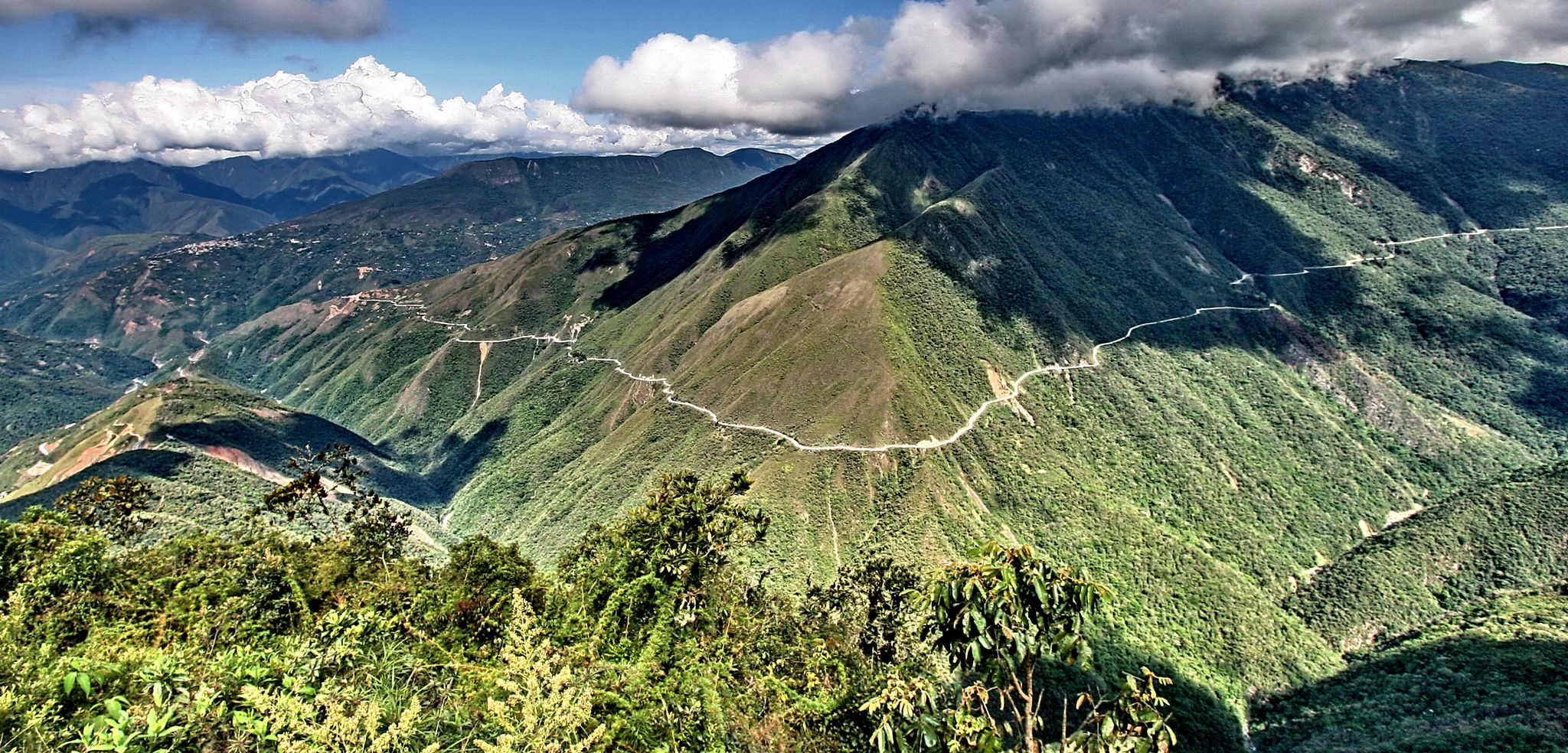
Yes, the La Paz region provides opportunities for cycling and mountain biking. The famous Death Road (North Yungas Road), though once known as the most dangerous, is now a popular destination for scenic bike tours. For more dedicated mountain biking, you can find various trails, including routes like the Río Irpavi – Río de La Paz loop. Explore more options in the MTB Trails in La Paz guide.
What are some notable religious sites in La Paz?
La Paz features several significant religious buildings. The Metropolitan Cathedral Basilica of Our Lady of Peace is a prominent landmark in the city's main square. The Basilica of San Francisco is another iconic colonial-era church known for its blend of Spanish and indigenous architectural styles. Further afield, the Basilica of Our Lady of Copacabana is also a notable religious site accessible from La Paz.
What should I wear when hiking in the La Paz region?
When hiking in the La Paz region, especially at higher altitudes, it's crucial to dress in layers. The weather can change rapidly, with cold mornings, warm afternoons, and chilly evenings. Bring a waterproof and windproof outer layer, warm mid-layers, and moisture-wicking base layers. Sturdy hiking boots, a hat, sunglasses, and sunscreen are also essential due to the strong sun at high elevations.
Most popular attractions in La Paz

Get inspired with the komoot mobile app


Didn’t find what you were looking for?
Are you keen on exploring more awesome places nearby? Browse our guides:
Explore more
Still not found the Highlight you’re looking for? See guides of the top attractions in other regions:
