Attractions and Places To See in Urubamba - Top 20
Best attractions and places to see in Urubamba include a rich array of historical, cultural, and natural sites. Nestled in Peru's Sacred Valley of the Incas, the region is framed by the towering Andes Mountains and the Urubamba River. It serves as a base for exploring ancient Inca sites and diverse landscapes. Urubamba offers a blend of archaeological wonders and vibrant local culture.
Best attractions and places to see in Urubamba
- The most popular attractions is Machu Picchu, a…
Last updated: July 3, 2026
Machu Picchu
Highlight • Historical Site
Translated by Google •
Tip by

PeruRail train through Aguas Calientes
Highlight (Segment) • Structure
Translated by Google •
Tip by

Sign up now to discover places like this
Get recommendations on the best single tracks, peaks, & plenty of other exciting outdoor places.
Sign up for free
Temple of the Three Windows
Highlight • Historical Site
The Temple of …
Translated by Google •
Tip by

Maras Salt Mines
Highlight • Structure
Translated by Google •
Tip by

Huayna Picchu
Highlight (Segment) • Summit
Translated by Google •
Tip by
Aguas Calientes (Machu Picchu Pueblo)
Highlight • Settlement
Translated by Google •
Tip by
Ollantaytambo Archaeological Site
Highlight (Segment) • Historical Site
Tip by

Climb to Huayna Picchu
Highlight • Summit
Translated by Google •
Tip by

Hidroeléctrica Train Station
Highlight • Rest Area
Translated by Google •
Tip by
Path along the railway
Highlight (Segment) • Trail
Translated by Google •
Tip by
Sign up for free to discover even more attractions in Urubamba.
Sign up for free
Already have an account?
Start today with a free account
Your next adventure awaits.
Login or Signup
Other adventures in Urubamba

Tips from the Community

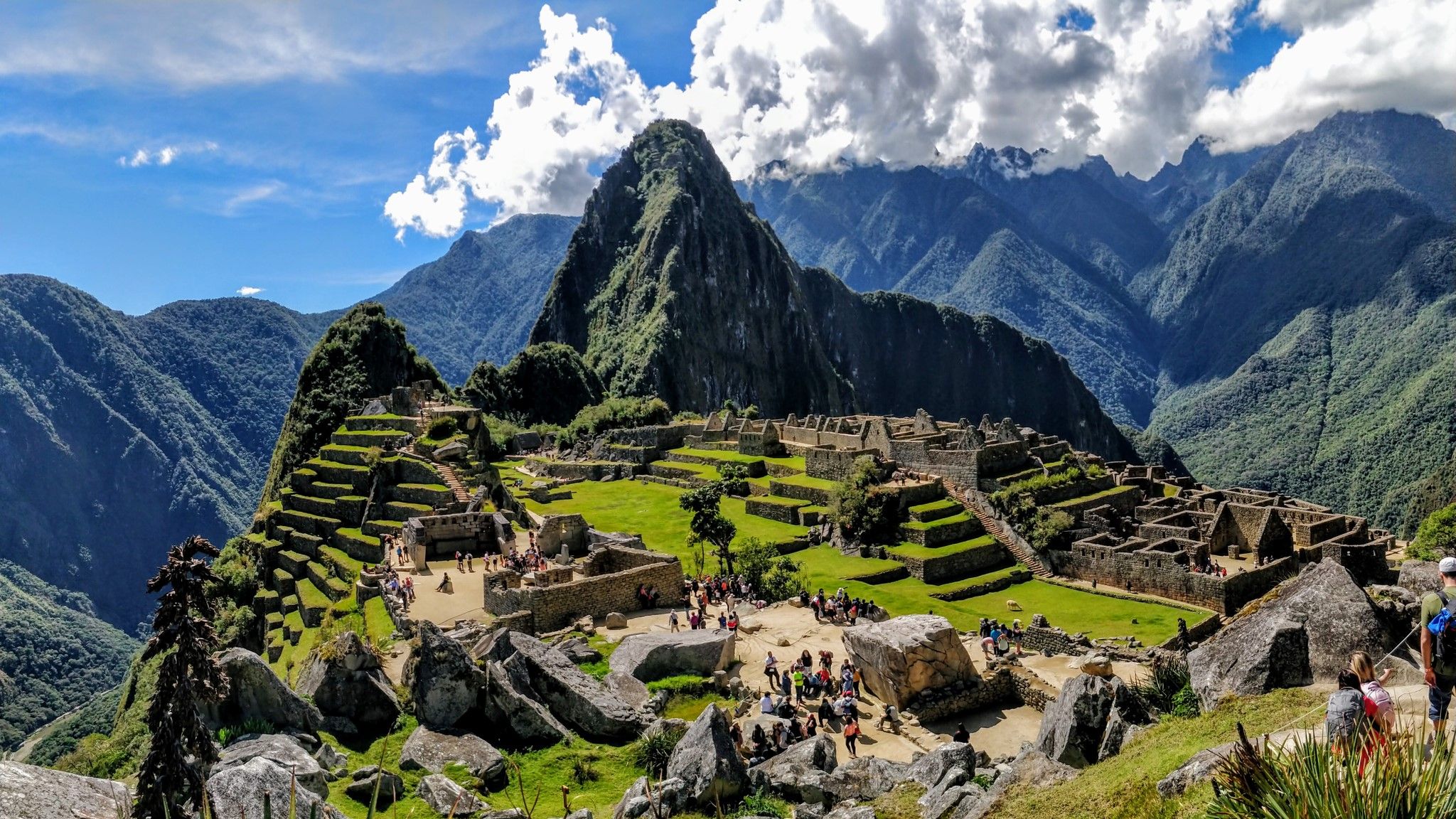
Huayna Picchu (Quechua Wayna Pikchu for "young peak") is one of the two peaks between which the ruins of the Inca city of Machu Picchu lie. The peak is known for the classic postcard motif, where the mountain towers above the ruins of Machu Picchu in the background. The peak is accessible to tourists, but the number of visitors is limited to 400 per day. They must register and enter their names at a checkpoint before the climb. There they are also given an approximate return time. The climb takes about an hour, but the demands should not be underestimated. The steepest sections are equipped with steel cables to hold on to, the path sometimes leads through caves, and on the descent you have to crouch under a rock ledge and climb down 40 cm wide stairs, sometimes directly on the slope, without any safety equipment. A head for heights is therefore an absolute prerequisite. The climb can only be started between 8:00 and 10:00 and must be completed by 14:00. Access to the checkpoint is available after crossing the ruins of Machu Picchu. The same access can also be used to climb Huchuy Picchu in a 15-minute climb. Source: https://de.wikipedia.org/wiki/Huayna_Picchu
1
0
Among the many sites to see in Machu Picchu, one of the most important is the Temple of the Three Windows, located in the Sacred Plaza in what was then the capital part of Machu Picchu. The Temple of the Three Windows is a large stone structure made up of three walls. The long main wall features three large windows facing east, and the two shorter side walls were used to support the main roof beam. The three windows are perfectly embedded in the structure, and are also perfectly symmetrical to the surroundings. Some Machu Picchu researchers believe that there were five windows at one point, but the structure of the other two probably collapsed at some point. This entire structure also had a roof when it was originally built by the Inca; this too probably collapsed over the years. Machu Picchu is divided into different sections, and the Temple of the Three Windows is actually located in the “Hanan,” which translates to “top down.” This is the most important part of Machu Picchu. “Hanan” was the place where the Inca held important religious ceremonies. The "uptown" of Machu Picchu is located opposite Huayna Picchu and Putucusi mountain, both of which are south of the city. When the Temple of the Three Windows was found over 100 years ago, it was covered by 30 cm (12 inches) of vegetation. Next to the temple, researchers discovered several objects such as ceremonial jars, vases and fountains that were very carefully decorated. This could indicate that these ceremonies may have been for the worship of the mountains. Source: https://machupicchu.town/en/USD/machupicchu-temple-of-three-windows#:~:text=The%20Temple%20of%20the%20three%20windows%20is%20a%20large%20stone%20structure%20made%20of%20stone,%20which%20serve%20to%20support%20the%20main%20roof%20beam.
1
0
The Salineras de Maras are hidden in the highlands of southern Peru. In a mountain gorge, not far from Cusco, a mosaic of white-brown salt fields has developed over the centuries. There are said to be 4,000 fields. Rock salt, the so-called "white gold", was mined here as early as the time of the Incas. The descendants of that advanced civilization still harvest the popular Sal de Maras, which is also exported abroad. Source and further information: https://info-peru.de/salzterrassen-maras-peru/
2
0

The salt pans of Maras "Salinera de Maras" is the highest salt farm in the world. Thousands of salt basins are located on steep mountain terraces. What was once the white gold of the Incas is now only a very small source of income for the hard-working Andean salt farmers of Peru.
8
0
Aguas Calientes (as the name suggests) used to be known for its thermal baths, I remember when almost all of us would relax our muscles in the baths there after the Inca Trail. To get to the baths you have to walk up the hill in town, here you can rent towels or swimming trunks.
1
0

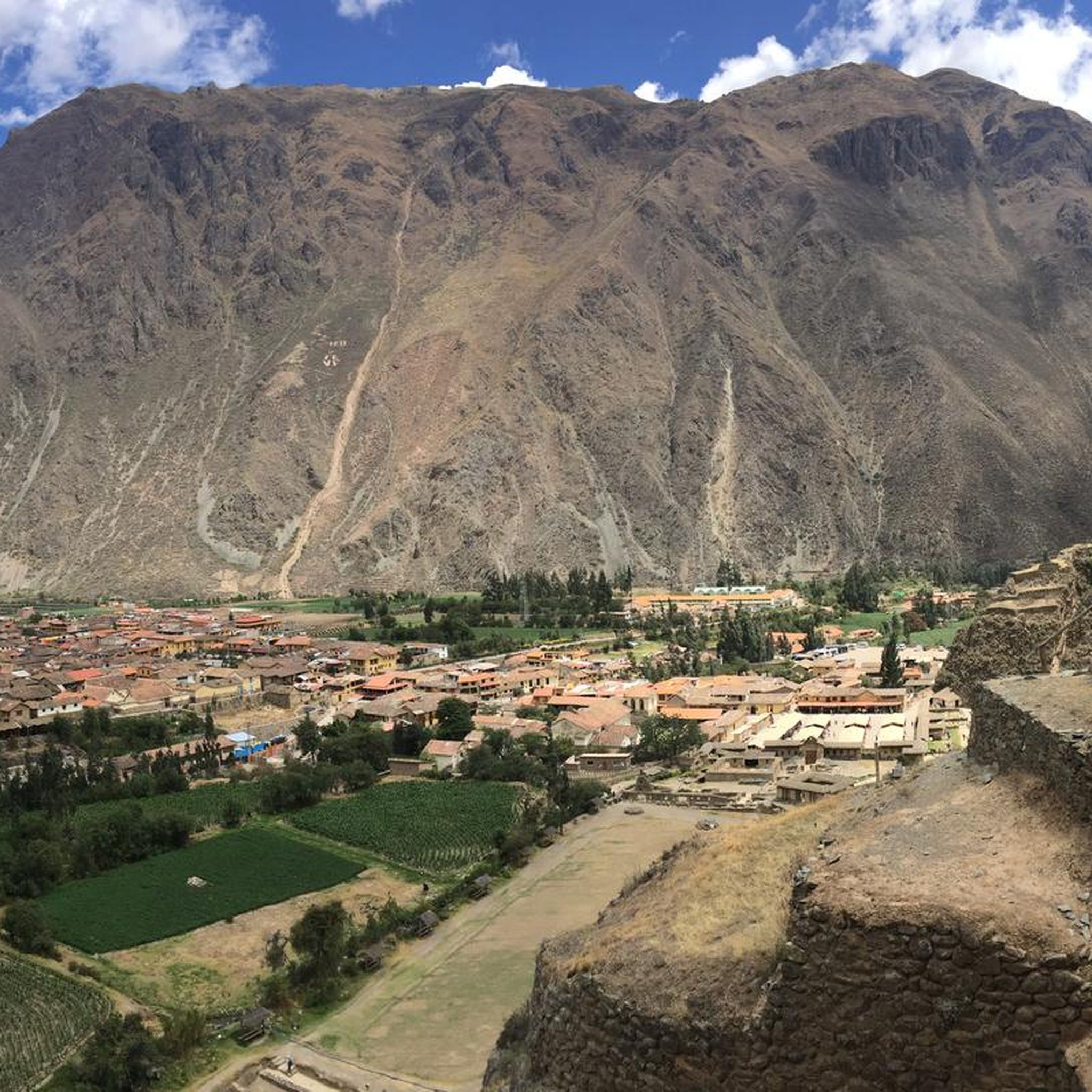
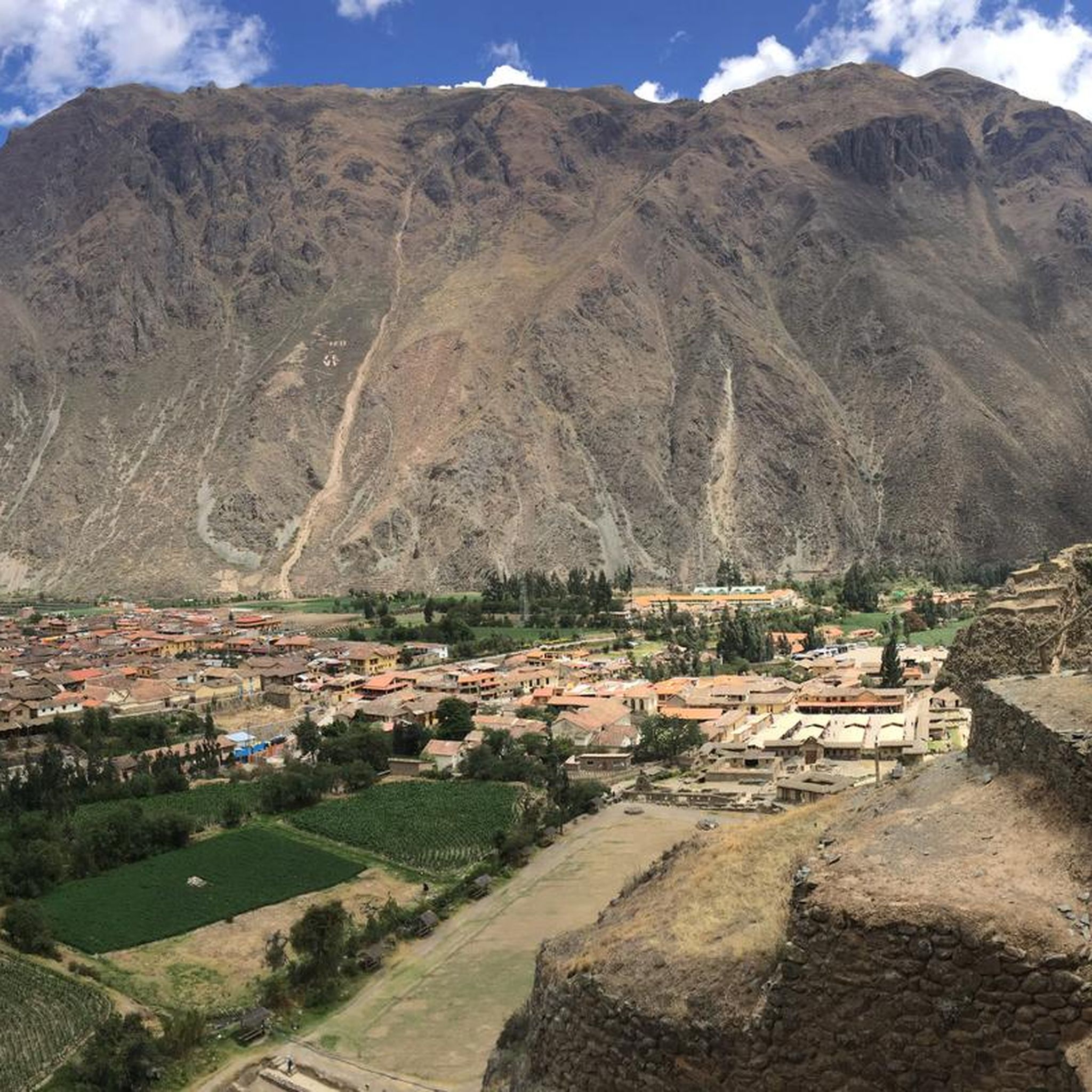
Around 72 km from Cusco lies Ollantaytambo, the last town in the Sacred Valley of the Incas, often simply called Ollanta by the locals. The town lies at an altitude of around 2,792 m on the Urubamba River and has a special feature that makes it unique in Peru: parts of the old town date back to the Inca era and have survived the centuries relatively unscathed.
0
0
Huayna Picchu, also called Wayna Picchu, means "young peak" in Quechua. It is widely believed in the region that the mountain served as a watchtower to protect the sanctuary of Machu Picchu. The Machu Picchu site is located between two mountains - Huayna Picchu and Machu Picchu Mountain. Although both offer exciting hiking routes, there are certain differences between Huayna Picchu and Machu Picchu that you need to be aware of, including altitude, difficulty, and duration. From both mountains, you can enjoy beautiful views of the Machu Picchu ruins and the surrounding mountains. Huayna Picchu is the majestic, cone-shaped mountain that you often see in the background of the most famous photographs and postcards of Machu Picchu. The Huayna Picchu hike is generally considered moderate to difficult, so it can be challenging at times.
0
0
The hike from Hidroeléctrica Machupicchu is one of the most popular routes to visit Aguas Calientes / Pueblo Macchu Picchu and then the ruins of Macchu Picchu. To get to Hidroeléctrica (don't be confused by the name: it's a train station!) there are two options: by train or by car, usually from Cusco. The second option is cheaper, but it takes longer and involves a steep road. From Hidroeléctrica, the hike basically follows the train tracks and the Urubamba River. It takes about 2 to 3 hours to reach the village.
0
0
Frequently Asked Questions
What historical and archaeological sites can I explore in Urubamba?
Urubamba is rich in historical sites. You can visit the ancient Maras Salt Mines, which have been in use since pre-Inca times. The impressive circular agricultural terraces of Moray are also nearby, showcasing Inca ingenuity. Further afield, the well-preserved Inca fortress and living town of Ollantaytambo Archaeological Site offers deep insights into Inca engineering and urban planning. Don't miss the archaeological remains of the Palace of Inca Huayna Cápac, located a short walk from Urubamba's town center, or the Pumamarca Ruins with their extensive network of Inca terraces.
What natural attractions and viewpoints are there in Urubamba?
The region around Urubamba boasts stunning natural beauty. You can discover the Perolniyoc Waterfall, a 100-meter cascade surrounded by lush vegetation. The Urubamba River (Vilcanota River) flows through the valley, offering picturesque landscapes and opportunities for adventure sports. The town is also framed by the majestic snow-capped Andes Mountains, including Chicón and Pumahuanca, which provide dramatic backdrops and numerous viewpoints.
Are there family-friendly activities in Urubamba?
Yes, Urubamba offers several family-friendly options. The Path along the railway near Aguas Calientes is a pleasant walk suitable for families. Exploring the Maras Salt Mines can be an engaging educational experience for all ages. Additionally, the Urubamba River offers gentle sections for river rafting, suitable for beginners and families looking for a mild adventure.
What cultural experiences can I find in Urubamba?
Urubamba offers vibrant cultural experiences. Visit Chinchero to learn about ancient Andean weaving techniques and natural dyes. The Pablo Seminario Pottery Workshop showcases unique ceramic creations, often incorporating pre-Columbian methods. The Inkariy Museum provides a comprehensive look at the history of various pre-Inca cultures. For a taste of local life, explore the bustling Urubamba Market, offering regional products and handicrafts.
What kind of hiking trails are available near Urubamba?
Urubamba offers a variety of hiking trails for different skill levels. For easy walks, you can find options like the easy hikes in Urubamba, including short loops around Cusco. If you're looking for more challenging treks, routes to the Pumamarca Ruins or the Nevado Chicón, which includes the beautiful Juchuycocha Lagoon, are available. You can find more detailed hiking routes in the Hiking in Urubamba guide.
Can I go mountain biking in the Urubamba area?
Yes, the Urubamba area provides excellent opportunities for mountain biking. There are trails ranging from moderate to difficult, such as the loop from Urubamba to Maras Salt Mines and Querocancha Archaeological Zone. Another popular route is the descent to Maras Salt Mines from Pucruto. For more options, check out the MTB Trails in Urubamba guide.
What is the best time of year to visit Urubamba?
Urubamba generally experiences a mild climate. The dry season, from May to October, is often considered the best time to visit for outdoor activities like hiking and exploring archaeological sites, as there is less rain and clearer skies. However, this is also peak tourist season. The wet season, from November to April, brings lush green landscapes but also more frequent rainfall.
Are there any less-known or 'hidden gem' attractions in Urubamba?
Beyond the main highlights, Urubamba offers several hidden gems. The small farming town of Yucay, near Urubamba, is home to the archaeological site of the Palace of Sayri Tupac and the Santa Apostal Church, the first Catholic church in the Sacred Valley. The Pumamarca Ruins, accessible via hiking, offer extensive and well-preserved Inca terraces that are less frequented than other sites. You can also explore local breweries like Valle Sagrado Brewery and Willkamayu Brewery for a unique taste of the region.
Where can I experience local cuisine and markets in Urubamba?
Urubamba has a diverse culinary scene with restaurants offering traditional Andean cuisine. For an authentic local experience, visit the Urubamba Market, where you can find a wide variety of regional products like quinoa, squash, different meats, and local handicrafts. It's a vibrant place to immerse yourself in the local culture and sample fresh produce.
What are the options for wellness and spiritual retreats in Urubamba?
The serene environment and historical significance of Urubamba make it an attractive destination for wellness and spiritual retreats. Many centers in the area offer yoga, meditation, and holistic ceremonies, leveraging the peaceful natural surroundings and the spiritual heritage of the Sacred Valley for a rejuvenating experience.
How can I get to Machu Picchu from Urubamba?
While Machu Picchu is not directly in Urubamba, it is a primary gateway to the site. From Urubamba, you can take a taxi or bus to Ollantaytambo, where you can catch the PeruRail train to Aguas Calientes (Machu Picchu Pueblo). From Aguas Calientes, buses frequently depart for the Machu Picchu entrance. Alternatively, some visitors choose to hike from the Hidroeléctrica Train Station to Aguas Calientes along the railway path.
Most popular attractions in Urubamba

Get inspired with the komoot mobile app


Didn’t find what you were looking for?
Are you keen on exploring more awesome places nearby? Browse our guides:
Explore more
Still not found the Highlight you’re looking for? See guides of the top attractions in other regions:
