Top 20 Huts and Cabins in Japan
Best huts in Japan are found across its mountainous terrain, particularly in the Northern and Southern Alps. These "sanso" or mountain huts provide essential infrastructure for hikers, offering shelter and a distinct cultural experience. They are integral to the hiking culture, making challenging regions accessible.
Best huts in Japan
- The most popular huts is Mount Fuji 5th Station, a facilities and hut. This is the highest car-accessible point on Mount Fuji. It serves as a starting and ending point for the climb, offering facilities and views.
- Another must-see spot is Nishihō Mountain Hut, a hut. This mountain hut is notable for being open all year round.
- Visitors also love Ichiroku Tochi Tateba Chaya, a cafe and hut. It is a place to rest and enjoy tea.
- Japan is known for its mountain huts, pilgrim lodges, and cafes. These provide shelter, hot meals, and a unique cultural experience for hikers.
- The huts in Japan are appreciated by the komoot community, with 77 upvotes and 27 photos shared.
Last updated: July 1, 2026
Mount Fuji 5th Station
Highlight • Rest Area
Translated by Google •
Tip by

Ichiroku Tochi Tateba Chaya
Highlight • Cafe
Tip by

Sign up now to discover places like this
Get recommendations on the best single tracks, peaks, & plenty of other exciting outdoor places.
Sign up for free
Nishihō Mountain Hut
Highlight • Mountain Hut
Tip by

Mountain Hut in Fuji-Hakone-Izu National Park
Highlight • Mountain Hut
Tip by

Mt. Fuji 7th Station Torii-so Mountain Hut
Highlight • Mountain Hut
Tip by

Dakesawa Hut
Highlight • Mountain Hut
Translated by Google •
Tip by

Ryokan Yamakyu
Highlight • Mountain Hut
Translated by Google •
Tip by

Kobo Shimizu Goya's hut
Highlight • Mountain Hut
Tip by

Saikan (Restaurant & Pilgrim Lodge)
Highlight • Mountain Hut
It serves the Dewa Sanzan Shojin-ryori, the Shintoist version of this Buddhist cuisine that aims to prepare the pilgrims' spiritual state to reach enlightenment during their training.
Tip by
Busshoike Goya (Pilgrim lodge)
Highlight • Mountain Hut
It also serves as a café during the day, and serves simple meals such as: curry rice, ramen noodles, soups, ice creams and waffles.
Tip by
Sign up for free to discover even more huts and cabins in Japan.
Sign up for free
Already have an account?
Start today with a free account
Your next adventure awaits.
Login or Signup
Popular around Japan
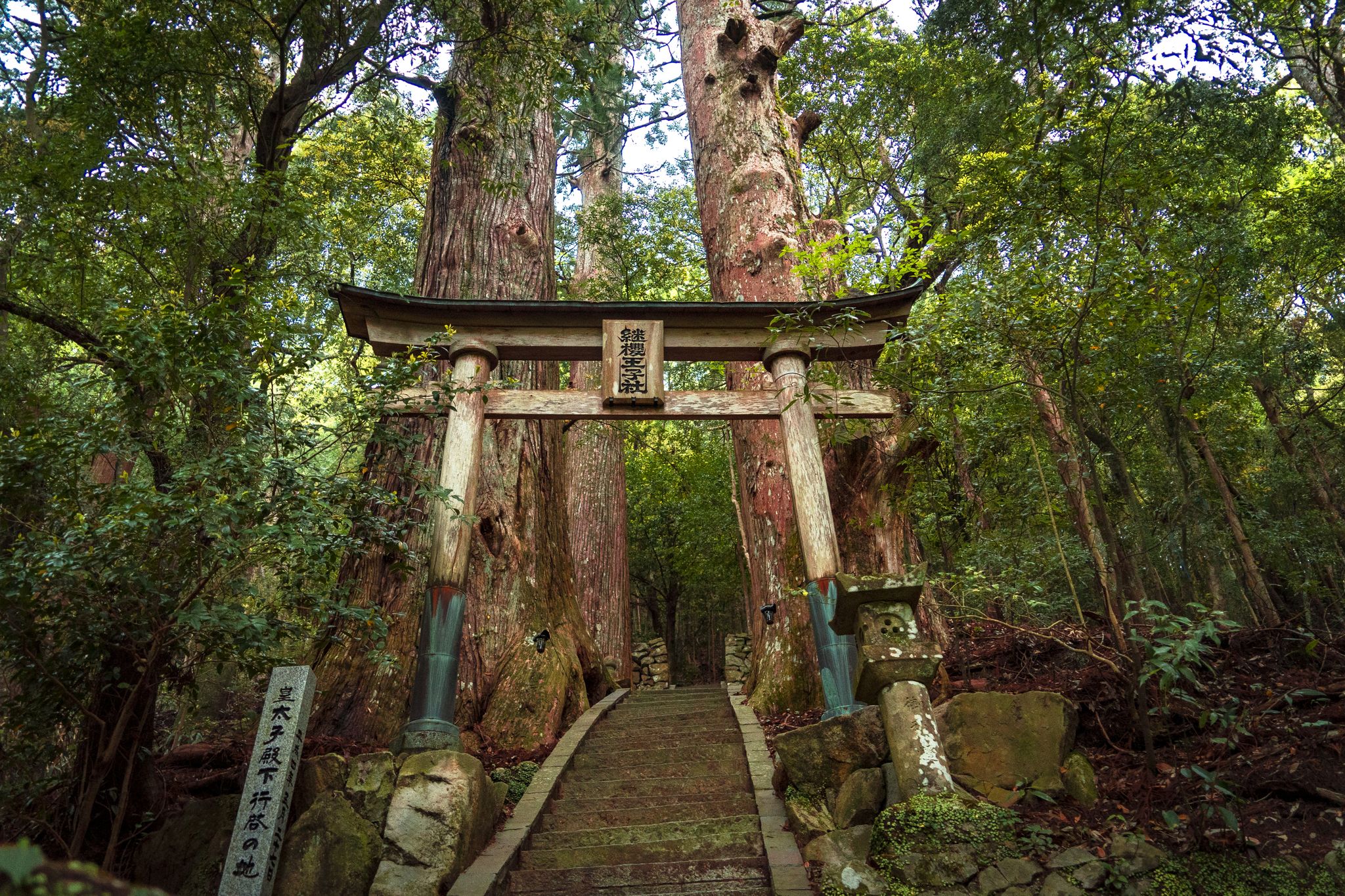
Kumano Kodo – a pilgrimage in the sacred forests of Japan
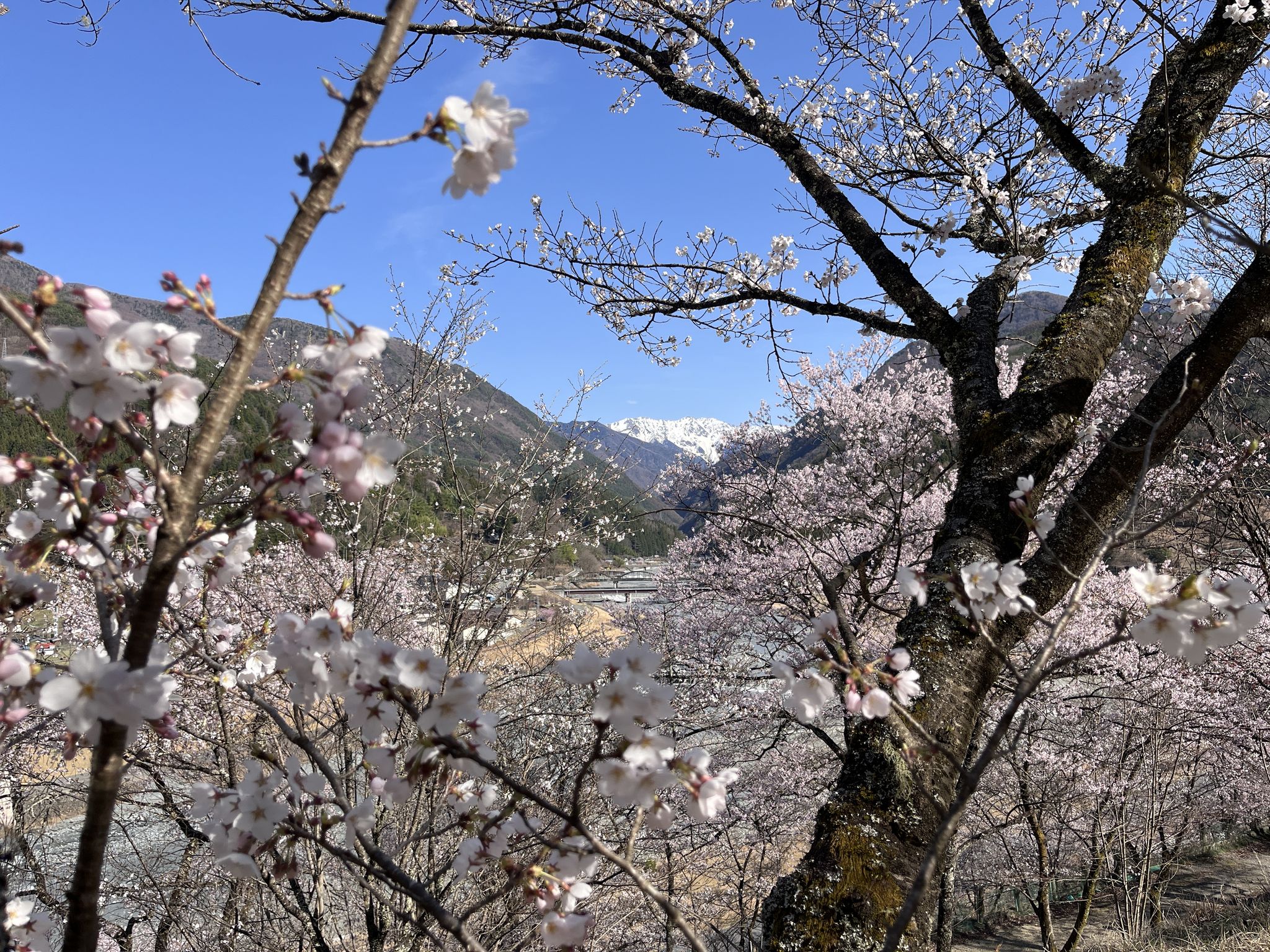
Oshika Akiha Kodo Hanami Tours
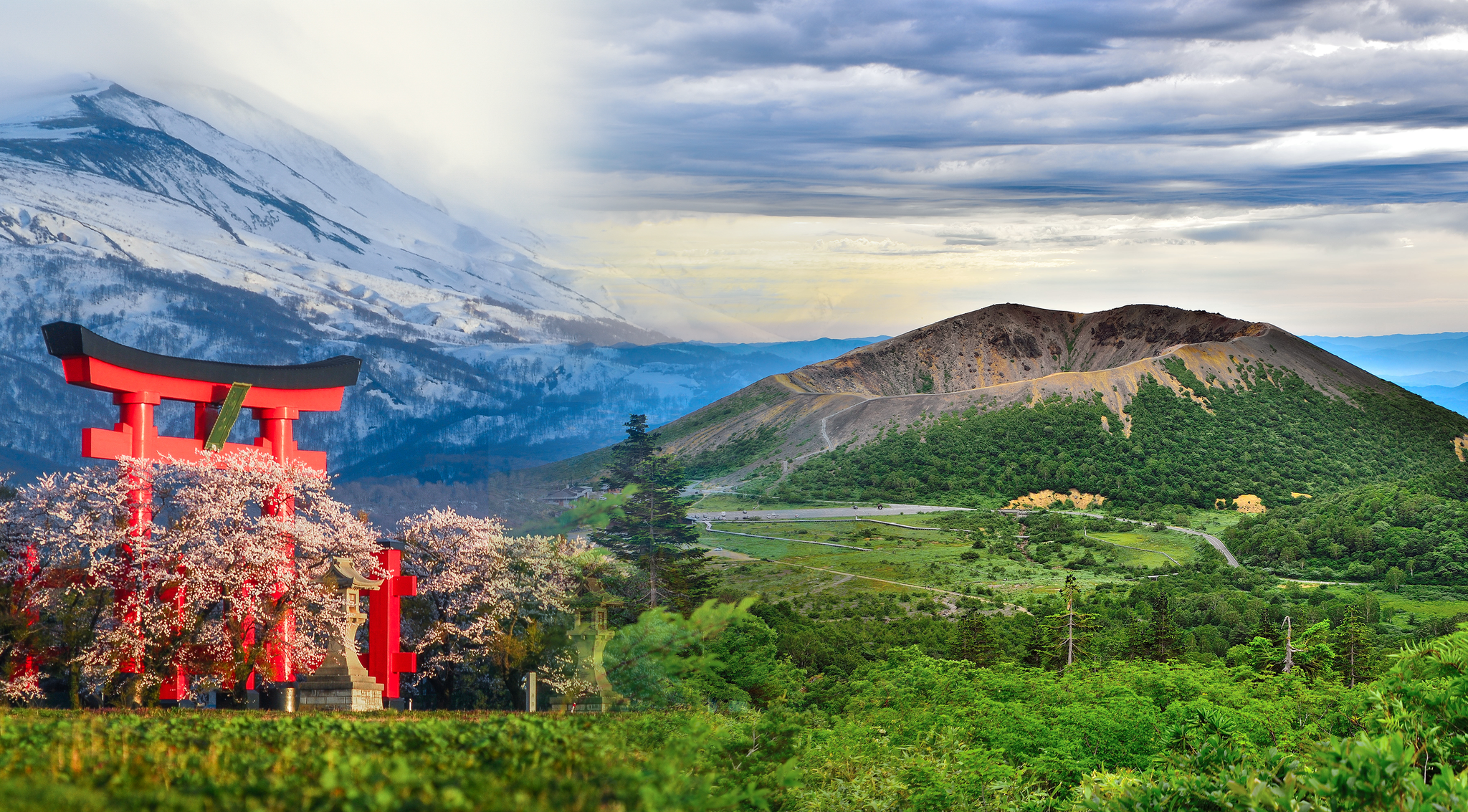
Spiritual peaks — hiking Bandai Asahi National Park’s Volcano Trail
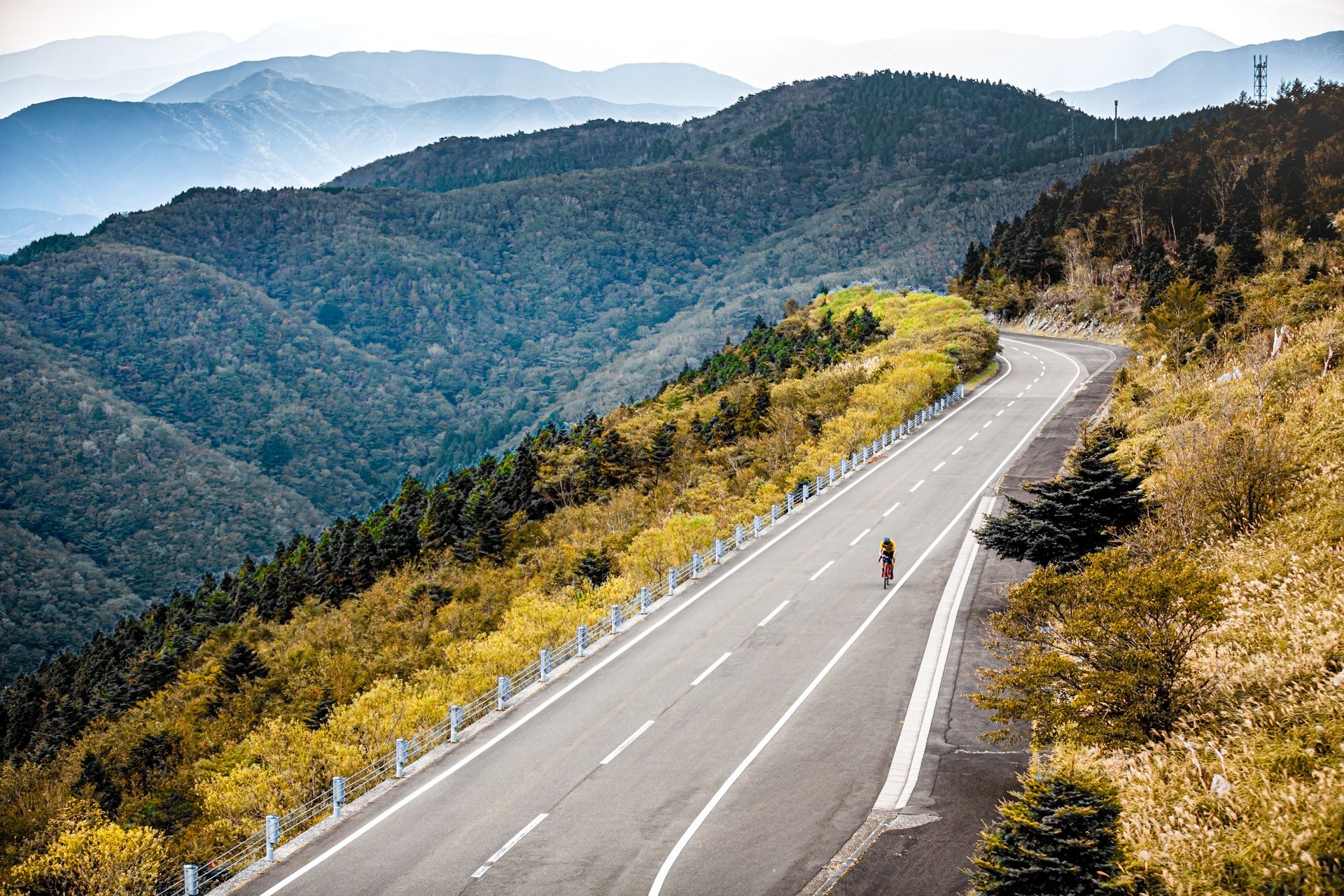
The Japanese Odyssey — 1,600km of volcanic islands to Tokyo
Hiking in Japan
Cycling in Japan
Running Trails in Japan
Road Cycling Routes in Japan
Mountain Hikes in Japan
MTB Trails in Japan
Other adventures in Japan


Tips from the Community

Most mountain lodges in the Hotaka mountain range are closed during the winter, but this lodge is open all year round.
0
0

This refuge provides drinking water and refreshments. Perfect before embarking on the big climbs.
1
0

This mountain hut serves hot and cold drinks, food (including hot noodles, miso soup, and oden), plus souvenirs and some hiking equipment.
0
0

Traditional Japanese ryokan (travel inn) with incredibly delicious food and warm hospitality.
2
0

There was a very nice Man offering tea to us. You should bring some time to rest and enjoy. Lovely Place <3,
1
0


This hut offers a space to rest, buy souvenirs or have some snacks, but doesn't accept visitors for the night. Please make sure to plan your hike so that you complete the visit before the night falls.
0
0
The Busshoike Goya is a good spot to stay for the night to enjoy the sunrise above the clouds (goraiko ご来光 in Japanese). It also serves as a café during the day, and serves simple meals such as: curry rice, ramen noodles, soups, ice creams and waffles.
0
0
Frequently Asked Questions
What kind of experience can I expect at a Japanese mountain hut?
Japanese mountain huts, known as "sanso," offer a unique blend of refuge and cultural experience. They typically provide communal sleeping arrangements with futons, serve hot meals like miso soup, grilled fish, or curry, and some even offer small luxuries such as draft beer and cake sets. They are integral to the hiking culture, providing a warm place to rest and fostering a sense of community among hikers.
When is the best time to visit mountain huts in Japan?
The peak hiking season for Japanese mountain huts generally runs from May to October. During this period, reservations are highly recommended and often mandatory due to high demand. Some huts, like Nishihō Mountain Hut in the Hotaka range, are notable for being open all year round, offering options outside the main season.
Are there family-friendly mountain huts in Japan?
Yes, several huts cater to families. For example, Ichiroku Tochi Tateba Chaya is a cafe and hut where you can rest and enjoy tea, and Ryokan Yamakyu is also listed as family-friendly. The Yatsugatake Mountain Range, where Shimagare Lodge is located, offers diverse activities suitable for families.
What amenities are typically available at Japanese mountain huts?
Huts generally provide shelter, communal sleeping areas, and hot meals. Many offer hot and cold drinks, and some, like the Mountain Hut in Fuji-Hakone-Izu National Park, also serve hot noodles, miso soup, oden, souvenirs, and even some hiking equipment. It's common for huts to operate on a cash-only basis.
How do I book a stay at a Japanese mountain hut?
Reservations are highly recommended, and often mandatory, especially during the peak hiking season from May to October. For huts like Mt. Fuji 7th Station Torii-so Mountain Hut, you need to book in advance online. An overnight stay with two meals typically costs between ¥9,000 to ¥15,000.
What are some notable mountain huts known for their views or unique features?
Many huts offer spectacular views. Enzanso, often called the "Queen of the Northern Alps," provides breathtaking panoramic views including Mount Yarigatake and Mount Fuji. Yarigatake Sanso, located just below Mount Yarigatake's summit, offers iconic views of "Japan's Matterhorn." Miyama Lodge is uniquely placed directly on the peak of Mount Tanzawa, offering summit views.
Are there any mountain huts that serve as a base for challenging climbs?
Yes, several huts are strategically located for ascents. Mount Fuji 5th Station is the highest car-accessible point and serves as a primary starting point for climbing Mount Fuji. Yarigatake Sanso is a crucial stop for those undertaking the classic route to Mount Yarigatake, and Karasawa Hütte is a popular base for ascents in the Hotaka range.
What outdoor activities can I do near these huts?
The mountainous regions around these huts offer extensive opportunities for outdoor activities. You can find various cycling routes, including gravel biking and road cycling. For example, there are routes like the Sayama Lake Gravel Path or the Fuji Subaru Line Toll Gate road cycling route. You can explore more options for cycling in Japan on the Cycling in Japan guide or for gravel biking on the Gravel biking in Japan guide.
Can I find cultural or historic sites near Japanese mountain huts?
Yes, some huts are connected to cultural or historic aspects. Saikan and Busshoike Goya are examples of pilgrim lodges, reflecting Japan's long tradition of mountain pilgrimage. Many huts themselves are over a century old, like Enzanso (built in 1921), embodying a rich history of mountaineering.
What do visitors enjoy most about staying in Japanese mountain huts?
Visitors appreciate the unique cultural experience, the sense of community among hikers, and the convenience of being able to undertake multi-day treks without carrying heavy camping gear. The hot meals, warm shelter, and often spectacular views are frequently highlighted. For instance, visitors to Ichiroku Tochi Tateba Chaya enjoy the opportunity to rest and enjoy tea in a lovely place.
Are there any huts that are particularly remote or offer a sense of frontier adventure?
Mitsumata Lodge, located in a remote part of the Japanese Alps between Nagano and Toyama prefectures, is considered to be in one of the region's "last frontiers." It's known for serving a "mean cup of coffee" to energize hikers before climbing Mount Washiba, offering a more secluded experience.
Are there options for multi-day hikes using these huts?
Absolutely. The system of mountain huts is designed to support multi-day treks. Enzanso, for example, anchors the Omote Ginza traverse, a classic ridge route. Staying in huts allows hikers to spend multiple days in the mountains, moving from one hut to the next, without needing to carry heavy camping equipment.
Most popular routes in Japan
Most popular attractions in Japan

Get inspired with the komoot mobile app


Didn’t find what you were looking for?
See even more amazing huts in Japan with these guides per region:
Explore more
Find more beautiful huts and cabins in Japan by checking out the top ones in these nearby places:
