Attractions and Places To See in Japan - Top 20
Best attractions and places to see in Japan blend ancient traditions with modern marvels, set against a backdrop of diverse natural landscapes. The country features a mountainous terrain, including the iconic Mount Fuji, alongside extensive coastlines and subtropical islands. Japan's cultural heritage is reflected in its numerous temples, shrines, and historic castles, while bustling cities offer unique urban experiences. This combination provides a wide range of exploration opportunities for visitors.
Best attractions and places to see in Japan
- The most…
Last updated: July 6, 2026
Fushimi Inari Shrine
Highlight • Religious Site
Translated by Google •
Tip by

Senbon Torii — The Thousand Torii Gates at Fushimi Inari Taisha
Highlight (Segment) • Monument
The Fushimi Inari Shrine (伏見稲荷大社, Fushimi Inari Taisha) is a significant Shinto shrine in southern Kyoto. It is famous for its thousands of vermilion torii …
Showing Translation
Tip by

Sign up now to discover places like this
Get recommendations on the best single tracks, peaks, & plenty of other exciting outdoor places.
Sign up for free
Niomon Gate (Miyajima)
Highlight • Monument
Translated by Google •
Tip by

Tōdai-ji Temple
Highlight • Religious Site
Translated by Google •
Tip by

Meiji Shrine
Highlight • Religious Site
Translated by Google •
Tip by

Nandaimon Gate, Tōdai-ji
Highlight • Monument
Translated by Google •
Tip by

Reikado Hall (Hall of the Eternal Flame)
Highlight • Religious Site
There is also the hall of the never-ending fire from which the fire is supposed to come from the Peace Park in Hiroshima.
Translated by Google •
Tip by

Shibuya Crossing
Highlight • Monument
Shibuya Scramble Square (Japanese: 渋谷スクランブルスクエア Shibuya Sukuranburu Sukuea) is a mixed-use skyscraper connected to Shibuya Station in Shibuya, Tokyo, Japan.
It is part of a …
Showing Translation
Tip by
Sensō-ji Temple
Highlight • Religious Site
Translated by Google •
Tip by
Arashiyama Bamboo Grove
Highlight • Forest
Translated by Google •
Tip by

Sign up for free to discover even more attractions in Japan.
Sign up for free
Already have an account?
Start today with a free account
Your next adventure awaits.
Login or Signup
Popular around Japan
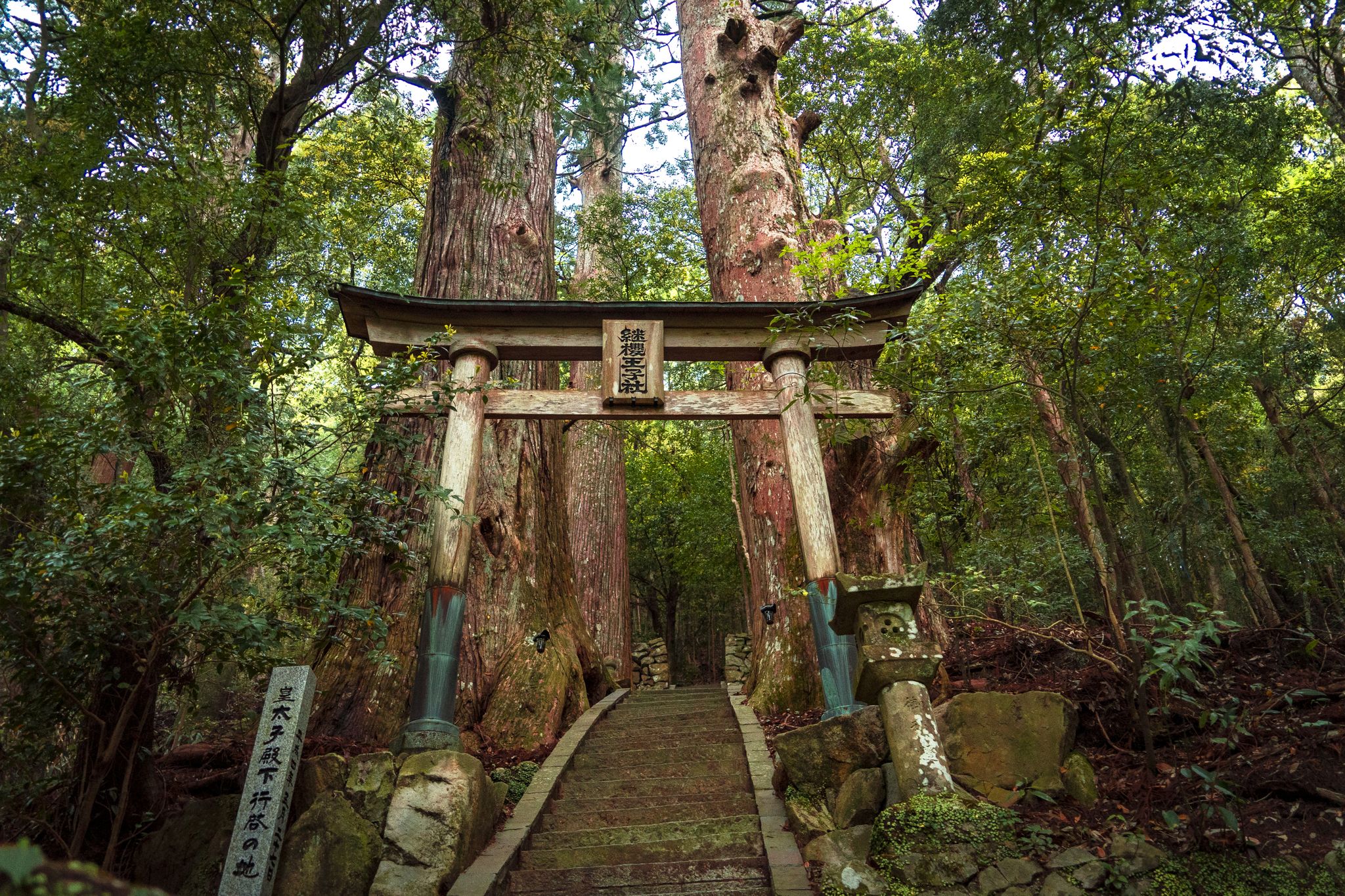
Kumano Kodo – a pilgrimage in the sacred forests of Japan
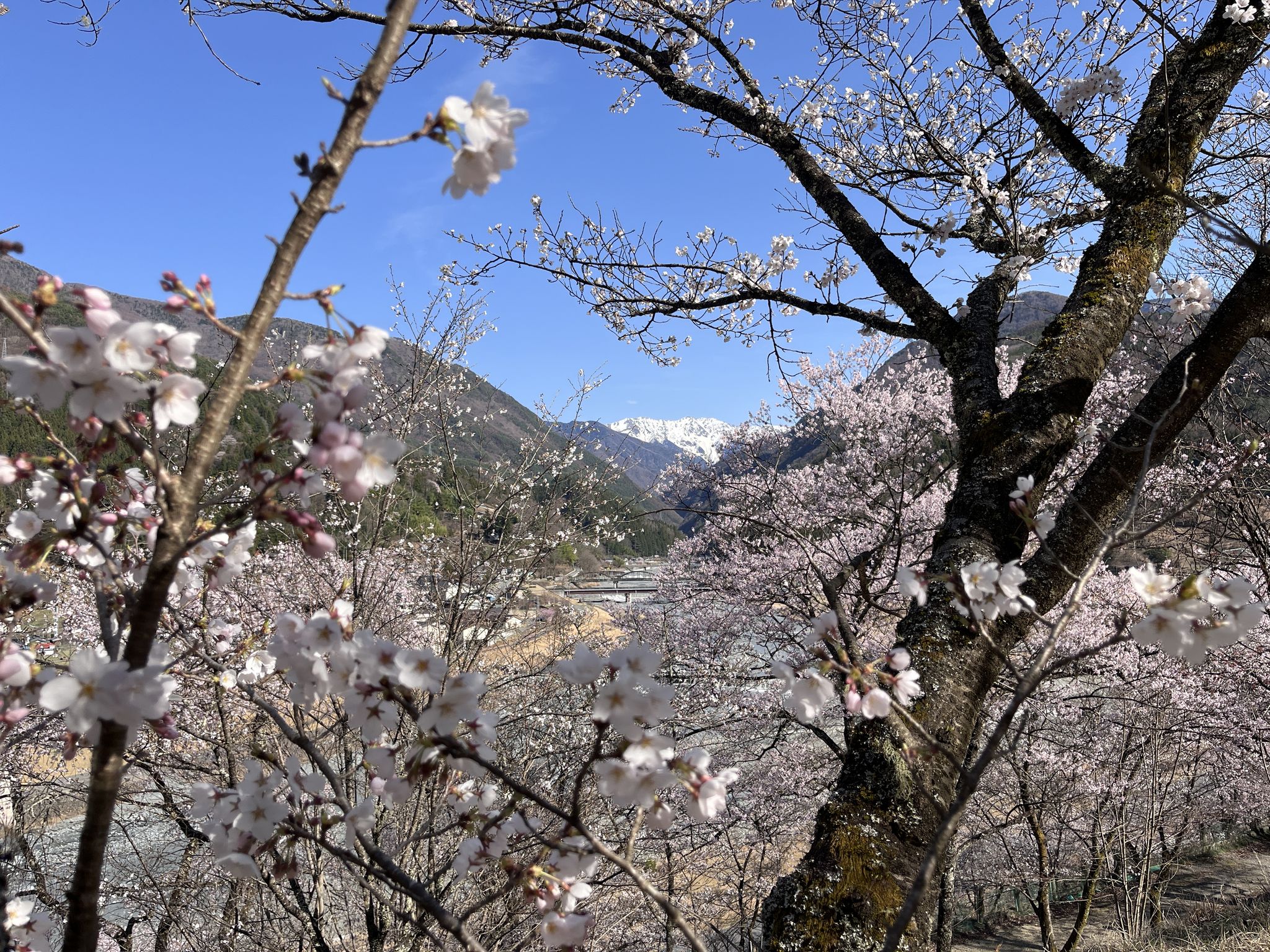
Oshika Akiha Kodo Hanami Tours
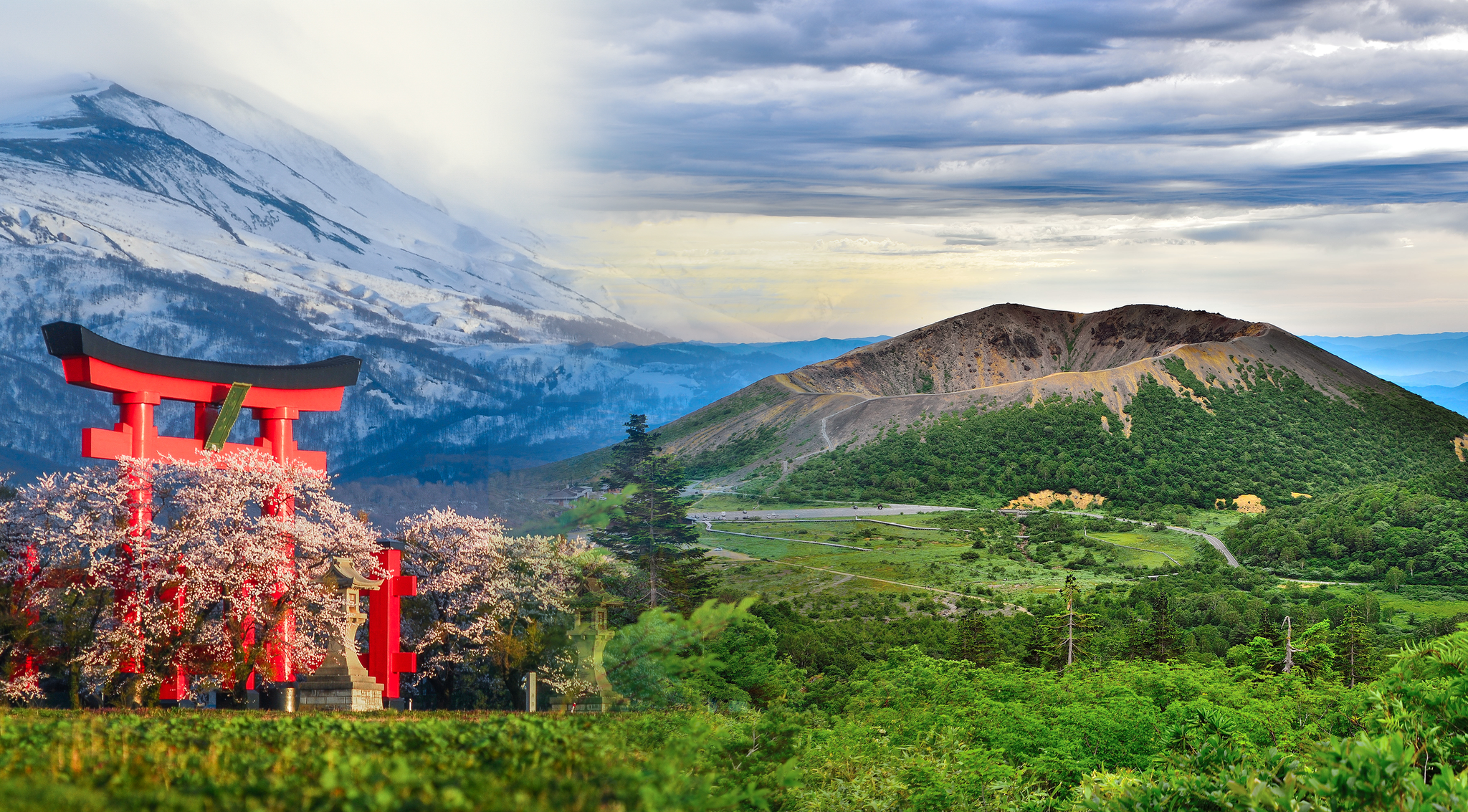
Spiritual peaks — hiking Bandai Asahi National Park’s Volcano Trail
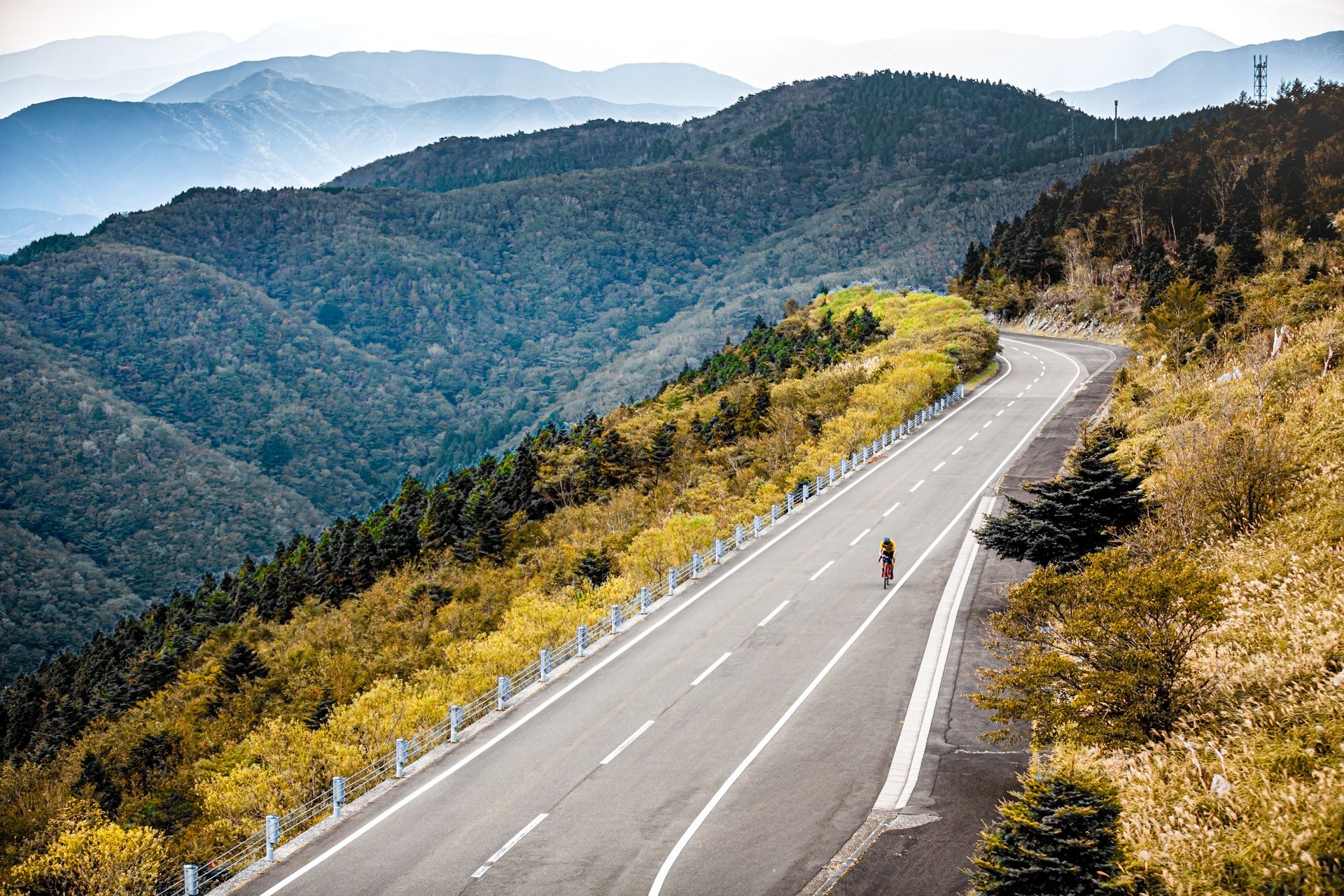
The Japanese Odyssey — 1,600km of volcanic islands to Tokyo
Hiking in Japan
Cycling in Japan
Running Trails in Japan
Road Cycling Routes in Japan
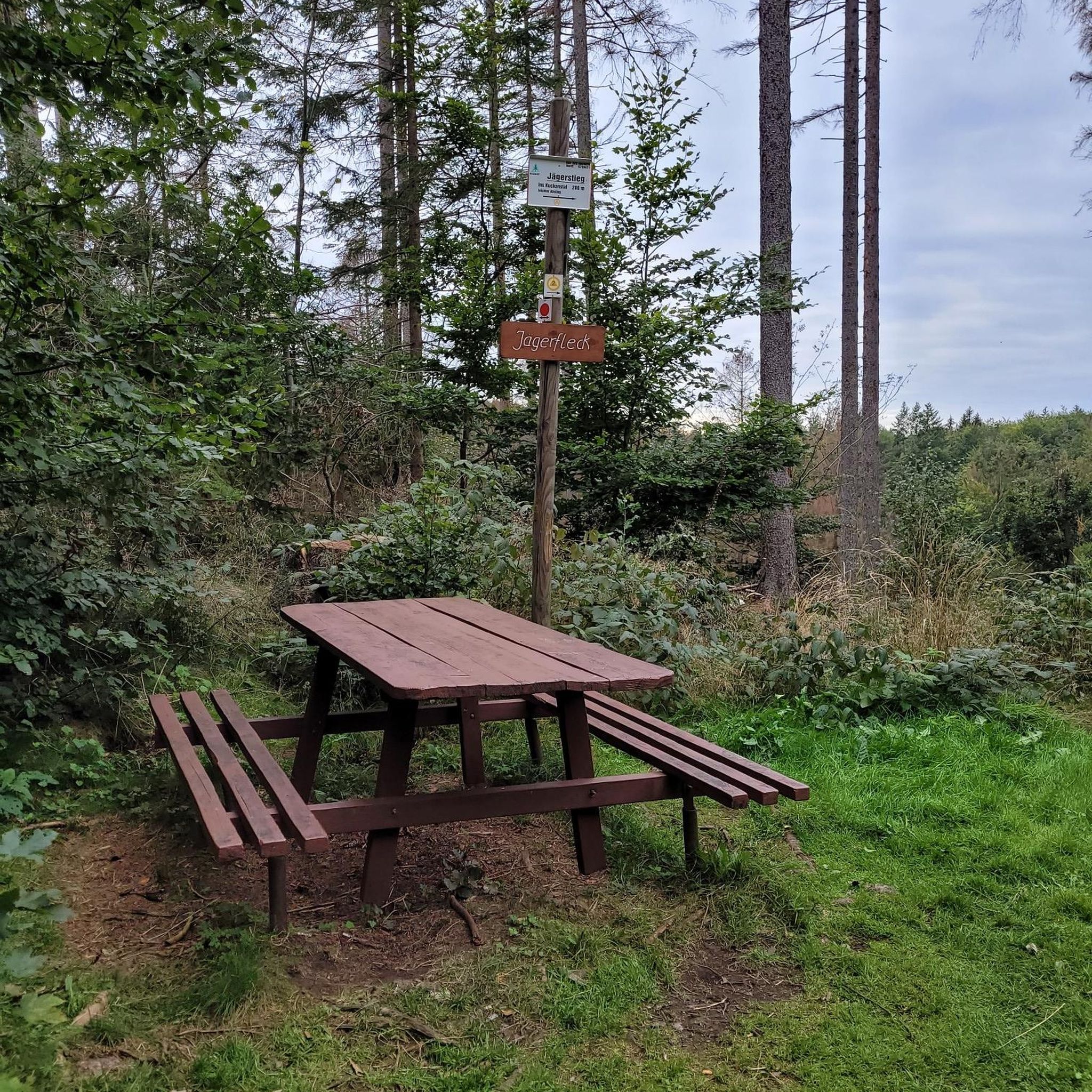
Mountain Hikes in Japan
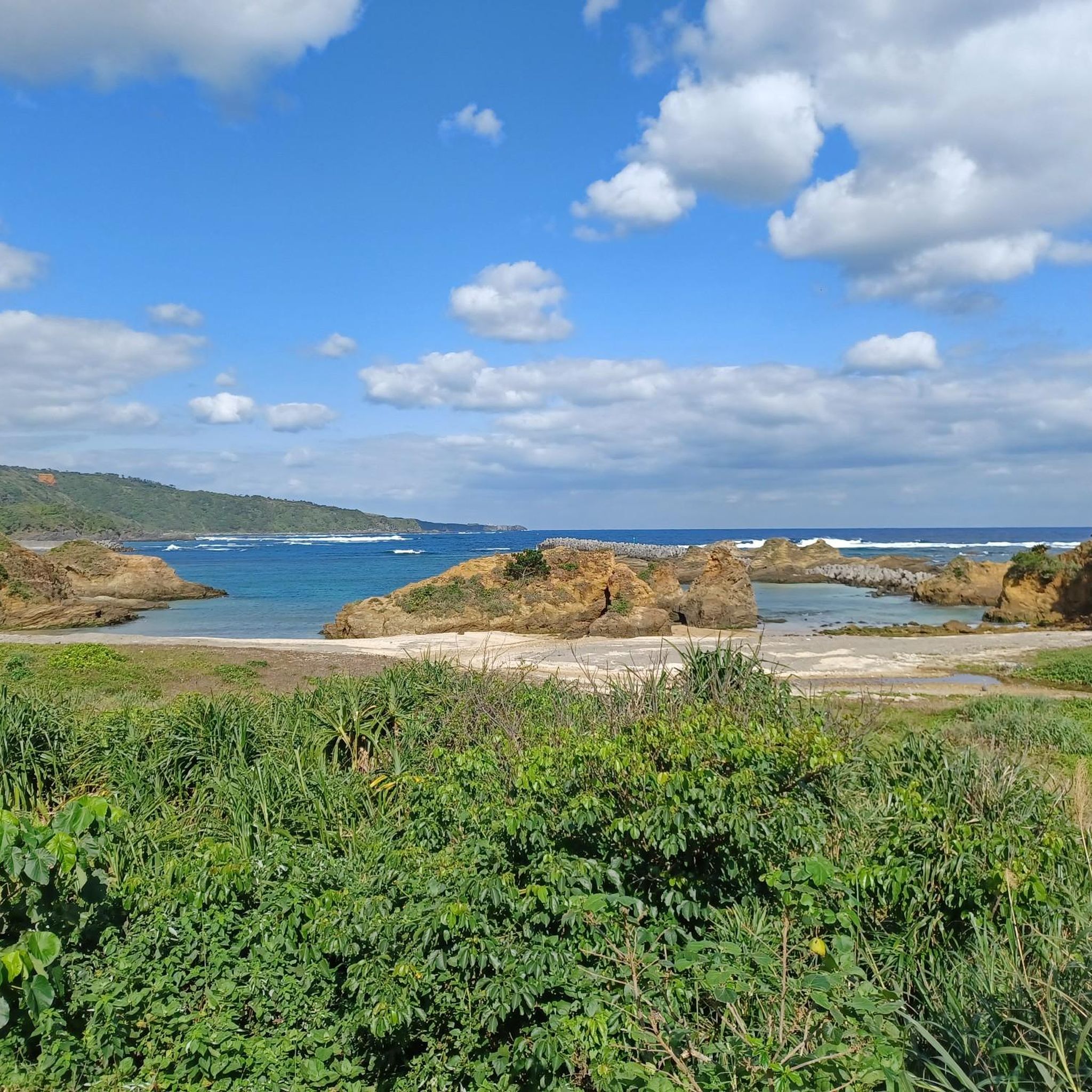
MTB Trails in Japan
Other adventures in Japan


Tips from the Community

Fushimi Inari-Taisha, Kyoto 伏見稲荷大社 The Fushimi Inari-Taisha 伏見稲荷大社, also known as Oinari-san, is a Shinto shrine in the Fushimi ward of Kyoto. It is dedicated to the kami Inari and is the head shrine of about one-third of all Inari shrines in Japan. It is one of the oldest and most famous Shinto shrines in Kyoto. Furthermore, it also counts the most visitors of all Shinto shrines in Japan, especially during New Year (cf. Hatsumōde) and on uma no hi in February, the Japanese Day of the Horse, when the shrine has hosted the Hatsu-uma-matsuri since 708 – celebrated by all Inari shrines. However, at Fushimi Inari-Taisha it is called Hatsu-uma-tai-sha and lasts a full 21 days. The avenues of thousands of orange torii on the grounds of Fushimi Inari-Taisha are particularly famous, all of which are donations from individuals, families, or companies. They lead up a hill, at the top of which, unusually for a Shinto shrine, the holiest sanctuary (in this case a mirror) is publicly visible. Fushimi Inari-Taisha is one of the few shrines (called tanritsu-jinja) that did not join the newly founded umbrella organization Jinja Honchō ("Association of Shinto Shrines") after the end of the war. Characteristic of all Inari shrines are the fox statues (messengers of the deity Inari), which usually have red bibs around their necks and the so-called Dharma key or a wish jewel in their mouths. These objects symbolize the magical-religious power of the foxes. Text / Source : wikipedia.org https://de.wikipedia.org/wiki/Fushimi_Inari-Taisha
13
0
Fushimi Inari Shrine, Kyoto 伏見稲荷大社 The Fushimi Inari Shrine (伏見稲荷大社, Fushimi Inari Taisha) is a significant Shinto shrine in southern Kyoto. It is famous for its thousands of vermilion torii gates that wind up a network of trails behind the main buildings. The trails lead into the wooded slopes of the sacred Mount Inari, which is 233 meters high and part of the shrine grounds. Fushimi Inari is the most important of several thousand shrines dedicated to Inari, the Shinto god of rice. Foxes are considered messengers of Inari, leading to many fox statues on the shrine grounds. The Fushimi Inari Shrine has ancient origins, predating the capital's move to Kyoto in 794. Text / Source : japan-guide.com https://www.japan-guide.com/e/e3915.html
13
0
Shibuya Scramble Square 渋谷スクランブルスクエア, Tokyo Shibuya Scramble Square (Japanese: 渋谷スクランブルスクエア Shibuya Sukuranburu Sukuea) is a mixed-use skyscraper connected to Shibuya Station in Shibuya, Tokyo, Japan. It is part of a redevelopment of the station area. The complex is located above Shibuya Station and consists of three buildings: an eastern building, Shibuya Scramble Square (229.71 m high), a central building (61 m high), and a western building (76 m high). Construction of the complex began in 2014 and is planned for the 2031 fiscal year. The total area is 276,000 m². The eastern building of the complex, the Shibuya Scramble Square skyscraper, was completed in October 2019 and opened on November 1, 2019, with an area of 181,000 m². [5] The Shibuya Scramble Square surpassed the Cerulean Tower in height and became the tallest skyscraper in the Shibuya ward. The underground floor of the Shibuya Scramble Square is directly connected to Shibuya Station. An observation deck, "SHIBUYA SKY", is located on the roof of the skyscraper. The complex includes shops, offices, an observation deck, and a parking lot. The Shibuya Scramble Square gets its name from the "Shibuya Scramble Crossing", the world-famous pedestrian crossing located just a few meters from the building. This is the busiest pedestrian crossing in the world, as people can walk in all directions, making it quick and accessible to reach any building near Shibuya Station. Text / Source: wikipedia.org https://en.wikipedia.org/wiki/Shibuya_Scramble_Square
14
0

The 1,000 torii gates at Fushimi Inari Taisha have religious significance in Shinto. ⛩️ Meaning of the Torii A torii gate marks the transition from the ordinary world to a sacred realm. When you pass through a torii, you symbolically enter the realm of the gods (kami). The many torii gates were donated by companies, families, or individuals. They express their gratitude to the deity Inari. Inari is the god of rice, prosperity, and business success. Many companies donate torii gates to ask for good fortune in their business. Therefore, the following is inscribed on the back of each gate: the donor's name the date of the donation 🦊 The Fox Statues You will also see many fox statues at the shrine. Foxes are considered messengers of Inari and often carry: a key to the rice granary, a scroll, or a rice grain symbol. The name “1000 Torii” is rather symbolic – in fact there are over 10,000 torii gates along the mountain.
0
0

A must-see! The mountain and the paths with their many gates are an absolute highlight in Kyoto!
0
0

The Senbon Torii (literally "One Thousand Torii Gates") is the iconic, dense pathway of vibrant, vermilion-red Shinto gates at Fushimi Inari Taisha in Kyoto. While the name suggests one thousand, the entire network of trails leading up Mount Inari is lined with approximately 10,000 torii gates, creating a captivating tunnel. Each gate is a donation from an individual or a Japanese company, given to show gratitude for a wish fulfilled or to pray for business prosperity and good fortune, reflecting that Fushimi Inari is the head shrine dedicated to Inari, the Shinto god of rice and commerce.
0
0

In case of rain the route becomes even more suggestive
2
0

It's a small path through the bamboo forest, and unfortunately, it's also very popular! I'd probably come back early in the morning or late in the evening.
3
0
Frequently Asked Questions
What are some must-see historical and cultural sites in Japan?
Japan is rich in history and culture. You can explore the ancient Tōdai-ji Temple in Nara, home to a massive Buddha statue and one of the world's largest wooden structures. In Kyoto, the iconic Senbon Torii — The Thousand Torii Gates at Fushimi Inari Taisha offers a unique experience winding through a mountain path. Tokyo's oldest temple, Sensō-ji Temple, and the serene Meiji Shrine, nestled in a dense forest, are also highly recommended.
Are there family-friendly attractions in Japan?
Absolutely! Many attractions cater to families. The Tōdai-ji Temple and its impressive Nandaimon Gate are great for all ages. The Meiji Shrine offers a peaceful escape within Tokyo, and the Sensō-ji Temple provides a vibrant cultural experience. Additionally, the magical Arashiyama Bamboo Grove in Kyoto is a memorable experience for families.
What natural wonders can I explore in Japan?
Japan boasts stunning natural beauty. The surreal Arashiyama Bamboo Grove in Kyoto offers a unique forest experience. Beyond specific highlights, you can find iconic Mount Fuji, the ancient cedar forests of Yakushima Island, the dramatic Takachiho Gorge, and the unique Tottori Sand Dunes. The Japanese Alps also provide spectacular views and dense forests.
What are some unique urban experiences in Japan?
For a taste of Japan's modern urban life, the Shibuya Crossing in Tokyo is an unmissable spectacle, known as the world's busiest intersection. Tokyo also offers panoramic city views from the Tokyo Tower or the taller Tokyo Skytree. In Osaka, the Dotonbori district is famous for its vibrant nightlife, illuminated billboards, and diverse food scene.
Are there good hiking opportunities near Japan's attractions?
Yes, Japan offers numerous hiking opportunities. For example, the path through the Fushimi Inari Shrine complex involves a scenic climb with great views of Kyoto. You can find many trails, including waterfall hikes, throughout the country. Explore more options in our dedicated guide to Waterfall hikes in Japan.
What kind of cycling routes are available in Japan?
Japan offers diverse cycling experiences, from scenic road cycling to challenging mountain bike trails. You can find routes that take you through picturesque landscapes and along coastlines. For detailed information on routes, check out our guides for Road Cycling Routes in Japan and MTB Trails in Japan.
What do visitors enjoy most about the Fushimi Inari Shrine?
Visitors are consistently impressed by the sheer scale and beauty of the Fushimi Inari Shrine. The thousands of vermilion torii gates create an almost perfect tunnel, leading to stunning views of Kyoto from the mountain. Many recommend visiting early morning or late evening to avoid crowds and capture the magical atmosphere without many other tourists.
What is the best time to visit Japan for specific experiences?
The best time depends on your interests. Spring (March-April) is ideal for cherry blossoms, while autumn (October-November) offers vibrant fall foliage. Summer is popular for hiking, including Mount Fuji, but can be hot and humid. Winter brings snow to regions like Hokkaido, offering unique attractions and winter sports. For specific events or natural phenomena, it's best to research seasonal timings.
Are there any wheelchair-accessible attractions in Japan?
While accessibility can vary, efforts are being made to improve it. The famous Shibuya Crossing in Tokyo is generally accessible. Many modern facilities and major transportation hubs are designed with accessibility in mind. It's advisable to check specific attraction websites for detailed accessibility information before your visit.
Where can I find serene natural escapes within or near major cities?
Even in bustling cities, you can find tranquil natural spots. In Tokyo, the Meiji Shrine is set within a densely wooded area, offering a peaceful retreat. Kyoto's Arashiyama Bamboo Grove provides a surreal and calming experience. The Imperial Palace Outer Gardens in Tokyo also offer a serene green space in the heart of the city.
What are some unique architectural highlights in Japan?
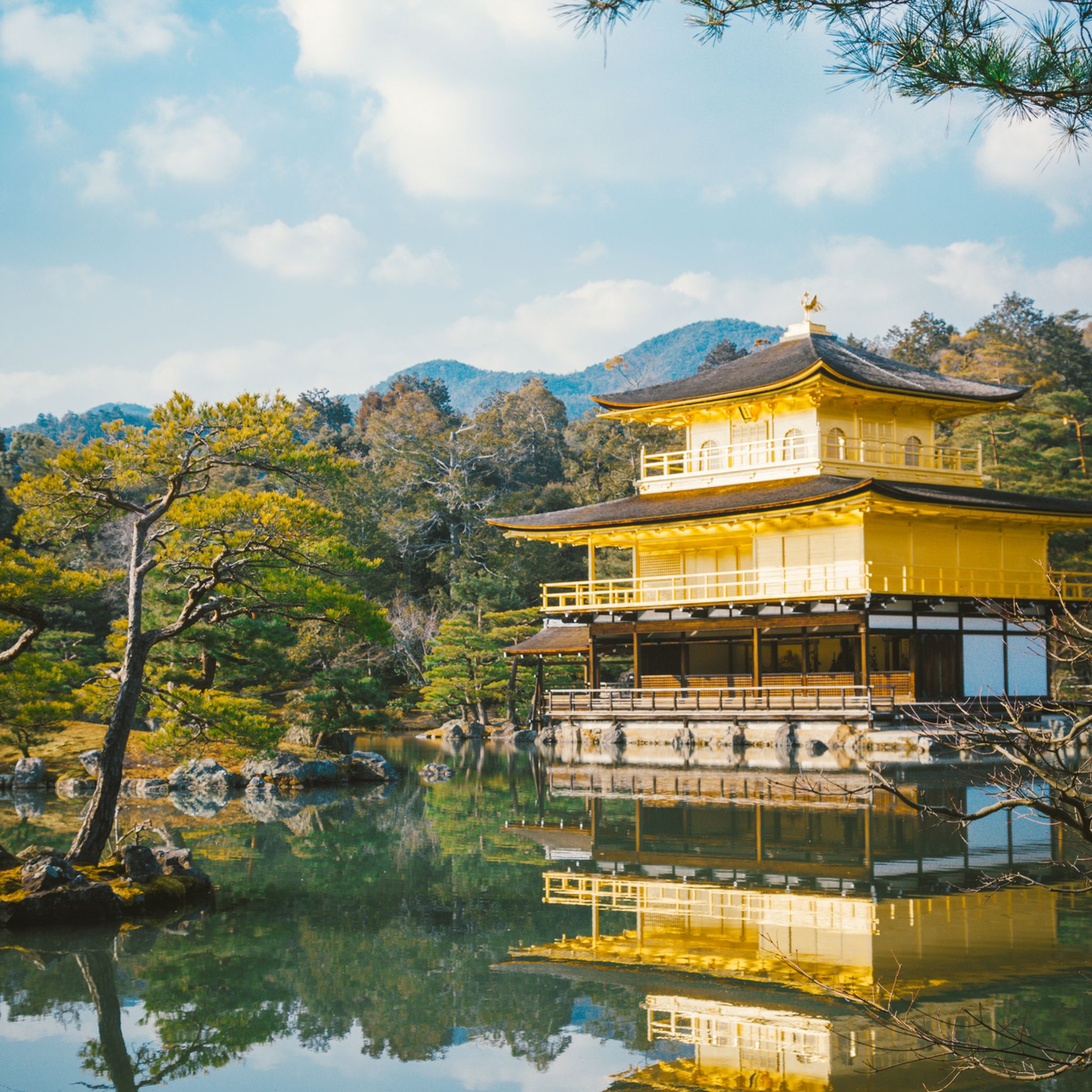
Japan showcases remarkable architecture. The Tōdai-ji Temple in Nara is renowned as one of the largest wooden structures globally. Himeji Castle, known as the 'White Heron,' is considered Japan's most beautiful castle. The Golden Pavilion (Kinkaku-ji) in Kyoto, covered in gold leaf, is another stunning example of traditional design harmonizing with its surroundings.
Can I see wildlife in Japan's natural areas?
Yes, Japan's diverse ecosystems support various wildlife. Shiretoko National Park in Hokkaido is a UNESCO site known for brown bears and eagles. Yakushima Island is home to ancient cedar forests where you might encounter deer and monkeys. Nara Park is famous for its friendly, free-roaming deer that interact with visitors near cultural sites like Tōdai-ji Temple.
Most popular routes in Japan
Most popular attractions in Japan

Get inspired with the komoot mobile app


Didn’t find what you were looking for?
Are you keen on exploring more awesome places nearby? Browse our guides:
Explore more
Still not found the Highlight you’re looking for? See guides of the top attractions in other regions:
