The 6 Most Amazing Peaks around Brañosera
Best mountain peaks around Brañosera are found within the Montaña Palentina in the Cantabrian Mountains. This region provides access to notable mountain landscapes and natural attractions. The area features prominent summits and viewpoints, offering diverse experiences for outdoor enthusiasts. It is a destination for those seeking to explore the natural features of the Cantabrian range.
Best mountain peaks around Brañosera
- The most popular mountain peaks is Piedrasluengas Viewpoint, a viewpoint located over 1,300 meters above sea level. It offers…
Last updated: August 18, 2026
Piedrasluengas Viewpoint
Highlight • Viewpoint
Translated by Google •
Tip by

Peña Labra
Highlight • Summit
Translated by Google •
Tip by

Sign up now to discover places like this
Get recommendations on the best single tracks, peaks, & plenty of other exciting outdoor places.
Sign up for free
Tres Mares Peak
Highlight • Summit
Translated by Google •
Tip by
Cross of Mount Bernorio
Highlight • Summit
Translated by Google •
Tip by

Pico Valdecebollas (2,139 m)
Highlight • Summit
The views from here are spectacular!
Translated by Google •
Tip by

Sign up for free to discover even more peaks around Brañosera.
Sign up for free
Already have an account?
Start today with a free account
Your next adventure awaits.
Login or Signup

Tips from the Community

Spectacular views of the eastern massif of Picos de Europa
0
0

Beautiful road from Puetenansa up to there for road bikes, less traffic
1
0

Mount in the town of Villarén de Valdivia, in Palencia, 1170m. It has a flat shape at its top, where some of the most important pre-Roman archaeological sites on the peninsula have been found, known as Castro de Monte Bernorio.
0
0
Summit of the Natural Park of the Palencia Mountain. At the top we find the Torreón, a small stone tower with a vertex and a cross at its highest point. The views from here are spectacular!
2
0
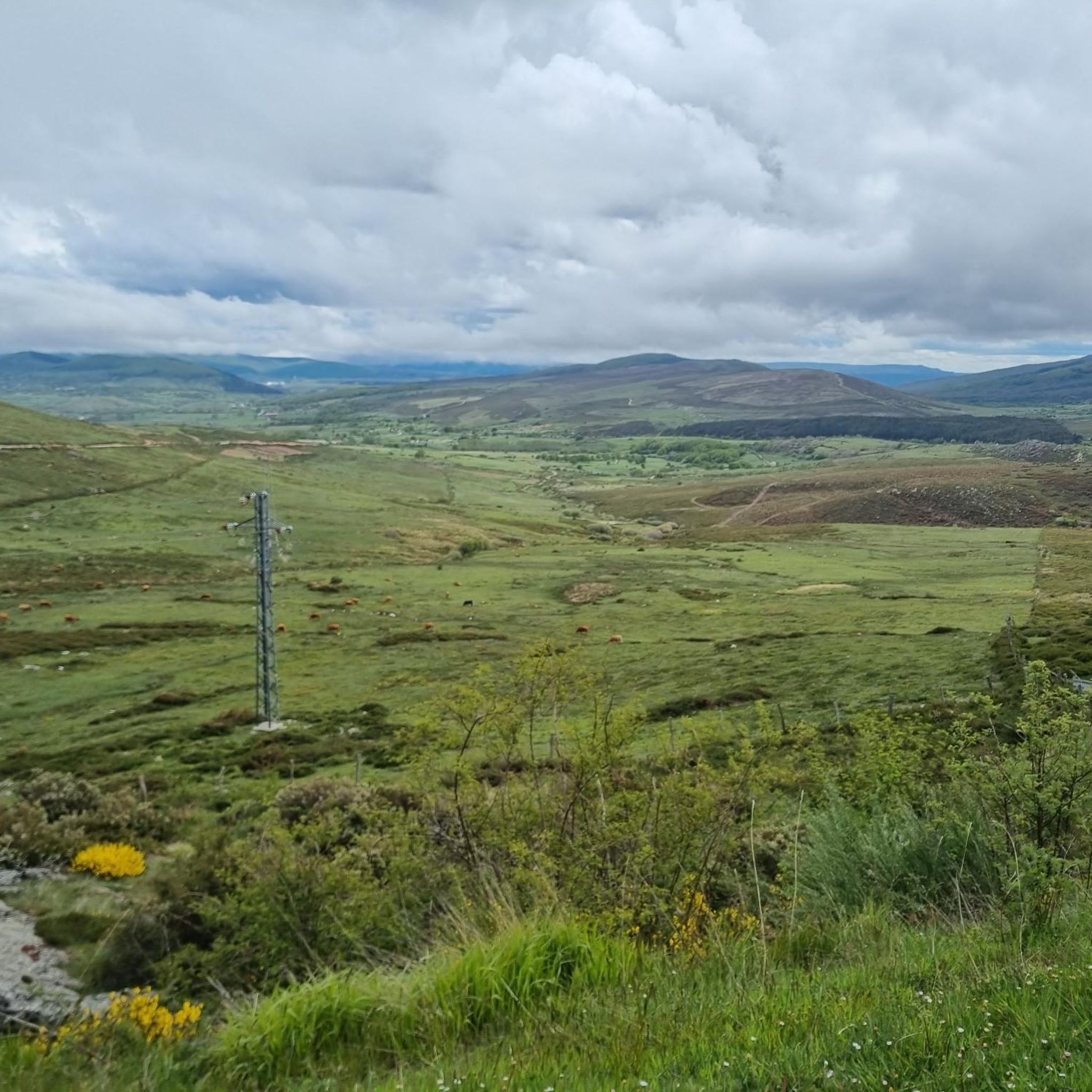
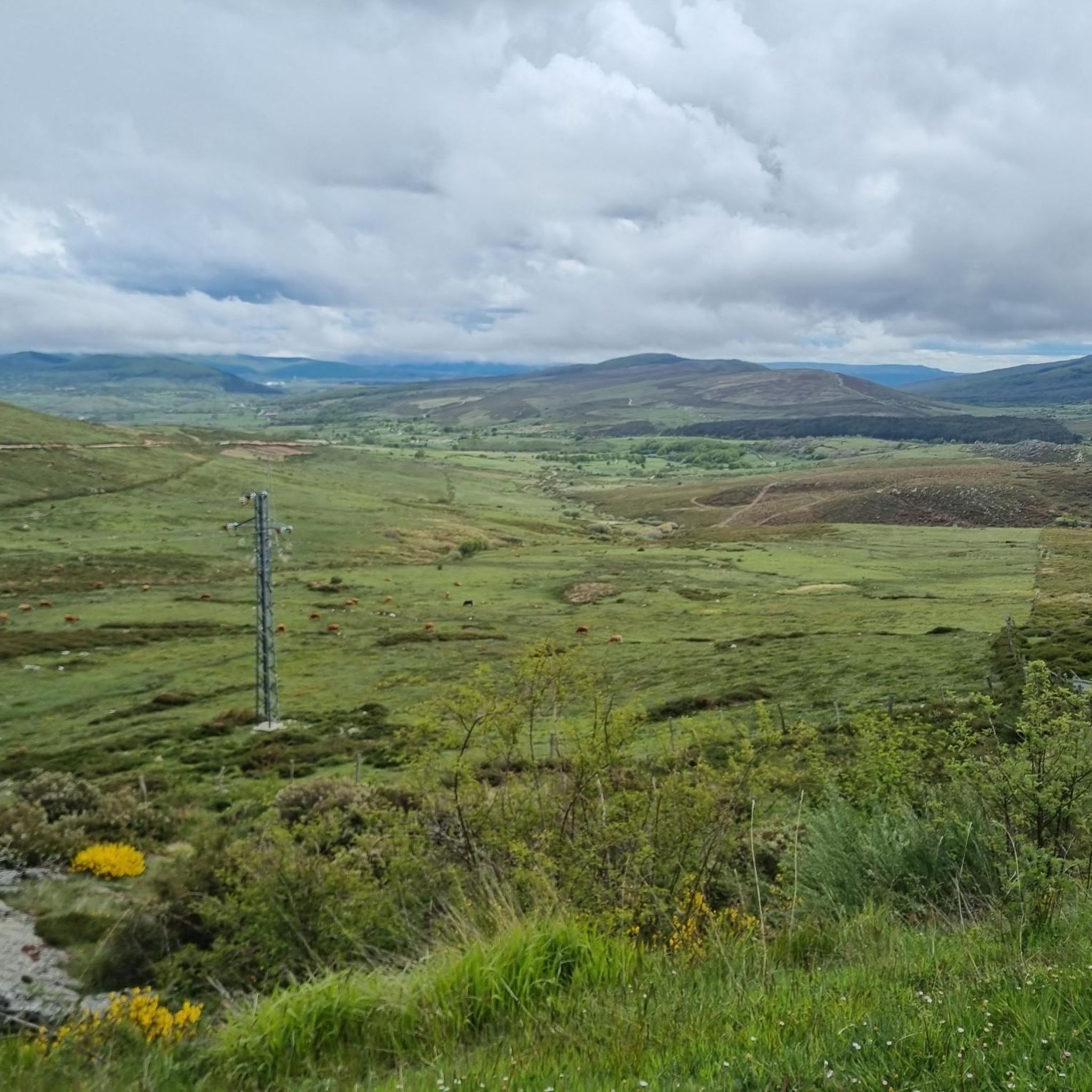
Viewpoint located in the homonymous hill at more than 1300 meters. From there you can see the Picos de Europa, Peña Labra, the Tres Mares peak, the Cuchillón peak and much more.
2
0

The Piedrasluengas viewpoint is a perfect place to reach by bike. Located in the heart of the Cantabrian Mountains, in the Fuentes Carrionas and Fuente Cobre-Montaña de Palencia Natural Park, it rises to over 1,300 meters above sea level. The views will leave you speechless. You'll see the Picos de Europa, Peña Labra, Tres Mares, Cuchillón, the Liébana Valley, and the Valdeprado Valley.
2
0

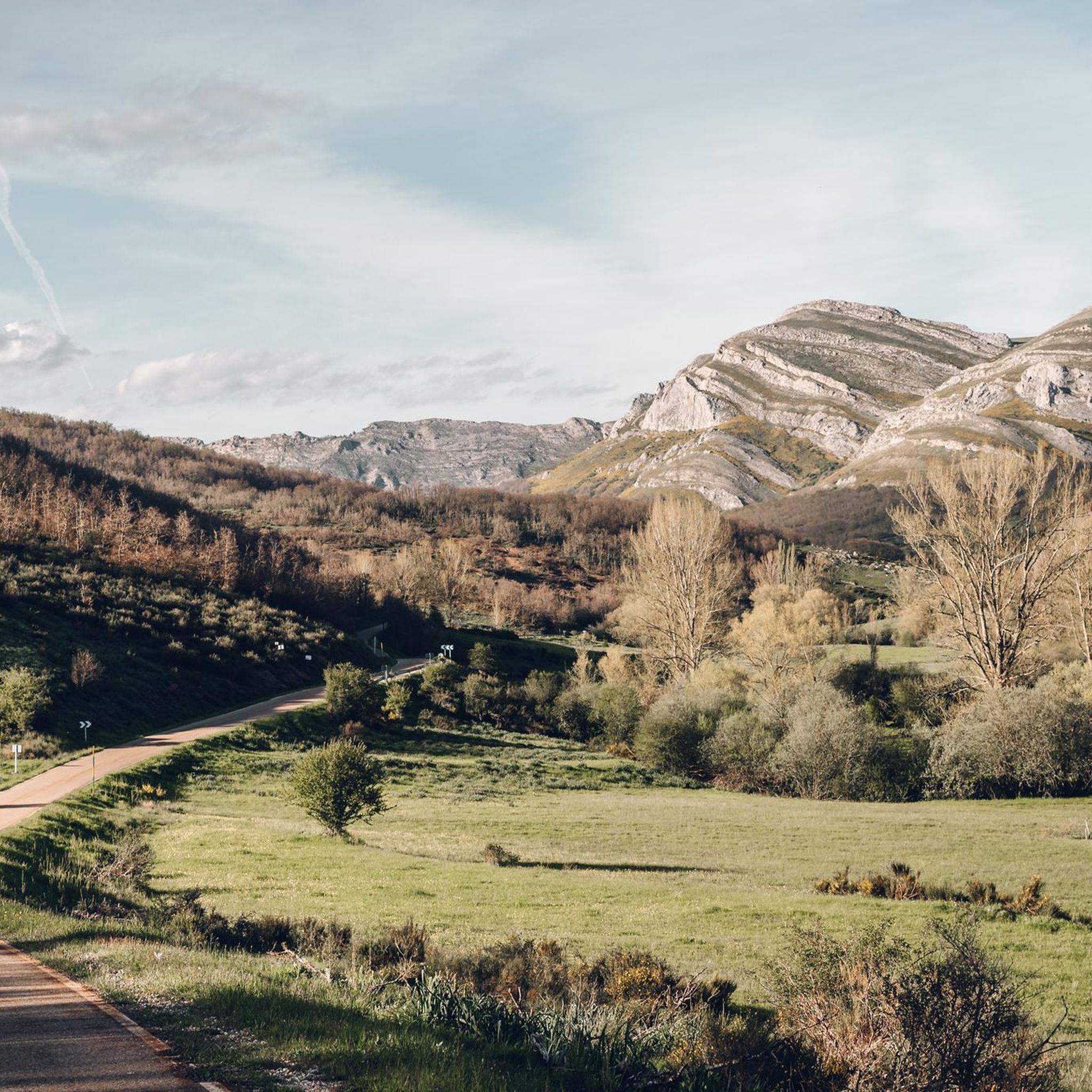
At 2029 meters above sea level, the top of Peña Labra is located in a privileged place. It represents the border between the Community of Cantabria and Castilla y León, so to the north you will have impressive views of the Cantabrian interior and the mountains of the Picos de Europa National Park, while to the south you will be able to appreciate another wonderful landscape such as the of the Montaña Palencia Natural Park. Crowning its peak is for the most daring, very technical sectors and not suitable for those who suffer from vertigo, but it has a great reward.
1
0
Very close to the Alto Campo ski resort and located at 2,149 meters above sea level, the top of Tres Mares is one of those peaks that you cannot miss. You will have wonderful views towards the Cantabrian interior, the Picos de Europa National Park and the neighboring Montaña Palentina Natural Park in the Castilla y León region.
6
0
Frequently Asked Questions
What are some of the most notable mountain peaks and viewpoints around Brañosera?
The region around Brañosera, within the Montaña Palentina, offers several prominent peaks and viewpoints. Pico Valdecebollas (2,139 m) is a significant summit known for its distinctive "El Torreón" stone tower and panoramic views. Other notable spots include Tres Mares Peak, offering views towards the Cantabrian interior and Picos de Europa, and Peña Labra, which marks the border between Cantabria and Castilla y León.
Where can I find the best panoramic views in the Brañosera area?
For breathtaking panoramic views, Pico Valdecebollas (2,139 m) is highly recommended. From its summit, you can see the Sierra de Peña Labra, the Fuentes Carrionas and Fuente Cobre Natural Park, the Aguilar de Campoo reservoir, and even the distant Picos de Europa on clear days. Another excellent spot is Piedrasluengas Viewpoint, located over 1,300 meters above sea level, offering expansive vistas of the Picos de Europa, Peña Labra, and the Liébana Valley.
Are there any family-friendly mountain experiences near Brañosera?
Yes, for a family-friendly outing, consider the easy and short hike to Pozo Merino. This natural bathing spot features a small pool fed by a waterfall, perfect for a refreshing dip, especially in summer. The path winds through beautiful oak and beech forests, making it a magical and accessible destination for all ages. The Piedrasluengas Viewpoint is also listed as family-friendly and easily accessible by bike or car.
What unique natural features can I discover on the mountain peaks around Brañosera?
The region boasts several unique natural features. Pico Valdecebollas is notable for "El Torreón," a cylindrical, stepped stone tower at its summit, and forms part of the Covarrés glacial cirque, the source of the Pisuerga River. The slopes feature diverse vegetation, and in winter, impressive ice cascades can form. Pozo Merino, while not a peak, is a hidden gem with a natural pool and waterfall, offering a refreshing experience amidst oak and beech forests.
What is the best time of year to visit the mountain peaks around Brañosera?
The best time to visit depends on your preferred activities. Summer is ideal for enjoying natural bathing spots like Pozo Merino and for hiking in generally milder conditions. However, the region is also captivating in winter, when heavy snowfalls transform the landscape and create impressive ice cascades, particularly around Pico Valdecebollas.
What hiking trails are available near the mountain peaks of Brañosera?
The Brañosera area offers a variety of hiking trails. You can find routes like the "Pico Valdecebollas from Golobar Trail" or the "Pico Valdecebollas and Pozo Merino Loop." For more options, explore the Hiking around Brañosera guide, which details various routes with different difficulty levels.
Are there opportunities for mountain biking or road cycling in the Brañosera mountain region?
Yes, the Brañosera mountain region provides excellent opportunities for both mountain biking and road cycling. You can find challenging MTB trails such as "Cordovilla de Aguilar a Brañosera circular desde Barruelo de Santullán" or "El Golobar, Ujapero y Rojadillo." For road cycling, routes like "Brañosera Sculpture – Brañavieja loop from Barruelo de Santullán" are available. More details can be found in the MTB Trails around Brañosera and Road Cycling Routes around Brañosera guides.
Are there any historical or cultural sites on the mountain peaks near Brañosera?
Yes, the region combines natural beauty with cultural significance. Pico Valdecebollas hosts an annual mass at its Torreón on the first Sunday of August, and a unique tradition sees people ascending on New Year's Eve. Additionally, the Cross of Mount Bernorio marks the highest point of a hill known for some of the most important pre-Roman archaeological sites on the peninsula.
What do visitors enjoy most about the mountain peaks around Brañosera?
Visitors particularly appreciate the stunning panoramic views from summits like Pico Valdecebollas and Piedrasluengas Viewpoint. The komoot community highlights the appeal of these mountain destinations, with many upvotes and photos showcasing the natural beauty and diverse experiences, from challenging ascents to refreshing natural bathing spots like Pozo Merino.
Are there any easy mountain peaks or short hikes suitable for beginners around Brañosera?
While many peaks offer challenging ascents, the hike to Pozo Merino is an easy and short option, covering approximately 3 kilometers round trip with minimal elevation gain, making it suitable for beginners or a leisurely outing. The Piedrasluengas Viewpoint is also an accessible spot that offers great views without a strenuous climb.
What are the typical terrain and elevation challenges when hiking in the Brañosera mountains?
The terrain around Brañosera varies, ranging from paths through oak and beech forests to more exposed, rocky sections at higher elevations. Peaks like Pico Valdecebollas (2,139 m) and Peña Labra (2,029 m) involve significant elevation gains and can include technical sectors, especially for those aiming for the summit of Peña Labra, which is described as not suitable for those who suffer from vertigo. Lower elevation routes, such as the one to Pozo Merino, are much gentler.
Most popular routes around Brañosera
Most popular attractions around Brañosera

Get inspired with the komoot mobile app


Explore more
See even more amazing summits around Brañosera with these guides:
