The best cycling routes around Oslo
4.5
(535)
14,552
riders
450
rides
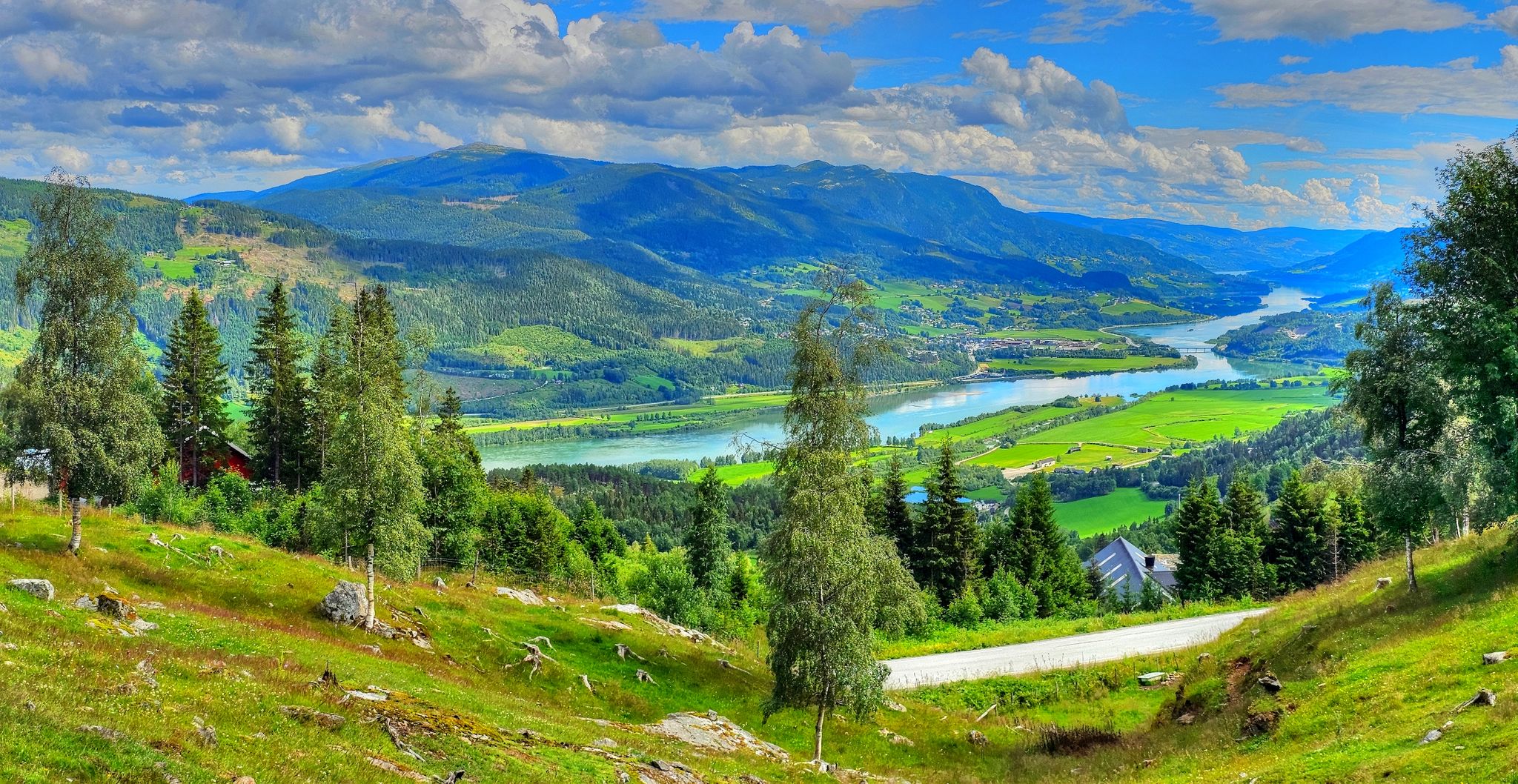
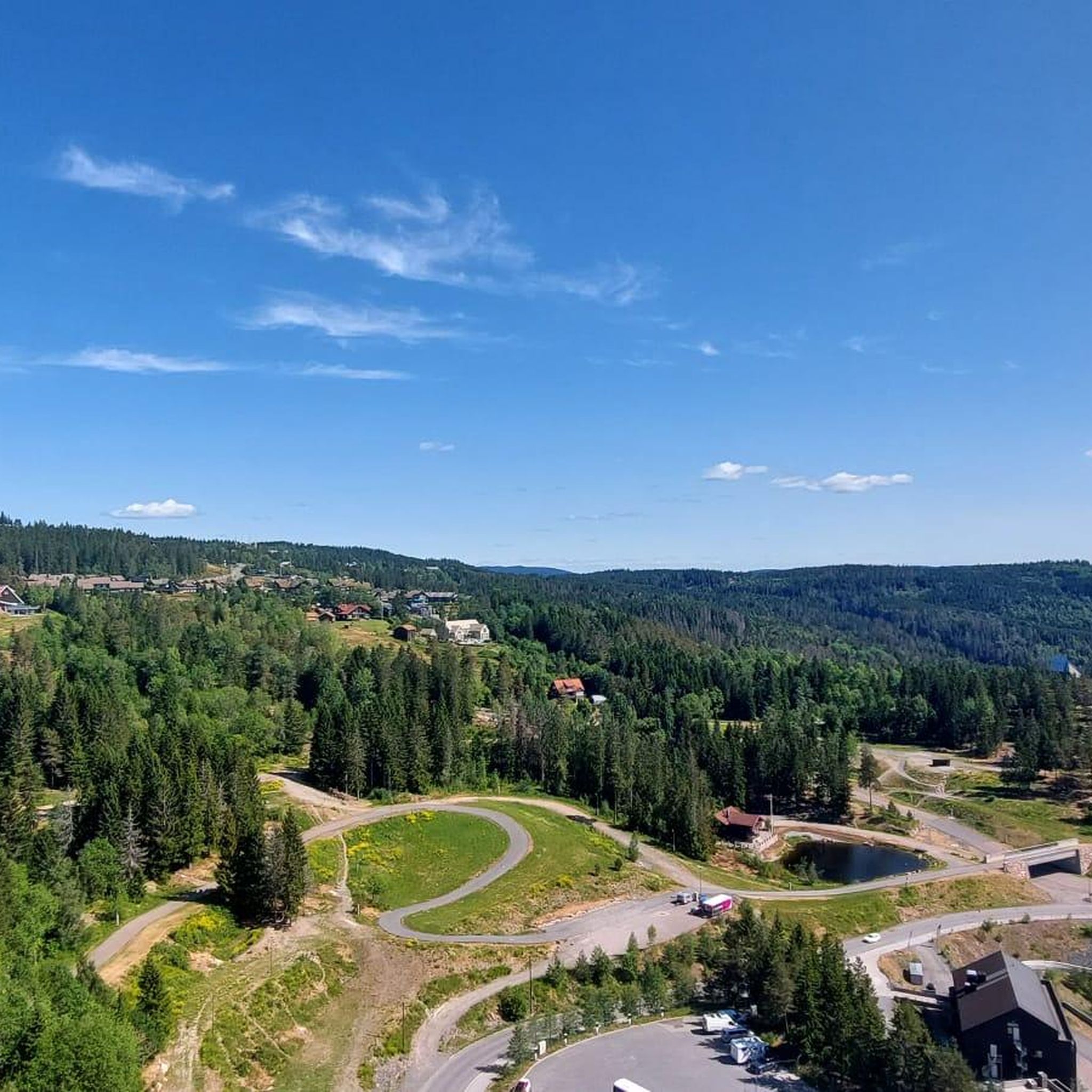
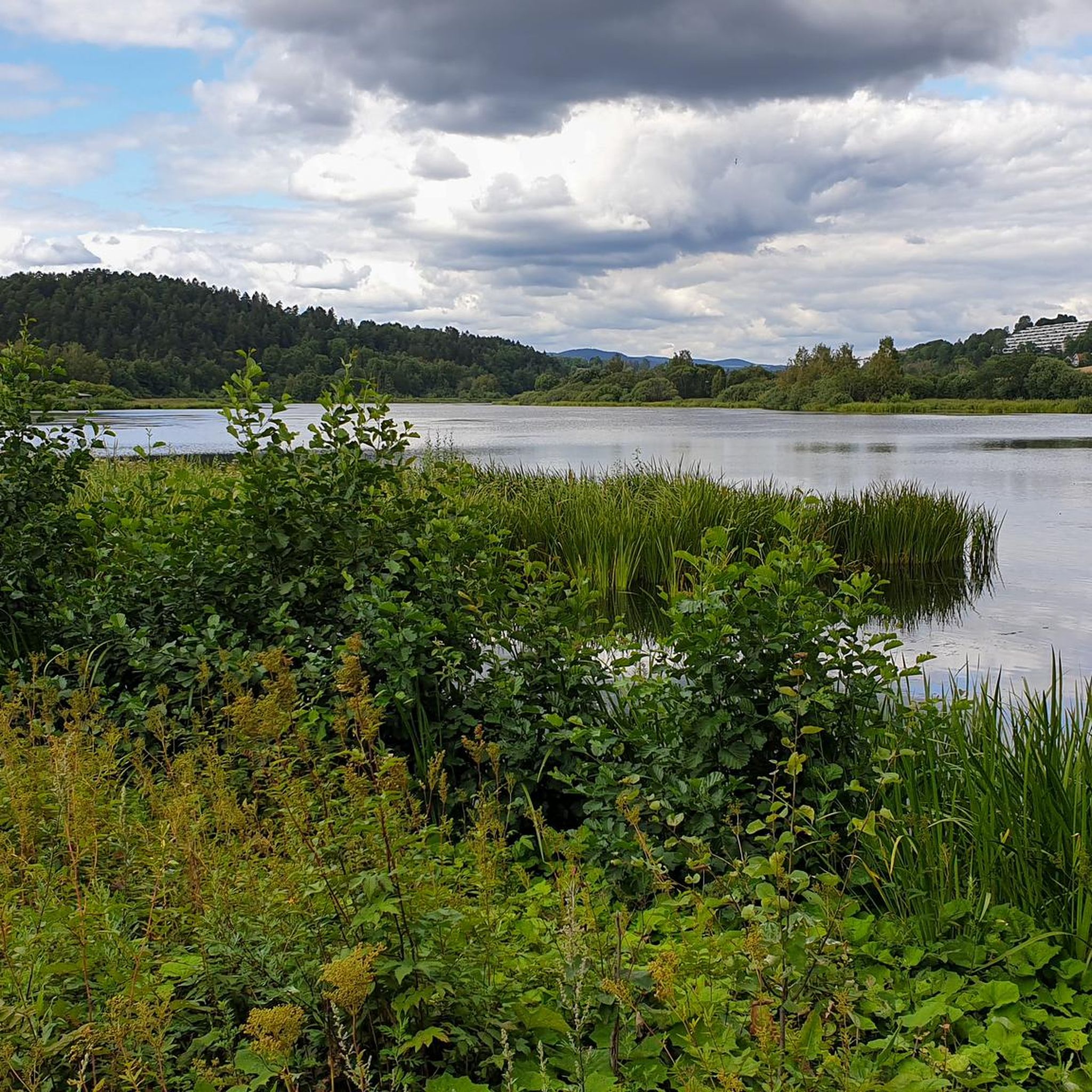
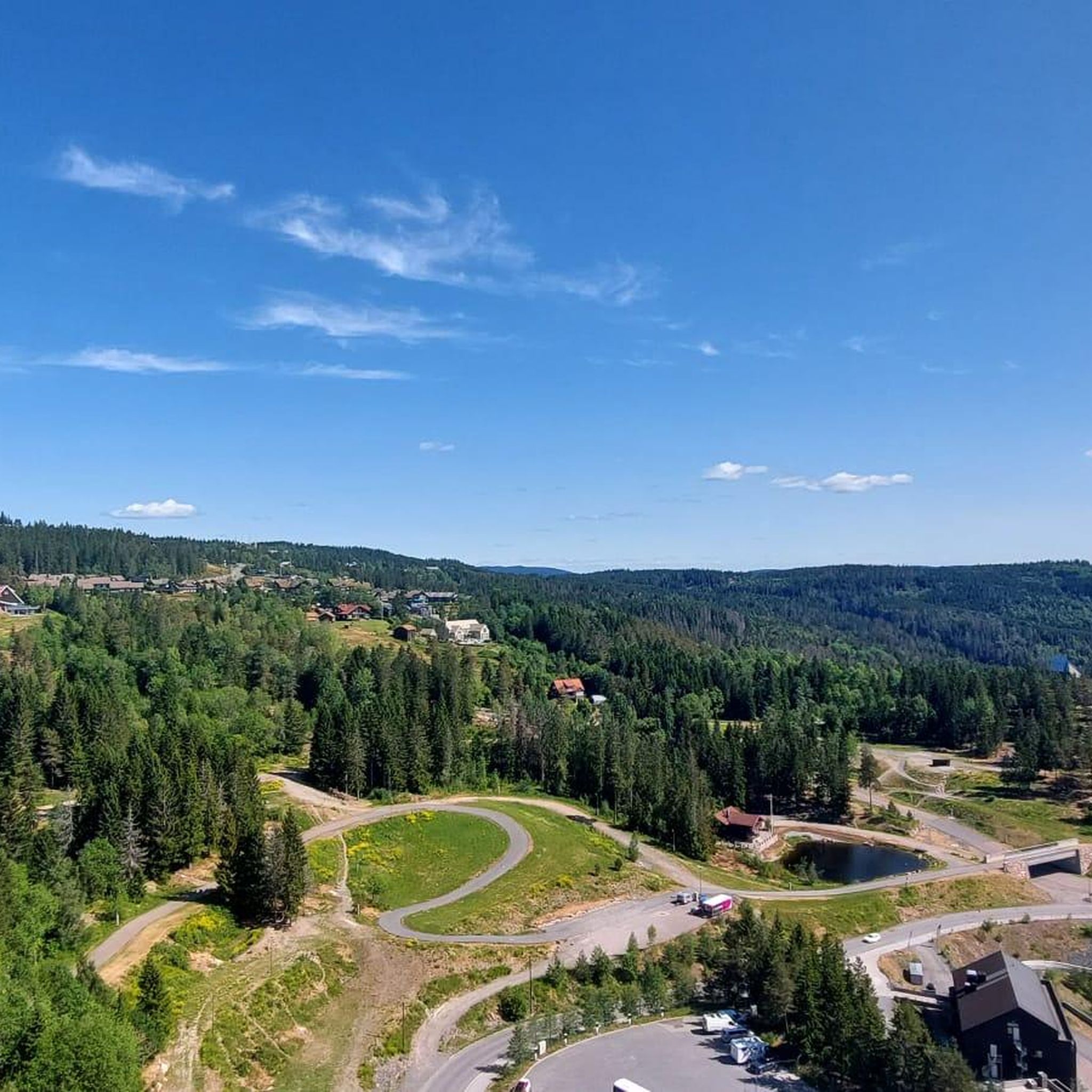
Touring cycling routes around Oslo traverse a landscape characterized by extensive forests, numerous lakes, and the Oslofjord. The region features a mix of urban-accessible natural areas and more remote wilderness. Terrain includes varied elevations, from coastal paths along the fjord to hilly forest tracks in areas like Nordmarka. The city's surroundings offer diverse cycling environments, from paved routes to gravel paths.
Best touring cycling routes around Oslo
- The most popular touring cycling route is Frognerseteren to Sognsvann Trail, an easy 9.2 miles (14.8 km) trail that takes 1 hour 5 minutes to complete. This route connects two popular outdoor areas through forest terrain.
- Another top favourite among local touring cyclists is Huk Beach – Huk Beach loop from Oslo S, a difficult 24.7 miles (39.8 km) path. This loop offers coastal views and passes through the Bygdøy Peninsula.
- Local touring cyclists also love the Rapids on the Skjærsjøelva – Skjærsjø Dam loop from Snippen, a 12.1 miles (19.5 km) trail leading through forest and past a dam, often completed in about 1 hour 31 minutes.
- Touring cycling around Oslo is defined by the Oslofjord's coastal paths, the extensive Nordmarka forest, and numerous lakes. The network offers options for different ability levels, from easy city-adjacent routes to challenging forest tracks.
- The routes in Oslo are highly rated by the komoot community with an average score of 4.5 stars from over 500 reviews. More than 14,000 touring cyclists have used komoot to explore Oslo's varied terrain.
Last updated: May 3, 2026
4.8
(14)
644
riders
48.1km
04:00
660m
660m
Hard bike ride. Very good fitness required. Mostly paved surfaces. Suitable for all skill levels.
8
riders
14.8km
01:05
130m
390m
Cycle 9.2 miles (14.8 km) through Nordmarka forest from Frognerseteren to Sognsvann, enjoying lakes and panoramic views on this easy route.

Sign up for free
1,067
riders
19.5km
01:29
300m
300m
Moderate bike ride. Good fitness required. Mostly paved surfaces. Suitable for all skill levels.
4.1
(22)
234
riders
110km
06:45
900m
900m
Hard bike ride. Very good fitness required. Mostly paved surfaces. Suitable for all skill levels.
4.9
(73)
320
riders
39.8km
02:51
640m
640m
Hard bike ride. Very good fitness required. Mostly paved surfaces. Suitable for all skill levels.
Get access to more routes and recommendations from other explorers.
Sign up for free
Already have an account?
Our route recommendations are based on thousands of hikes, rides, and runs completed by other people on komoot.
Start today with a free account
Your next adventure awaits.
Login or Signup



Tips from the Community


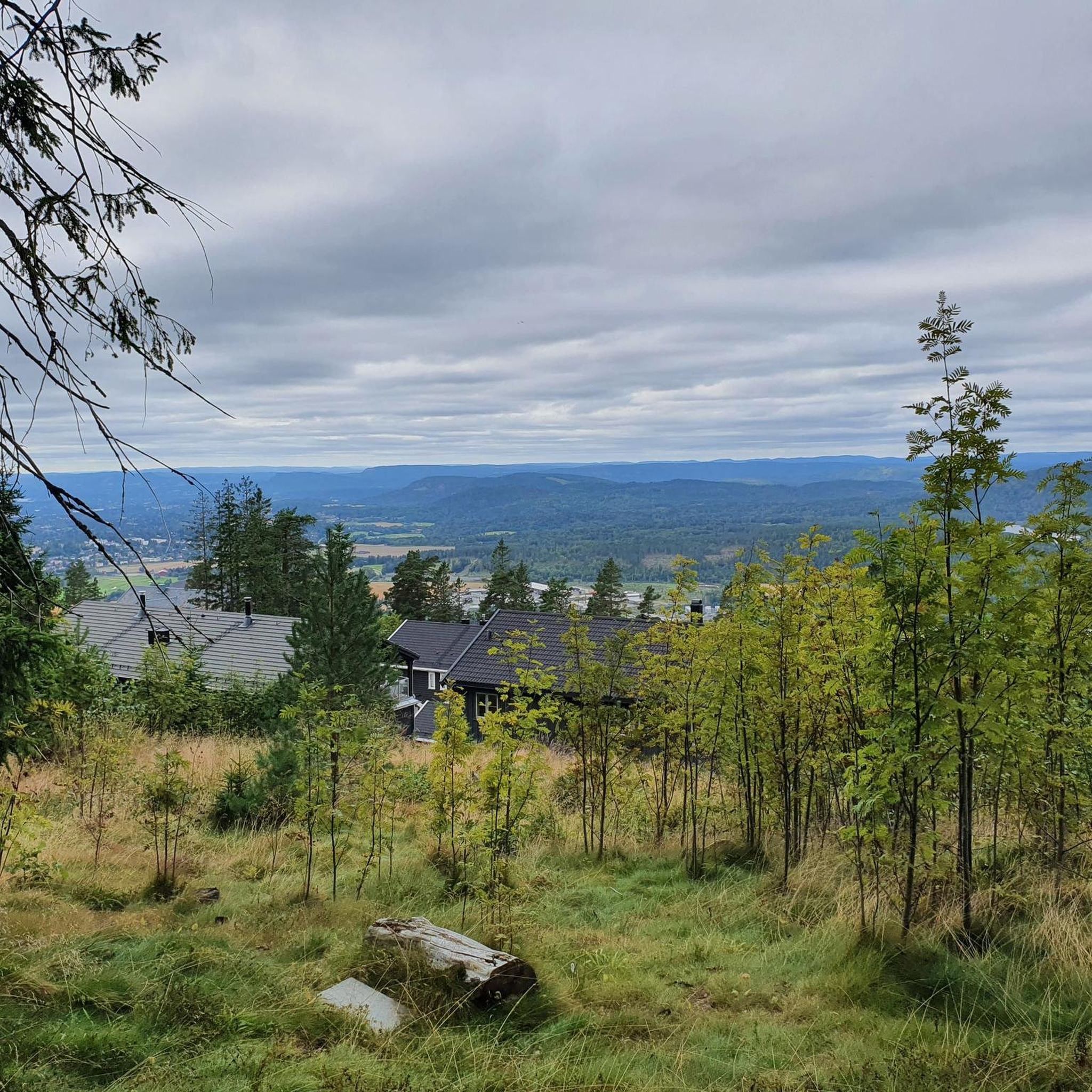
It's a treat to walk on this inviting forest path, surrounded by the greenery of trees. Be careful, there are also some cyclists on the path.
0
0


Såner Church is a modern striking looking church. it was built in 2000 after its predecessor (from 1880) was tragically destroyed by fire in 1995. The quiet surrounding cemetery provides a practical bonus where you can fill up your water bottle before continuing your journey.
1
0

The Bygdo Sobad bathhouse was opened on June 6, 1880, as an extension of the public park of Bygde Royal Manor. Since the end of the 9th century, bathing in seawater had been considered beneficial to health. A facility where men and women could bathe separately enabled bathing with a certain degree of decorum. A restaurant where guests could enjoy refreshments was opened, featuring outdoor dining and drinking areas, terraces, walls, and attractive planting. The sidewalks were improved, and a new road to Bygdoy Sjöbad was built. Wharves were constructed, and a boat connection to the city was established. Regular steamboat connections to Bygdoy Sjöbad operated during the season. Around 1900, the entertainment offerings expanded to include music and cabaret. Every summer, the most popular artists of the time performed on the open-air stage. As the 20th century progressed, the inner Oslofjord became increasingly polluted, and the desire to swim in the sea declined. With the rise of rock music in the 1950s, the bathing area experienced a renaissance. In the early 1960s, the quay was converted into a small boat harbor. By this time, the buildings were outdated, and the bathing facilities were demolished. Bygdøy Sjøbad is surrounded by a rugged, calcareous pine forest, and lush vegetation grows on the beach cliffs. Behind the beach, Hukgangen forms a prominent mountain ridge called Halsen. Hukgangen is formed by volcanic lava that flowed from the seabed during the Permian period 270 million years ago. The beach promenade and the beach itself were modernized in 2008. The beach areas are managed by Statsbygg, which, in cooperation with the Norwegian Folk Museum, manages Bygdø Royal Manor on behalf of the Norwegian government.
0
0

Created around 1928 and installed in 1940, it stands about one meter high and has become an iconic symbol of Oslo, similar to Copenhagen's Little Mermaid or Brussels' Manneken Pis. The sculpture was originally called "Screaming Boy" but gained its current nickname in the 1940s and has since become a beloved tourist attraction and popular postcard motif.
2
0
Vigeland first sketched this design as early as 1901, and his son later made unauthorized copies of an earlier version, creating additional "junior casts" of the famous figure.
2
0
Frequently Asked Questions
How many touring cycling routes are available around Oslo?
Oslo offers a wide variety of touring cycling routes, with over 460 options available on komoot. These routes cater to different skill levels, from easy paths to more challenging, long-distance tours through varied terrain.
What is the best time of year for touring cycling in Oslo?
The best time for touring cycling in Oslo is generally from spring through autumn. Spring offers fresh greenery, while summer provides long daylight hours and pleasant temperatures. Autumn brings beautiful fall foliage, especially in areas like Nordmarka. Winter conditions can be challenging due to snow and ice, making many routes less suitable for touring bikes.
What makes Oslo an exceptional destination for touring cyclists?
Oslo stands out due to its unique blend of urban accessibility and vast natural landscapes. Cyclists can easily transition from the city center to extensive forests like Nordmarka, numerous lakes, and the stunning Oslofjord. This provides a diverse range of cycling environments, from coastal paths to hilly forest tracks, often accessible by public transport.
Are there easy touring cycling routes suitable for beginners in Oslo?
Yes, Oslo offers many easy touring cycling routes perfect for beginners. For instance, the Frognerseteren to Sognsvann Trail is an easy 9.2-mile (14.8 km) route connecting two popular outdoor areas through forest terrain. There are 59 easy routes available on komoot, providing plenty of gentle options.
Can I find challenging, long-distance touring cycling routes near Oslo?
Absolutely. For those seeking a challenge, Oslo has 165 difficult touring cycling routes. An example is the Gamle Mosseveien – Old railway bridge loop from Rosenholm, which spans over 68 miles (109 km) and features significant elevation changes. The Nordmarka forest also offers extensive gravel roads suitable for multi-day touring with options for wild camping or cabin stays.
Are there circular touring cycling routes available in the Oslo area?
Yes, many touring cycling routes around Oslo are designed as loops, allowing you to start and end at the same point. The Huk Beach – Huk Beach loop from Oslo S is a popular 24.7-mile (39.8 km) option that offers coastal views and passes through the Bygdøy Peninsula. Another is the Rapids on the Skjærsjøelva – Skjærsjø Dam loop from Snippen, a 12.1-mile (19.5 km) trail through the forest.
What kind of scenic views can I expect on touring cycling routes around Oslo?
Touring cycling routes in Oslo offer diverse scenic views. You can expect stunning coastal vistas along the Oslofjord, dense pine forests in Nordmarka, and picturesque landscapes around numerous lakes like Sognsvann and Maridalsvannet. Routes often combine these elements, providing a rich visual experience.
Are there any notable landmarks or attractions I can visit along touring cycling routes in Oslo?
Many routes pass by or are close to significant landmarks and natural attractions. You can cycle past the Royal Palace, the modern Oslo Opera House Waterfront, or explore the historic Oslo Harbour and Pipervika Bay. For nature lovers, routes often lead to beautiful spots like Sognsvann Bathing Area or Hvervenbukta Beach.
Are there any touring cycling routes in Oslo that feature waterfalls?
Yes, the Akerselva River, which flows through Oslo, features several picturesque waterfalls and offers a pleasant recreational area. While not a specific touring cycling route in our guide, many city-adjacent cycling paths allow you to explore sections of this river and its cascades.
Can I access touring cycling routes using public transport in Oslo?
Oslo's public transportation system is excellent for accessing various starting points for cycling adventures. You can take the metro to trailheads in areas like Nordmarka or use ferries to reach the accessible islands in the Oslofjord, making it convenient to combine urban exploration with nature experiences.
Are there family-friendly touring cycling routes near Oslo?
Yes, Oslo offers several family-friendly cycling routes. Many of the easier, paved paths along the fjord or around the city's lakes are suitable for families. These routes often have gentle gradients and provide opportunities for breaks at beaches or picnic spots.
What do other touring cyclists enjoy the most about touring cycling in Oslo?
The touring cycling routes in Oslo are highly rated by the komoot community, with an average score of 4.5 stars from over 500 reviews. Reviewers often praise the seamless blend of city and nature, the well-maintained paths, and the stunning variety of landscapes, from the tranquil forests of Nordmarka to the scenic coastal views of the Oslofjord.
Are there cafes or places to stop for refreshments along the touring cycling routes?
Yes, many touring cycling routes, especially those in popular areas like Nordmarka or along the Oslofjord, feature forest cafés (known as 'markastuer') or charming coastal eateries. These provide excellent opportunities for a well-deserved break and refreshments during your ride.
Most popular attractions around Oslo

Get inspired with the komoot mobile app


