The best walks and hikes in Utah
4.7
(9719)
120,463
hikers
2,138
hikes
Hiking in Utah offers diverse terrain, from arid desert landscapes to lush alpine forests and towering mountain ranges. The region is characterized by unique geological formations, including red rock canyons, mesas, arches, and hoodoos. Extensive trail networks traverse its numerous national parks, state parks, and wilderness areas. This varied topography provides a wide range of hiking experiences across the state.
Best hiking trails in Utah
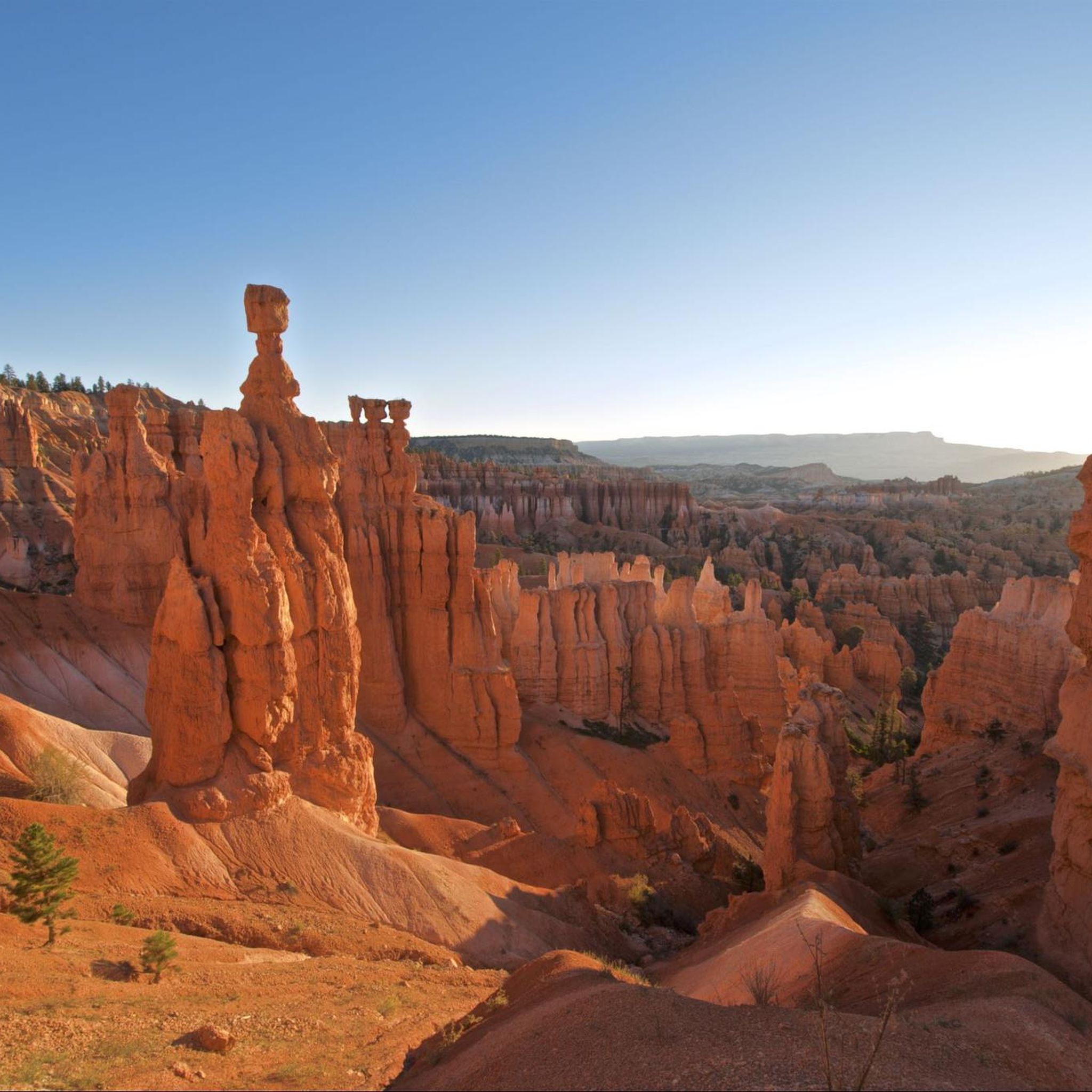
- The most popular hiking route is Navajo and Queen's Garden Loop — Bryce Canyon National Park, an easy 3.3 miles (5.3 km) trail that takes 1 hour 37 minutes to complete. This route offers views of the unique hoodoos and amphitheater.
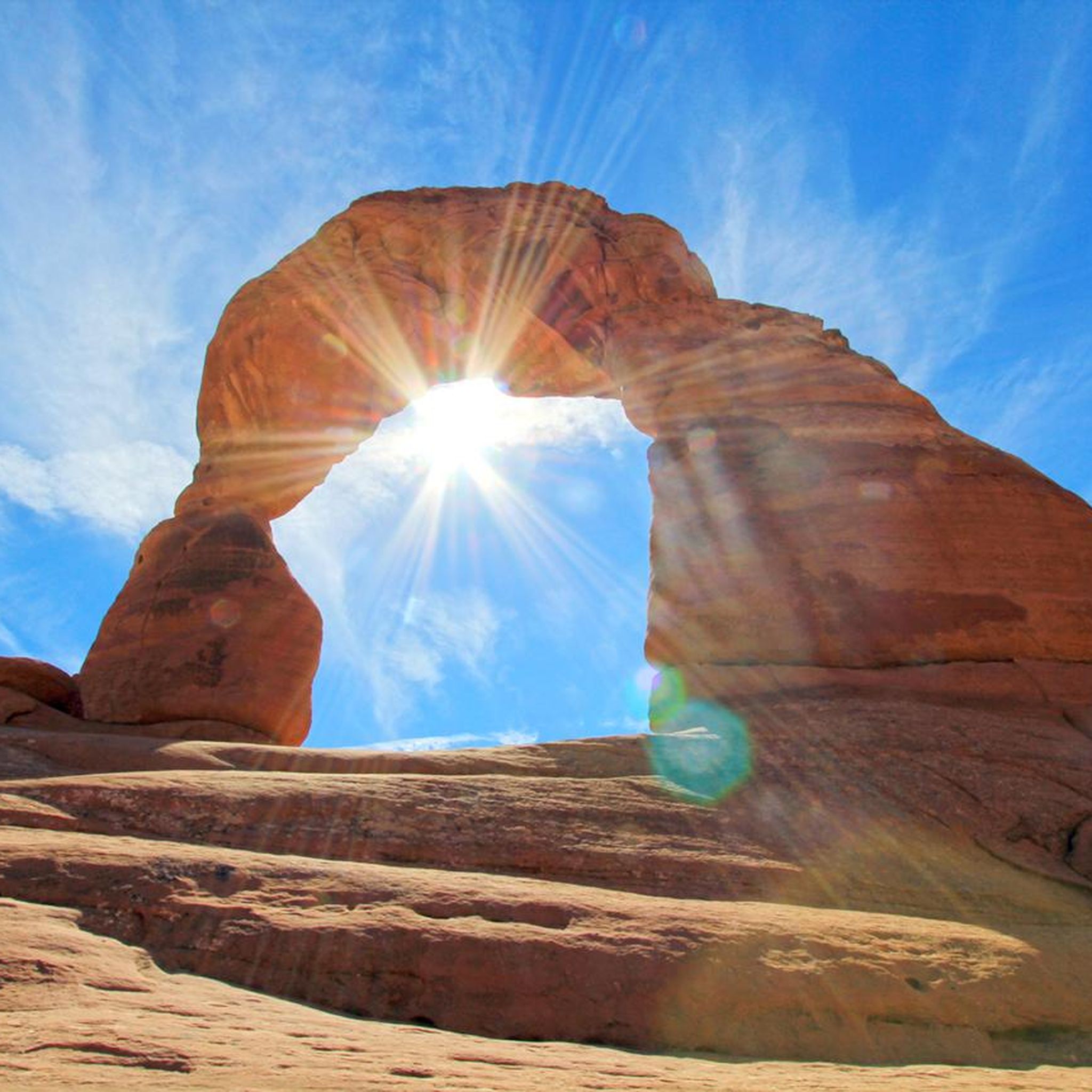
- Another top favourite among local hikers is Delicate Arch from Wolfe Ranch — Arches National Park, a moderate 3.3 miles (5.3 km) path. It is known for its iconic natural arch within a desert landscape.
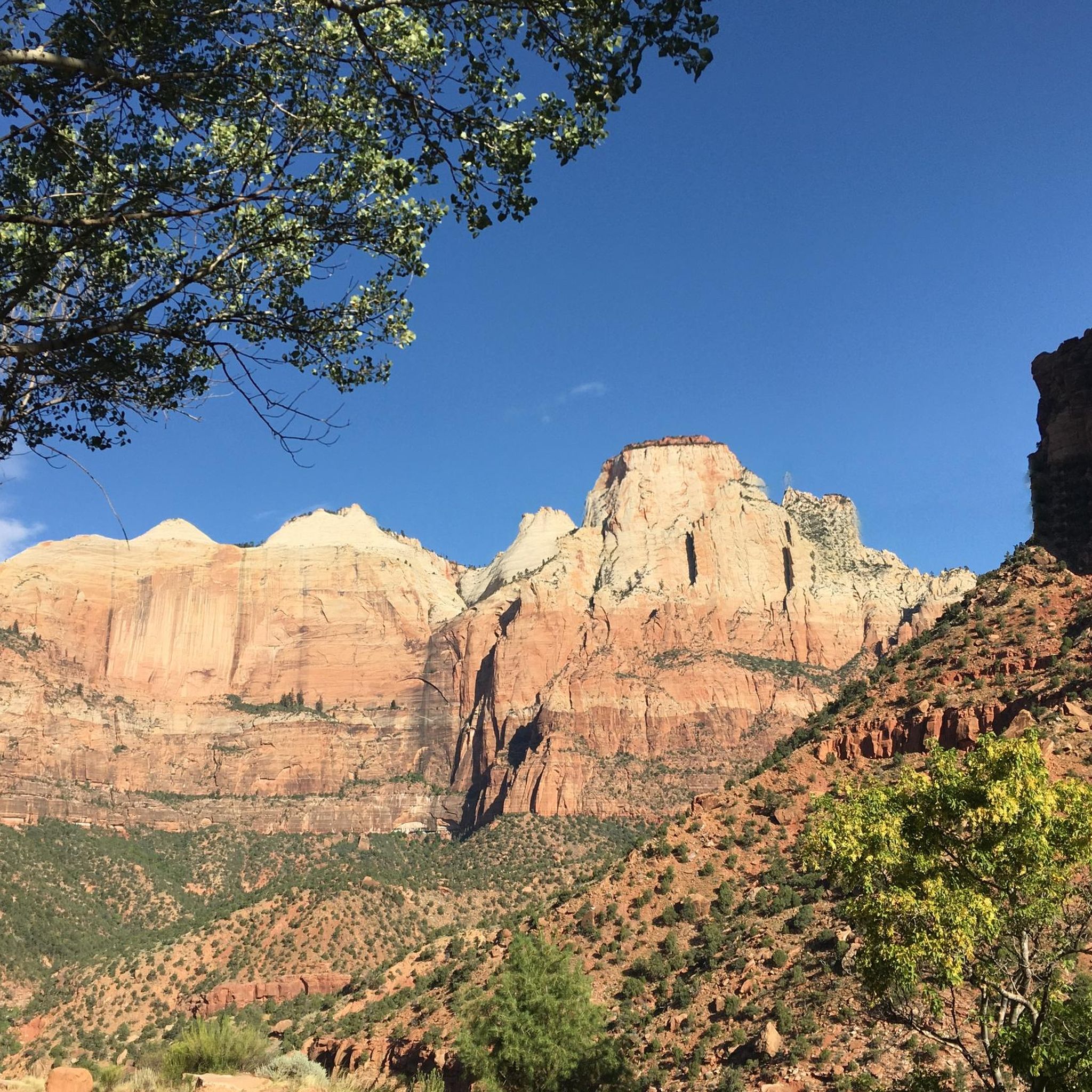
- Local hikers also love the West Rim Trail to Angels Landing — Zion National Park, a 4.5 miles (7.2 km) trail leading through steep canyon walls to panoramic viewpoints, often completed in about 3 hours 41 minutes.
- Hiking in Utah is defined by red rock canyons, alpine forests, and unique geological formations like arches and hoodoos. The extensive network of trails offers options for various ability levels.
- The routes in Utah are highly rated by the komoot community with an average score of 4.7 stars from over 8,400 reviews. More than 105,000 hikers have used komoot to explore Utah's varied terrain.
Last updated: August 4, 2026
4.9
(729)
6,395
hikers
5.34km
01:37
190m
190m
The Queen's Garden and Navajo Loop Trail offers an immersive journey into the heart of Bryce Canyon's iconic amphitheater, winding among thousands of unique hoodoo formations. You'll descend into a landscape of vibrant orange and pink spires, getting up close to famous landmarks like Thor’s Hammer and the delicate Queen's Garden Hoodoos. The trail provides a constant visual feast, making it one of the most rewarding easy hikes in the park.
This popular route is an easy 3.3-mile (5.3 km) loop with 609 feet (186 metres) of elevation gain, typically taking about 1 hour and 37 minutes to complete. To make the most of your visit, aim to start early in the morning or later in the afternoon to avoid crowds and enjoy cooler temperatures. Parking at the trailhead can fill up quickly, so arriving early is key for a smooth start to your adventure.
As one of Bryce Canyon National Park's signature trails, this loop is an excellent introduction to the park's unique geology and offers a fantastic opportunity for photography. It's a family-friendly option that provides a deep dive into the canyon's features without requiring advanced hiking skills. Consider combining it with other viewpoints along the rim for a full day of exploration.
4.9
(366)
4,836
hikers
7.20km
03:41
530m
530m
The Angels Landing Trail is a truly unique and difficult hike in Zion National Park, offering an exhilarating journey to one of the park's most spectacular viewpoints. This 4.5-mile (7.2 km) route involves a significant 1737 feet (530 metres) of elevation gain, typically taking about 3 hours and 41 minutes. You'll navigate challenging terrain, including the famous Walter's Wiggles switchbacks and an exposed final ascent to the Angels Landing summit, where chains are bolted into the rock to assist hikers.
Planning your visit requires careful attention to the Angels Landing Trail permit system; permits are mandatory to hike past Scout Lookout and are secured through a lottery on Recreation.gov. Given the extreme exposure and narrow path, avoid hiking during wet weather, storms, or high winds, as conditions can become very dangerous. The trail is not suitable for those with a fear of heights or young children, and it's best to start early from the Grotto trailhead.
What makes Angels Landing so notable is its iconic chain section, an impressive engineering feat first installed in 1926, providing stability on the final, thrilling push to the 5,790-foot (1,760 m) summit. From the top, you're rewarded with a breathtaking 360-degree panorama of Zion Canyon's rugged spires and ancient rock layers. This hike is a true test of physical and mental fortitude, offering an unparalleled adventure for experienced hikers.

Sign up for free
4.9
(315)
5,305
hikers
5.28km
01:56
170m
170m
The Delicate Arch Trail offers an unforgettable journey through Arches National Park's dramatic red rock landscape, leading to Utah's most iconic natural arch. You'll navigate a varied terrain, starting on a relatively flat path before ascending a steep, exposed slickrock slope marked by cairns, with stunning panoramic views unfolding around you. The route winds through desert scrub, sandstone fins, and spires, eventually revealing the magnificent Delicate Arch, often framed by the nearby Frame Arch.
Planning your visit requires careful consideration of the elements. This 3.3-mile (5.3 km) hike, with 544 feet (166 metres) of elevation gain and an estimated duration of 1 hour and 55 minutes, is rated moderate but can feel strenuous due to the lack of shade and significant climb. In summer, temperatures often exceed 100 degrees Fahrenheit, necessitating early morning or late afternoon starts and plenty of water. Winter hikers should be prepared for ice and snow on steep sections, requiring traction devices.
Delicate Arch is not just a geological wonder; it's a symbol of Utah, standing 46 feet high and 32 feet wide. Along the trail, you'll also encounter historical landmarks like the Wolfe Ranch cabin and ancient Ute Indian petroglyphs, adding cultural depth to the natural beauty. The trail culminates in a natural amphitheater where you can admire the arch, making it a truly rewarding experience despite its popularity.
4.9
(49)
953
hikers
1.71km
00:29
30m
30m
The Canyon Overlook Trail offers an incredible effort-to-reward ratio, guiding you through diverse terrain carved into sandstone walls. You will encounter rocky sections, slickrock, and even a hidden alcove with ferns, all leading to the breathtaking Canyon Overlook Viewpoint. This easy 1.1-mile (1.7 km) hike, with just 108 feet (33 metres) of elevation gain, takes around 28 minutes, providing panoramic views of Zion Canyon's iconic formations like the Towers of the Virgin and West Temple.
Planning your visit is straightforward, as the trailhead is accessible by private vehicle on Highway 9, just east of the Zion-Mount Carmel Tunnel, meaning no shuttle is required. While it is a family-friendly route, be mindful of some exposed drop-offs, though many are protected by railings. For the best experience and photography, aim to hike during sunrise or sunset, and wear appropriate footwear for the varied terrain.
This trail is celebrated for its spectacular views without requiring an arduous climb, making it one of the most popular trails and routes in Zion. Keep an eye out for bighorn sheep along the way, and enjoy unique features like boardwalks and a narrow bridge suspended over the Pine Creek Narrows. The viewpoint also offers a unique perspective of the historic Zion-Mt. Carmel Highway and tunnel below.
4.6
(66)
1,154
hikers
3.18km
01:06
150m
160m
If you're seeking a truly immersive experience into Zion's lush canyon environment, the Riverside Walk delivers. This moderate 2.0-mile (3.2 km) hike, with just 484 feet (147 metres) of elevation gain, guides you along the Virgin River, surrounded by towering red rock mountains and vibrant hanging gardens. Expect to spend about 1 hour and 5 minutes soaking in the dramatic scenery, where the canyon walls seem to close in around you, creating a unique, verdant corridor.
Accessing the Riverside Walk is straightforward, as its trailhead is at the Temple of Sinawava, the last stop on the park shuttle, where you'll also find restrooms and water. The path is mostly paved and flat, making it a fantastic family hiking trail suitable for strollers and wheelchairs, though some sections can be uneven or sandy. For a quieter experience, consider visiting in the late afternoon or early evening, and remember that warmer months are perfect for dipping your toes in the river.
This trail is not just a scenic stroll; it's also the famous gateway to The Narrows, offering a glimpse into one of Zion's most iconic adventures. Along the route, interpretive exhibits explain the canyon's geology and ecology, and you might even spot wildlife like mule deer or wild turkeys. It's a highly accessible and rewarding way to experience the natural features and unique ecosystem of Zion National Park.
4.9
(244)
2,368
hikers
11.2km
03:37
200m
200m
Embark on the Devil's Garden Primitive Trail Loop, a moderate 7.0 miles (11.2 km) hike that guides you through a landscape sculpted by time. You will navigate towering sandstone fins and traverse slickrock sections, gaining about 640 feet (195 metres) in elevation. This route offers an intimate encounter with Arches National Park's unique geology, taking approximately 3 hours and 37 minutes to complete.
When planning your visit, be aware that parts of the trail are primitive, requiring some scrambling over rock surfaces. It is crucial to wear sturdy hiking shoes with good grip, as the sandstone can be slick, especially after rain. Always carry ample water, particularly during warmer months, to stay hydrated throughout your journey. The park can get busy, so an early start often provides a more serene experience.
This trail is renowned for its exceptional concentration of natural arches, showcasing some of the park's most iconic formations. Beyond the more accessible sections, the route delves into a rugged, less-traveled area, offering a sense of adventure and discovery. It provides a deeper exploration into the geological wonders that make Arches National Park a truly special destination.
4.7
(161)
2,293
hikers
5.89km
01:53
240m
240m
The Watchman Trail offers a fantastic journey through Zion's diverse landscape, starting with lush vegetation along the Virgin River before ascending into desert terrain. As you climb, you'll encounter a mix of sandy, rocky, and firm paths, with switchbacks leading to breathtaking panoramic views of the iconic Watchman Peak, Temples and Towers, and the winding Virgin River. The trail culminates at a superb viewpoint, providing an excellent perspective of the canyon's geological wonders without reaching the spire's summit.
This easy 3.7-mile (5.9 km) hiking route, with 795 feet (242 metres) of elevation gain, typically takes about 1 hour and 52 minutes to complete. Its convenient location near the Zion Canyon Visitor Center means no shuttle is required, making access straightforward. Due to significant sun exposure, especially in summer, it's best to start your hike in the early morning or late afternoon, and always carry ample water.
Often overlooked in favor of more famous trails, the Watchman Trail provides a less crowded alternative for experiencing Zion's grandeur. It's particularly well-suited for first-time visitors or those with limited time, offering a rewarding experience that showcases the lower Zion Canyon and the town of Springdale from above. This trail is a great way to get a taste of the park's stunning vistas and unique desert flora.
4.8
(71)
728
hikers
4.26km
01:14
60m
190m
The Watchman Trail offers a classic Zion experience, winding through desert scrub and rocky terrain to reveal breathtaking canyon views. You'll traverse unpaved paths, encountering firm soil and some moderate steps as you climb, with prickly pear cactus and hardy shrubs lining the way. The route culminates in a spectacular overlook, providing sweeping vistas of Zion Canyon, the Virgin River, and the iconic Watchman Peak, making it a truly rewarding journey.
This easy 2.6-mile (4.3 km) out-and-back hike involves a manageable 183 feet (56 metres) of elevation gain, typically taking about 1 hour and 14 minutes. The trailhead is conveniently located right by the Zion Canyon Visitor Center, meaning no shuttle is required to access it, which is a huge plus for planning. It's a family-friendly option, though the trail is exposed to the sun, so plan for an early start or late afternoon hike to avoid the midday heat and enjoy the best light.
What makes the Watchman Trail particularly notable is its ability to deliver stunning Zion panoramas without the crowds often found on more strenuous trails. It's an excellent introduction to the park's grandeur, perfect for those with limited time or seeking a less demanding adventure. Keep an eye out for the elusive Crawford Arch high on a remote cliffside, a hidden gem that adds another layer of interest to this already scenic route.
4.9
(82)
607
hikers
8.23km
02:30
260m
320m
Hike the Peekaboo, Tropic, Queen's Garden, and Rim Trail (Bryce Traverse) for a moderate 5.1-mile journey through Bryce Canyon's hoodoos.
4.9
(186)
1,547
hikers
12.7km
03:45
380m
380m
Hike the 7.9-mile Fairyland Loop Trail in Bryce Canyon National Park for immersive views of hoodoos and unique rock formations.
Get access to more routes and recommendations from other explorers.
Sign up for free
Already have an account?
Our route recommendations are based on thousands of hikes, rides, and runs completed by other people on komoot.
Start today with a free account
Your next adventure awaits.
Login or Signup
Other adventures in Utah


Tips from the Community

The light at sunset is beautiful. But beware, you have to be there at least 30 minutes before the official sunset time, otherwise you will miss the sunset... due to a rock, Delicate Arch is in shadow earlier than indicated in the sunset time apps.
0
0

A stunningly beautiful hike in Bryce Canyon. The Navajo Peekaboo Loop is a popular and challenging hike in Bryce Canyon National Park, connecting two of the most famous trails in the Bryce Amphitheater. Impressive, narrow switchbacks lead steeply down into the canyon and past rock formations with imaginative names like Thor's Hammer and Wall Street.
0
0
A unique and scenic hike that's definitely worth doing. However, the path isn't always easy, and you'll need to be a good walker.
0
0
The Navajo Arch is located at the end of the Devil Gardens Trail. The path there is not easy and leads over slickrock, among other things. The arch is very impressive and somewhat hidden.
0
0
Another impressive sandstone arch in Devils Garden.
0
0
Pine Tree Arch is located on the Devils Garden Trail. You have to take a short detour from the main trail to reach it.
0
0
The Devil's Garden Trail is the longest and most arched hiking trail in Arches National Park and is considered one of its main highlights. The trail is highly varied and leads through dramatic scenery.
0
0
The Devil's Garden Trail is the longest and most arched hiking trail in Arches National Park and is considered one of its main highlights. The trail is highly varied and leads through a dramatic landscape of towering sandstone "fins," requiring some climbing and a head for heights. The trail accesses the largest concentration of natural stone arches in the park. The first section is a wide, well-maintained trail and leads directly to Landscape Arch, the longest arch in North America.
0
0
More Information
FAQs about hikes in Utah
- When is the best time to go hiking in Utah?
While hiking is possible year-round, the most popular seasons for hiking in Utah are spring and fall, when temperatures are milder. Summer can be very hot, especially in the desert national parks, while winter brings snow to higher elevations, offering different challenges. - What are the general difficulty levels for hikes in Utah?
Hikes in Utah range from easy, beginner-friendly paths requiring minimal fitness to difficult, challenging routes demanding very good fitness, sure-footedness, and alpine experience. Most trails are easily accessible, but some feature rugged terrain. - Which national parks in Utah offer popular hiking trails?
Utah is home to several iconic national parks, including Bryce Canyon National Park, Arches National Park, and Zion National Park, all of which feature highly popular and well-rated hiking trails on komoot. - What is considered the most popular hike in Utah?
The most popular hike in Utah is the Navajo and Queen's Garden Loop — Bryce Canyon National Park. It's an easy 5.34 km route that typically takes around 1 hour and 37 minutes to complete. - Are there any easy hikes suitable for beginners in Utah?
Yes, Utah offers many easy hikes perfect for beginners or those seeking a relaxed outing. Examples include the Navajo and Queen's Garden Loop in Bryce Canyon National Park and Watchman Trail in Zion National Park, both noted for their accessibility. - What is the longest hike listed in Utah?
The longest hike listed in Utah is the Fairyland Loop Trail — Bryce Canyon National Park, spanning 12.7 km and taking approximately 3 hours and 45 minutes. - What is the shortest hike available in Utah?
The shortest hike listed in Utah is the Landscape Arch from Devils Garden — Arches National Park, which is 3.88 km long and can be completed in about 1 hour and 2 minutes. - What type of terrain can I expect on Utah's hiking trails?
Utah's hiking trails feature a diverse range of terrain, from paved and unpaved paths to natural and alpine surfaces, especially within its national parks. Some routes may also include gravel sections. - How many total hikes are available in Utah on Komoot?
Komoot features a comprehensive collection of 1,456 hikes in Utah, covering a wide range of difficulties and scenic areas. - What is the average rating for hikes in Utah on Komoot?
Hikes in Utah on Komoot have an excellent average rating of 4.7 out of 5, based on thousands of community reviews, indicating a high level of satisfaction among explorers.
Frequently Asked Questions
How many hiking trails are available in Utah?
Utah offers an extensive network of over 1,400 hiking routes. These trails traverse diverse landscapes, from arid desert vistas to lush alpine forests and towering mountain peaks, providing options for all skill levels.
What kind of terrain can I expect when hiking in Utah?
Utah's terrain is incredibly diverse. You can expect to encounter iconic red rock country with canyons, mesas, arches, and hoodoos, particularly in the southern parts of the state. Further north, the Uinta and Wasatch Mountains offer alpine environments with lush forests, high peaks, and numerous lakes.
Are there easy hiking trails suitable for beginners or families in Utah?
Yes, Utah has many easy trails perfect for beginners and families. For example, the Navajo and Queen's Garden Loop — Bryce Canyon National Park is an easy 3.3-mile trail offering stunning views of hoodoos. Another great option is the Emerald Pools loop — Zion National Park, which is an easy 3-mile hike featuring waterfalls and pools.
Can I find challenging or advanced hikes in Utah?
Absolutely. Utah is home to many challenging routes for experienced hikers. The West Rim Trail to Angels Landing — Zion National Park is a difficult 4.5-mile trail known for its steep ascents and panoramic viewpoints. Other demanding trails can be found in the Uinta and Wasatch Mountains, offering significant elevation gains and rugged terrain.
What are some notable natural landmarks or attractions I can see on Utah's trails?
Utah's trails lead to many spectacular natural landmarks. You can see the famous Delicate Arch on the Delicate Arch from Wolfe Ranch — Arches National Park trail. In Bryce Canyon, trails like the Navajo and Queen's Garden Loop immerse you in a landscape of unique hoodoos, including Thor’s Hammer. Zion National Park offers views of iconic formations like Angels Landing and the Sunset Point viewpoint.
Are there any circular hiking routes in Utah?
Yes, many trails in Utah are designed as loops, allowing you to experience diverse scenery without retracing your steps. Examples include the Navajo and Queen's Garden Loop in Bryce Canyon and the Fairyland Loop Trail, also in Bryce Canyon, which offers a longer, moderate circular experience.
Are dogs allowed on hiking trails in Utah?
Dog policies vary significantly across Utah's hiking areas. While many national parks have strict rules limiting dogs to paved roads and campgrounds, state parks and national forests often offer more dog-friendly options. Always check specific park regulations before bringing your dog on a trail.
What is the best time of year to go hiking in Utah?
The best time to hike in Utah depends on the region and elevation. Spring (April-May) and Fall (September-October) generally offer pleasant temperatures for hiking in the southern red rock areas like Zion and Arches. Summer (June-August) is ideal for higher-elevation trails in the Uinta and Wasatch Mountains, where temperatures are cooler. Winter hiking is possible in lower elevations, but requires preparation for snow and ice.
Do I need permits for hiking in Utah's national parks?
Yes, permits are required for certain popular trails and activities within Utah's national parks, especially for challenging routes like Angels Landing in Zion or for overnight backpacking. Some parks also implement timed entry reservations during peak seasons. It's crucial to check the official National Park Service website (nps.gov) for the specific park you plan to visit to understand their current permit and reservation requirements.
What do other hikers say about their experiences on Utah's trails?
The hiking trails in Utah are highly rated by the komoot community, with an average score of 4.7 stars from over 8,400 reviews. Hikers frequently praise the stunning and unique geological formations, the diverse landscapes, and the well-maintained trails that offer experiences from easy strolls to challenging ascents.
Are there any hikes in Utah that feature slot canyons?
Yes, Utah is renowned for its spectacular slot canyons, offering unique hiking experiences. While not explicitly listed in the top routes, areas like Buckskin Gulch, Wire Pass, and Little Wild Horse Canyon are famous for their narrow, winding passages carved through rock, providing a cool and impressive adventure.
Is public transport available to reach trailheads in Utah?
Public transport options to trailheads in Utah are limited, especially for more remote areas. However, some national parks, like Zion, operate shuttle systems within the park during peak seasons to access popular trailheads. For most other trails, personal vehicles or organized tours are the primary means of access.
Where can I find parking for popular hiking trails in Utah?
Parking at popular trailheads in Utah, especially within national parks, can be challenging due to high demand. Many parks have designated parking lots, but these often fill up early in the day. Arriving early, utilizing shuttle services where available, or hiking during off-peak times are recommended strategies. Some trailheads outside of national parks may have smaller, less formal parking areas.
What should I pack for hiking in Utah during the summer?
For summer hiking in Utah, essential items include plenty of water (more than you think you'll need), sun protection (hat, sunscreen, sunglasses), sturdy hiking shoes, layers of breathable clothing, and snacks. If hiking in slot canyons, consider water shoes. Always check weather forecasts, as desert temperatures can fluctuate dramatically, and afternoon thunderstorms are possible in mountainous areas.
Most popular routes in Utah
Most popular attractions in Utah

Get inspired with the komoot mobile app


Didn’t find what you were looking for?
Check out more Hikes throughout Utah below and find the perfect route in your destination.
Explore more
Browse the best Hikes in other regions.
