Attractions and Places To See around Bard - Top 20
Best attractions and places to see around Bard are concentrated in a historically significant village within Italy's Aosta Valley. Situated in a narrow gorge where the Dora Baltea river flows, Bard is known for its strategic location and well-preserved historical landmarks. The area offers a blend of historical sites, natural features, and cultural experiences, set against an Alpine backdrop.
Best attractions and places to see around Bard
- The most popular attraction is Fort Bard, a castle that dominates the…
Last updated: October 9, 2026
Arlaz Waterfall
Highlight • Waterfall
Showing Translation
Tip by

Roman Bridge of Fondo
Highlight • Bridge
Translated by Google •
Tip by

Sign up now to discover places like this
Get recommendations on the best single tracks, peaks, & plenty of other exciting outdoor places.
Fort Bard
Highlight • Castle
Translated by Google •
Tip by
View of Fort Bard from the bridge
Highlight • Viewpoint
Showing Translation
Tip by

Arch and Roman road of Donnas
Highlight • Historical Site
Translated by Google •
Tip by
Sign up for free to discover even more attractions around Bard.
Already have an account?
Start today with a free account
Your next adventure awaits.
Tips from the Community

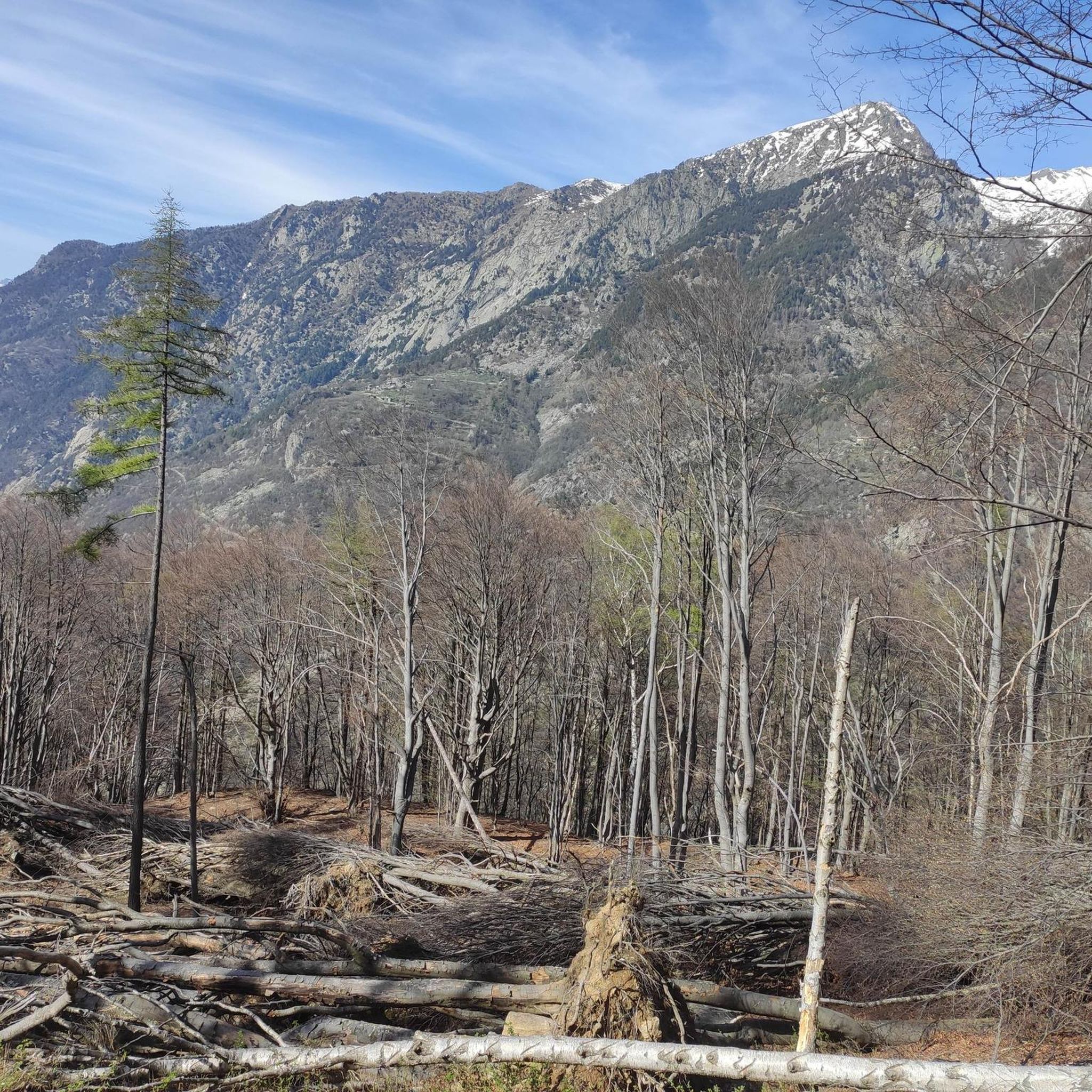
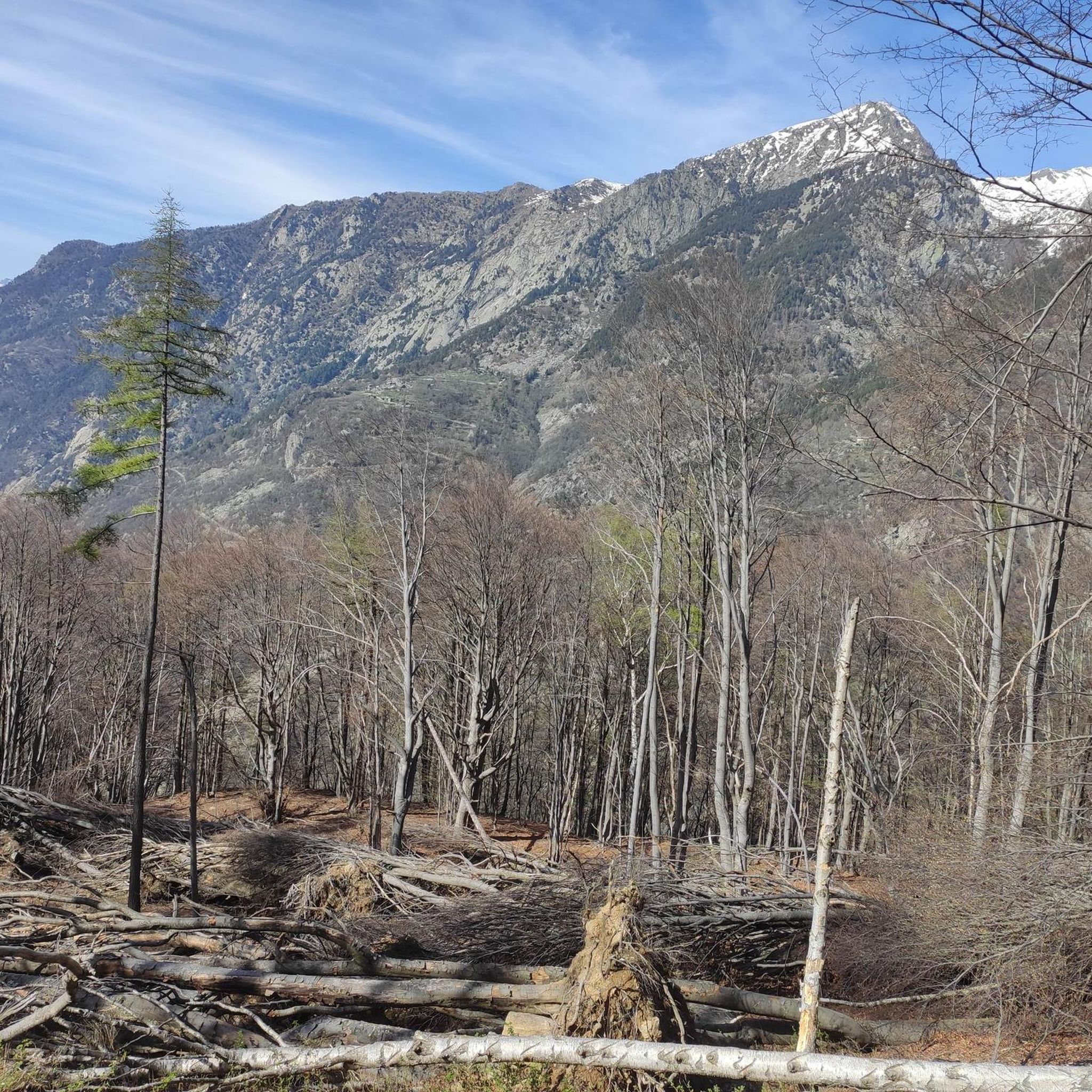
The Cascata d'Arlaz is fed by the waters of the Ru d'Arlaz, a historic irrigation channel still used today for agriculture. When the channel is in operation, the waterfall creates a pleasant mist that makes this stretch of forest particularly cool, even on summer days.
0
0

The bottom has a characteristic Devil's bridge 😈
0
0

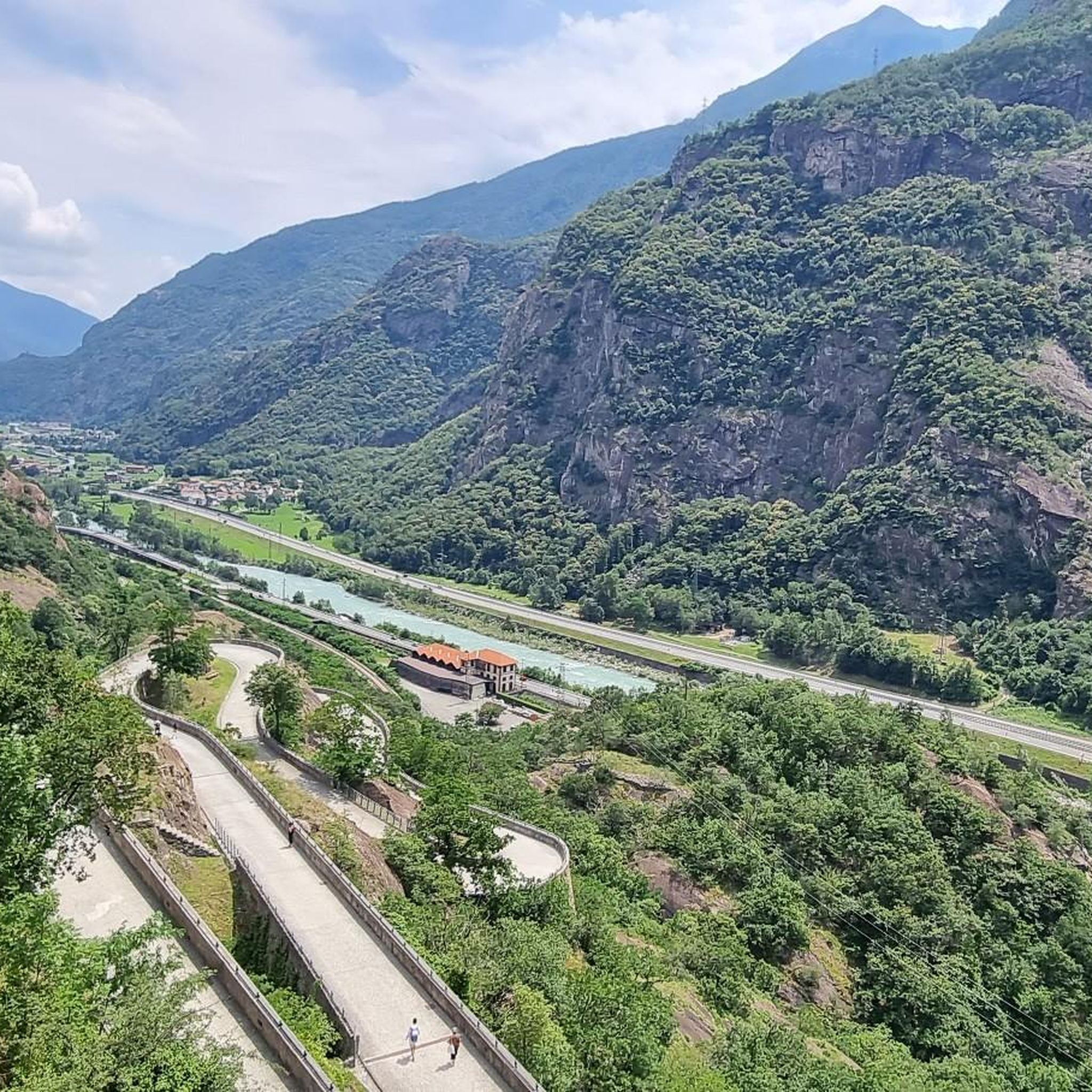
The Forte di Bard seen from the bridge over the Dora Baltea river offers one of the most iconic and photographed views in the Aosta Valley. This spectacular perspective captures the imposing, craggy fortress that dominates the village below and the river waters.
0
0

To think that this bridge is hundreds of years old and has resisted who knows how many floods of the stream. It is a beautiful structure. However, it is not Roman, I asked the restaurant managers and (if I remember correctly) it is from 1500 but it does not matter: it was built in a period in which without structural calculations they still managed to create works of inexplicable beauty...
0
0

Beautiful bridge connecting Hone to Bard. Magnificent view of the fort.
2
0

Beautiful Valchiusella Bridge, similar to the Devil's Bridge of Lanzo Torinese
1
0
Last location in Valchiusella accessible by car
0
0
It is located in Valchiusella
0
0
Frequently Asked Questions
What historical sites can I explore in and around Bard?
Bard is rich in history. You can visit the imposing Fort Bard, a 19th-century fortress with a history dating back to the 4th century AD. The medieval village of Bard itself is a historical gem, with narrow streets and ancient buildings. Just outside Bard, explore the remarkably preserved Roman Arch and Road in Donnas, featuring visible cart tracks and a milestone. Further afield, the Roman Bridge of Pont-Saint-Martin is another ancient marvel.
Are there any museums within Fort Bard?
Yes, Fort Bard hosts several permanent museums. These include the interactive Museum of the Alps, the Prisons which detail the fort's military history, and the Museum of Fortifications and Frontiers. There's also 'The Children's Alps,' an educational space for families.
What natural features can I discover near Bard?
The region offers several natural attractions. You can visit Lake Ville, a nature reserve ideal for observing local flora and fauna. Explore the Geosite with 'Marmitte dei Giganti' (giant's potholes) beyond the village, which also features ancient rock carvings. The Dora Baltea River Gorge, where Bard is situated, provides dramatic scenery, and the Via Francigena offers paths for hikers to enjoy the natural surroundings.
What outdoor activities are available near Bard?
The area around Bard is excellent for outdoor enthusiasts. You can find numerous hiking trails, including sections of the ancient Via Francigena. For more structured activities, explore the hiking routes around Bard, road cycling routes, or running trails. The nearby Gran Paradiso National Park is also a significant natural attraction for its wildlife and mountain scenery.
Are there family-friendly attractions in Bard?
Absolutely. Fort Bard is family-friendly, offering panoramic lifts and 'The Children's Alps' museum. Lake Ville is another great option, with trails suitable for all visitors. The Roman Bridge of Pont-Saint-Martin is also a fascinating historical site that families can enjoy.
What is the best time of year to visit Bard?
Bard is enjoyable throughout the year, but the spring and autumn months (April-May and September-October) often offer pleasant weather for exploring historical sites and outdoor activities. These seasons also avoid the peak summer heat and winter cold, making for comfortable visits. October is particularly notable for the annual *Marché au Fort* gastronomy and wine festival.
Can I find any ancient Roman structures besides the Fort?
Yes, Bard and its surroundings are home to significant Roman heritage. Beyond the medieval village, you can visit the well-preserved Roman Arch and Road in Donnas, which was part of the ancient Via delle Gallie. Another impressive Roman structure is the Roman Bridge of Pont-Saint-Martin, a spectacular single-arched stone bridge.
Are there any accessible attractions for visitors with mobility needs?
Yes, some attractions in Bard are designed with accessibility in mind. Lake Ville offers a parking area right next to the lake and a walkway suitable for wheelchairs, allowing access right above the water. Fort Bard can be accessed via panoramic lifts, providing impressive Alpine views during the ascent.
What are some unique cultural experiences or events in Bard?
Bard hosts various cultural events throughout the year. These include historical reenactments, such as 'Napoleonica,' which reconstructs Napoleon's passage in 1800. The Fort Bard also serves as a cultural center, hosting music concerts, art exhibitions, and theatrical productions. The annual *Marché au Fort* in October is a popular gastronomy and wine festival.
Are there any vineyards or wine-related attractions nearby?
Yes, the region is known for its vineyards. You can explore the Terraced Vineyards of Torredaniele, which offer an aerial walk with stunning views. The nearby vineyards of Donnas are particularly famous, and visitors can enjoy walks along the 'Vineyard Path' and sample local Donnas DOC wine.
What do visitors enjoy most about Bard?
Visitors frequently praise Bard for its unique blend of history and natural beauty. Many are captivated by the imposing presence of Fort Bard and its museums, especially the interactive Museum of the Alps. The well-preserved medieval village and the ancient Roman Arch and Road in Donnas are also highly appreciated for their historical significance. The scenic views from the fort and the tranquil atmosphere of places like Lake Ville are also highlights for many.
Can I visit other castles in the wider Aosta Valley region?
Yes, the Aosta Valley is renowned for its castles. Beyond Fort Bard, you can visit the famous Castello di Issogne, known for its inner courtyard and frescoes, or the Castello di Graines, which offers views of Brusson and the Val d'Ayas. These provide further insights into the region's rich history.
Most popular attractions around Bard

Get inspired with the komoot mobile app


Explore more
Still not found the Highlight you’re looking for? See guides of the top attractions in other regions:
