The best walks and hikes around Bard
4.4
(1258)
6,727
hikers
308
hikes
Hiking around Bard offers diverse terrain within the Aosta Valley, characterized by its mountainous landscape and historical pathways. The region features a mix of challenging ascents and scenic routes through valleys, often following ancient military or pilgrimage trails. Hikers can explore areas around the prominent Forte di Bard, with routes that traverse varied elevations and natural settings.
Best hiking trails around Bard
- The most popular hiking route is Historic military trail from Forte di Bard to Col de Cou,…
Last updated: October 12, 2026
4.4
(14)
83
hikers
10.5km
05:50
1,030m
1,020m
Hard hike. Very good fitness required. Mostly accessible paths. Sure-footedness required.
4.7
(13)
38
hikers
10.8km
04:35
690m
690m
Moderate hike. Good fitness required. Mostly accessible paths. Sure-footedness required.

2
hikers
8.74km
04:09
700m
700m
Hard hike. Good fitness required. Sure-footedness, sturdy shoes and alpine experience required.
4.0
(1)
5
hikers
8.45km
03:52
700m
700m
Hard hike. Good fitness required. Sure-footedness, sturdy shoes and alpine experience required.
5.0
(1)
4
hikers
9.60km
05:33
1,120m
1,110m
Hard hike. Very good fitness required. Mostly accessible paths. Sure-footedness required.
Get access to more routes and recommendations from other explorers.
Already have an account?
Our route recommendations are based on thousands of hikes, rides, and runs completed by other people on komoot.
Start today with a free account
Your next adventure awaits.
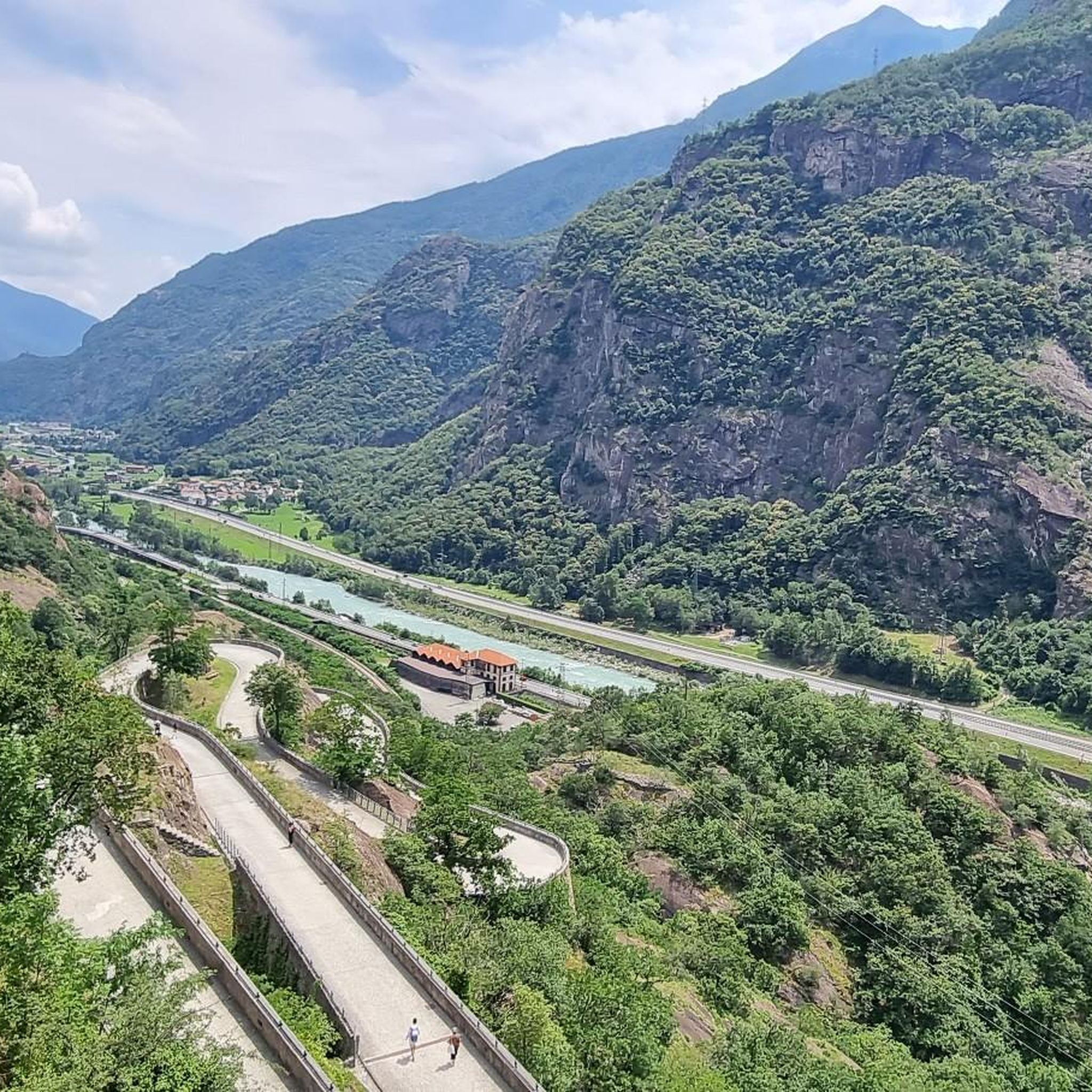
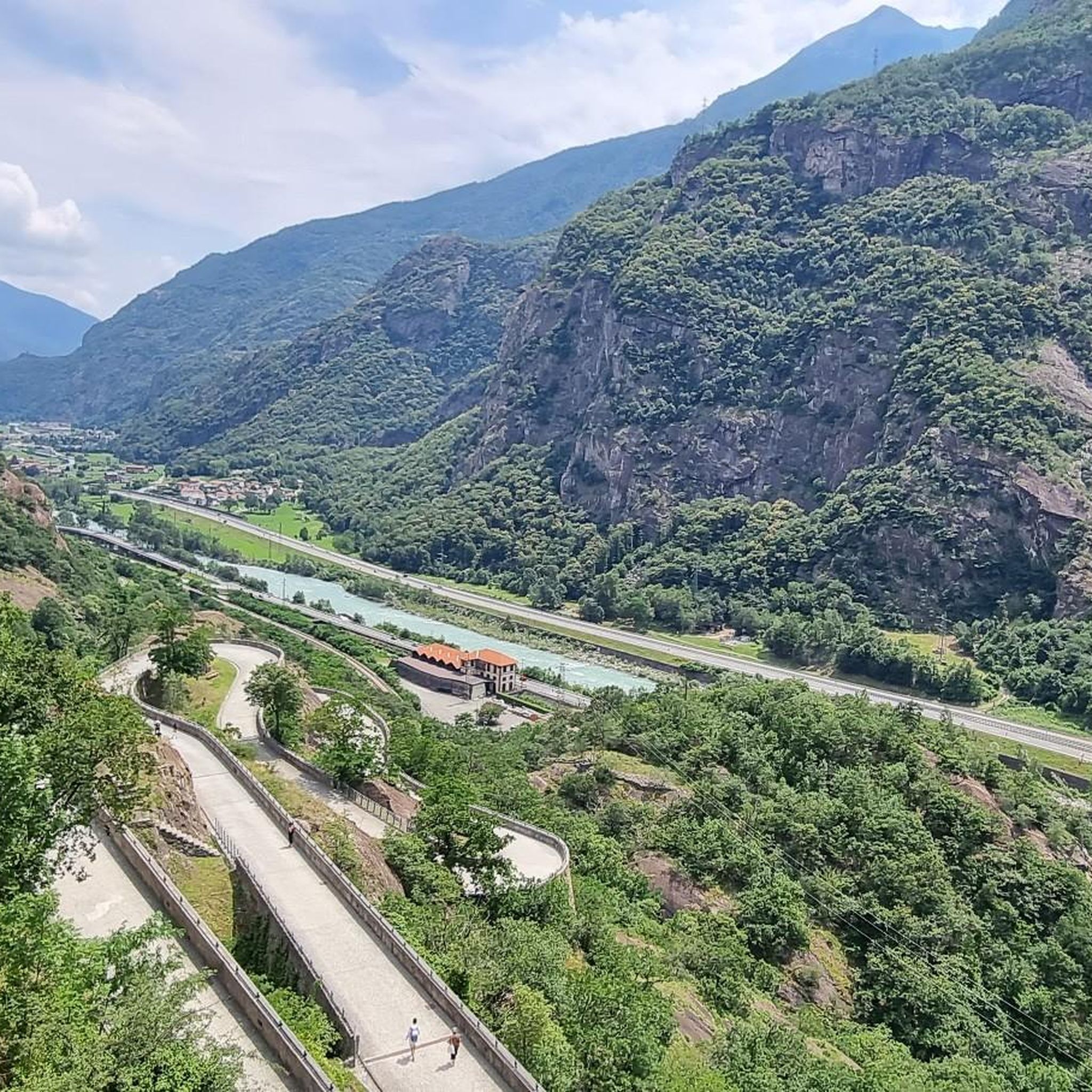
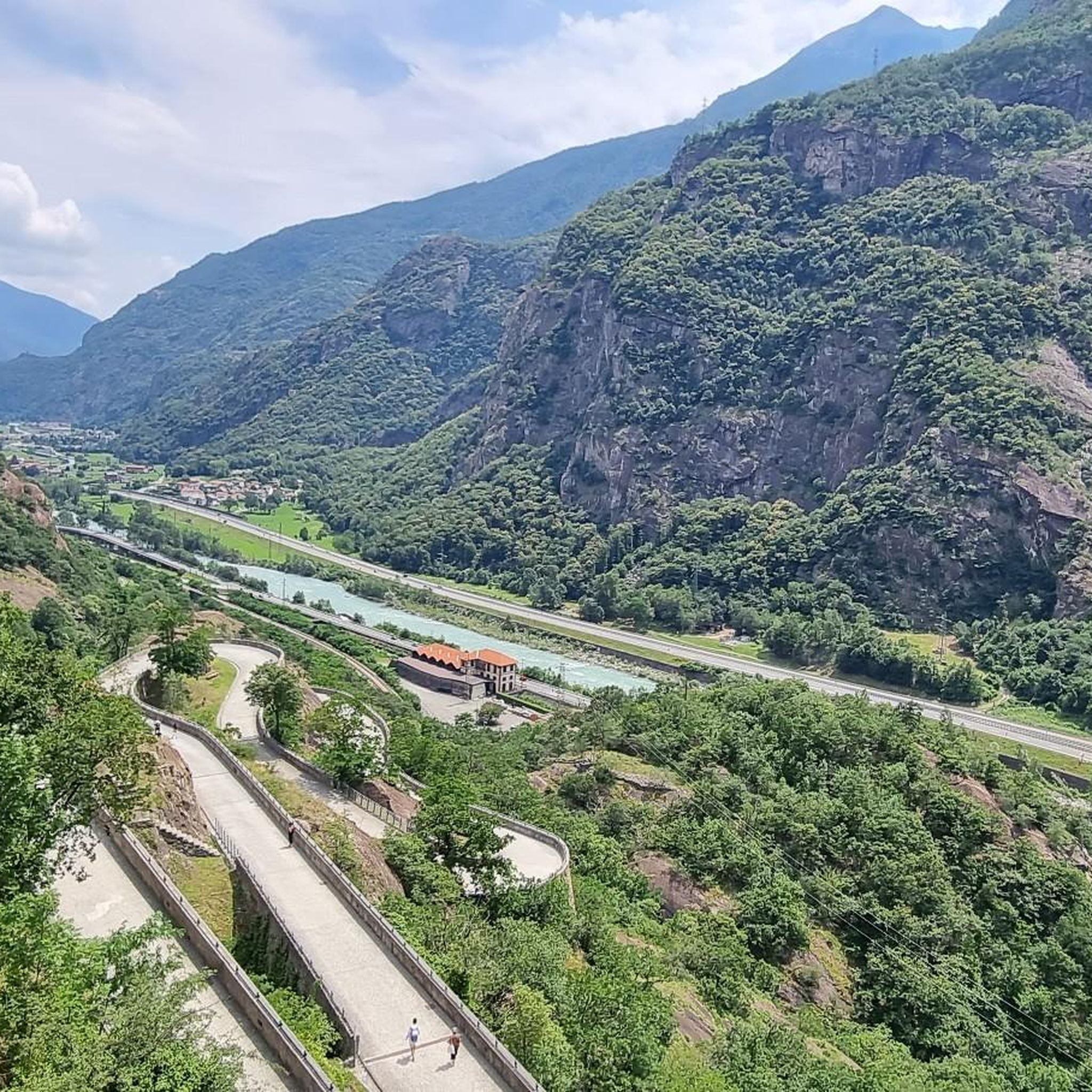
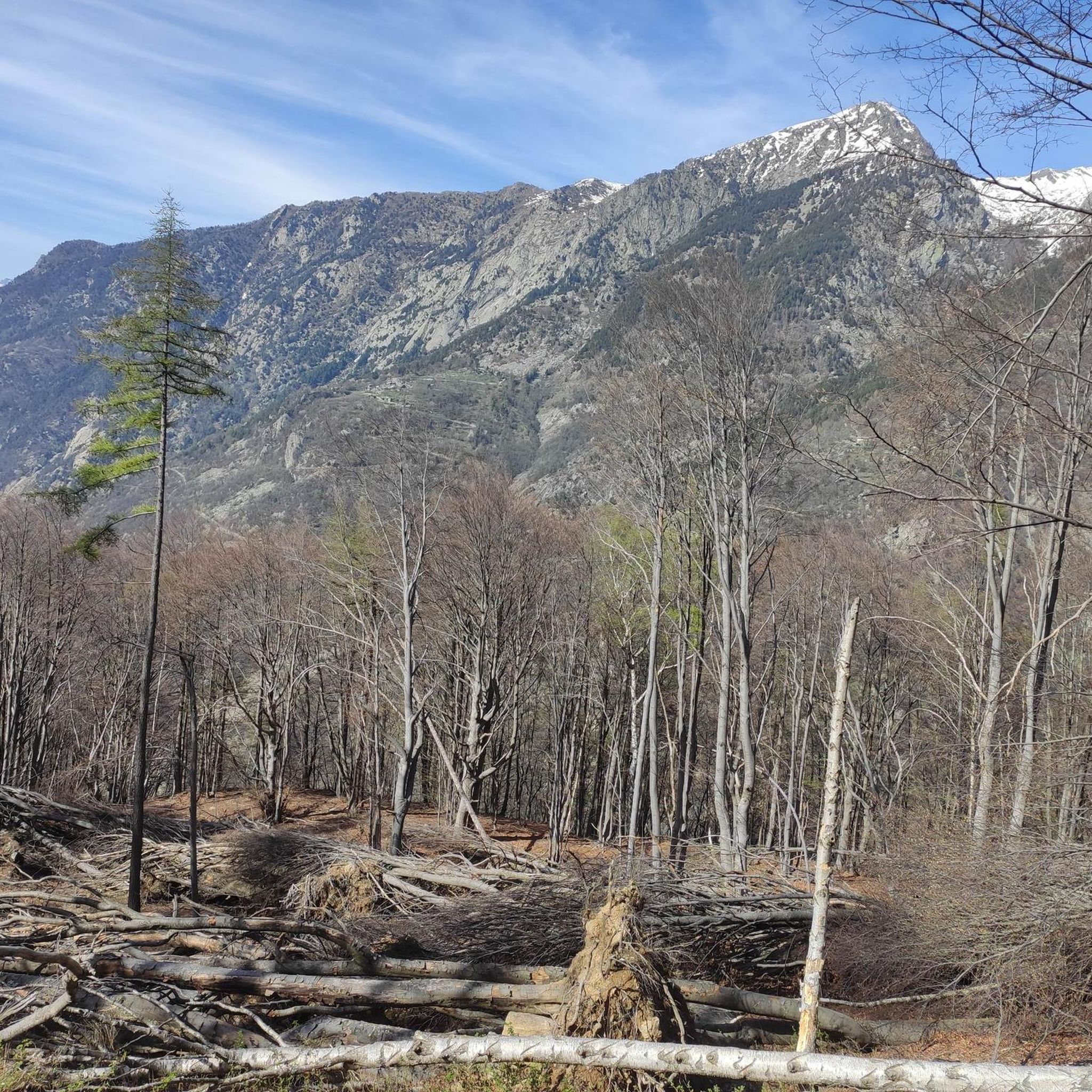

Tips from the Community

It goes almost unnoticed, at the beginning of the climb, on the left.
2
0


The Roman road of the Gauls, built to connect Rome with the Rhone Valley, has in the Donnas section one of its most characteristic and spectacular points, carved into the living rock for a length of 221 meters. At a place where in antiquity the rocky promontory plunged into the waters of the Dora, the Romans launched a real challenge to nature by carving a living rock on which they could draw perfectly vertical walls and in whose womb they carved the roadbed. Exciting and unusual, here the Via delle Gallie gives its best by offering the spectacle of a vaulted passage 4 meters thick, 4 meters high and almost 3 meters wide which eloquently illustrates the amount of rock removed and shows all the refinement of a road engineering that has never been reached again until viaducts and modern tunnels. In the Middle Ages it served as the gate of the village, which was closed at night; the other defenses were natural: on one side the mountain and on the other the river. A fundamental road, which has been used a lot over the centuries, as evidenced by the deep ruts left by the passage of carts and the wear of the walking surface which has been patched and repaired at various points over time. A little further on, on the right, we recognize the excellent profile of a milestone, also spared in the rocky bank, which informs us of the distance to Augusta Praetoria (the current city of Aosta): XXXVI miles (about 54 km).
6
0

The small, inconspicuous chapel is located at the junction of Via Vittorio Emanuelle II and Via Umberto I.
43
0

Beautiful and ancient stone pedestrian bridge that crosses the stream, with many pots of roses
0
0
The Roman road of the Gauls, built to connect Rome with the Rhône valley, has a remarkable and spectacular point in the Donnas section. Over a length of 221 meters, the Romans carved out a living rock, on which they could build perfectly vertical walls and in which they created the roadbed. The Via delle Gallie reveals a vaulted passage 4 meters thick, 4 meters high and almost 3 meters wide, which illustrates the impressive amount of rock removed. This advanced road technique was unparalleled until modern viaducts and tunnels. In the Middle Ages, this served as the gateway to the village, which was closed at night. The other natural defenses were the mountain on one side and the river on the other. This fundamental road has been used extensively over the centuries, as evidenced by the deep ruts of passing carts and the wear on the walking surface, which has been repaired at various points over time. Further on, on the right, we see a milestone that informs us of the distance to Augusta Praetoria (modern Aosta): XXXVI miles (about 54 km).
1
0
The Ponte di Bard, also known as the Bard Bridge, is a historic arch bridge in the Aosta Valley region. This bridge spans the Dora Baltea River and connects the municipalities of Bard and Hône. The bridge is built of stone and consists of 2 arches. It connects the lower part of the village of Bard with the southeastern side of Hône, in Rue Émile Chanoux. The route of the bridge slopes slightly, from Bard to Hône. From this old and beautiful arch bridge you can admire one of the best views of the nearby Forte di Bard. The fortress, which has remained almost intact since its construction, is an impressive example of military architecture from the early nineteenth century. A walk across this bridge not only offers beautiful views of the fortress, but also a touch of history and beauty
6
0
The suggestive Bard bridge
6
0
Frequently Asked Questions
How many hiking trails are available around Bard?
Bard offers a wide variety of hiking experiences, with over 270 routes available. These range from leisurely walks to challenging mountain ascents, catering to different skill levels and interests.
What do other hikers say about the trails in Bard?
The hiking trails around Bard are highly regarded by the komoot community, boasting an average rating of 4.4 stars from nearly 1,000 reviews. Hikers often praise the region's diverse terrain, historical pathways, and stunning views of the Aosta Valley.
Are there easy hiking trails suitable for beginners in Bard?
Yes, Bard has approximately 40 easy hiking routes perfect for beginners or those looking for a relaxed stroll. These trails often feature gentler inclines and shorter distances, allowing you to enjoy the scenery without significant physical exertion.
What kind of challenging hikes can I find around Bard?
For experienced hikers seeking a challenge, Bard offers over 100 difficult routes. These often involve significant elevation gain and rugged terrain. An example is the Historic alpine trail from La Raffort to Cormoney (via Trail 5A), which covers nearly 10 km with over 1,100 meters of ascent.
How long do hikes around Bard typically take?
Hike durations in Bard vary greatly depending on the route's length and difficulty. Shorter, easier walks might take a couple of hours, while more challenging routes like the Historic military trail from Forte di Bard to Col de Cou can take nearly 6 hours to complete.
Are there family-friendly hiking options near Bard?
Bard offers several trails suitable for families, particularly among its easier routes. These paths are generally less strenuous and provide opportunities for children to explore. Look for routes with minimal elevation changes and interesting points of interest along the way.
Can I bring my dog on the hiking trails in Bard?
Many trails in the Aosta Valley, including those around Bard, are dog-friendly. However, it's always recommended to keep your dog on a leash, especially in nature reserves or areas with livestock. Be sure to check specific trail regulations before you go.
What historical landmarks or natural attractions can I see while hiking near Bard?
The Bard area is rich in history and natural beauty. You can explore impressive fortifications like Fort Bard or Verrès Castle. For natural sights, consider hikes that pass by serene bodies of water such as Lake Ville or the Orbeillaz Hydroelectric Basin.
Are there any circular walks available in Bard?
Yes, the region around Bard features several circular walks, allowing you to start and end your hike at the same point without retracing your steps. These routes offer varied scenery and are convenient for exploring different aspects of the landscape. An example is the Cammino Balteo Stage 4: Donnas Loop.
Are there hikes with scenic viewpoints around Bard?
Given Bard's location in the mountainous Aosta Valley, many hikes offer spectacular scenic viewpoints. Trails often ascend to elevated positions, providing panoramic vistas of the valley, surrounding peaks, and historical structures like Forte di Bard. Look for routes with significant elevation gain for the best views.
What is the best time of year to hike in Bard?
The best time for hiking in Bard is typically from late spring to early autumn (May to October). During these months, the weather is generally mild, and trails are clear of snow, offering ideal conditions for exploration. Summer provides warmer temperatures, while spring and autumn showcase vibrant flora or fall foliage.
Is public transport available to reach hiking trailheads in Bard?
Bard is well-connected by public transport, particularly by bus services that run through the Aosta Valley. This can be a convenient option for reaching various trailheads, especially for linear routes like sections of the Cammino Balteo. Check local bus schedules for specific routes and stops.
Are there any hidden gem hiking trails in Bard that are less crowded?
While popular routes like the Cammino Balteo attract many hikers, the extensive network around Bard means there are always quieter paths to discover. Exploring some of the less-trafficked difficult routes or venturing slightly off the main tourist paths can lead you to serene landscapes and unique perspectives away from the crowds.
Most popular attractions around Bard

Get inspired with the komoot mobile app


Explore more
Browse the best Hikes in other regions.
