The 17 Most Amazing Peaks in El Teide
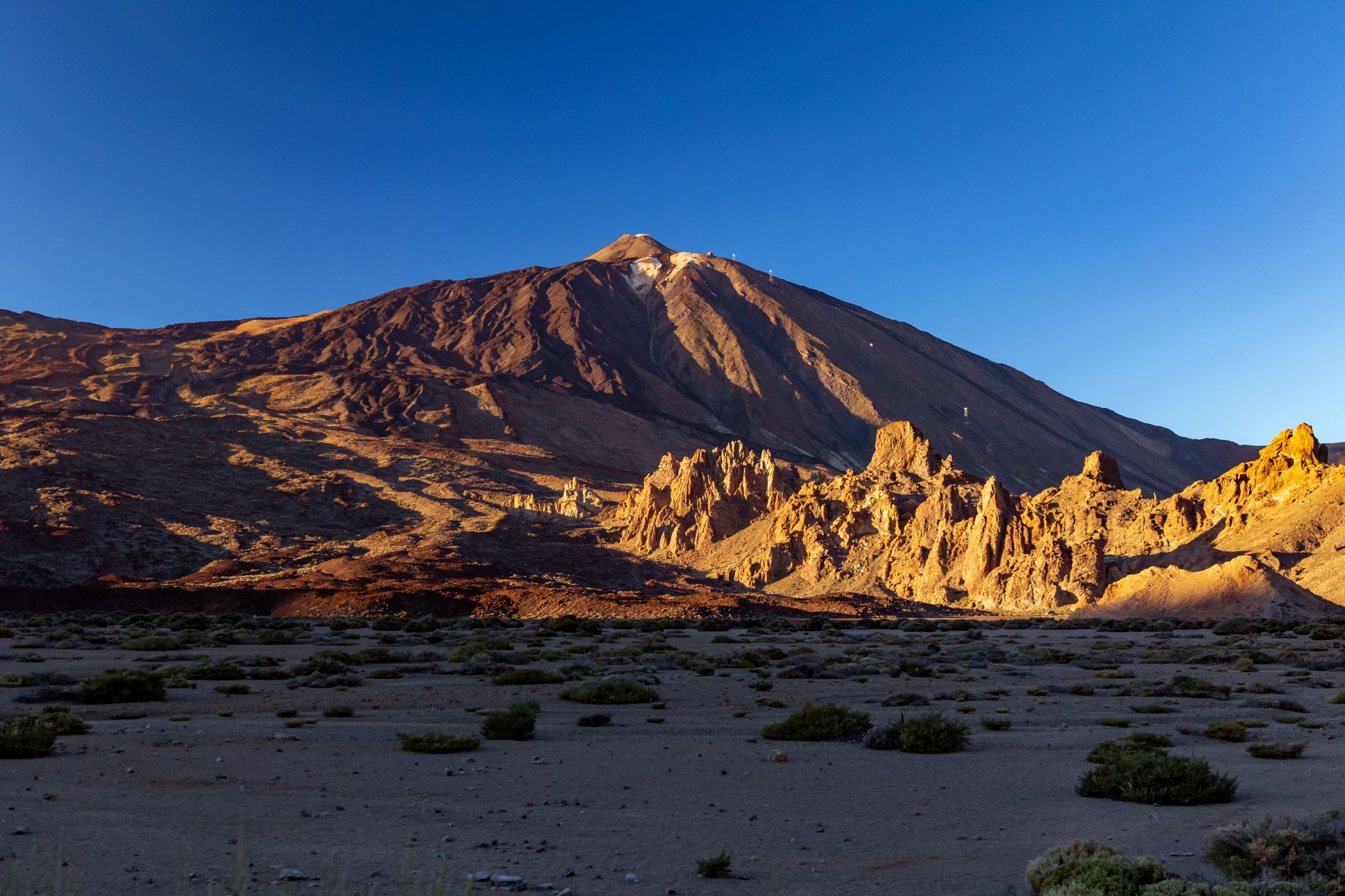
Best mountain peaks in El Teide are found within El Teide National Park, a UNESCO World Heritage site in Tenerife, Spain. The park features dramatic volcanic landscapes, including the highest point in Spain, Mount Teide. This region is a destination for hikers and nature enthusiasts seeking diverse terrain and panoramic views. The area's notable landmarks and natural features include volcanic summits, craters, and unique rock formations.
Best mountain peaks in El Teide
- The most popular mountain peaks is Roque Cinchado…
Last updated: August 16, 2026
Roque Cinchado
Highlight • Natural Monument
Translated by Google •
Tip by

Guajara
Highlight • Summit
Tip by

Sign up now to discover places like this
Get recommendations on the best single tracks, peaks, & plenty of other exciting outdoor places.
Sign up for free
Mount Teide summit
Highlight • Summit
This dormant volcano offers absolutely unique panoramas …
Translated by Google •
Tip by

Mount Teide
Highlight • Summit
Showing Translation
Tip by

Teide Cable Car Upper Station
Highlight • Summit
Translated by Google •
Tip by

Sign up for free to discover even more peaks in El Teide.
Sign up for free
Already have an account?
Start today with a free account
Your next adventure awaits.
Login or Signup
Popular around El Teide
The giant of Tenerife — around Teide by road bike
The green heart of Tenerife – Natural Path of Anaga-Chasna
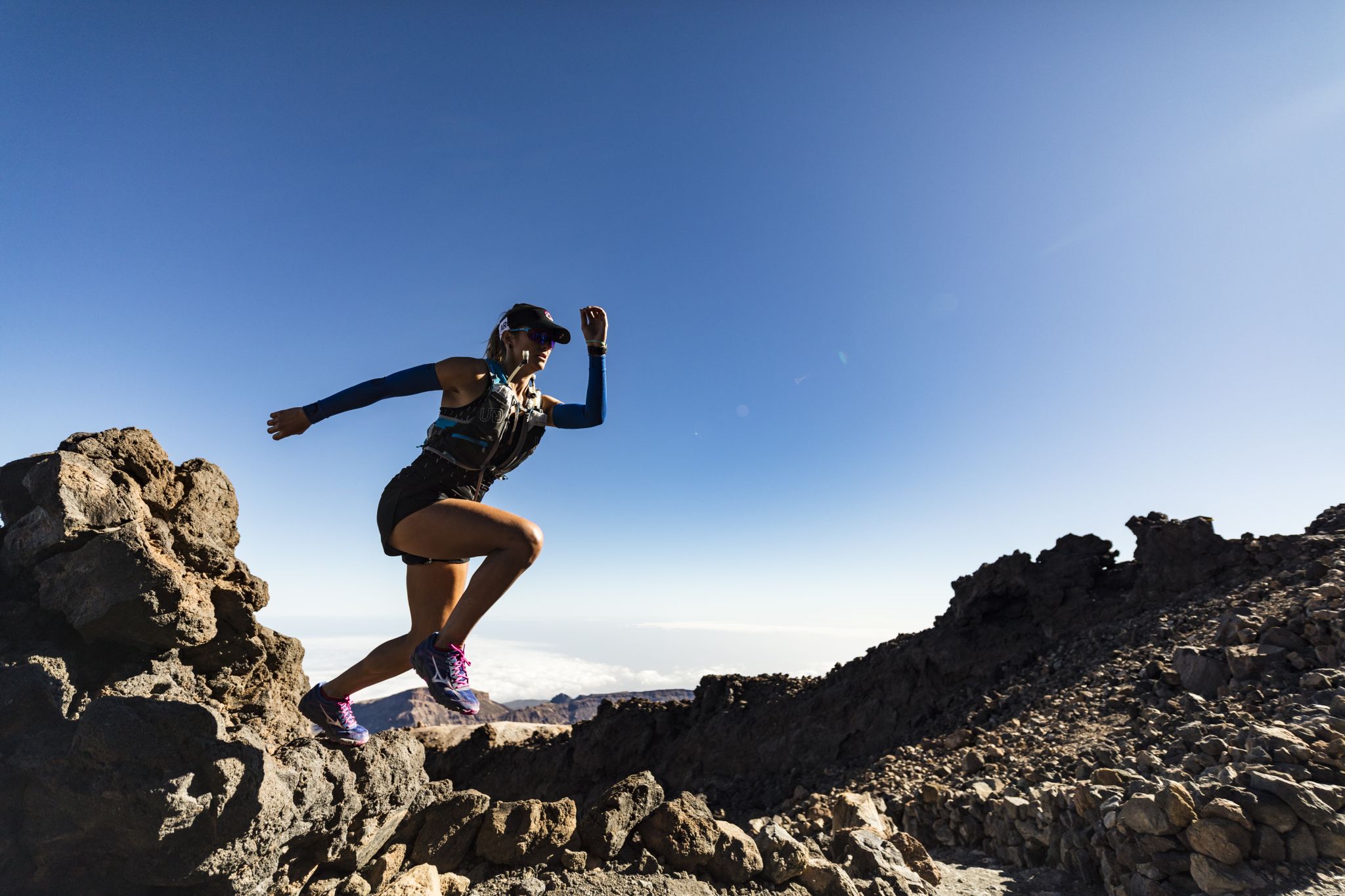
Trail running in Tenerife – dreamy routes between sea and mountain
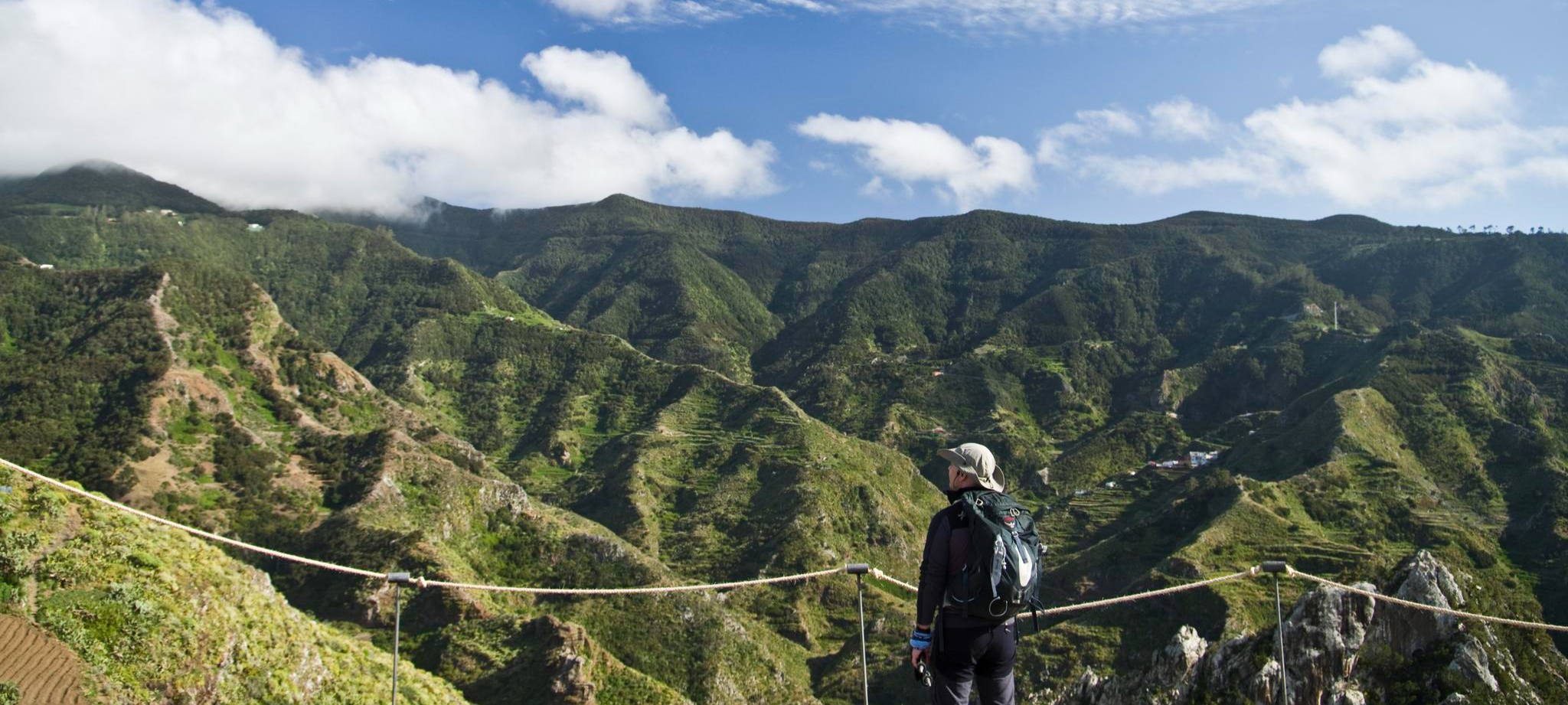
Tenerife's interior – discover fascinating hiking routes
Six fascinating ways to discover the Canary Islands on foot
Volcanoes, lava and forests – running in Tenerife
Tenerife from north to south – Camino Natural de Anaga-Chasna
Laurel forest to Caldera – hike the Tenerife GR 131 in 5 days
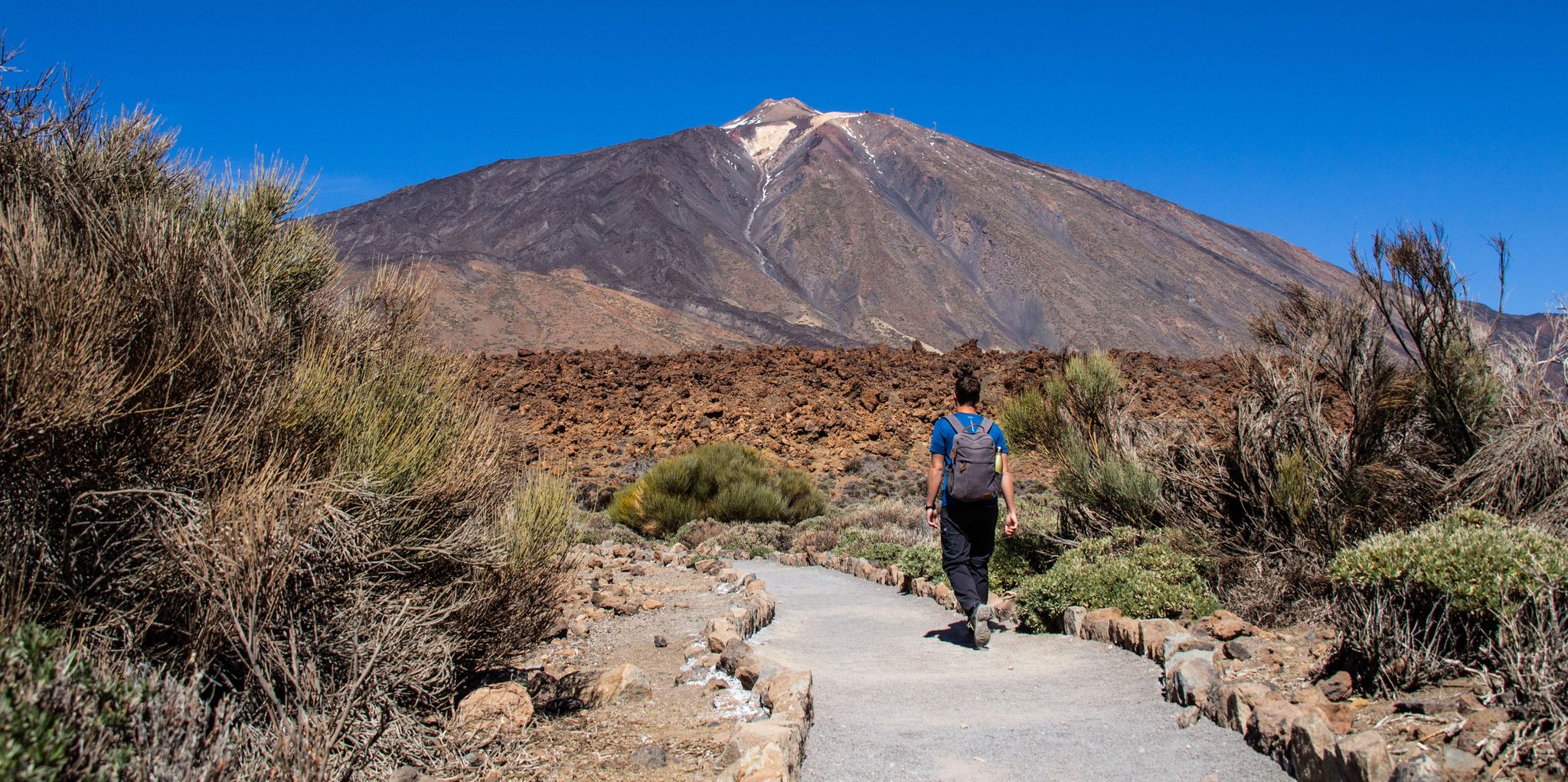
Adventuring in Tenerife — six hiking Tours for every taste
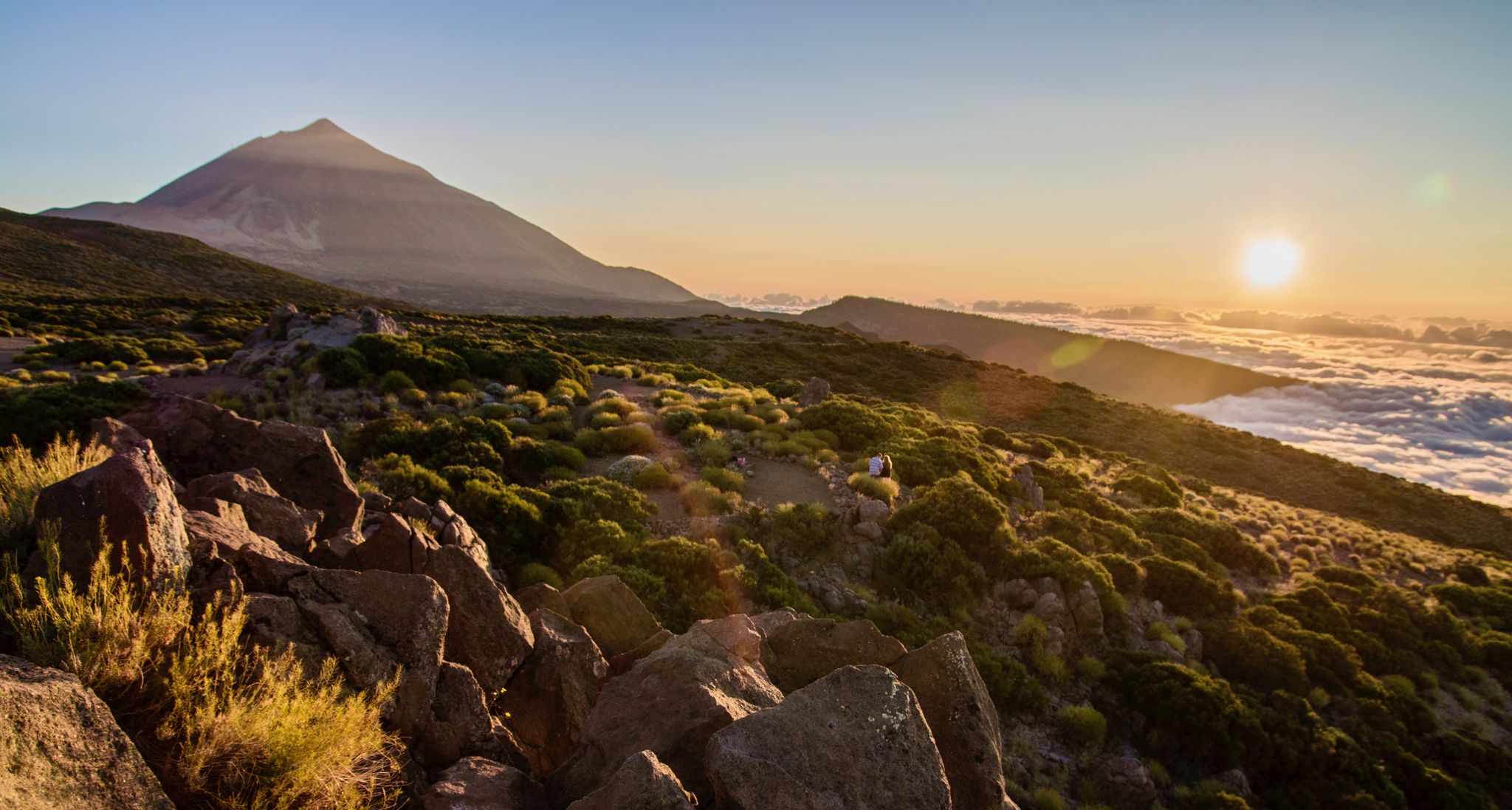
From volcanic peaks to pristine beaches – A hiking paradise in Tenerife
Other adventures in El Teide


Tips from the Community

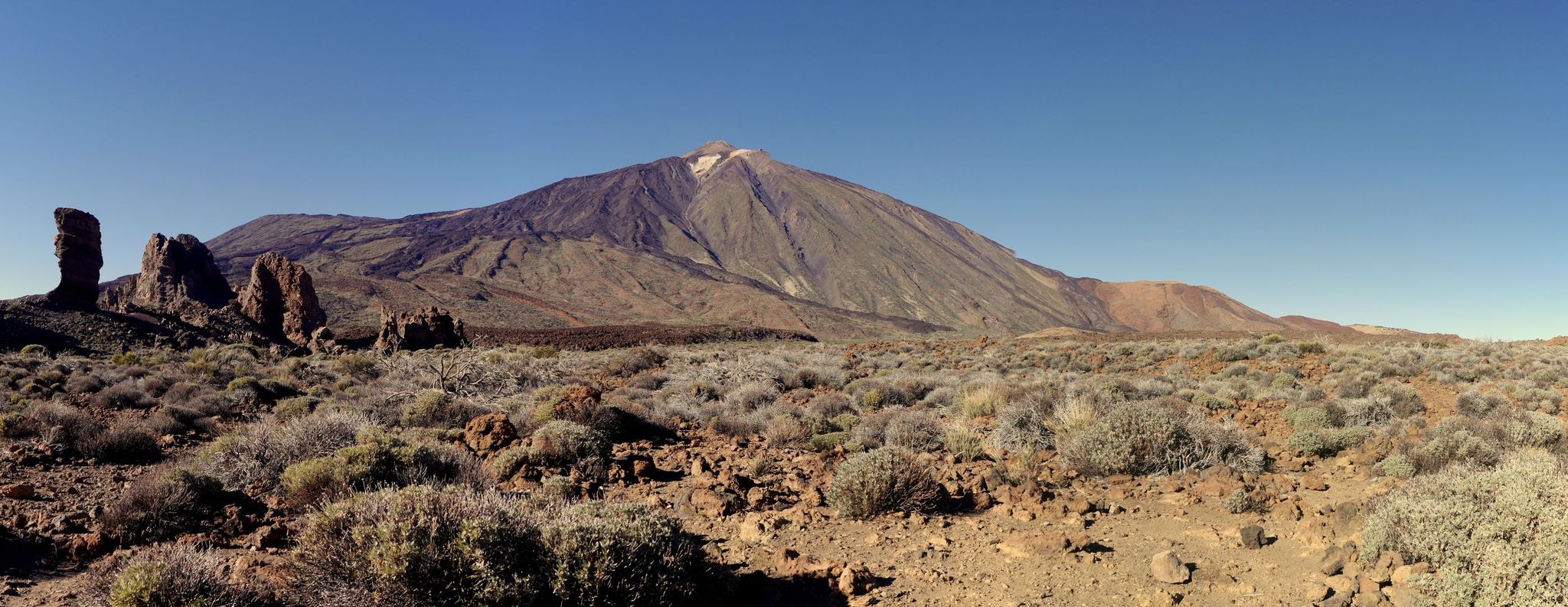
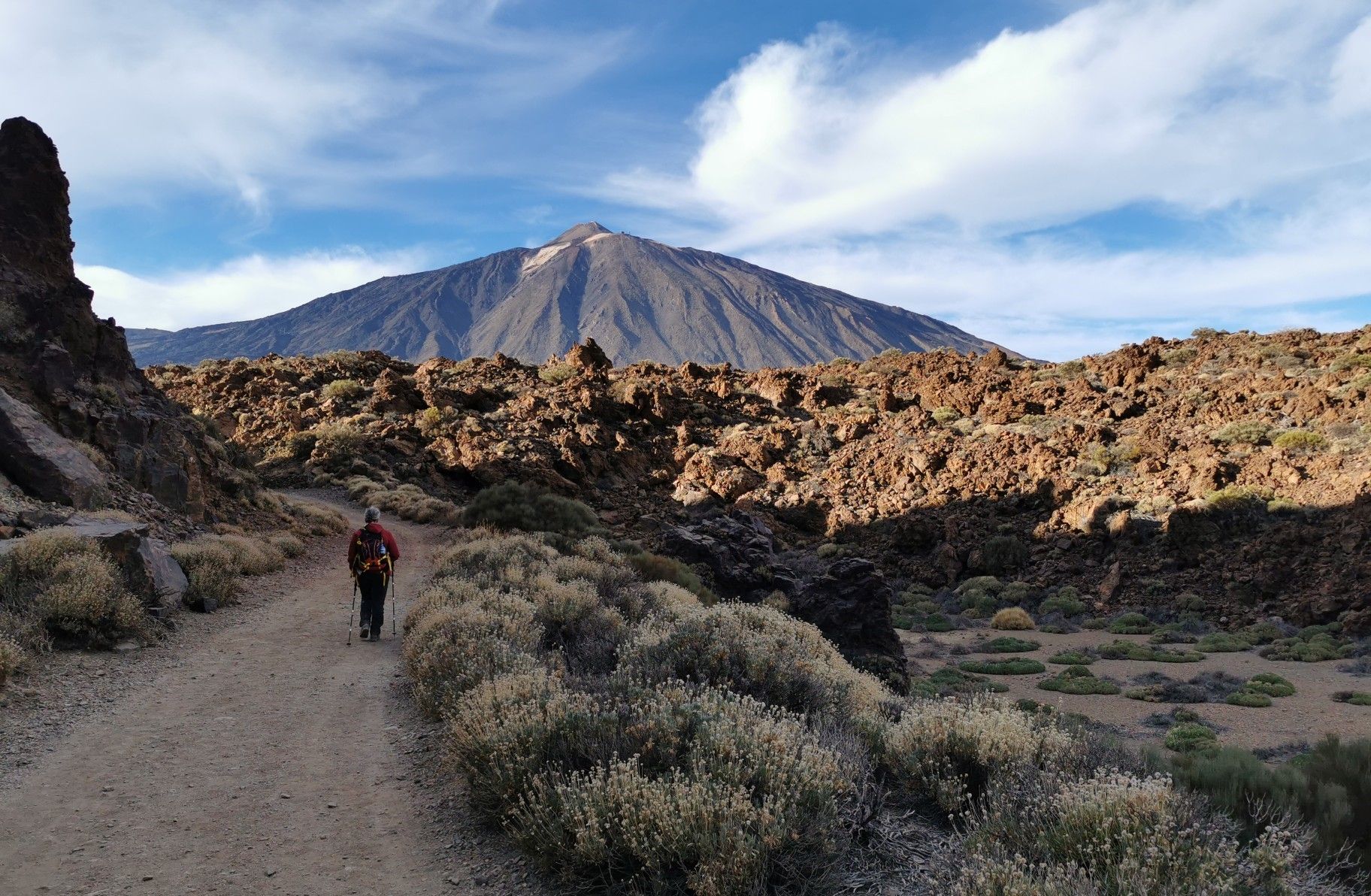
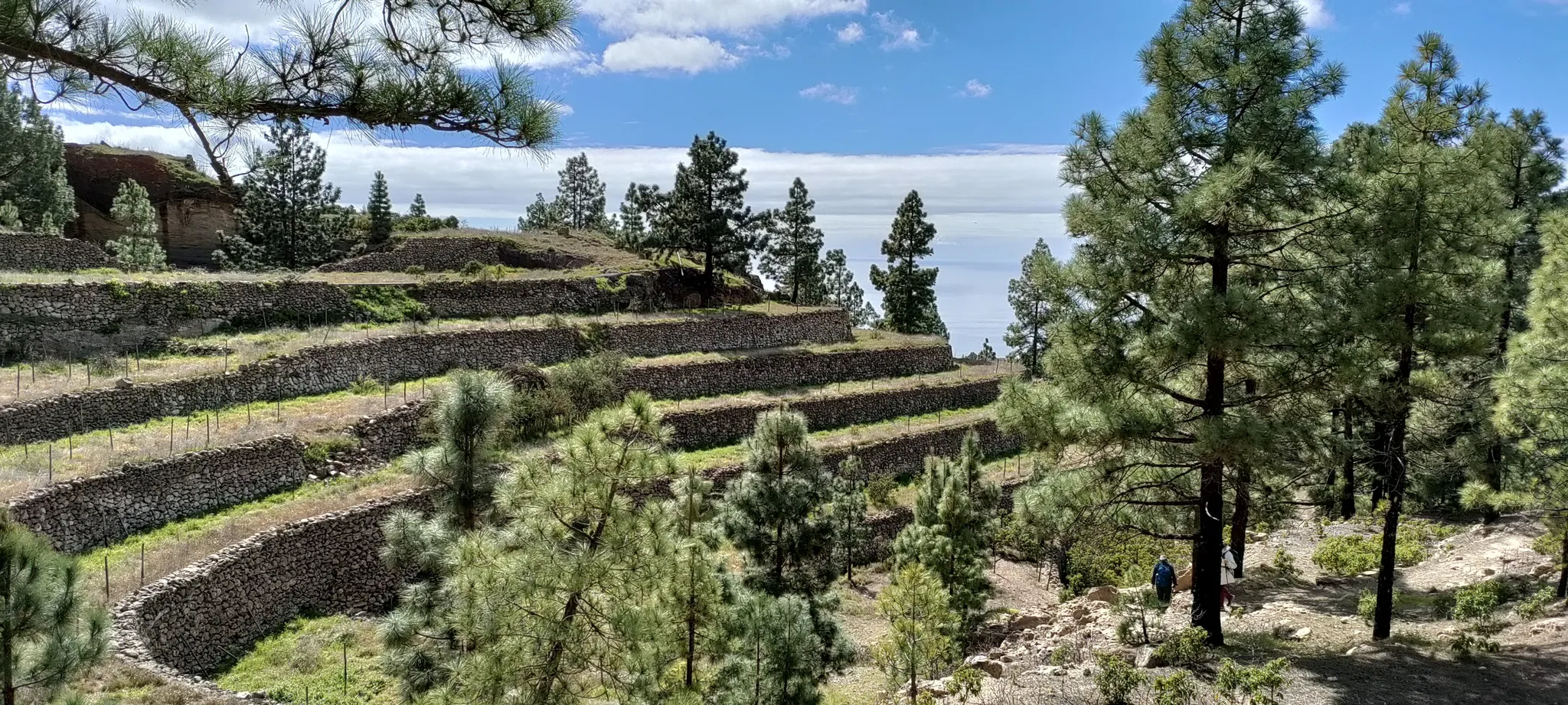
El Teide is the highest peak in Spain. Any hiking or trail enthusiast visiting Tenerife must go to its summit. Access is spectacular and the 360° panorama from the peak is unique. In one view, you can take in all the typical landscapes of Tenerife, whether it's the lunar desert landscapes, pine forests, terraced plantations, or of course the ocean. All of this is beneath your feet and before your eyes.
0
0

Be sure to book tickets online well in advance or find a guide. There are only 200 tickets per day... But if you come before 9 a.m. or after 5 p.m. you don't need to worry about it.
6
2

Better to book tickets online in advance. That's why we couldn't go up, which was annoying 🤙😭
8
0

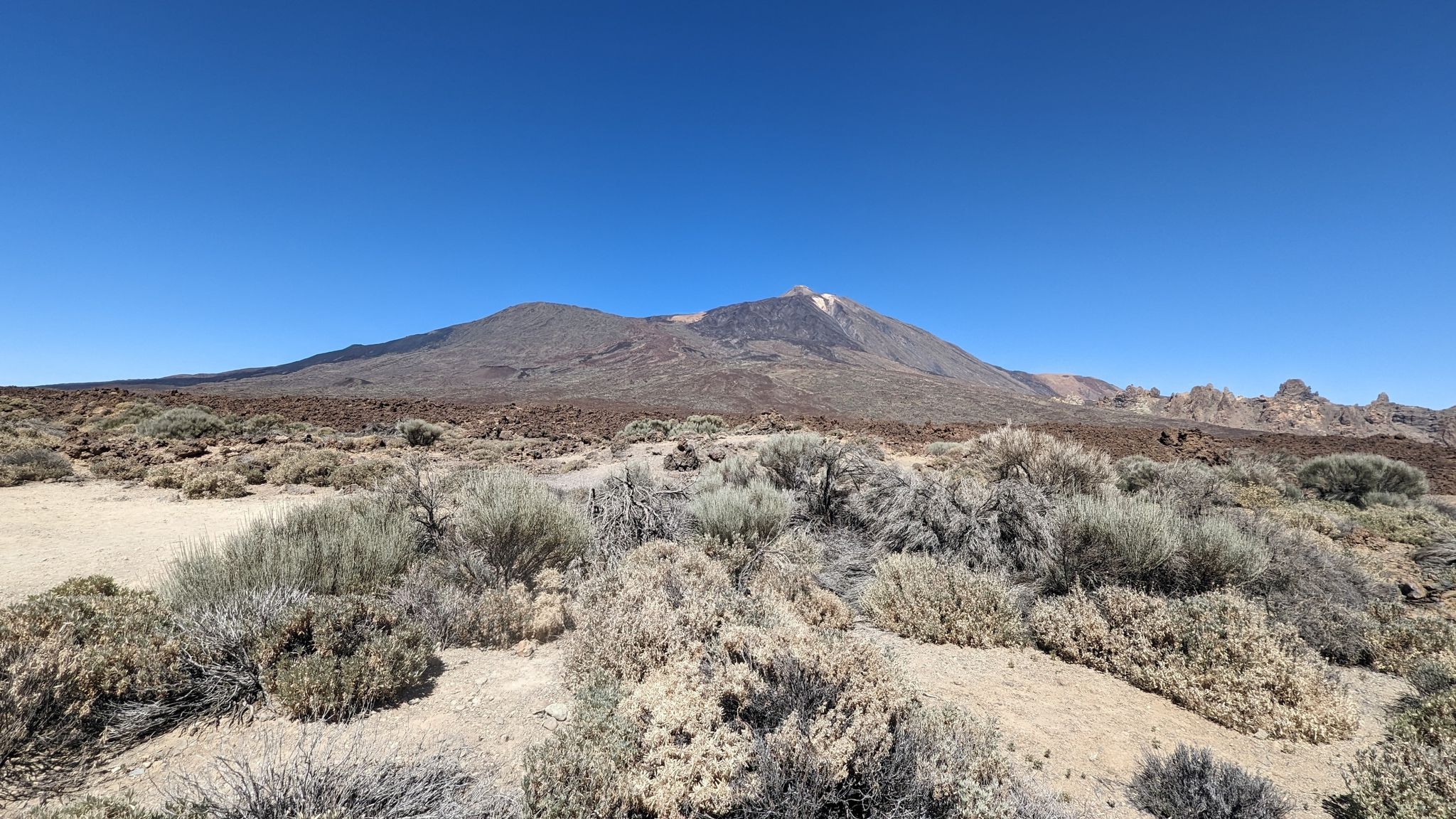
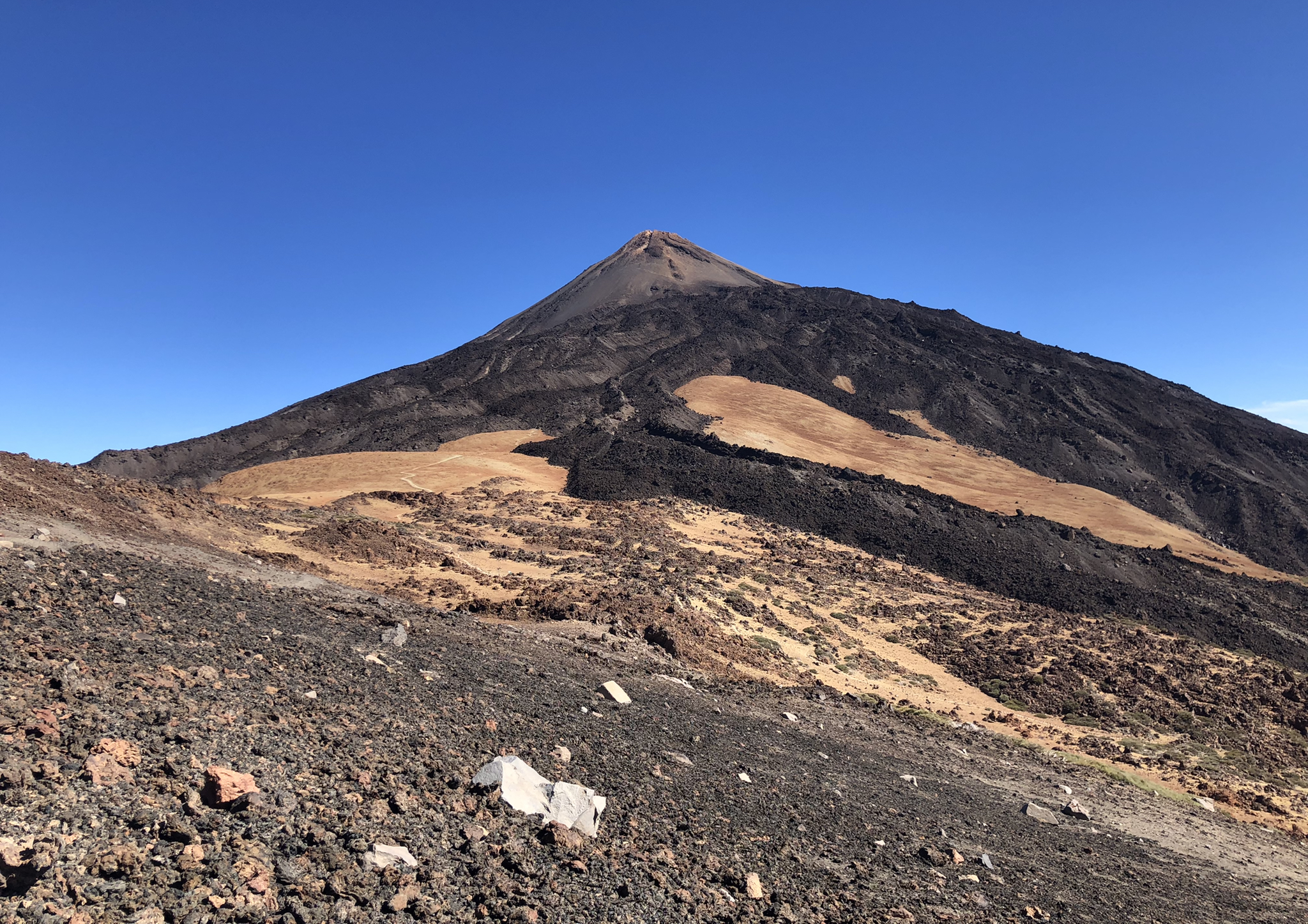
Teide is a volcano on the Spanish island of Tenerife. The highest point in Spain, it rises to 3,715 meters above sea level. This dormant volcano offers absolutely unique panoramas over the whole island. Access to its summit remains subject to a daily quota of authorizations that must be reserved sufficiently in childhood. You can find more information on the park's website: https://www.reservasparquesnacionales.es/real/parquesnac/usu/html/listado-actividades-oapn.aspx?ii=1ES&cen=2
0
1

With 2,715 meters, the rugged Guajara is the highest peak along the ancient crater. It bears a lot of history as it was this location where the first observatory in the high mountains worldwide was installed. You can still see the ruins at the summit. The view from the Guajara is exceptionally beautiful: the majestic Teide, the impressive Cañadas and the islands of El Hierro, Gran Canaria and La Gomera.
16
1

Best early in the morning or late in the evening
11
0


The ascent on foot is an absolute must... After all, you are standing on the highest mountain in Spain
4
1
Frequently Asked Questions
What are some of the most notable mountain peaks in El Teide National Park?
El Teide National Park is home to several remarkable peaks. Mount Teide summit is the highest point in Spain, offering unique panoramas. Pico Viejo Crater is the second-highest, known for its large crater. Guajara provides exceptional views over the caldera and was once a high-mountain observatory site. Additionally, Roque Cinchado is an iconic rock formation, often photographed.
Do I need a permit to hike to the summit of Mount Teide?
Yes, a permit is required to hike the final 163 meters to the very top of Mount Teide summit. You can take a cable car up to 3,555 meters, but access to the true summit is restricted and requires advance booking. More information on obtaining permits can be found on the park's official website: reservasparquesnacionales.es.
Are there family-friendly hiking options among the peaks in El Teide?
Yes, there are options suitable for families. For instance, the area around Roque Cinchado offers a simple circular hike at the Roques de García, which is considered family-friendly and provides impressive views of the rock formations with Teide in the background.
What kind of views can I expect from the peaks in El Teide National Park?
The peaks offer diverse and spectacular views. From Mount Teide summit, you can see panoramic views of the entire island of Tenerife and, on clear days, other Canary Islands like La Gomera, La Palma, and El Hierro. Guajara provides beautiful vistas of Mount Teide, the surrounding caldera, and several neighboring islands. From Pico Viejo Crater, you can look into its massive crater and also see Teide and other islands.
What are some challenging hikes in El Teide National Park?
For challenging hikes, consider the ascent to Mount Teide summit, which is a demanding but rewarding climb. The hike to Pico Viejo Crater is also considered challenging. Additionally, the ascent to Guajara, especially via the scree fields on the north-west slope, can be strenuous.
What is the best time of year to visit El Teide National Park for hiking?
The best time to visit El Teide National Park for hiking is generally during spring (April-May) and autumn (September-October). During these periods, the weather is typically milder, and the skies are often clear, providing excellent visibility for panoramic views. Summer can be very hot, especially at lower elevations, while winter can bring snow and ice to the higher peaks, requiring specialized gear.
What historical significance do some of the peaks in El Teide hold?
Guajara holds significant historical value, as it was once the site of the world's first high-mountain observatory. You can still see the ruins of this observatory at its summit, adding a unique historical dimension to the natural beauty.
What should I wear for a peak ascent in El Teide?
Appropriate clothing is essential for peak ascents in El Teide. Even if it's warm at sea level, temperatures at the summit can be significantly colder, often dropping to single digits Celsius, with strong winds. It's recommended to wear layers, including warm clothing, a windproof jacket, and sturdy hiking boots. Sun protection, such as a hat and sunscreen, is also crucial due to the high altitude and intense sun.
Are there specific hiking routes near the peaks in El Teide National Park?
Yes, there are numerous hiking routes. For general hiking, you can explore options like the 'Teide via Montaña Blanca – Tenerife' route or the 'Trail PNT 13: Sámara loop'. For more challenging mountain hikes, consider routes such as 'Huevos del Teide – View of Mount Teide loop from Montaña Blanca' or 'Roque de García – Pico Viejo Crater loop from Roque Cinchado'. You can find more details on these and other routes in the Hiking in El Teide and Mountain Hikes in El Teide guides.
What unique natural features can be found in El Teide National Park?
El Teide National Park is renowned for its dramatic volcanic landscapes. Beyond the peaks themselves, you'll encounter massive craters like the one at Pico Viejo Crater, recent lava flows, and unique rock formations such as the iconic Roque Cinchado. The terrain is often described as otherworldly, resembling a Martian landscape.
Can I go road cycling near the mountain peaks in El Teide?
Absolutely. The El Teide region offers challenging and scenic road cycling routes. You can find routes like the 'Llano de Ucanca viewpoint – View of Mount Teide loop from Portillo de la Villa' or the 'Anaga – El Tabonal Negro Viewpoint loop from Roque Cinchado'. These routes often provide stunning views of the peaks and the surrounding volcanic landscape. More information is available in the Road Cycling Routes in El Teide guide.
What is the elevation of the highest peak in El Teide National Park?
The highest peak in El Teide National Park is Mount Teide summit, which stands at 3,715 meters (12,188 ft) above sea level. It is the highest point in Spain and the highest peak in the Atlantic islands.
Most popular routes in El Teide
Most popular attractions in El Teide

Get inspired with the komoot mobile app


Explore more
See even more amazing summits in El Teide with these guides:
