The 14 Most Amazing Peaks in Cadí-Moixeró
Best mountain peaks in Cadí-Moixeró are found within a protected area in Catalonia, Spain, known for its mountain landscape and diverse ecosystems. The park spans over 30 kilometers, with elevations ranging from 900 meters to over 2,600 meters. It features a variety of peaks, offering experiences for hikers and nature enthusiasts. The region is characterized by its rugged Pre-Pyrenean terrain and an extensive network of marked trails.
Best mountain peaks in Cadí-Moixeró
- The most popular mountain peaks is Penyes Altes…
Last updated: April 23, 2026
Niu de l'Àliga Refuge
Highlight • Mountain Hut
It is one of the eight shelters that make up the Cavalls del Vent …
Translated by Google •
Tip by

Penyes Altes del Moixeró
Highlight • Summit
Translated by Google •
Tip by

Sign up now to discover places like this
Get recommendations on the best single tracks, peaks, & plenty of other exciting outdoor places.
Sign up for free
Gosolans Pass
Highlight • Mountain Pass
Translated by Google •
Tip by

Prat d'Aguiló Refuge
Highlight • Mountain Hut
Translated by Google •
Tip by
El Collell Pass
Highlight • Mountain Pass
Translated by Google •
Tip by
Sign up for free to discover even more peaks in Cadí-Moixeró.
Sign up for free
Already have an account?
Start today with a free account
Your next adventure awaits.
Login or Signup
Popular around Cadí-Moixeró
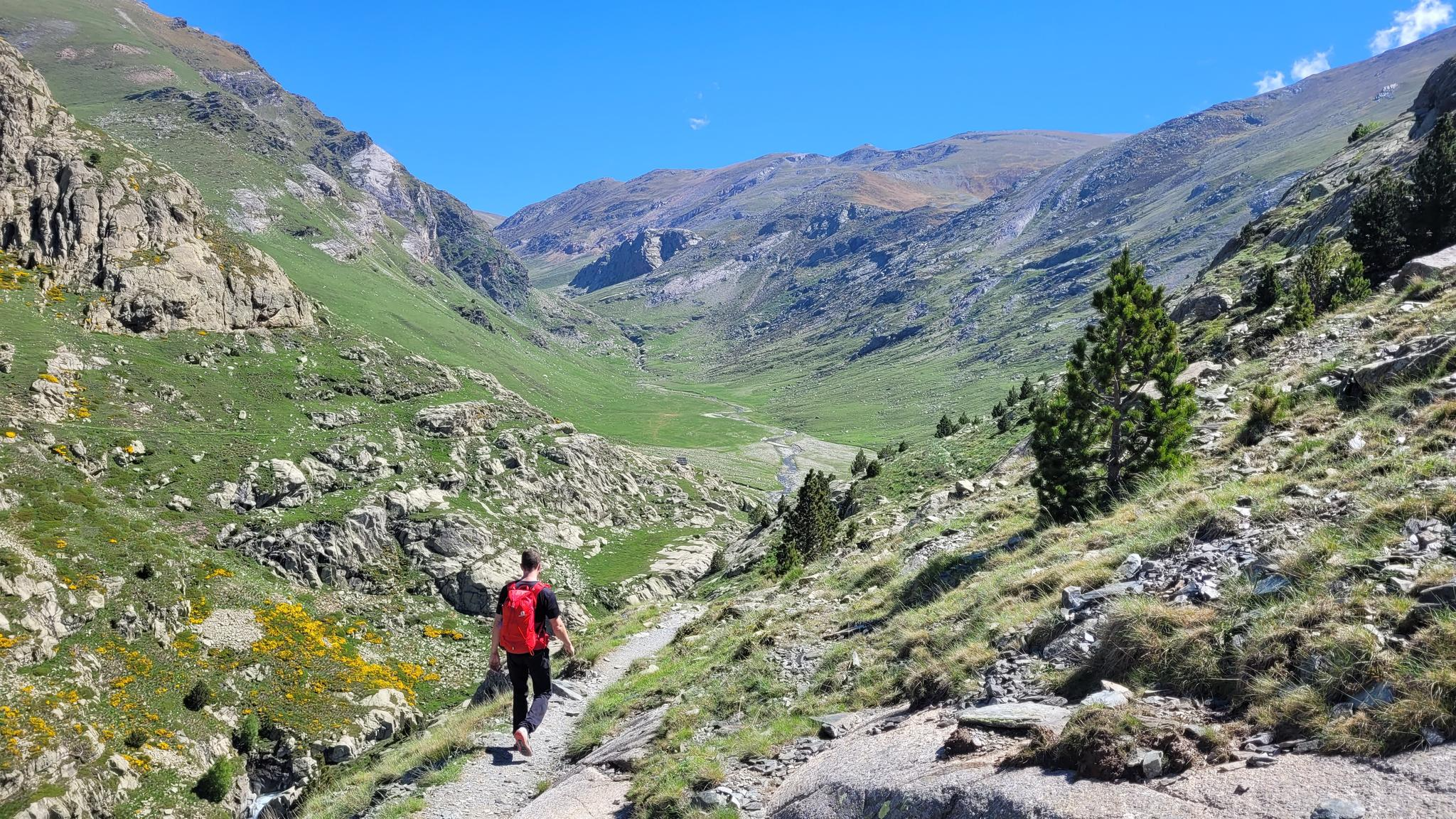
10 hikes with teenagers — Catalan paradises
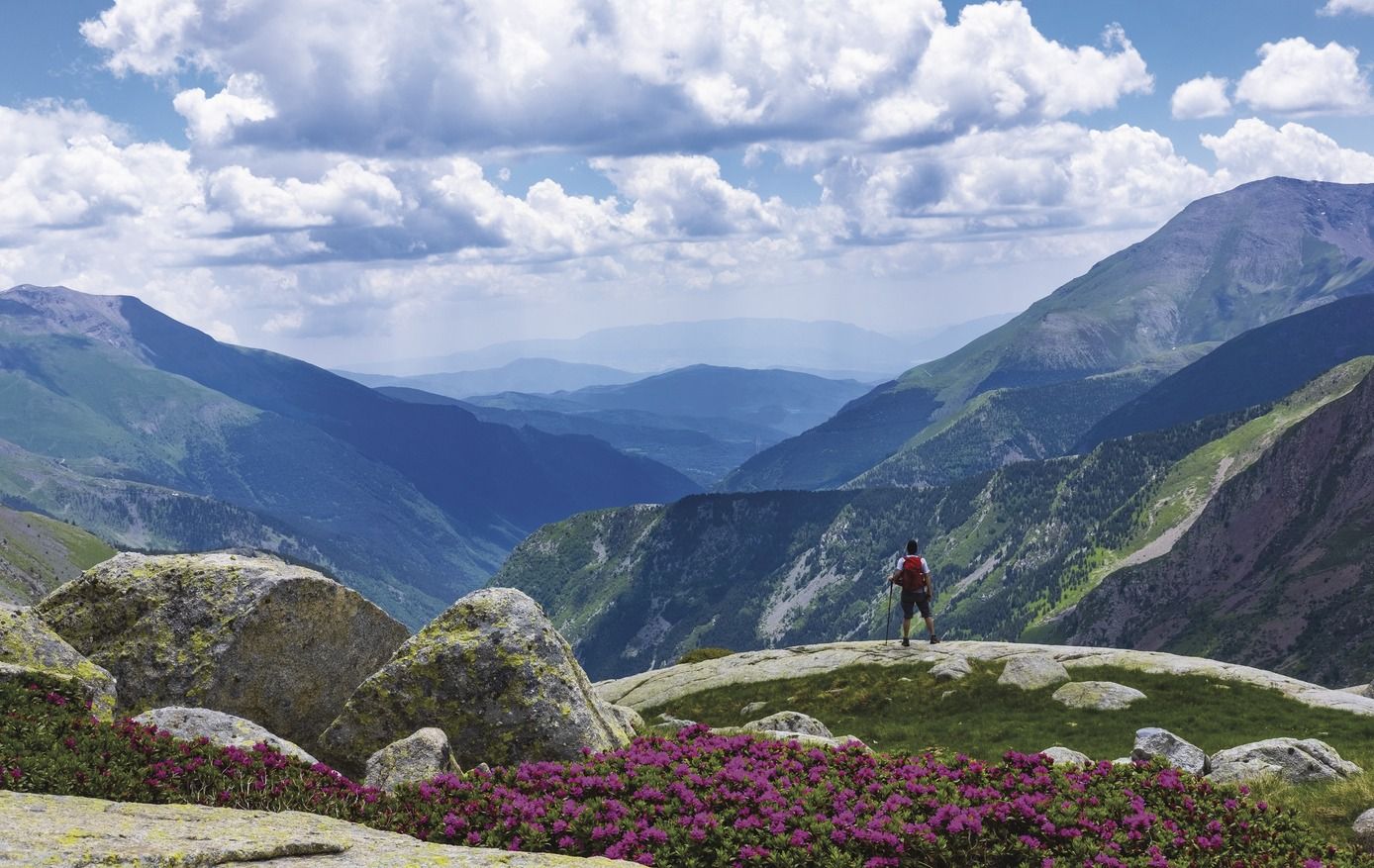
Great Hiking Routes of Catalonia
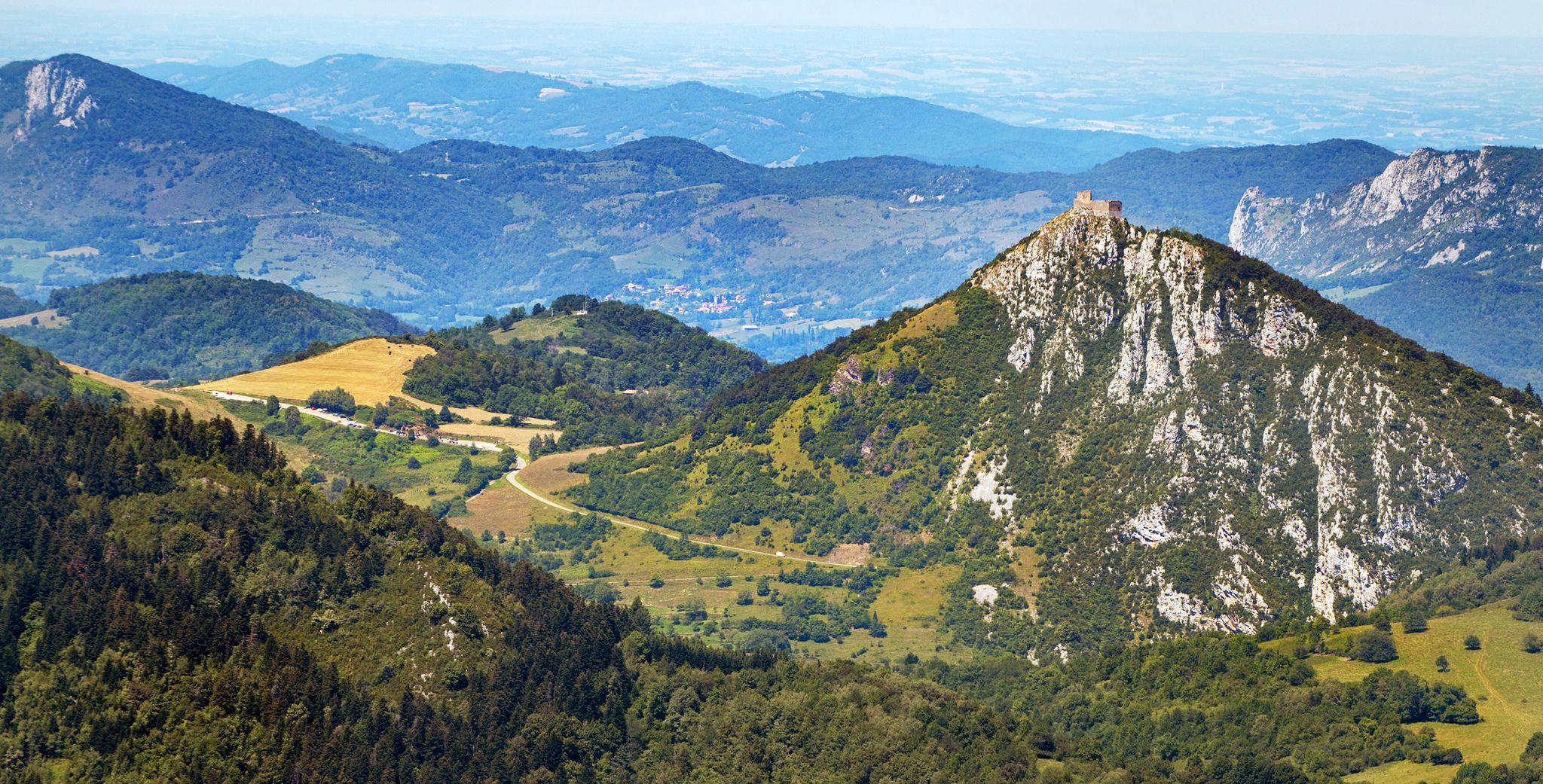
Cathar Route from Catalonia to France – Bons Homes Path (GR 107)
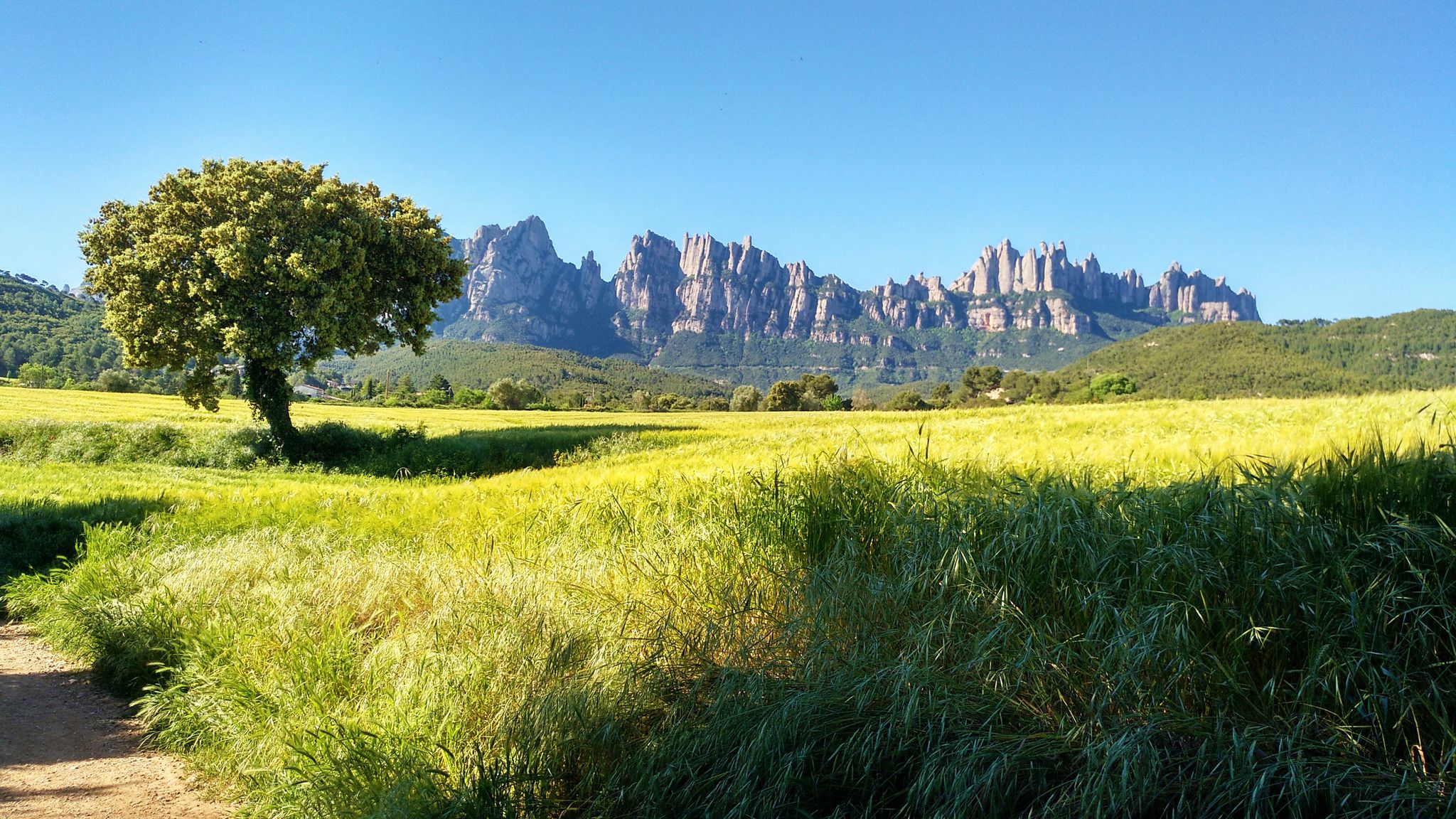
On foot from France to Montserrat – GR 4
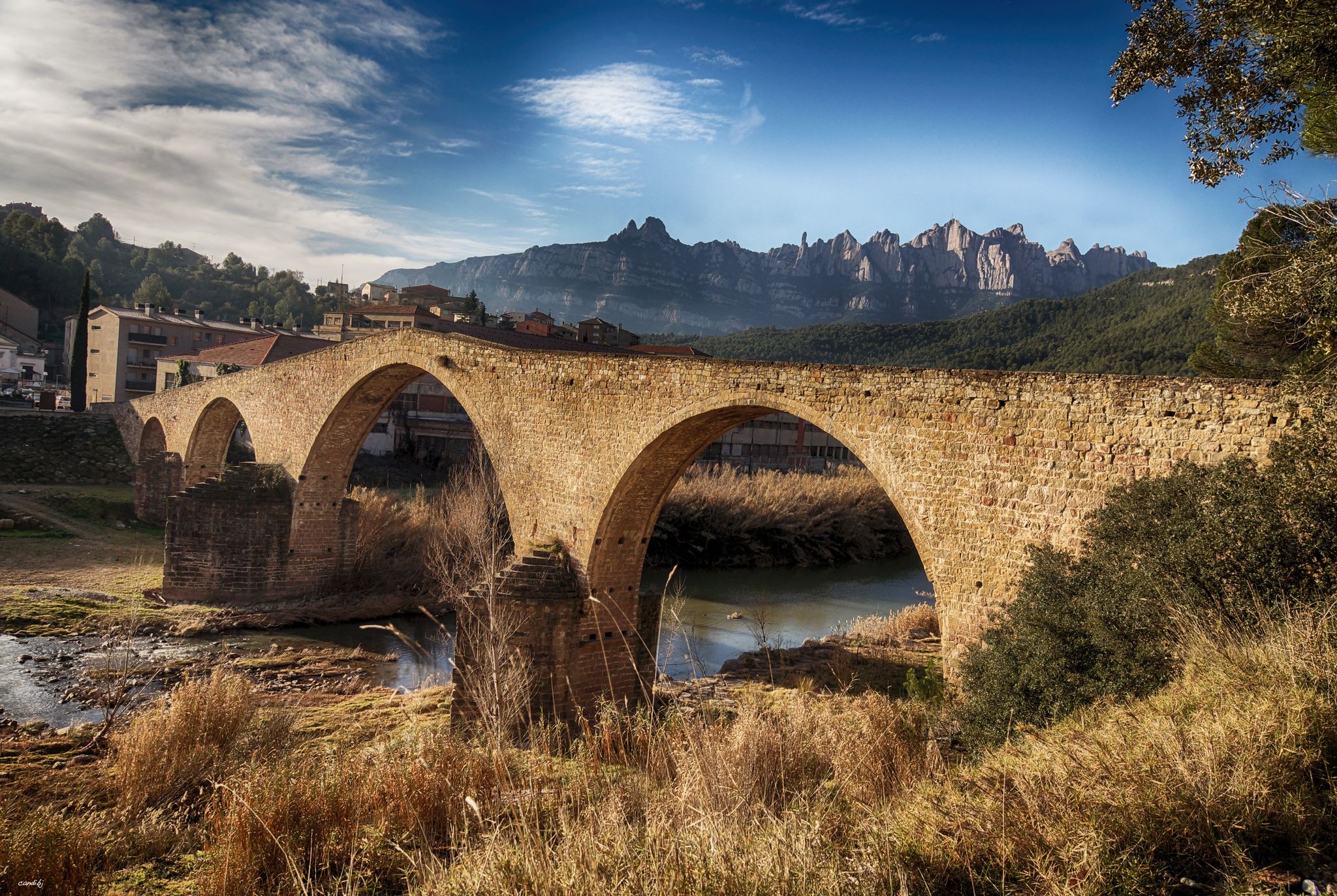
The river of Barcelona – El Camí del Llobregat
The symbol of Nepal in the Pyrenees – Cavalls del Vent
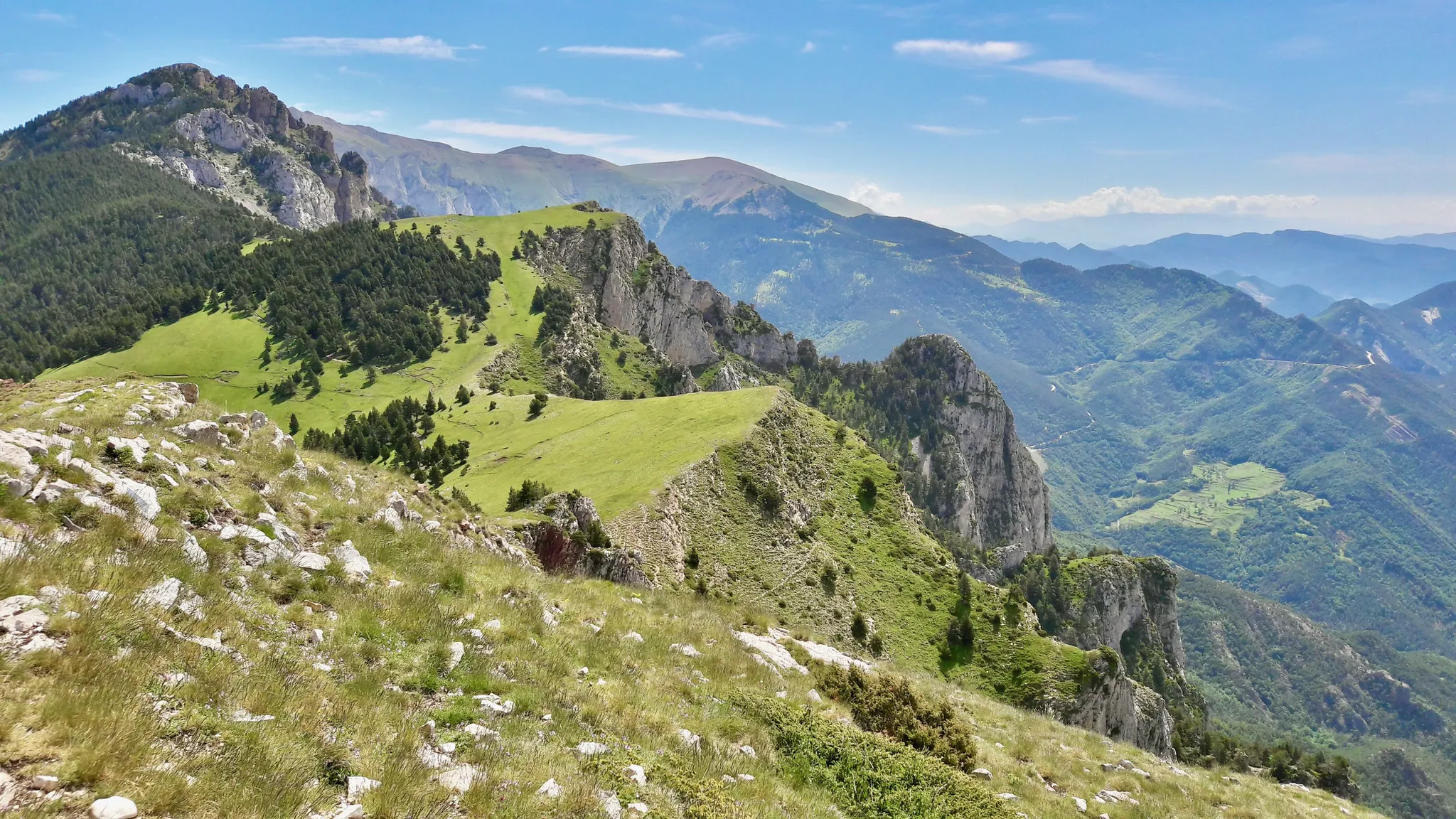
Hiking in Cavalls del Vent — Spain’s Parque Natural Cadí-Moixeró
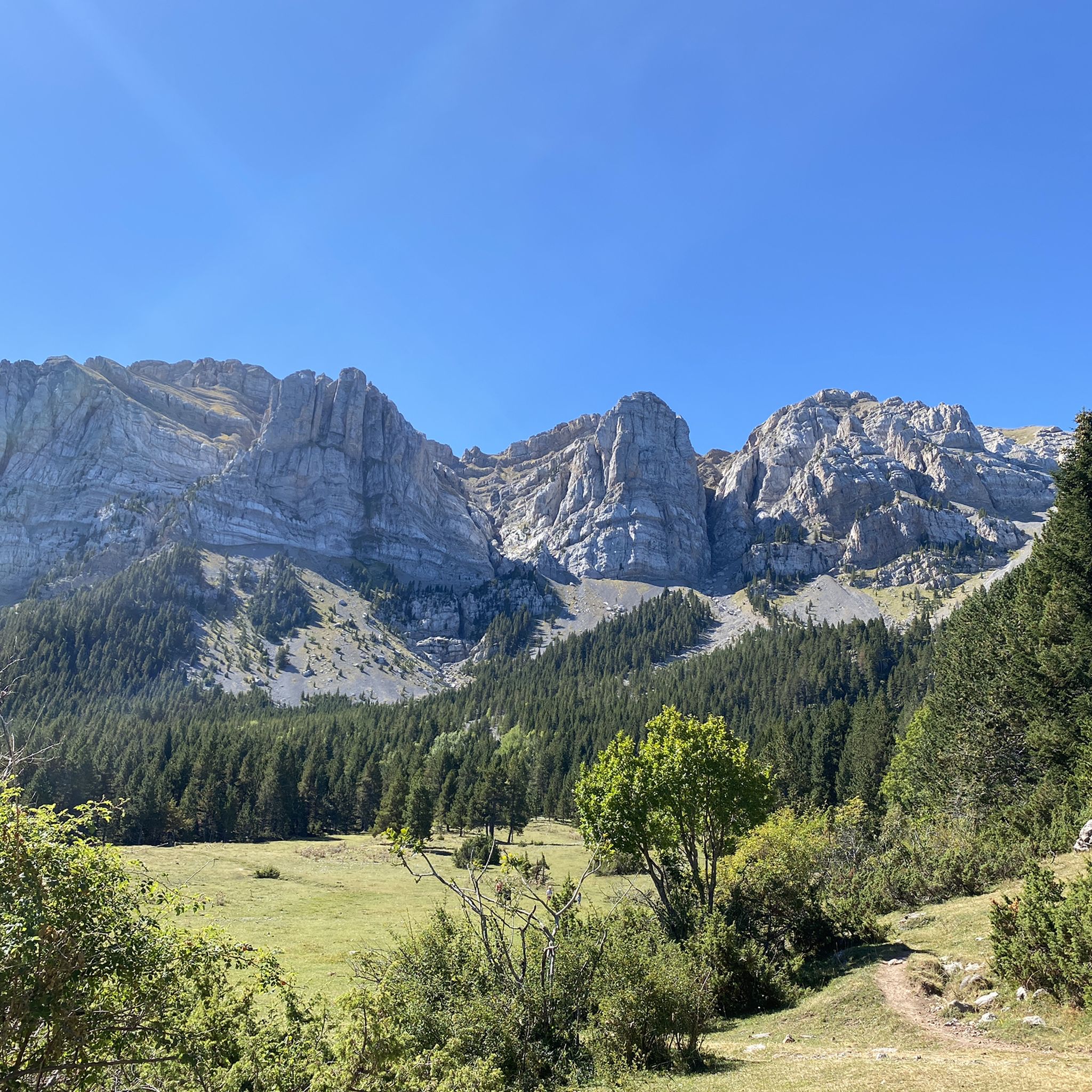
Hiking in Cadí-Moixeró
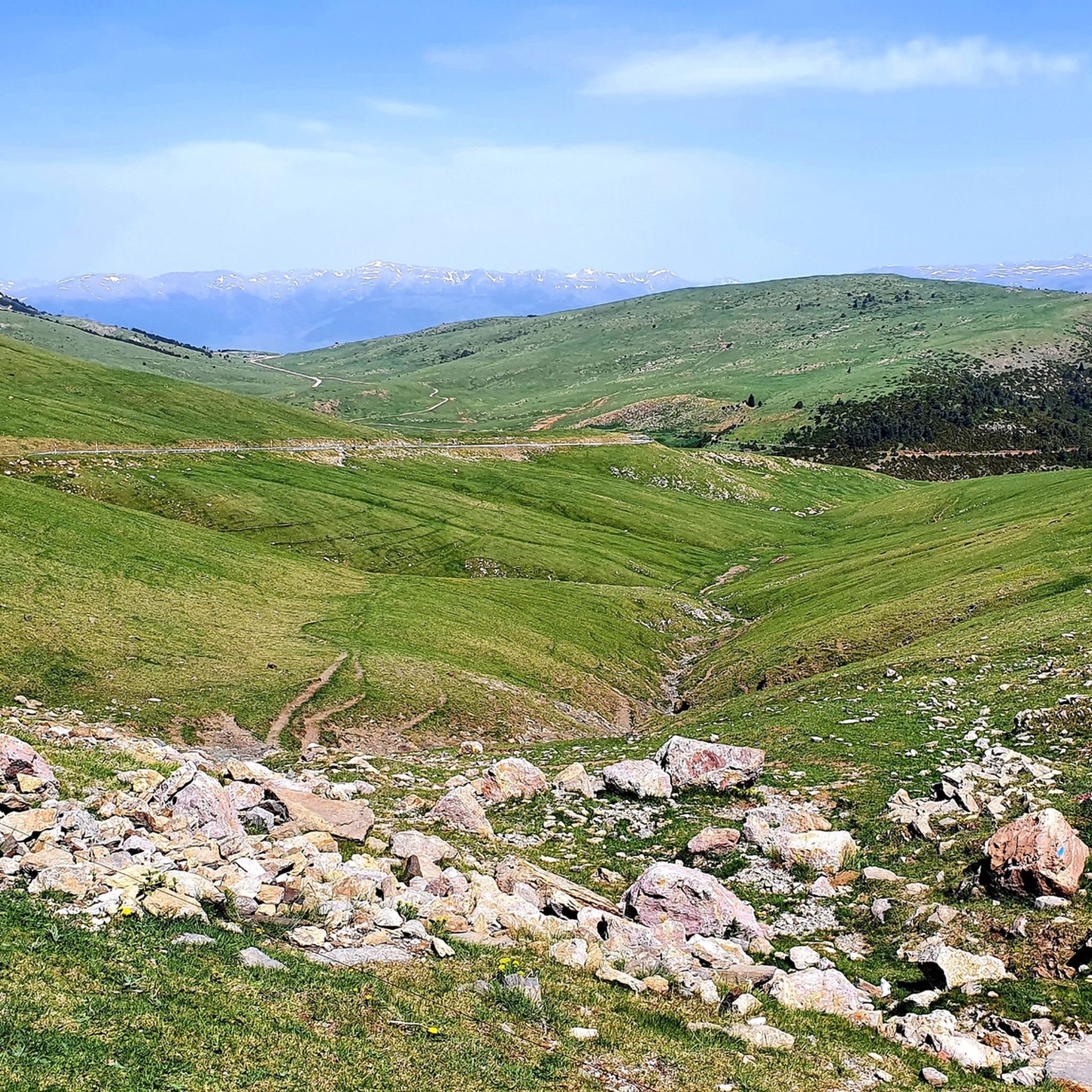
Road Cycling Routes in Cadí-Moixeró
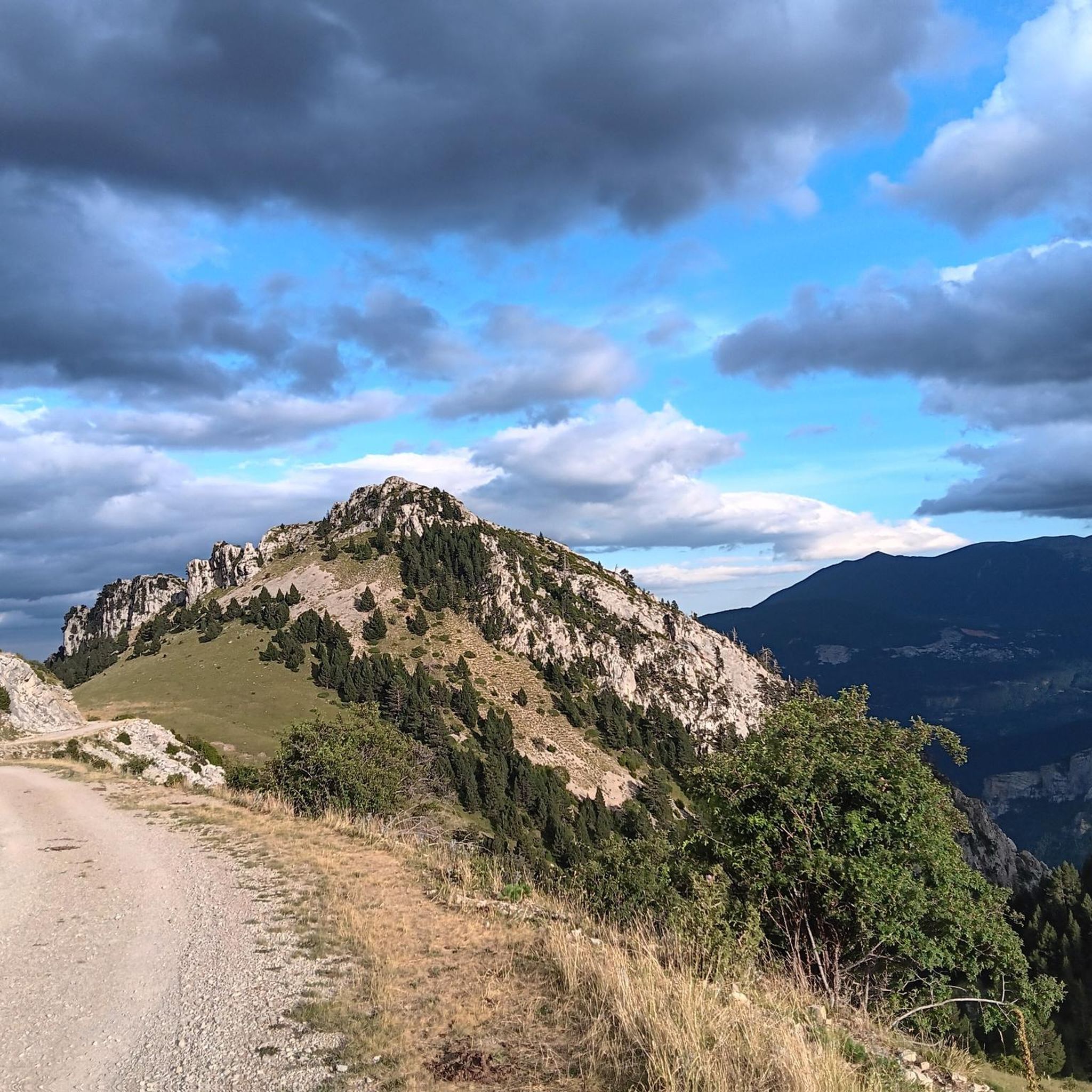
Running Trails in Cadí-Moixeró
Other adventures in Cadí-Moixeró


Tips from the Community

views of Tossa d'Alp, Pedraforca, Cadi and Serra Ensija
0
0

The Niu de l'Àliga Refuge is located at an altitude of 2,500 meters at the top of Tosa d'Alp, in the municipality of Bagà. This refuge is an iconic building at the highest point of the La Molina ski resort and offers spectacular views of the Cerdanya valley, Ripollès, and Berguedà. It is a privileged spot to enjoy sunsets and moonlit nights. The refuge has capacity for 27 people and offers services such as a cable car, blankets, showers, mobile charging, Wi-Fi, a bar, and a restaurant.
5
0

The Prat d'Aguiló refuge is one of the key points of the Cavalls de Vent route, in the heart of the Cadí mountain range. It has 42 places, which can be booked with breakfast, half board or full board. It also offers a bar service.
0
0

There are a couple of rope climbs just before the summit, but they are not difficult at all. My 20kg dog climbed them up and down without any problems.
0
0

Pas dels Gosolans, where the people of Cerdanya used to pass with their flocks to reach Ripollès
0
0

Pleasant accommodation and food options on the "Cavalls del Vent" tour.
0
0
After about an hour's climb from Prat d'Aguilo you reach this pass with its incredibly beautiful, barren landscape.
0
0
Accommodation and catering options on the "Cavalls del Vent" tour. The building looks "sophisticated" from a distance, but it is a bit old and the hut itself is quite simple.
2
0
Frequently Asked Questions
What are some of the most popular mountain peaks to visit in Cadí-Moixeró?
Among the most popular peaks, Penyes Altes del Moixeró stands out for its extensive 360º panoramic views without significant technical difficulty. Vulturó, as the highest peak, offers unparalleled vistas for experienced hikers. Pedraforca is an iconic and distinctively shaped mountain, a symbol of mountaineering in Catalonia.
Are there any mountain peaks in Cadí-Moixeró suitable for less experienced hikers or families?
Yes, Penyes Altes del Moixeró (2,276m) offers fantastic views without significant technical difficulty, making it a good option. The area around the base of Pedraforca, such as the Gresolet viewpoint, also provides breathtaking views without requiring a full ascent. For easy hikes in the region, you can explore routes like the Source of the Llobregat River loop from Castellar de n'Hug.
What kind of views can I expect from the mountain peaks in Cadí-Moixeró?
The peaks in Cadí-Moixeró offer diverse and stunning views. From Vulturó, you can see the surrounding Pyrenean foothills and beyond. Penyes Altes del Moixeró provides extensive 360º panoramic views. From La Tosa, specifically from the Niu de l'Àliga Refuge, you get spectacular views of the Cerdanya valley, Ripollès, and Berguedà. Gallina Pelada offers panoramic views over Catalonia to the south, France to the north, and the rest of the Pyrenees.
Are there any mountain huts or refuges located on or near the peaks?
Yes, the Cadí-Moixeró Natural Park is well-equipped with mountain huts. The Niu de l'Àliga Refuge is located at 2,510 meters on La Tosa, offering accommodation, bar, and restaurant services. The Prat d'Aguiló Refuge is another key point, often used as a base for ascents to Comabona. Both are part of the popular Cavalls del Vent route, which connects eight mountain huts throughout the park.
What is the best time of year to hike the mountain peaks in Cadí-Moixeró?
The best time to hike the mountain peaks in Cadí-Moixeró generally depends on the specific peak and your experience level. Spring and autumn offer pleasant temperatures and vibrant landscapes. Summer is also popular, but higher altitudes can still be challenging. In winter, peaks like La Tosa, with the Niu de l'Àliga Refuge at the foot of the La Molina ski station, are accessible for skiers and experienced winter hikers.
What challenging mountain peaks are there for experienced hikers?
For experienced hikers, Vulturó (2,648m) offers a challenging climb rewarded with extensive vistas. Pedraforca (2,506m) is known for its challenging routes, particularly the classic ascent from Refugi Lluís Estasen. Pollegó Superior (2,506m) also provides a true high-mountain experience with significant elevation gains. Comabona (2,548m) is another rewarding ascent often part of popular hiking routes.
What unique natural features can be found in the Cadí-Moixeró mountains?
The Cadí-Moixeró Natural Park is characterized by its rugged Pre-Pyrenean terrain, diverse ecosystems, and unique geological formations. The iconic, distinctively shaped Pedraforca mountain with its 'two ridges separated by a hill' formation is a prime example. The park also features prehistoric rock formations, a variety of vegetation zones from subalpine valleys to snow-capped ranges, and rich biodiversity, including ibex and various bird species.
Are there long-distance hiking routes that incorporate these peaks?
Yes, the Cadí-Moixeró Natural Park is home to an extensive network of marked trails, including long-distance routes. The 'Cavalls del Vent' route is particularly popular for multi-day hikes, connecting eight mountain huts and showcasing the park's diverse landscapes. Other notable long-distance trails include the GR-4, GR-7, and GR-107 (Route of the Cathars).
What other outdoor activities can I do near the mountain peaks in Cadí-Moixeró?
Beyond peak bagging, the Cadí-Moixeró region offers a variety of outdoor activities. You can find numerous hiking trails, including easy options like the Source of the Llobregat River loop. For cycling enthusiasts, there are options for gravel biking and MTB trails, such as the Gresolet Sanctuary loop. In winter, areas like La Tosa are popular for skiing.
What is the Cavalls del Vent route and which peaks does it involve?
The Cavalls del Vent (Horses of the Wind) is a popular multi-day hiking route that connects eight mountain huts within the Cadí-Moixeró Natural Park. It showcases the park's diverse landscapes and offers a true high-mountain experience. While it doesn't necessarily summit every major peak, it passes through key areas and refuges like Niu de l'Àliga Refuge on La Tosa, Prat d'Aguiló Refuge (a base for Comabona), and crosses passes like Gosolans Pass.
Are there any specific viewpoints in Cadí-Moixeró that offer excellent mountain panoramas?
Many peaks themselves serve as excellent viewpoints, such as Penyes Altes del Moixeró with its 360º views. The Niu de l'Àliga Refuge on La Tosa offers spectacular views of the Cerdanya valley, Ripollès, and Berguedà. The Gresolet viewpoint, near the base of Pedraforca, also provides breathtaking views of the iconic peak and the park.
What is the significance of Pedraforca mountain?
Pedraforca (2,506m) is an iconic and distinctively shaped mountain, recognized as a symbol of mountaineering in Catalonia. Its unique 'two ridges separated by a hill' formation makes it visually striking and a must-visit for many hikers. It offers challenging routes and is a prominent landmark within the Cadí-Moixeró Natural Park.
Most popular routes in Cadí-Moixeró
Most popular attractions in Cadí-Moixeró

Get inspired with the komoot mobile app


Explore more
See even more amazing summits in Cadí-Moixeró with these guides:
