The best mountain hikes in Cadí-Moixeró
5.0
(7)
148
hikers
12
hikes
Mountaineering routes in Cadí-Moixeró traverse a dramatic landscape characterized by the "wall of stone" formed by the Cadí and Moixeró mountain ranges, with elevations reaching over 2,500 meters. The park's geology is predominantly limestone, creating rugged peaks, rock cliffs, and deep gorges. Dense pine, fir, and ancient beech forests, alongside alpine meadows and rivers, define the diverse terrain.
Best mountaineering routes in Cadí-Moixeró
- The most popular mountaineering route is Pollegó Superior Summit loop from Paratge Natural d'Interès Nacional del Massís del Pedraforca, a 5.0 miles (8.0 km) trail that takes 5 hours 32 minutes to complete. This difficult route ascends to the iconic Pollegó Superior, offering expansive views of the Pedraforca Massif.
- Another top favourite among local mountaineers is El Calderer – Coll de la Cabana loop from Paratge Natural d'Interès Nacional del Massís del Pedraforca, a difficult 5.0 miles (8.0 km) path. This route explores the rugged terrain around Pedraforca, featuring challenging ascents and descents.
- Local mountaineers also love the View of Gósol Village – Pedraforca Saddle loop from Gósol, a 6.0 miles (9.6 km) trail leading through varied mountain landscapes, often completed in about 5 hours 28 minutes. This difficult route provides stunning perspectives of Gósol Village and the prominent Pedraforca Saddle.
- Mountaineering in Cadí-Moixeró is defined by rugged peaks, limestone cliffs, and dense woodlands. The extensive network offers options for different ability levels, with a focus on challenging high-mountain ascents.
- The routes in Cadí-Moixeró are highly rated by the komoot community with an average score of 5.0 stars from over 7 reviews. More than 140 mountaineers have used komoot to explore Cadí-Moixeró's varied terrain.
Last updated: July 1, 2026
66
hikers
Hard mountaineering route. Very good fitness required. Sure-footedness, sturdy shoes and alpine experience required.
5.0
(2)
13
hikers
16.9km
05:35
560m
560m
Hard mountaineering route. Very good fitness required. Mostly accessible paths. Sure-footedness required.

Sign up for free
7
hikers
9.15km
05:58
950m
950m
Hard mountaineering route. Very good fitness required. Sure-footedness, sturdy shoes and alpine experience required.
4
hikers
10.6km
04:48
710m
710m
Moderate mountaineering route. Good fitness required. Mostly accessible paths. Sure-footedness required.
5.0
(2)
5
hikers
15.3km
07:00
1,140m
1,150m
Hard mountaineering route. Very good fitness required. Mostly accessible paths. Sure-footedness required.
Get access to more routes and recommendations from other explorers.
Sign up for free
Already have an account?
Our route recommendations are based on thousands of hikes, rides, and runs completed by other people on komoot.
Start today with a free account
Your next adventure awaits.
Login or Signup
Popular around Cadí-Moixeró
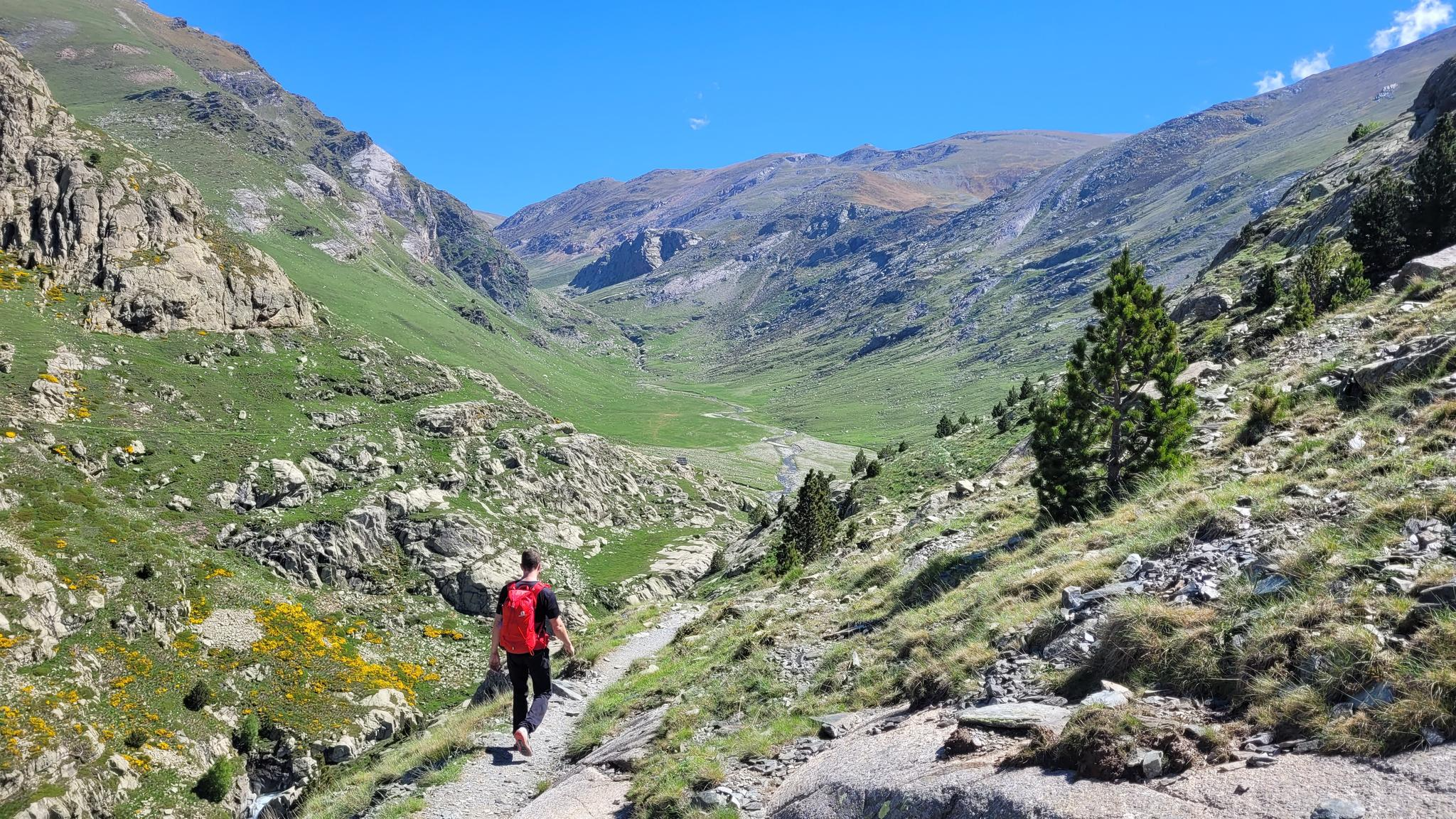
10 hikes with teenagers — Catalan paradises
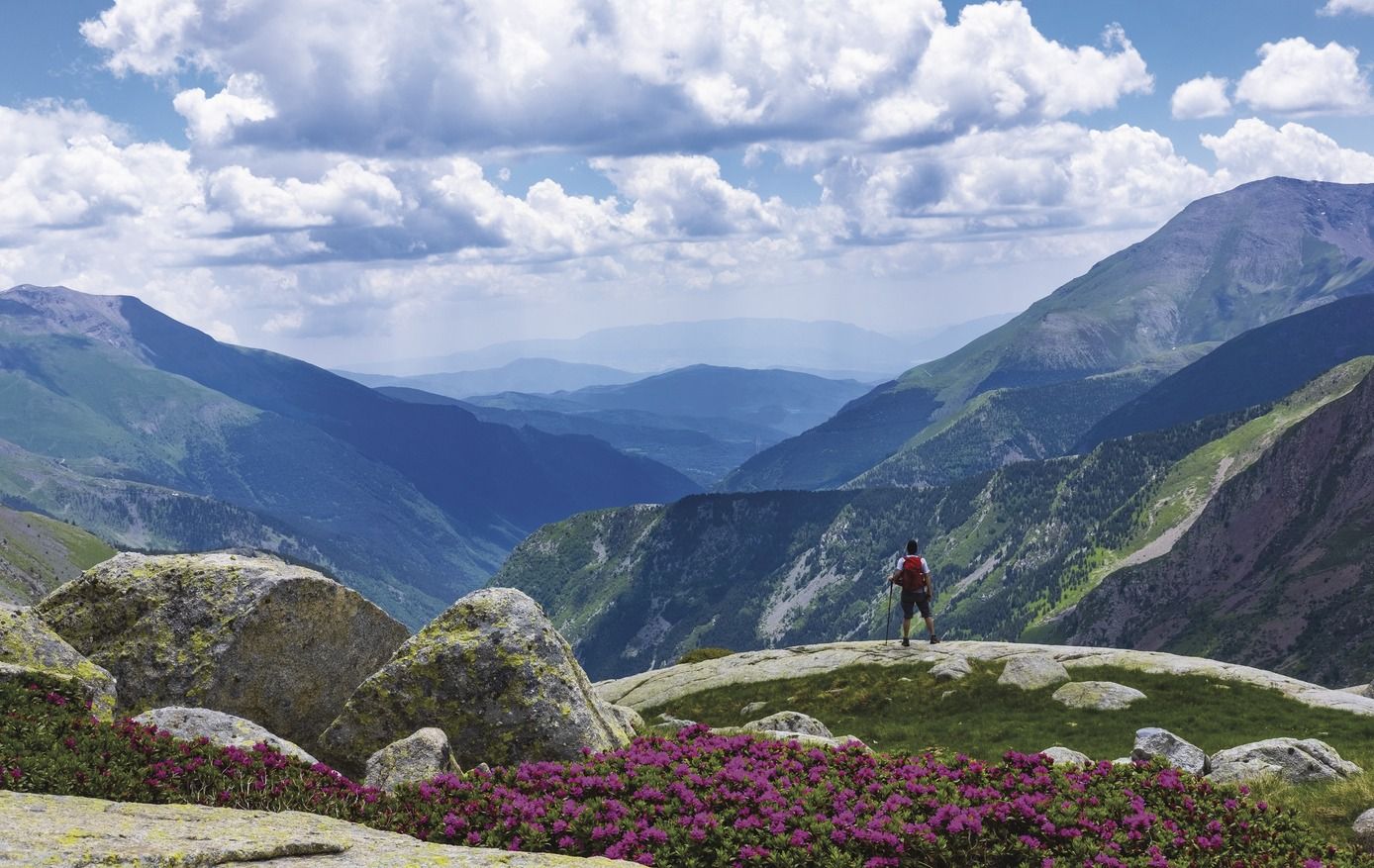
Great Hiking Routes of Catalonia
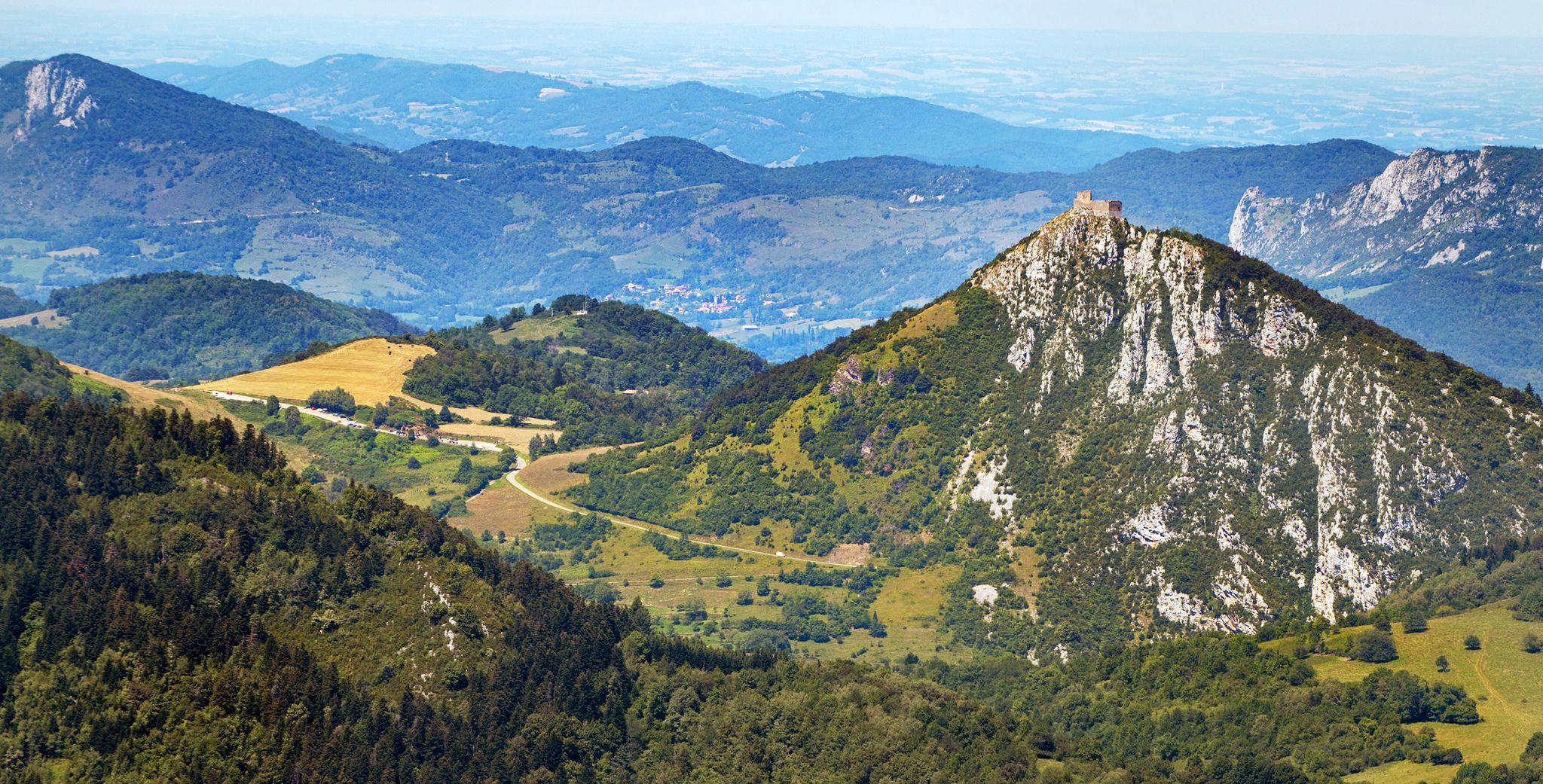
Cathar Route from Catalonia to France – Bons Homes Path (GR 107)
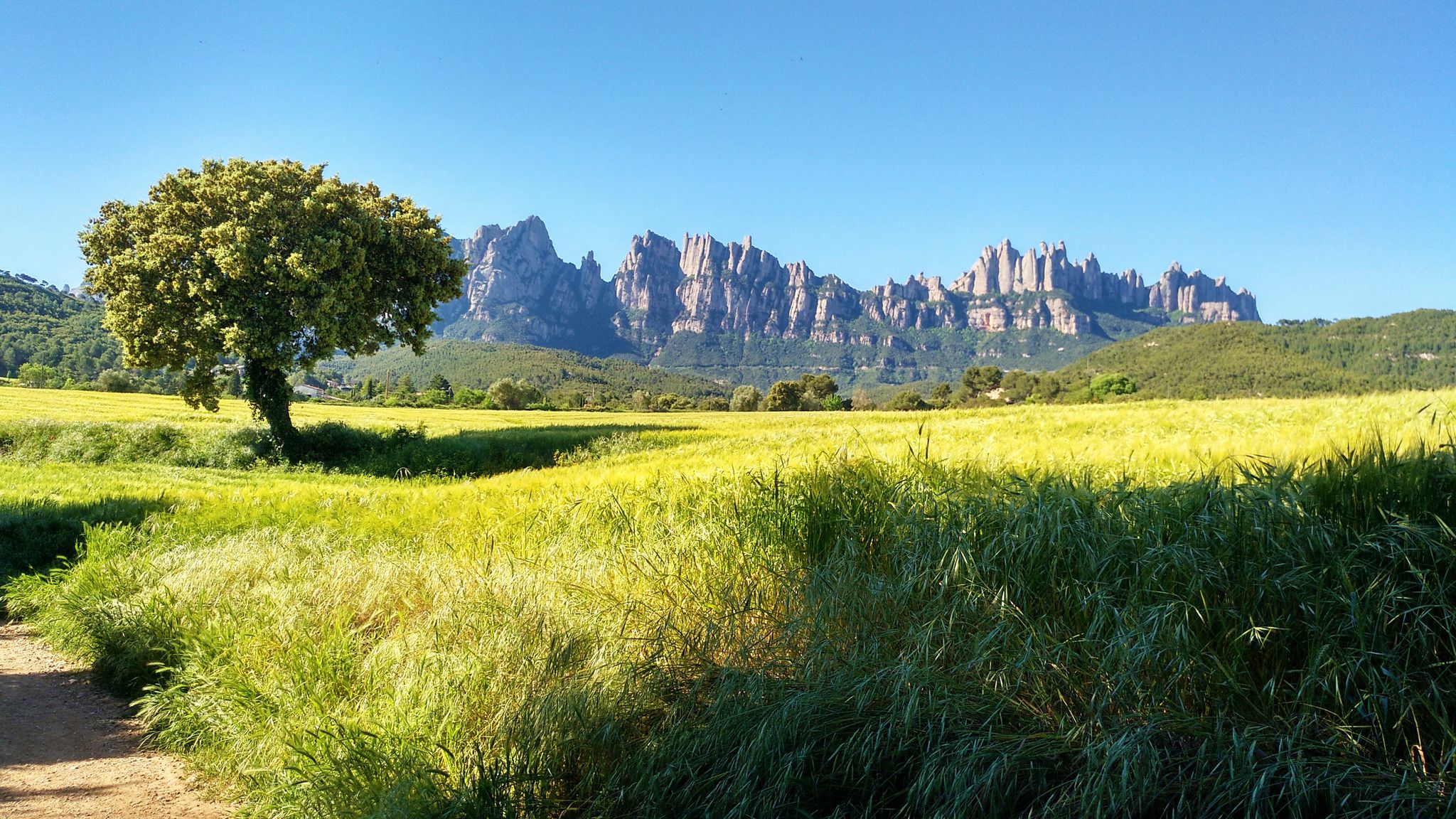
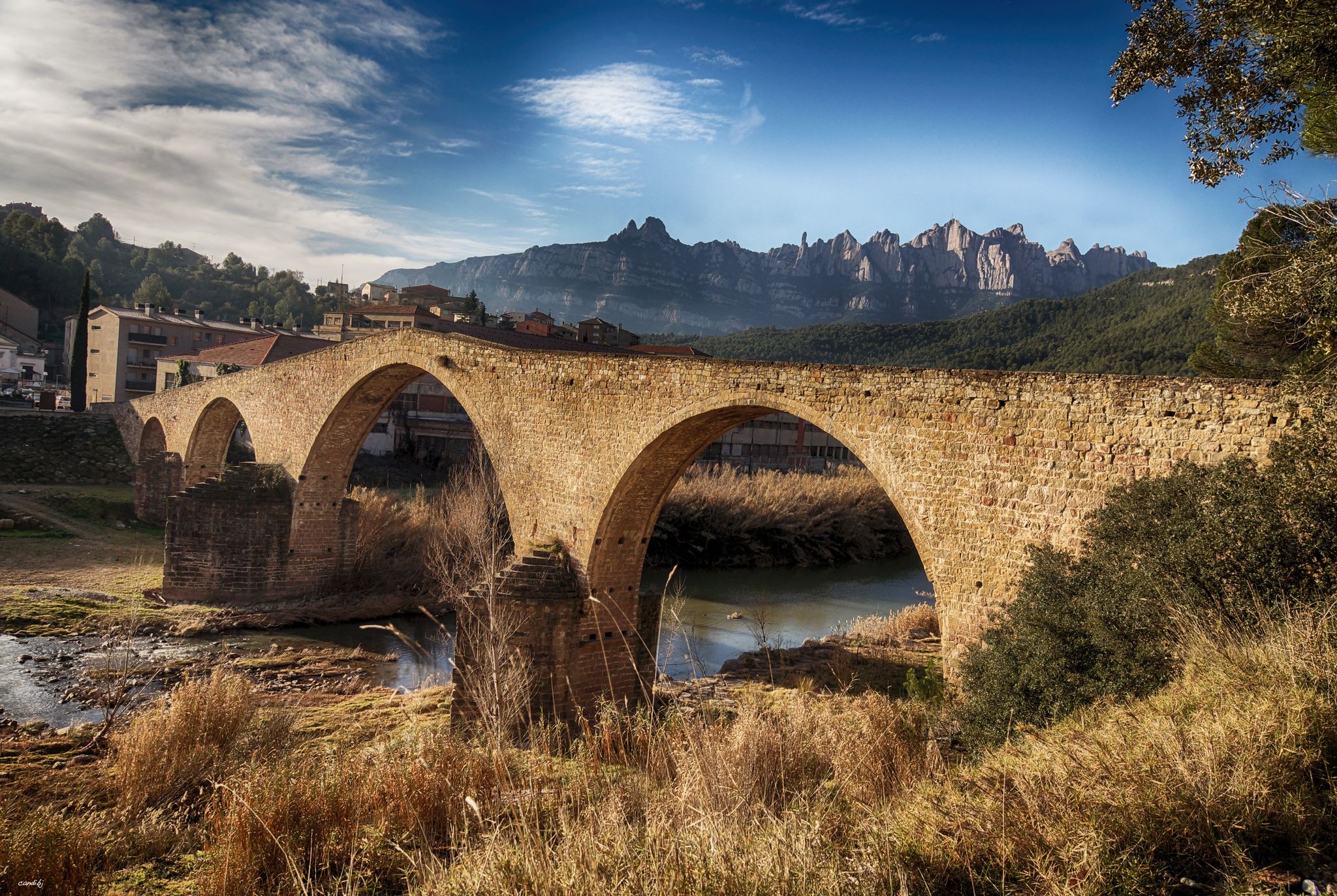
On foot from France to Montserrat – GR 4
The river of Barcelona – El Camí del Llobregat
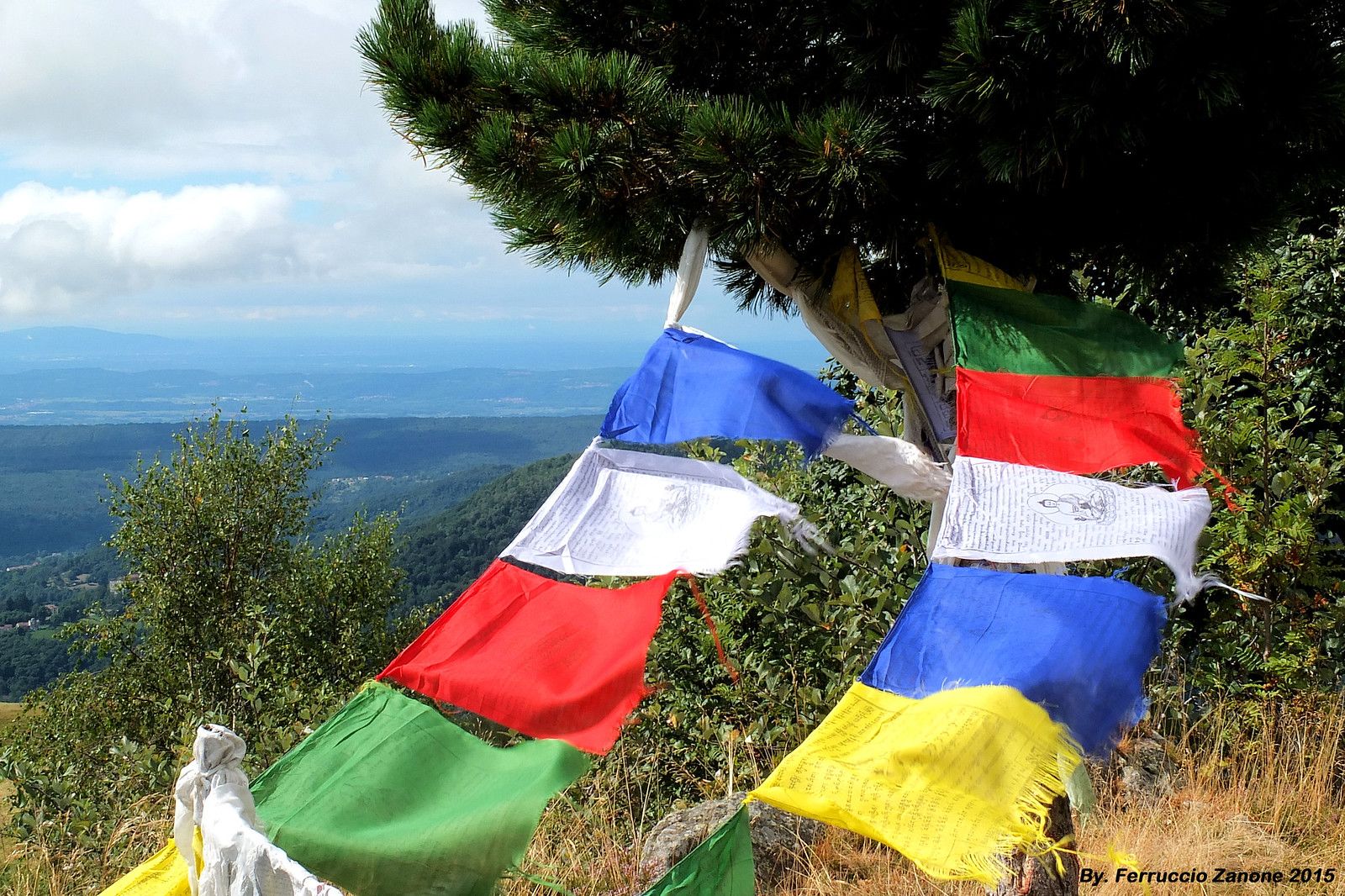
The symbol of Nepal in the Pyrenees – Cavalls del Vent
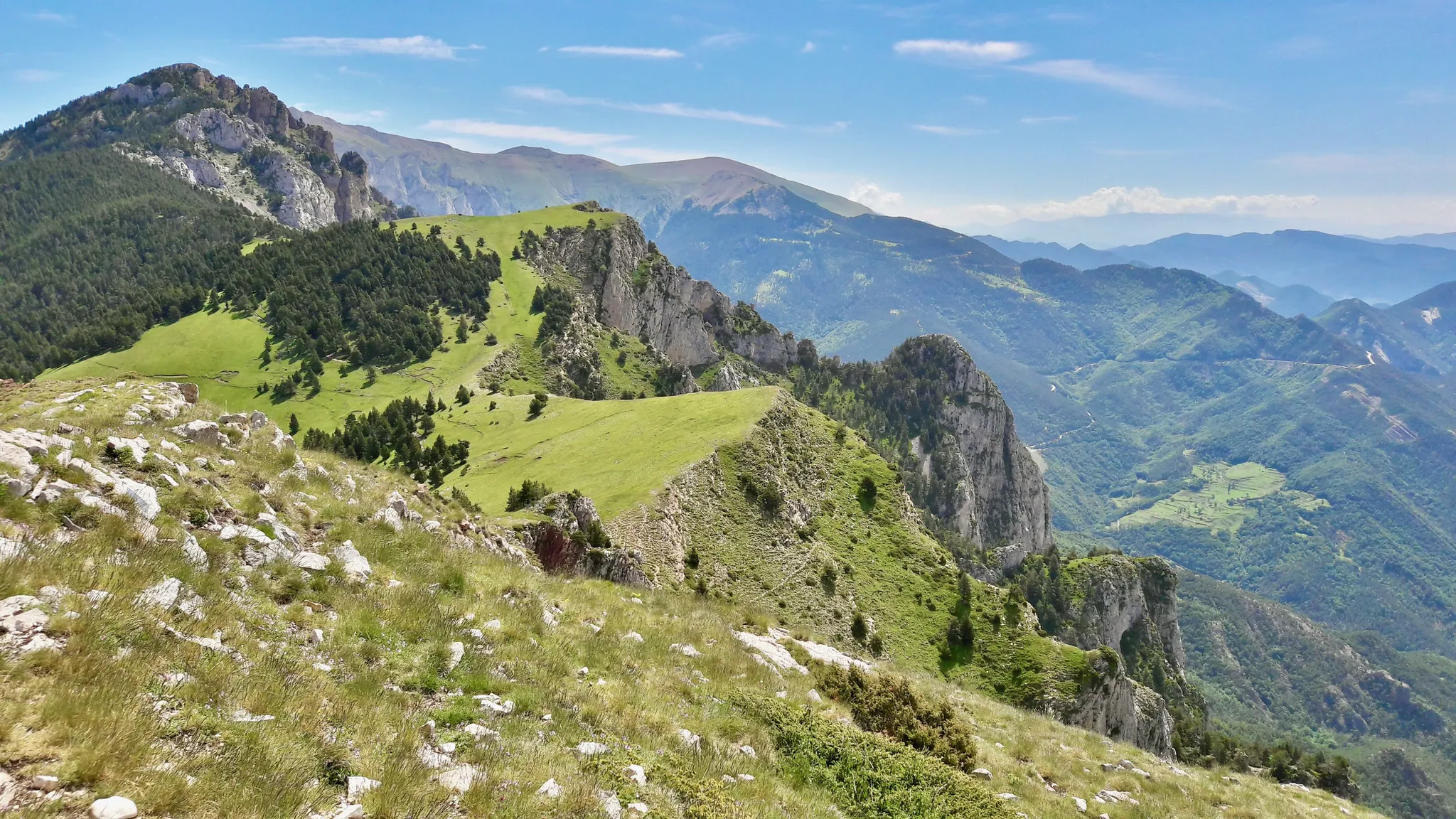
Hiking in Cavalls del Vent — Spain’s Parque Natural Cadí-Moixeró
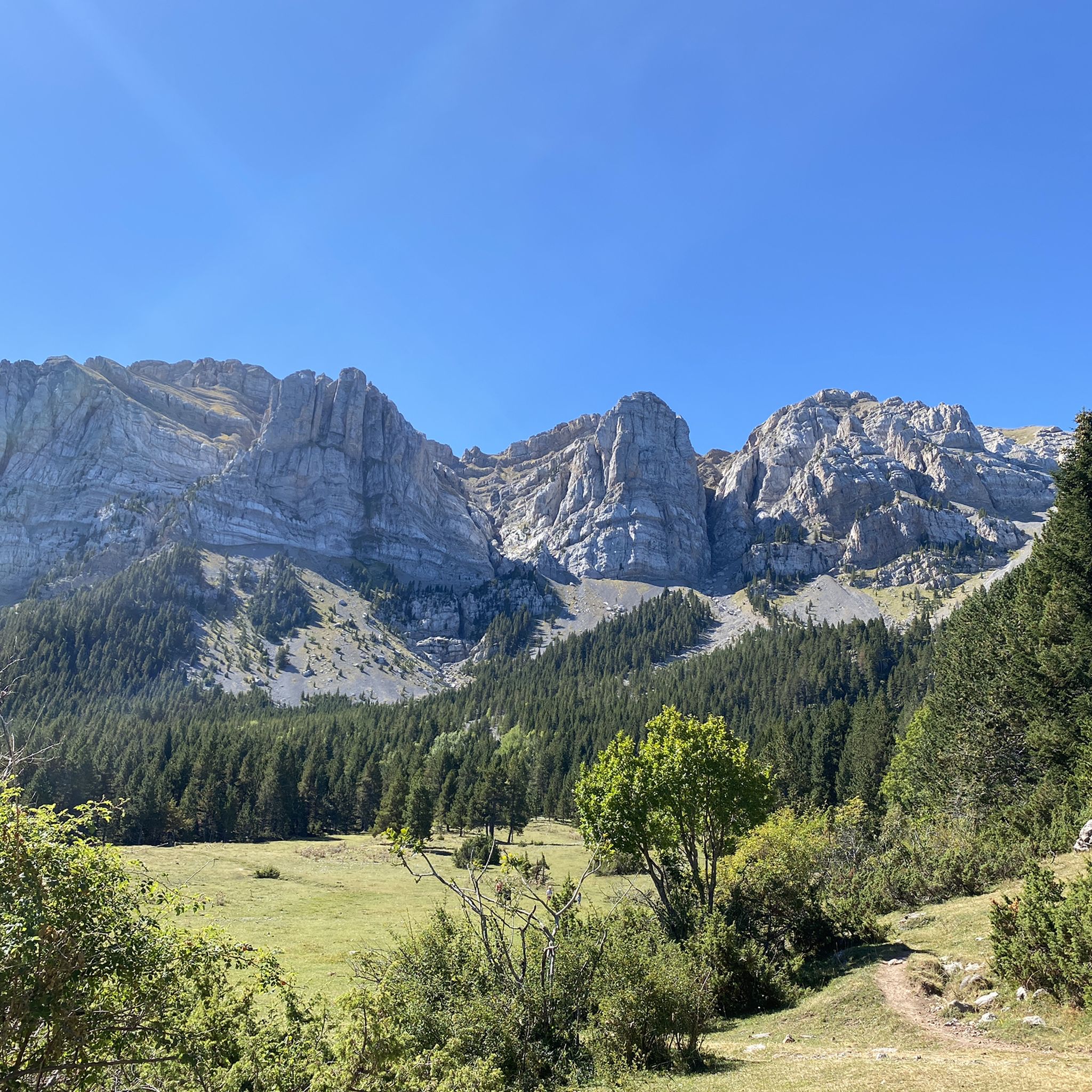
Hiking in Cadí-Moixeró
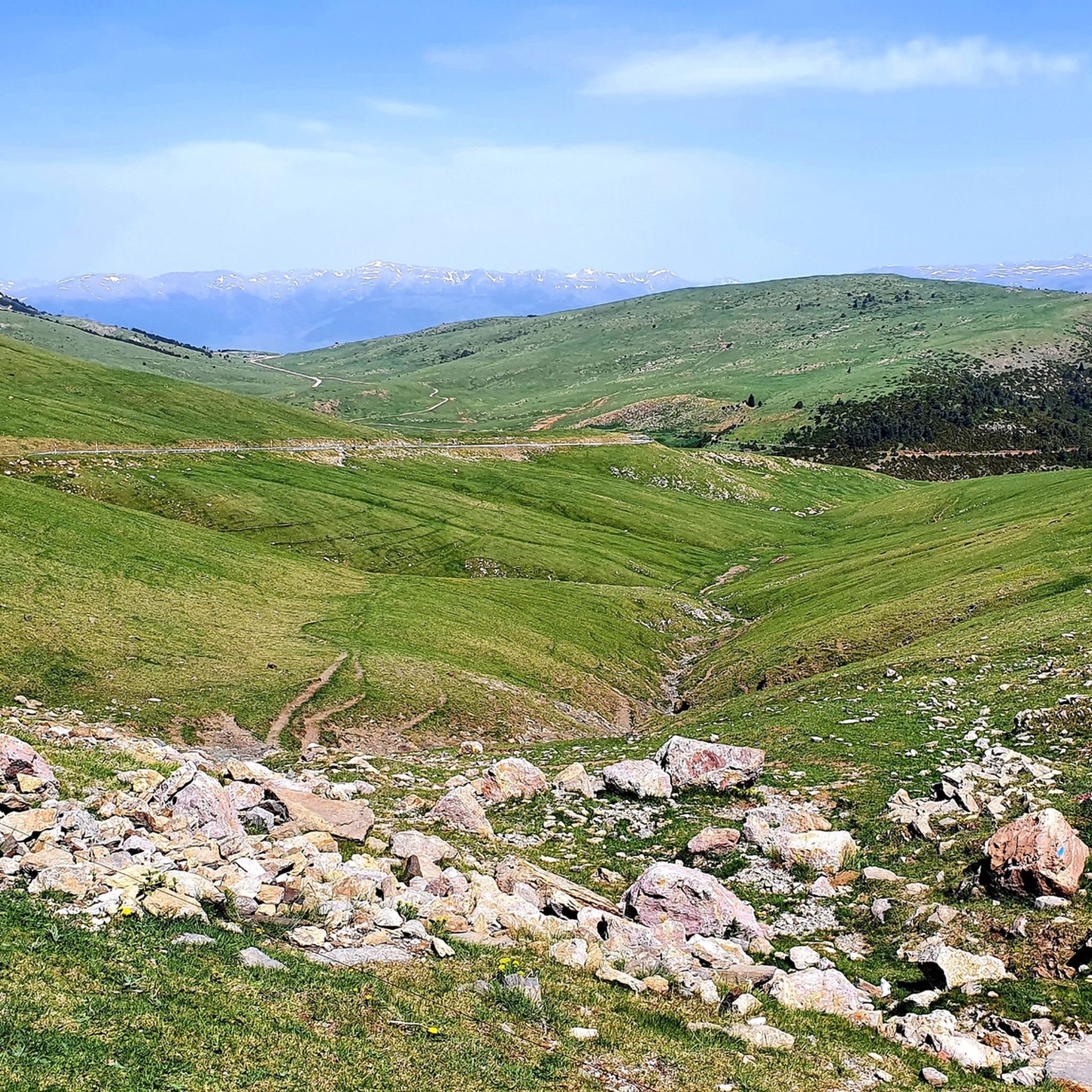
Road Cycling Routes in Cadí-Moixeró
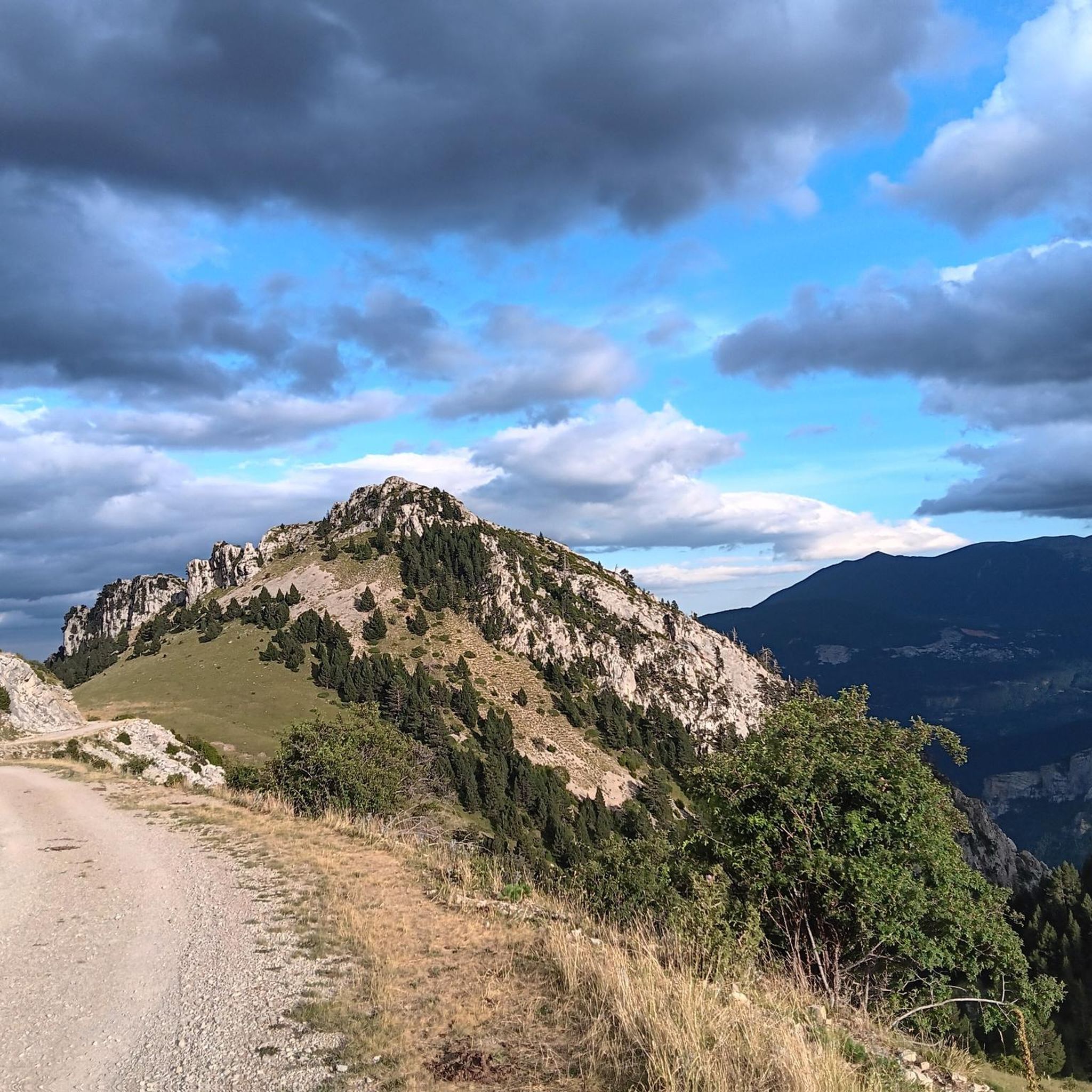
Running Trails in Cadí-Moixeró
Other adventures in Cadí-Moixeró


Tips from the Community

Masella - Niu - Coma Oriola - Niu - Masella. Controlant Z3 - Z4. De tranquis, sense apretar en cap moment, sumant desnivell. Molt bones sensacions.
0
0

Located at the foot of the majestic Pedraforca, it is one of the most emblematic refuges in the Pyrenees. Starting point for classic ascents to the summit and ideal place to enjoy the high mountain atmosphere. The building, surrounded by meadows and forests, offers imposing views and an impressive calm. By mountain bike, the final access from Saldes is demanding, with a steep slope and loose stone; it is best to tackle it with patience and good traction. Tip: if you get there in the afternoon, stay for a few minutes — the light over Pedraforca is pure magic.
0
0

A beautiful refuge at the foot of the north face of Pedradorca, it's worth the climb to discover it.
1
0

The Niu de l'Àliga Refuge is located at an altitude of 2,500 meters at the top of Tosa d'Alp, in the municipality of Bagà. This refuge is an iconic building at the highest point of the La Molina ski resort and offers spectacular views of the Cerdanya valley, Ripollès, and Berguedà. It is a privileged spot to enjoy sunsets and moonlit nights. The refuge has capacity for 27 people and offers services such as a cable car, blankets, showers, mobile charging, Wi-Fi, a bar, and a restaurant.
5
0

If you are passing through, do not hesitate to visit the 11th century castle and its famous Picasso Center, where you can see some of the works he created during the time he lived in this town.
0
0

Pas dels Gosolans, where the people of Cerdanya used to pass with their flocks to reach Ripollès
0
0

After about an hour's climb from Prat d'Aguilo you reach this pass with its incredibly beautiful, barren landscape.
0
0
Accommodation and catering options on the "Cavalls del Vent" tour. The building looks "sophisticated" from a distance, but it is a bit old and the hut itself is quite simple.
2
0
Frequently Asked Questions
What kind of terrain can I expect on mountaineering routes in Cadí-Moixeró?
Cadí-Moixeró is characterized by a dramatic "wall of stone" formed by the Cadí and Moixeró mountain ranges. The geology is predominantly limestone, leading to rugged peaks, rock cliffs, and deep gorges. You'll traverse diverse landscapes including dense pine, fir, and ancient beech forests, as well as alpine meadows and rivers. Elevations range from 900 meters in valleys to over 2,500 meters at peaks like Vulturó.
Are there any easy or beginner-friendly mountaineering routes in Cadí-Moixeró?
While Cadí-Moixeró is known for its challenging high-mountain ascents, there are a few routes considered moderate. For instance, the park offers an extensive network of over 400 km of marked trails, including sections of long-distance routes like the GR-4, GR-7, and GR-107, which can provide less strenuous options for those new to mountaineering. However, most routes listed here are rated as difficult.
What is the best time of year for mountaineering in Cadí-Moixeró?
The best time for mountaineering in Cadí-Moixeró is generally from late spring through early autumn (May to October) when the weather is more stable and snow has melted from higher elevations. During these months, you can fully appreciate the lush forests and alpine meadows. Winter offers opportunities for Alpine and Nordic skiing, but mountaineering conditions can be challenging due to snow and ice.
Are there any circular mountaineering routes in Cadí-Moixeró?
Yes, many of the mountaineering routes in Cadí-Moixeró are designed as loops, allowing you to start and end at the same point. For example, the challenging Pollegó Superior Summit loop from Paratge Natural d'Interès Nacional del Massís del Pedraforca is a popular circular option. Another great choice is the El Collell Pass – Lluís Estasen Refuge loop from Gósol.
What kind of wildlife might I encounter on the trails?
Cadí-Moixeró is home to diverse wildlife. Keep an eye out for ibex, chamois, red deer, and roe deer. Birdwatchers might spot woodpeckers and various birds of prey, including the impressive bearded vulture. The park's varied ecosystems, from valleys to high mountain ranges, support a rich array of species.
Are there any mountain refuges or accommodation options along the routes?
Yes, Cadí-Moixeró has strategically located mountain refuges that provide essential services and overnight stays for mountaineers. Notable examples include the Niu de l'Àliga Refuge, situated at 2,510 meters, and the Prat d'Aguiló Refuge. These can be crucial for multi-day treks.
What are some notable landmarks or points of interest to see while mountaineering?
The park is rich in natural landmarks. The iconic Pedraforca Massif, with its unique two-ridged shape, is a must-see. You can also explore the Gosolans Pass or the El Collell Pass. The highest peak within the park is Vulturó at 2,648 meters. The former glacial lake of Prat de Cadí and the striking Fonts del Llobregat (underground springs) also add to the natural allure.
Are there any specific permits required for mountaineering in Cadí-Moixeró?
Generally, no specific permits are required for hiking and mountaineering on the marked trails within Cadí-Moixeró Natural Park. However, for certain technical climbing routes, especially on Pedraforca, or for specific activities, it's always advisable to check with the park authorities or local information centers for the most up-to-date regulations. For general information about the region, you can visit visitpirineus.com.
How many mountaineering routes are available in Cadí-Moixeró?
There are over 10 mountaineering routes detailed for Cadí-Moixeró, offering a range of challenging high-mountain ascents. The komoot community has explored these routes extensively, with over 140 mountaineers using komoot to navigate the park's varied terrain.
What do other mountaineers enjoy most about Cadí-Moixeró?
The area is highly rated by the komoot community, with an average score of 5.0 stars from over 7 reviews. Reviewers often praise the dramatic landscapes, the challenging nature of the ascents, and the stunning views of the Pyrenees. The unique geological features and diverse ecosystems also receive high acclaim.
Are there any multi-day mountaineering options in Cadí-Moixeró?
Yes, Cadí-Moixeró is well-suited for multi-day mountaineering thanks to its extensive trail network and strategically placed mountain refuges. Long-distance routes like the GR-4, GR-7, and the GR-107 (Route of the Cathars) traverse the park, offering opportunities for multi-day treks where you can stay overnight in refuges like Niu de l'Àliga.
Are dogs allowed on the mountaineering routes in Cadí-Moixeró?
Cadí-Moixeró Natural Park generally allows dogs on trails, but they must be kept on a leash to protect wildlife and ensure the safety of other visitors. It's always a good idea to check specific trail regulations or park guidelines before heading out, especially in protected areas or during certain seasons, to confirm any restrictions.
Most popular routes in Cadí-Moixeró
Most popular attractions in Cadí-Moixeró

Get inspired with the komoot mobile app


Explore more
Browse the best Mountain Hikes & Routes in other regions.
