Attractions and Places To See in Sierra De Camarolos - Top 12
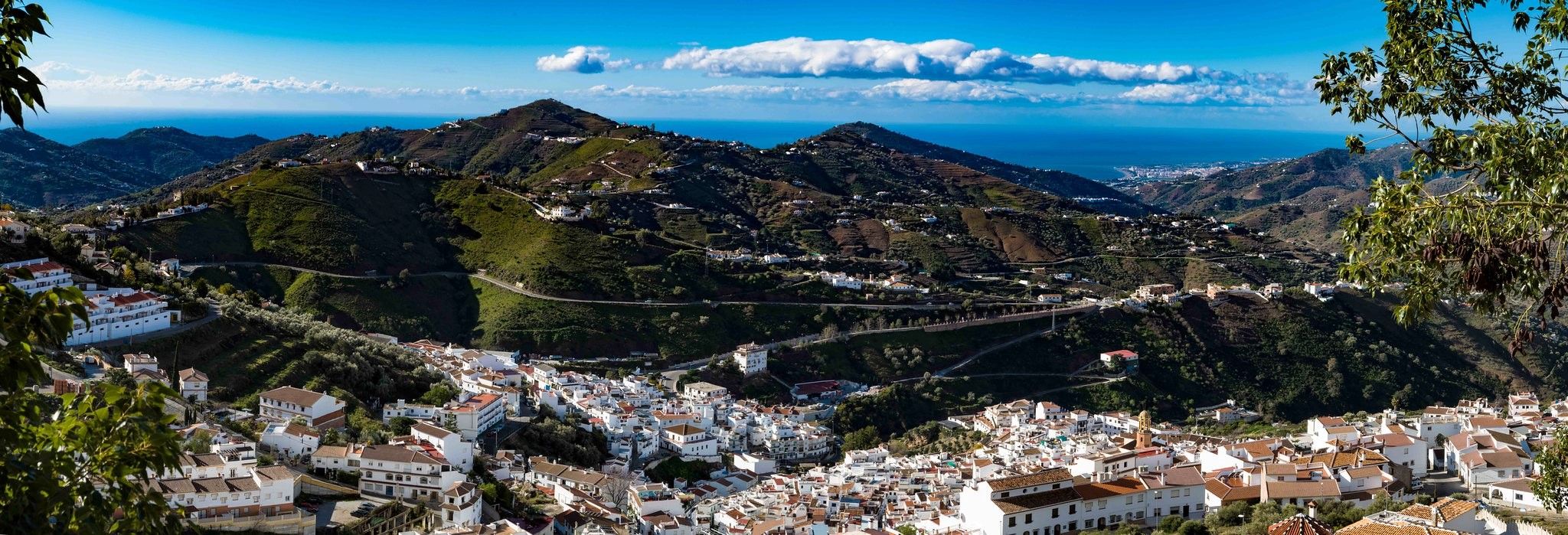
Best attractions and places to see in Sierra De Camarolos are concentrated in its natural landscapes. This mountain range in Málaga province, Spain, features limestone mountains, pine forests, and meadows, separating the plains of Antequera and Axarquía. The region is characterized by its karstic ridge and numerous springs, making it a destination for outdoor activities and nature observation.
Best attractions and places to see in Sierra De Camarolos
- The most popular attractions is Hundred‑Spout Fountain, a natural monument that…
Last updated: July 1, 2026
Hundred‑Spout Fountain
Highlight • Natural Monument
Translated by Google •
Tip by

Venta de Alfarnate & Museum
Highlight • Restaurant
Translated by Google •
Tip by

Sign up now to discover places like this
Get recommendations on the best single tracks, peaks, & plenty of other exciting outdoor places.
Sign up for free
Camino de los Poyales
Highlight (Segment) • Trail
Translated by Google •
Tip by

Alto del Hondonero Viewpoint
Highlight • Viewpoint
Translated by Google •
Tip by

Royal Road of Charles III
Highlight • Trail
Translated by Google •
Tip by

Sign up for free to discover even more attractions in Sierra De Camarolos.
Sign up for free
Already have an account?
Start today with a free account
Your next adventure awaits.
Login or Signup
Popular around Sierra De Camarolos
Andalusia without limits – Tarifa to La Puebla de Don Fabrique on the GR 7
Hike between sea and mountains — Gran Senda de Málaga (GR 249)
Hiking in Sierra De Camarolos
Road Cycling Routes in Sierra De Camarolos
Running Trails in Sierra De Camarolos
Cycling in Sierra De Camarolos
MTB Trails in Sierra De Camarolos

Gravel biking in Sierra De Camarolos

Tips from the Community

I was there mid november and the fountain was empty...
0
1

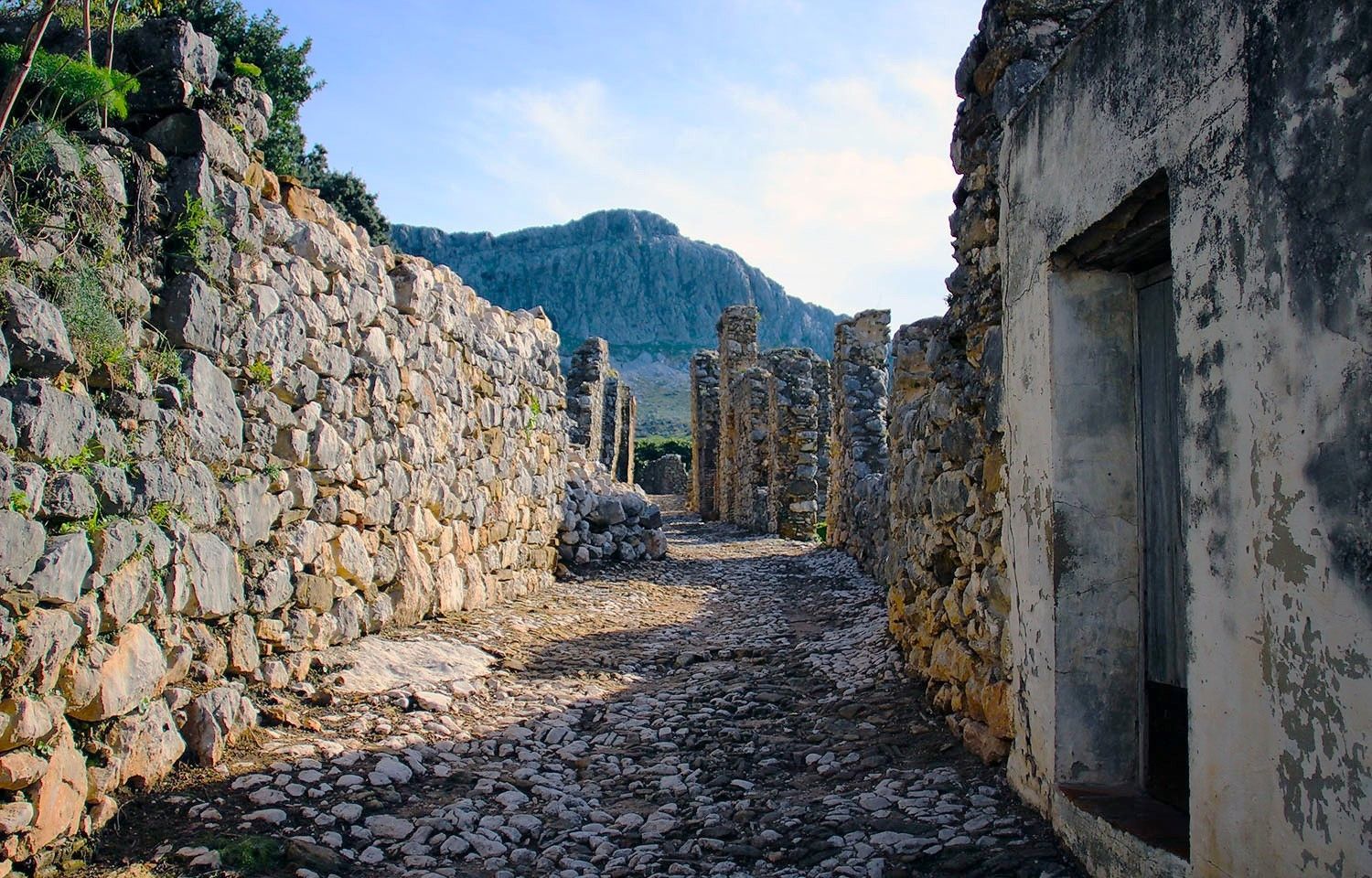
The Camino Real de Carlos III near Antequera was part of the great royal road built in the 18th century under King Charles III to improve the connection between Madrid and Andalusia. In the region around Antequera, the route ran through a particularly scenic area – along the edge of the Torcal de Antequera, between hills, olive groves, and limestone cliffs. At that time, the route served as an important trade and travel link between the Guadalquivir Valley, Antequera, and the Málaga coast. Today, some sections of the historic Camino Real near Antequera are still recognizable and marked as cycle paths. You can cycle along these old paths through a typical Andalusian cultural landscape of grain fields, olive trees, and whitewashed villages. The section that descends from the Torcal de Antequera towards the city is particularly rewarding, offering magnificent views of the Antequera Valley, the Peña de los Enamorados, and the vast plains extending to the Sierra de las Nieves. The Camino Real was not only a transport link here, but also a symbol of the Enlightenment-style reform spirit of King Charles III, who built roads, post stations, and new villages to develop and modernize Andalusia. Today, the route invites you to hike or cycle along historical trails—between history, nature, and impressive geology.
1
0

In Alfarnate, La Venta de Alfarnate dates back to the 13th century, and is considered the oldest in Andalusia. Due to the numerous stories and legends surrounding it, it is considered a true popular monument, and it is not for nothing that it now houses the Museum of Andalusian Banditry. All kinds of people and all social classes have passed through here: muleteers, black marketeers, bandits, even King Alfonso XIII and Saint Joseph of Calasanz, not to mention artists, painters, and more. La Venta de Alfarnate remains faithful to its principles, its mystery, and its romantic magic. Its cuisine is fundamentally based on Andalusian mountain and country cuisine, with notable dishes including Alfarnate crumbs, eggs a lo bestia (roasted eggs), garlic goat, fried lamb blood sausage with tomatoes, and scrambled eggs with anise porridge.
7
0

A colorful route with many beautiful areas. The 101 channels are truly breathtaking with so much water. The Rosario River is full of beauty with those spectacular waterfalls.
1
1

The Fuente de los Cien Caños is an impressive natural monument located in Villanueva del Trabuco, on the limestone slope of the Sierra de San Jorge. The fountain is known for being the source of the Guadalhorce River, the longest and most voluminous river in the province of Malaga.
5
0


A natural water spring is the origin of this fantastic fountain that has 100 taps through which the water comes out, hence its name. It is a very popular place in the area and is located in a picturesque landscape.
1
1
Beautiful and picturesque path that coincides with the marked route PR-A 339 that runs through the Fuente de los Cien Caños and allows you to circulate to the San Jorge Lagoon.
1
1
Frequently Asked Questions
What natural features and landmarks can I explore in Sierra De Camarolos?
Sierra De Camarolos is rich in natural beauty. A prominent feature is the Hundred‑Spout Fountain, the source of the Guadalhorce River, known for its 101 spouts. You can also find the highest peak, Chamizo (1641 meters), and Pico la Cruz, both offering extensive panoramic views. The region is characterized by its limestone mountains, pine forests, meadows, and numerous springs.
Are there any historical or cultural sites to visit in the area?
Yes, Sierra De Camarolos has some interesting historical sites. The Venta de Alfarnate & Museum, dating back to the 13th century, is considered the oldest inn in Andalusia and now houses the Museum of Andalusian Banditry. Additionally, you can explore the Pilas de La Alhajuela Roman Water Troughs and Ruins, an ancient water source with Roman origins.
What kind of hiking trails are available in Sierra De Camarolos?
The region offers a variety of hiking trails for different skill levels. A picturesque path is Camino de los Poyales, which is part of the PR-A 339 route and passes by the Fuente de los Cien Caños. Other popular loops include the Hundred-Spout Fountain loop, Alfarnatejo Water Wheel – Kiss Me in This Corner loop, and the GR 249, Stage 11, known for birdwatching.
Are there family-friendly attractions or activities in Sierra De Camarolos?
Many attractions in Sierra De Camarolos are suitable for families. The Hundred‑Spout Fountain is a fascinating natural monument for all ages. The Alto del Hondonero Viewpoint is easily accessible by car, making it a great stop for families to enjoy panoramic views. The Venta de Alfarnate & Museum also offers a unique historical experience.
Where can I find the best panoramic views in Sierra De Camarolos?
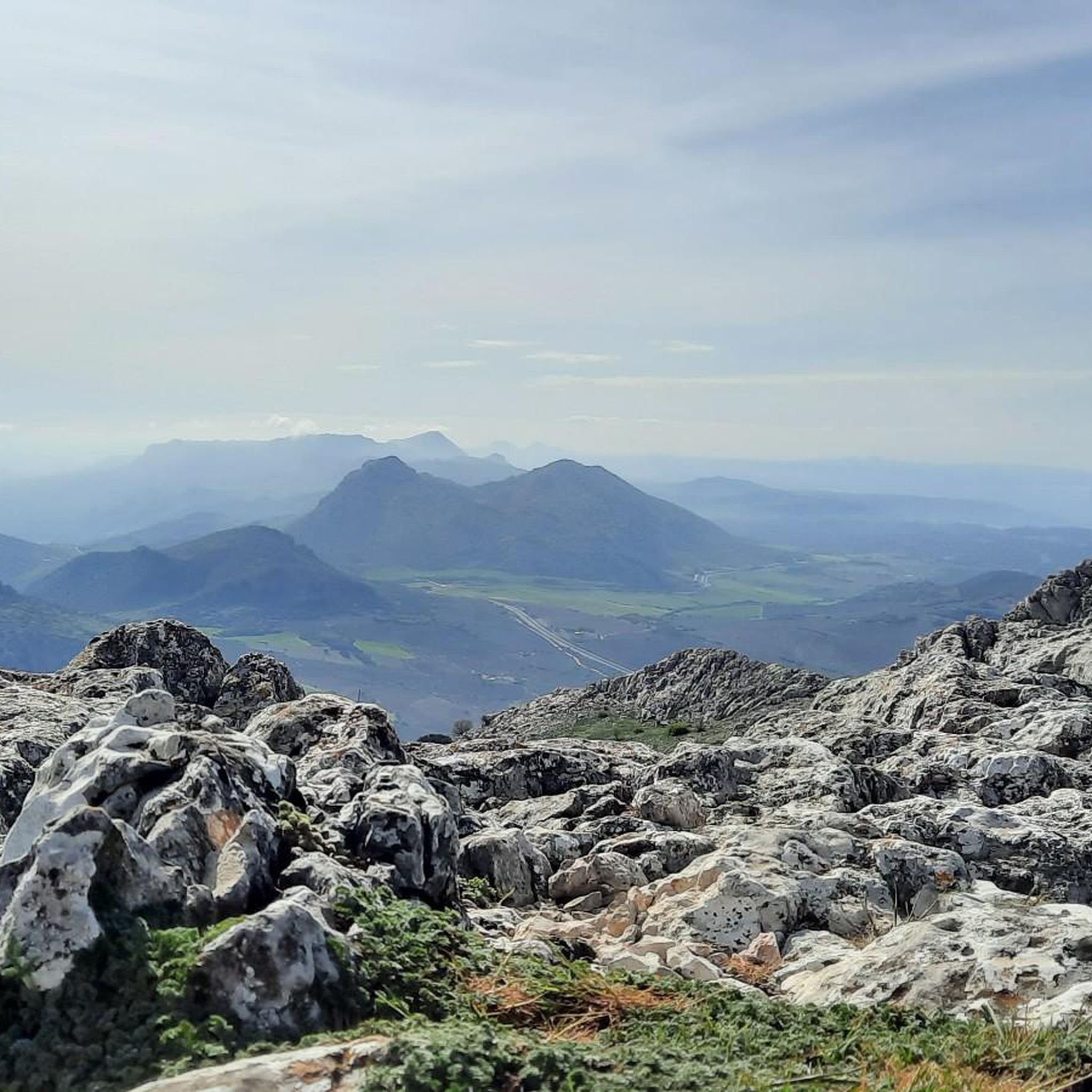
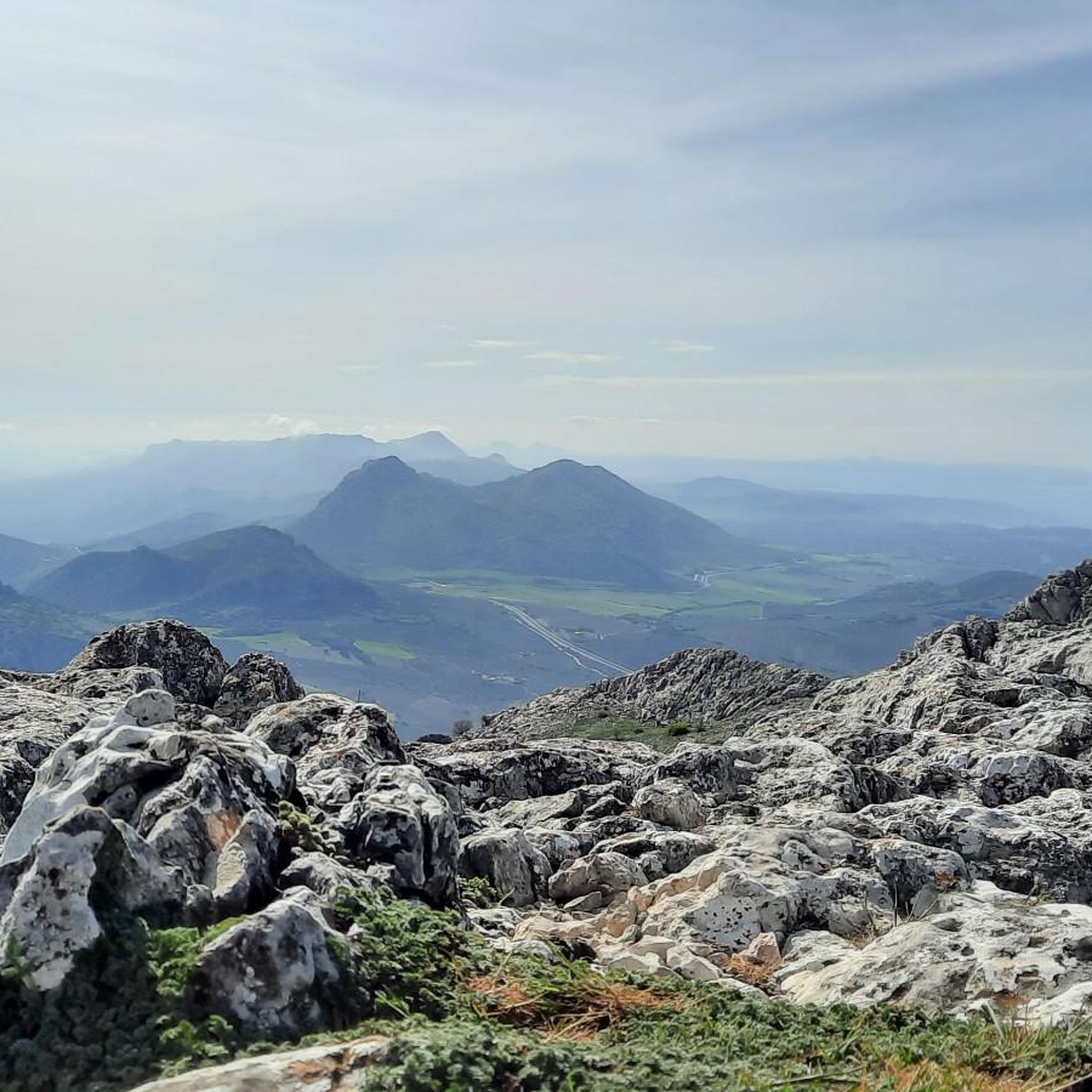
For stunning panoramic views, head to the Alto del Hondonero Viewpoint in Villanueva del Rosario, which offers vistas of Chamizo peak. The Chamizo Peak itself, at 1641 meters, provides extensive views stretching from the Sierra de las Nieves to the Mediterranean Sea.
What outdoor activities, besides hiking, can I do near these attractions?
Beyond hiking, Sierra De Camarolos is excellent for various outdoor sports. You can find numerous routes for gravel biking, road cycling, and running. The region's limestone mountains also offer opportunities for caving, with sites like Cueva de Chirivias and Cueva de las Hechiceras.
Are there any caves to explore in Sierra De Camarolos?
Yes, the Sierra de Camarolos is home to several caves, particularly between Villanueva del Rosario and Antequera. Notable caves include Cueva de Chirivias, a small and accessible option, and Cueva de las Hechiceras, which is larger and features inner chambers. Cueva del Malnombre also contains schematic cave paintings from prehistory.
What is the best time of year to visit Sierra De Camarolos for outdoor activities?
The region's climate makes it suitable for outdoor activities for much of the year. Spring and autumn generally offer the most pleasant temperatures for hiking, cycling, and exploring the natural features. The numerous springs and wetlands along trails like GR 249 are particularly vibrant during wetter seasons, enhancing birdwatching opportunities.
What kind of wildlife or birdwatching opportunities are there?
Sierra De Camarolos is a great spot for nature observation, especially birdwatching. The wetlands and numerous springs, particularly along trails like GR 249, attract various bird species. You might spot the Golden Eagle, Rock Bunting, European Robin, and Wren in their natural habitats.
How accessible are the attractions in Sierra De Camarolos by car or public transport?
Many attractions, like the Alto del Hondonero Viewpoint, are accessible by car. While specific public transport details for individual attractions are limited, the region is generally best explored with personal transport to reach trailheads and more remote natural sites. Some villages serve as starting points for routes.
What do visitors enjoy most about Sierra De Camarolos?
Visitors particularly appreciate the region's pristine natural landscapes, extensive hiking trails, and opportunities for outdoor adventure. The impressive Hundred‑Spout Fountain and the panoramic views from spots like Alto del Hondonero Viewpoint are frequently highlighted as memorable experiences.
Most popular routes in Sierra De Camarolos

Get inspired with the komoot mobile app


Explore more
Still not found the Highlight you’re looking for? See guides of the top attractions in other regions:
