The best MTB trails in Sierra De Camarolos
4.5
(94)
1,174
riders
142
rides
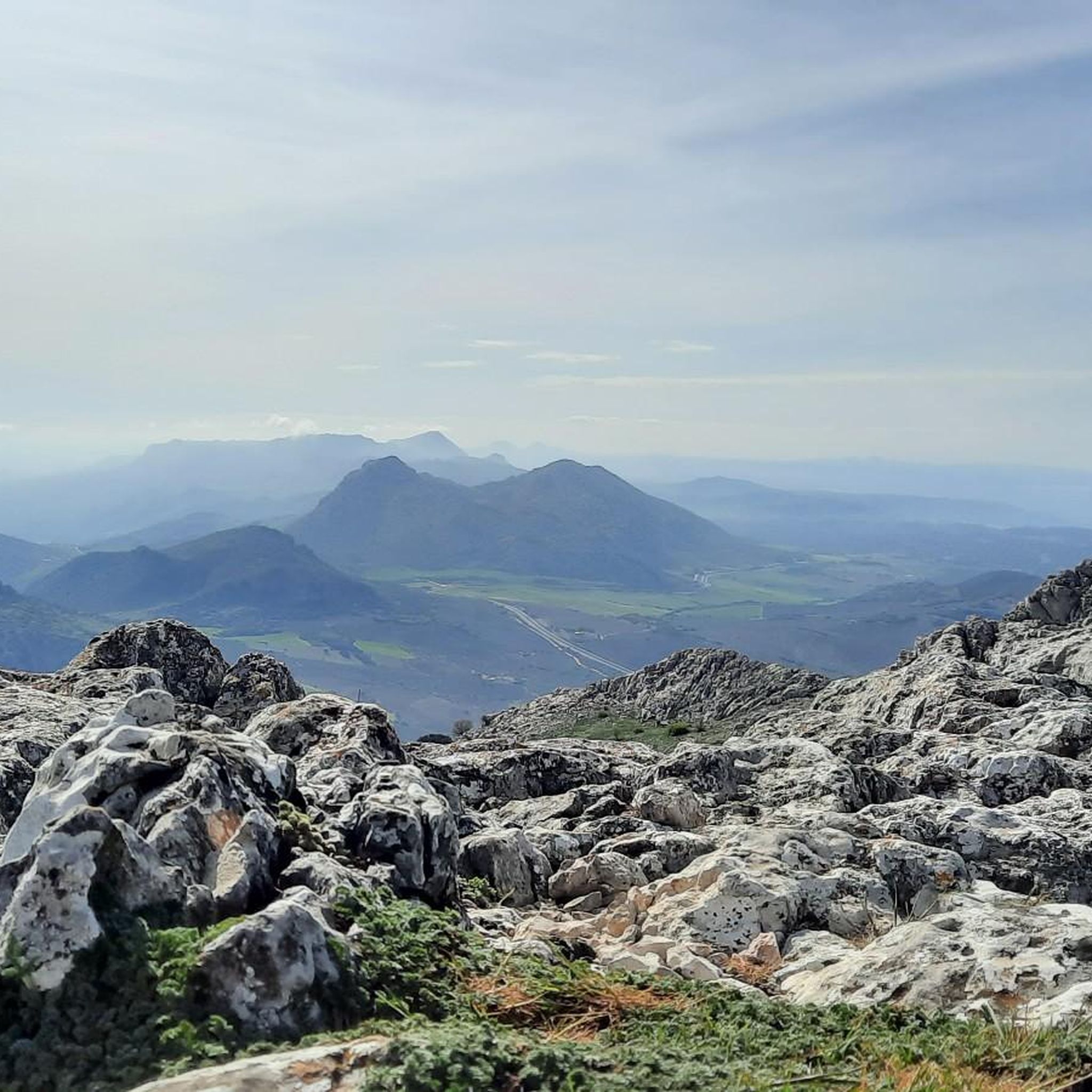
Mountain bike trails in Sierra De Camarolos traverse a prominent limestone mountain range characterized by karstic terrain and varied topography. The region features significant limestone formations, including rugged crestones, alongside softer slopes, meadows, and extensive pine forests. An extensive network of tracks and trails caters to mountain biking, offering routes that range from gentle dirt roads to more technical sections. This diverse landscape provides a range of experiences for different skill levels.
Best mountain bike trails in Sierra De Camarolos
…Last updated: October 7, 2026
5.0
(1)
15
riders
53.2km
04:38
1,200m
1,200m
Hard mountain bike ride. Very good fitness required. Suitable for all skill levels.
5.0
(1)
5
riders
40.7km
03:21
720m
720m
Moderate mountain bike ride. Good fitness required. Suitable for all skill levels.

6
riders
Moderate mountain bike ride. Good fitness required. Suitable for all skill levels.
3.0
(1)
50
riders
Hard mountain bike ride. Very good fitness required. Advanced riding skills necessary. Some portions of the route may require you to push your bike.
3.8
(4)
20
riders
20.3km
01:52
350m
350m
Moderate mountain bike ride. Good fitness required. Advanced riding skills necessary.
Get access to more routes and recommendations from other explorers.
Already have an account?
Our route recommendations are based on thousands of hikes, rides, and runs completed by other people on komoot.
Start today with a free account
Your next adventure awaits.
Popular around Sierra De Camarolos
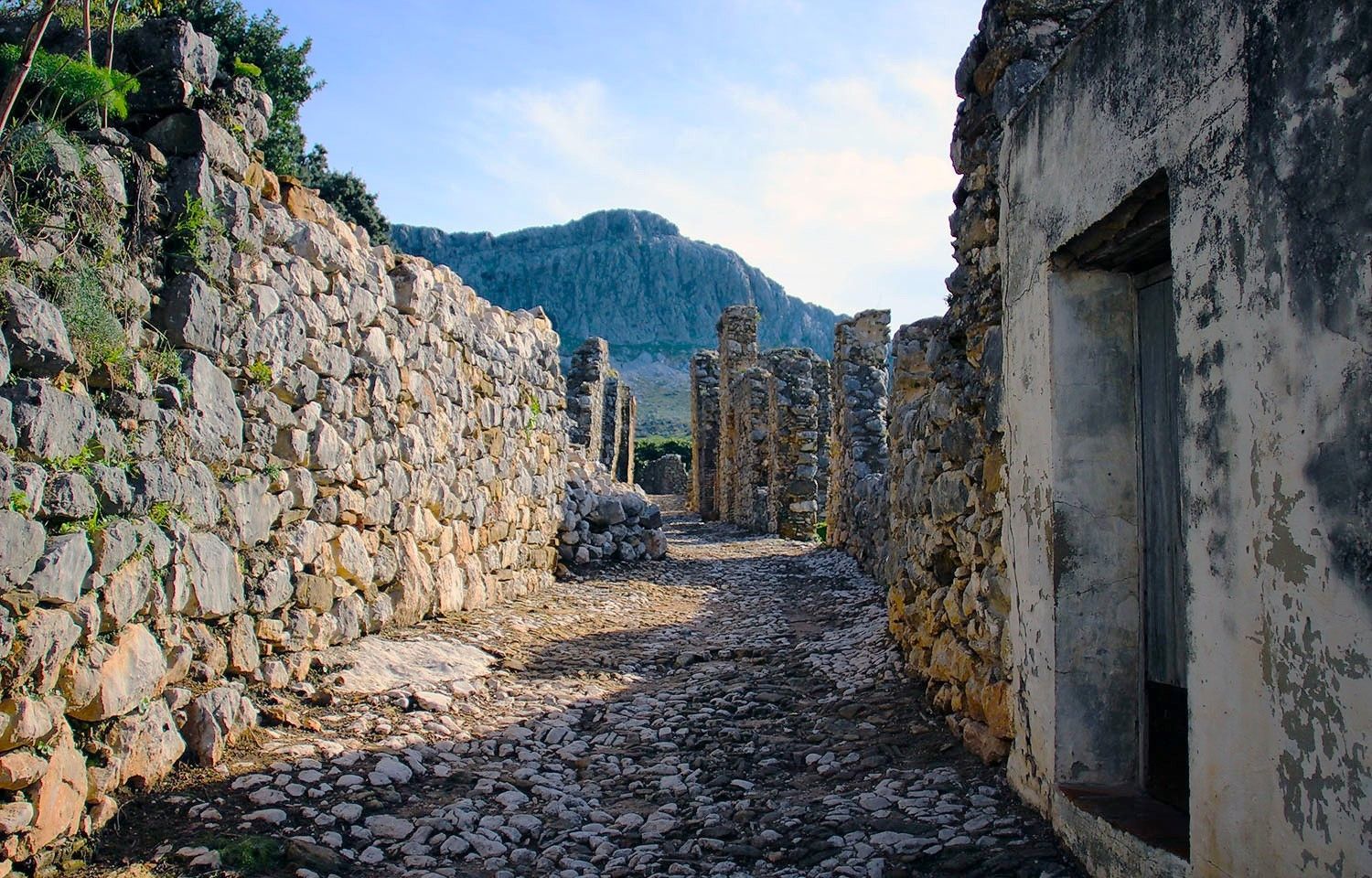
Andalusia without limits – Tarifa to La Puebla de Don Fabrique on the GR 7
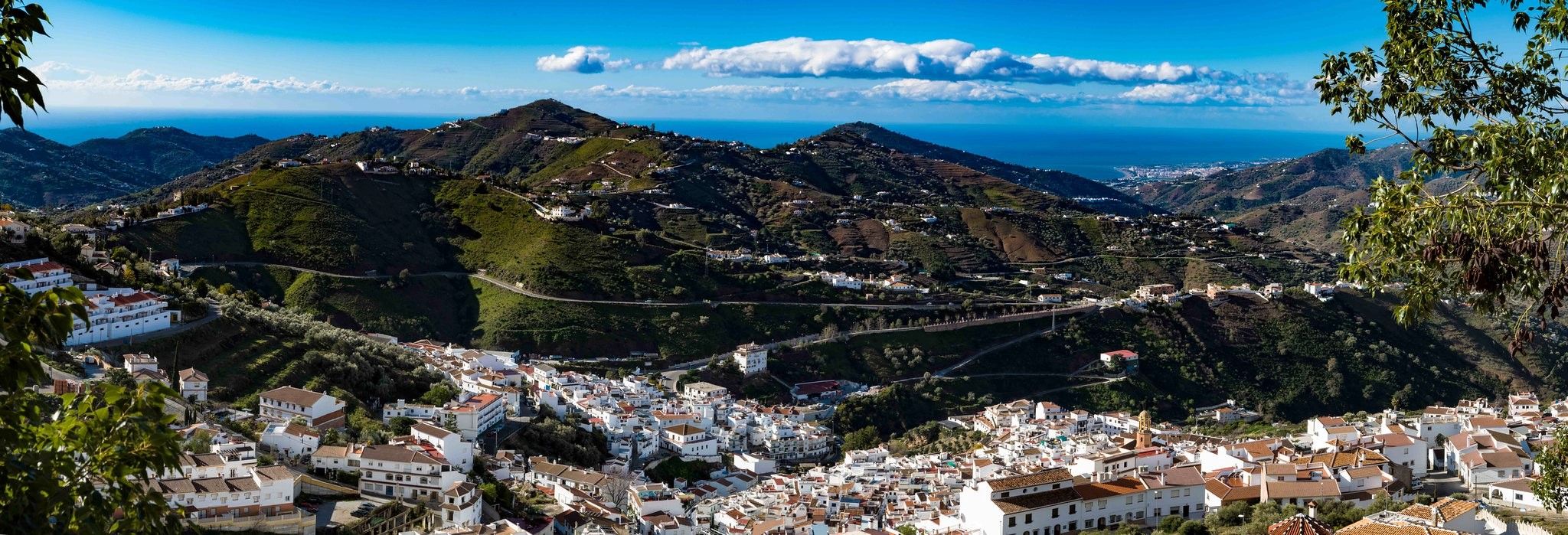
Hike between sea and mountains — Gran Senda de Málaga (GR 249)
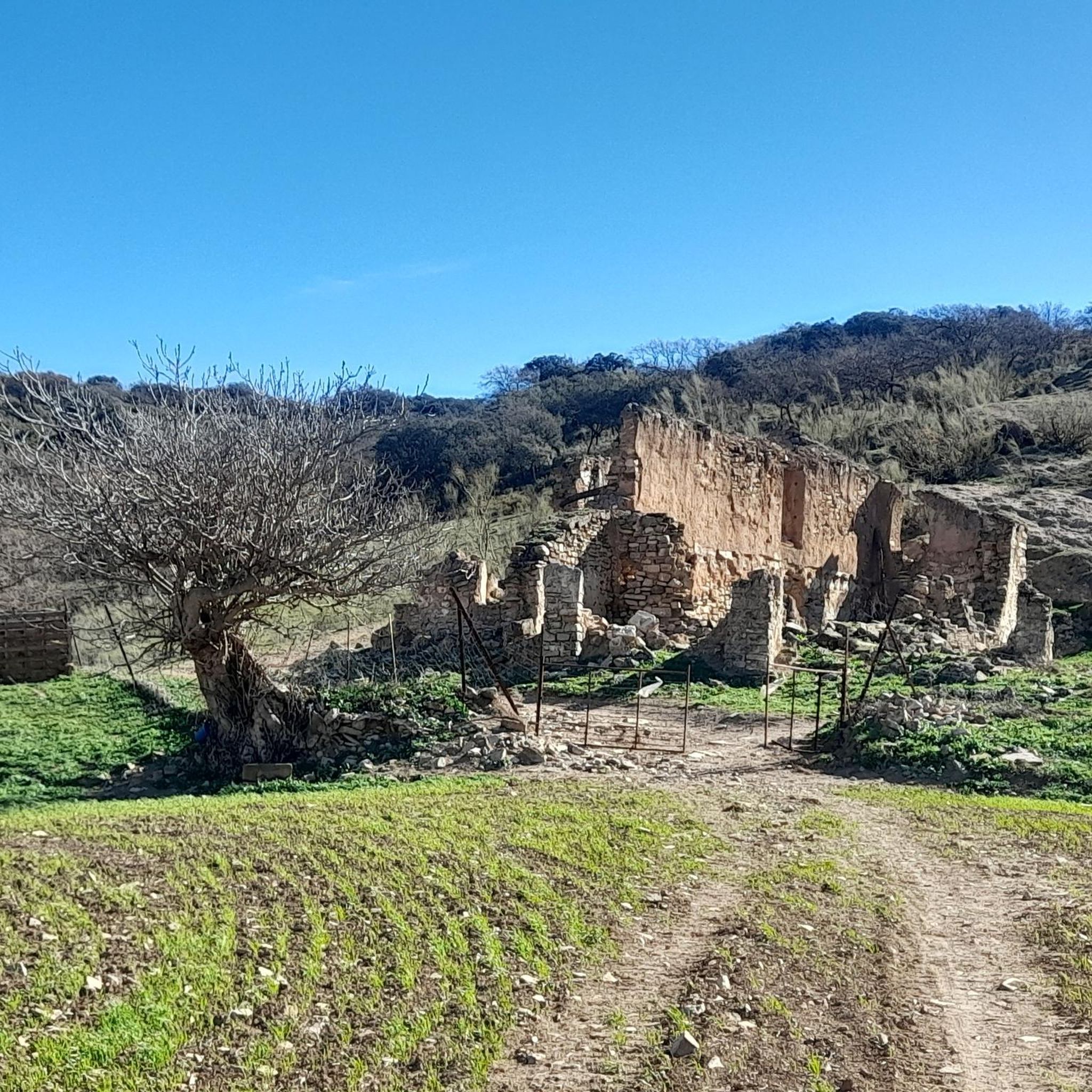
Road Cycling Routes in Sierra De Camarolos
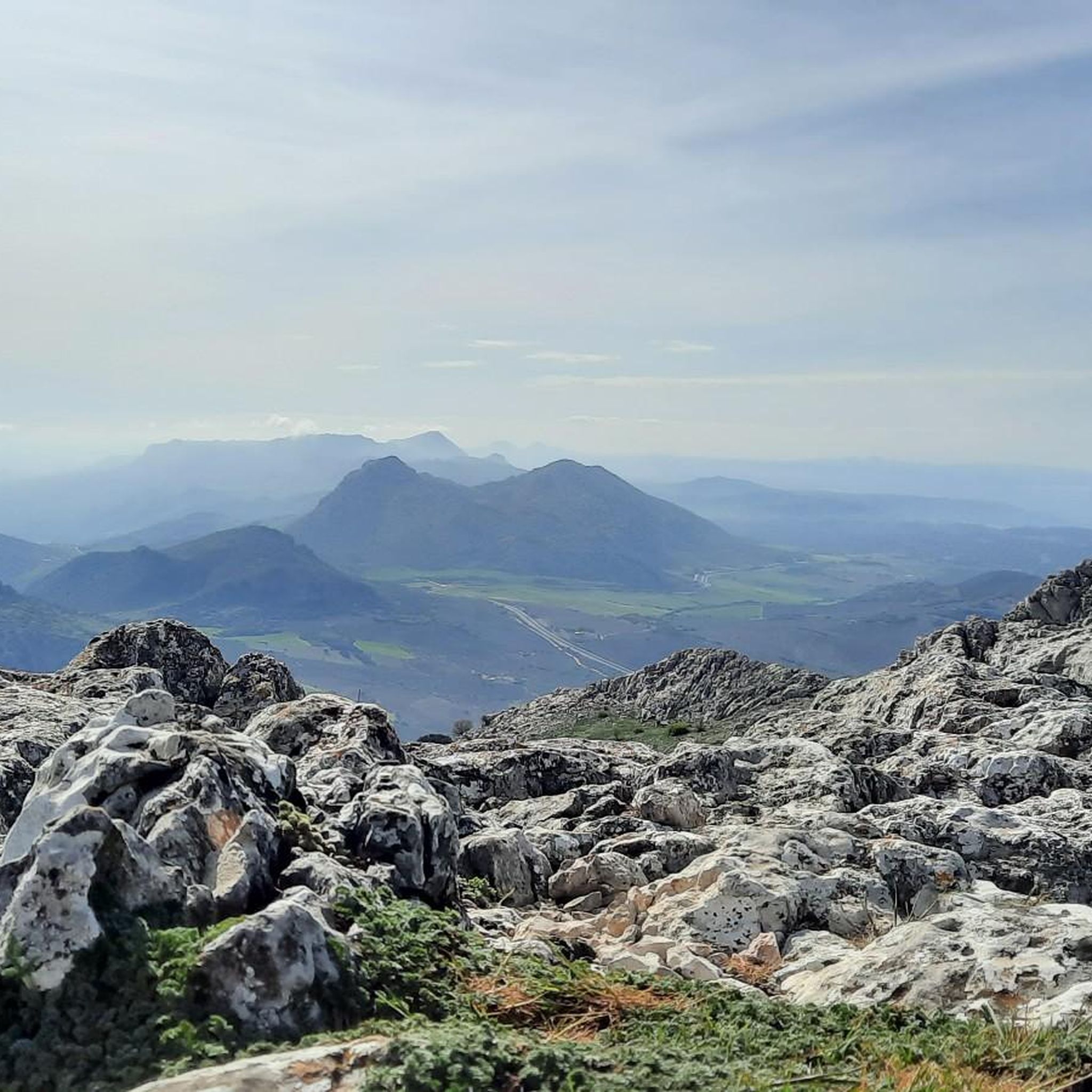
Hiking in Sierra De Camarolos
Running Trails in Sierra De Camarolos
Cycling in Sierra De Camarolos

Gravel biking in Sierra De Camarolos

Tips from the Community


Lots of awkward rocks and a long rocky riverbed section
0
0

about 5,600 years ago 😮 1,140 tons 😲
3
0

The Conjunto Arqueológico Dólmenes de Antequera (Antequera Dolmens Archaeological Site) is one of the most important prehistoric sites in Europe and is located on the outskirts of Antequera in Andalusia, directly on the Carretera de Málaga (Málaga Highway). The site comprises three large megalithic tombs – the Dolmen de Menga, the Dolmen de Viera, and the Tholos de El Romeral – as well as the two natural monuments Peña de los Enamorados and El Torcal de Antequera. Together, they have formed a UNESCO World Heritage Site since 2016, uniquely demonstrating the connection between humankind, architecture, and landscape. The Dolmen de Menga is the largest structure in the site and is among the most impressive megalithic tombs in Europe. It was built between approximately 3800 and 3600 BC and consists of enormous stone blocks assembled to form a long burial chamber. Particularly noteworthy is its alignment with the rock Peña de los Enamorados, suggesting a symbolic or ritual significance. Human remains and grave goods were found inside. Just a few meters away is the Dolmen de Viera, which is somewhat smaller and more classically constructed. It was built between approximately 3500 and 3000 BC and is oriented precisely to the east, so that sunlight falls directly into the burial chamber at the equinox. The third structure, the Tholos de El Romeral, lies about four kilometers away and dates from the Copper Age, around 2500 BC. Its circular shape and corbelled vault distinguish it from the older dolmens and represent a further development of the architectural techniques of that time.
0
0

I was there mid november and the fountain was empty...
0
1
The Antequera Dolmens Archaeological Complex is one of the most important prehistoric sites in Europe and is located on the outskirts of Antequera in Andalusia, directly on the Carretera de Málaga. The complex includes three large megalithic tombs – the Dolmen de Menga, the Dolmen de Viera, and the Tholos de El Romeral – as well as the two natural monuments Peña de los Enamorados and El Torcal de Antequera. Since 2016, they have formed a recognized UNESCO World Heritage Site, uniquely demonstrating the connection between humans, architecture, and landscape. The Dolmen de Menga is the largest structure in the complex and is one of the most impressive megalithic tombs in Europe. It was built between approximately 3800 and 3600 BC and consists of enormous stone blocks assembled to form a long burial chamber. Particularly noteworthy is its orientation toward the Peña de los Enamorados rock, which indicates symbolic or ritual significance. Human remains and grave goods have been found inside. Just a few meters away is the Dolmen de Viera, which is somewhat smaller and of a more classical design. It was built between 3500 and 3000 BC and is oriented exactly east, allowing sunlight to fall directly into the burial chamber at the equinox. The third structure, the Tholos de El Romeral, is located about four kilometers away and dates back to the Copper Age around 2500 BC. Its circular shape and corbelled vault distinguish it from the older dolmens, demonstrating a further development of the architectural style of the time. The visitor center is located directly next to the Dolmens of Menga and Viera, where visitors can learn more about the history, architecture, and cultural significance of the complex. Exhibitions, models, and interactive displays explain how these monumental structures were constructed using the simplest of means and the role they played in the religious life of early communities. The center also offers guided tours, information materials, and a small shop. Today, the dolmens of Antequera are considered an outstanding example of how people understood their environment more than 5,000 years ago and shaped monumental structures in harmony with nature, astronomy, and faith. The combination of prehistoric architecture and the impressive landscape makes the site a unique testament to early European cultural history.
1
0

The Antequera Dolmens are one of the most important prehistoric monuments in Europe and are a UNESCO World Heritage Site. These impressive megalithic tombs—including the Menga, Viera, and El Romeral dolmens—date back to the 3rd millennium BC. They offer unique insights into the rituals and architecture of prehistoric society. Surrounded by a landscape overlooking the Peña de los Enamorados and the Sierra del Torcal, this is a place where nature, culture, and history converge.
3
0

Highly recommended! Antequera is also worth a visit.
2
0
Frequently Asked Questions
How many mountain bike trails are available in Sierra De Camarolos?
Sierra De Camarolos offers a comprehensive network of over 110 mountain bike trails. These routes cater to various skill levels, from moderate paths to more challenging routes, ensuring a diverse experience for all riders.
Are there easy mountain bike trails in Sierra De Camarolos suitable for beginners or families?
Yes, there are several easy mountain bike trails in Sierra De Camarolos, with 6 routes specifically categorized as easy. These trails often feature gentler dirt roads and less technical sections, making them suitable for beginners and families looking for a relaxed ride. For a moderate option that is still accessible, consider the Alto del Hondonero Viewpoint – Alto Hondanero loop from Peñón de los Becerros, which is 10.1 km long and takes about 1 hour 11 minutes.
What kind of challenges can I expect on advanced mountain bike trails in Sierra De Camarolos?
Advanced mountain bike trails in Sierra De Camarolos, of which there are 36, often feature the region's characteristic karstic terrain, rocky outcrops, and technical sections. You can expect long singletracks, some stretching up to 20 kilometers, with varied surfaces including shaly terrain, switchbacks, and rock gardens. These routes demand good technical skills and physical endurance. An example of a difficult route is the Alto del Hondonero Viewpoint – Hundred‑Spout Fountain loop from Hotel Las Pedrizas, which is 53.9 km long with significant elevation changes.
What kind of terrain will I encounter on mountain bike trails in Sierra De Camarolos?
The mountain bike trails in Sierra De Camarolos traverse a diverse landscape characterized by significant limestone formations and karstic terrain, including rugged crestones. You'll also find softer slopes, meadows, and extensive pine forests. The trail network includes everything from gentle dirt roads to more technical sections with rocky and shaly terrain, offering a varied riding experience.
Are there any scenic viewpoints or landmarks to look out for on the trails?
Yes, Sierra De Camarolos offers several scenic viewpoints and interesting landmarks. From its highest peak, Chamizo (1641 meters), you can enjoy expansive panoramic views of surrounding mountain ranges and even the Mediterranean Sea. Along the trails, you might encounter the Alto del Hondonero Viewpoint, which offers great vistas. Other notable attractions include the Hundred‑Spout Fountain and the Pilas de La Alhajuela Roman Water Troughs and Ruins.
What do other mountain bikers enjoy the most about mountain biking in Sierra De Camarolos?
The mountain bike trails in Sierra De Camarolos are highly rated by the komoot community, with an average score of 4.5 stars from over 90 reviews. Riders often praise the diverse landscapes, from rugged limestone formations to pine forests, and the extensive network of trails that cater to various skill levels. The panoramic views from higher elevations are also frequently highlighted as a major draw.
Are there any circular mountain bike routes in Sierra De Camarolos?
Yes, many of the mountain bike routes in Sierra De Camarolos are designed as loops, allowing you to start and finish at the same point. For example, the El Aguadero Bridge – Ventilla Tunnel loop from Alfarnatejo is a moderate 40.7 km path that winds through varied terrain. Another option is the Alto Hondanero – Alto del Hondonero Viewpoint loop from Villanueva del Rosario, a 15.8 km moderate route.
What is the best time of year to go mountain biking in Sierra De Camarolos?
The Sierra De Camarolos region generally offers good conditions for mountain biking for much of the year. Spring and autumn are often ideal, with milder temperatures and pleasant weather. Summers can be hot, especially at midday, so early morning or late afternoon rides are recommended. Winters are generally mild, but higher elevations might experience cooler temperatures.
Are there any mountain bike routes that pass by water features or rivers?
Yes, some routes in Sierra De Camarolos incorporate water features. For instance, the Source of the Guadalhorce River – Hundred‑Spout Fountain loop from Villanueva del Rosario is a 62.6 km moderate route that passes by the Source of the Guadalhorce River and the notable Hundred‑Spout Fountain.
Where can I find parking for mountain biking in Sierra De Camarolos?
Many mountain bike routes in Sierra De Camarolos start from towns or villages like Villanueva del Rosario, Alfarnatejo, or near hotels such as Hotel Las Pedrizas, where parking facilities are typically available. It's advisable to check the specific starting point of your chosen route for the most convenient parking options.
Are there places to eat or get refreshments near the mountain bike trails?
Villanueva del Rosario and other nearby villages serve as good bases for mountain bikers, offering cafes, pubs, and accommodation. For example, the Venta de Alfarnate & Museum is a notable spot where you can find refreshments and learn about local history.
What should I bring for a mountain biking trip in Sierra De Camarolos?
Given the varied terrain and potential for technical sections, it's essential to bring appropriate gear. This includes a well-maintained mountain bike, helmet, gloves, and protective eyewear. Carry plenty of water, especially on longer routes or during warmer months, as well as snacks, a repair kit, and a first-aid kit. Sunscreen and layers of clothing are also recommended due to potential changes in weather and elevation.
Most popular routes in Sierra De Camarolos
Most popular attractions in Sierra De Camarolos

Get inspired with the komoot mobile app


Explore more
Browse the best MTB trails in other regions.
