The 20 Most Amazing Peaks in South Downs
Best mountain peaks in South Downs are characterized by rolling hills and prominent elevations that offer diverse natural features. The region features a chalk ridge, such as Butser Hill, and parts of the Greensand Ridge, like Blackdown. These locations often host ancient Iron Age hillforts and provide expansive views across the landscape. The South Downs National Park encompasses these varied terrains, making it a notable area for exploration.
Best mountain peaks in South Downs
- The most popular mountain peaks is Ditchling Beacon, a natural monument that is the highest point in East Sussex. It offers panoramic views across the Weald to the north and the coast to the south, and features an Iron Age hillfort.
- Another must-see spot is Chanctonbury Ring hillfort, a historical site known for its distinctive circular clump of beech trees. Visitors can expect far-ranging views from this prehistoric hill fort.
- Visitors also love Firle Beacon summit, a prominent hill with a Neolithic long barrow and several Bronze Age round barrows. It provides extensive views over the South Downs and features ancient burial sites.
- South Downs is known for chalk hills, historic hillforts, and prominent viewpoints. These locations offer diverse landscapes and historical significance.
- The mountain peaks in South Downs are appreciated by the komoot community, with over 500 upvotes and more than 70 photos shared by visitors.
Last updated: October 9, 2026
Ditchling Beacon
Highlight • Natural Monument
Tip by

Butser Hill
Highlight • Natural Monument
Tip by
Sign up now to discover places like this
Get recommendations on the best single tracks, peaks, & plenty of other exciting outdoor places.
Chanctonbury Ring hillfort
Highlight • Historical Site
Tip by
Old Winchester Hill
Highlight • Climb
Tip by

Firle Beacon summit
Highlight • Summit
Tip by
Sign up for free to discover even more peaks in South Downs.
Already have an account?
Start today with a free account
Your next adventure awaits.
Popular around South Downs
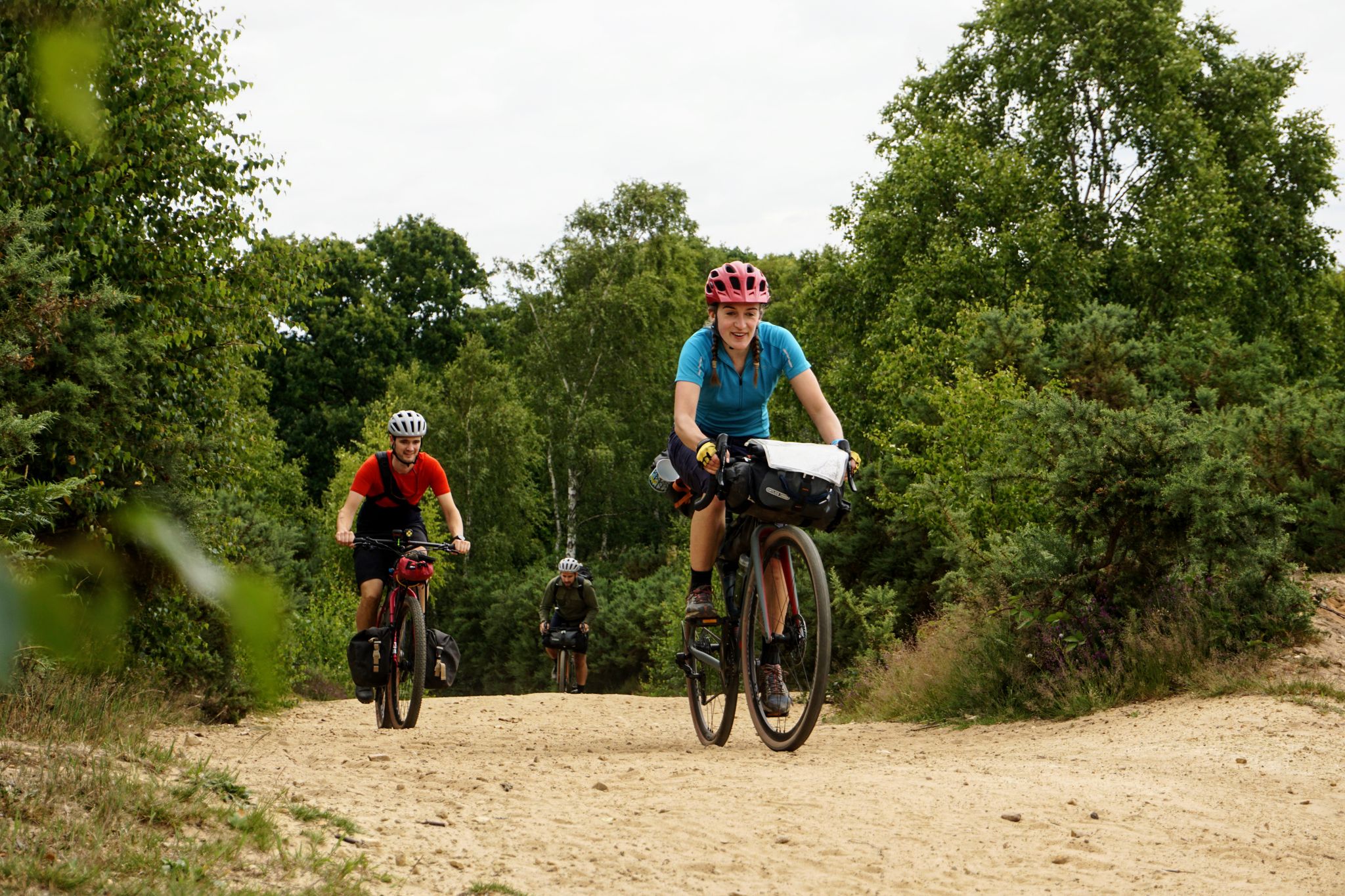
King Alfred's Way — History, chalk, grassland and forest
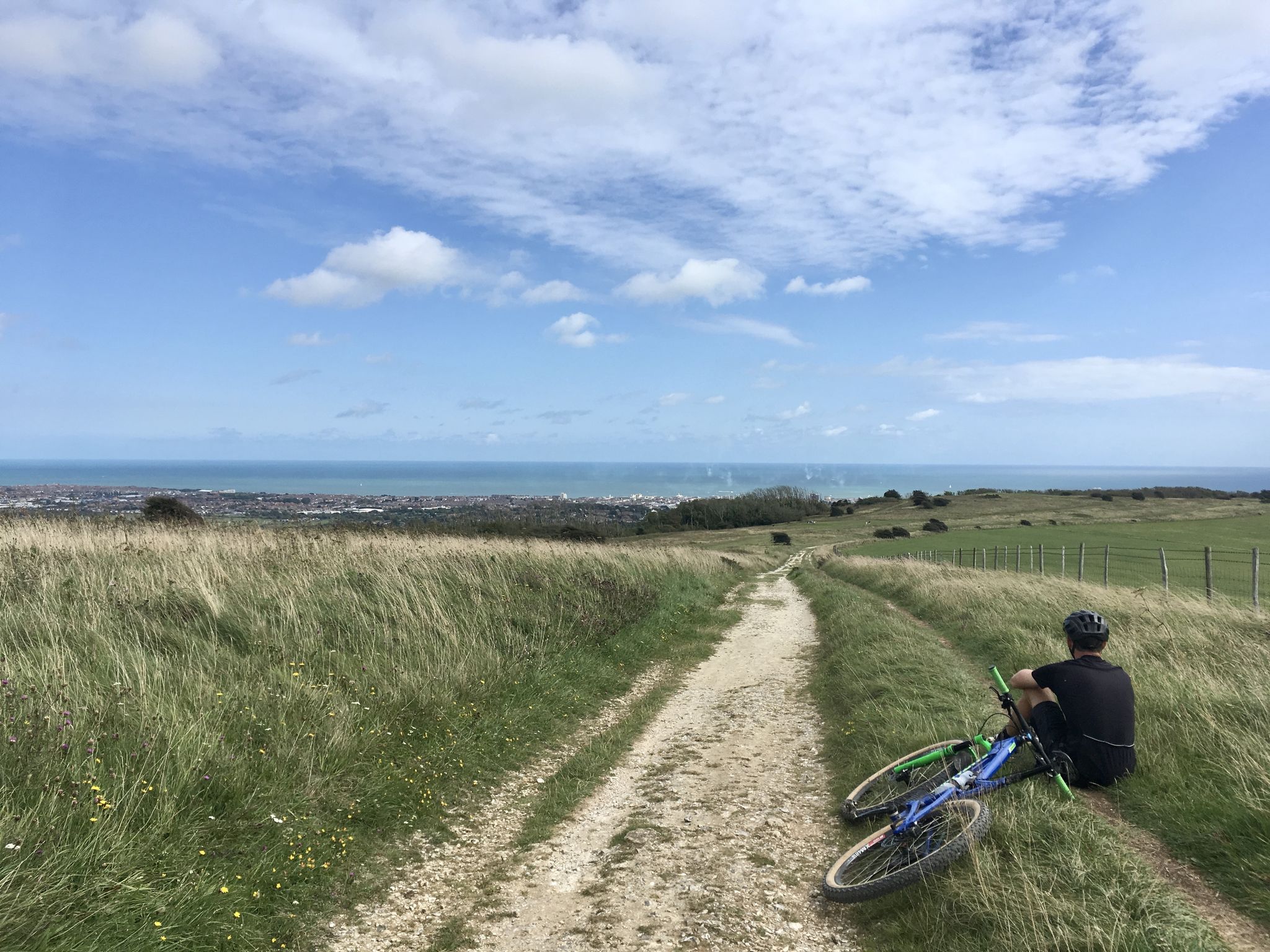
South Downs Way — A Southern off-road utopia
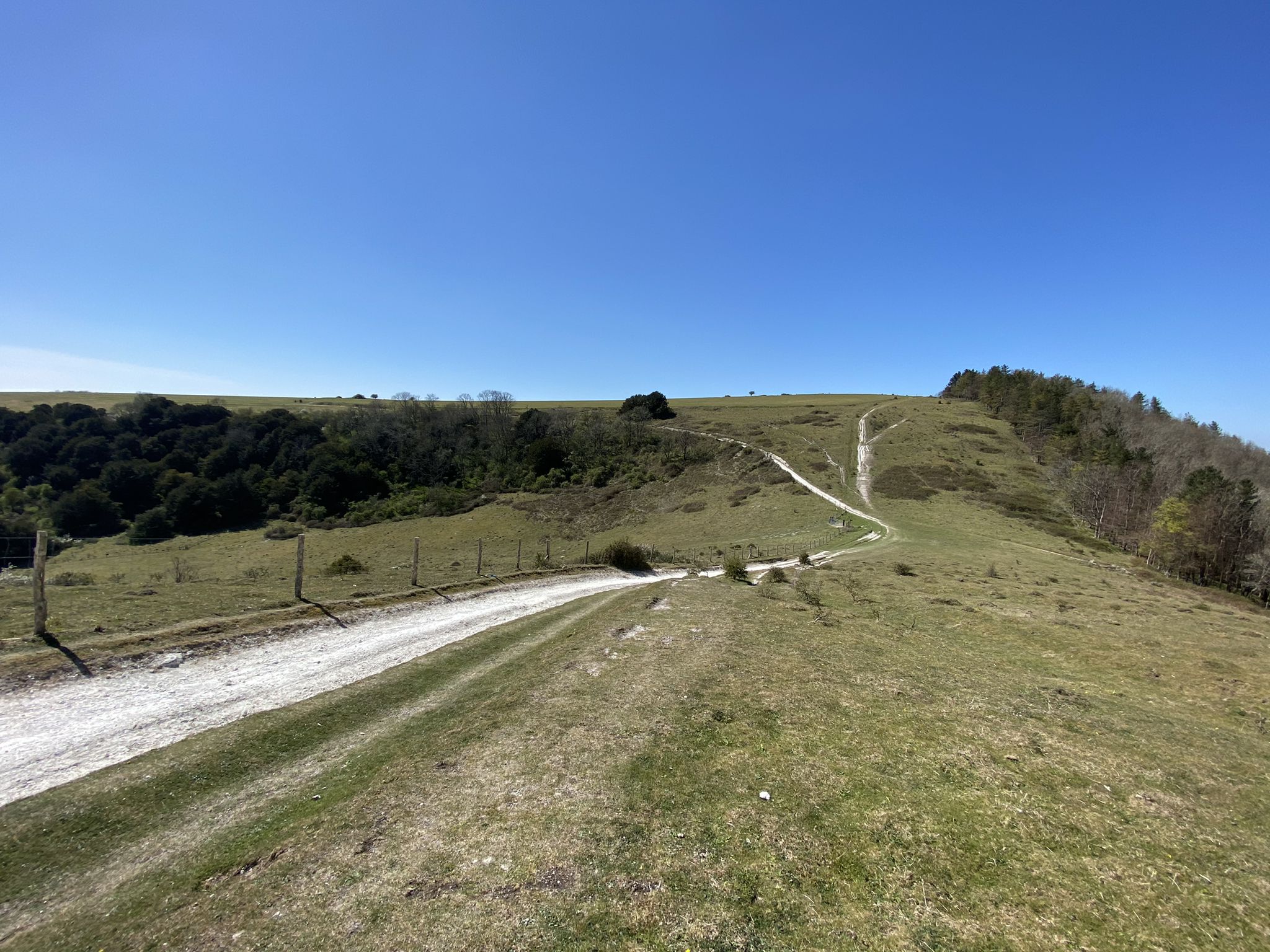
South Downs Way – a 100-mile run across the national park
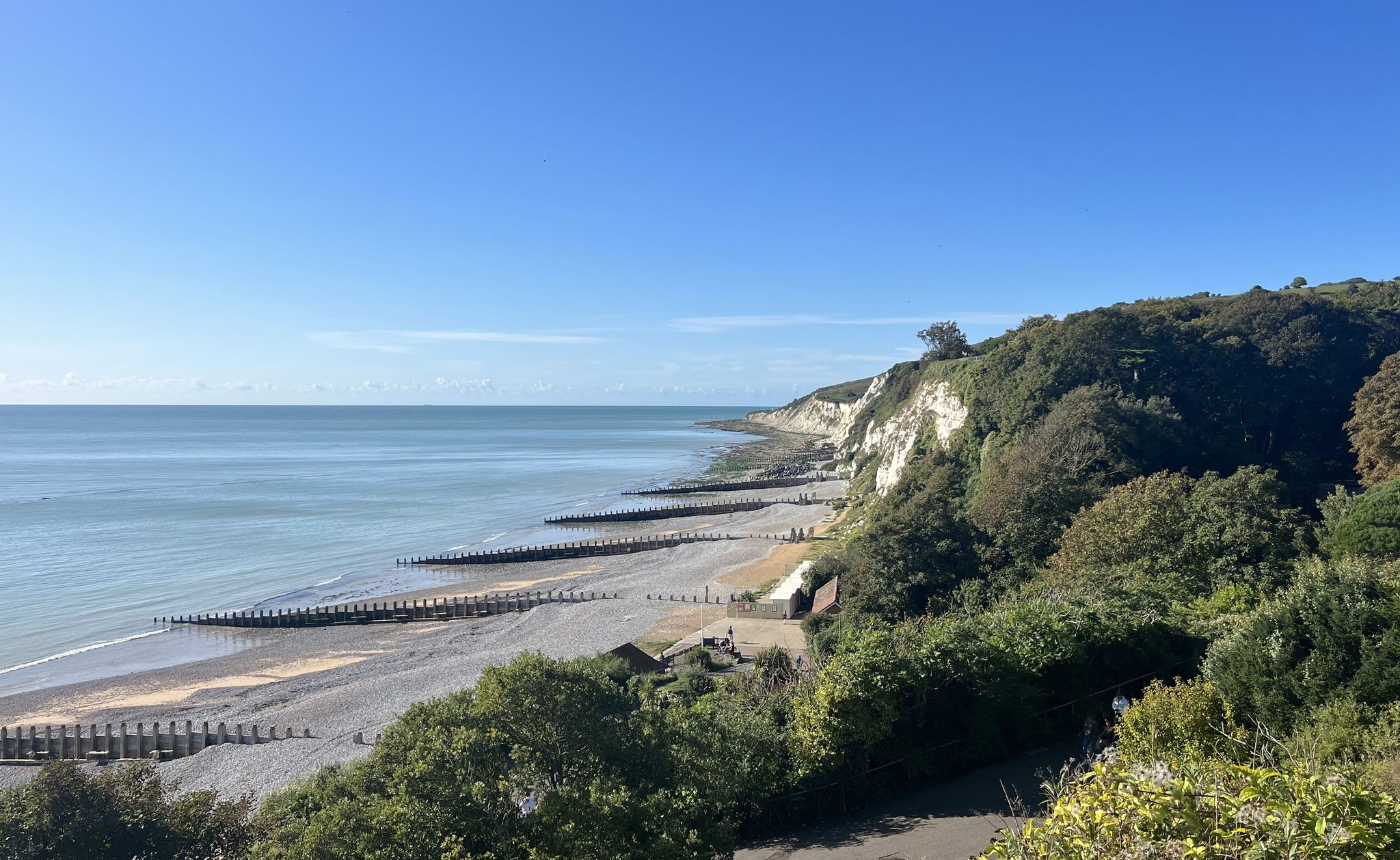
South Downs National Park – A Walk in the Parks
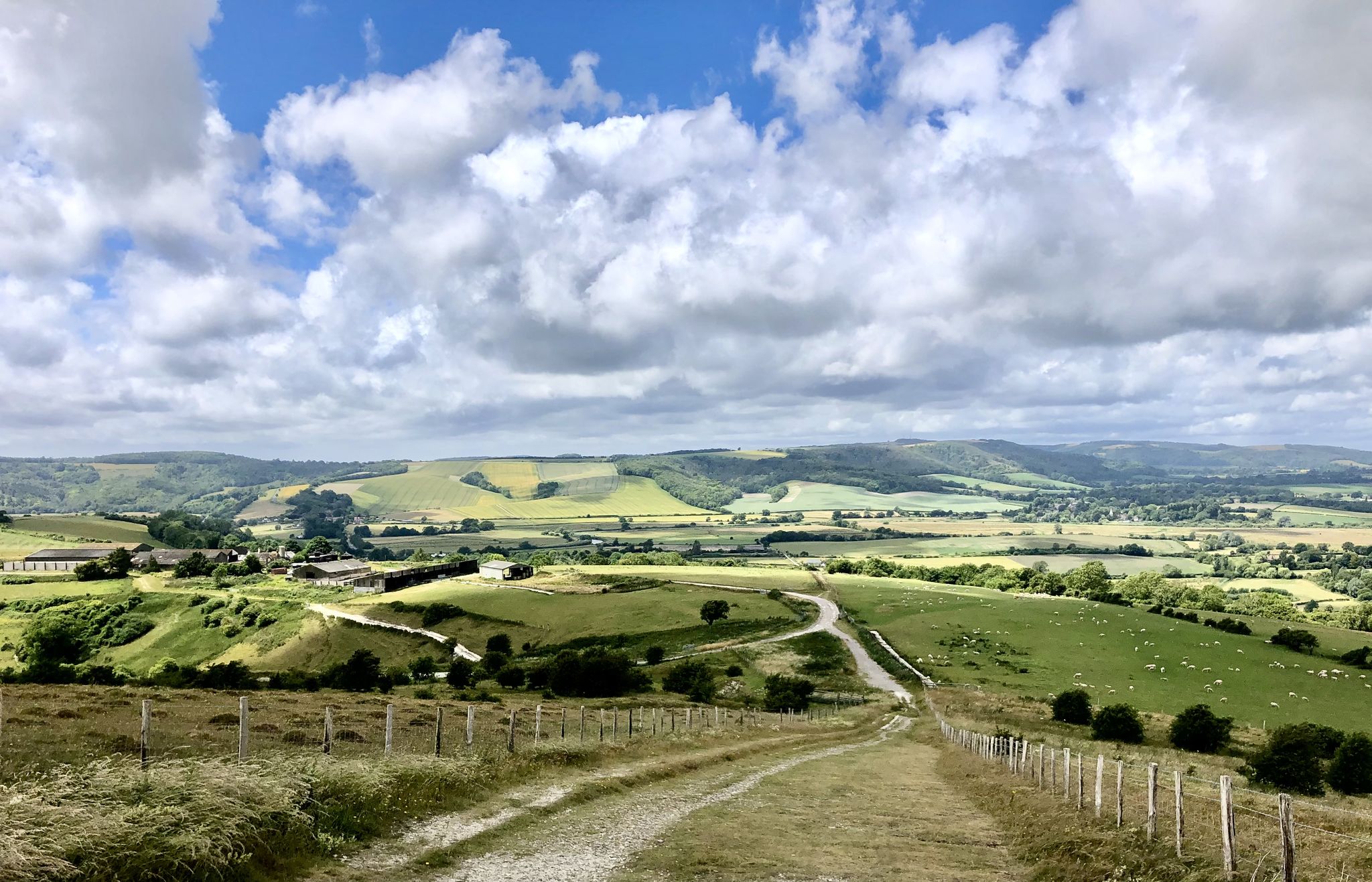
Bikepacking Brighton to Bristol — Ridges, canals and rail paths
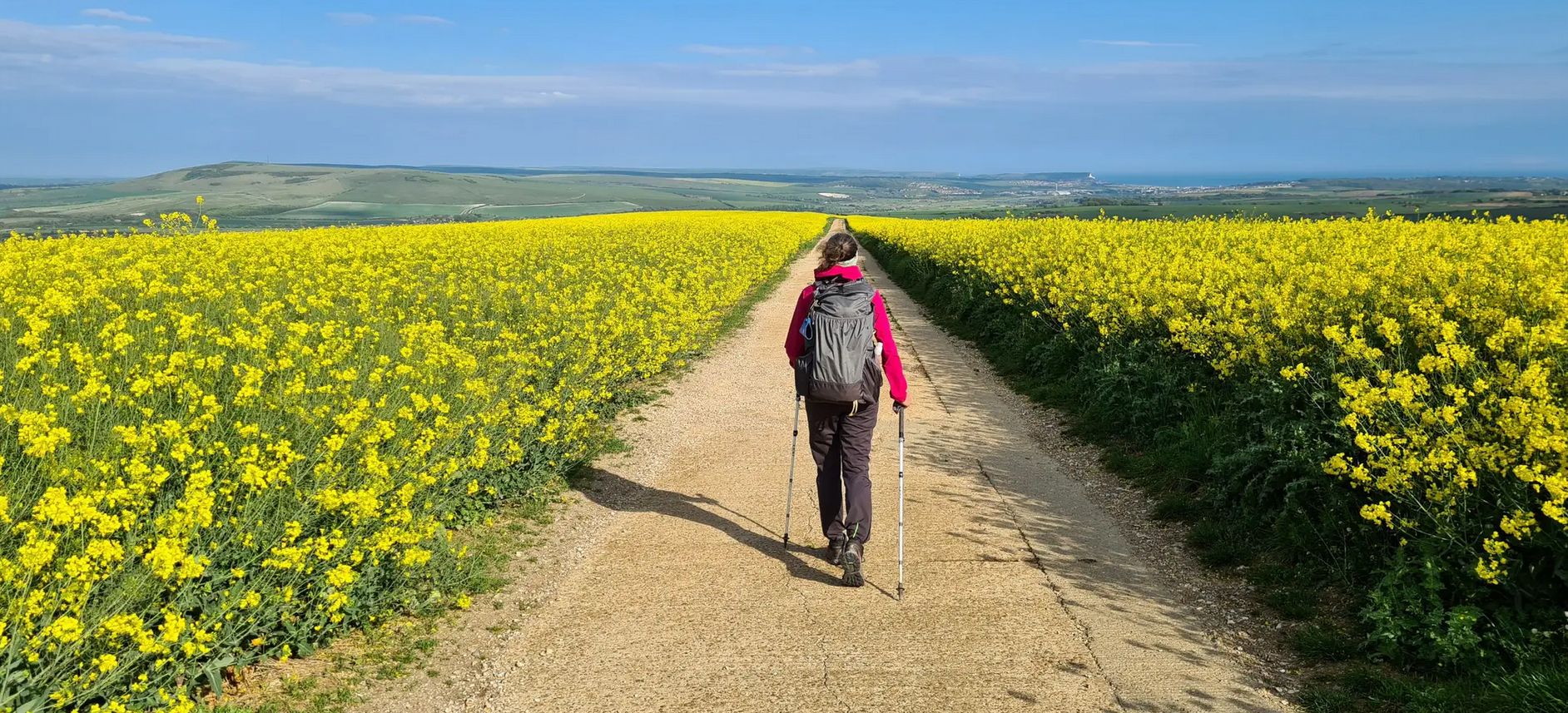
South Downs Way – A captivating hike across Southern England
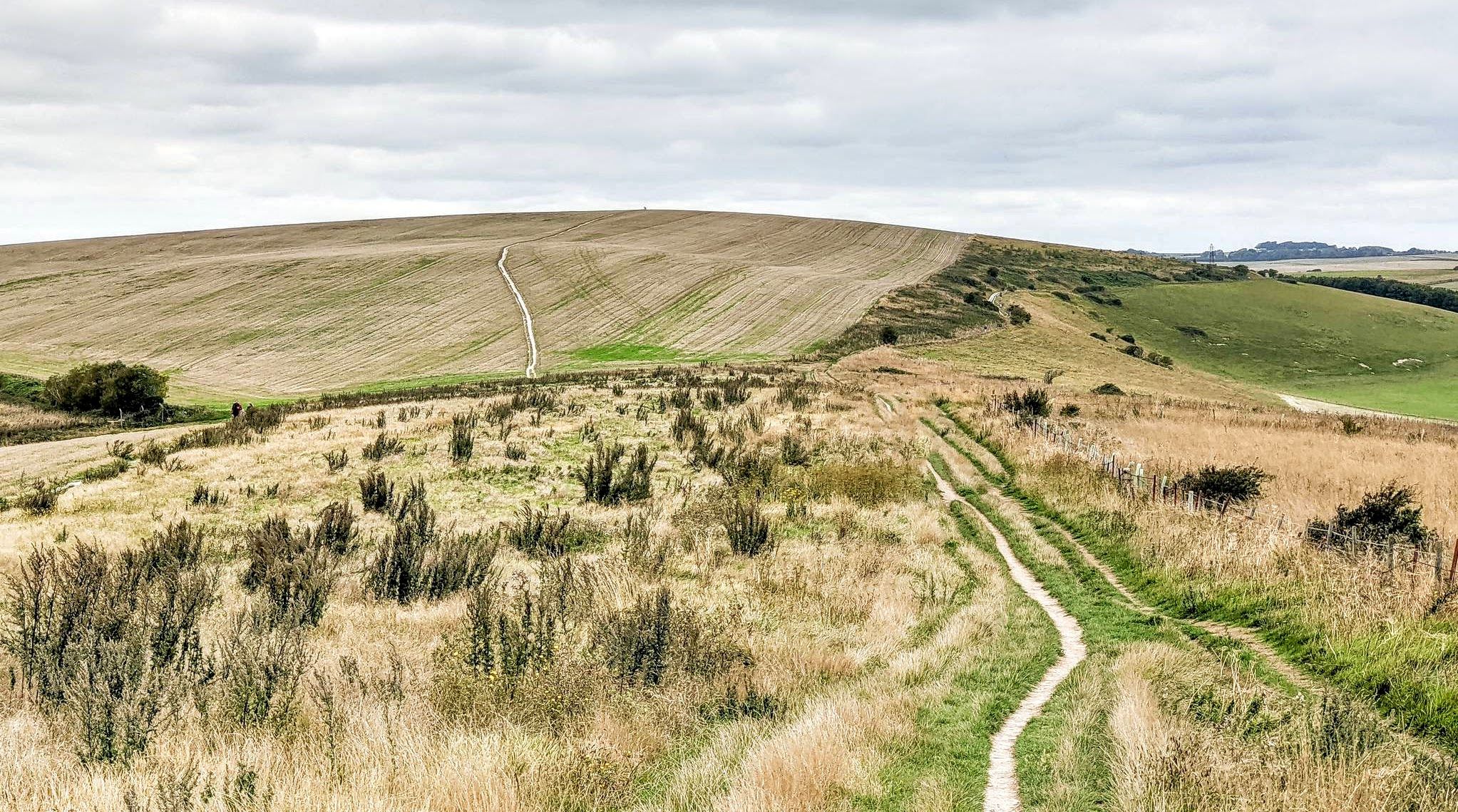
Downs Link and South Downs Way loop from Guildford
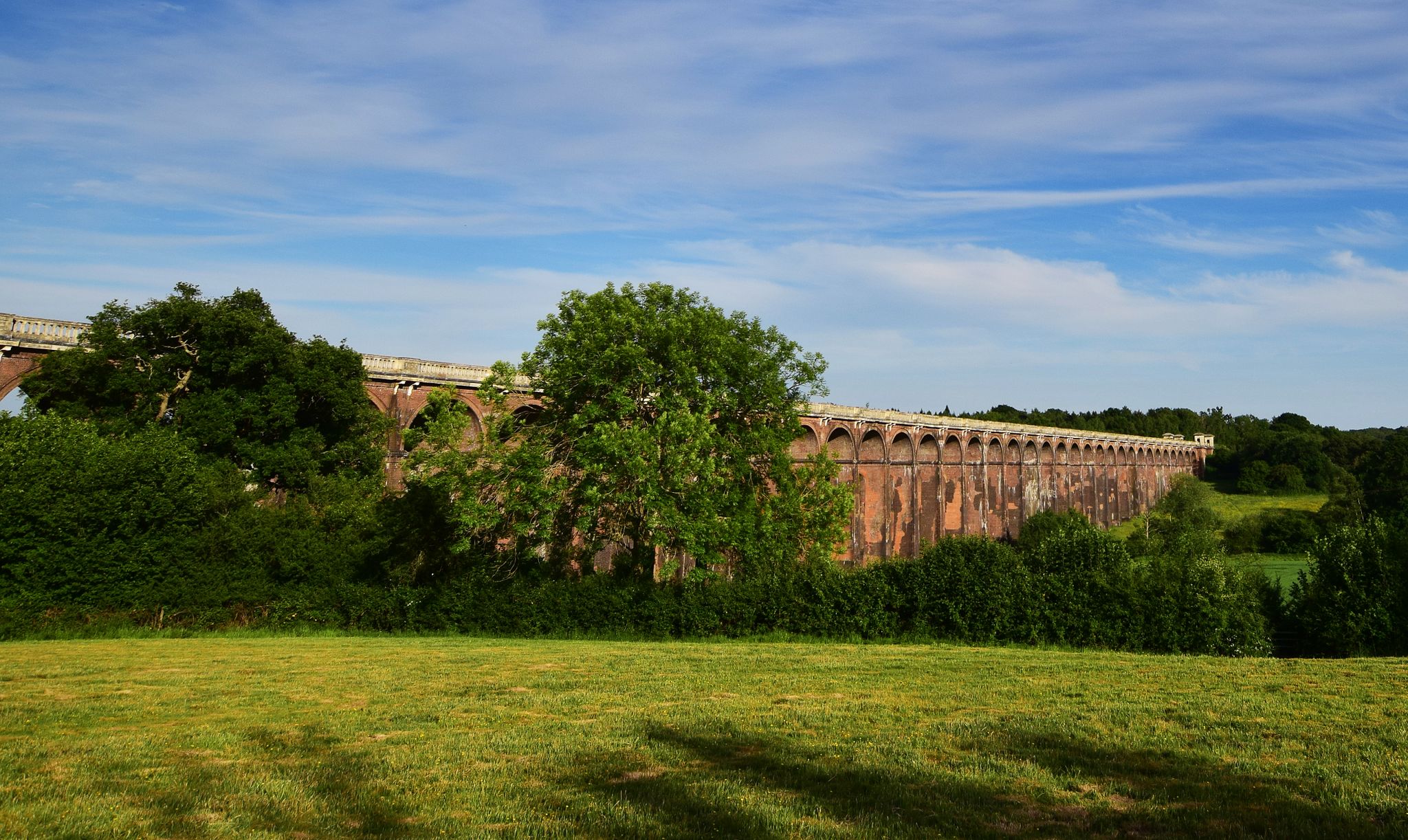
Sussex Ouse Valley Way — From the High Weald to the South Downs
E9 Plymouth to Dover — An epic exploration of England's south coast
Vanguard Way – Hike some of the finest countryside in the South East
Other adventures in South Downs


Tips from the Community

This was on the last leg of the King Alfred’s Way for me and was one of the few descents in the whole trip i walked, dry conditions but on a loaded gravel - the descent was more treacherous than i was prepared to risk / but amazing views from the top and a fast through the fields ride from the bottom.
1
0

At over 650 feet (200 m), Ditchling Beacon gives you a good climb and a great vantage point to see out over the surrounding countryside. To the north you look back at the lush countryside of the Weald, to the south are views of Brighton, and to the east and west, the rolling undulating views out over the South Downs.
1
1


Ice cream van also serving Tea today (Easter Monday). view from the top on a nice clear day
0
0
Chanctonbury Ring is a prehistoric hill fort atop Chanctonbury Hill on the South Downs, on the border of the civil parishes of Washington and Wiston in the English county of West Sussex. It is 242m high and is a designated Marilyn. There is a trig point on a nearby sub-summit.
3
0
Ditchling Beacon is the highest point in East Sussex, England, with an elevation of 248 m (814 ft). It is south of Ditchling and to the north-east of Brighton. It is a large chalk hill with a particularly steep northern face, covered with open grassland and sheep-grazing areas. It is the third-highest point on the South Downs, behind Butser Hill (270 m (890 ft) and Crown Tegleaze (253 m (830 ft).
2
0
An amble up Firle Beacon in the South Downs of southern England. It is 217 metres high and is a Marilyn. It commands a far-reaching view. It is a trig pointed summit and a designated Marilyn.
3
0

Frequently Asked Questions
What are some of the most notable
The South Downs are home to several prominent elevations offering diverse experiences. Highlights include Ditchling Beacon, known for its panoramic views and Iron Age hillfort, and Butser Hill, the highest point on the chalk ridge with rich biodiversity. Other significant spots are Blackdown, the highest point in the National Park, and Chanctonbury Ring hillfort with its distinctive beech trees and ancient history.
Which
The highest point within the South Downs National Park is Blackdown, reaching 280 meters (919 feet) above sea level. Geologically, it's part of the Greensand Ridge. The highest point on the chalk ridge of the South Downs is Butser Hill, standing at 271 meters (889 feet).
Where can I find the best panoramic views in the South Downs?
For spectacular panoramic views, consider Ditchling Beacon, which offers vistas across the Weald to the north and the coast to the south. Butser Hill provides breathtaking 360-degree views over Hampshire and the Channel. Devil's Dyke also offers 'the grandest view in the world,' looking over the longest, deepest, and widest dry valley in the UK.
Are there any historical sites or ancient landmarks among the South Downs peaks?
Yes, many peaks are rich in history. Chanctonbury Ring hillfort features late Bronze Age barrows, an Iron Age hill fort, and Roman-style temples. Ditchling Beacon and Old Winchester Hill both host Iron Age hillforts. Firle Beacon summit has a Neolithic long barrow and several Bronze Age round barrows.
What kind of natural features and wildlife can I expect to see on these peaks?
The South Downs peaks are known for diverse natural features. Butser Hill is a National Nature Reserve with internationally significant plant communities and over 30 species of butterflies. Blackdown features wavy hair grass, purple heather, and pine trees, and is home to Belted Galloways, deer, and bats. Old Winchester Hill is a preserved chalk downland with many butterfly species like the Adonis blue and chalkhill blue.
Are there family-friendly options for exploring the South Downs peaks?
Many areas around the South Downs peaks are suitable for families. Devil's Dyke, for instance, offers stunning views, a pub restaurant, and open spaces for picnics and kite-flying. While some ascents can be steep, many trails offer gentler sections or shorter loops. Always check specific trail difficulties, but generally, the rolling hills provide accessible options for various ages.
What outdoor activities can I do near the South Downs peaks?
The South Downs offer a wide range of outdoor activities. You can find numerous hiking trails, from easy strolls to challenging climbs. For running enthusiasts, there are dedicated routes like the Beachy Head Marathon or Ultra 50km. You can also explore waterfall hikes or simply enjoy leisurely walks and birdwatching. For more details, check out the Hiking in South Downs or Running Trails in South Downs guides.
Which peaks are known for stargazing or dark sky opportunities?
Butser Hill is recognized as a Dark Sky Discovery Site, offering exceptional stargazing opportunities due to its elevation and relatively low light pollution. It's a great spot to visit after sunset on a clear night.
What is the best time of year to visit the South Downs peaks for hiking?
The South Downs peaks can be enjoyed year-round, but spring and autumn often offer the most pleasant hiking conditions with mild temperatures and beautiful scenery. Spring brings wildflowers and newborn lambs, while autumn showcases vibrant foliage. Summer is popular but can be hot, while winter offers crisp views but requires appropriate gear for potentially muddy or icy conditions.
Can I find dog-friendly walks around the South Downs peaks?
Yes, most trails and open access land across the South Downs are dog-friendly. However, it's important to keep dogs under close control, especially around livestock and ground-nesting birds, and to follow the Countryside Code. Always carry bags to clean up after your dog.
Where is the highest chalk sea cliff in the South Downs?
Beachy Head is Britain's highest chalk sea cliff, rising dramatically to 162 meters (531 feet) above sea level. It offers magnificent panoramic views of the English Channel and is a popular spot for coastal walking along the South Downs Way.
Are there any unique geological features among the South Downs peaks?
Yes, the region boasts unique geological formations. Devil's Dyke is a notable example, being the longest, deepest, and widest dry valley in the UK, formed by water runoff during the last Ice Age. Beachy Head's dramatic chalk cliffs, dating back to the Late Cretaceous period, are another prominent geological feature shaped by coastal erosion.
What do visitors particularly enjoy about the South Downs peaks?
Visitors frequently praise the extensive panoramic views from summits like Ditchling Beacon and Butser Hill. The rich historical significance, from Iron Age hillforts to ancient burial sites, also captivates many. The diverse natural beauty, including rare flora and fauna, and the sense of wilderness, particularly at Blackdown, are also highly appreciated.
Most popular routes in South Downs
Most popular attractions in South Downs

Get inspired with the komoot mobile app


Explore more
See even more amazing summits in South Downs with these guides:
