Attractions and Places To See around National Park Redes - Top 20
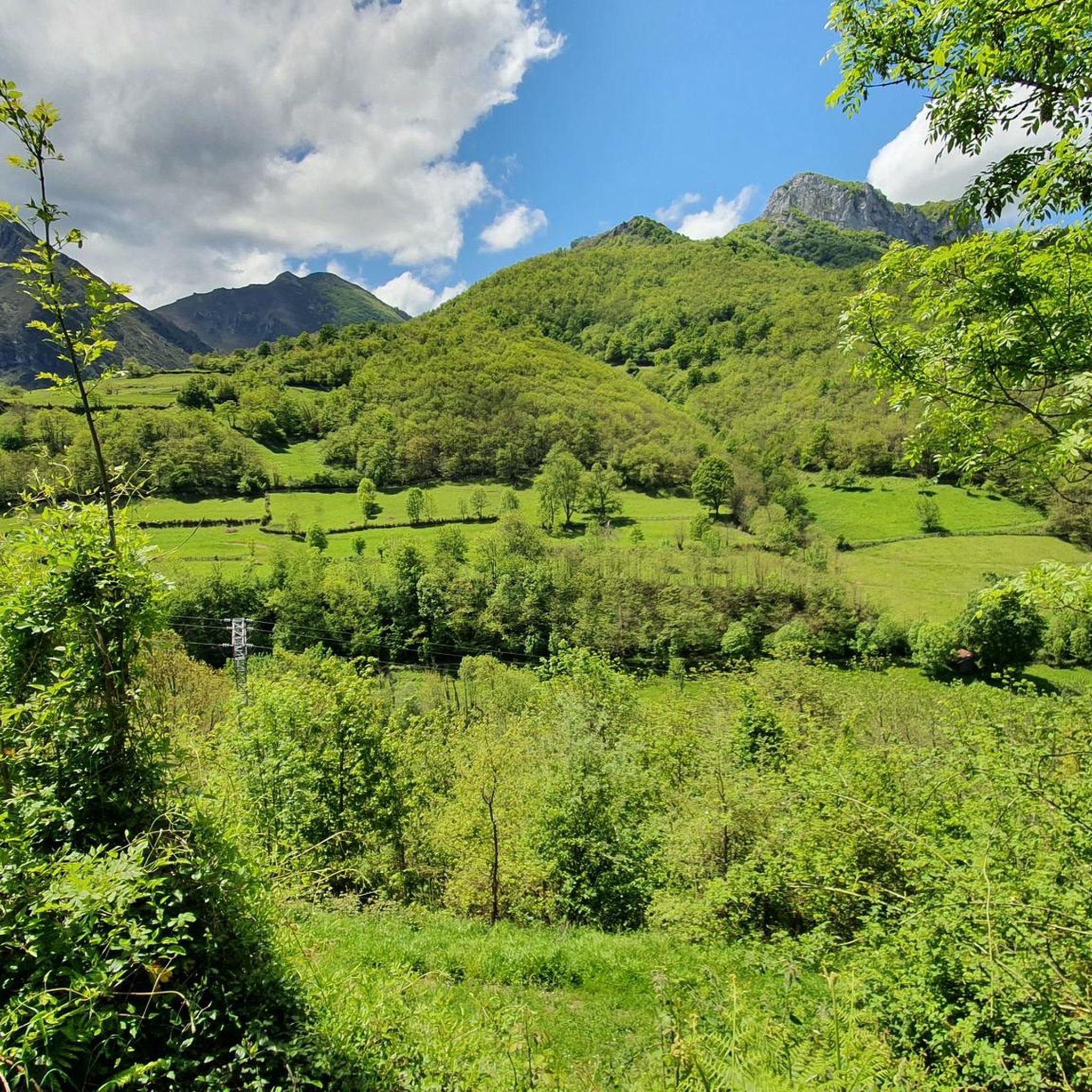
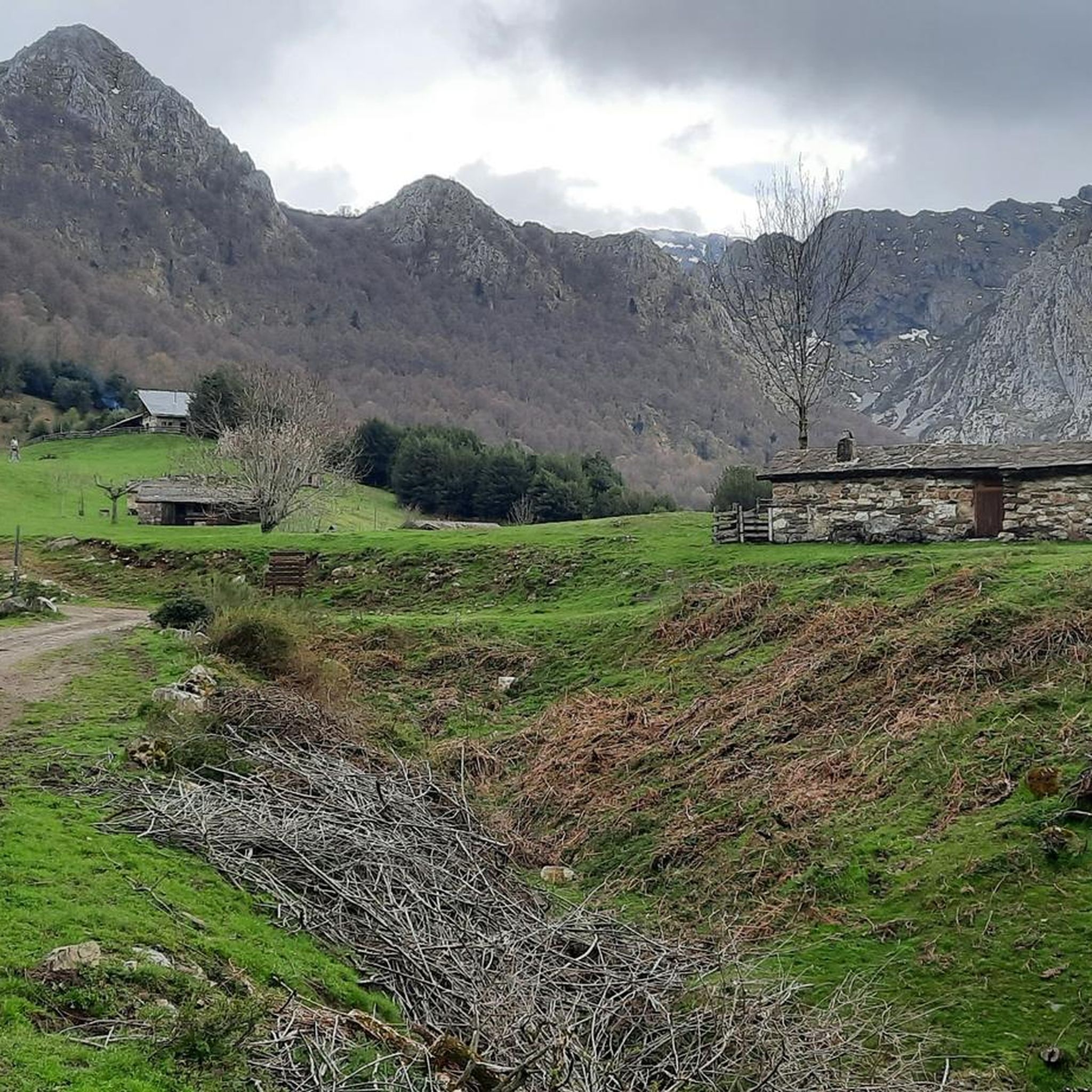
Best attractions and places to see around National Park Redes, a UNESCO Biosphere Reserve in Asturias, Spain, features rugged Cantabrian mountain terrain, extensive forests, and deep valleys. The park is known for its diverse natural beauty and cultural heritage. This region provides opportunities to explore natural features, such as high peaks and gorges, alongside traditional Asturian villages. Visitors can find a variety of landscapes and cultural sites to experience.
Best attractions and places to see around National Park Redes
- The…
Last updated: July 1, 2026
Soto de Agues Village
Highlight • Settlement
Translated by Google •
Tip by

Tarna Pass
Highlight • Mountain Pass
Translated by Google •
Tip by

Sign up now to discover places like this
Get recommendations on the best single tracks, peaks, & plenty of other exciting outdoor places.
Sign up for free
Arrudos Trail
Highlight • Trail
Translated by Google •
Tip by

Tabayón del Mongayu Waterfall
Highlight • Waterfall
Translated by Google •
Tip by
Texu la Oración Viewpoint
Highlight • Viewpoint
Translated by Google •
Tip by
Sign up for free to discover even more attractions around National Park Redes.
Sign up for free
Already have an account?
Start today with a free account
Your next adventure awaits.
Login or Signup
Popular around National Park Redes

Other adventures around National Park Redes

Tips from the Community

The Tarna Pass seems hidden from tourism and constant traffic. It's located on one of the least-traveled and most beautiful passes between Asturias and León. The scenery at the top is spectacular.
1
0

The Puerto de La Tarna, from Riaño, is a challenging road climb offering steady gradients and spectacular views of the Riaño Mountains. From the summit, you can enjoy panoramic views of the surrounding valleys, reservoirs, and peaks.
0
0

Several routes depart from Soto de Agues, including the typical Ruta del Alba.
0
0

A great, exciting and spectacular landscape.
1
1

The climb is long, fairly steep, with some tough sections. The views are spectacular from both sides.
1
1

In case of morning frost, when climbing the waterfall, put snow boots
1
0

Soto de Agues is a town in the council of Sobrescobio, located at 430 m altitude, at the end of one of the branches of the SC-2 road. It is divided into three neighborhoods: San Andrés, Agues and Soto. It preserves good examples of traditional architecture, a church dating from 1805, dedicated to San Andrés, and two hermitages, dedicated to San Antonio and Santa Ana, respectively. It is the starting point of several mountain routes, such as those of the Ruta del Alba (P. R. AS-62) and Cullargayos (P. R. AS-63).
11
0

From Soto de Argues you can start several mountain routes. The best known is perhaps the dawn route. A route that runs along paths that are comfortable to walk.
1
0
Frequently Asked Questions
What are some of the most scenic natural features to explore in National Park Redes?
The park is rich in natural beauty. You can experience the dramatic landscapes of the Arrudos Trail, a stunning river canyon known for its impressive and colorful route. Another highlight is the Tarna Pass, offering spectacular scenery from one of the least-traveled routes between Asturias and León. Don't miss the Texu la Oración Viewpoint for some of the best panoramic views of the park, or the unique Crestón Tunnel, carved through vertical precipices.
Are there any traditional Asturian villages worth visiting in National Park Redes?
Yes, the park is home to charming villages that preserve traditional Asturian culture. Soto de Agues Village is a great example, featuring traditional architecture and a church dating from 1805. It also serves as a starting point for popular hiking routes like the Ruta del Alba. Other notable villages include Caleao, Tarna, Bezanes, and Soto de Agues, many of which feature traditional 'horreos' (raised granaries).
What are the best hiking trails for different difficulty levels in National Park Redes?
National Park Redes offers a variety of trails. For an easy to moderate experience, the Ruta del Alba is a famous 7-kilometer round trip following the Alba River, known for its waterfalls and shaded beech forests. For a more challenging adventure, the Desfiladero de los Arrudos offers an exhilarating trek through dramatic landscapes to the high-altitude Lagos de Ubales. You can find more detailed routes, including easy hikes, on the Easy hikes around National Park Redes guide.
What cultural sites or museums can I visit in the Redes Natural Park area?
You can explore the region's cultural heritage at the Asturian Museum of Wood and Timber (MUMA) in Veneros, housed in a 16th-century building. This museum provides insight into the historical importance of wood in the region. Additionally, the Park Interpretation Center in Campo de Caso (El Campu) offers valuable information about the park's trails and attractions.
What is the best time of year to visit National Park Redes?
The park offers different experiences throughout the year. Spring and summer bring valleys alive with wildflowers, making it ideal for hiking and enjoying lush greenery. Autumn is particularly vibrant with colors as the extensive forests of beech, oak, and chestnut change hue. While winter offers a different, often snow-covered, landscape, some trails may be more challenging or inaccessible.
Are there family-friendly activities or trails in National Park Redes?
Yes, the park offers options suitable for families. The Ruta del Alba is often considered family-friendly due to its relatively easy terrain and picturesque scenery with waterfalls and pools. Many traditional villages like Soto de Agues Village are pleasant to explore with children. When planning, look for trails categorized as 'easy' or 'family_friendly' in komoot guides.
Where can I find mountain biking or gravel biking routes near the attractions?
National Park Redes offers various cycling opportunities. For mountain biking, you can explore routes like the 'Asturias Historic Trail Loop' or the 'Texu la Oración Viewpoint – Crestón Tunnel loop from Caso'. If you prefer gravel biking, there are options such as the 'Texu la Oración Viewpoint – Crestón Tunnel loop from Bezanes'. You can find more details and routes in the MTB Trails around National Park Redes guide and the Gravel biking around National Park Redes guide.
What unique local products or food can I find in the Redes Natural Park area?
The park is renowned for Casín cheese, one of the oldest cheeses on the Iberian Peninsula. Made from the raw milk of Casina cows, it holds a Protected Designation of Origin and is a must-try local delicacy.
What wildlife can I expect to see in National Park Redes?
Redes Natural Park is a refuge for diverse wildlife. You might spot species such as the Cantabrian brown bear, Iberian wolf, Cantabrian capercaillie, deer, chamois, and wild boar. The park's varied habitats support a rich biodiversity, making it a great spot for nature observation.
Are there any notable waterfalls in the park?
Yes, the Tabayón del Mongayo Waterfall, located near the village of Tarna, is one of the park's iconic natural features. This 60-meter-high waterfall is particularly impressive after rainfall, and the hike to reach it passes through beautiful forests and alpine meadows.
What are the highest peaks in National Park Redes?
Pico Torres is the tallest peak in the park, standing at 2,104 meters (or 2,098 meters), and dominates the skyline. Other significant peaks include Peña del Viento and Tiatordos, offering demanding but rewarding hikes with panoramic views across the Cantabrian Mountains.
Can I find accommodation or places to eat within or near the park?
While specific accommodation and dining options are not detailed in this guide, the traditional Asturian villages within and around the park, such as Soto de Caso, Caleao, Tarna, Bezanes, and Soto de Agues, often provide local guesthouses, cafes, and restaurants where you can experience regional cuisine and hospitality.
Most popular routes around National Park Redes
Most popular attractions around National Park Redes

Get inspired with the komoot mobile app


Explore more
Still not found the Highlight you’re looking for? See guides of the top attractions in other regions:
