Top 20 Natural Monuments around Dirmstein
Best natural monuments around Dirmstein offer insights into the region's geology, ecology, and natural features. Dirmstein, a wine-growing village in the Palatinate region of Germany, features diverse natural landmarks. These sites provide opportunities for outdoor exploration and tranquil experiences. The area is characterized by its unique geological formations, ancient trees, and natural water sources.
Best natural monuments around Dirmstein
- The most popular natural monuments is Herrnsheim Castle Park, a facilities highlight that offers an idyllic setting with numerous photo…
Last updated: June 24, 2026
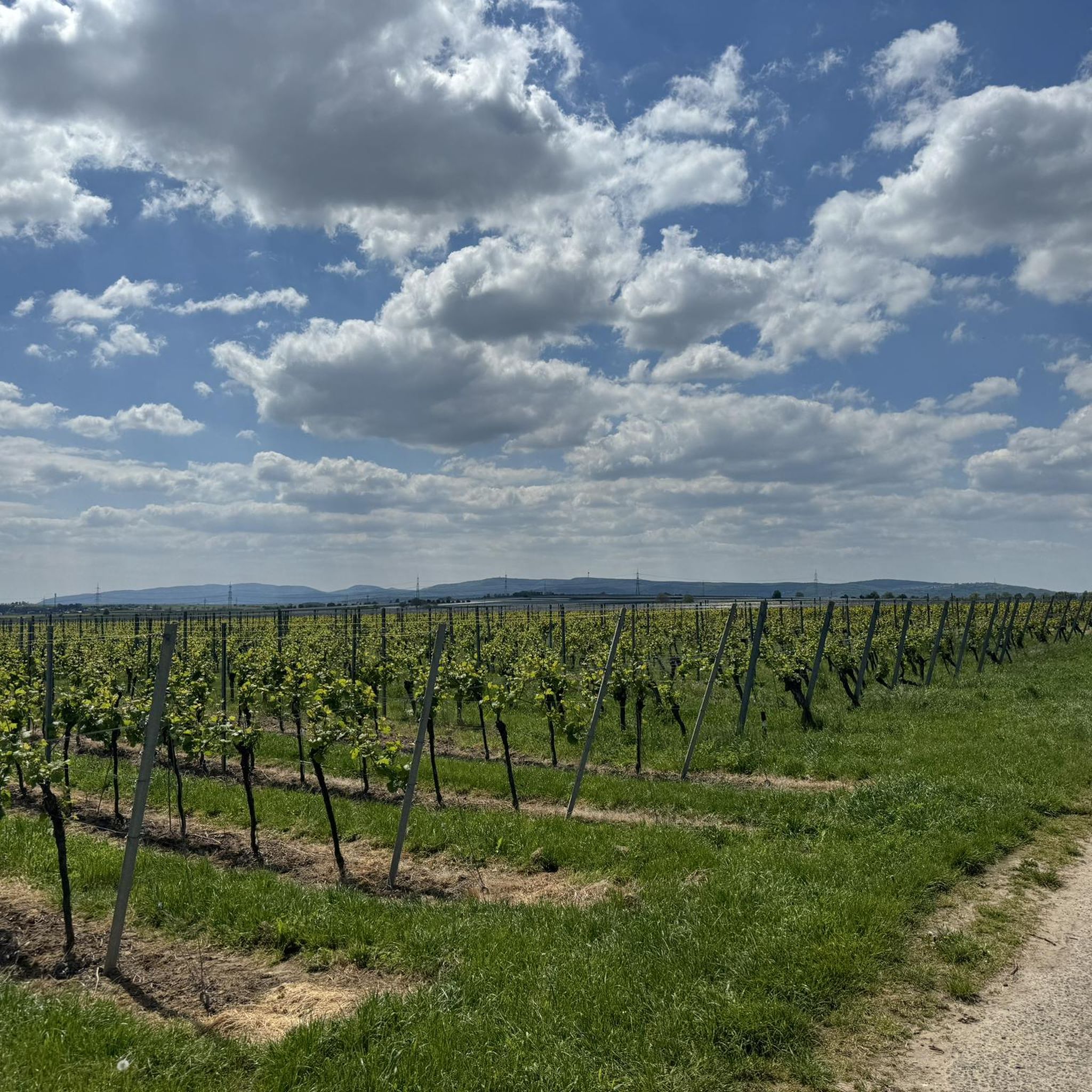
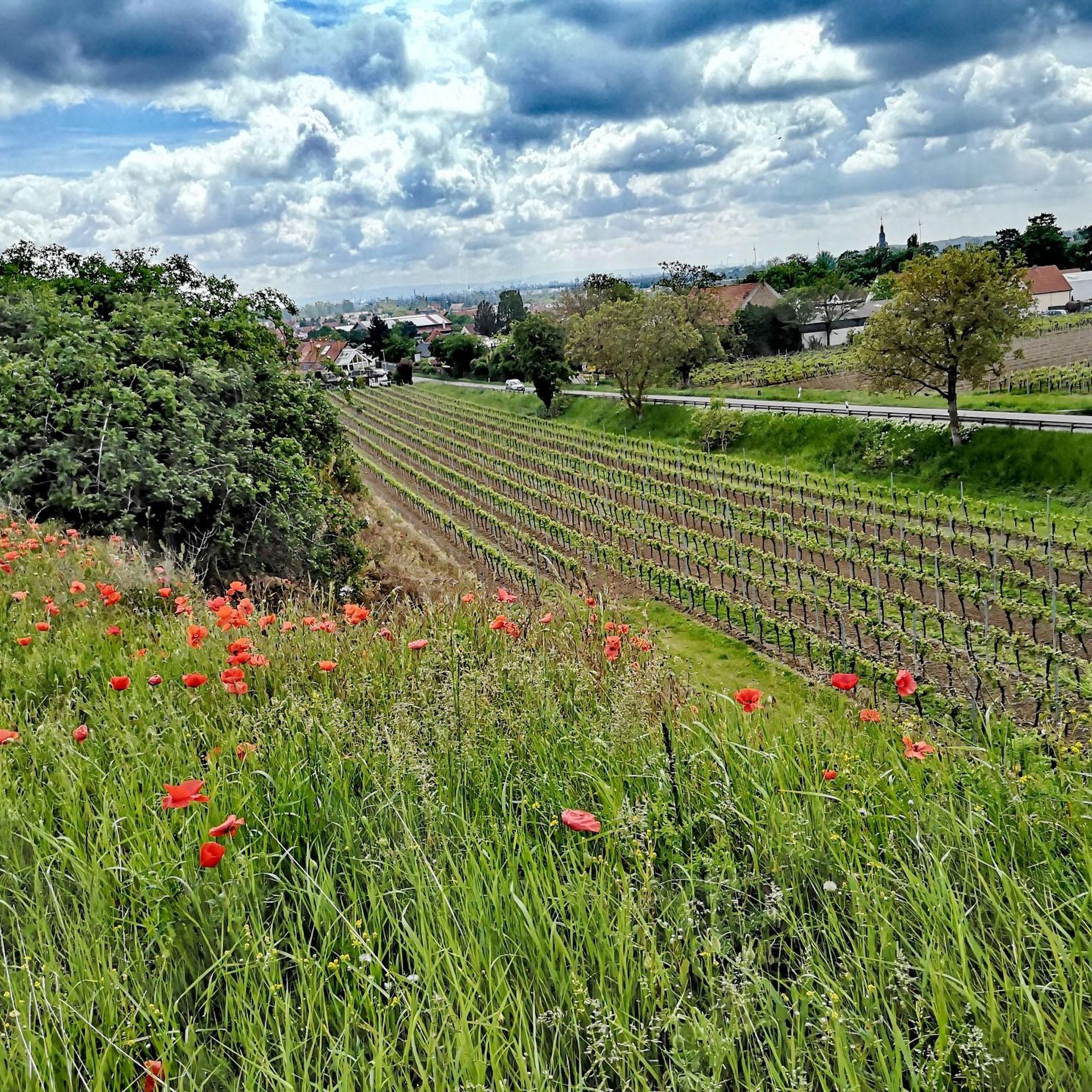
Berntal Valley Trails
Highlight (Segment) • Trail
Translated by Google •
Tip by

Siegfried Fountain (Worms)
Highlight • Monument
So it's a bit dull.
But above is Siegfried!
Translated by Google •
Tip by

Sign up now to discover places like this
Get recommendations on the best single tracks, peaks, & plenty of other exciting outdoor places.
Sign up for free
Begütenweiher
Highlight • Lake
Translated by Google •
Tip by

Herrnsheim Castle Park
Highlight • Rest Area
Translated by Google •
Tip by

Eisbach Nature Reserve
Highlight • Natural
Translated by Google •
Tip by

Sign up for free to discover even more natural monuments around Dirmstein.
Sign up for free
Already have an account?
Start today with a free account
Your next adventure awaits.
Login or Signup
Tips from the Community


The Berntal is a very interesting landscape and offers a variety of impressions and natural features.
0
0

The fountain was created in 1913 by the Munich sculptor Adolf von Hildebrand and erected in 1921. It is made of shell limestone and is designed as a heptagonal dome. On top of the fountain stands Siegfried with his sword, which represents the scene of the dragon slayer from the legend.
12
0

In summer it's a wonderful place to cool down a bit in the heat. The "zigzag path" up the hill south of the stream is beautifully decorated with small animal figures.
0
0

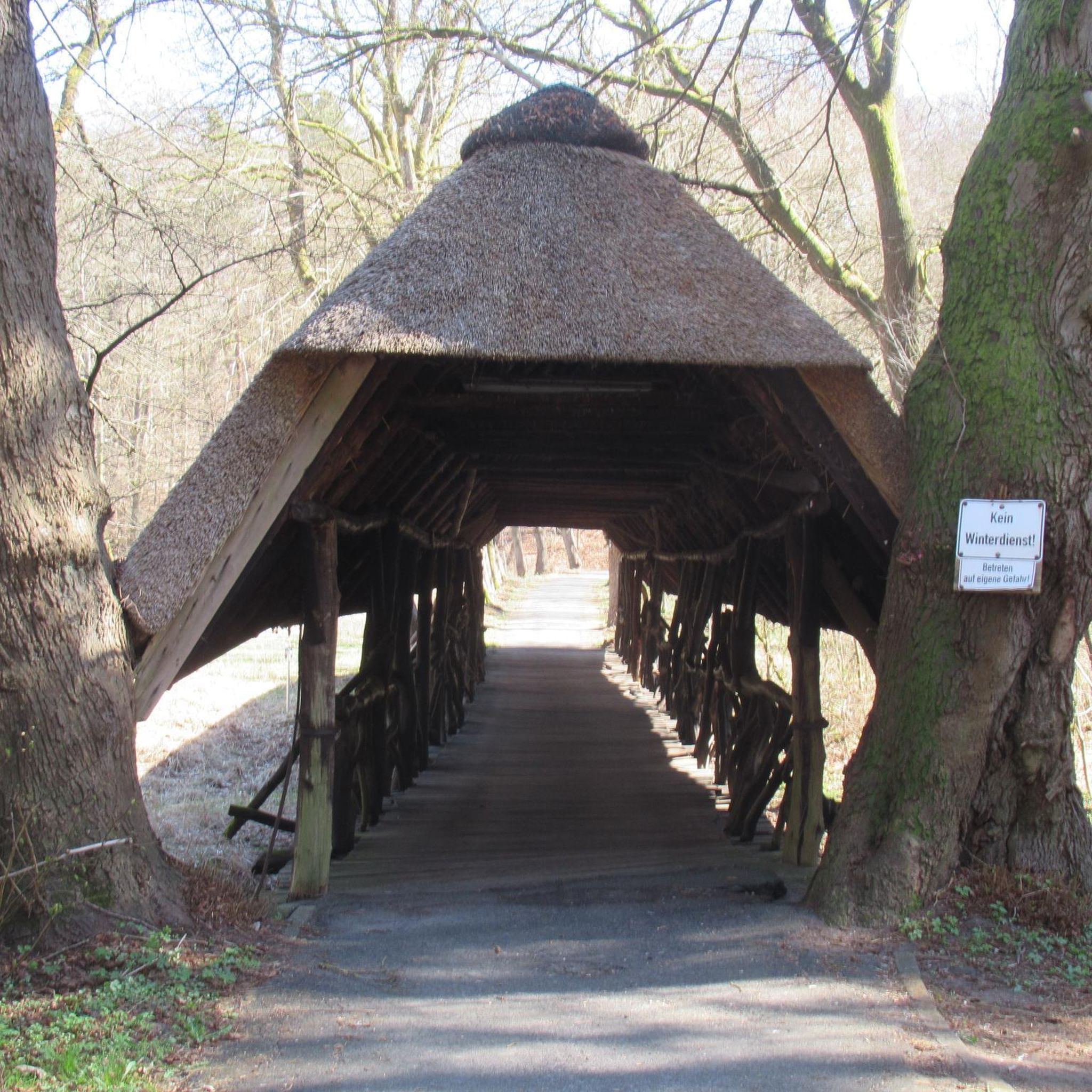
Really a beautiful spot on the bike path in the romantic Eisbachtal.
1
0

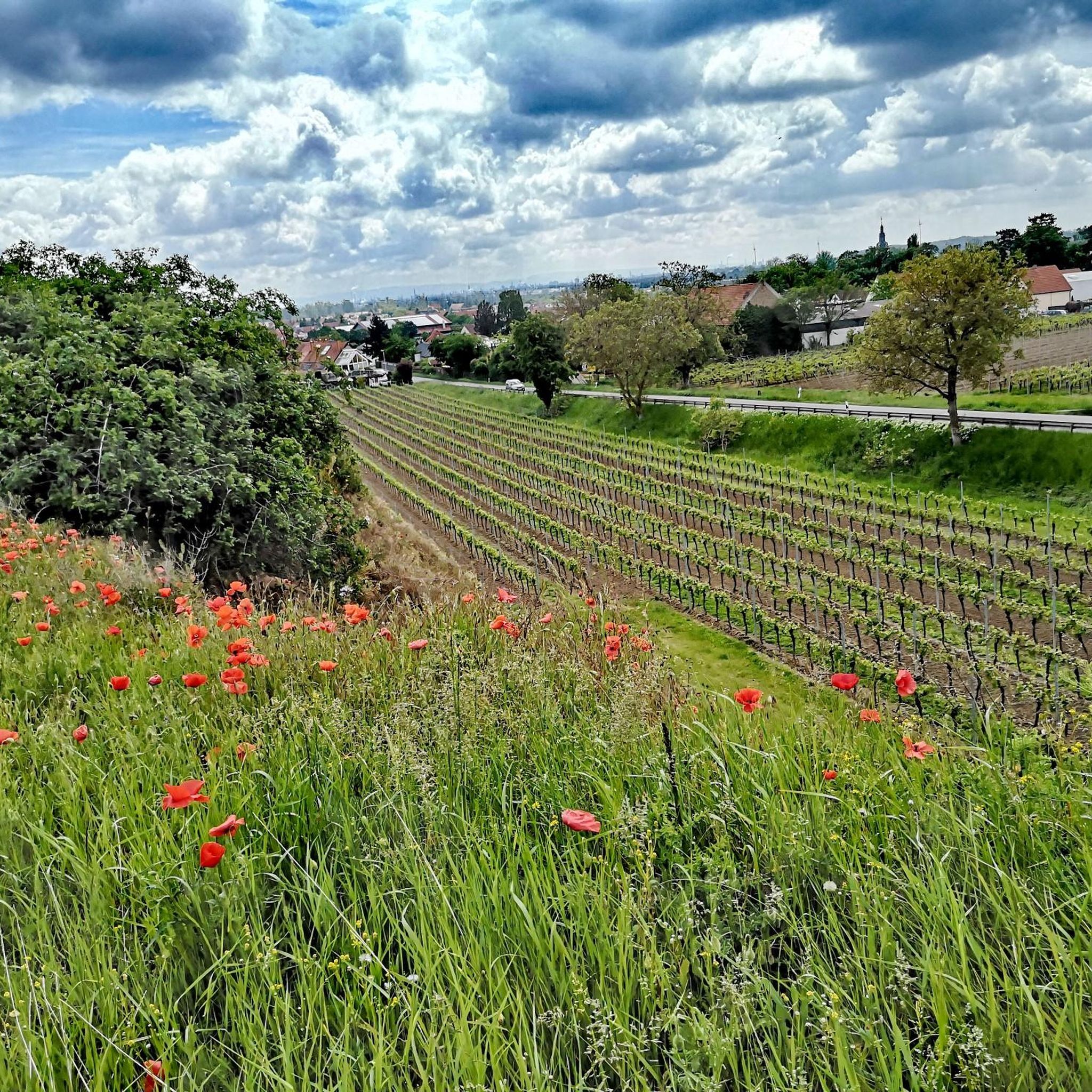
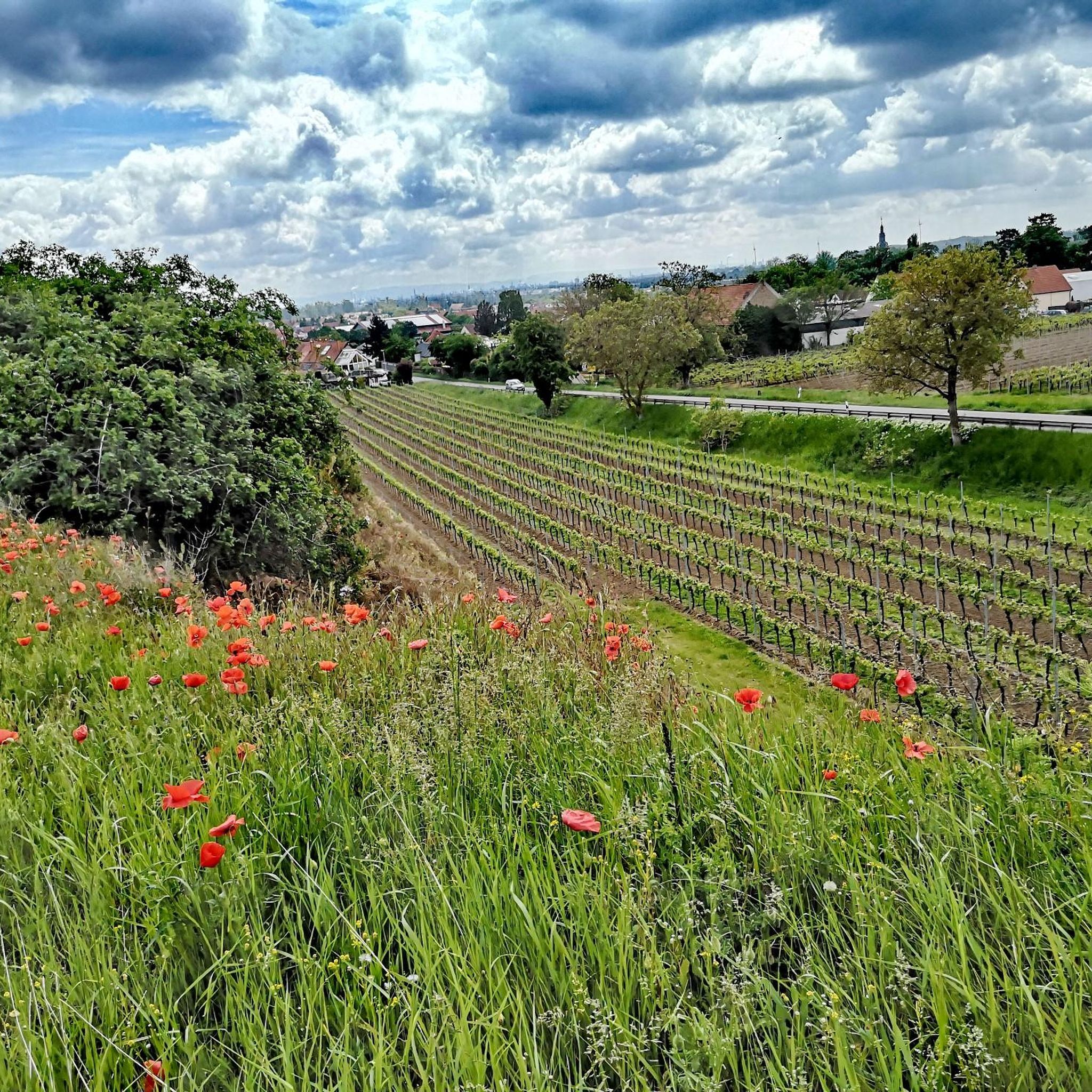
A great hiking trail to walk. It leads through a wonderful vineyard landscape.
0
0

Good restaurant by the pond. http://www.wsv-gaststaette.de/
0
0

The Begutenweiher, created shortly after the Second World War by gravel quarrying, is located between Friesenheim and the Notwende-Melm development area.
1
0
Frequently Asked Questions
What unique geological features can I explore among Dirmstein's natural monuments?
Dirmstein is known for its distinctive geological formations. You can visit the Lößwände westlich von Dirmstein (Loess Walls west of Dirmstein), which are impressive walls formed by wind-blown loess during the Würm ice age. These walls, particularly along the Wörschberger Hohl, provide a unique natural corridor. Further afield, the Lightning tubes of Battenberg offer fascinating ochre-colored sandstone formations, initially mistaken for lightning strikes but now understood as a mineralogical phenomenon.
Are there any ancient trees or significant flora to see in the Dirmstein area?
Yes, Dirmstein is home to the 'Dicker Baum' am Eckbach, an ancient plane tree (Platane) that is a designated natural monument. This impressive tree is over 150 years old, with a trunk circumference of 6 meters and a height of 20 meters, offering a serene spot by the Eckbach stream.
Where can I find natural water features or springs around Dirmstein?
You can visit the Begütenweiher, a lake that serves as a bathing pond in summer and offers pleasant walks year-round. Additionally, the Chorbrünnl am Landgraben is a historic site featuring a former sulfur spring, located along the Landgraben (Floßbach), providing a quiet spot with historical significance.
Are there hiking trails near the natural monuments in Dirmstein?
Absolutely. Many natural monuments are integrated into or are close to hiking routes. For example, the Berntal Valley Trails offer a beautiful path through a small nature-protected valley with bushes, vines, and old walls. You can find various hiking options, including easy loops like the 'Ancient plane tree at the Kellergarten – Fountain in Gerolsheim Pond loop from Dirmstein', by exploring the Hiking around Dirmstein guide.
Can I go cycling near Dirmstein's natural monuments?
Yes, the Dirmstein area is excellent for cycling. You can find routes that pass by or near several natural features. For instance, the 'Eckbach Mill Trail – Mill by the Pond loop from Dirmstein' is an easy cycling route. Explore more options in the Cycling around Dirmstein guide for both touring and road cycling.
Are the natural monuments around Dirmstein family-friendly?
Many natural monuments in the Dirmstein area are suitable for families. The Begütenweiher is a popular bathing pond perfect for family outings, and the Berntal Valley Trails offer an enjoyable walk through nature. Even the Lightning tubes of Battenberg can be an interesting, albeit more challenging, family adventure.
What historical sites are considered natural monuments in this region?
While many natural monuments focus on geological or ecological features, some have historical connections. The Chorbrünnl am Landgraben, for example, is a historic former sulfur spring. Additionally, the Herrnsheim Castle Park, though a man-made park, is recognized as a natural monument due to its idyllic setting and historical significance, offering numerous photo opportunities and a glimpse into Empire-style architecture.
Are there any natural monuments that are wheelchair accessible?
The Siegfried Fountain in Worms, while a man-made monument, is listed as wheelchair accessible and is considered a natural monument in the broader context of the region's attractions. It's an interesting fountain in the center of Worms, commemorating Siegfried from the Nibelung saga.
What do visitors enjoy most about the natural monuments in Dirmstein?
Visitors appreciate the diverse experiences offered by Dirmstein's natural monuments. Many enjoy the tranquility and natural beauty of places like the Berntal Valley Trails, describing them as perfect for peace and quiet. The Begütenweiher is loved for swimming in summer and pleasant walks. The Herrnsheim Castle Park is praised for its idyllic setting and photo opportunities.
What is the Wörschberger Hohl and why is it significant?
The Wörschberger Hohl is an idyllic hollow way closely associated with the Lößwände westlich von Dirmstein. It's significant for its impressive animal burrows within the loess walls and its picturesque setting. This deeply incised path, carved out over centuries by agricultural carts, showcases the towering loess banks, creating a distinctive natural corridor that is both geologically and ecologically interesting.
Are there any natural monuments that are particularly good for photography?
The Herrnsheim Castle Park is an idyllic setting that offers numerous photo opportunities, especially with its Empire-style architecture. The impressive Lößwände westlich von Dirmstein and the Wörschberger Hohl also provide unique natural backdrops for photography, particularly with their geological formations and the interplay of light and shadow.
Most popular routes around Dirmstein

Get inspired with the komoot mobile app


Explore more
Extend your search for the best caves by checking out these guides of the top ones around Dirmstein:
