Top 20 Natural Monuments in Tanzania
Best natural monuments in Tanzania showcase a varied landscape, from Africa's highest peaks to expansive volcanic craters and ancient lakes. The country is home to significant geological formations and diverse ecosystems. These natural features provide habitats for a wide range of wildlife and offer opportunities for exploration. Tanzania's natural monuments are notable for their scale and ecological importance.
Best natural monuments in Tanzania
- The most popular natural monuments is Uhuru Peak (5,895 m), Mount Kilimanjaro, a summit that is the highest point of the Kilimanjaro mountain massif and Africa. It is one of the Seven Summits and part of the UNESCO World Natural Heritage.
- Another must-see spot is Stella Point, a summit. Visitors reaching this point are close to the highest point in Africa and can enjoy the views.
- Visitors also love Materuni Waterfall, a waterfall accessible by a footpath. It is a natural spot where visitors can go into the water.
- Tanzania is known for its mountains, waterfalls, and volcanic formations. The country offers a variety of natural monuments to see and explore, including summits, trails, and viewpoints.
- The natural monuments in Tanzania are appreciated by the komoot community. There are 89 upvotes and 50 photos shared by visitors.
Last updated: July 7, 2026
Uhuru Peak (5,895 m), Mount Kilimanjaro
Highlight • Summit
Kilimanjaro means "mountain of the evil spirit". There is a legend among the Swahili that on Kilimanjaro there lives a wicked god who does not tolerate any man on his mountain. Anyone who tried it would stiffen their hands and feet and then fall off.
There are several routes on the Kibo. Technically, the climb is not difficult, the height is the biggest challenge for climbers. If you make your way to the kibo, you should plan for at least five to seven days for the return trip. The ascent is chargeable, in addition, the commission of local carriers is mandatory.
Translated by Google •
Tip by

Lava Tower
Highlight • Natural Monument
Tip by

Sign up now to discover places like this
Get recommendations on the best single tracks, peaks, & plenty of other exciting outdoor places.
Sign up for free
Materuni Waterfall
Highlight • Waterfall
Translated by Google •
Tip by

Stella Point
Highlight • Summit
Translated by Google •
Tip by

Kibo Hut to Horombo Hut (Marangu Route, Kilimanjaro National Park)
Highlight (Segment) • Trail
Marangu is a demanding mountain trekking route of at least five days, on which, compared to other routes, the percentage of mountain tourists gives up - not least because the Marangu route is often underestimated.
It is therefore absolutely advisable to take an acclimatization day (6-day route) at Horombo Hut (3,725 m). B. during the day to visit the Zebra Rocks (approx. 4,000 m).
The Marangu route, like all other routes, should be tackled with the necessary respect and proper preparation training. No matter which route you choose, the altitude remains - and thus the crux of every Kilimanjaro climb. Be sure to walk slowly from day 1 and don't smile at the repetitive “Pole Pole” (slow, slow) of your guide and the passing porters. You know what you're talking about.
Translated by Google •
Tip by

Marangu Gate to Mandara Hut Trail, Kilimanjaro National Park
Highlight (Segment) • Trail
Tip by

Choma Waterfall
Highlight • Waterfall
Tip by

Kisasa Waterfalls
Highlight • Waterfall
Translated by Google •
Tip by

Barranco Wall
Highlight • Climb
Translated by Google •
Tip by

Barranco Camp, Kilimanjaro National Park
Highlight • Mountain Hut
Translated by Google •
Tip by

Sign up for free to discover even more natural monuments in Tanzania.
Sign up for free
Already have an account?
Start today with a free account
Your next adventure awaits.
Login or Signup
Popular around Tanzania
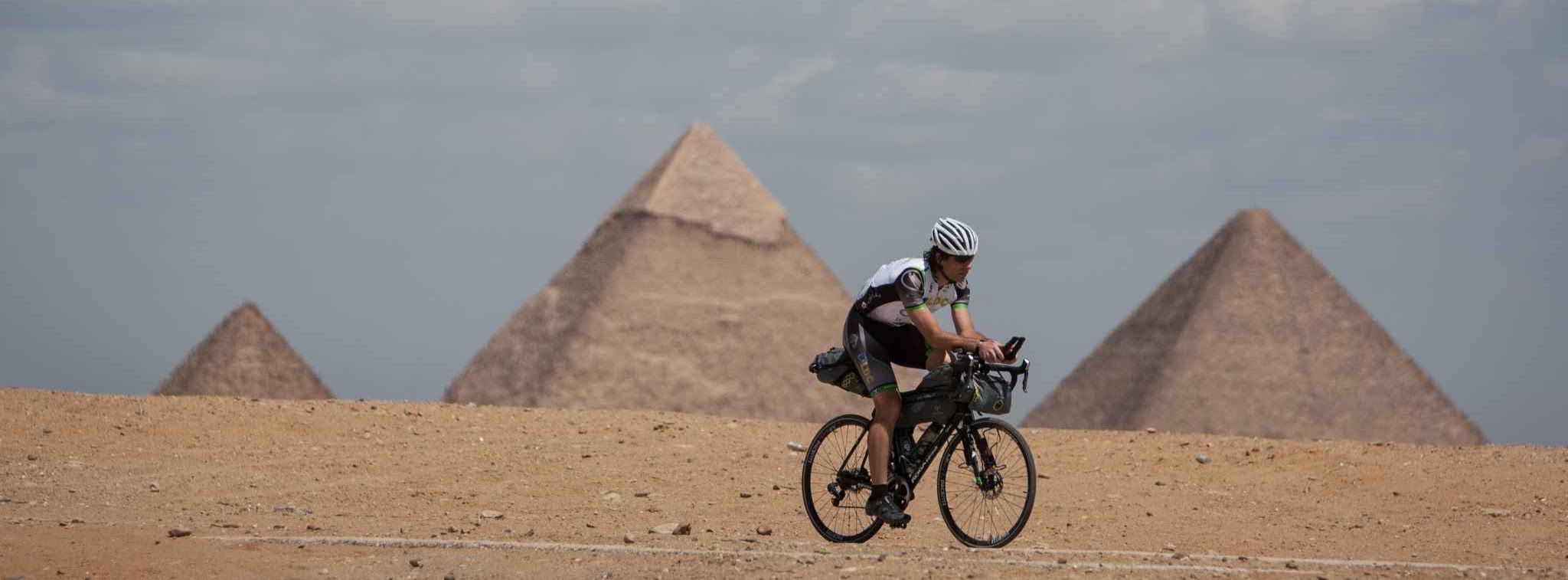
Africa Solo — Cairo to Cape Town in 41 days
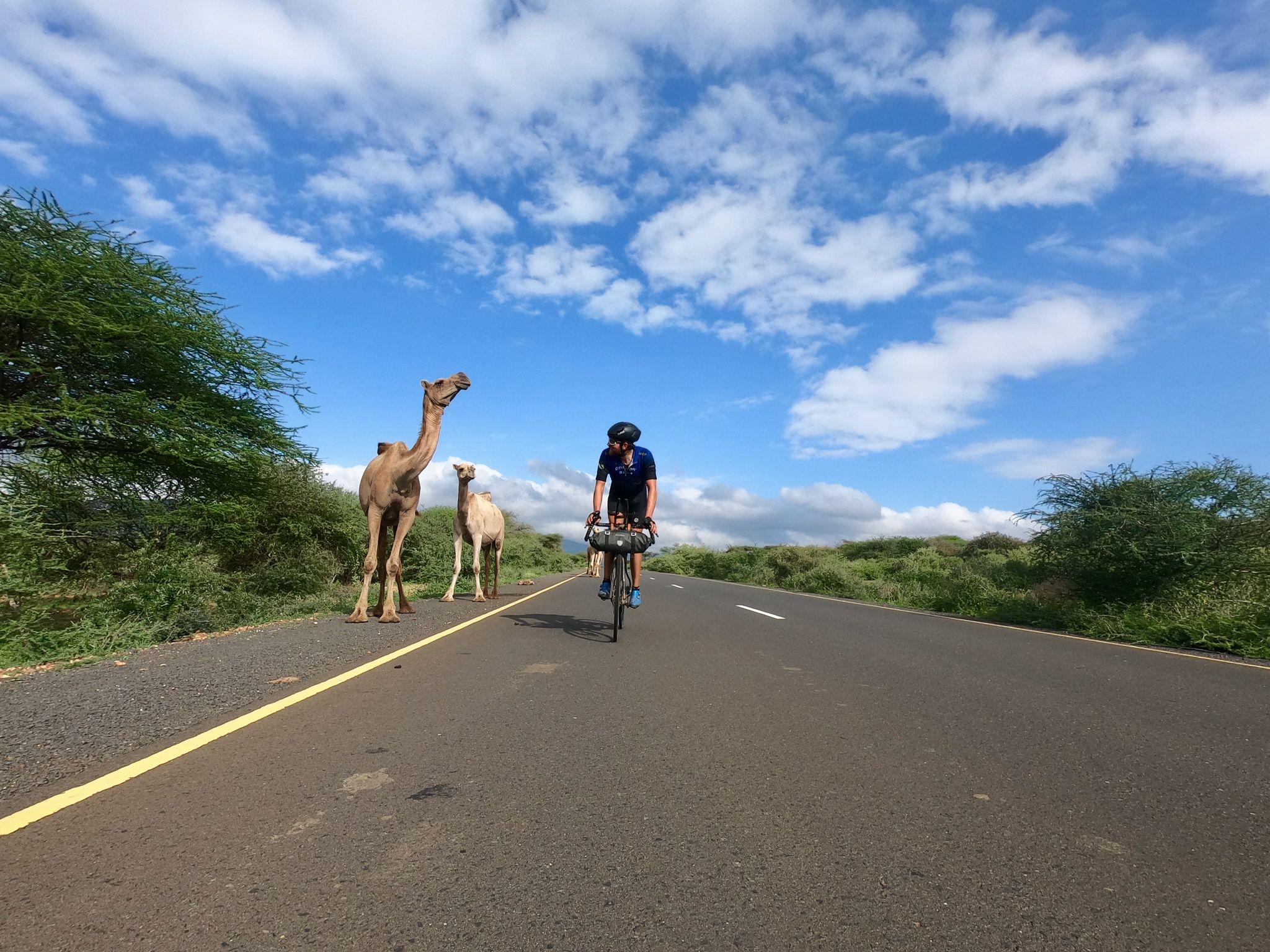
Cape to Cape Challenge – 18,000km in 73 days
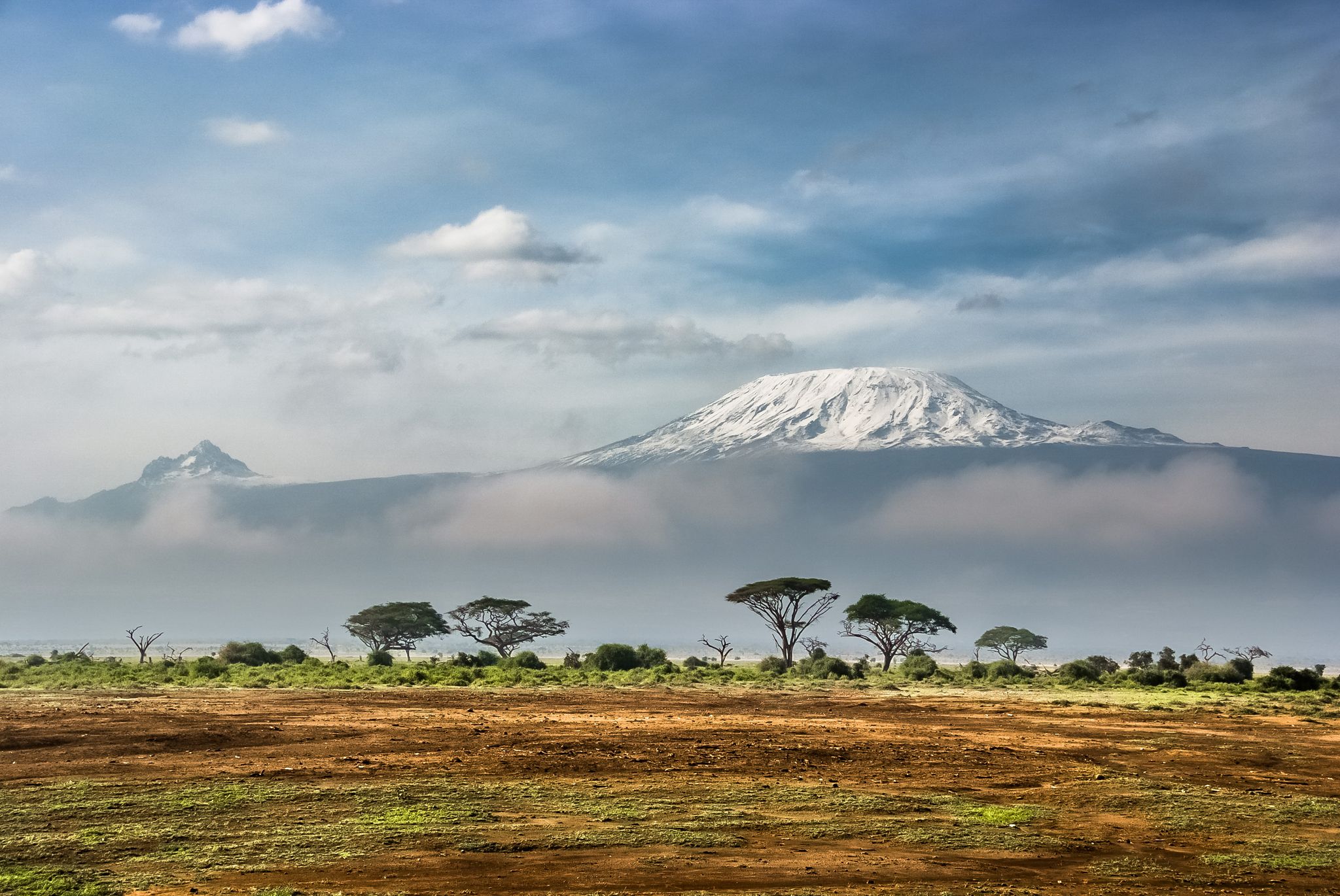
Kilimanjaro — from the jungle to Africa's rooftop
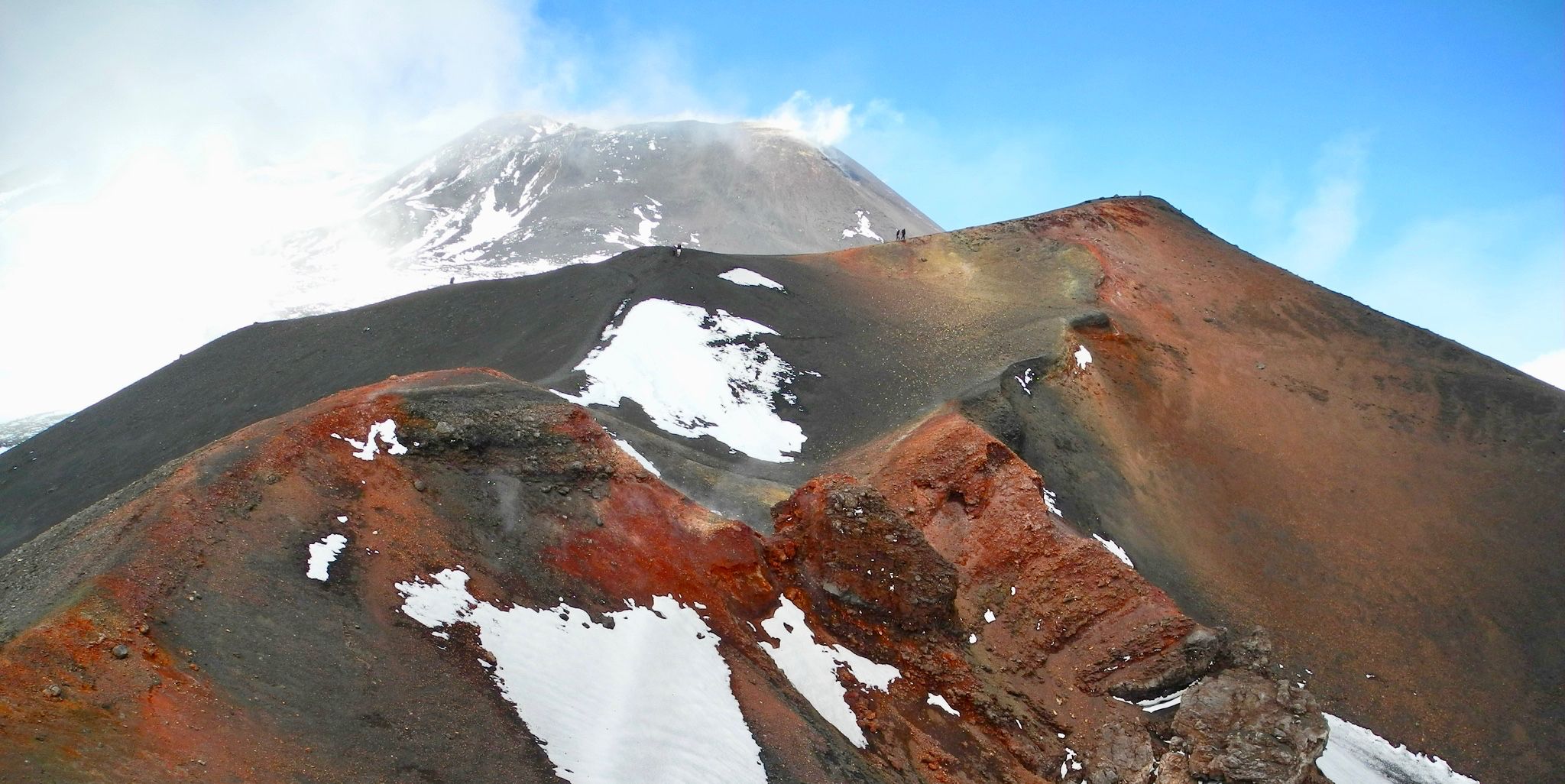
Holy mountains and their stories
Hiking in Tanzania
Running Trails in Tanzania
Mountain Hikes in Tanzania
Road Cycling Routes in Tanzania
MTB Trails in Tanzania
Cycling in Tanzania
Other adventures in Tanzania


Tips from the Community

Absolutely worth seeing if you are already in the area
0
0

When following the Lemosho route on Kilimanjaro. You climb up to the Lava Tower. Lava Tower is a 300-foot tall rock structure on Mount Kilimanjaro. It is a distinct geological formation and significant landmark on the mountain. Lava Tower is a volcanic plug that was formed when Kilimanjaro was an active volcano. The process began between 150,000-200,000 years ago during a volcanic eruption. Magma rose through a vent from deep within the Earth to reach the surface. After the eruption subsided, the magma within the vent cooled and solidified. Over time, erosion wore away the softer, surrounding volcanic material, leaving the hard material exposed.
0
0

The Choma Waterfalls are popular destination for local tourists too. For those who do not fancy to hike the whole distance and back, there are boda (moto) drivers available all along the way who can - depending muddiness of the road - bring you all the way up to or back from the falls. There are some food stalls on the road just above the falls, and on certain days performances of Uluguru drums and dancing. You are asked to pay an entrance fee to go down to the falls
1
0

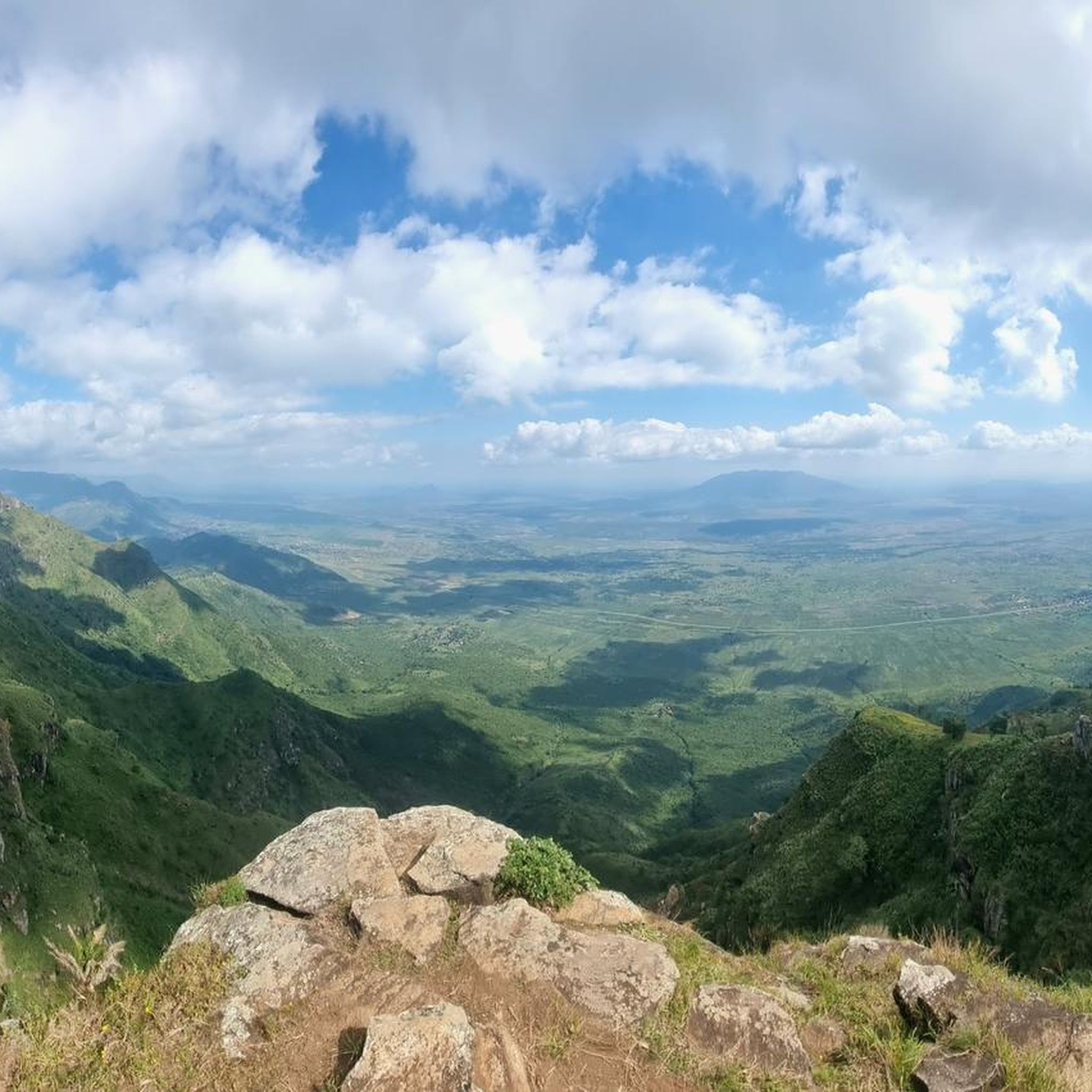
Beautiful views of the towns below the mountain.
0
0

Barranco Camp is one of the most beautiful camps on Kilimanjaro, from here you can see the Barranco Wall and also the caravan that sets off in the morning 😌
0
0
Barranco Wall. Very nice wall, one of the few places on the whole tour to Kilimanjaro where you have to use your hands to climb, but not as difficult as it looks
1
0
Beautiful rock formation, the porters set up the tents up there and serve something to eat. You stay there for about an hour to acclimatise. It is at least 4600 m high
0
0

The Materuni Waterfall is accessible by a footpath from the hiking start point. There are multiple “guides” offering their services to bring you there. They also take an entrance fee to the area, even if there is no real governmental park sign or something. In our case we paid 10.000 Shillings for the entrance fee and 10.000 for the guide per person. If you do the coffee and lunch or need a lift from or to Moshi they will charge you extra. From the hike starting point it is a ~40min walk through the village and forest before you arrive at the waterfall. It’s a beautiful spot in the middle of nature. You can also go into the water at your own risk. We did a refreshing dip in the pool there.
1
0
Frequently Asked Questions
What are some of the most notable natural monuments in Tanzania?
Tanzania is home to several iconic natural monuments. Among them are Uhuru Peak (5,895 m), Mount Kilimanjaro, Africa's highest point, and the vast Ngorongoro Crater, a UNESCO World Heritage site known for its dense wildlife. The Serengeti National Park is globally famous for the Great Migration, while Lake Tanganyika is the world's second-deepest lake, offering unique aquatic biodiversity.
Are there natural monuments suitable for families in Tanzania?
Yes, several natural monuments offer family-friendly experiences. For example, the Materuni Waterfall is accessible via a footpath, where visitors can enjoy a refreshing dip. The Jozani Chwaka Bay National Park in Zanzibar is excellent for observing the rare red colobus monkeys, providing an engaging experience for all ages.
What kind of wildlife and geological features can I expect to see?
Tanzania's natural monuments boast incredible diversity. The Ngorongoro Crater is a prime location to spot the 'Big Five' (elephants, buffaloes, leopards, lions, and rhinos) within its unique caldera ecosystem. Serengeti National Park offers unparalleled wildlife viewing, especially during the Great Migration. Lake Tanganyika is renowned for its endemic cichlid fish species, while Gombe Stream National Park is famous for its chimpanzee populations. Geologically, you'll encounter volcanic formations like Mount Kilimanjaro and the Ngorongoro Crater, along with ancient rift valley lakes.
What is the best time of year to visit Tanzania's natural monuments?
The best time to visit largely depends on the specific monument and your interests. Generally, the dry seasons (June to October and late December to February) are ideal for wildlife viewing in places like the Ngorongoro Crater and Serengeti, as animals congregate around water sources. For climbing Mount Kilimanjaro, the drier, warmer months of January-March and June-October are often preferred for clearer skies and better trail conditions.
Are there challenging hikes or climbs available at these natural monuments?
Absolutely. Mount Kilimanjaro offers a challenging yet rewarding climbing experience, with routes leading to summits like Uhuru Peak and Stella Point. The ascent is physically demanding due to altitude, requiring several days. The Barranco Wall on Kilimanjaro is another challenging section that involves some scrambling.
What outdoor activities can I do near Tanzania's natural monuments?
Beyond visiting the monuments themselves, you can find various outdoor activities. Near many natural monuments, there are opportunities for hiking, such as the Hiking in Tanzania guide which includes routes like 'Sunrise on Mount Kilimanjaro – Stella Point loop'. Road cycling is also popular, with options like the 'Quiet Rolling Road loop from Old Central Railway Station' found in the Road Cycling Routes in Tanzania guide. Lake Tanganyika offers excellent snorkeling and scuba diving to explore its unique underwater world.
Are there any natural monuments known for their viewpoints?
Yes, many natural monuments offer spectacular viewpoints. Stella Point on Mount Kilimanjaro provides breathtaking views close to Africa's highest peak. The Lava Tower on Kilimanjaro is another prominent rock formation offering a great spot for a lunch break and panoramic views. Additionally, the Magamba Viewpoint offers scenic vistas.
What are the accessibility considerations for visiting natural monuments in Tanzania?
Accessibility varies greatly. While some sites like Materuni Waterfall are reached via footpaths, others like Mount Kilimanjaro require significant physical exertion and multi-day treks. For Kilimanjaro, local carriers are mandatory, and permits are required for entry. National parks like Ngorongoro and Serengeti are generally accessed by safari vehicles, and specific entry fees apply.
Can I find easy hiking trails near natural monuments?
Yes, there are easier hiking options available. For instance, the Easy hikes in Tanzania guide features routes like the 'Hiking loop from Jozani' which is an easy, shorter trail. Many areas surrounding the major natural monuments also offer less strenuous walks through local villages or forests.
What makes Gombe Stream National Park a unique natural monument?
Gombe Stream National Park, though Tanzania's smallest national park, is globally significant for its chimpanzee population and the pioneering research conducted by Dr. Jane Goodall. Visitors have a rare opportunity to observe habituated chimpanzees in their natural habitat through guided treks, making it a unique experience for primate enthusiasts and nature lovers.
Are there any natural monuments in Tanzania that are part of the East African Great Rift Valley?
Yes, Lake Tanganyika is a prominent natural monument formed within the East African Great Rift Valley. It is the second-deepest and second-largest freshwater lake by volume globally, characterized by its clear blue waters and unique biodiversity, especially its endemic cichlid fish species.
What do visitors enjoy most about the natural monuments in Tanzania?
Visitors frequently highlight the awe-inspiring scale and natural beauty. For instance, the dramatic snow-capped peak of Kilimanjaro is an iconic sight, and reaching Uhuru Peak brings immense pride. The incredible concentration of wildlife in the Ngorongoro Crater and the spectacle of the Great Migration in the Serengeti are also consistently praised. The opportunity for a refreshing dip at Materuni Waterfall is also a popular experience.
Most popular attractions in Tanzania

Get inspired with the komoot mobile app


Didn’t find what you were looking for?
Find even more amazing natural monuments in Tanzania by checking out the top Highlights region by region:
Explore more
Extend your search for the best caves by checking out these guides of the top ones in Tanzania:
