The best mountain hikes in Tanzania
5.0
(9)
329
hikers
4
hikes
Mountaineering in Tanzania is characterized by its iconic volcanic peaks, including Mount Kilimanjaro, the continent's highest point, and Mount Meru. The landscape transitions through diverse ecosystems, from lush rainforests on lower slopes to alpine deserts and glaciated summits at higher elevations. This East African nation offers a range of challenging ascents and high-altitude trekking experiences across its varied mountain ranges.
Best mountaineering routes in Tanzania
- The most popular mountaineering route is Kilimanjaro Base Camp – Uhuru Peak, Mount Kilimanjaro loop…
Last updated: June 27, 2026
5.0
(5)
226
hikers
9.40km
06:19
1,230m
1,230m
Hard mountaineering route. Very good fitness required. Mostly accessible paths. Sure-footedness required.
5.0
(1)
39
hikers
8.11km
04:57
1,030m
1,030m
Hard mountaineering route. Very good fitness required. Mostly accessible paths. Sure-footedness required.

Sign up for free
5.0
(3)
40
hikers
12.3km
06:52
1,010m
1,010m
Hard mountaineering route. Very good fitness required. Sure-footedness, sturdy shoes and alpine experience required.
24
hikers
5.17km
01:58
370m
370m
Moderate mountaineering route. Good fitness required. Easily-accessible paths. Suitable for all skill levels.
Our route recommendations are based on thousands of hikes, rides, and runs completed by other people on komoot.
Start today with a free account
Your next adventure awaits.
Login or Signup
Popular around Tanzania
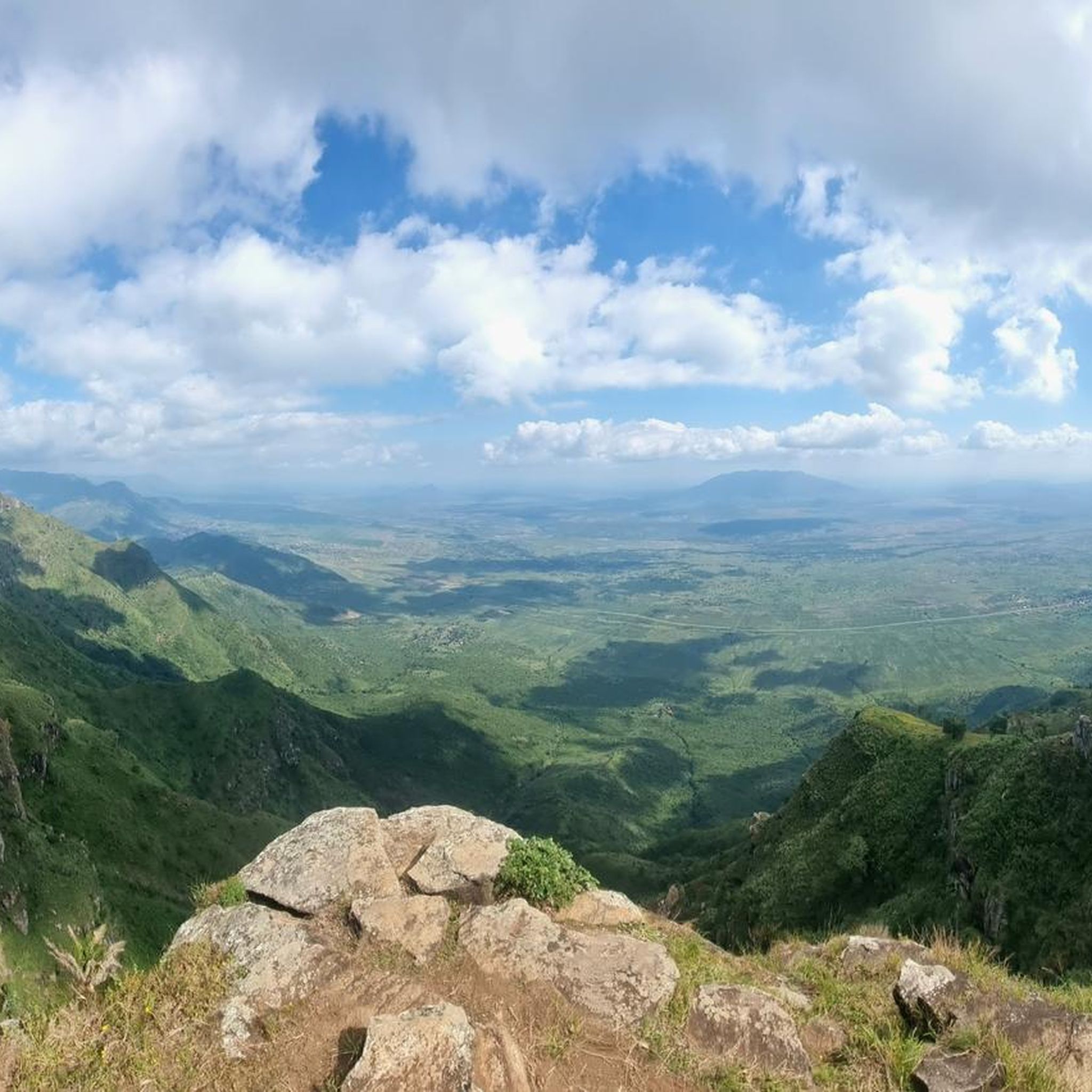
Other adventures in Tanzania


Tips from the Community


Be up early to enjoy this unique sunrise ❤️
1
0

The most beautiful sunrise I've ever seen 🤗 That makes up for any effort and warms you up after a cold night.
2
0
It's a very special experience to stand up there when the sun rises 😍
3
0

The efforts of the many kilometers to reach this point are definitely worth it.
3
0
I was completely exhausted, but after a short time it worked again... Thank you for the view.
6
0
Frequently Asked Questions
How many mountaineering routes are available in Tanzania?
Tanzania offers a diverse range of mountaineering experiences, with komoot featuring over 4 routes. These routes cater to various skill levels, from moderate to difficult, across its iconic volcanic peaks and mountain ranges.
What are the different difficulty levels for mountaineering in Tanzania?
Mountaineering in Tanzania presents a spectrum of challenges. You'll find routes ranging from moderate, such as the Zebra Rocks – Mawenzi Saddle loop from Horombo Huts, to difficult ascents like the Kilimanjaro Base Camp – Uhuru Peak, Mount Kilimanjaro loop from Barafu Camp. The region is well-suited for those seeking a significant physical challenge and high-altitude trekking.
When is the best time of year for mountaineering in Tanzania?
The optimal times for mountaineering in Tanzania, particularly for peaks like Kilimanjaro and Meru, are during the dry seasons. This typically falls between December and early March, and again from June to October. These periods offer clearer skies and more stable weather conditions, making for a safer and more enjoyable ascent.
Are there any circular mountaineering routes in Tanzania?
Yes, several routes in Tanzania are designed as loops, allowing you to experience diverse landscapes without retracing your steps. For instance, the Saddle Hut loop from Little Meru on Mount Meru offers a challenging circular trek through volcanic terrain.
What kind of wildlife can I expect to see on mountaineering trails in Tanzania?
Mount Meru, located within Arusha National Park, offers a unique combination of mountaineering and wildlife viewing. On its lower slopes, you might spot giraffes, buffalos, zebras, and various monkeys. Due to the presence of wildlife, all climbs on Mount Meru are accompanied by an armed ranger for safety.
Are there options for less crowded mountain climbs in Tanzania?
While Kilimanjaro and Meru are popular, regions like the Usambara and Udzungwa Mountains offer fantastic, less crowded trekking experiences. The Usambara Mountains, known for their rich biodiversity, provide accessible trails for various fitness levels, while the Udzungwa Mountains National Park is famed for its waterfalls and unique ecosystems.
What are some notable natural attractions or landmarks near these mountaineering routes?
Beyond the peaks, Tanzania boasts stunning natural attractions. Near some routes, you can find beautiful waterfalls like Materuni Waterfall or Choma Waterfall. There are also serene lakes such as Big Momella Lake and the unique Kikuletwa Hot Springs, offering diverse experiences alongside your mountain adventures.
What should I pack for a mountaineering trip in Tanzania?
Given the diverse ecosystems you'll traverse, from rainforests to alpine deserts and glaciated summits, packing layers is crucial. Essential items include warm clothing, waterproof and windproof outer layers, sturdy hiking boots, a good quality sleeping bag, sun protection, and a first-aid kit. For high-altitude climbs like Kilimanjaro, specialized gear for cold weather is also necessary.
Are there any family-friendly mountain hikes in Tanzania?
While many of Tanzania's iconic mountaineering routes are challenging, the Usambara Mountains offer more accessible trails suitable for families. These mountains are known for their rich biodiversity and provide a gentler introduction to the region's natural beauty, with options for various fitness levels.
How challenging is climbing Mount Kilimanjaro?
Mount Kilimanjaro, Africa's highest peak, is a significant challenge. While most routes do not require technical climbing skills, a high level of physical fitness and proper acclimatization are absolutely crucial for a successful summit. Routes like the Kibo Hut – Uhuru Peak, Mount Kilimanjaro loop from Kibo Huts are rated as difficult due to the altitude and strenuous nature of the ascent.
What do other mountaineers enjoy the most about mountaineering in Tanzania?
The komoot community highly rates mountaineering in Tanzania, with an average score of 5.0 stars. Reviewers often praise the majestic volcanic peaks, the incredible diversity of landscapes encountered on the trails, and the unique high-altitude trekking experiences. The sense of achievement from conquering Africa's highest mountains is a common highlight.
Can I find routes that offer views of waterfalls in Tanzania?
Yes, Tanzania's diverse geography includes stunning waterfalls. While not directly on the main mountaineering summit routes, areas like the Udzungwa Mountains National Park are renowned for their waterfalls. You can also explore highlights such as Sanje Waterfall and Kisasa Waterfalls, which offer beautiful natural spectacles.
Most popular attractions in Tanzania

Get inspired with the komoot mobile app


Explore more
Browse the best Mountain Hikes & Routes in other regions.
