Top 8 Natural Monuments around Hilo
Best natural monuments around Hilo are characterized by lush landscapes and diverse natural wonders. This region on the Big Island of Hawaii features a unique blend of volcanic formations, tropical rainforests, and powerful waterfalls. Visitors can explore a variety of natural attractions that showcase the island's geological and ecological richness. The area offers numerous opportunities to experience Hawaii's dramatic natural environment.
Best natural monuments around Hilo
- The most popular natural monuments is Rainbow Falls, a waterfall that cascades 26…
Last updated: June 25, 2026
Liliuokalani Gardens
Highlight • Natural
Translated by Google •
Tip by

Rainbow Falls
Highlight • Waterfall
Translated by Google •
Tip by

Sign up now to discover places like this
Get recommendations on the best single tracks, peaks, & plenty of other exciting outdoor places.
Sign up for free
Wailuku River State Park
Highlight • River
Translated by Google •
Tip by
Kaumana Caves
Highlight • Cave
Translated by Google •
Tip by
Boiling Pots
Highlight • Waterfall
Translated by Google •
Tip by
Sign up for free to discover even more natural monuments around Hilo.
Sign up for free
Already have an account?
Start today with a free account
Your next adventure awaits.
Login or Signup
Tips from the Community


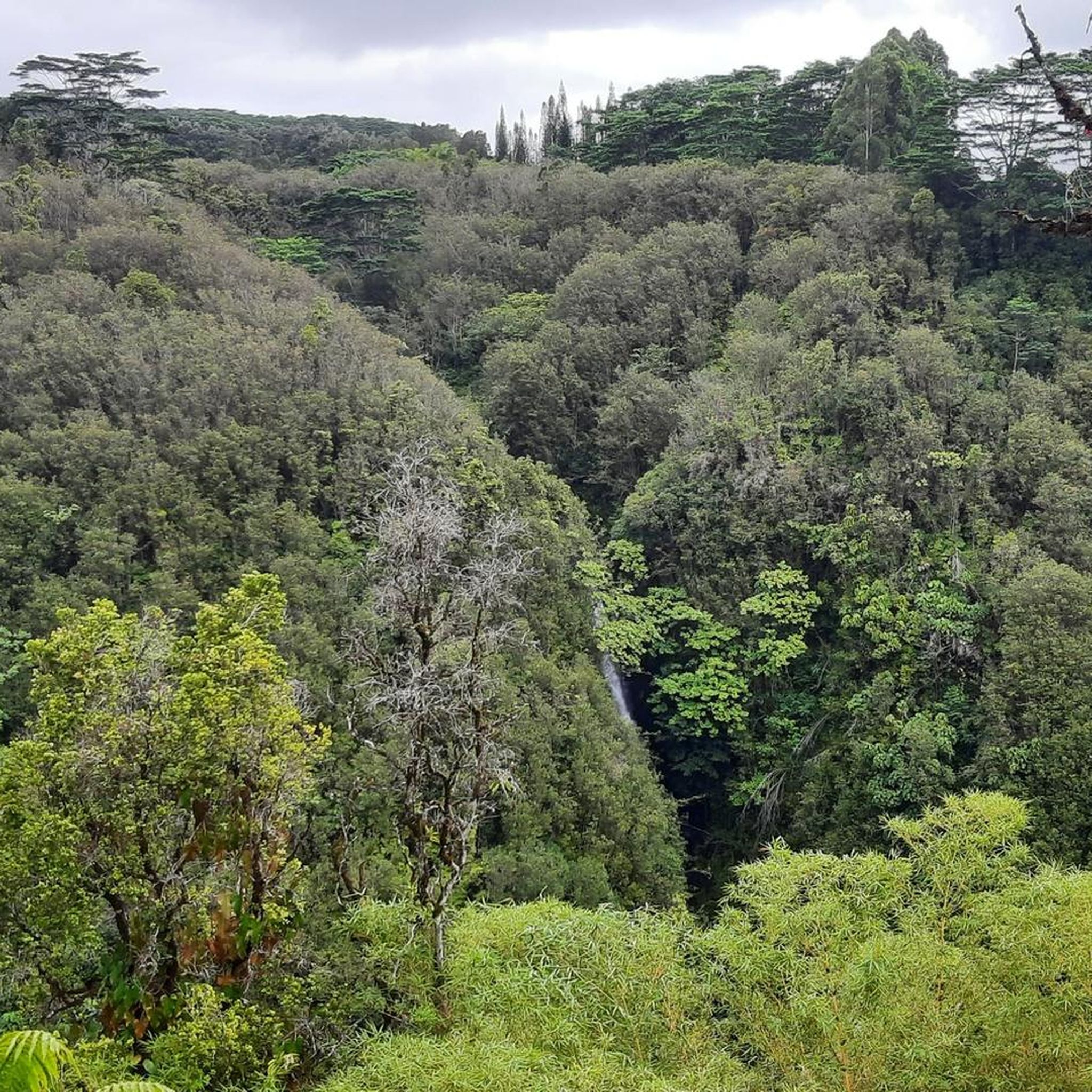
impressive waterfall in front of a huge cave
2
0
Observation platform with a view of the bubbling water
2
0
From the entrance, the lava tunnel leads in two directions. The tunnel system is 2,197 meters long in total. Sturdy footwear and sufficient lighting are recommended.
2
0
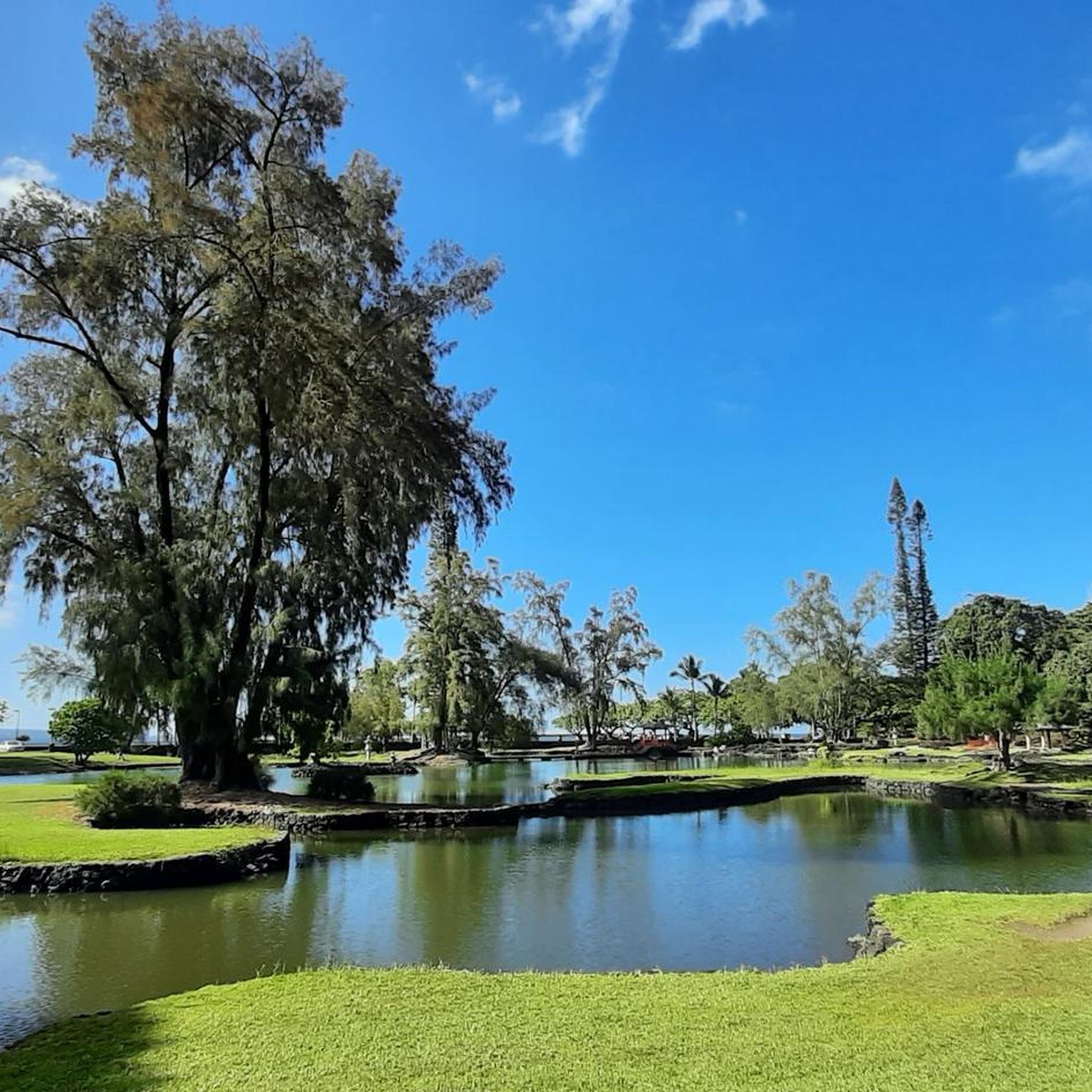
beautifully landscaped Japanese-style park with tea house and giant trees
3
0

Rainbow (Waiānuenue) Falls is a large waterfall, measuring 80 ft (24 m) tall and almost 100 ft (30 m) in diameter. It is free to enter and see the falls because this area is part of the Hawai'i State Parks. There is no fee to see the falls. Rainbow Falls gets its name from the rainbows that show around the falls, created by the mist from the falls and the sunshine at 10:00 a.m.
0
0
The boiling posts are sink holes with bubbling waters. For safety, it's best to stay far away from the edge of the river near Boiling Pots. Visitors are warned about the dangers of slipping and falling. The bubbling is caused by the water in the lava tubes, which are not boiling hot but give the illusion of boiling. This is a very unique thing to see, and it is highly recommended for visitors to walk down and check them out.
0
0
Kaumana Cave is a lava tube that is free to enter. It was made by an 1881 lava flow from Mauna Loa volcano. The lava tube has been measured at just over two miles long, which ranks it as the 57th longest lava tube in the world. There is a warning sign at the entrance that indicates: "no lights, no walkways, sharp and loose rocks". Visitors should heed the warning and bring good shoes and a light.
0
0
Frequently Asked Questions
What are some family-friendly natural monuments to visit in Hilo?
Hilo offers several natural monuments suitable for families. Rainbow Falls is easily accessible with a short walk to the viewing platform. Liliuokalani Gardens provides a relaxed, beautifully landscaped space with plenty of quiet corners. The observation platform at Boiling Pots also offers a safe way to view the unique bubbling waters.
Are there any natural monuments in Hilo that are wheelchair accessible?
While specific wheelchair accessibility details for all sites are not provided, Rainbow Falls is known for its easy accessibility, with a viewing platform just a short walk from the parking area. Akaka Falls State Park, though outside Hilo proper, features a paved 0.4-mile loop trail, which generally indicates good accessibility.
What is the best time of day to see the rainbow at Rainbow Falls?
The best time to witness the rainbow phenomenon at Rainbow Falls is typically on sunny mornings, between 9 and 10 AM, when the sun hits the mist at the right angle.
What kind of natural features can I expect to see at Wailuku River State Park?
Wailuku River State Park is home to both Rainbow Falls and Boiling Pots. You'll see impressive waterfalls, turbulent river sections with unique rock formations, and lush, green surroundings characteristic of the Big Island's east coast. The Wailuku River itself is the longest in Hawaii, flowing between Mauna Kea and Mauna Loa.
Are there hiking trails near the natural monuments in Hilo?
Yes, there are various hiking opportunities around Hilo. For easy options, consider routes like the Liliʻuokalani Gardens Loop or the Hilo Bayfront Trail. More extensive hiking trails, including moderate and difficult options, can be found in the broader hiking guide for Hilo.
What is the significance of the 'bubbling' at Boiling Pots?
The 'bubbling' at Boiling Pots is an optical illusion. It's caused by the Wailuku River's water flowing through lava tubes, creating turbulent currents and whirlpools that make the water appear to boil, though it is not hot. An observation platform provides a safe view of this unique geological phenomenon.
What can I expect to see at Liliuokalani Gardens?
Liliuokalani Gardens is a beautifully landscaped Japanese-style park. You'll find a traditional tea house, giant banyan trees, and many quiet corners perfect for relaxation. It offers a serene atmosphere with picturesque views.
Is it safe to jump from Kawainui Stream Bridge?
While some people jump from Kawainui Stream Bridge, it is important to note that jumping off the bridge can be dangerous. The river level can change, making the water too shallow at times. It is not recommended due to safety concerns.
What other natural attractions are there near Hilo besides waterfalls and gardens?
Beyond the waterfalls and gardens, Hilo is close to other significant natural attractions. Hawaiʻi Volcanoes National Park, about 30 miles southwest, offers a unique opportunity to explore active volcanoes, lava tubes, and volcanic landscapes. Kaumana Caves provide a chance to walk through ancient lava tubes, offering a glimpse into the island's volcanic past. Richardson Ocean Park is a black sand beach known for clear waters and sea turtles, ideal for snorkeling and swimming.
What are some popular running trails in Hilo?
Hilo offers several popular running trails. You can enjoy an easy run on the Coconut Island via Banyan Drive loop or explore the Wailuku River State Park via Haili Street route. For more options, check out the running trails around Hilo guide.
What makes Hilo's natural monuments unique?
Hilo's natural monuments are unique due to the region's blend of volcanic landscapes, lush rainforests, and powerful waterfalls. This area showcases Hawaii's dramatic natural environment, from the rainbows at Rainbow Falls to the turbulent waters of Boiling Pots, all shaped by the island's volcanic activity and abundant rainfall.
Most popular attractions around Hilo

Get inspired with the komoot mobile app


Explore more
Extend your search for the best caves by checking out these guides of the top ones around Hilo:
