Top 20 Natural Monuments around Isla De Hierro
Best natural monuments around Isla De Hierro showcase the island's unique geological history and ecological richness. As a UNESCO Biosphere Reserve, El Hierro features dramatic volcanic landscapes and a tranquil atmosphere. The island, the westernmost and smallest of the Canary Islands, offers a variety of natural attractions. These sites provide insights into its formation and diverse ecosystems.
Best natural monuments around Isla De Hierro
- The most popular natural monuments is La Maceta Natural Pools, a natural monument featuring spectacular…
Last updated: October 23, 2026
Malpaso Peak
Highlight • Summit
The Malpaso volcano is the highest point on the island of El Hierro.
Malpaso has a height of approximately 1,501 meters above sea level.
Translated by Google •
Tip by

Jinama Viewpoint
Highlight • Viewpoint
It can be reached by …
Translated by Google •
Tip by

Sign up now to discover places like this
Get recommendations on the best single tracks, peaks, & plenty of other exciting outdoor places.
Guinea Ecomuseum and Lizardarium
Highlight • Historical Site
Translated by Google •
Tip by

Cala de Tacorón
Highlight • Beach
Translated by Google •
Tip by
Charco de Los Sargos - take a swim!
Highlight • Natural Monument
Translated by Google •
Tip by

Cross of the Kings
Highlight • Viewpoint
Located on the Bajada trail.
Translated by Google •
Tip by

La Maceta Natural Pools
Highlight • Natural Monument
Translated by Google •
Tip by

Well of Health
Highlight • Natural Monument
Translated by Google •
Tip by

La Dehesa (Lava field)
Highlight (Segment) • Natural Monument
It is worth taking the detour to visit the Puntas de Gutiérrez viewpoint, halfway through the segment.
Translated by Google •
Tip by

Witches' Dance Site
Highlight • Viewpoint
Translated by Google •
Tip by

Sign up for free to discover even more natural monuments around Isla De Hierro.
Already have an account?
Start today with a free account
Your next adventure awaits.
Popular around Isla De Hierro
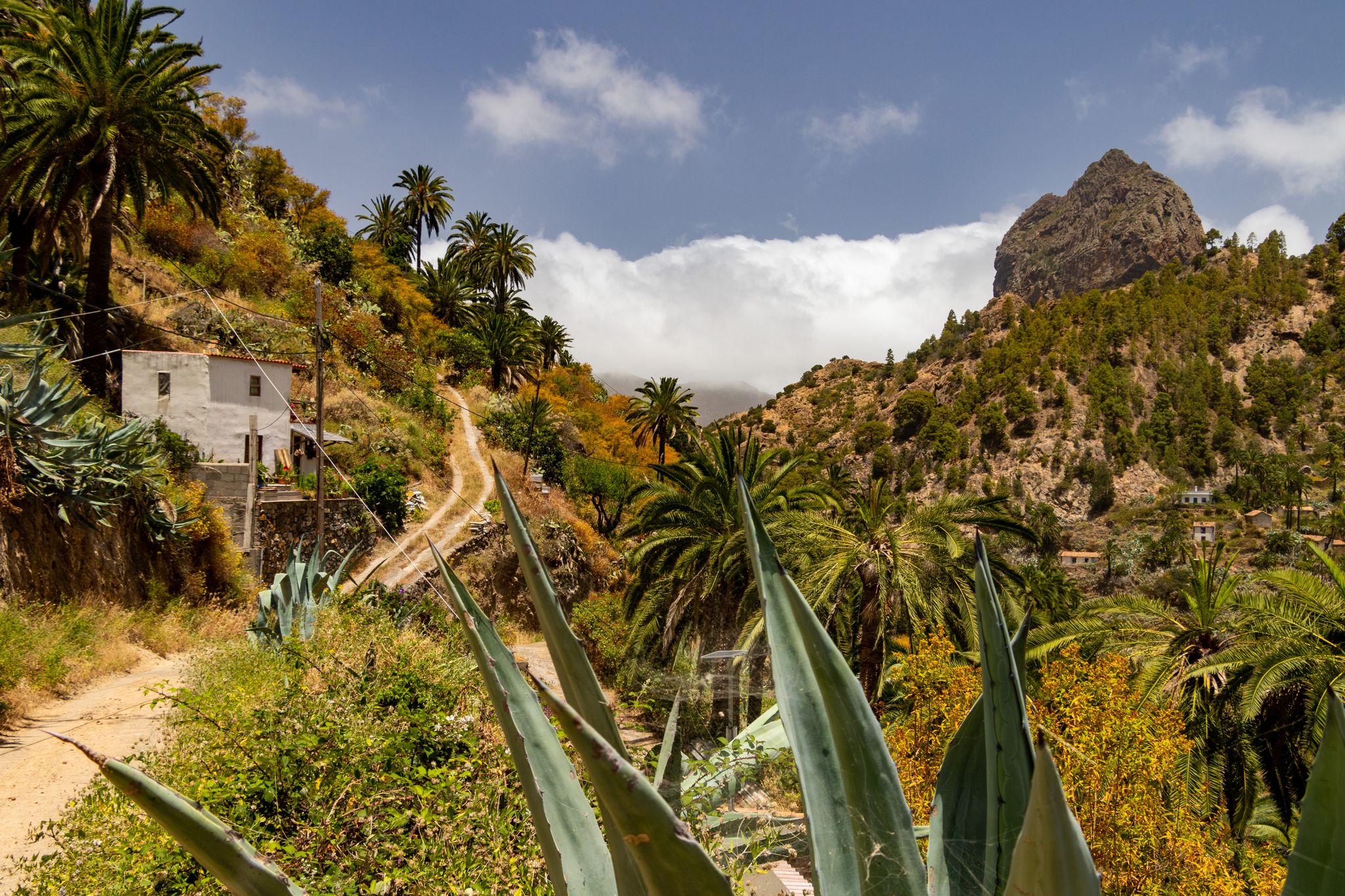
La Palma, El Hierro y La Gomera – explore the Canaries’ Green Islands on foot
Canarian essence and traditional paths – El Hierro Loop
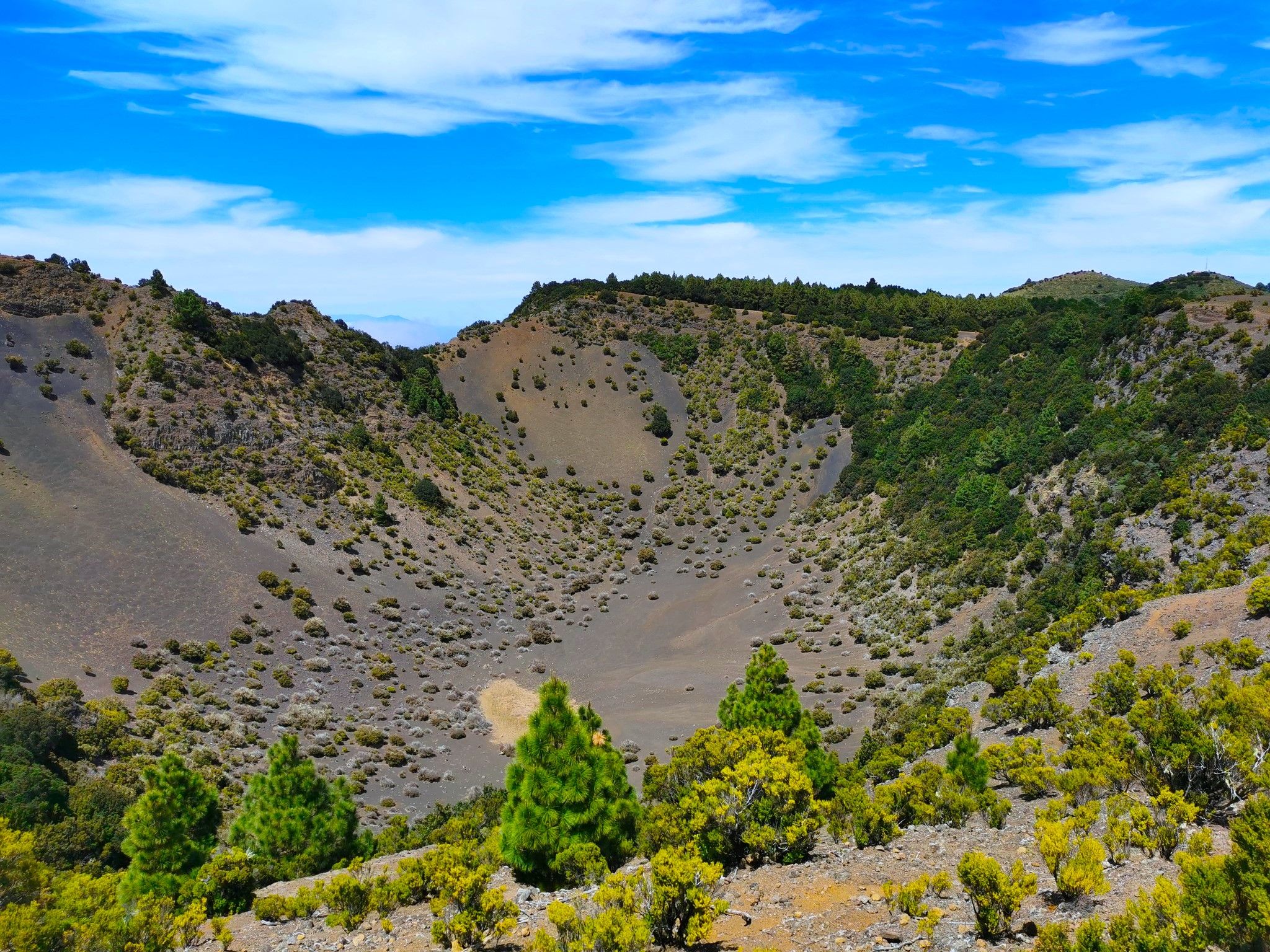
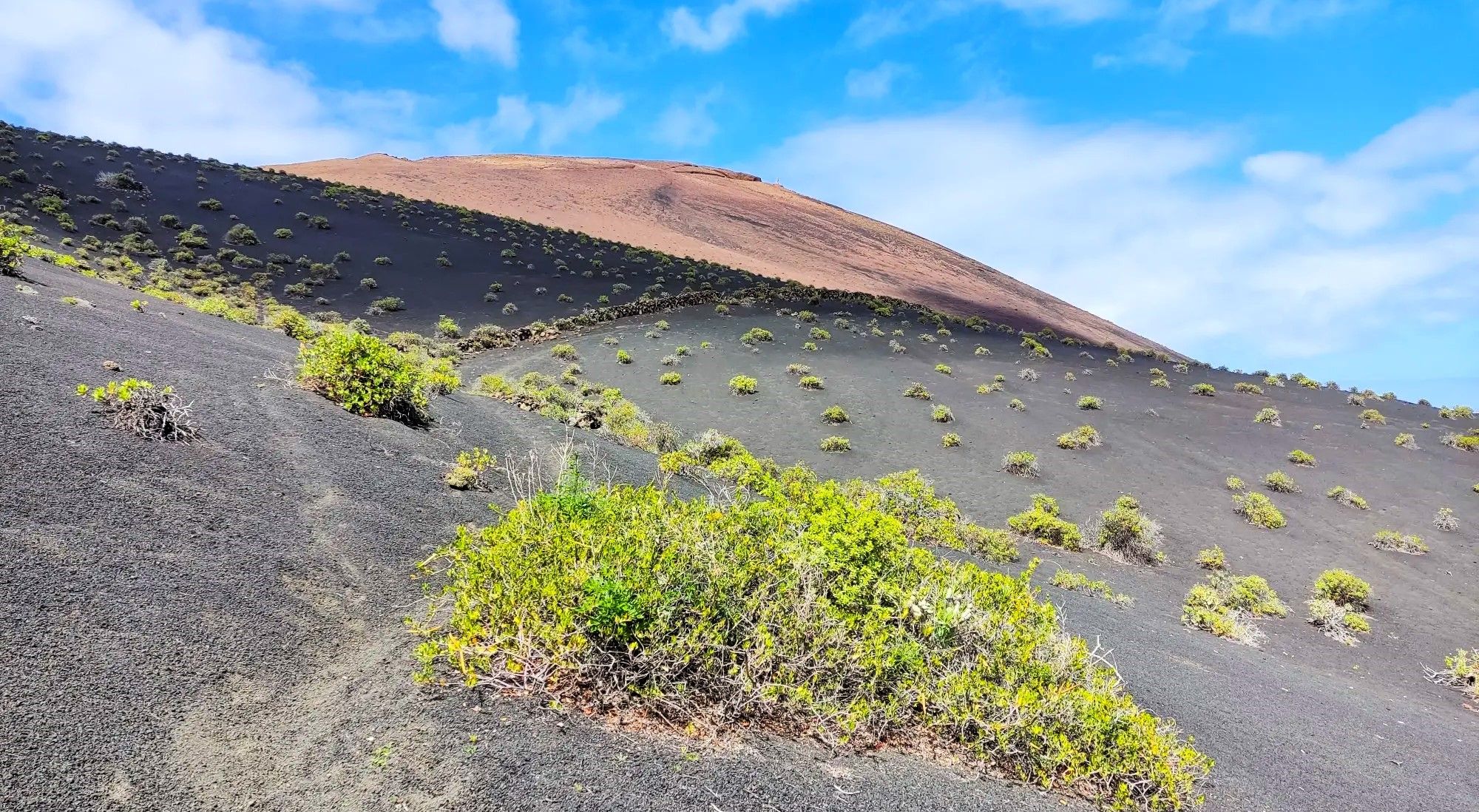
Land of secrets and volcanoes – El Hierro (GR 131)
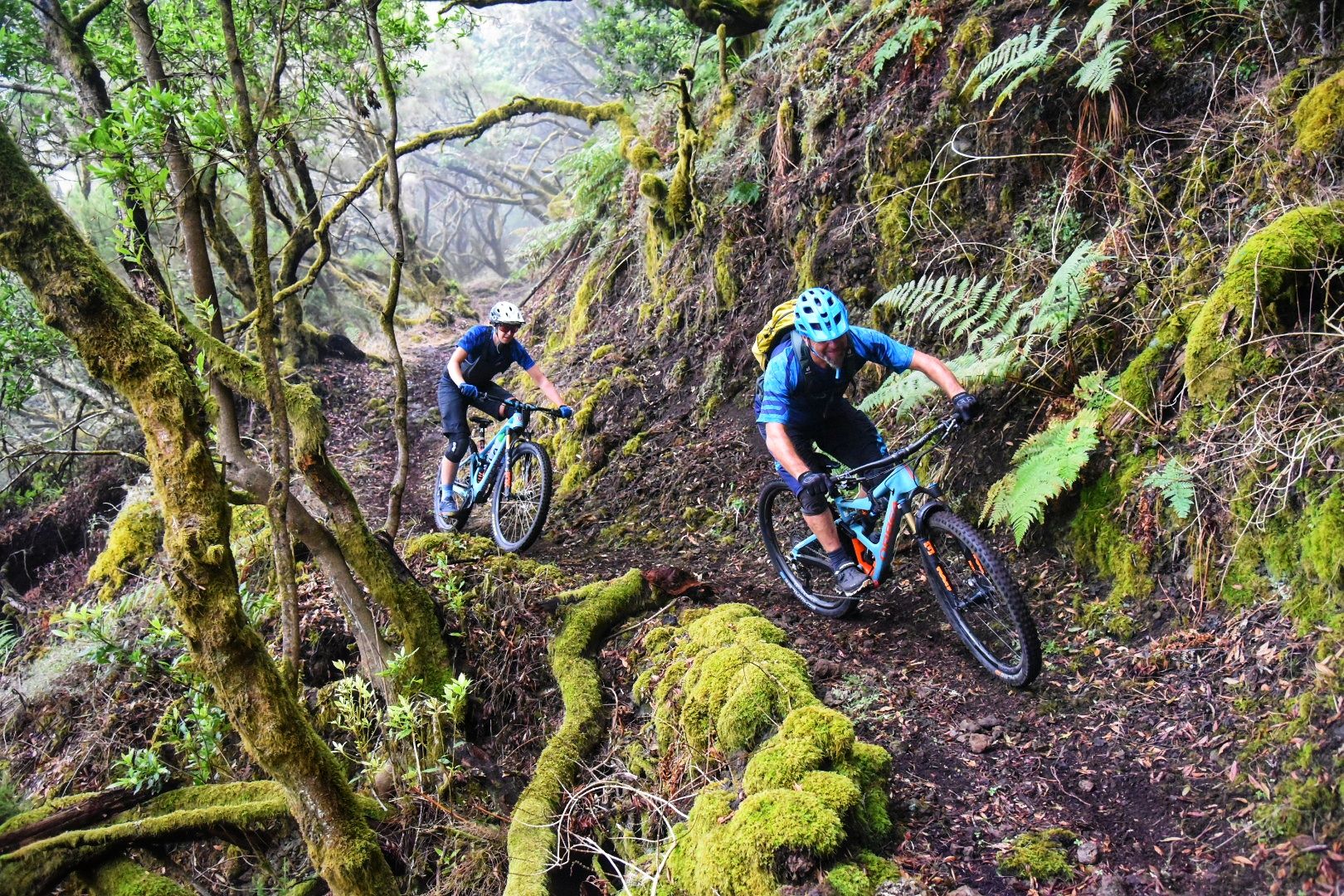
El Hierro: Cycling at the End of the World
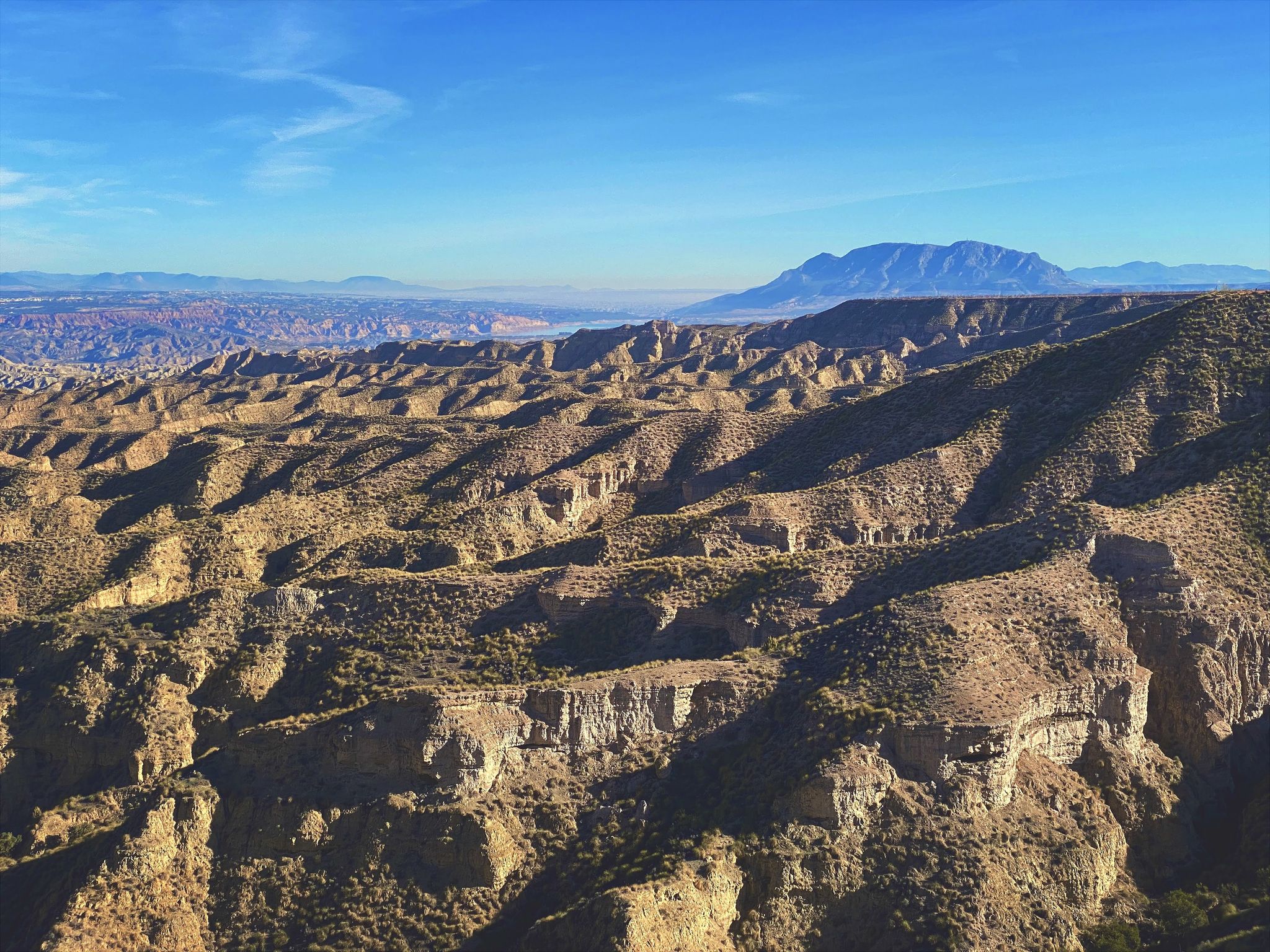
Discover Spain by gravel — a selection of must-see routes
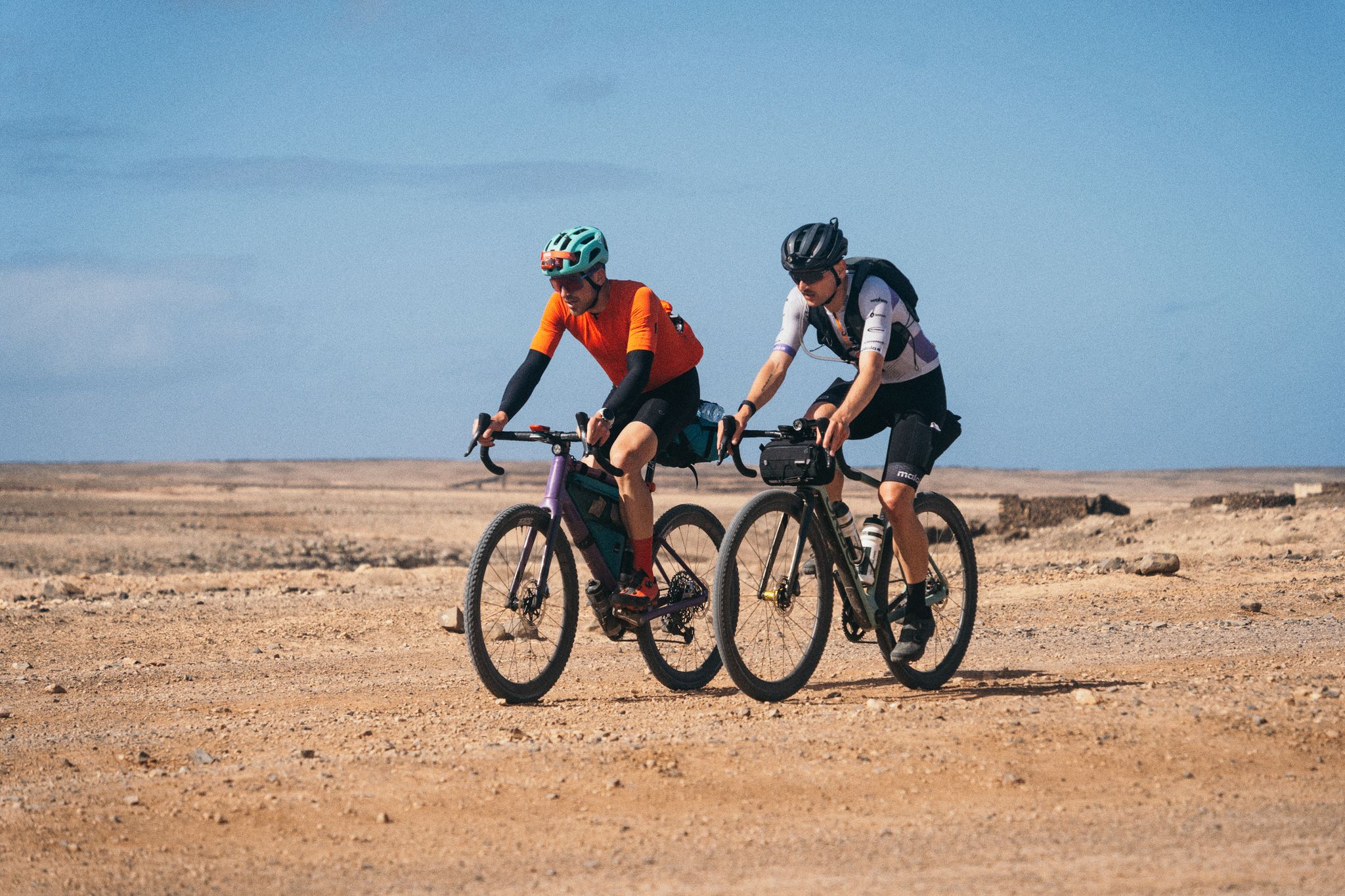
GranGuanche Audax Gravel — five islands in two and a half days
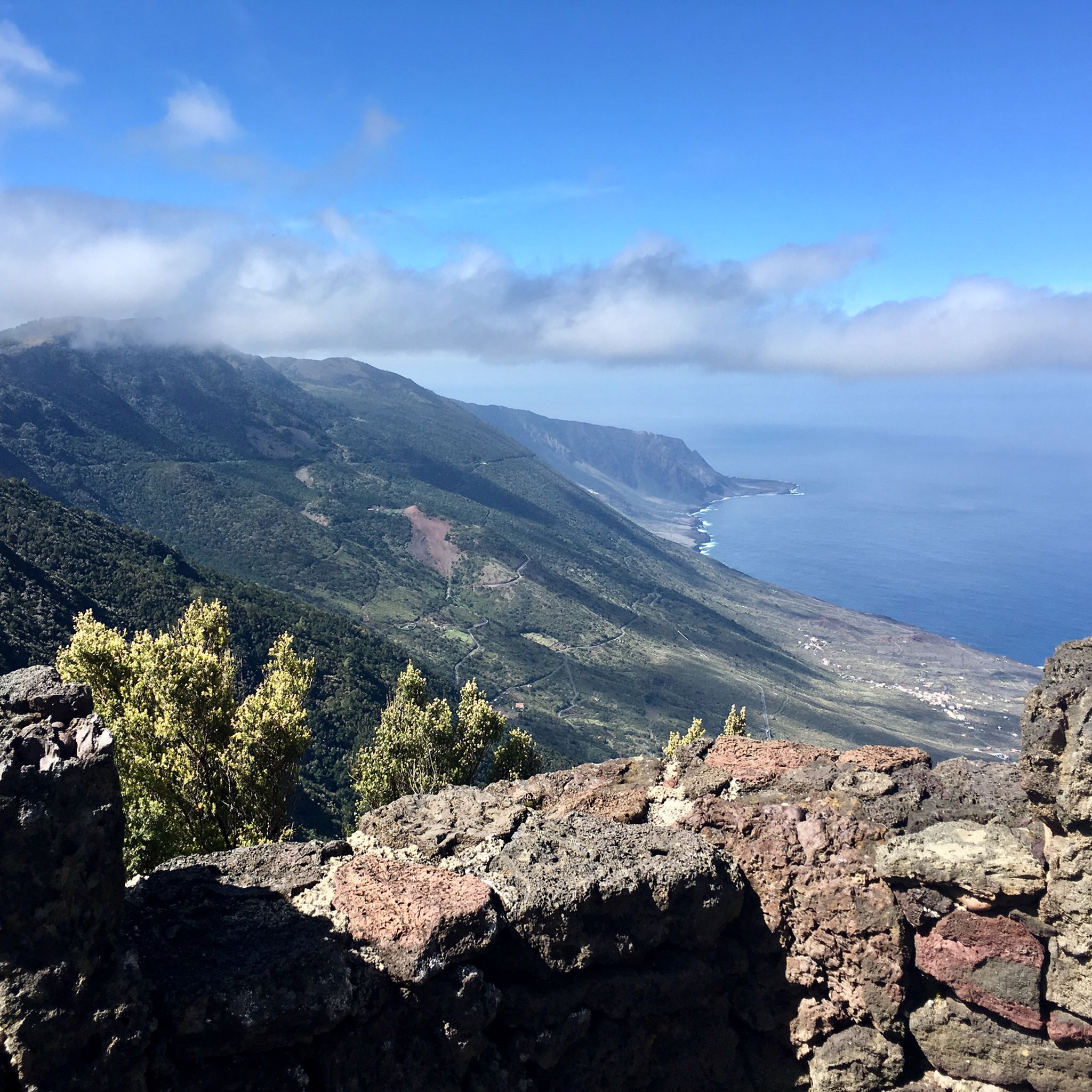
Hiking around Isla De Hierro
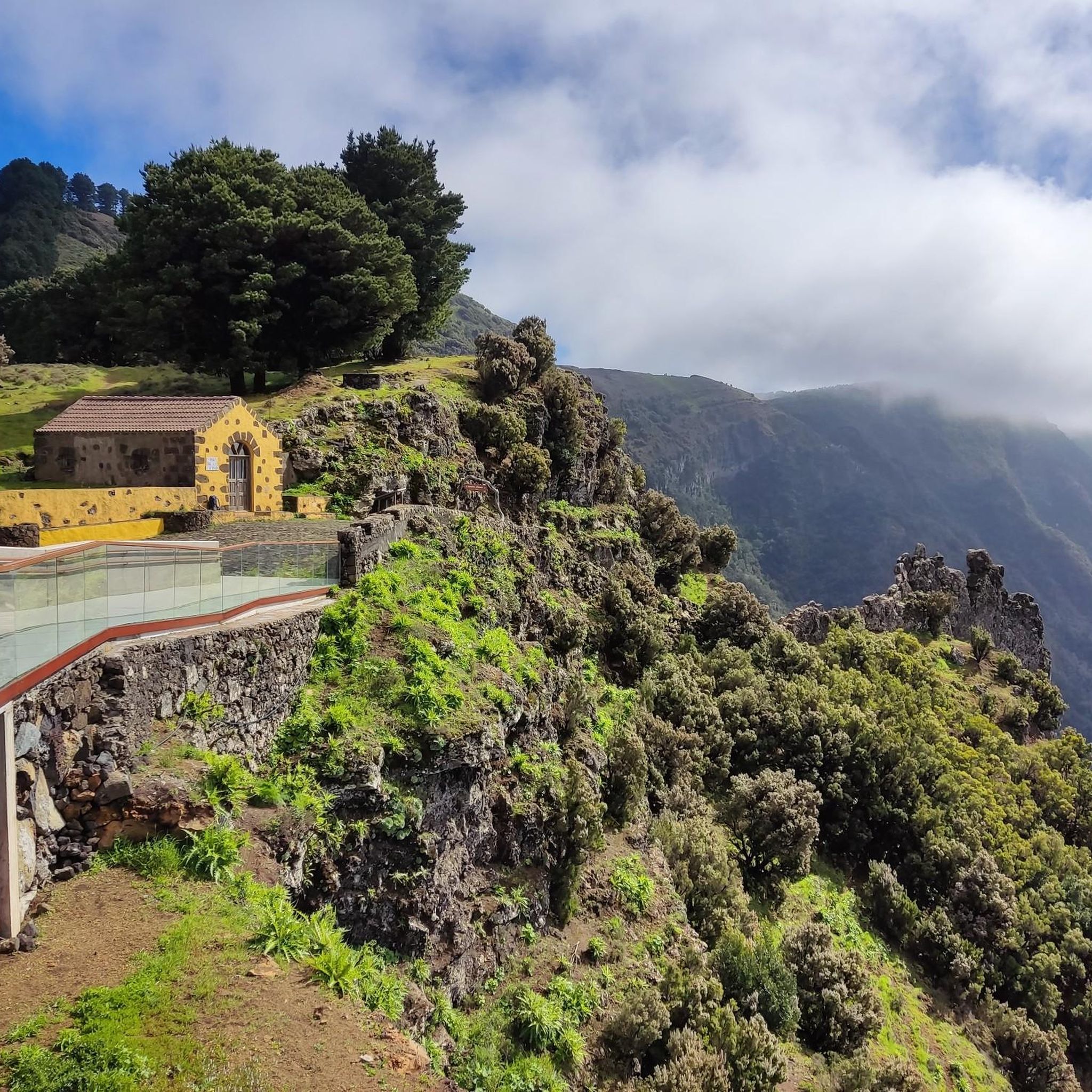
Road Cycling Routes around Isla De Hierro
Cycling around Isla De Hierro
Running Trails around Isla De Hierro
Other adventures around Isla De Hierro


Tips from the Community

Not all areas are suitable for swimming at all times.
0
0

For centuries, people didn't come here for the landscape. They came for the water. Legend has it that the mineral waters that spring up in this corner of western El Hierro had healing properties and that many people traveled long distances to drink them or bathe in them. Thus, the name Pozo de la Salud was born. Today the place still has something special. Between the cliffs, the ocean, and the isolation of this part of the island, it's hard to imagine a more remote place to find a spring that would become one of the best-known spots on El Hierro. Some come looking for the spa, others for the sunset or the views over the Golfo. What many discover is a hard-to-explain feeling: that of being at the edge of an island that seems to end right here, between rock, sea, and silence.
0
0
La Dehesa is not simply a field with cows. It is one of the most important historical territories of El Hierro and for centuries has been used communally by the island's inhabitants. While much of Europe divided land among owners, here a huge shared space for grazing was maintained. Generations of shepherds from El Hierro with sheep, goats, cows, and horses have passed through these plains. The wind, the fog, and the isolation have shaped both the landscape and the way of life of those who worked here. Very close by is also the Sanctuary of the Virgen de los Reyes, the patron saint of El Hierro. Every four years, the famous Bajada de la Virgen is celebrated, one of the most important traditions in the Canary Islands. The image travels around the island accompanied by thousands of people, following paths that precisely cross part of La Dehesa. The curious thing is the contrast: on one side appear the junipers twisted by the wind and the pastures; on the other, the lava fields that fall towards the Atlantic. Few places show the two souls of El Hierro so well: the volcanic and the pastoral.
1
0
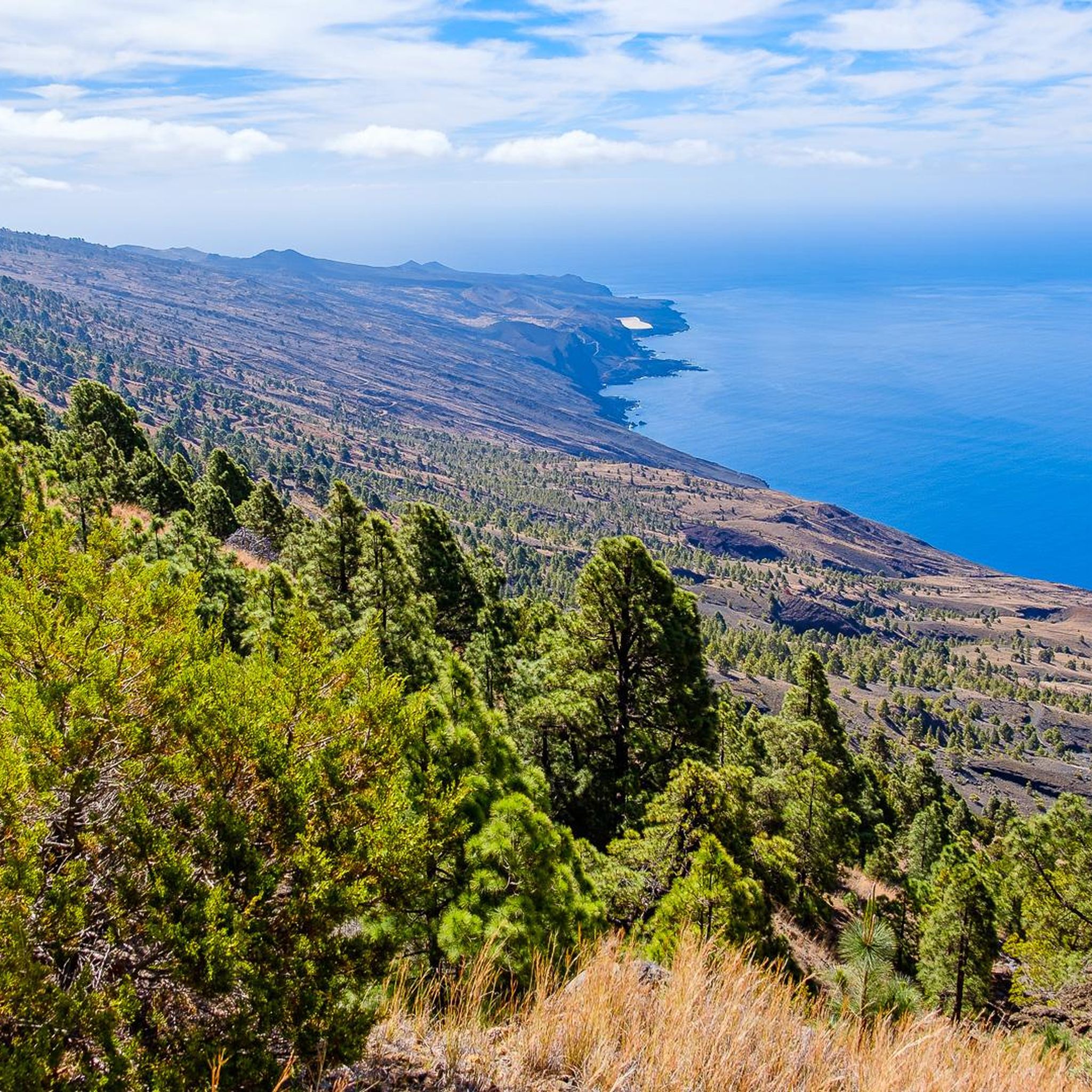
The landscape that extends towards Punta de la Sal is formed by ancient lava flows that descended from the eruptive centers in the west of El Hierro. Although many of these eruptions are prehistoric and do not have an exact known date, they were what built much of this coast. What today appears as an immense expanse of black rock was once lava slowly advancing towards the Atlantic. Erosion has done the rest, creating one of the most spectacular and best-preserved volcanic landscapes in the Canary Islands.
1
0
A peaceful spot amidst spectacular and diverse nature, where you can find a beautiful pine forest, a verdant woodland, and moss-covered laurel forest, as well as other tree species. Several trails start from this point, the most famous being the one to Pico Malpaso. The picnic area and freshwater springs are a welcome respite for hikers.
0
0

A very nice seawater pool that is easily accessible
0
0
At 1,230 m above sea level, it offers one of the most spectacular views of El Hierro: El Golfo Bay, the north coast, and a tapestry of vineyards, pineapple and banana trees. It has parking, a rest area, and picnic tables, perfect for enjoying the natural beauty. Next to the Hermitage of Our Lady of Charity, it is also the starting point of the historic Jinama Trail and routes such as the Volcano Trail, which invite you to explore volcanic landscapes and unique corners of the island.
1
0

Good starting point for a road bike tour. Public toilets and a small beach bar
1
0
Frequently Asked Questions
What are some of the most impressive viewpoints to experience El Hierro's natural beauty?
El Hierro offers several stunning viewpoints. The La Peña Viewpoint, designed by César Manrique, provides breathtaking panoramic views over the El Golfo valley. Another impressive spot is the Jinama Viewpoint, located at 1,250 meters above sea level, offering sweeping vistas of the entire El Golfo bay, including vineyards and plantations. For the highest perspective, Malpaso Peak, the island's highest point, offers unparalleled panoramic views of the entire island and the Atlantic Ocean.
Are there natural swimming pools or beaches suitable for families on El Hierro?
Yes, El Hierro is famous for its natural swimming pools, known as 'charcos,' which are perfect for families. The La Maceta Natural Pools are a set of spectacular natural swimming pools carved into the volcanic coastline, offering calm waters. Another great option is Cala de Tacorón, a family-friendly beach with calm waters, and it's even wheelchair accessible. You can also find other natural pools like Charco Azul and Charco Manso around the island.
What unique geological formations can I explore on El Hierro?
El Hierro's volcanic origins have created many unique geological formations. The Tosca Arch is a spectacular lava formation, a product of incandescent lava meeting the ocean's cold waters, creating unique arches and caverns. The Las Playas Natural Monument features a magnificent cliff in the form of a vast amphitheater, with the iconic Roque de la Bonanza rising dramatically from the sea. The island's numerous natural pools, like Charco de Los Sargos, are also carved into volcanic rock.
Where can I see unique flora and fauna on El Hierro?
For unique flora, visit El Sabinar, a forest of ancient juniper trees dramatically sculpted by the trade winds into surreal forms. The area around Malpaso Peak is also rich in diverse flora and fauna, including endemic species and rare laurel forests. For marine life, the Mar de las Calmas Marine Reserve near La Restinga is a prime spot for diving and snorkeling, offering opportunities to see groupers, trumpet fish, and even dolphins.
Are there any historical or cultural sites among the natural monuments?
Yes, some natural monuments on El Hierro also have historical or cultural significance. The Guinea Ecomuseum and Lizardarium combines natural history with cultural insights, showcasing the island's unique giant lizards and traditional architecture. The Cross of the Kings is another site that blends natural beauty with historical and religious elements, offering both a viewpoint and a cultural landmark.
What kind of hiking trails can I find near El Hierro's natural monuments?
El Hierro offers a variety of hiking trails that often lead to or pass by its natural monuments. For example, you can find trails around El Sabinar, including a short circular walk. Routes to Malpaso Peak provide unparalleled panoramic views. You can explore more hiking options in the Running Trails around Isla De Hierro guide, which includes routes like 'El Sabinar de La Dehesa – trail running circular' and 'Mirador de Bascos – El Sabinar loop from Frontera'.
Can I go cycling near the natural monuments on El Hierro?
Absolutely. El Hierro's diverse terrain is excellent for cycling, with routes that take you through stunning landscapes and near natural monuments. The Cycling around Isla De Hierro guide features routes such as 'Malpaso and El Sabinar Loop Trail' and 'Valverde and Mirador de la Peña Loop', allowing you to experience the island's natural beauty on two wheels. For road cycling, the Road Cycling Routes around Isla De Hierro guide offers options like the 'El Golfo Coast and Orchilla Lighthouse Loop'.
What is the best time of year to visit El Hierro's natural monuments?
El Hierro enjoys a mild climate year-round, making its natural monuments accessible in any season. However, for the most pleasant hiking and outdoor activities, spring (April-May) and autumn (September-October) offer comfortable temperatures and less crowded conditions. Summer is ideal for enjoying the natural swimming pools and beaches, while winter provides a tranquil escape with lush landscapes after seasonal rains.
Are there any natural monuments on El Hierro that are wheelchair accessible?
Yes, some natural monuments on El Hierro offer accessibility. Cala de Tacorón, a beautiful beach, is noted as wheelchair accessible, allowing more visitors to enjoy its serene environment. While many natural areas involve uneven terrain, efforts are made to ensure some key locations can be enjoyed by everyone.
What should I bring when visiting natural monuments on El Hierro?
When exploring El Hierro's natural monuments, it's advisable to bring comfortable walking shoes, sun protection (hat, sunscreen, sunglasses), and plenty of water, especially if you plan on hiking. A camera is a must for capturing the island's dramatic landscapes. If you intend to swim in the natural pools, remember to bring swimwear and a towel. Layers of clothing are also recommended as temperatures can vary between coastal areas and higher elevations like Malpaso Peak.
Are there facilities like parking or restaurants near the natural monuments?
Many popular natural monuments on El Hierro have nearby facilities. For instance, La Maceta Natural Pools offers parking and sometimes has a restaurant open. The La Peña Viewpoint features a restaurant integrated into its design, allowing visitors to enjoy local cuisine with spectacular views. While not all sites have extensive facilities, key locations are often equipped for visitor convenience.
What makes El Hierro a unique destination for nature enthusiasts?
El Hierro stands out as a UNESCO Biosphere Reserve, renowned for its pristine natural beauty, dramatic volcanic landscapes, and tranquil atmosphere. It's the westernmost and smallest of the Canary Islands, offering a unique blend of geological history and ecological richness. From the twisted trees of El Sabinar to the underwater wonders of the Mar de las Calmas Marine Reserve, the island provides untouched nature and authentic experiences, making it an ideal destination for those seeking peace and natural exploration.
Most popular routes around Isla De Hierro
Most popular attractions around Isla De Hierro

Get inspired with the komoot mobile app


Didn’t find what you were looking for?
Find even more amazing natural monuments around Isla De Hierro by checking out the top Highlights region by region:
Explore more
Extend your search for the best caves by checking out these guides of the top ones around Isla De Hierro:
