Top 14 Mountain Passes around Cangas De Onis
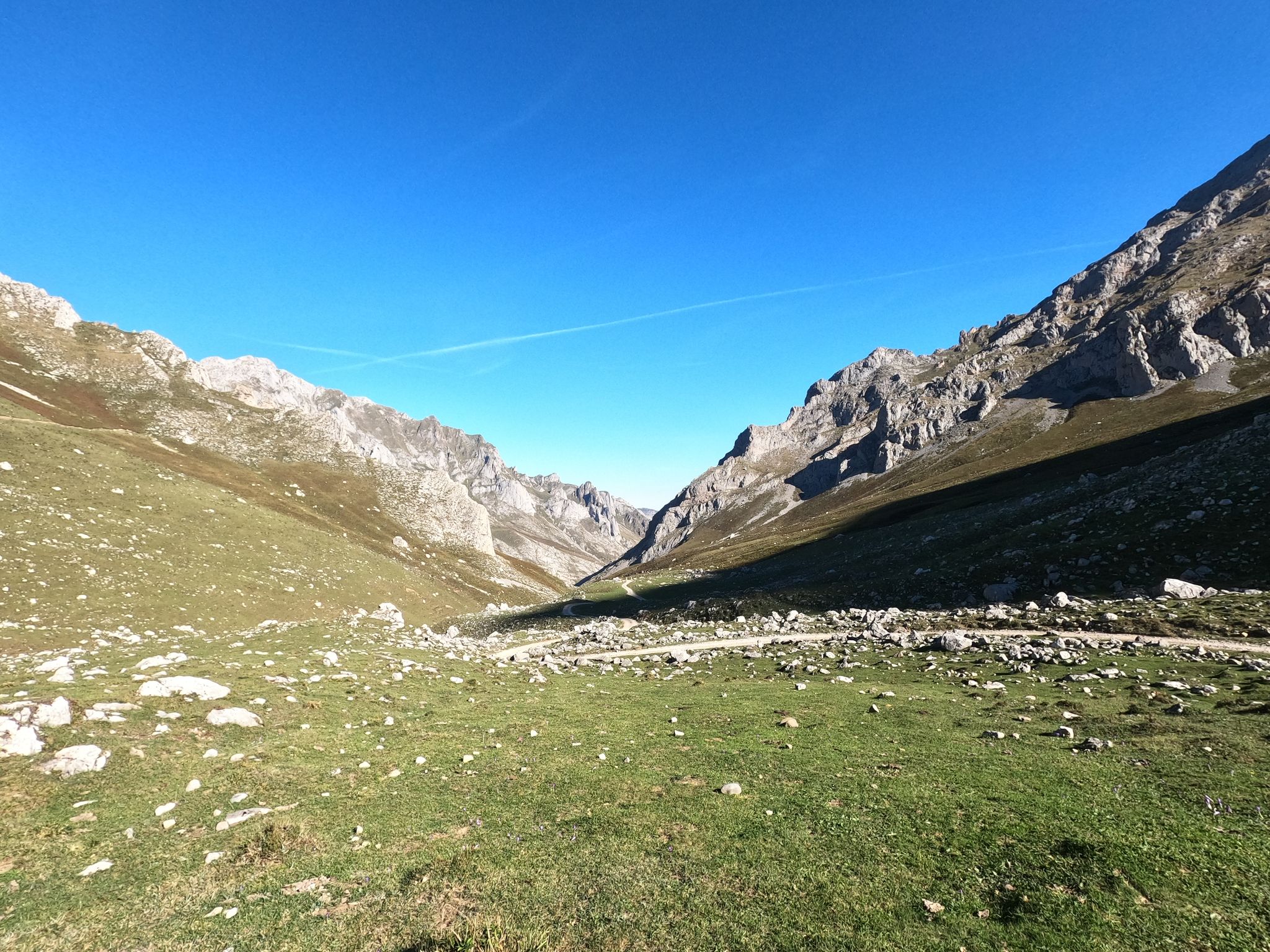
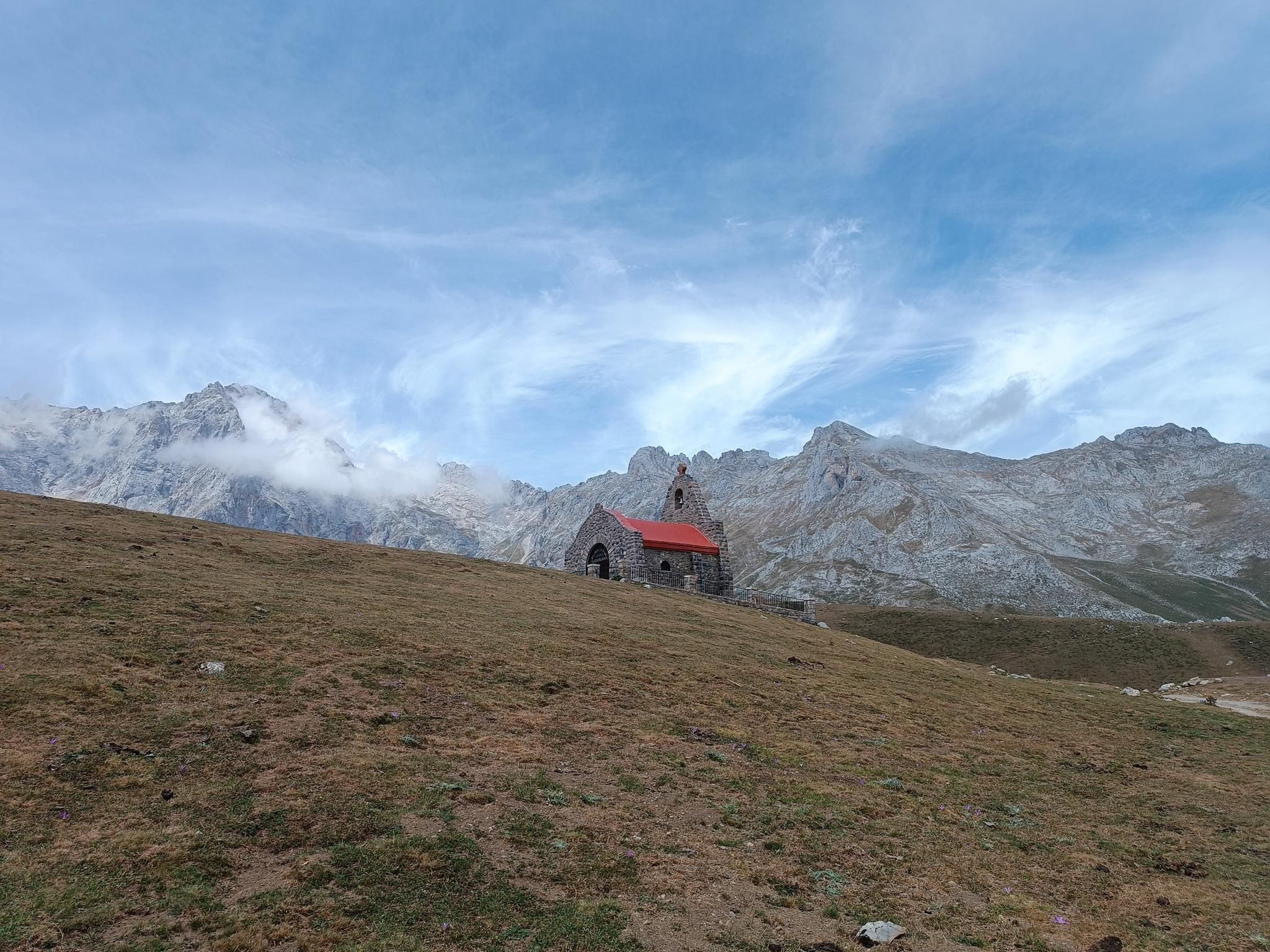
Best mountain passes around Cangas De Onis serve as a gateway to the Picos de Europa National Park, offering access to diverse mountainous landscapes. The region features significant ascents and descents, providing comprehensive mountain experiences. Glacial lakes, winding roads, and panoramic viewpoints characterize the area's natural environment. This location is a base for exploring various mountain routes and cultural sites.
Best mountain passes around Cangas De Onis
- The most popular mountain pass is Collado Pandébano, a mountain pass that…
Last updated: June 23, 2026
Climb to Lagos de Covadonga from Cangas de Onís
Highlight (Segment) • Climb
Translated by Google •
Tip by

Collado Pandébano
Highlight • Mountain Pass
Translated by Google •
Tip by

Sign up now to discover places like this
Get recommendations on the best single tracks, peaks, & plenty of other exciting outdoor places.
Sign up for free
Alto de Ortiguero Descent
Highlight • Mountain Pass
Translated by Google •
Tip by

Collada Llomena
Highlight • Mountain Pass
Translated by Google •
Tip by

Jitu de Escarandi
Highlight • Mountain Pass
Translated by Google •
Tip by

Winding Mountain Descent
Highlight (Segment) • Trail
Makes you feel good.
Translated by Google •
Tip by

Collada Bonita
Highlight • Mountain Pass
Translated by Google •
Tip by

Horcada de Camburero
Highlight (Segment) • Mountain Pass
The animals romp around on this upper section of the path.
Translated by Google •
Tip by

La Collada viewpoint
Highlight • Viewpoint
Translated by Google •
Tip by

View of Sotres and the Duje Valley from the Flowered Hillside
Highlight (Segment) • Viewpoint
Translated by Google •
Tip by

Sign up for free to discover even more mountain passes around Cangas De Onis.
Sign up for free
Already have an account?
Start today with a free account
Your next adventure awaits.
Login or Signup
Popular around Cangas De Onis
Route of the Reconquest (GR 202) – In the footsteps of an army
Senda del Arcediano (GR 210) - A historical hike through the Picos del Picos
Legendary climbs - Ports of La Vuelta a España
Unknown Paths of Asturias — GR Pilgrimage Route (105)
From statue to statue – Reconquista Challenge
The other side of Asturias in Spain – Travesía Andariega (GR 108)
A pilgrimage to the peaks – Camino de los Santuarios
Four days hiking in Spain’s Picos de Europa – Anillo Vindio
The secrets of the Cantabrian Mountains – GR 109 Asturias Interior
Las Cumbres Reinas de España — Spanish mountain trail races
Other adventures around Cangas De Onis


Tips from the Community

Asturias "Natural Paradise"
0
0

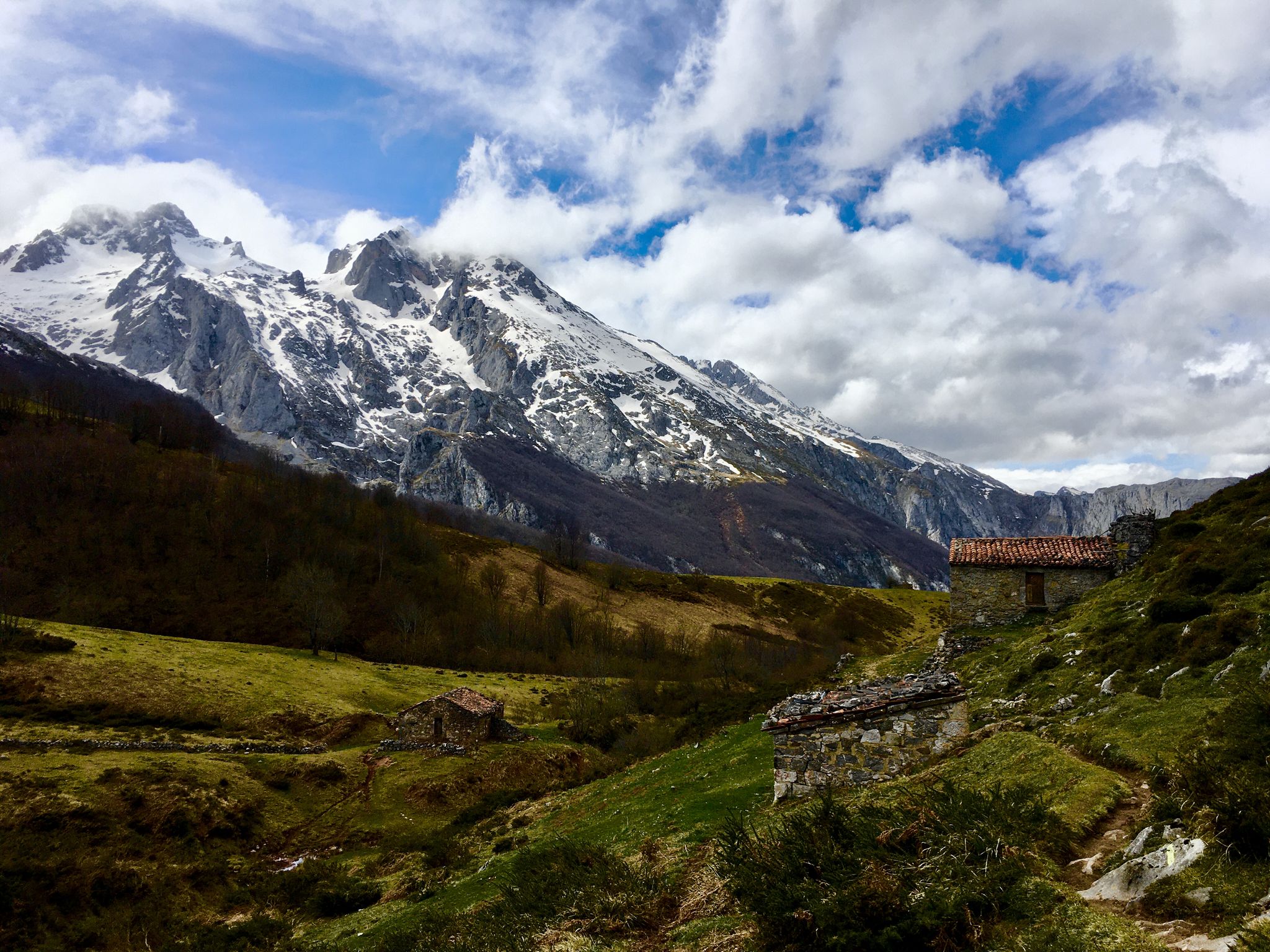
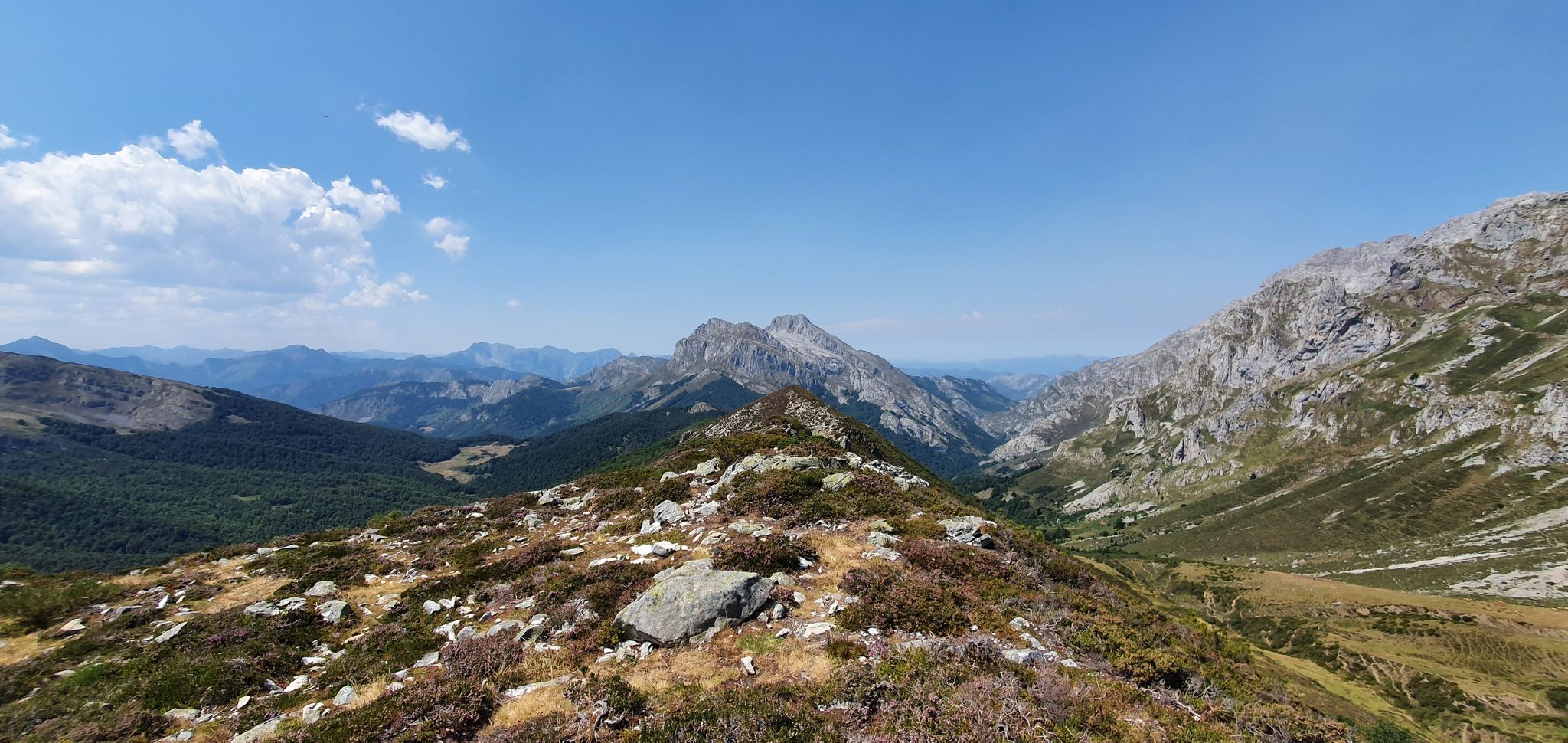
Connecting two slopes on the hillside, a steep rocky path leads up and down the rocky slope. This offers fascinating views of the village of Sotres below in the high valley and the surrounding mountains. The view extends beyond the village down into the valley of the Rio Duje with its winter Alps. Behind it rise the rocky mountains of the Picos de Europa. In spring, the views are even more magnificent due to the blossoming flowers. The mighty golden-yellow broom bushes, in particular, illuminate the rocky slopes.
0
0

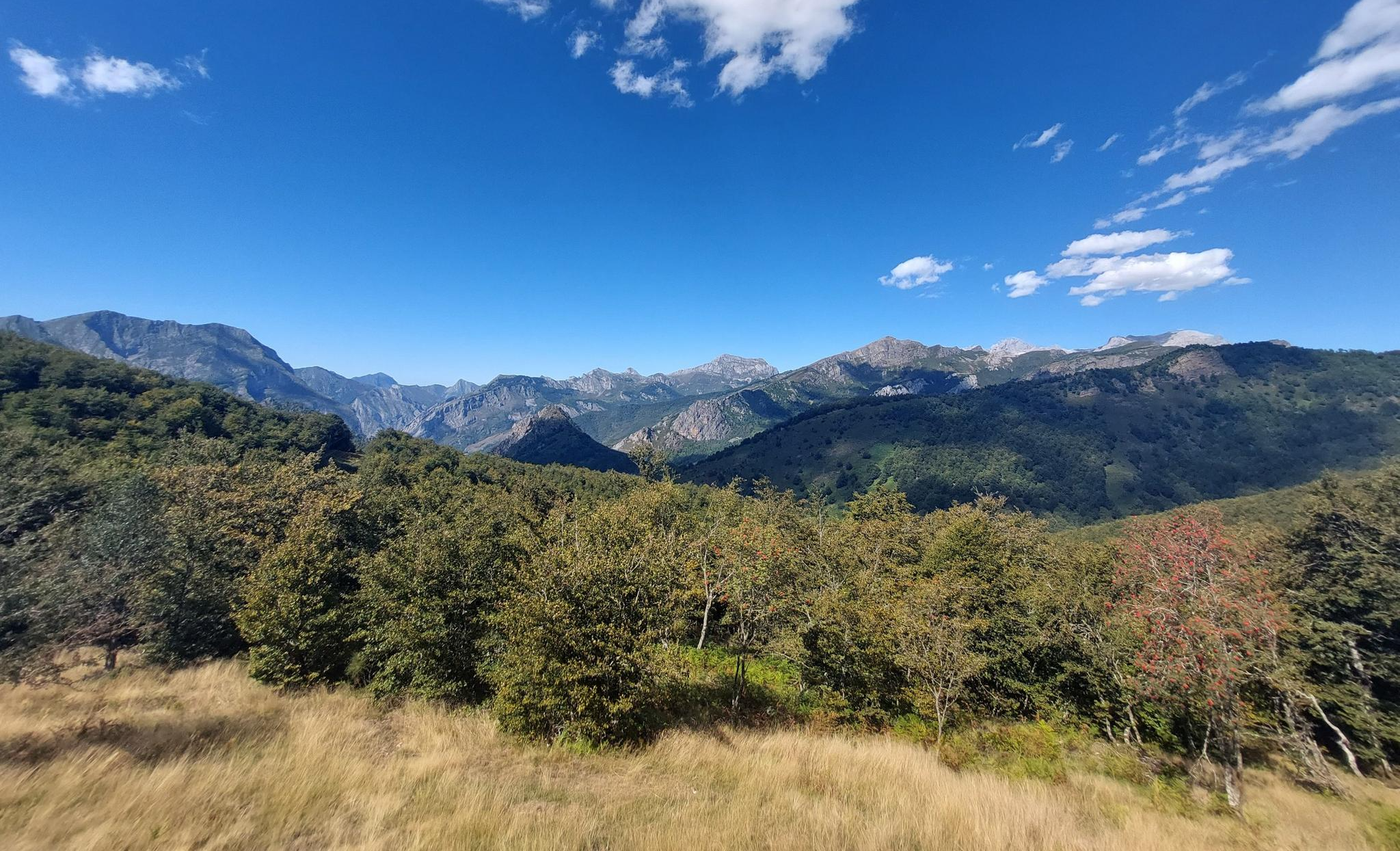
A spectacular view upon reaching the top
0
0

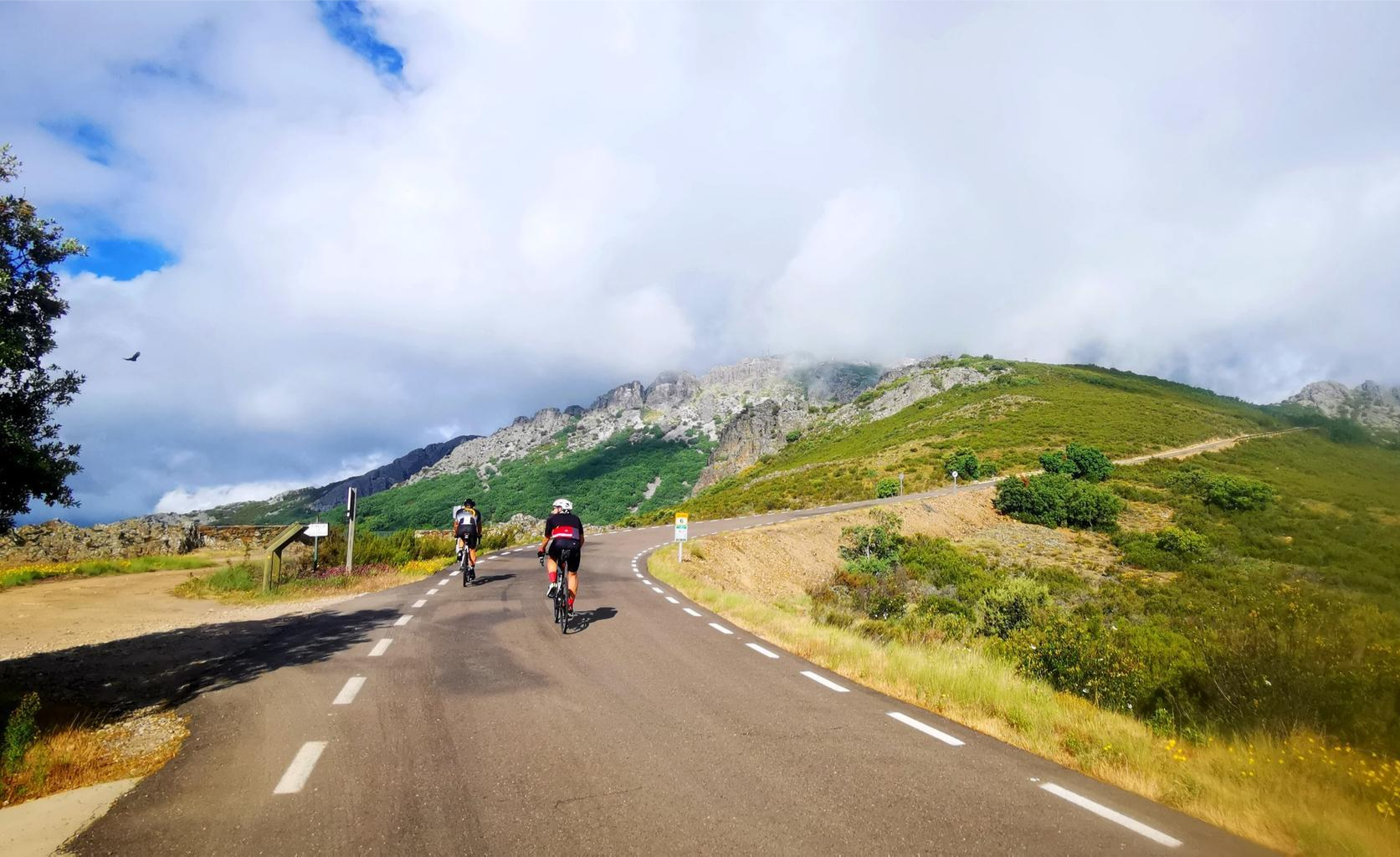
The Alto de Ortiguero or Alto de las Estazadas is a mountain pass located in Asturias, in the eastern part of Asturias, close to the Picos de Europa. It has two main slopes, the east and the west, and is a classic climb in the region. Main characteristics according to different routes: • From Carreña, the climb is approximately 4.7 km with a vertical drop of 249 meters. • Via Onís, the climb is 5.5 km with a vertical drop of 184 meters and an average gradient of 3.36%. • Another version indicates a climb of 3.3 km with an average gradient of approximately 6.3%, classified as category 3.
0
0
legendary port, a must-see for road cycling enthusiasts
0
0

Amazing! In my top 5 of the most beautiful climbs in Europe. Pure nature, pure cycling!
0
0

Great starting point for a tour to Picu Urriellu
0
0
Frequently Asked Questions
What are some of the most scenic mountain passes around Cangas de Onís?
The region offers numerous scenic passes. For unparalleled views, consider the route to the Lakes of Covadonga, which features panoramic vistas from viewpoints like Mirador de la Reina. Other notable passes include Collado Pandébano, known for its views towards Urriellu, and Collada Llomena, offering views of two valleys and their gorges.
Are there any challenging mountain passes for experienced hikers or cyclists?
Yes, the area provides challenging options. The journey to the Lakes of Covadonga is famous as a demanding stage in the Vuelta a España cycling race. For hikers, passes like Collada Bonita, Horcada de Camburero, and Cabra Blanca are categorized as challenging. The Alto de Ortiguero Descent is a classic regional climb with varying gradients.
Can I find family-friendly mountain passes or easy walks near Cangas de Onís?
While many passes involve significant ascents, the area around the Lakes of Covadonga offers a relatively easy circular route (PR-PNPE-2) of about 5-6.5 km that connects the two main lakes. Collado de Angón is also listed as family-friendly and intermediate, often serving as a parking and access point.
What natural features can I expect to see when exploring the mountain passes in this region?
You can expect to encounter stunning natural beauty, including glacial lakes like Lago Enol and Lago Ercina, winding mountain roads, and expansive panoramic viewpoints. The landscape also features lush alpine meadows, traditional shepherd huts (majadas), and ancient beech forests such as the Hayedo de Palomberu.
Are there any historical or cultural sites accessible from the mountain passes?
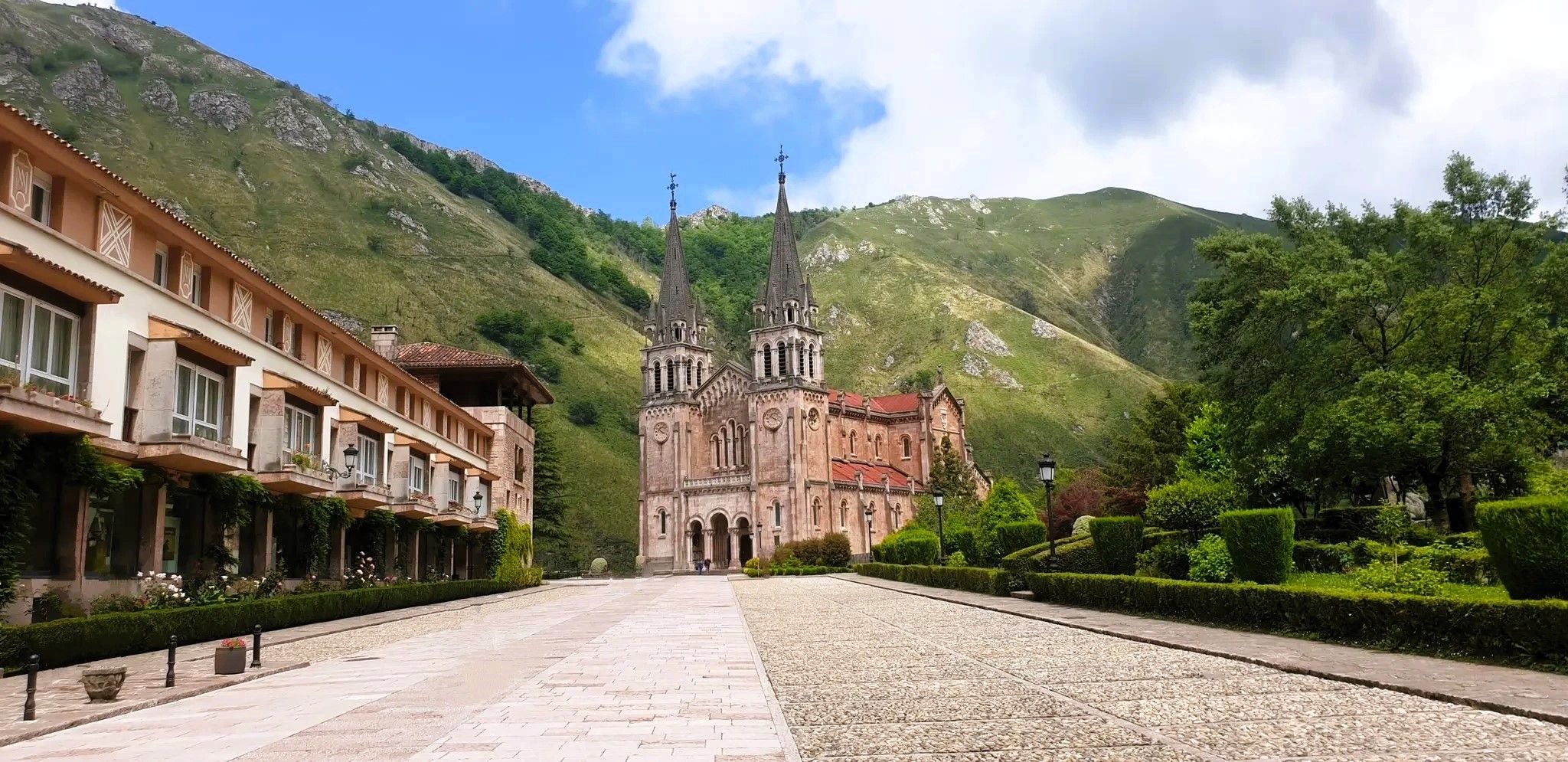
Yes, on the route leading to the Lakes of Covadonga, you will pass by the revered Covadonga Sanctuary. This significant religious and historical site is built within a cave and is deeply rooted in Spanish history and the Reconquista.
What outdoor activities, besides hiking, can I do near the mountain passes?
The region is excellent for cycling, with routes like the challenging ascent to the Lakes of Covadonga. You can find various cycling tours around Cangas de Onís, including the "Lagos de Covadonga Trail" and "Arenas de Cabrales, Cares River, and Alles Loop." For more options, explore the Cycling around Cangas De Onis guide.
What is the best time of year to visit the mountain passes around Cangas de Onís?
The warmer months, from late spring to early autumn (May to October), are generally the best time to visit. During this period, the weather is more stable, and the alpine meadows are lush. Winter can bring snow, making some passes challenging or inaccessible, though it offers a different kind of beauty.
Are there specific regulations for hiking with dogs in the Picos de Europa National Park?
While the Picos de Europa National Park generally allows dogs, specific regulations apply, especially concerning protected areas, wildlife, and livestock. It's advisable to keep dogs on a leash, particularly in areas with grazing animals or sensitive ecosystems, and to check local signage for any restrictions.
Where can I find parking and access points for the mountain passes?
Many mountain passes have designated parking areas. For instance, Collado de Angón is noted as a parking and access point. For the Lakes of Covadonga, there are specific parking arrangements, often involving shuttle buses during peak season to manage traffic within the national park.
Are permits required for hiking or accessing certain areas within the Picos de Europa National Park?
Generally, permits are not required for day hiking on established trails within the Picos de Europa National Park. However, for specific activities like climbing certain peaks or overnight stays in unregulated areas, permits might be necessary. Always check with the park's visitor centers for the most current regulations.
What kind of views can I expect from the mountain passes around Cangas de Onís?
From the mountain passes, you can expect sweeping views of the Picos de Europa's rugged terrain, including its northern ranges, deep river basins like the Güeña, and on clear days, even glimpses of the Cantabrian coast. Viewpoints like Mirador de la Reina and Entrelagos (between Lake Enol and Lake Ercina) offer particularly expansive vistas.
Are there any circular hiking routes that incorporate mountain passes?
Yes, the Lakes of Covadonga area offers a popular circular route (PR-PNPE-2) that connects Lago Enol and Lago Ercina, passing by scenic spots like the Buferrera Mines. For more options, consult the Hiking around Cangas De Onis guide, which includes routes like the "Lakes of Covadonga Circular Trail."
What should I pack for a spring hike in the mountain passes near Cangas de Onís?
Spring weather in the mountains can be unpredictable. It's advisable to pack layers, including waterproof and windproof outer shells, as conditions can change rapidly. Sturdy hiking boots, sufficient water, snacks, sun protection, and a map or GPS device are also essential. Be prepared for cooler temperatures at higher elevations.
Are there places to eat or drink near the mountain passes?
While the passes themselves are often remote, you'll find options in nearby villages and at key access points. For example, around the Lakes of Covadonga, there are facilities and shepherd huts (majadas) that might offer refreshments. Cangas de Onís itself has a wide array of restaurants and cafes.
Most popular routes around Cangas De Onis
Most popular attractions around Cangas De Onis

Get inspired with the komoot mobile app


Didn’t find what you were looking for?
Find even more amazing mountain passes around Cangas De Onis organized by region:
Explore more
See even more epic mountain passes by checking out these guides around Cangas De Onis:
