Top 20 Natural Monuments around La Bisbal D'Empordà
Best natural monuments around La Bisbal d'Empordà are found in Catalonia's Baix Empordà region, offering access to significant natural landscapes. The area provides proximity to the Gavarres Massif, an extensive mountain range known for its biodiversity and Mediterranean character. Additionally, the Aiguamolls de l'Empordà Natural Park, a crucial wetland area, is within a reasonable distance. These locations feature diverse ecosystems, geological formations, and historical elements.
Best natural monuments around La Bisbal D'Empordà
- The most popular natural monuments is Cap Roig…
Last updated: October 18, 2026
Castell Beach
Highlight • Beach
Translated by Google •
Tip by

Dolmen of the Cova d'en Daina
Highlight • Historical Site
Translated by Google •
Tip by

Sign up now to discover places like this
Get recommendations on the best single tracks, peaks, & plenty of other exciting outdoor places.
El Morro del Vedell
Highlight • Natural Monument
A narrow passage between the rock and the cliff allows you to pass …
Translated by Google •
Tip by
Montigalar Summit
Highlight • Summit
Tip by

Cap Roig Cove
Highlight • Beach
Translated by Google •
Tip by

Sign up for free to discover even more natural monuments around La Bisbal D'Empordà.
Already have an account?
Start today with a free account
Your next adventure awaits.
Popular around La Bisbal D'Empordà
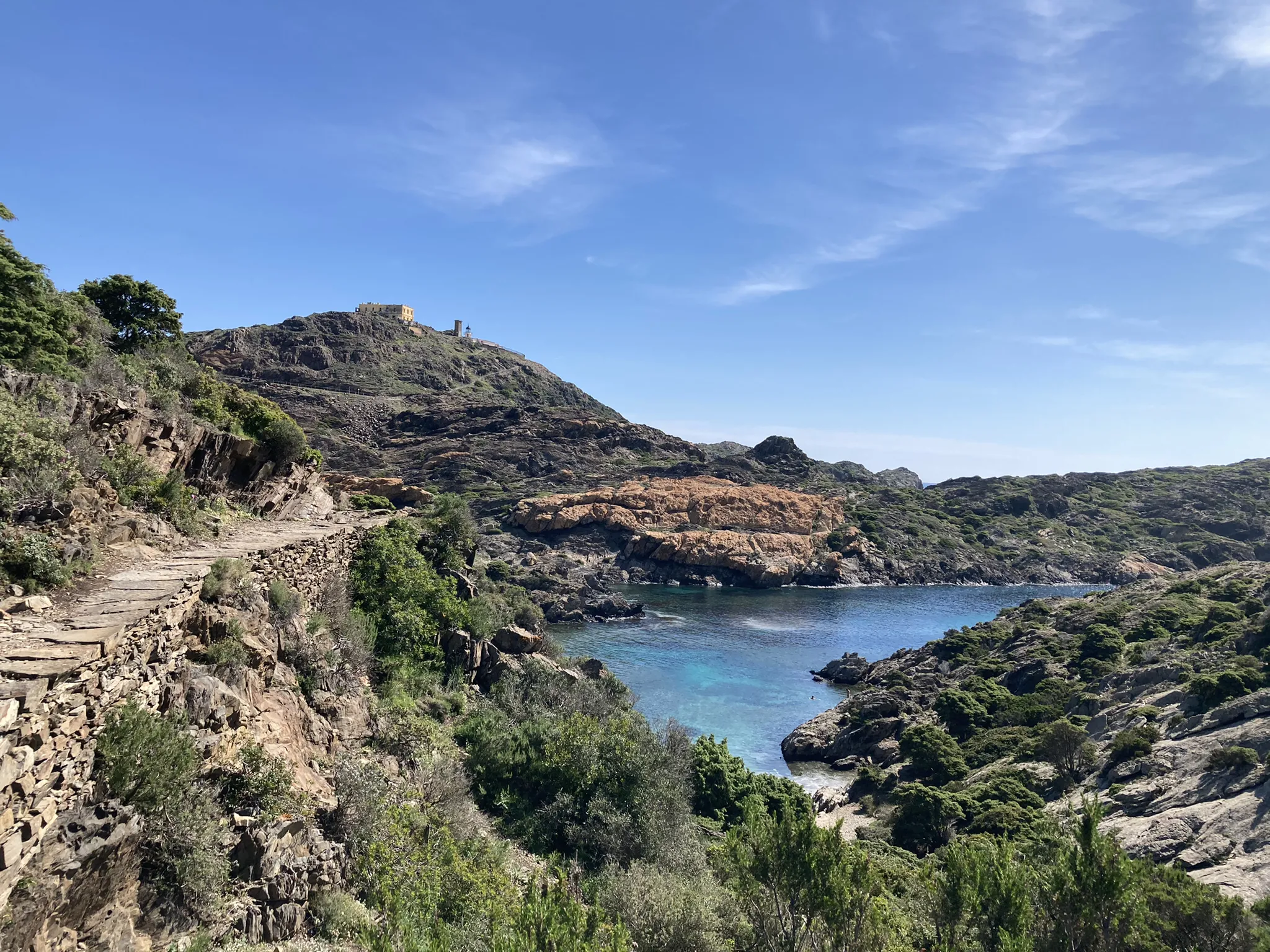
The paradise of the Costa Brava — Trail Running from Girona to Llançà
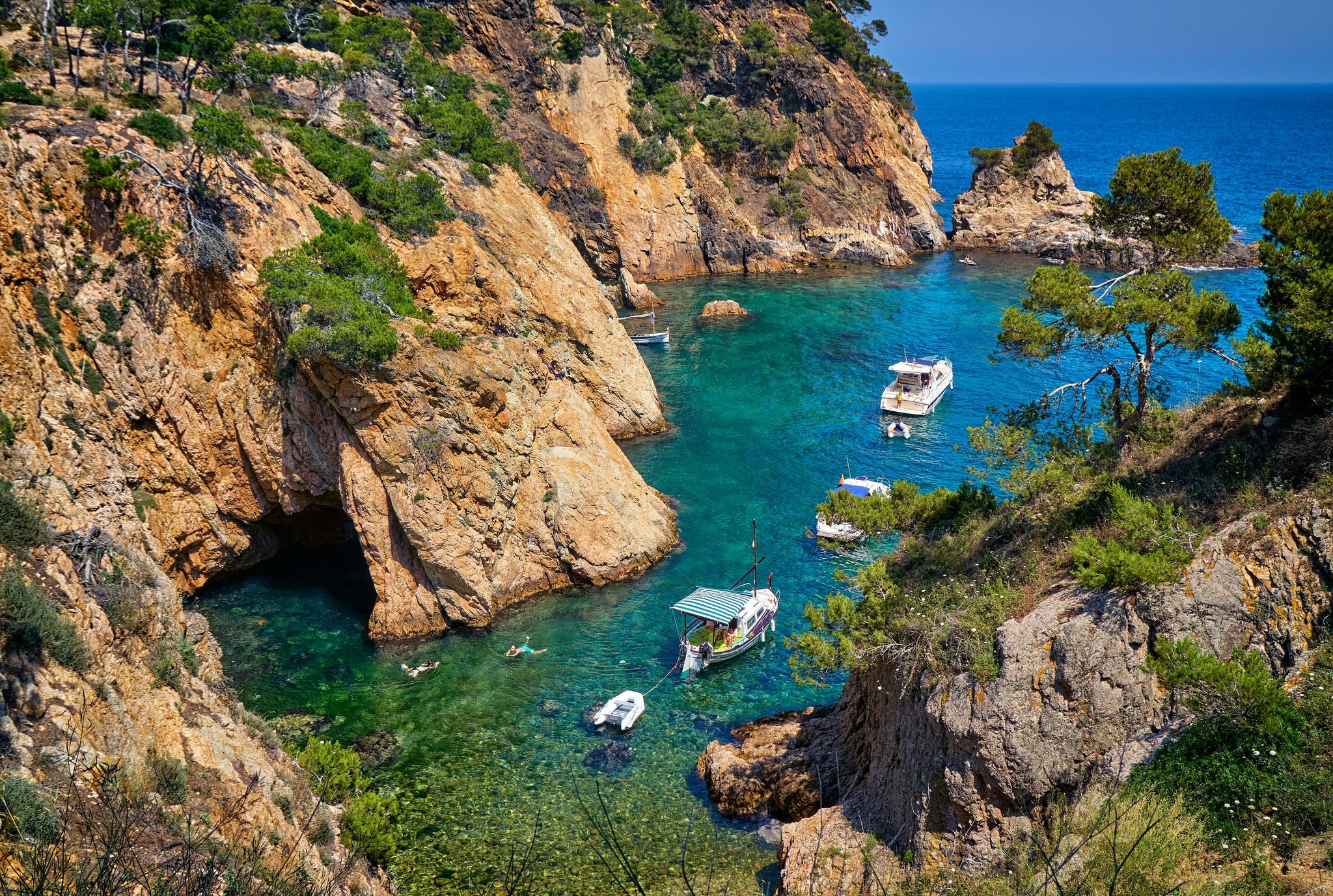
Costa Brava on foot from Girona – Camí de Ronda
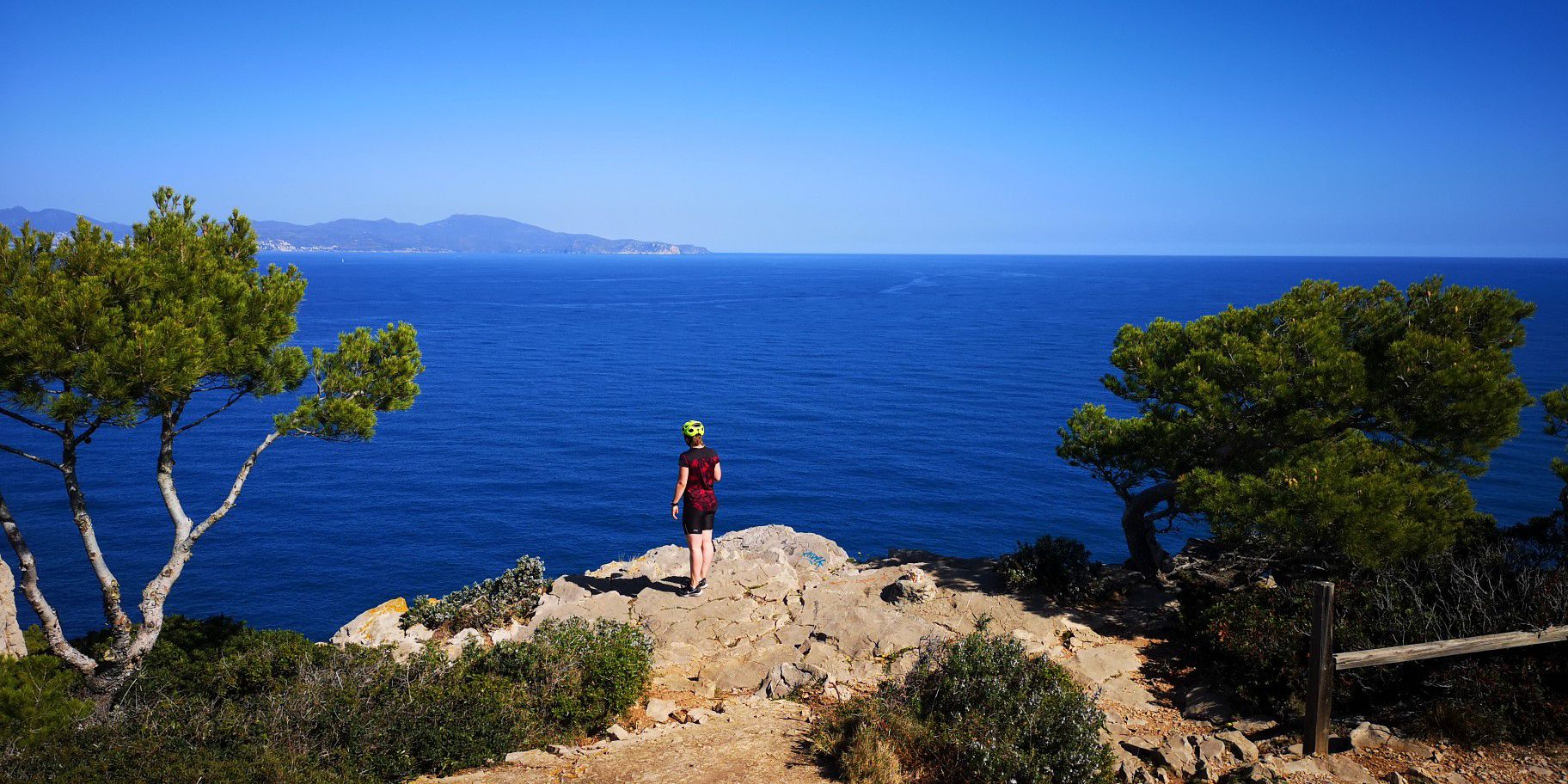
Gavarres, Ardenya and Montgrí – three massifs MTB route
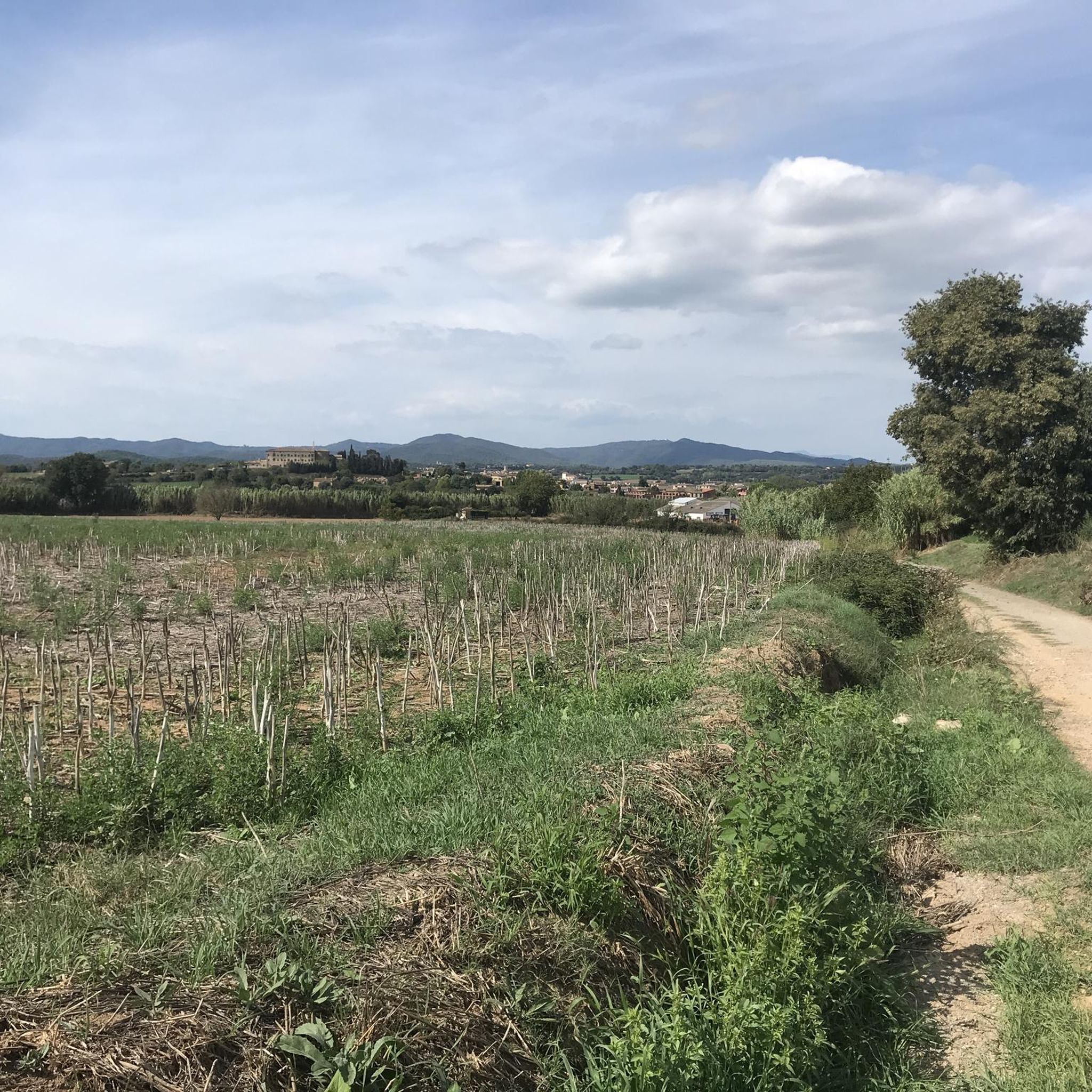
Road Cycling Routes around La Bisbal D'Empordà
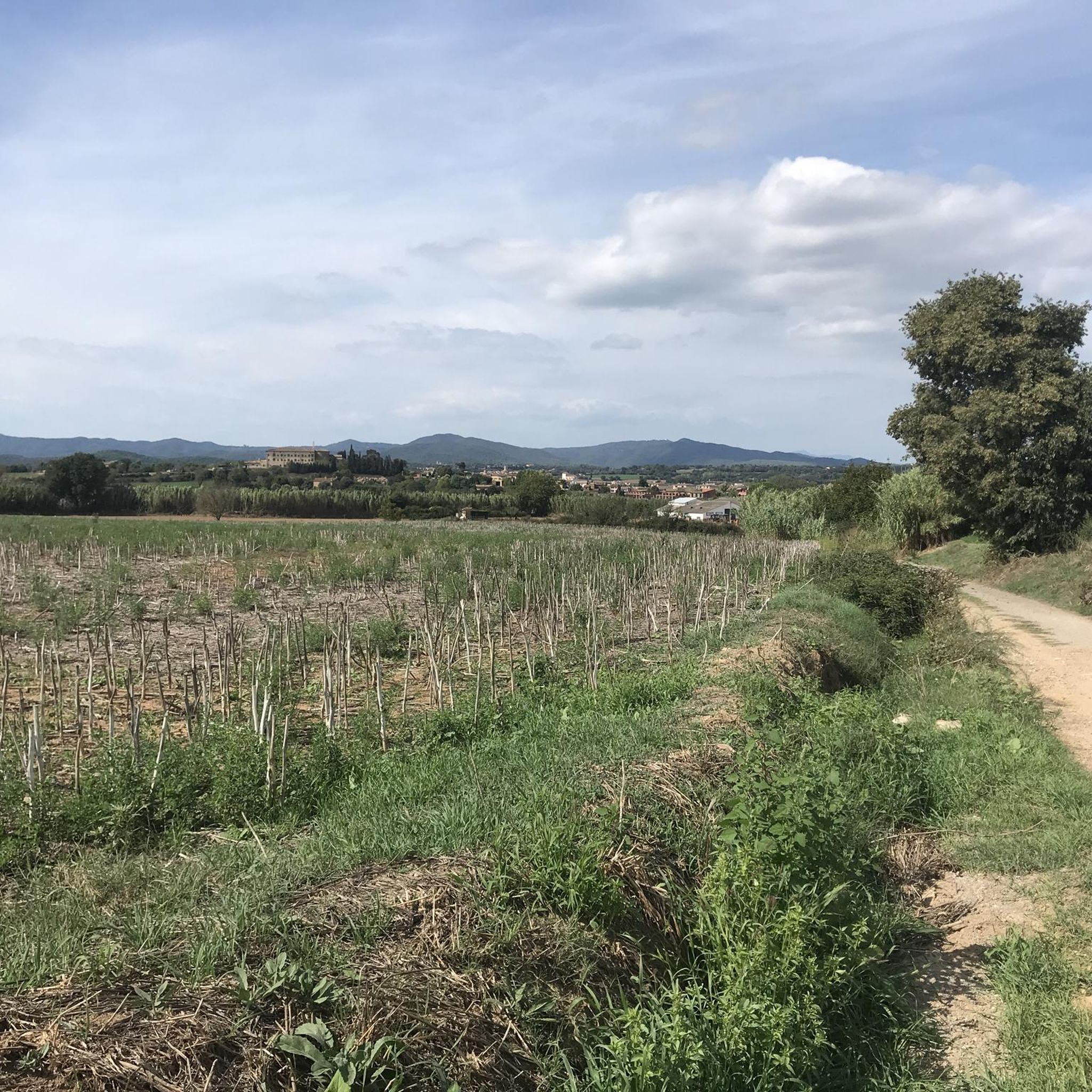
Cycling around La Bisbal D'Empordà
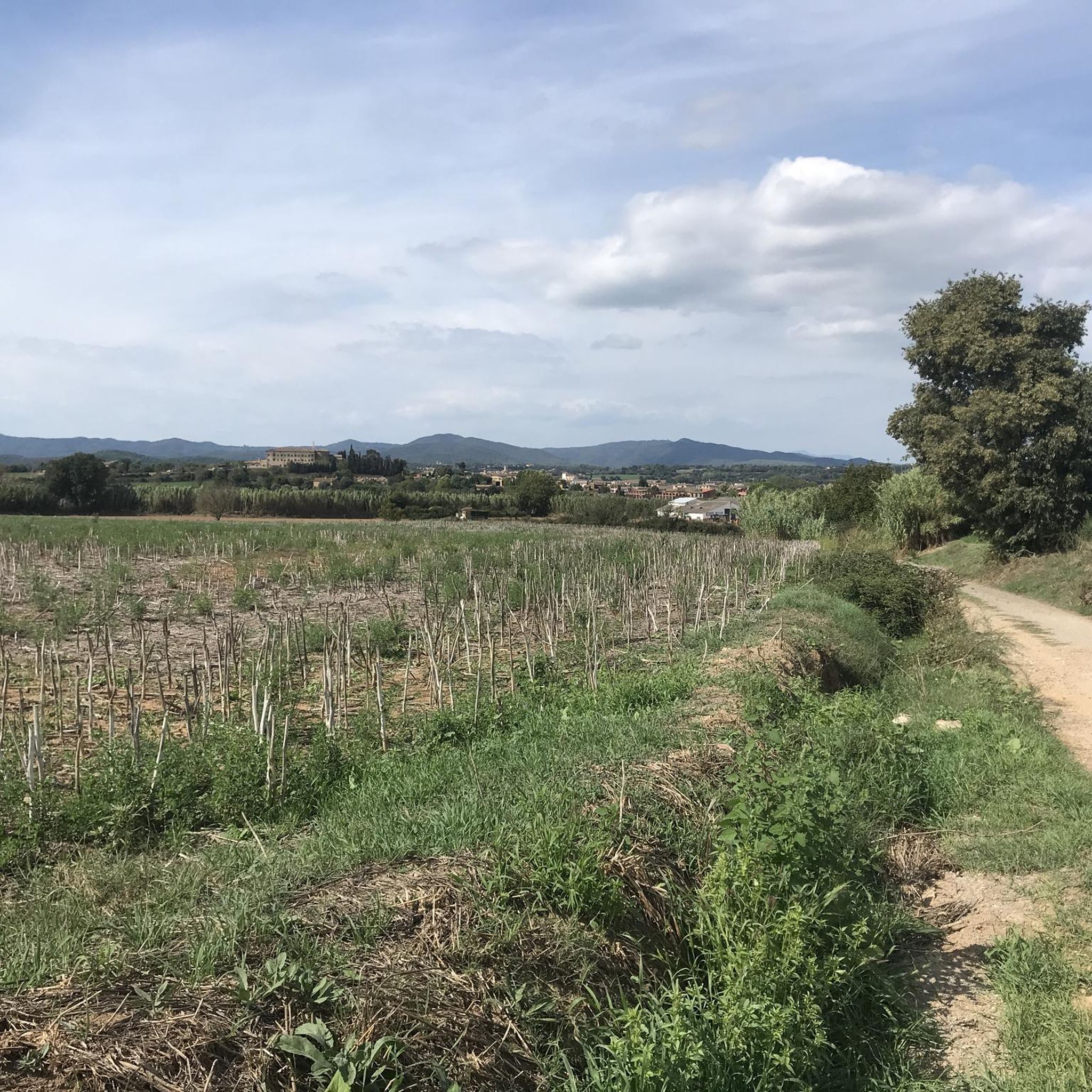
MTB Trails around La Bisbal D'Empordà

Gravel biking around La Bisbal D'Empordà
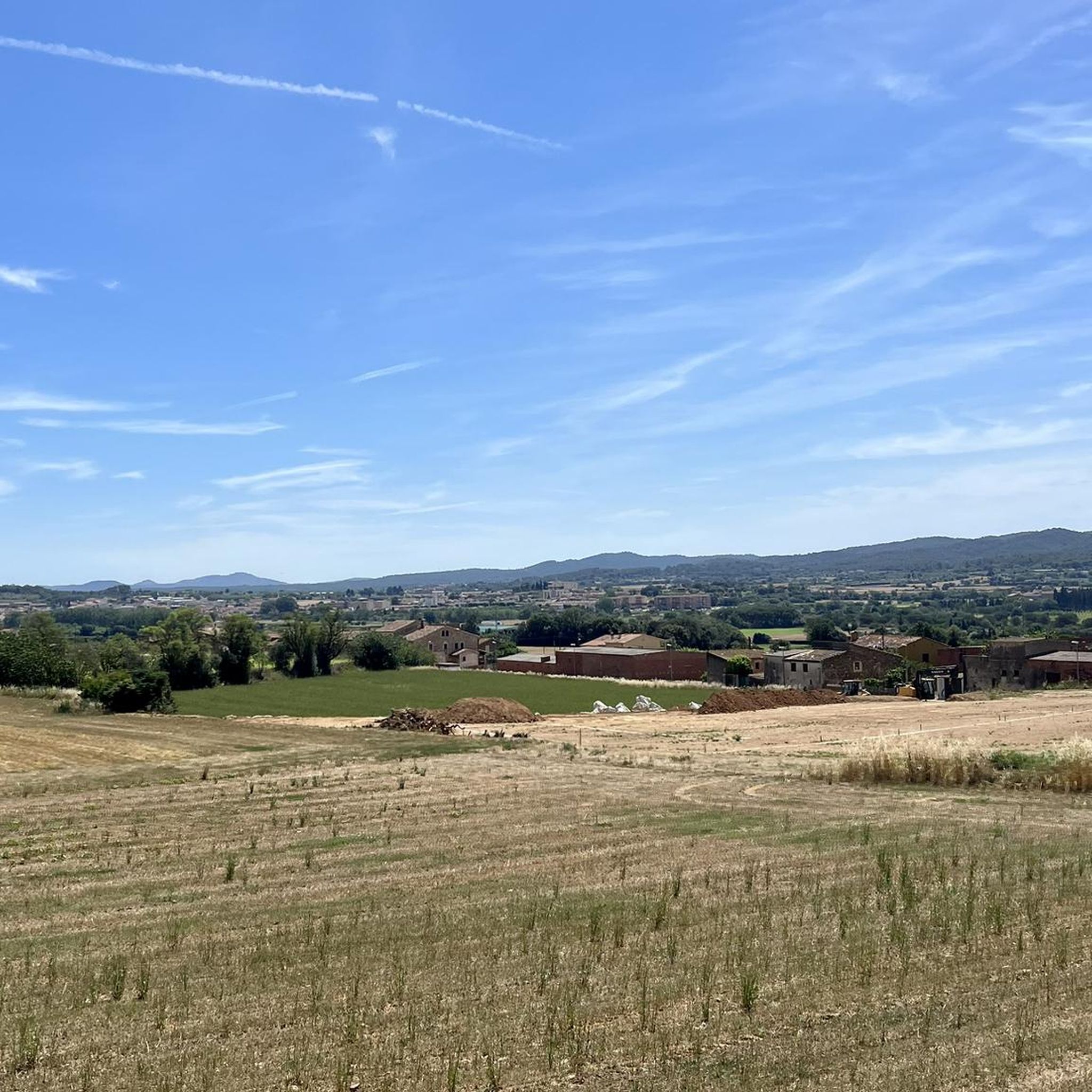
Hiking around La Bisbal D'Empordà
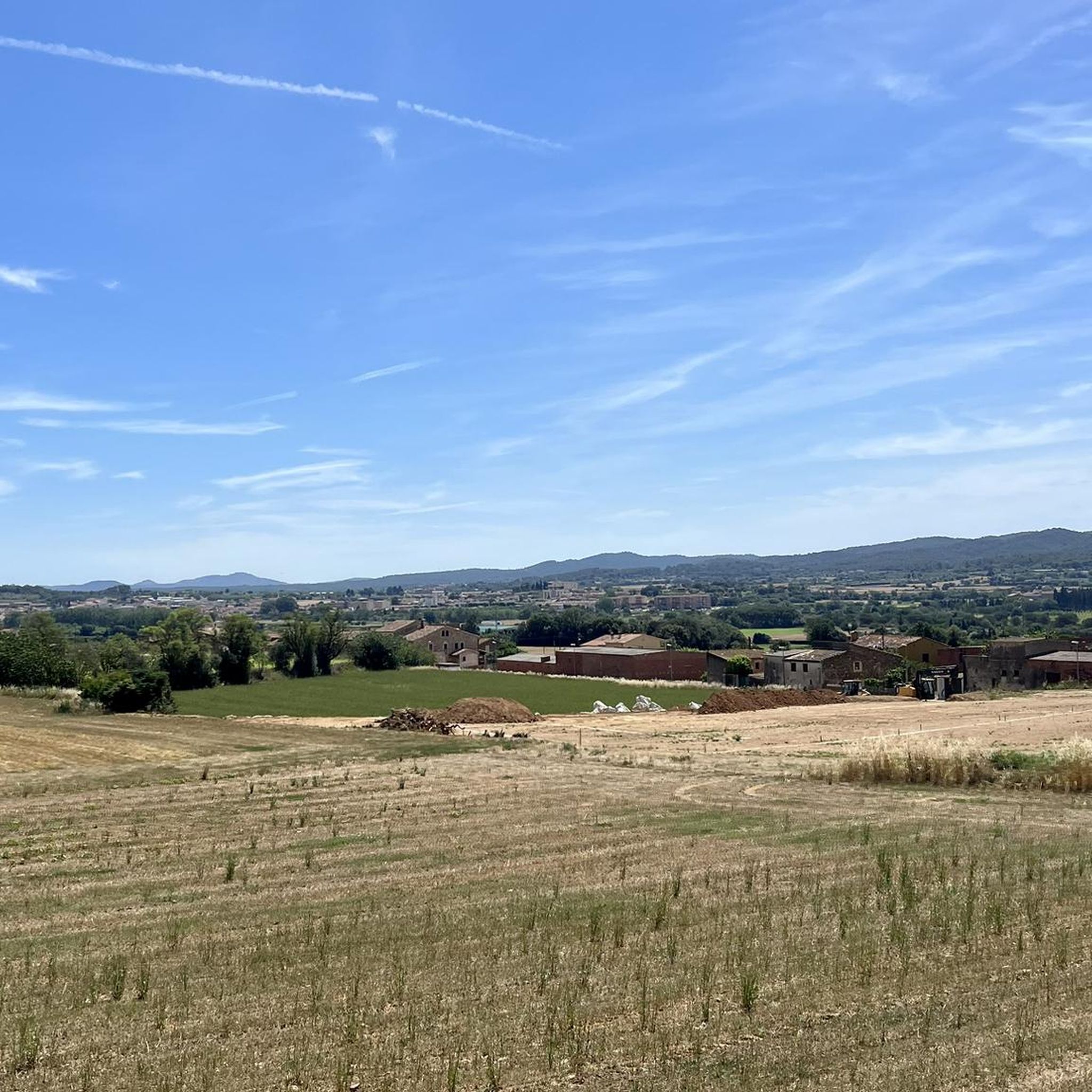
Running Trails around La Bisbal D'Empordà
Other adventures around La Bisbal D'Empordà


Tips from the Community

Cala Cap Roig is a beautiful natural area that takes its name from the reddish rock formation that divides the beach in two.
7
0

The dolmen has the shape of a rectangular burial chamber, composed of large vertical stone slabs (orthostats) that support a horizontal upper slab (cover). It is surrounded by a tumulus, an accumulation of earth and stones that originally covered the entire structure, giving it the appearance of a small hill. It is approximately 7.5 metres long, with an inner chamber of 2 metres. Its entrance faces southeast, probably for astronomical or ritual reasons. It was used as a collective tomb, where the ancient inhabitants deposited the remains of the deceased along with offerings, tools, pottery and other funerary objects.
3
0
It was first documented in the 19th century, when the first archaeological investigations in the area began. The objects found in the dolmen, such as pottery and flint tools, have helped to understand the funerary and social customs of its builders. Legends related to witches and magic rituals circulate around the dolmen, common in the popular stories of the area. Like many dolmens, its orientation could be related to the position of the sun during the solstices, which reinforces its symbolic and spiritual importance.
3
0
It is one of the best preserved megalithic monuments in the region. This dolmen, built during the late Neolithic or Chalcolithic period (around 2,700-2,200 BC), is an impressive testimony to the funerary and spiritual practices of the prehistoric communities that inhabited this area.
4
0

There are also dolmens in Spain!
0
0

This branch takes you to Castell beach, one of the few virgin beaches on the Costa Brava, surrounded by pine trees and dunes. A spectacular place, worth visiting.
0
0

Impressive dolmen that is located a few meters from the center of Romanyà de la Selva and that makes us imagine the first hominids living in this maritime area of the Gavarres.
1
0

Montigalar (467m) or Montigalar Gros (to differentiate it from Montigalar Petit (377m) which is 720m to the SW) is a mountain in the Gavarres that is included in the list of 100 peaks of the F.E.E.C. https://www.feec.cat/activitats/100-cims/cim/montigalar/ At its rocky summit we find a geodesic vertex and some andromines that certain hikers like to decorate the mountain tops. If the day is clear we will be able to enjoy some magnificent panoramas, so towards the NE we could distinguish Sant Salvador Saverdera, El Perní, the Bay of Roses, El Puig Rodó, Montplà (Montgrí), among others...
0
0
Frequently Asked Questions
What natural features can I explore around La Bisbal d'Empordà?
The region around La Bisbal d'Empordà offers a diverse range of natural features. You can explore the extensive Gavarres Massif, known for its dense cork oak and holm oak forests, undulating slopes, and ancient geological formations. To the east, the coast features picturesque beaches like Castell Beach and unique rock formations such as The Dark Rock of La Fosca Beach. Further afield, the Aiguamolls de l'Empordà Natural Park provides a significant wetland ecosystem with lagoons and marshes.
Are there historical or cultural natural monuments in the area?
Yes, the area is rich in both natural beauty and historical significance. The Gavarres Massif itself holds megalithic remains like dolmens and menhirs, indicating human presence over 5,000 years ago. A prominent example is the Dolmen of the Cova d'en Daina, one of the best-preserved megalithic monuments in the region, dating back to around 2,700-2,200 BC.
What are some popular natural monuments for coastal views and beach activities?
For coastal beauty, Castell Beach is highly popular, offering over 300 meters of fine sand, pine trees, and various services despite its natural setting. Another unique coastal feature is The Dark Rock of La Fosca Beach, a large black rock that divides La Fosca beach, providing a scenic backdrop for a stroll along its promenade. You can also visit El Morro del Vedell, a rock formation separating two coves, offering a rugged coastal experience.
Where can I find panoramic views of the Baix Empordà region?
For breathtaking panoramic views, head to Montigalar Summit within the Gavarres natural reserve. From this rocky outcropping, you can enjoy spectacular vistas of the entire Alt i Baix Empordà. The Gavarres Massif generally offers numerous viewpoints along its trails, providing expansive scenes of the Mediterranean landscape.
What kind of wildlife can I expect to see in the natural monuments around La Bisbal d'Empordà?
The region is a haven for wildlife. The Gavarres Massif is home to diverse bird species like common woodpeckers, hawks, and blue jays, as well as mammals such as wild boar and badger. The Aiguamolls de l'Empordà Natural Park is particularly renowned as a sanctuary for migratory birds, with over 300 species, including herons, ducks, and waders, making it a prime spot for birdwatching.
Are there family-friendly natural monuments to visit?
Many natural monuments in the area are suitable for families. Castell Beach and The Dark Rock of La Fosca Beach are excellent choices for a day out, offering sandy shores and easy access. The trails within the Gavarres Massif also include many easy walks suitable for families, allowing children to explore nature and history.
What is the best time of year to visit the natural monuments?
The best time to visit the natural monuments around La Bisbal d'Empordà is generally during spring (April to June) and autumn (September to October). During these seasons, the weather is pleasant for outdoor activities like hiking and cycling, and the landscapes are vibrant. Summer can be hot, especially for inland areas like the Gavarres, but it's ideal for enjoying the beaches. Winter offers cooler temperatures, suitable for quieter exploration, particularly in the Gavarres.
Are there accessible natural monuments for visitors with reduced mobility?
Yes, efforts have been made to ensure accessibility in some areas. For instance, Castell Beach offers walkways for people with reduced mobility, allowing easier access to the sand and sea. When planning your visit, it's advisable to check specific accessibility details for other locations.
What outdoor activities can I do near these natural monuments?
The natural monuments are surrounded by opportunities for various outdoor activities. You can enjoy hiking through the dense forests of the Gavarres Massif, with routes like 'Path to Puig d'Arques' or 'Monells loop'. Cycling and mountain biking are also popular, with trails such as 'Tren Petit Greenway' or 'Rocky Trail in Les Gavarres'. For more detailed routes, explore the hiking guide, running trails guide, and MTB trails guide around La Bisbal d'Empordà.
Can I go birdwatching near La Bisbal d'Empordà?
Absolutely. The Aiguamolls de l'Empordà Natural Park, a short drive from La Bisbal d'Empordà, is one of Catalonia's most important wetland areas and a premier destination for birdwatching. It serves as a crucial resting and breeding ground for hundreds of bird species, especially migratory aquatic and marine birds. The park offers various routes specifically designed for observing its rich birdlife.
What makes the Gavarres Massif a significant natural area?
The Gavarres Massif is significant due to its extensive size (over 350 km²), rich biodiversity, and Mediterranean character. It boasts the most important cork oak and maritime pine woodland in Catalonia, alongside holm oak forests. Its ancient, undulating topography and diverse flora and fauna make it a vital ecological corridor and a prime location for outdoor recreation and connecting with nature and history.
Where can I park when visiting natural monuments near La Bisbal d'Empordà?
Parking availability varies by location. For popular coastal spots like Castell Beach, there is a large car park nearby, which may be subject to a fee during summer. For inland areas like the Gavarres Massif, trailheads often have designated parking areas, though these might be smaller. It's always recommended to check specific access points before your visit.
Most popular routes around La Bisbal D'Empordà
Most popular attractions around La Bisbal D'Empordà

Get inspired with the komoot mobile app


Explore more
Extend your search for the best caves by checking out these guides of the top ones around La Bisbal D'Empordà:
