Top 20 Natural Monuments around Stekene
Natural monuments around Stekene offer diverse landscapes in East Flanders, Belgium. The region features significant natural areas valued for their ecological importance and recreational opportunities. These include expansive forest complexes, tranquil waterways, and unique geological formations. The area provides varied terrain for outdoor activities and nature observation.
Best natural monuments around Stekene
- The most popular natural monuments is Spanish Line in Stropersbos, a historical site and natural monument that features remnants of a 1701 defensive line. This forest complex…
Last updated: October 2, 2026
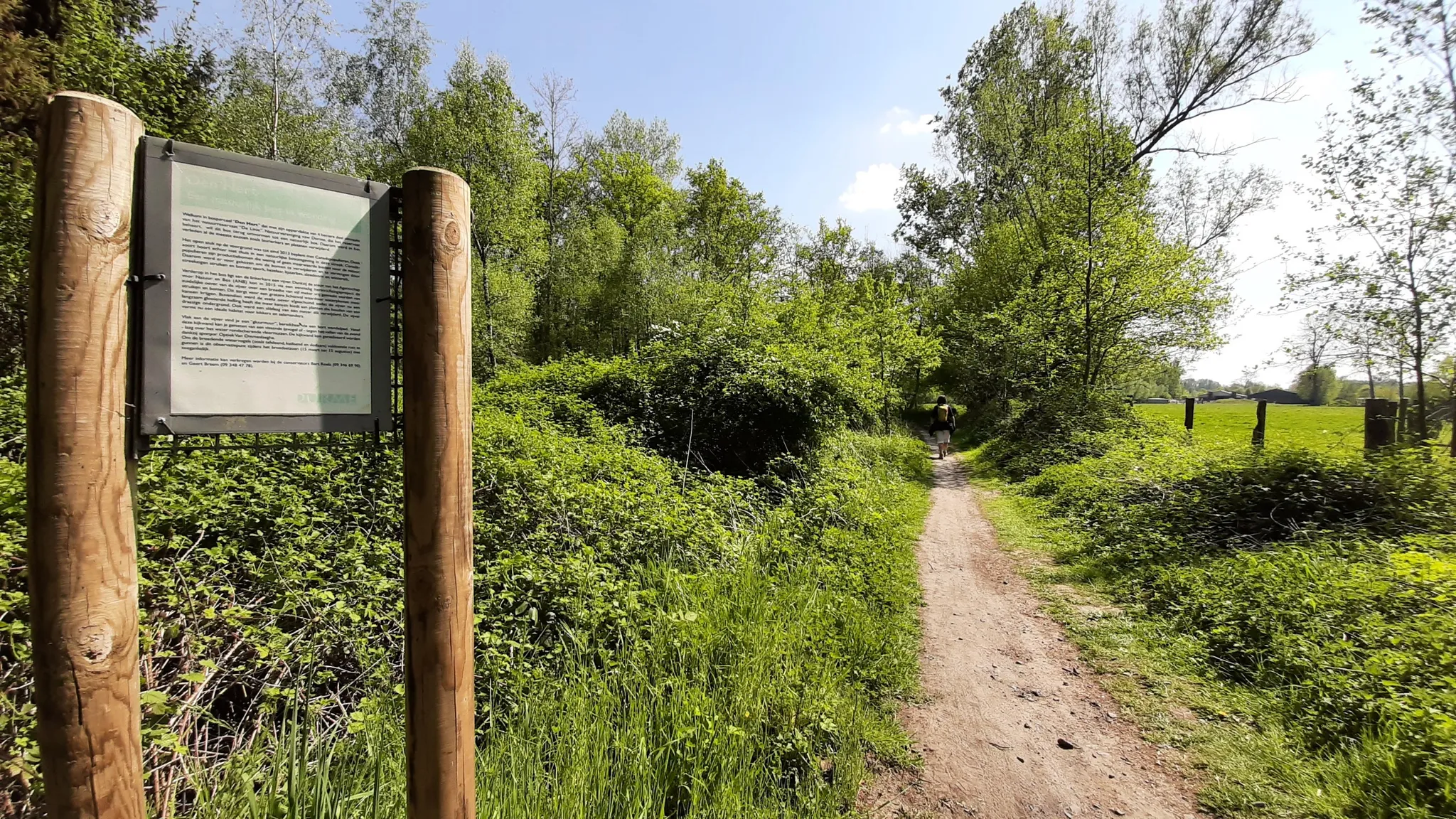
Spanish Line in Stropersbos
Highlight • Historical Site
Translated by Google •
Tip by

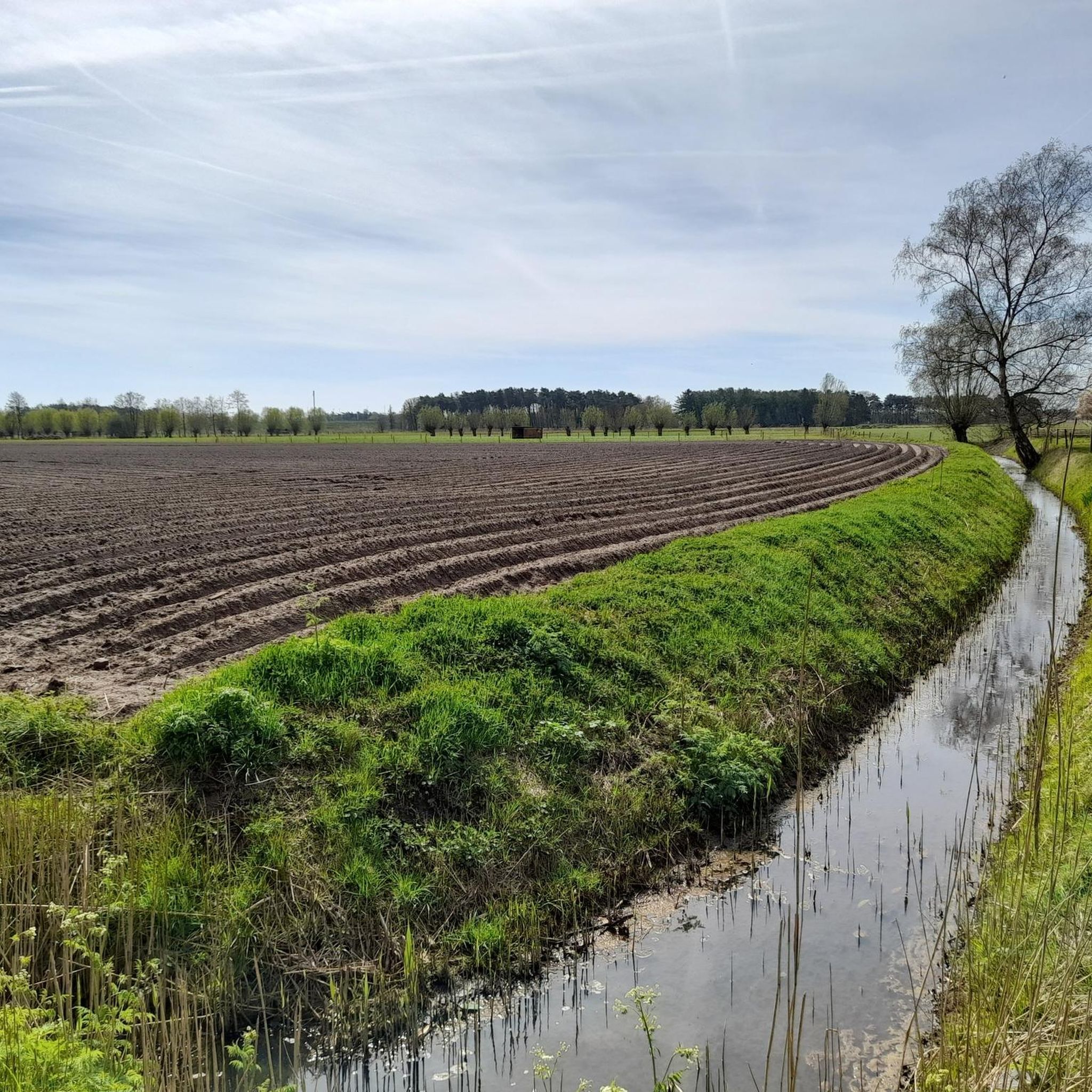
Oude Durme Nature Reserve
Highlight (Segment) • Natural
Translated by Google •
Tip by
Sign up now to discover places like this
Get recommendations on the best single tracks, peaks, & plenty of other exciting outdoor places.
Observation tower in the Boudelo Foundation
Highlight • Viewpoint
Translated by Google •
Tip by

Fort Sint-Jacob and Staats-Spaanse Lines
Highlight • Historical Site
Translated by Google •
Tip by

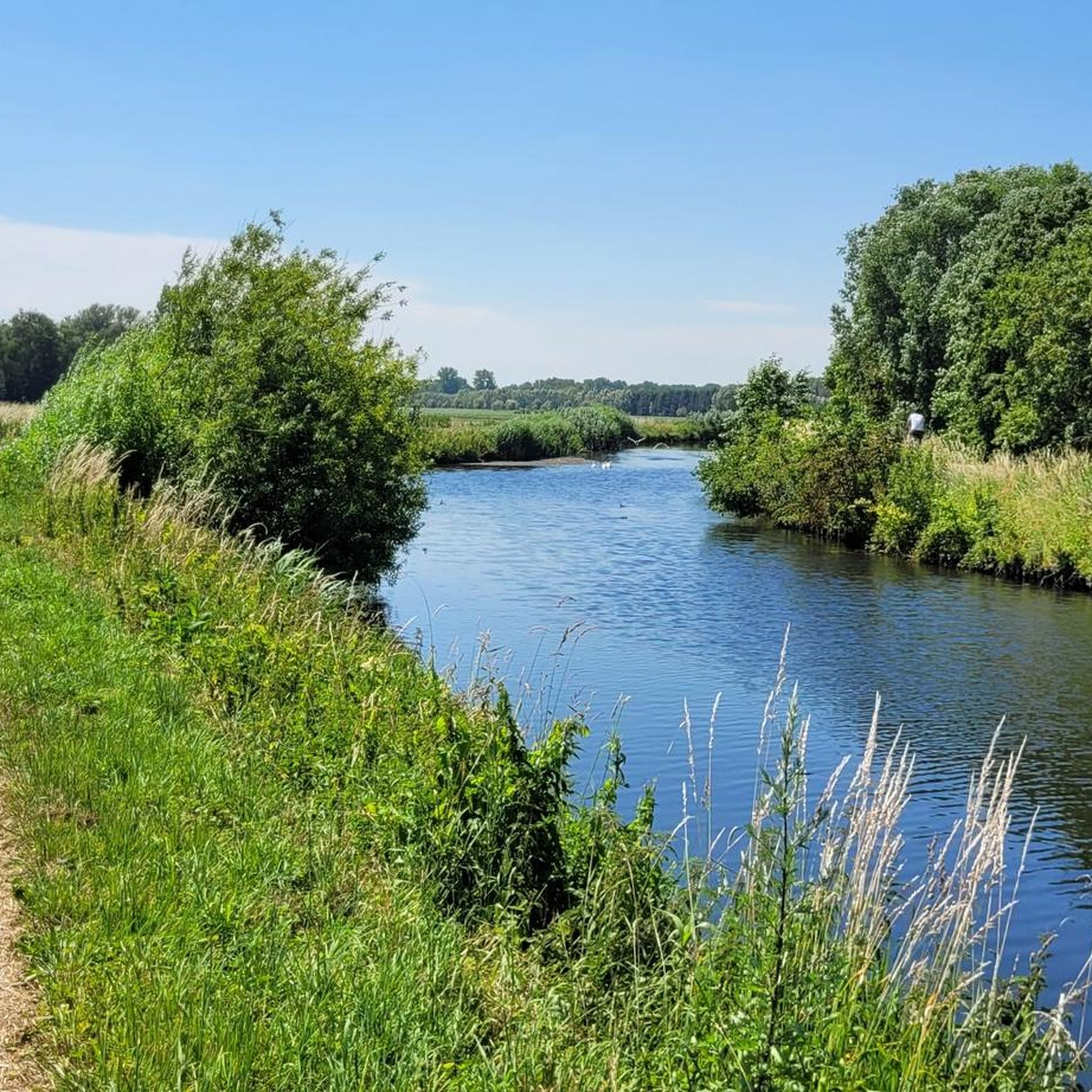
Great Saleghem Channel
Highlight • River
Translated by Google •
Tip by

Sign up for free to discover even more natural monuments around Stekene.
Already have an account?
Start today with a free account
Your next adventure awaits.

Other adventures around Stekene

Tips from the Community

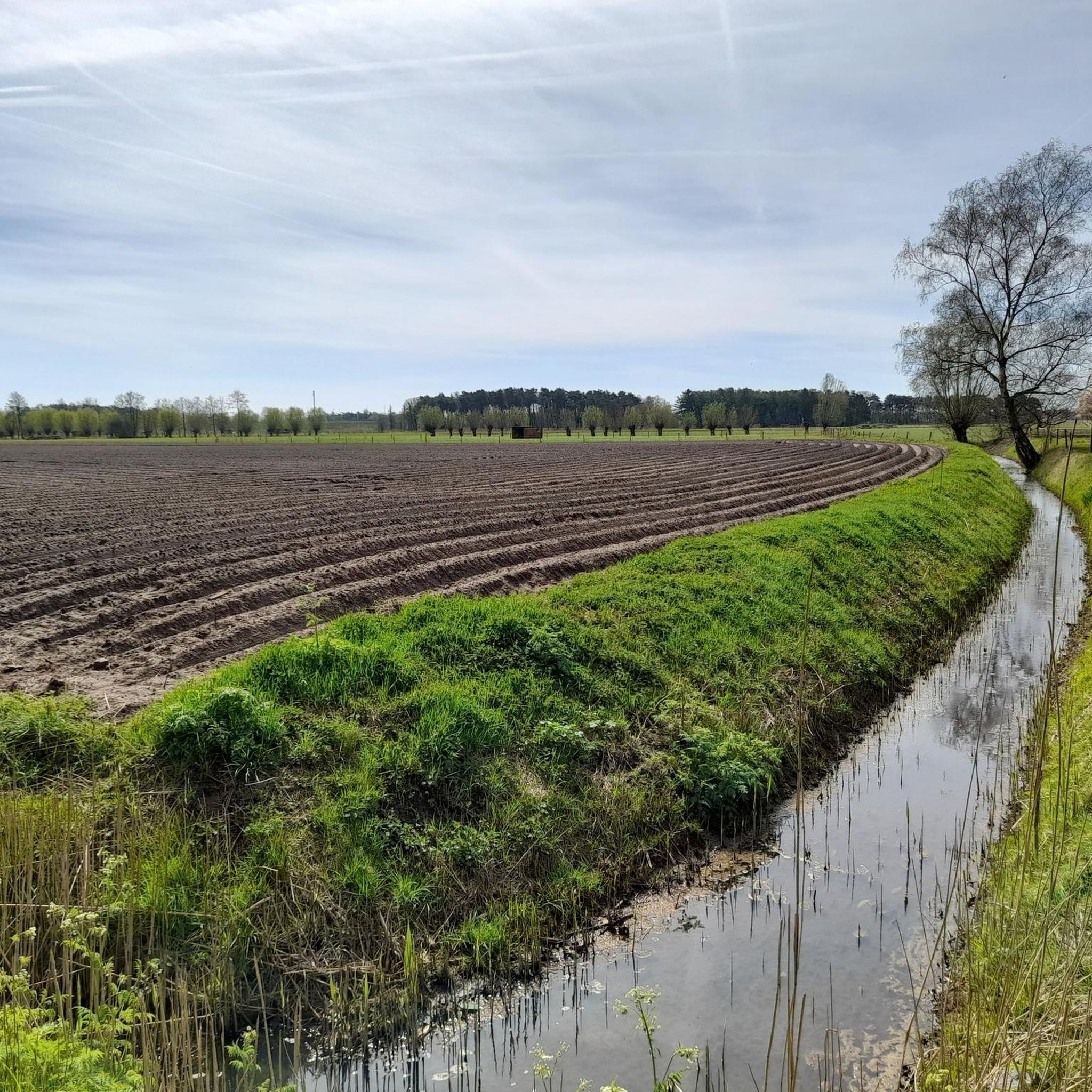
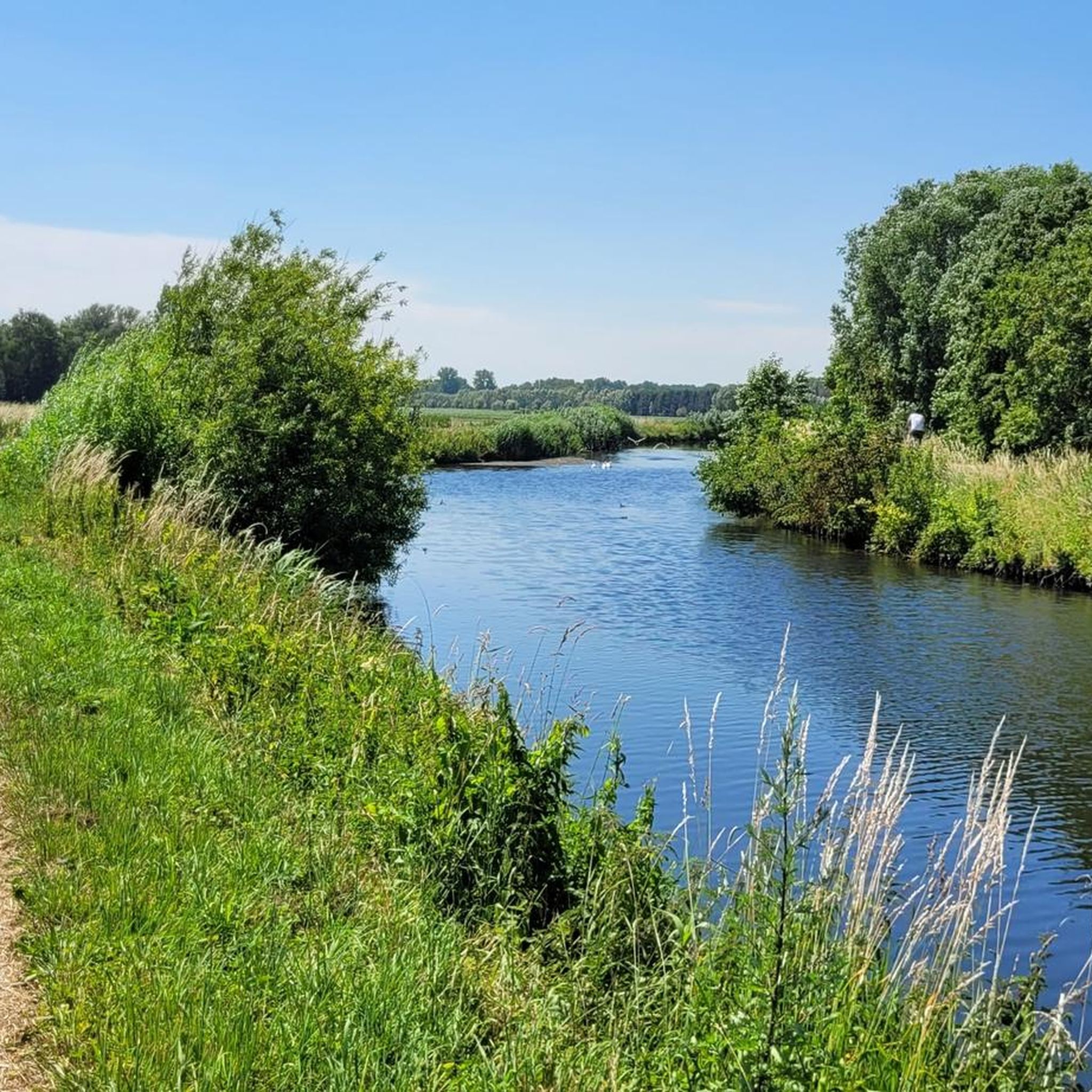
The creek area of Saleghem is more than the sum of its parts. The nature reserve consists of the Grote Saleghemgeul on one side, and the Sint-Jakobsgat and the Kieldrechtse Watergang on the other. This triumvirate of water creeks then flows into the Grote Geule in Kieldrecht. Each separately is beautiful, yes. But together they are magical. The succession of gently sloping banks, grassland and hay, rare birds and colourful flowers, rustling reeds and melancholic willows: it silences a person. It inspires awe for the magic of nature. And everyone can enjoy it – even wheelchair users, because there is a special wheelchair walk around the creek lakes. This is what waasland.be writes... and there is nothing to contradict it.
2
0
The lookout tower in the Fondatie van Boudelo nature reserve is a design by the young architectural firm Baeten Hylebos Architecten. The tower stands diagonally relative to the avenue amidst the undergrowth, a few meters from the path. In the Architecture Book Flanders N°14 (2021), it is poetically described as follows: In the doorway "light seeps in through the cracks of the planked walls and falls onto a staircase that winds invitingly around the central column. The walk upwards already offers, here and there, some perspectives on the surrounding natural beauty. For this purpose, the planks of the wall conveniently lie in a horizontal articulation. At the top of the stairs, the true reward awaits: an impressive tableau of fields, ponds, forests, birds, and if you're lucky, a leap of deer."
3
0

On this elevated gravel path, you'll discover a special piece of the past and nature at Fort Sint-Jacob. This historic fort is part of the impressive Staats-Spaanse Linies and was strategically located between Fort Sint-Joseph and Fort Sint-Livinus, as part of the line of communication between Hulst and Sas van Gent. Here you can still feel the traces of the Eighty Years' War, when the fort was constructed in 1634 to protect the hinterland against invasions. Just a few years later, it fell into other hands, making the story of this place all the more captivating. Once, Fort Sint-Jacob was a compact, square redoubt with sturdy earthen ramparts and a protective moat. Today, these outlines are still clearly visible in the landscape, allowing visitors to literally walk through history. Thanks to careful restorations, including a reconstructed courtyard and a new drawbridge, the fort has been brought back to life. At the same time, nature has been allowed to run wild here. The area is managed by Staatsbosbeheer and has become a tranquil nature reserve. Whether you are interested in history, enjoy walking or cycling, or simply want to escape the hustle and bustle for a while: Fort Sint-Jacob invites you to come and see, discover, and enjoy.
6
0

single track that requires concentration
0
1
The Saleghem creek area is more than the sum of its parts. After all, the nature reserve consists of the Grote Saleghemgeul on one side, and the Sint-Jakobsgat and the Kieldrechtste Watergang on the other. This triumvirate of water creeks then ends in the Grote Geule in Kieldrecht. Each one is beautiful on its own, yes. But together they are magical. The sequence of gently sloping banks, grassland and hay, rare birds and colourful flowers, rustling reeds and melancholic willows: it leaves one speechless. It inspires awe for the magic of nature. More inspiration at https://www.waasland.be/de-kreken-van-saleghem You can read the historical explanation on site.
8
0

Nice and quiet place to walk (or even cycle). If you are lucky you might see sheep on the path. Here and there on the route there are benches to rest.
2
0
Beautiful and quiet forest (if in high season). The hiking trails are almost in order, sometimes it can be a bit muddy during heavy rain. If you are lucky you might spot some deer 😊
1
0

Frequently Asked Questions
What are some unique natural features to explore around Stekene?
Stekene offers diverse natural features. You can explore the varied landscape of the Stropersbos, which includes alder carr forests, open heathland, and lean grasslands, along with remnants of the historic Bedmarlinie. Another unique spot is Great Saleghem Channel, a creek area with a complex network of gullies, canals, and basins. The De Witte Bergen domain, once sand extraction pits, now features a high hill of white sand and a body of water, providing a habitat for various bird species.
Beyond the most popular, what other natural monuments can I visit in Stekene?
While Spanish Line in Stropersbos is very popular, consider visiting Oude Durme Nature Reserve, an oxbow lake known for its reed fields and diverse plant species. Another option is Groote Gat, a freshwater creek remnant near Koewacht, which is now a nature reserve and popular for fishing and birdwatching.
Are there good walking or cycling paths near the natural monuments in Stekene?
Yes, the region is excellent for walking and cycling. The Moervaart Towpath and Stekene Canal offer tranquil, flat routes with picturesque waterscapes. The Stropersbos also features three marked walking loops, including the 'Laarzenpad' (Boot Path), and is suitable for cycling. For more structured routes, you can find various road cycling routes and gravel biking tours around Stekene.
What kind of outdoor activities can I do near Stekene's natural monuments?
Besides exploring the natural monuments themselves, you can enjoy a variety of outdoor activities. The area is popular for walking, cycling, and horseback riding, especially in the Stropersbos. Birdwatching is excellent at De Witte Bergen and Groote Gat. Fishing is also permitted at Groote Gat. For more active pursuits, there are dedicated MTB trails and gravel biking routes available.
Are Stekene's natural monuments suitable for families with children?
Many natural monuments in Stekene are family-friendly. The Stropersbos offers dedicated play zones for children and even a bivouac zone for adventurous overnight stays. Oude Durme Nature Reserve, Great Saleghem Channel, and Groote Gat are also noted as family-friendly, offering easy walks and opportunities for nature observation.
Can I bring my dog to the natural monuments in Stekene?
While specific dog policies can vary, many natural areas in Belgium, including those around Stekene, generally allow dogs on a leash. The Stropersbos, with its extensive walking paths, is a popular spot for dog walkers. It's always advisable to check local signage or specific reserve rules upon arrival to ensure compliance.
Do any natural monuments in Stekene have historical significance?
Yes, several natural monuments in Stekene are intertwined with history. The Stropersbos contains remnants of the Bedmarlinie, a defensive line from the Spanish War of Succession, including parts of Spanish Line in Stropersbos and Fort Sint-Jacob. These sites offer a unique blend of natural beauty and historical elements, allowing visitors to discover traces of past conflicts in the landscape.
What is the best time of year to visit the natural monuments around Stekene?
The natural monuments around Stekene can be enjoyed year-round, but each season offers a different experience. Spring brings blooming flora, while summer is ideal for longer walks and cycling along the Moervaart Towpath. Autumn transforms the forests, like the Stropersbos, with vibrant colors, making it a beautiful time for photography and leisurely strolls. Birdwatching is often good in spring and autumn during migration periods.
Are there viewpoints or scenic spots within Stekene's natural monuments?
Yes, several spots offer scenic views. The Moervaart Towpath provides picturesque views over polders, vast ponds, and rows of trees. At De Witte Bergen, the high hill of white sand offers a spacious plateau with unique perspectives of the surrounding forest. Great Saleghem Channel and Oude Durme Nature Reserve are also noted as viewpoints, offering tranquil waterscapes and opportunities for nature observation.
What makes the Stropersbos a significant natural monument?
The Stropersbos is significant as one of the largest forest complexes in East Flanders. It boasts a diverse landscape with alder carr forests, open heathland, and lean grasslands. It's home to grazing animals like Konik horses and sheep that help maintain the heathland. Historically, it also contains remnants of the Bedmarlinie, adding a unique cultural dimension to its natural beauty.
Are there any natural monuments in Stekene that are particularly good for birdwatching?
Yes, De Witte Bergen is particularly appealing for birdwatchers, with species like hawks, sparrowhawks, cormorants, tufted ducks, and grebes frequently spotted. A rare eagle owl has also nested nearby. The Groote Gat nature reserve is another excellent spot for observing waterfowl and other birdlife.
How accessible are the paths and trails at Stekene's natural monuments?
Many areas, particularly the Moervaart Towpath and paths along the Stekene Canal, are flat and generally accessible, suitable for various fitness levels. The Stropersbos has marked walking loops, and while some areas might be more rugged, many main paths are well-maintained. For specific accessibility needs, it's recommended to check local information for individual sites.
Most popular routes around Stekene
Most popular attractions around Stekene

Get inspired with the komoot mobile app


Explore more
Extend your search for the best caves by checking out these guides of the top ones around Stekene:
