Top 20 Natural Monuments in South Downs
Best natural monuments in South Downs include a diverse range of geological formations and ancient landscapes. The region is characterized by its chalk hills, dramatic coastal cliffs, and river valleys. These features offer varied terrain for outdoor activities and provide extensive views across the English Channel and the surrounding countryside. The South Downs National Park encompasses significant natural and historical sites, making it a notable area for exploration.
Best natural monuments in South Downs
- The most popular natural monuments is…
Last updated: October 14, 2026
Ditchling Beacon
Highlight • Natural Monument
Tip by

Birling Gap and the Seven Sisters Cliffs
Highlight • Natural Monument
Tip by

Sign up now to discover places like this
Get recommendations on the best single tracks, peaks, & plenty of other exciting outdoor places.
Seven Sisters Cliffs
Highlight (Segment) • Natural Monument
Translated by Google •
Tip by

Butser Hill
Highlight • Natural Monument
Tip by
Beachy Head and Lighthouse
Highlight • Viewpoint
Tip by

Sign up for free to discover even more natural monuments in South Downs.
Already have an account?
Start today with a free account
Your next adventure awaits.
Popular around South Downs
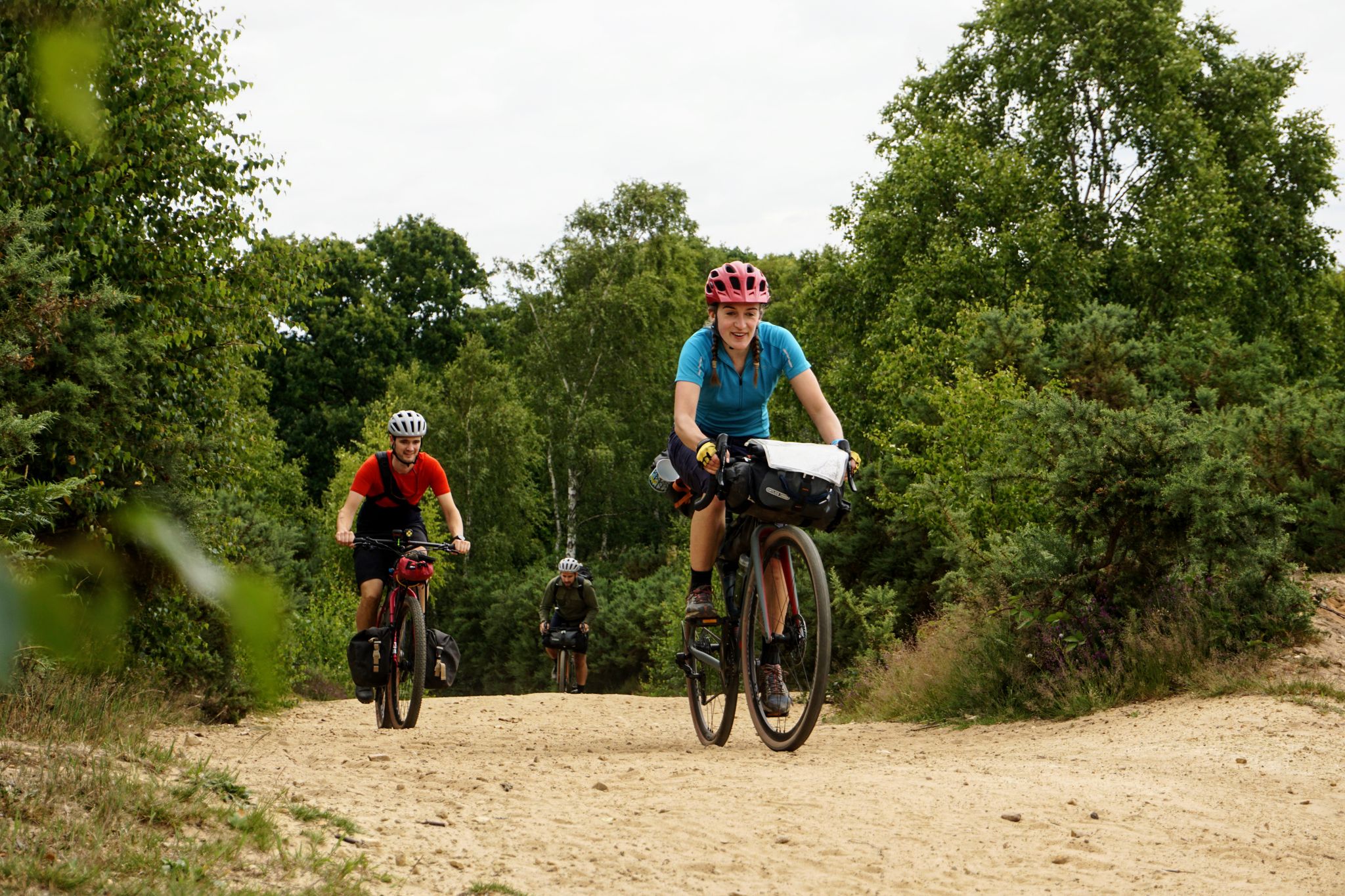
King Alfred's Way — History, chalk, grassland and forest
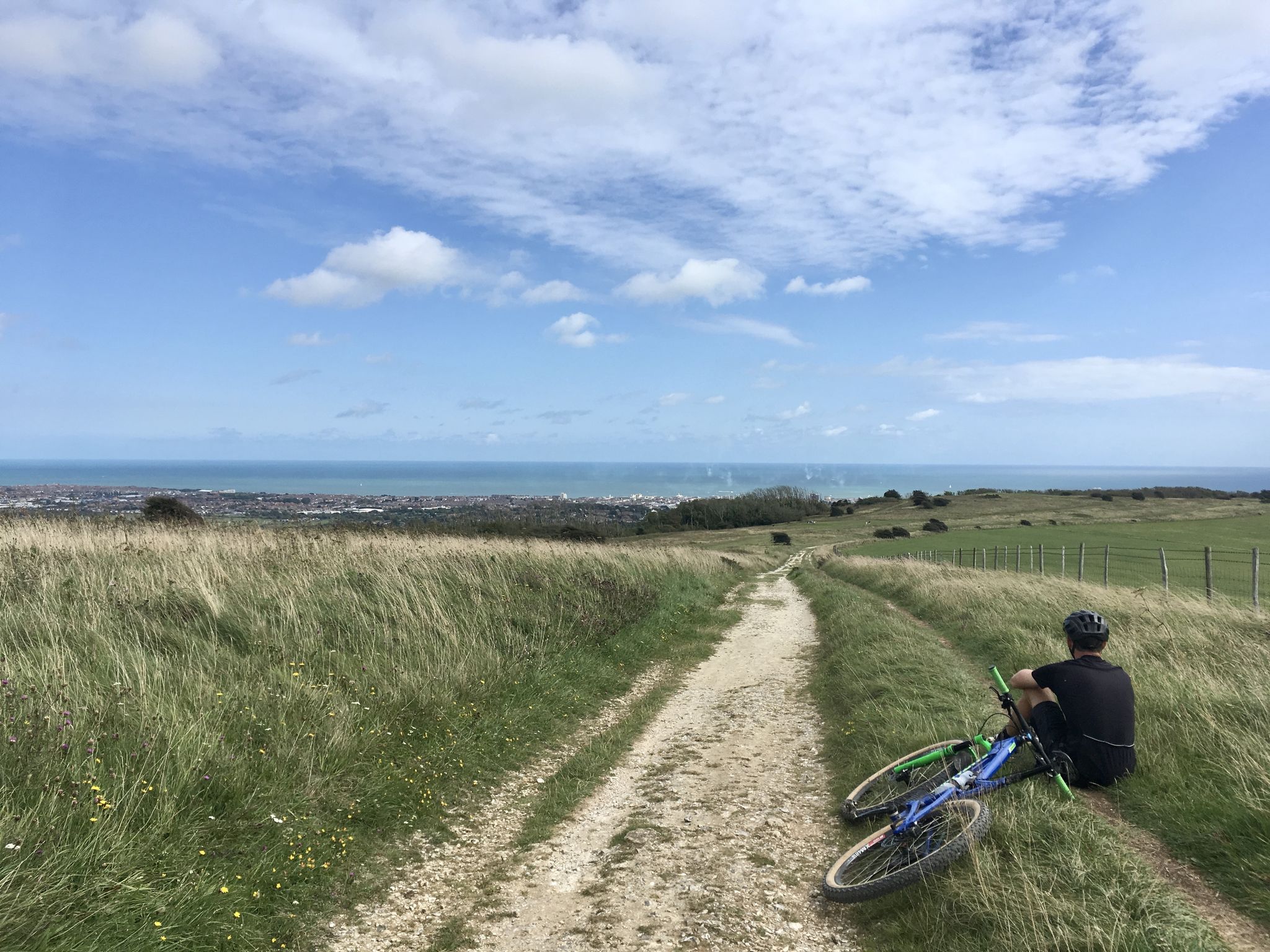
South Downs Way — A Southern off-road utopia
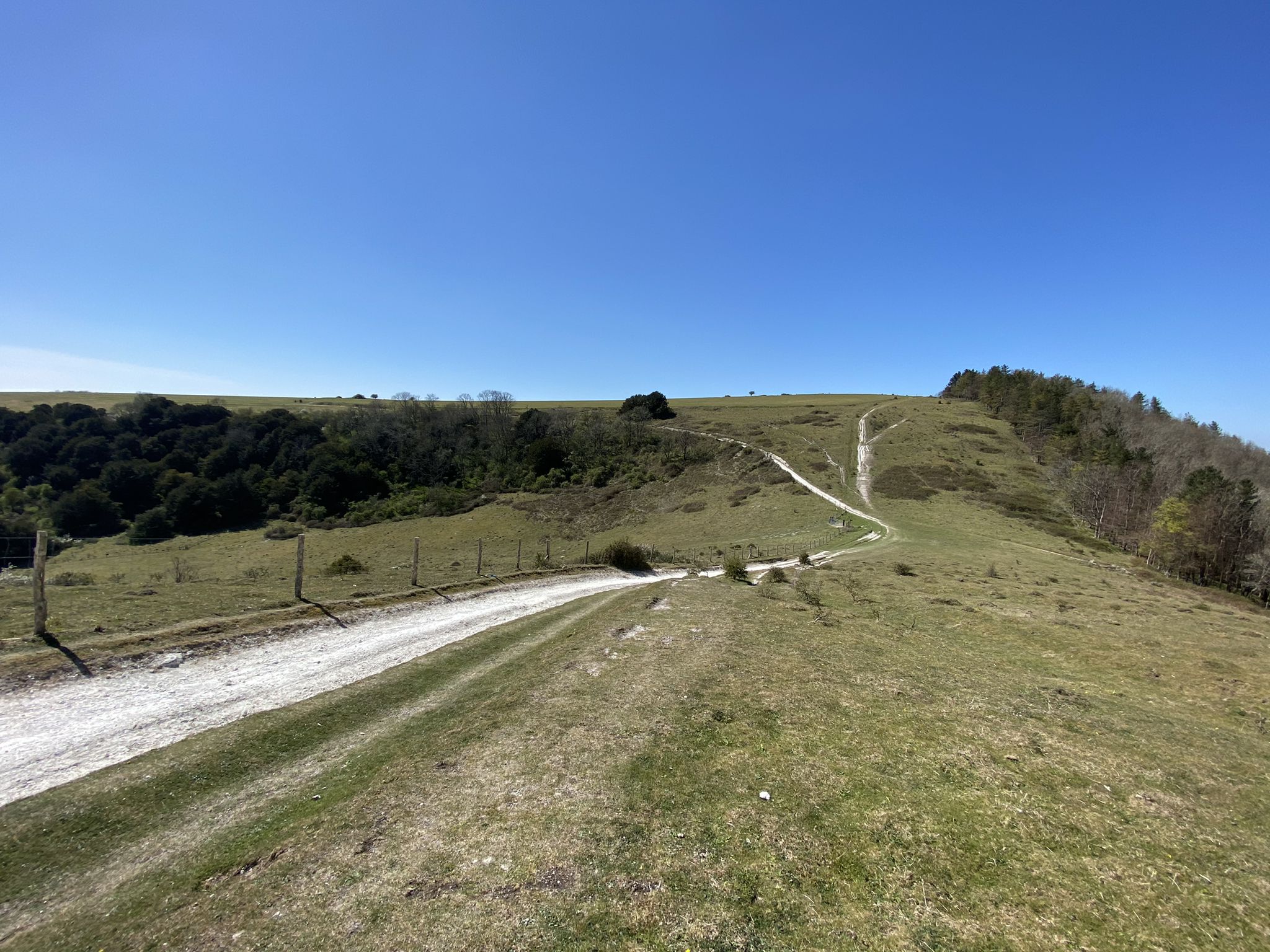
South Downs Way – a 100-mile run across the national park
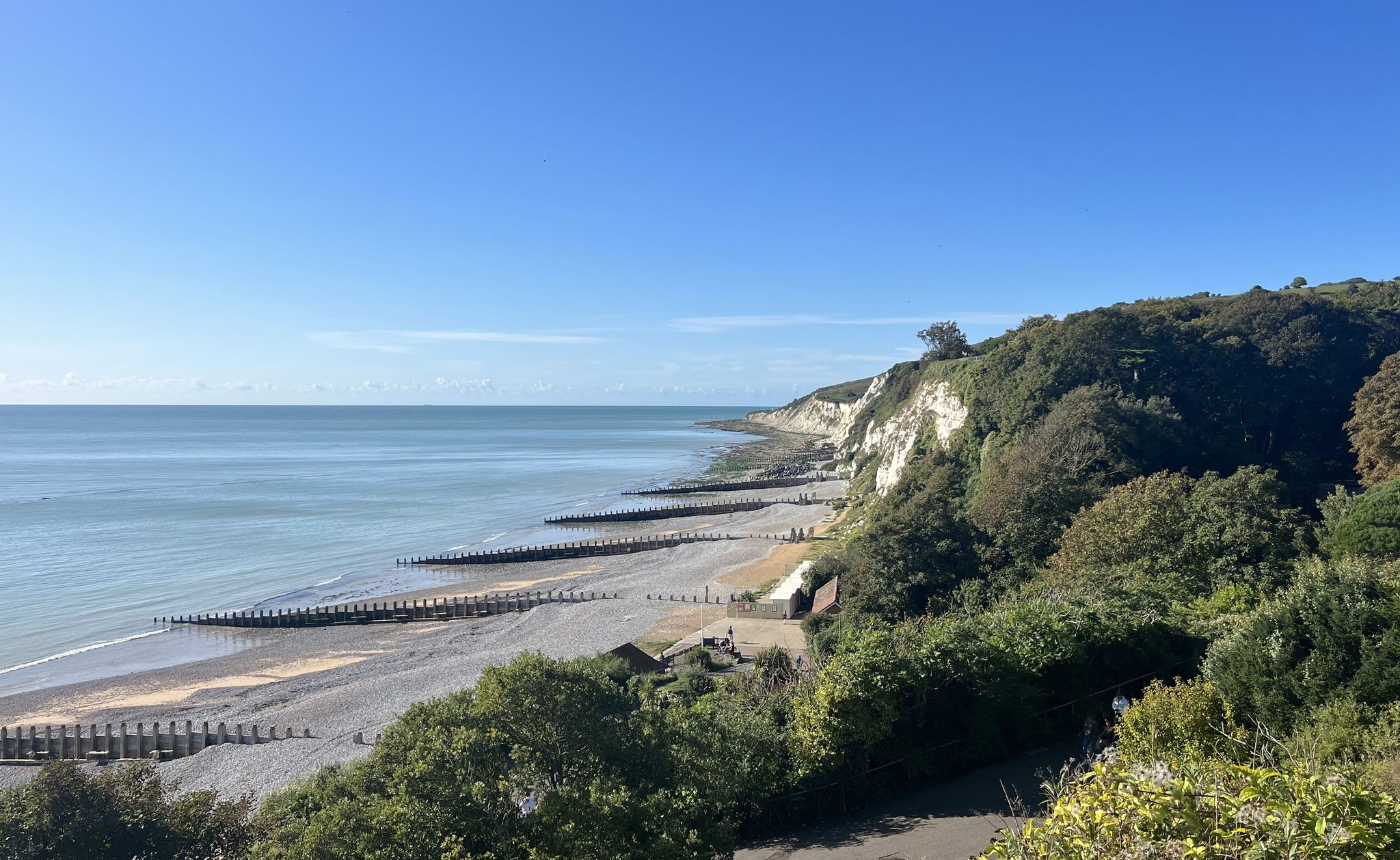
South Downs National Park – A Walk in the Parks
Bikepacking Brighton to Bristol — Ridges, canals and rail paths
South Downs Way – A captivating hike across Southern England
Downs Link and South Downs Way loop from Guildford
Sussex Ouse Valley Way — From the High Weald to the South Downs
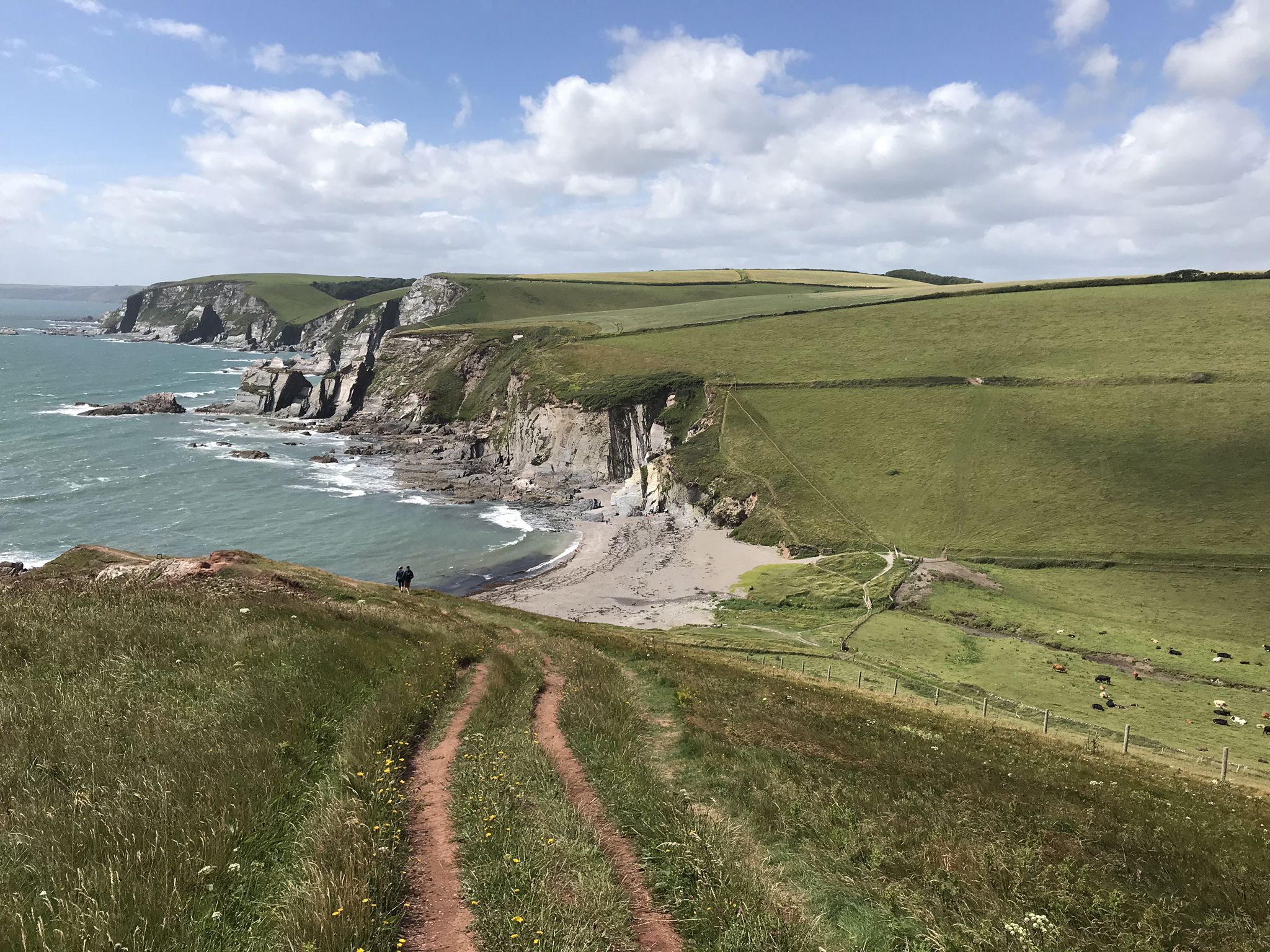
E9 Plymouth to Dover — An epic exploration of England's south coast
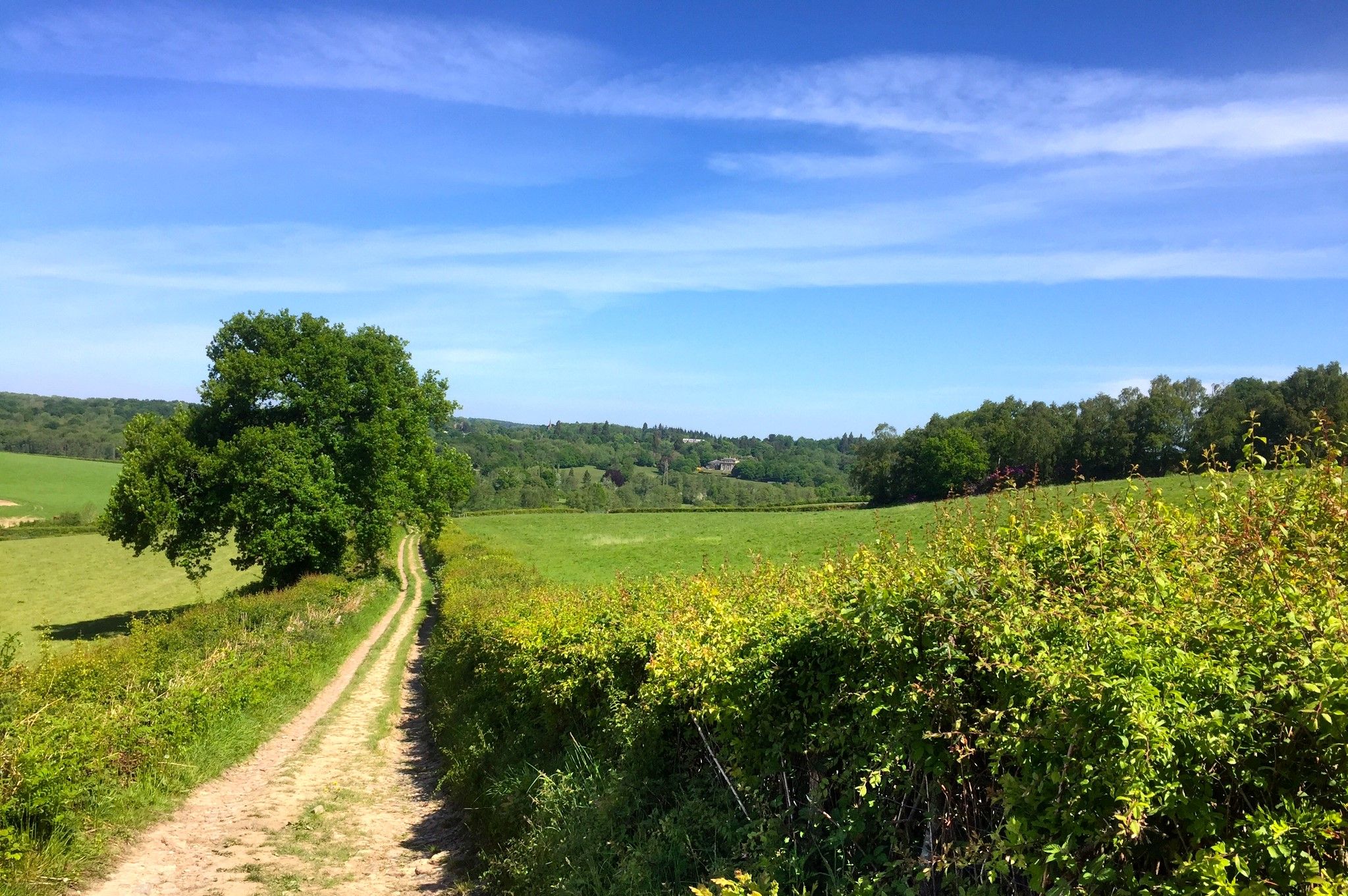
Vanguard Way – Hike some of the finest countryside in the South East
Other adventures in South Downs


Tips from the Community

At over 650 feet (200 m), Ditchling Beacon gives you a good climb and a great vantage point to see out over the surrounding countryside. To the north you look back at the lush countryside of the Weald, to the south are views of Brighton, and to the east and west, the rolling undulating views out over the South Downs.
1
1


Ice cream van also serving Tea today (Easter Monday). view from the top on a nice clear day
0
0

Sculpted by melt-water and heavy rain during recent ice ages, and the erosive power of the sea more recently, the present-day cliffs mark the end of a series of natural inland gulleys. The Seven Sisters Cliffs are primary composed of chalk , a soft fine-grained, and porous limestone rock formed from accumulation of calcium carbonate-rich remains of marine organism. Birling Gap is a coastal popular hub the the South Downs meet the sea.
3
1

A lovely option for a beach walk at Birling Gap. Below the visitor center you can search for shells and relax while walking by the sea; a staircase leads down to the beach.
5
0
There are some paid parking spaces directly at the visitor center, a good starting point for hikes on the cliffs.
1
2
The Seven Sisters are an impressive formation of chalk cliffs that are definitely worth visiting. The Seven Sisters cliffs have been shaped by the coastline over centuries and are part of the Seven Sisters Country Park. It's worth paying a visit to the impressive coastal landscape and taking a short hike through the national park.
4
2
The small hamlet of Birling Gap, with its visitor center, offers the ideal starting point to experience the famous chalk cliffs. There are parking options and information about the national park here. Of course there are also souvenirs, snacks and coffee. The "Seven Sisters" are a series of chalk cliffs that have been formed by the coast over centuries. It is definitely worth visiting the chalk cliff formations and hiking through the national park.
4
0
Frequently Asked Questions
What are some of the most impressive natural monuments to visit in the South Downs?
Beyond the well-known spots, you can explore the dramatic Birling Gap and the Seven Sisters Cliffs, famous for their striking white chalk formations. Another notable site is Butser Hill, the highest point in the South Downs, offering expansive views. For a unique river landscape, visit the Cuckmere River Trail.
Are there natural monuments in the South Downs that offer panoramic views?
Absolutely. Ditchling Beacon, the highest point along the Sussex Downs, provides wonderful panoramic views south to the sea, north across the Weald, and east-west across the Downs. Similarly, Devil's Dyke, known as the UK's longest, deepest, and widest 'dry valley', offers some of the best views in the National Park, extending to the Isle of Wight on clear days.
What kind of unique natural features can I find among the South Downs' natural monuments?
The South Downs boasts diverse natural features. The Seven Sisters cliffs are composed of bright white chalk, constantly eroded by the sea. Cuckmere Haven features a meandering river, oxbow lakes, and a saltmarsh environment with specially adapted plants. Kingley Vale is home to one of Western Europe's finest ancient yew forests, with some trees potentially thousands of years old.
Are there family-friendly natural monuments in the South Downs?
Many natural monuments in the South Downs are suitable for families. The area around Birling Gap and the Seven Sisters Cliffs offers a visitor center, cafe, and easy access to the beach via a staircase, making it a great spot for a family outing. The gentle trails along the Cuckmere River Trail are also popular for walks with children.
What historical or archaeological sites are associated with the natural monuments?
Several natural monuments have significant historical connections. Ditchling Beacon features an Iron Age hillfort. Devil's Dyke also contains remnants of an Iron Age hillfort. Kingley Vale is particularly rich in history, being one of the most important archaeological sites in southern England, with 14 Scheduled Monuments including Bronze Age burial mounds and an Iron Age camp.
What outdoor activities can I do near these natural monuments?
The South Downs offers a wide range of outdoor activities. You can enjoy easy hikes, such as the Kingley Vale Hidden Trail, or more challenging routes. Road cycling is popular, with routes like the Glynde and Laughton loop. Mountain biking trails are also available, including the Queen Elizabeth Country Park & Butser Hill loop. For more ideas, explore the easy hikes, road cycling routes, and MTB trails guides for the South Downs.
When is the best time to visit the natural monuments in the South Downs?
The South Downs' natural monuments can be enjoyed year-round, but each season offers a different experience. Spring and summer bring wildflowers and vibrant greenery, making it ideal for walking and enjoying the views, especially at Devil's Dyke. The white cliffs, like the Seven Sisters and Beachy Head, are striking against a clear blue sky. Autumn offers beautiful foliage, particularly in areas like Kingley Vale, while winter can provide dramatic, crisp views, though some paths may be muddy.
What kind of wildlife can I expect to see?
The natural monuments are rich in wildlife. The chalk grassland areas, such as those at the Seven Sisters and Butser Hill, are home to diverse plant and insect species, including rare orchids. Cuckmere Haven's saltmarsh environment supports aquatic birds and grazing animals. Kingley Vale is excellent for birdwatching, with buzzards and red kites, and its ancient yew forest provides a unique habitat.
Are there dog-friendly walks around the natural monuments?
Many areas within the South Downs National Park are dog-friendly, offering numerous walking opportunities. For example, the trails around Devil's Dyke and Kingley Vale are popular with dog walkers. It's always advisable to keep dogs on a lead, especially near livestock or cliff edges, and to check specific site regulations before visiting.
How accessible are the natural monuments by public transport?
Public transport options vary by location. For instance, the Seven Sisters cliffs and Cuckmere Haven are accessible via bus routes from nearby towns like Seaford and Eastbourne. Devil's Dyke is also reachable by bus from Brighton. It's recommended to check local bus schedules and routes for specific natural monuments before planning your trip.
What do visitors enjoy most about the natural monuments in the South Downs?
Visitors frequently praise the breathtaking panoramic views, especially from high points like Ditchling Beacon and Beachy Head. The dramatic coastal scenery of the Seven Sisters and the serene beauty of the Cuckmere River are also highly appreciated. Many enjoy the diverse hiking opportunities and the chance to connect with nature and history in these unique landscapes.
Most popular routes in South Downs
Most popular attractions in South Downs

Get inspired with the komoot mobile app


Explore more
Extend your search for the best caves by checking out these guides of the top ones in South Downs:
