Top 11 Natural Monuments in the Gallatin Range
Best natural monuments in the Gallatin Range are found within a majestic segment of the Rocky Mountains, spanning parts of Montana and Wyoming. This region is characterized by sharply rising peaks, craggy ridges, expansive alpine plateaus, and steep, dividing canyons. It is an integral part of the Greater Yellowstone Ecosystem, known for its diverse landscapes and significant geological formations. The area offers a wealth of natural wonders for exploration.
Best natural monuments in the Gallatin Range
- The most popular natural…
Last updated: June 26, 2026
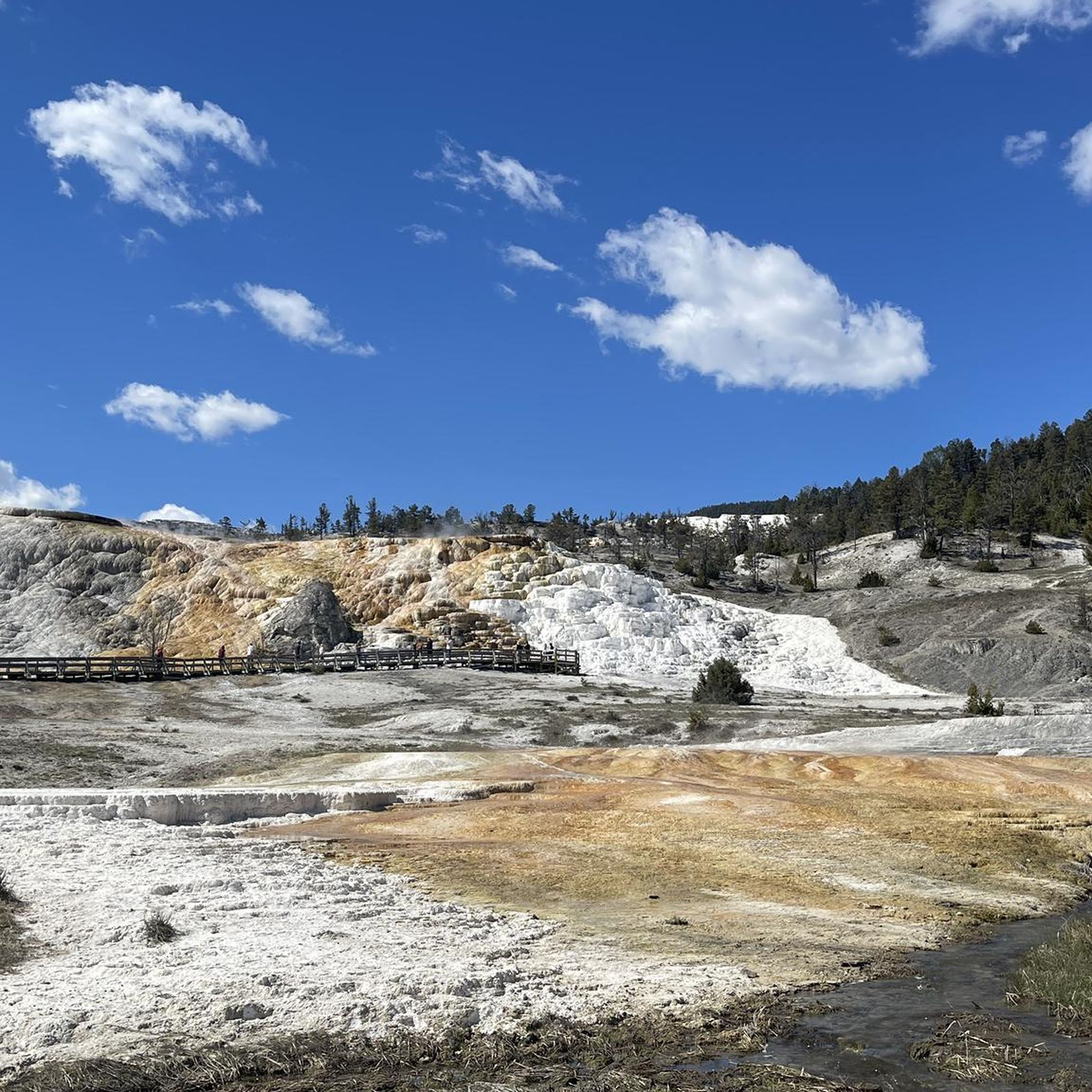
Mammoth Hot Springs Terraces
Highlight • Natural Monument
Tip by

Mound Spring & Jupiter Terrace
Highlight • Natural Monument
Tip by

Sign up now to discover places like this
Get recommendations on the best single tracks, peaks, & plenty of other exciting outdoor places.
Sign up for free
Palette Springs
Highlight • Natural Monument
Tip by
Liberty Cap
Highlight • Natural Monument
Tip by
Canary Spring
Highlight • Natural Monument
Tip by

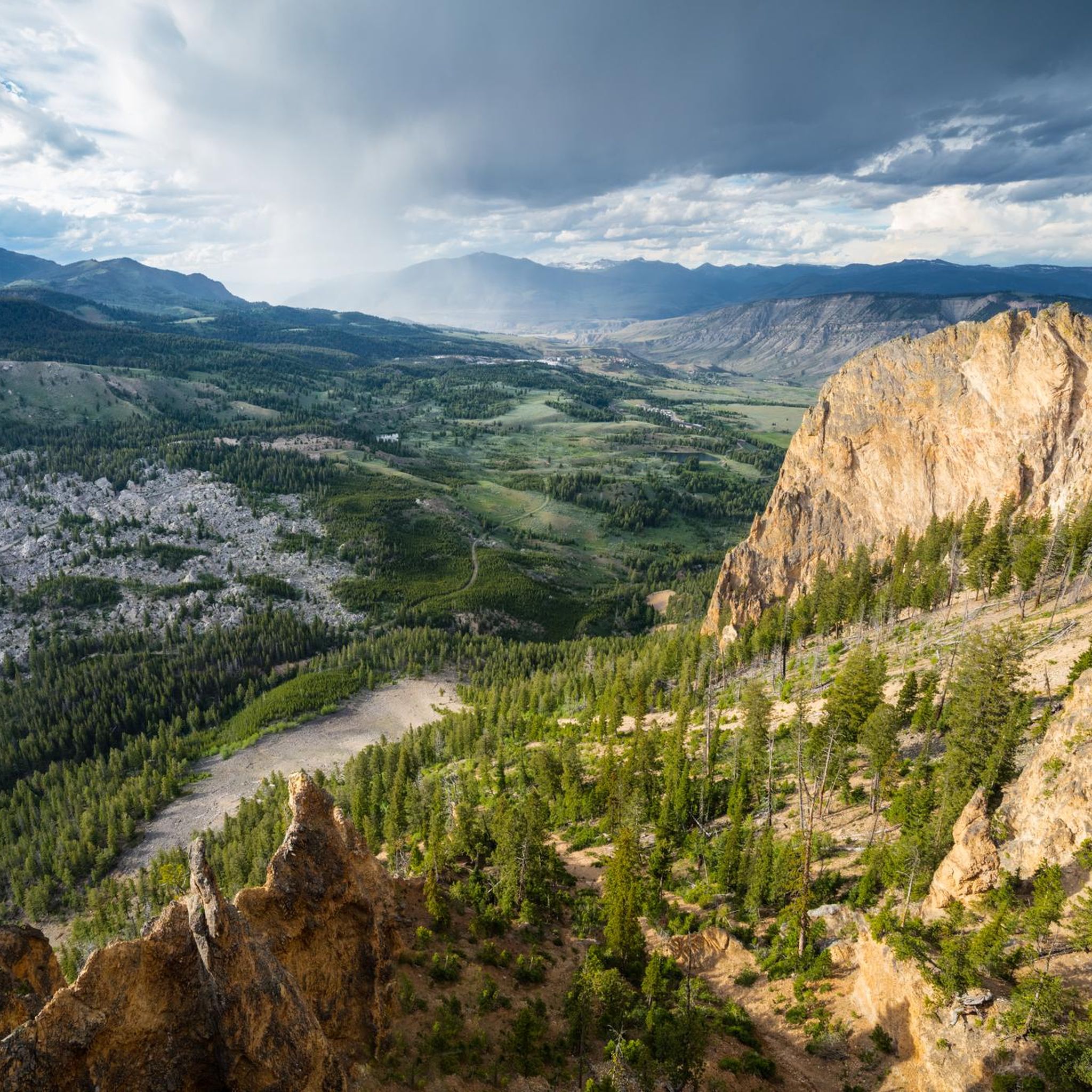
Mount Blackmore
Highlight • Summit
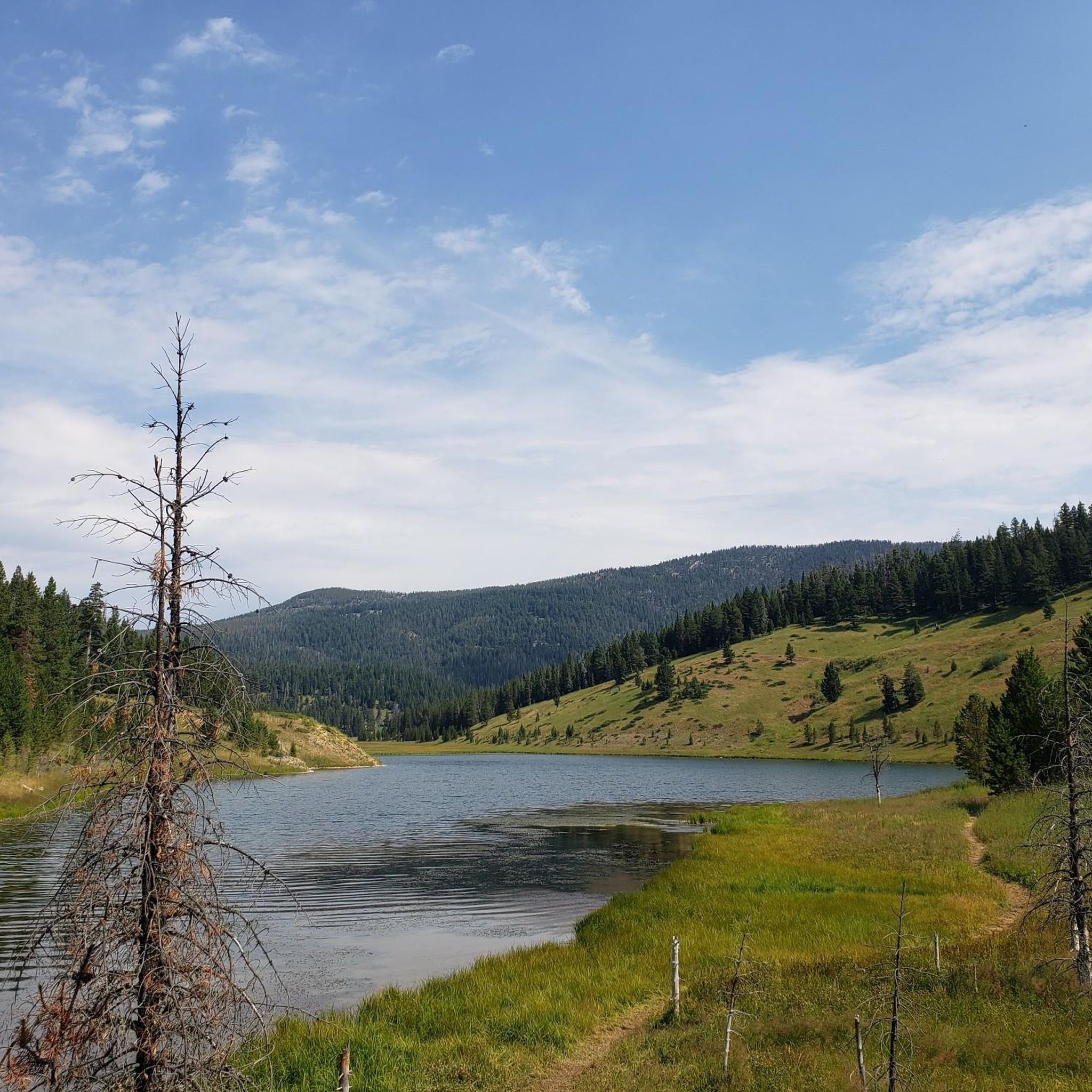
You can reach the top hiking the Blackmore Trail and the less ambitious hikers can stop to the Blackmore Lake.
Tip by

Storm Castle
Highlight • Summit
Tip by

Bear Lakes
Highlight (Segment) • Lake
Tip by

Grotto Falls
Highlight • Waterfall
Tip by
Chestnut Mountain
Highlight • Summit
Tip by
Sign up for free to discover even more natural monuments in the Gallatin Range.
Sign up for free
Already have an account?
Start today with a free account
Your next adventure awaits.
Login or Signup

Tips from the Community

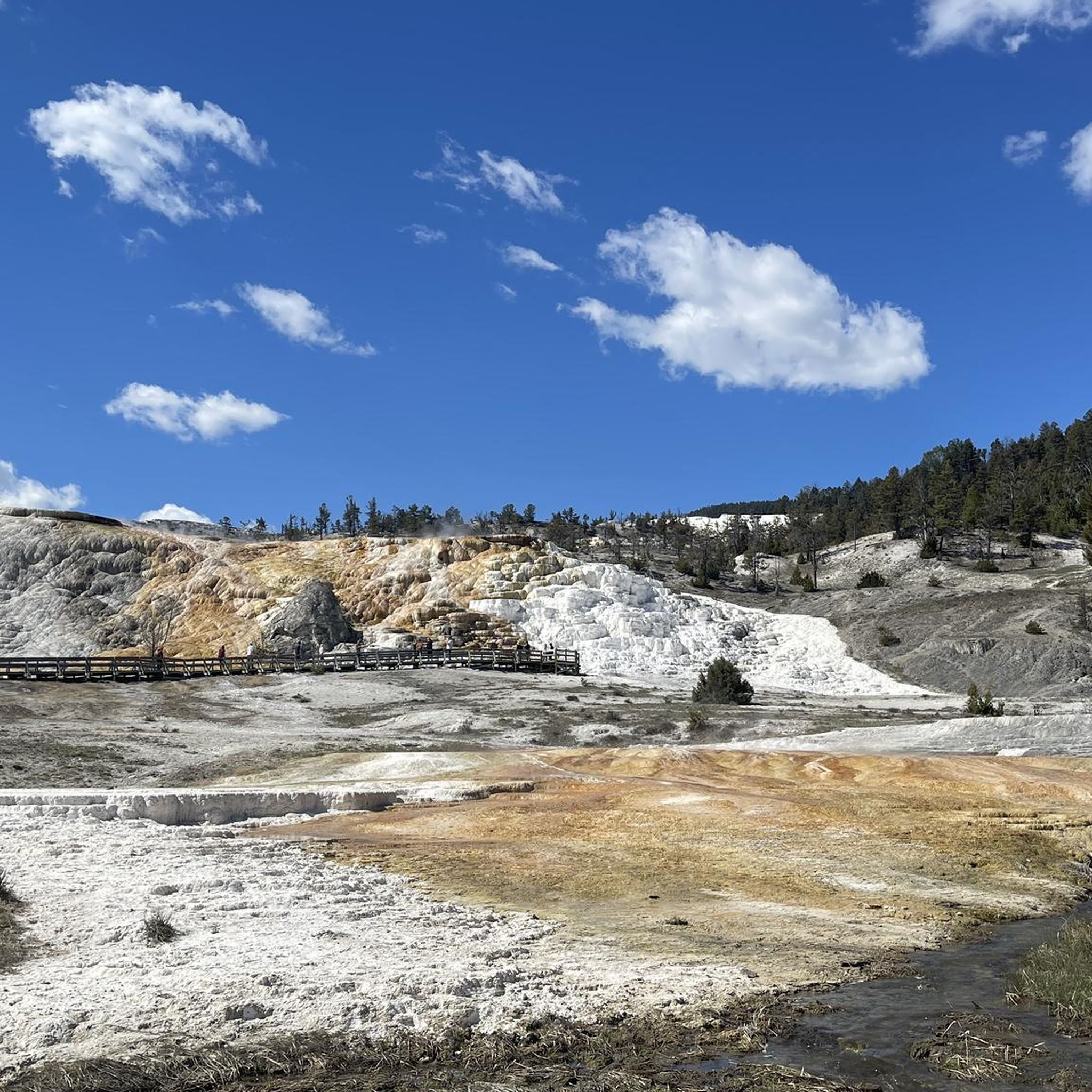
The area is situated in picturesque surroundings and looks almost like snow. Beautifully laid out with wooden boardwalks.
0
0
There are always unique and interesting structures to discover.
0
0

These are not like gushing geysers, but rather constantly changing formations made by hot, mineral-rich water. Jupiter Terrace used to flow a lot, even covering parts of the boardwalk. Mound Terrace was quiet for many years but has recently started flowing again, creating new patterns on the rock.
0
0

One of the many highlights in Yellowstone NP. A must-see.
0
0

Great nontechnical hike to the summit of one of Bozeman's iconic southern peaks. A few stream crossings for filtration if you want to go light. Some steeper grades just up from the lake, but mostly very manageable grades, gorgeous views! Mountain goats were seen as well. Highly recommended.
1
0
Gorgeous Canary Spring, one of my favorite spots on the Mammoth Hot Springs area of Yellowstone National Park. Some steps are involved with the boardwalk. Enjoy and make sure you bring a good camera!
0
0
These are easy hikes, some are accessible for handicapped persons and wheelchairs, but not all. Make sure you take the time to hike down the boardwalk to see the Canary Spring side (you can see from my photos, the lovely terraces that you can see close up).
0
0

Grotto Falls is the first of many (nine named) waterfalls on the way up Hyalite Creek Trail towards Hyalite Peak. The trail leading to the falls is easy and wheelchair accessible, and you can even make your way down to the base of the falls to feel water spraying off of the rock walls.
0
0
Frequently Asked Questions
What types of natural features can I expect to see in the Gallatin Range?
The Gallatin Range offers a diverse array of natural features, from geothermal wonders like the Mammoth Hot Springs Terraces and Palette Springs, to towering peaks such as Electric Peak and Mount Blackmore. You'll also find ancient geological sites like the Gallatin Petrified Forest, scenic rivers like the Gallatin River, and beautiful alpine lakes such as Bear Lakes.
Are there family-friendly natural monuments in the Gallatin Range?
Yes, several natural monuments in the Gallatin Range are suitable for families. The geothermal features like Mammoth Hot Springs Terraces, Mound Spring & Jupiter Terrace, and Palette Springs are often enjoyed by all ages. Liberty Cap, an ancient rock formation, is also easily accessible. For a gentle walk, Grotto Falls is wheelchair accessible and offers a pleasant experience.
Where can I find unique geological formations in the Gallatin Range?
The Gallatin Range is rich in unique geological formations. The Mammoth Hot Springs Terraces are a prime example, with their stunning travertine formations. You can also explore Mound Spring & Jupiter Terrace and Palette Springs for constantly changing mineral deposits. For a glimpse into ancient history, the Gallatin Petrified Forest features 50-million-year-old fossilized trees, many still standing upright.
What are some notable peaks or summits to explore in the Gallatin Range?
The Gallatin Range boasts several impressive peaks. Electric Peak, at 10,969 feet, is the highest point and offers challenging hikes with panoramic views. Other notable summits include Mount Blackmore, Storm Castle, and Chestnut Mountain, all providing rewarding hiking experiences and scenic vistas.
What outdoor activities can I do near the natural monuments in the Gallatin Range?
Near the natural monuments, you can enjoy a variety of outdoor activities. Hiking is very popular, with trails ranging from easy to challenging. The Gallatin River is excellent for fly-fishing and whitewater rafting. You can also find opportunities for road cycling and gravel biking. For detailed routes, explore the Hiking in the Gallatin Range, Road Cycling Routes in the Gallatin Range, and Gravel biking in the Gallatin Range guides.
Are there hiking trails near these natural monuments?
Yes, there are numerous hiking trails. For instance, you can explore the Mammoth Hot Springs Terraces via dedicated trails. The Gallatin Petrified Forest has a 2-mile interpretive trail. For more strenuous options, trails lead to summits like Electric Peak, Mount Blackmore, and Hyalite Peak. You can find many more options in the Hiking in the Gallatin Range guide.
What is the best time to visit the natural monuments in the Gallatin Range?
The best time to visit largely depends on your desired activity. Summer (June to September) offers the most favorable weather for hiking and exploring high-altitude areas like Electric Peak and Hyalite Peak, with wildflowers often in bloom. Spring and fall can offer fewer crowds and beautiful scenery, though some higher trails might still have snow or be affected by early winter conditions. Winter provides opportunities for snowshoeing and cross-country skiing in certain areas, but many roads and trails may be inaccessible.
Can I see wildlife near the natural monuments?
The Gallatin Range is part of the Greater Yellowstone Ecosystem, making wildlife spotting a significant draw. You have a good chance of seeing elk, deer, and various bird species, especially along the Gallatin River and in forested areas. More elusive animals like grizzly bears, mountain goats, mountain lions, wolves, bison, and moose also inhabit the region, particularly in the more remote wilderness areas.
Are there any accessible natural monuments for visitors with limited mobility?
Yes, Grotto Falls is noted as wheelchair accessible, offering a pleasant experience for visitors with limited mobility. Some of the boardwalks around the geothermal features like Mammoth Hot Springs Terraces may also offer accessible sections, though it's always best to check specific conditions upon arrival.
What do visitors enjoy most about the natural monuments in the Gallatin Range?
Visitors frequently highlight the stunning panoramic views from summits like Mount Blackmore, the unique and ever-changing formations at geothermal sites such as Mammoth Hot Springs Terraces, and the educational experience of the Gallatin Petrified Forest. The opportunity for diverse outdoor activities, from challenging hikes to world-class fly-fishing on the Gallatin River, also contributes to the region's appeal. The abundant wildlife and the sheer natural beauty of the landscapes are consistently praised.
Are there any natural monuments related to water features?
Absolutely. The Gallatin River itself is a significant natural feature, renowned for its beauty and recreational opportunities like fly-fishing and whitewater rafting. Within the range, you can also visit Bear Lakes, offering serene alpine scenery, and Grotto Falls, a beautiful waterfall that is easily accessible.
What should I wear when hiking to natural monuments in the Gallatin Range?
When hiking in the Gallatin Range, it's crucial to dress in layers, as weather conditions can change rapidly, especially at higher elevations. Essential items include sturdy hiking boots, moisture-wicking clothing, a waterproof and windproof outer layer, and sun protection (hat, sunglasses, sunscreen). For challenging hikes to peaks like Electric Peak or Hyalite Peak, be prepared for alpine conditions, even in summer.
Most popular routes in the Gallatin Range
Most popular attractions in the Gallatin Range

Get inspired with the komoot mobile app


Explore more
Extend your search for the best caves by checking out these guides of the top ones in the Gallatin Range:
