Top 20 Natural Monuments in Tàtari/Sassari
Natural monuments in Tàtari/Sassari, located in northwestern Sardinia, offer diverse landscapes and unique ecosystems. The region features dramatic coastal cliffs, ancient caves, pristine islands, and mountainous terrain. These natural attractions provide opportunities to explore a rich tapestry of natural beauty and geological formations.
Best natural monuments in Tàtari/Sassari
- The most popular natural monuments is Cala Li Cossi Beach, a beach that is a very nice small bay. The beach is also a starting point for coastal hikes.
- Another must-see…
Last updated: April 28, 2026
Monte Limbara
Highlight • Summit
Translated by Google •
Tip by

Capo Testa
Highlight • Natural Monument
Translated by Google •
Tip by

Sign up now to discover places like this
Get recommendations on the best single tracks, peaks, & plenty of other exciting outdoor places.
Sign up for free
Cala Francese
Highlight • Beach
Translated by Google •
Tip by

Cala Grande (Valle della Luna)
Highlight (Segment) • Beach
Translated by Google •
Tip by

Spinosa Cove
Highlight • Beach
Translated by Google •
Tip by
Capo Caccia Cliffs
Highlight • Viewpoint
Translated by Google •
Tip by

Cala di l'Ea
Highlight • Beach
Translated by Google •
Tip by
Bear Rock (Roccia dell'Orso)
Highlight • Natural Monument
Translated by Google •
Tip by

Cala Li Cossi Beach
Highlight • Beach
Translated by Google •
Tip by

Granite Rock Formations
Highlight • Natural Monument
Translated by Google •
Tip by

Sign up for free to discover even more natural monuments in Tàtari/Sassari.
Sign up for free
Already have an account?
Start today with a free account
Your next adventure awaits.
Login or Signup
Popular around Tàtari/Sassari
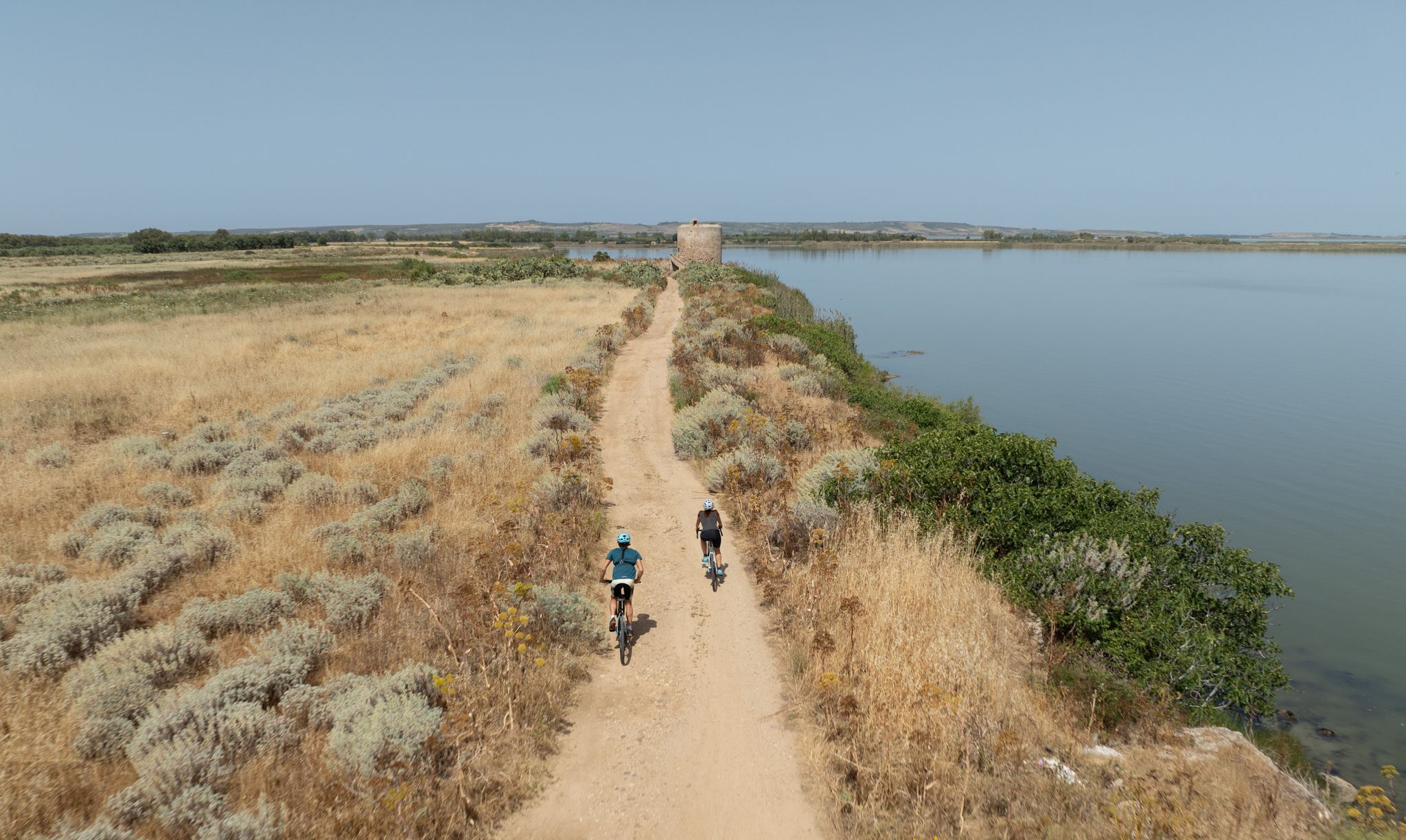
Discover wild Sardinia – 10 superb MTB Tours
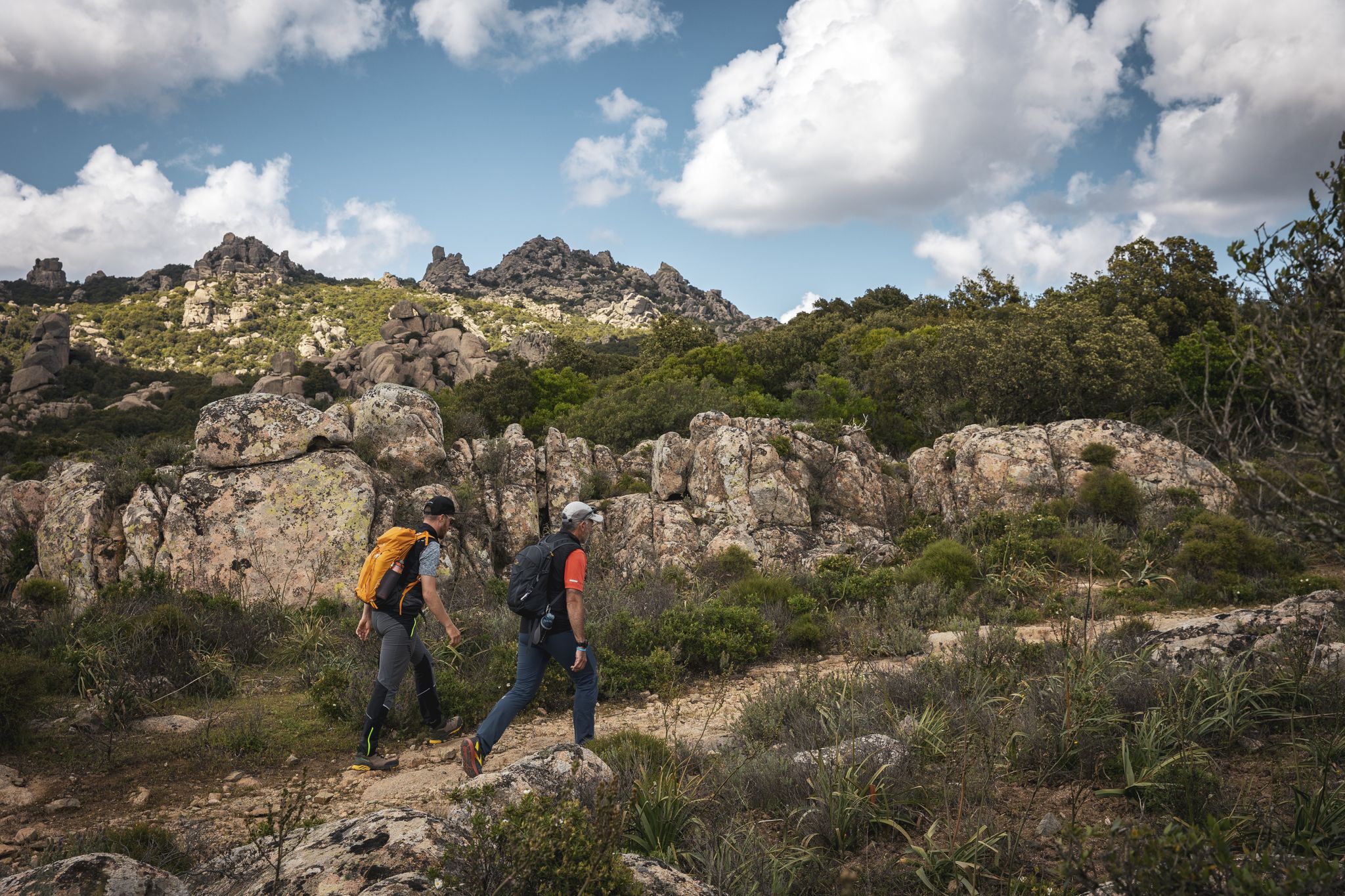
Eternal Sardinia – walks among the wonders of the hinterland
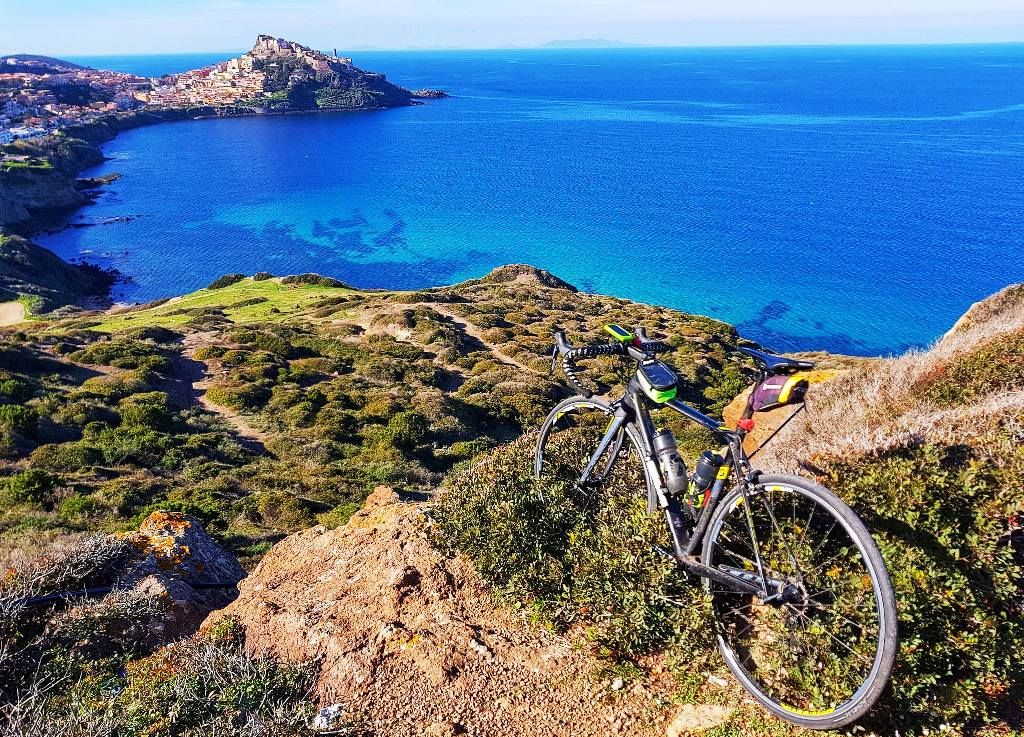
Sardinia by road bike – ten routes to discover the island
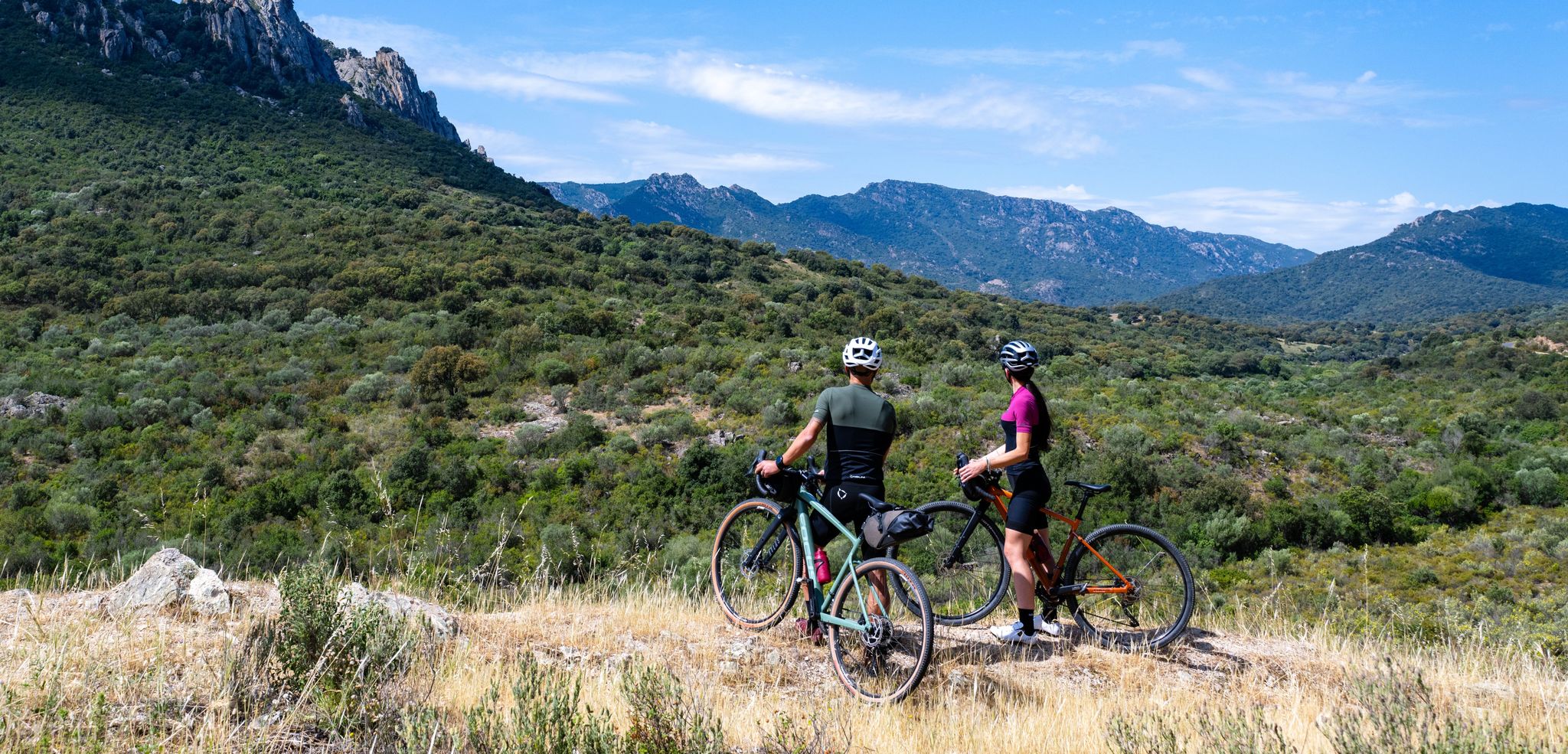
Sardinia by e-bike – enchanting landscapes and ancient culture
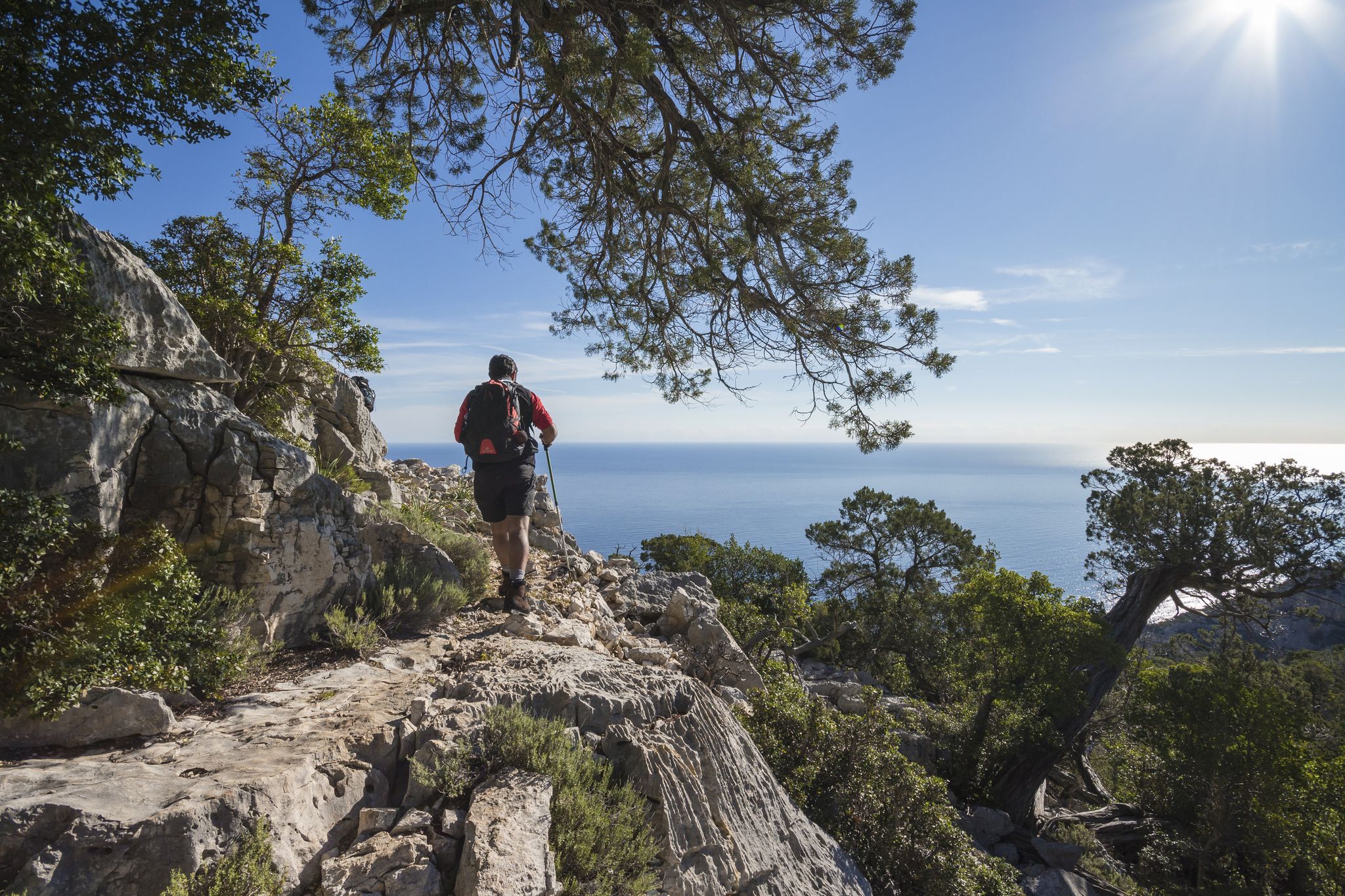
Magnificent Sardinia – day hikes overlooking the sea
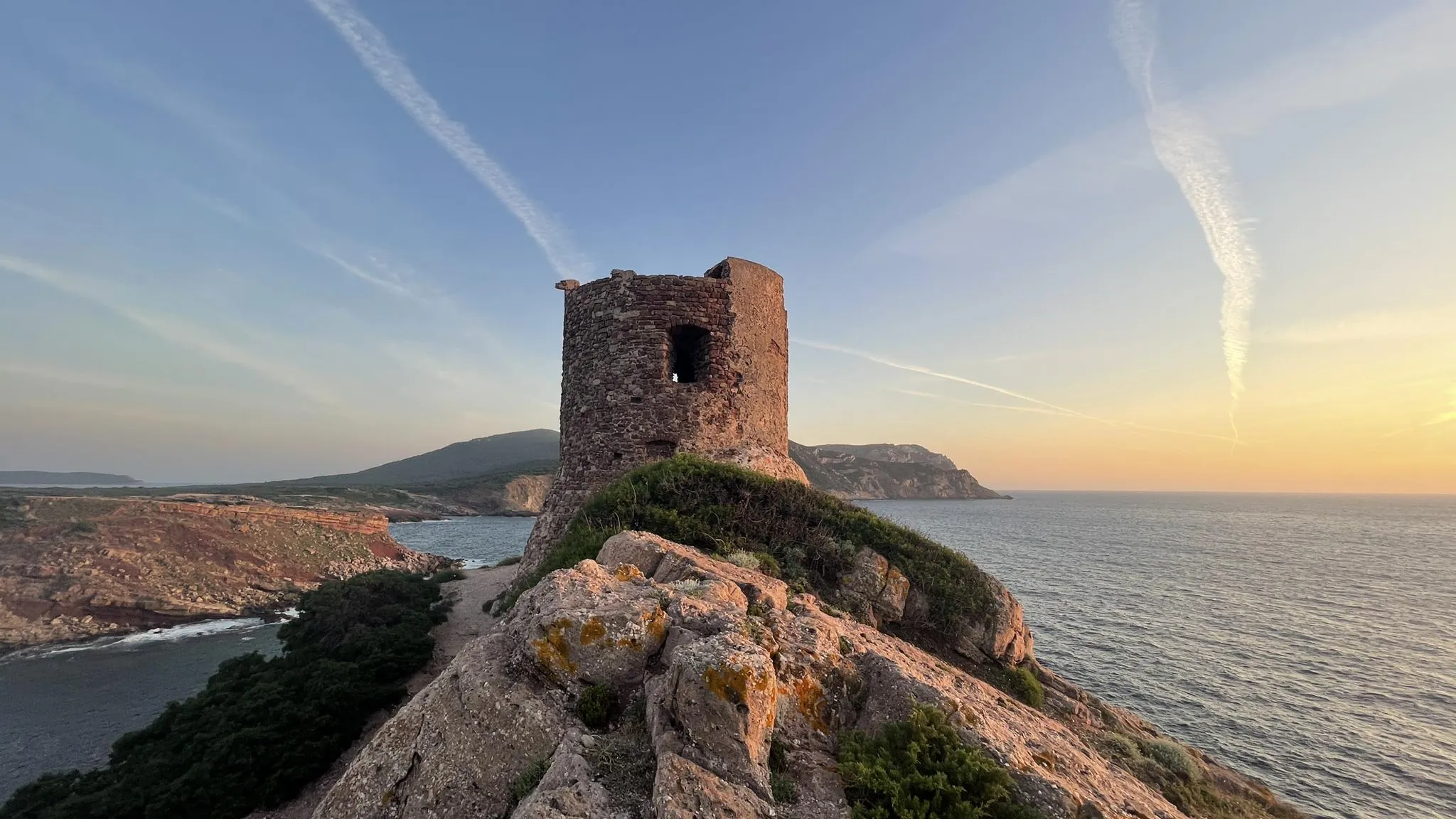
Castelsardo to Bosa Marina on the Via Catalana – Cammino 100 Torri
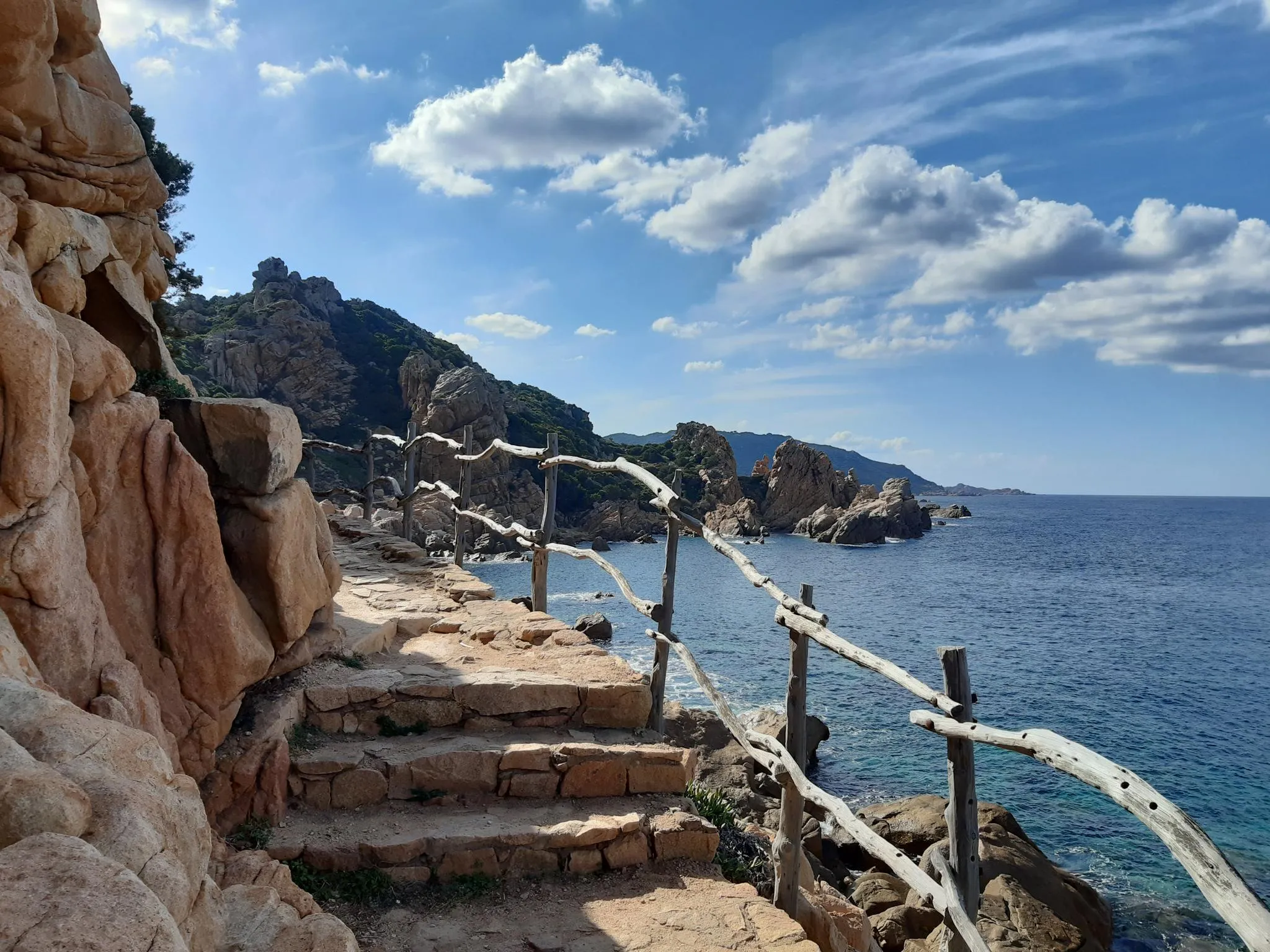
Budoni to Castelsardo on Italy's Via Gallura – Cammino 100 Torri
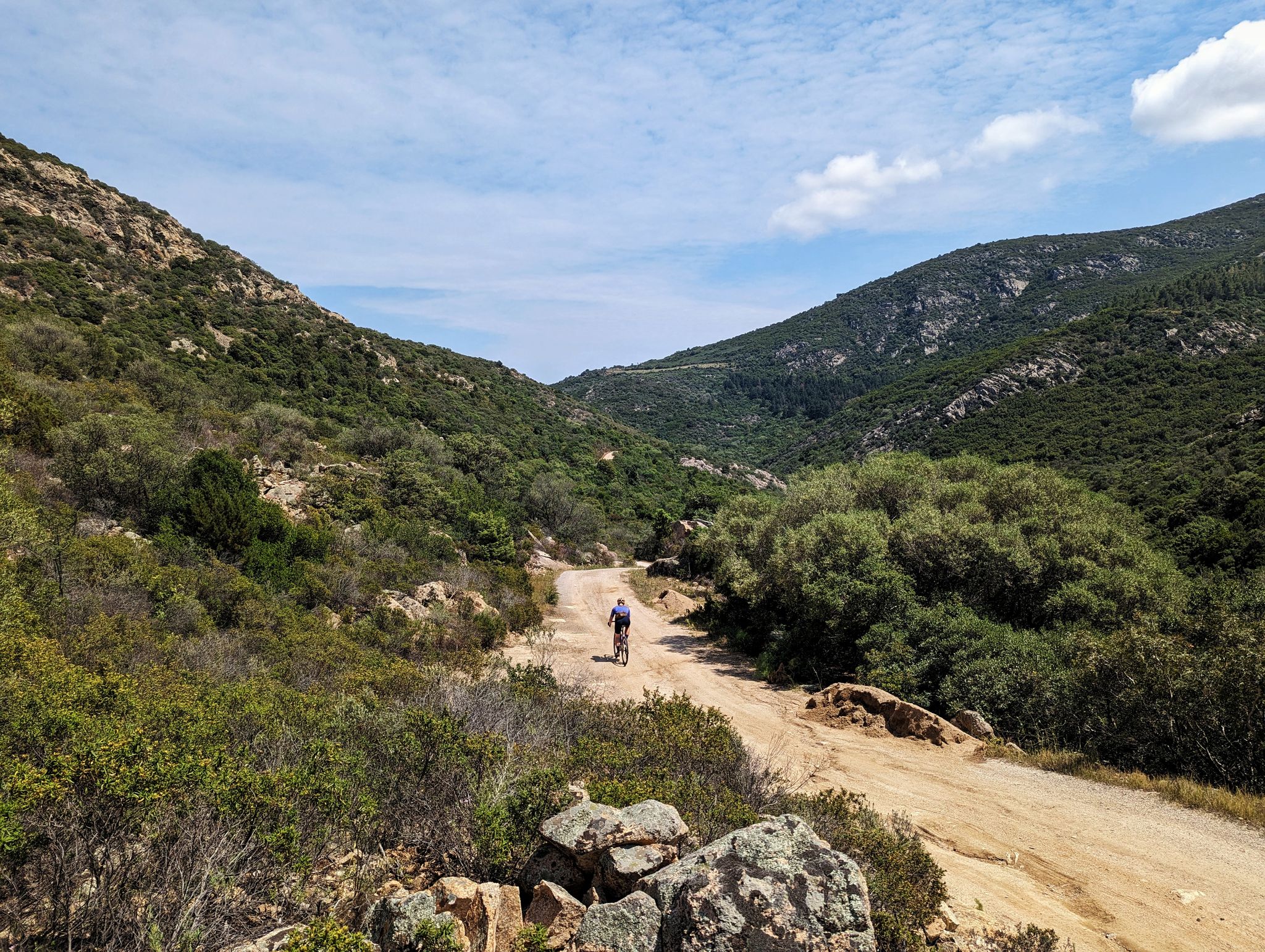
Glorious gravel in Sardinia — three day routes from Olbia
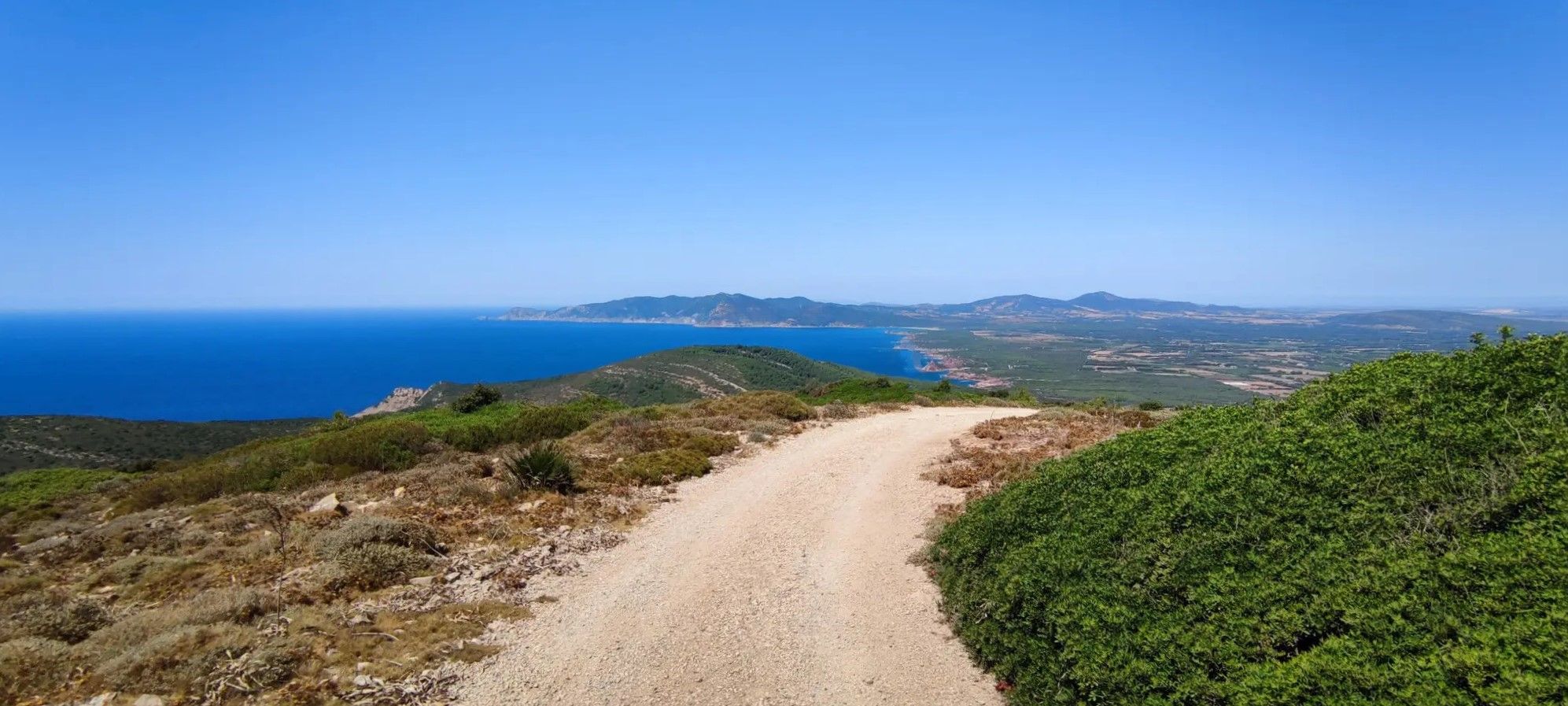
By the sea on Sardinian cliffs – Nurra Trail
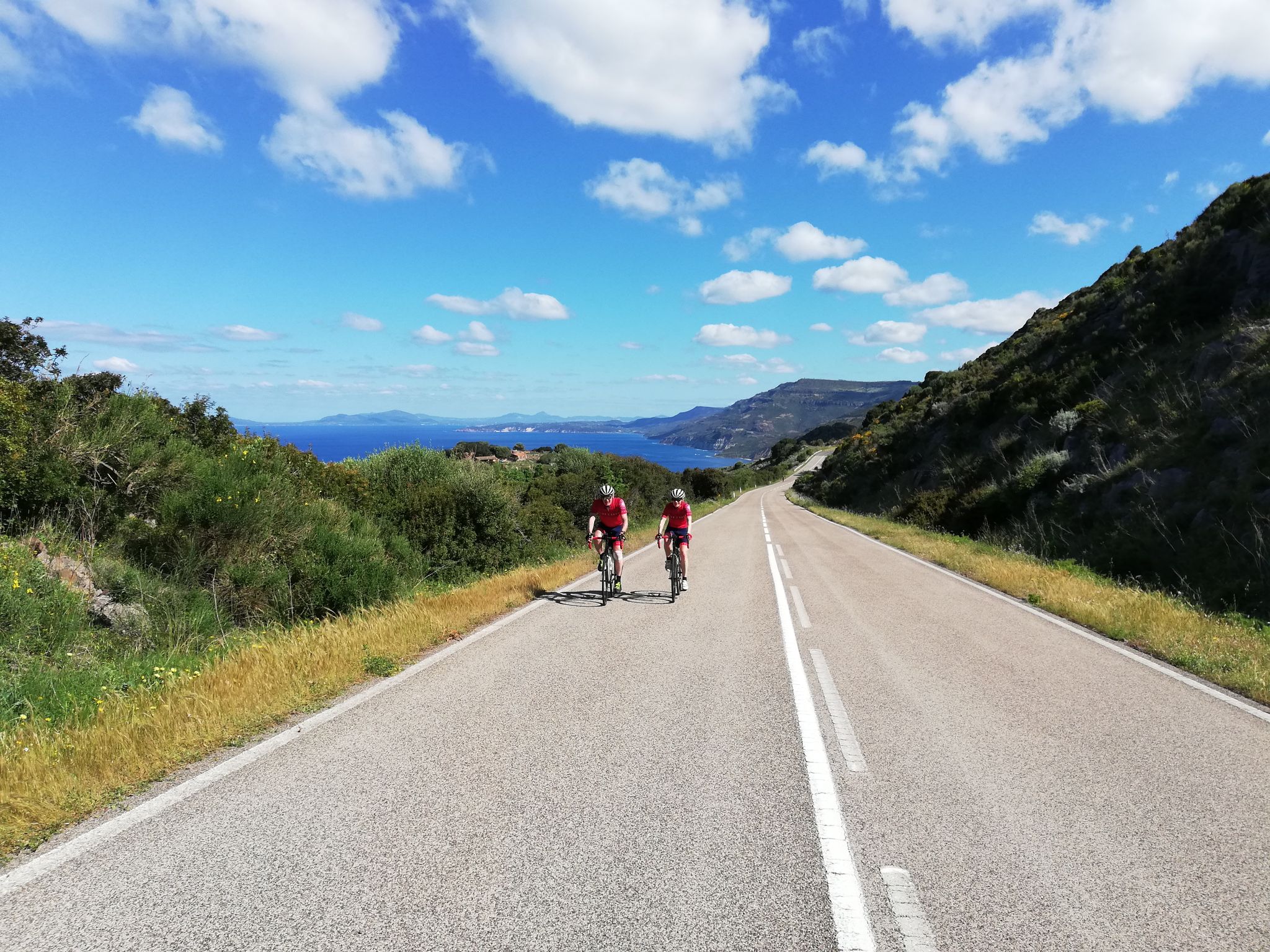
Amazing views on perfectly smooth asphalt - road bike tours in Sardinia
Other adventures in Tàtari/Sassari


Tips from the Community

A beautiful, small, and quiet bay behind the lighthouses. The beach consists of fine pebbles.
0
0

Magnificent views, bring water and suitable footwear. Follow the blue dots on the rocks if the path seems uncertain.
0
0

The grotto is one meter above sea level at the foot of a 110 meter high steep rock face and can only be visited when the sea is calm. It can be reached via a staircase with 654 steps in the almost vertical cliff, the Escala del Cabirol (German: deer ladder). Alternatively, you can take a less strenuous boat tour from Alghero or a nearby car park. Only a few hundred meters of the extensive, approximately four-kilometer-long cave system are accessible to the public. As part of a guided tour, you can view stalactite formations, calcareous sinter deposits and a small, approximately 120-meter-long saltwater lake that is connected to the sea. Explanations are given via permanently installed loudspeakers in Italian, English and German.
2
1
The Grotte di Nettuno (Neptune's Grotto) is a stalactite cave near Alghero in the metropolitan city of Sassari on the Italian island of Sardinia, near Capo Caccia, around which a maritime protected area extends.
2
0

If you want to visit the grotto, make sure you reserve in advance!!!
2
1

Cala Spinosa is a small corner of paradise, a splendid cove where the contrast between the bright colors of the sea, the warm granite rocks and the golden sand inspires a feeling of contemplation in the face of the beauty and power of nature. Intimate and uncontaminated, hidden and serene, this enchanting beach is located near the legendary lighthouse that watches over the Strait of Bonifacio.
1
0
Cala Grande, known as "Valley of the Moon" since the 1960s thanks to the hippy community that settled there, is a valley that slopes gently down to the sea, nestled between two granite ridges. Here there are wonderful coves with turquoise waters that contrast with the golden colors of the rocks and the green of the Mediterranean scrub. This 500 meter expanse received its nickname for a very specific reason. Walking through this fascinating landscape, you may feel like you're on another planet. But the experience is deeply earthly and will give you incredible moments.
1
0

Cap in the northwest of Sardinia. Starting point for the Grotto di Nettuno, a much-visited stalactite cave that can be reached via about 600 steps.
3
0
Frequently Asked Questions
What are some unique natural features to explore in Tàtari/Sassari?
Tàtari/Sassari offers a diverse range of natural features. You can explore the dramatic coastal cliffs of Capo Caccia, the ancient marine cave system of Neptune's Grotto, or the pristine island ecosystem of Asinara National Park. The region also features the highest mountain range, Monte Limbara, and distinctive rock formations like Bear Rock (Roccia dell'Orso) and Roccia dell'Elefante.
Are there any natural monuments with historical significance in the region?
Yes, several natural monuments in Tàtari/Sassari also hold historical significance. The Roccia dell'Elefante, for instance, contains five Neolithic tombs dating back 5,000 years. Asinara National Park has a unique history as a former penal colony, which contributed to its untouched natural state. Additionally, within Porto Conte Regional Natural Park, you can find historical sites like the Nuraghe Palmavera, connecting visitors with the region's cultural past.
What kind of outdoor activities can I do near the natural monuments?
The natural monuments in Tàtari/Sassari provide excellent opportunities for various outdoor activities. You can enjoy hiking, birdwatching, and diving in Porto Conte Regional Natural Park. Asinara National Park is ideal for biking, horse riding, hiking, boating, canoeing, 4x4 tours, and scuba diving. For more structured routes, explore options like the Mountain Hikes in Tàtari/Sassari or Gravel biking in Tàtari/Sassari guides.
Are there family-friendly natural monuments in Tàtari/Sassari?
Many natural monuments offer family-friendly experiences. Cala Li Cossi Beach is noted as family-friendly and is a great starting point for coastal hikes. Porto Conte Regional Natural Park offers diverse ecosystems suitable for family exploration, including easy trails and birdwatching opportunities. The unique shape of Roccia dell'Elefante can also be a fun and quick stop for families.
Can I visit marine protected areas in Tàtari/Sassari?
Absolutely. The Capo Caccia - Isola Piana Marine Protected Area is a significant sanctuary for biodiversity, encompassing the dramatic cliffs of Capo Caccia and Neptune's Grotto. Asinara National Park also includes a rich marine protected area with diverse seabeds and opportunities for diving. Porto Conte Regional Natural Park features a marine area where divers can explore unique underwater formations and caves.
What is the best time of year to visit the natural monuments in Tàtari/Sassari?
The best time to visit the natural monuments largely depends on the activity. For hiking in the Monte Limbara mountain range, the period between May and October is recommended. Coastal areas and beaches are most enjoyable during the warmer months, typically from late spring to early autumn, for swimming and sunbathing. However, the region's natural beauty can be appreciated year-round, with even snow-covered peaks in winter offering a charming sight.
Are there any natural monuments known for their dramatic coastal views?
Yes, Tàtari/Sassari is renowned for its stunning coastal natural monuments. Capo Caccia is a majestic limestone promontory with vertiginous white cliffs plunging into the Mediterranean, offering breathtaking vistas. Capo Testa Rock Formations and Lighthouse also provides spectacular coastal views and unique geological features. Porto Conte Regional Natural Park boasts a 60-kilometer shoreline with a mesmerizing blend of sandy beaches and dramatic cliffs.
Where can I find unique rock formations in Tàtari/Sassari?
The region is home to several distinctive rock formations. The Roccia dell'Elefante near Castelsardo is a natural rock carved by wind into the shape of an elephant. Bear Rock (Roccia dell'Orso) is another famous natural monument with a unique shape. Additionally, Capo Testa Rock Formations and Lighthouse features impressive granite formations sculpted by nature.
Are there opportunities for hiking in the mountainous natural monuments?
Definitely. Monte Limbara, the highest mountain range in the region, offers several trekking routes, ranging from two and a half to four hours depending on the path. Hikers can enjoy panoramic views that, on clear days, extend as far as Corsica and Asinara Island. The slopes are densely forested, providing a varied hiking experience. You can find specific routes in the Mountain Hikes in Tàtari/Sassari guide.
What should I bring for a visit to the natural monuments?
For coastal and hiking areas, sturdy footwear is essential, especially for places with rough terrain or steps like the 'Escala del Cabirol' at Capo Caccia. Sun protection (hat, sunscreen) and plenty of water are crucial, particularly during warmer months. If you plan to explore caves or marine areas, check specific requirements for tours. For wildlife viewing, binoculars can enhance your experience.
Are dogs allowed at the natural monuments in Tàtari/Sassari?
Policies regarding dogs can vary by specific natural monument or protected area. While some natural areas might allow dogs on leash, others, especially marine protected areas or wildlife sanctuaries like Asinara National Park, may have restrictions to protect sensitive ecosystems. It's always best to check the specific regulations for each site before your visit.
How can I reach Neptune's Grotto at Capo Caccia?
Neptune's Grotto can be reached in two primary ways. You can take a boat trip directly to the grotto from Alghero, which offers a scenic approach by sea. Alternatively, for a more adventurous experience, you can descend the 654 steps of the 'Escala del Cabirol' (goat's steps), which are carved into the cliff face of Capo Caccia, leading directly to the grotto's entrance.
Are there any natural monuments that offer unique wildlife viewing opportunities?
Yes, several natural monuments are havens for wildlife. Asinara National Park is particularly notable, home to herds of wild horses, bighorn sheep, numerous bird species, and the distinctive albino donkey, which is a symbol of the island. Porto Conte Regional Natural Park's Calich lagoon is a vital habitat for various animal species, including over 150 identified bird species. The Capo Caccia - Isola Piana Marine Protected Area is also significant for its biodiversity, including one of the last colonies of griffon vultures.
Most popular routes in Tàtari/Sassari
Most popular attractions in Tàtari/Sassari

Get inspired with the komoot mobile app


Didn’t find what you were looking for?
Find even more amazing natural monuments in Tàtari/Sassari by checking out the top Highlights region by region:
Explore more
Extend your search for the best caves by checking out these guides of the top ones in Tàtari/Sassari:
