The best mountain hikes in Tàtari/Sassari
5.0
(1)
10
hikers
3
hikes
Mountaineering routes in Tàtari/Sassari traverse a diverse landscape in northern Sardinia. The region features rugged mountains, extensive coastlines, and dense forests. Notable geological features include limestone crags suitable for climbing and granite peaks such as those found in the Monte Limbara range. This varied terrain provides a range of opportunities for outdoor activities.
Best mountaineering routes in Tàtari/Sassari
- The most popular mountaineering route is Rio Pisciaroni Wooden Bridge – Vallicciola Sequoias loop from Vallicciola, a 6.1 miles (9.9 km)…
Last updated: June 24, 2026
5.0
(1)
4
hikers
9.90km
03:43
390m
380m
Moderate mountaineering route. Good fitness required. Mostly accessible paths. Sure-footedness required.
5
hikers
5.31km
02:21
330m
330m
Moderate mountaineering route. Good fitness required. Mostly accessible paths. Sure-footedness required.

Sign up for free
1
hikers
Moderate mountaineering route. Good fitness required. Mostly accessible paths. Sure-footedness required.
Our route recommendations are based on thousands of hikes, rides, and runs completed by other people on komoot.
Start today with a free account
Your next adventure awaits.
Login or Signup
Popular around Tàtari/Sassari
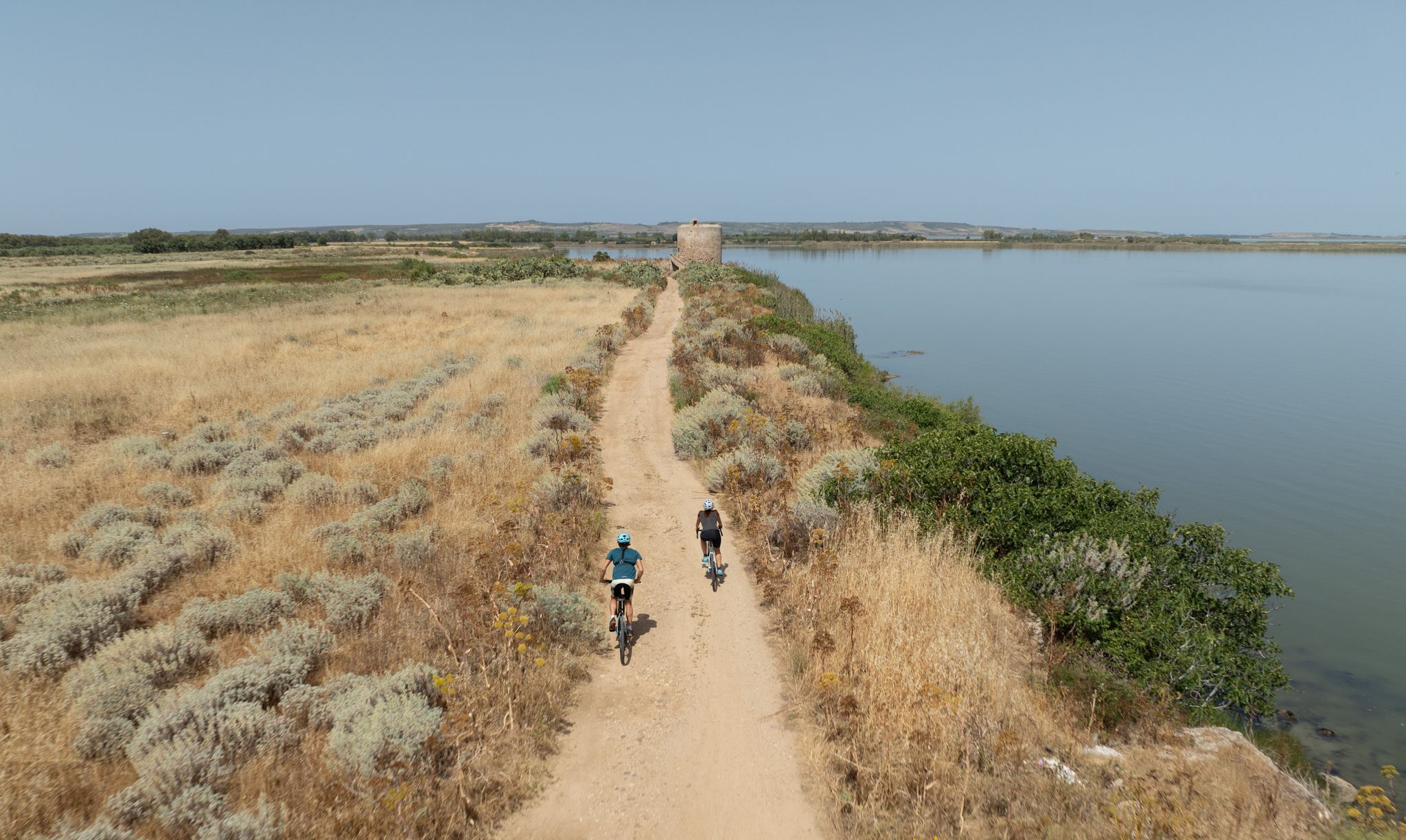
Discover wild Sardinia – 10 superb MTB Tours
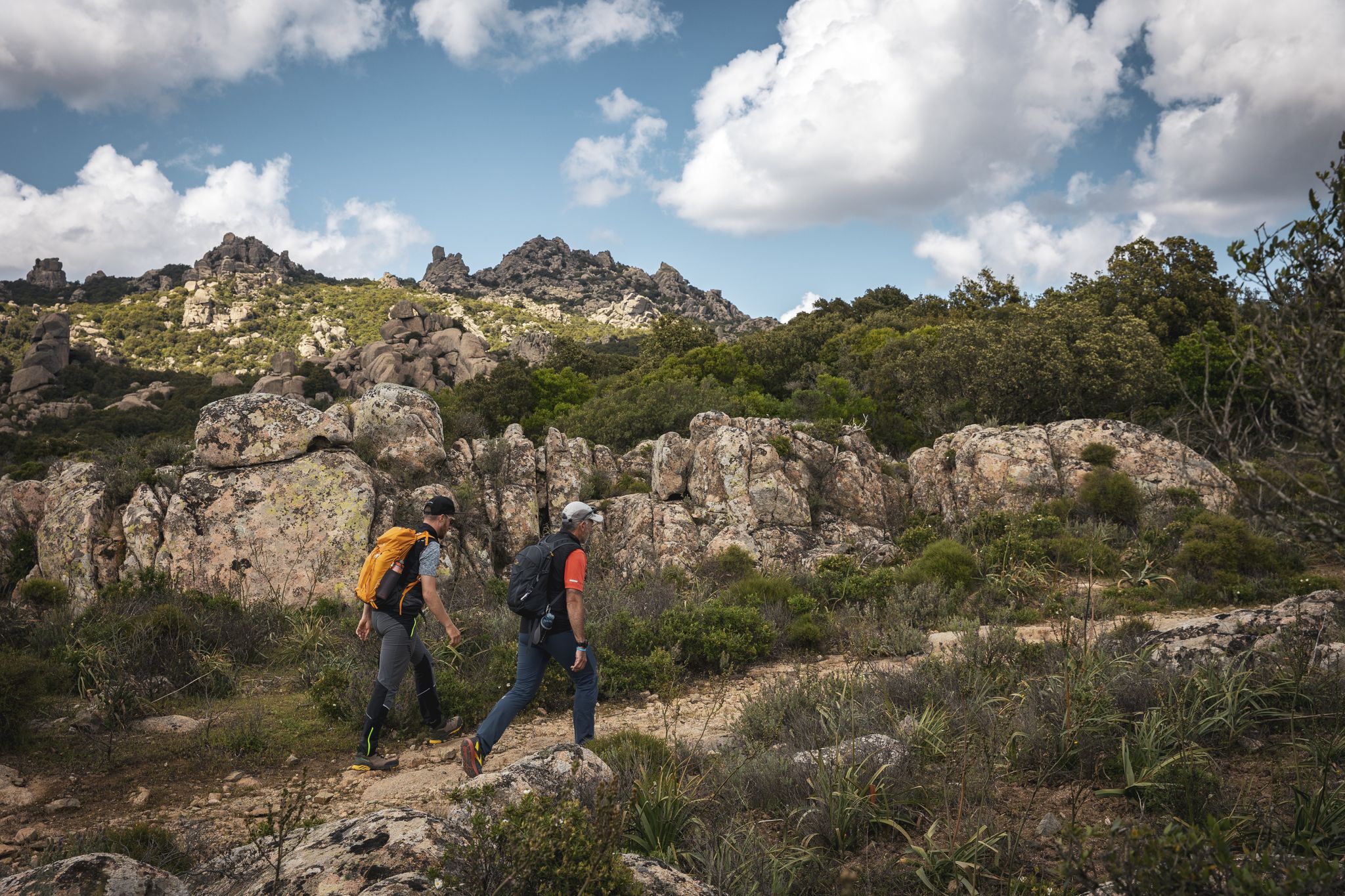
Eternal Sardinia – walks among the wonders of the hinterland
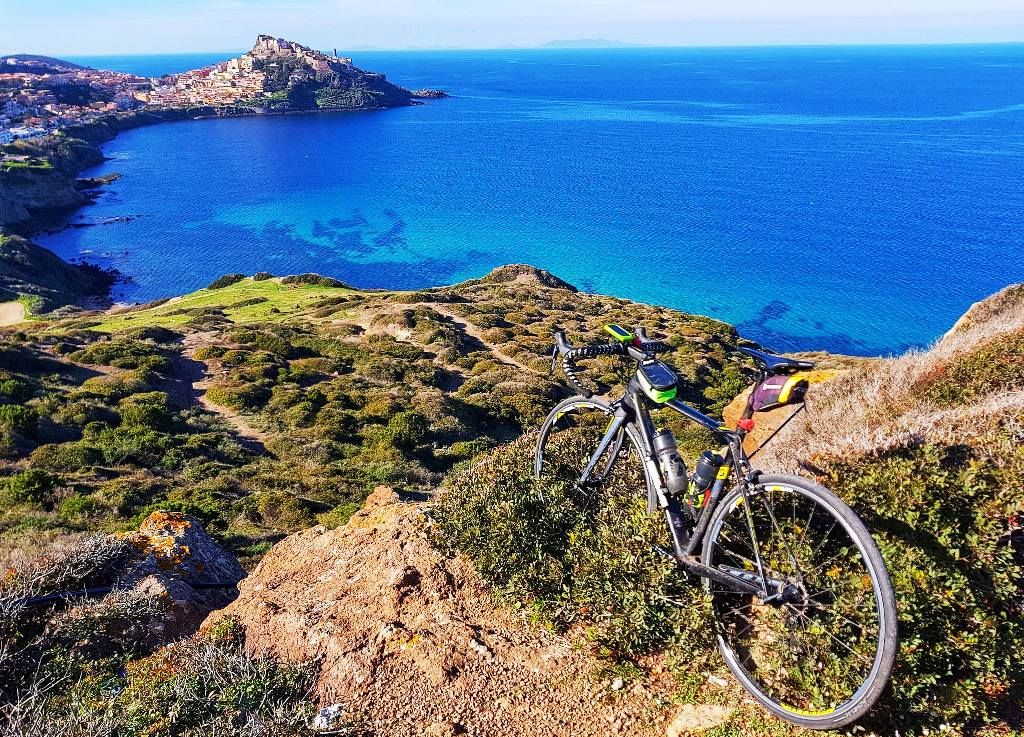
Sardinia by road bike – ten routes to discover the island
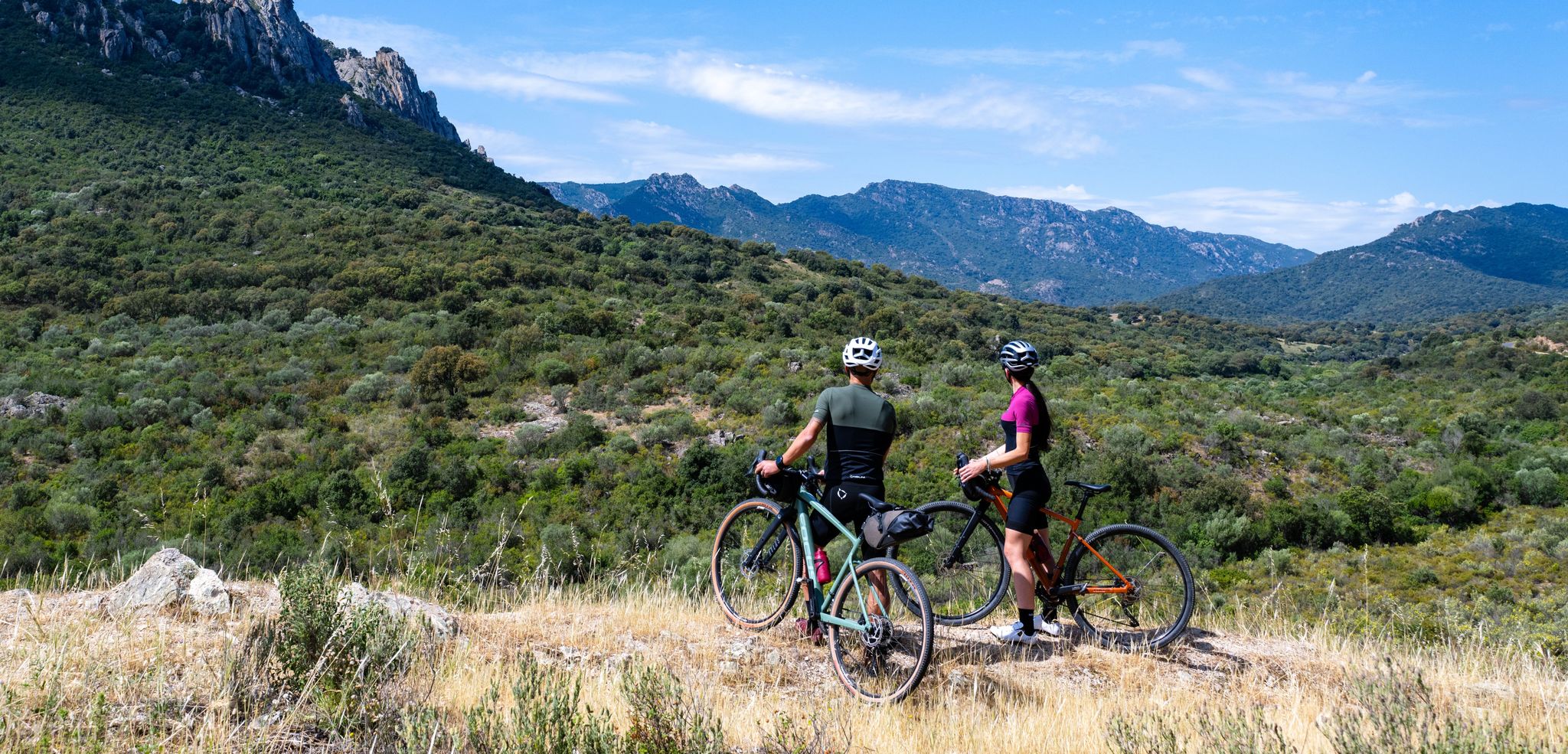
Sardinia by e-bike – enchanting landscapes and ancient culture
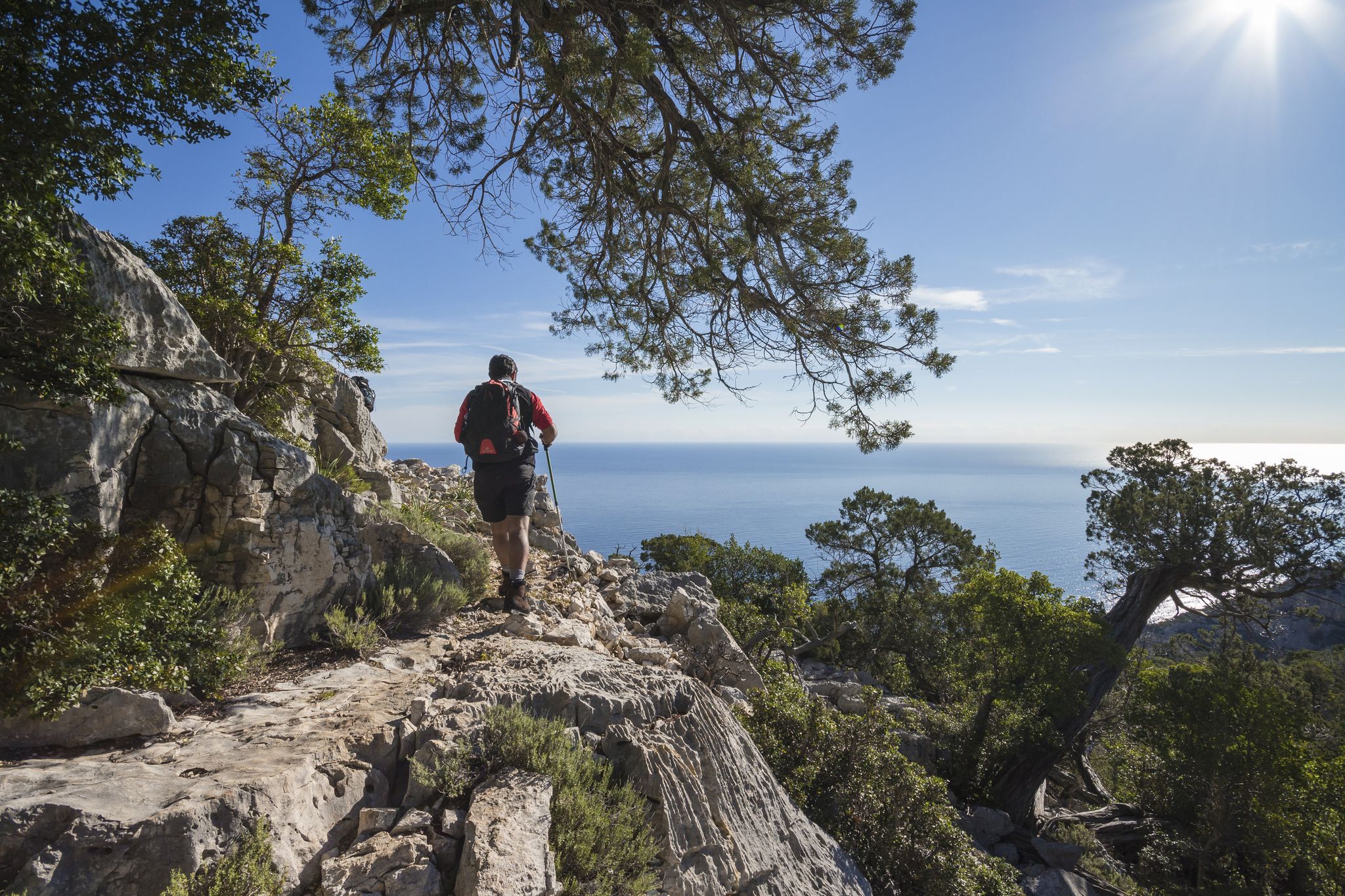
Magnificent Sardinia – day hikes overlooking the sea
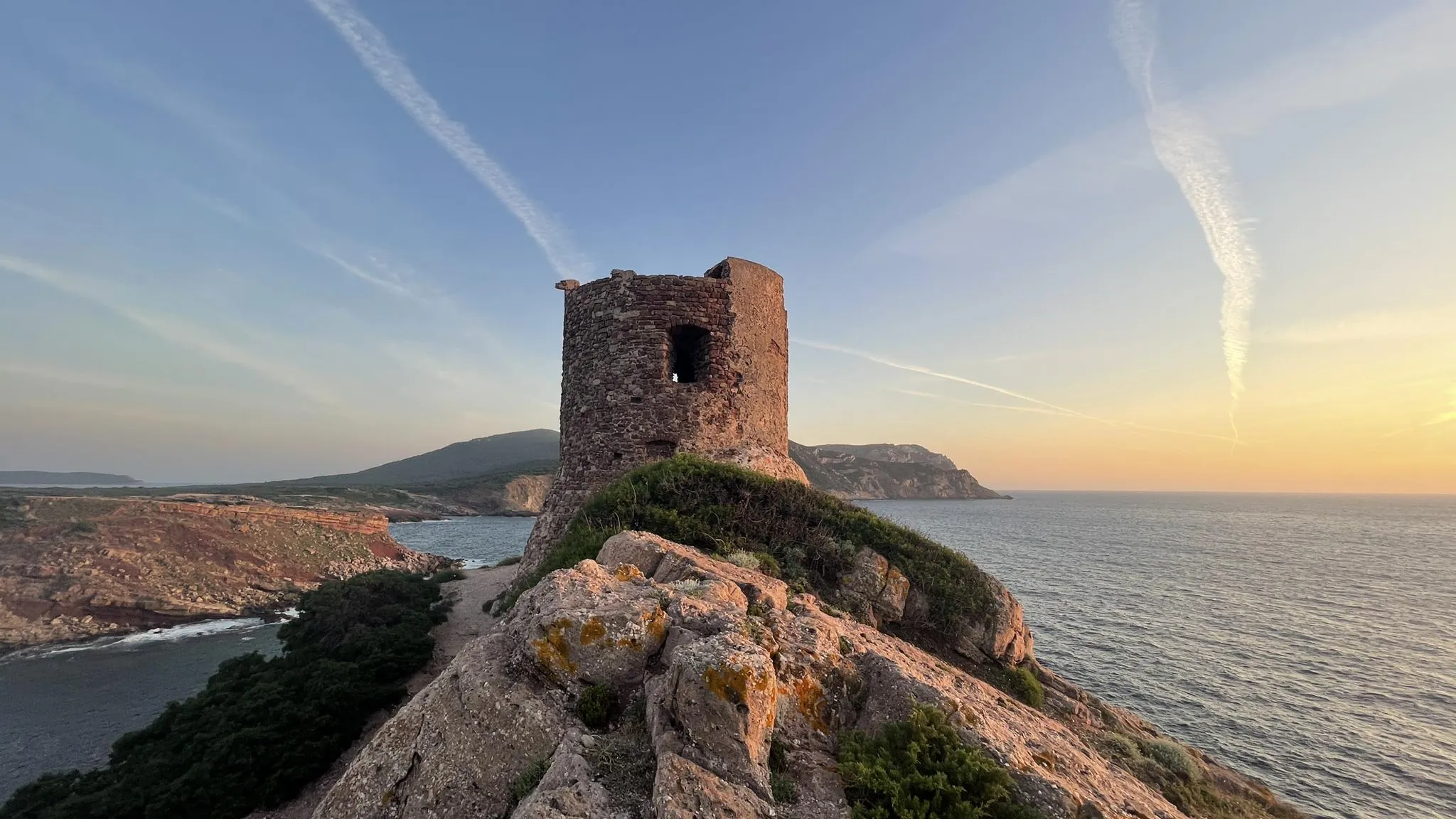
Castelsardo to Bosa Marina on the Via Catalana – Cammino 100 Torri
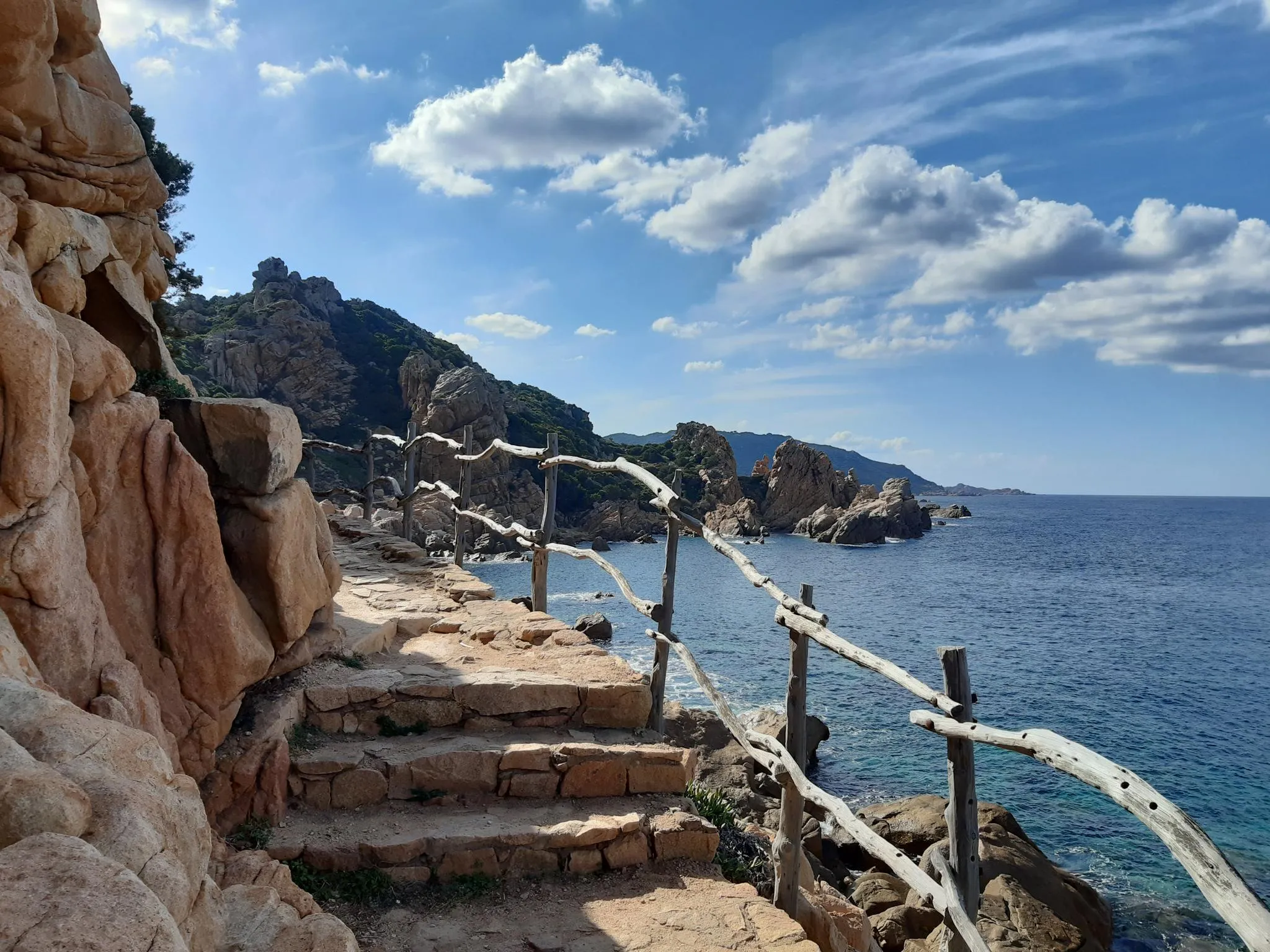
Budoni to Castelsardo on Italy's Via Gallura – Cammino 100 Torri
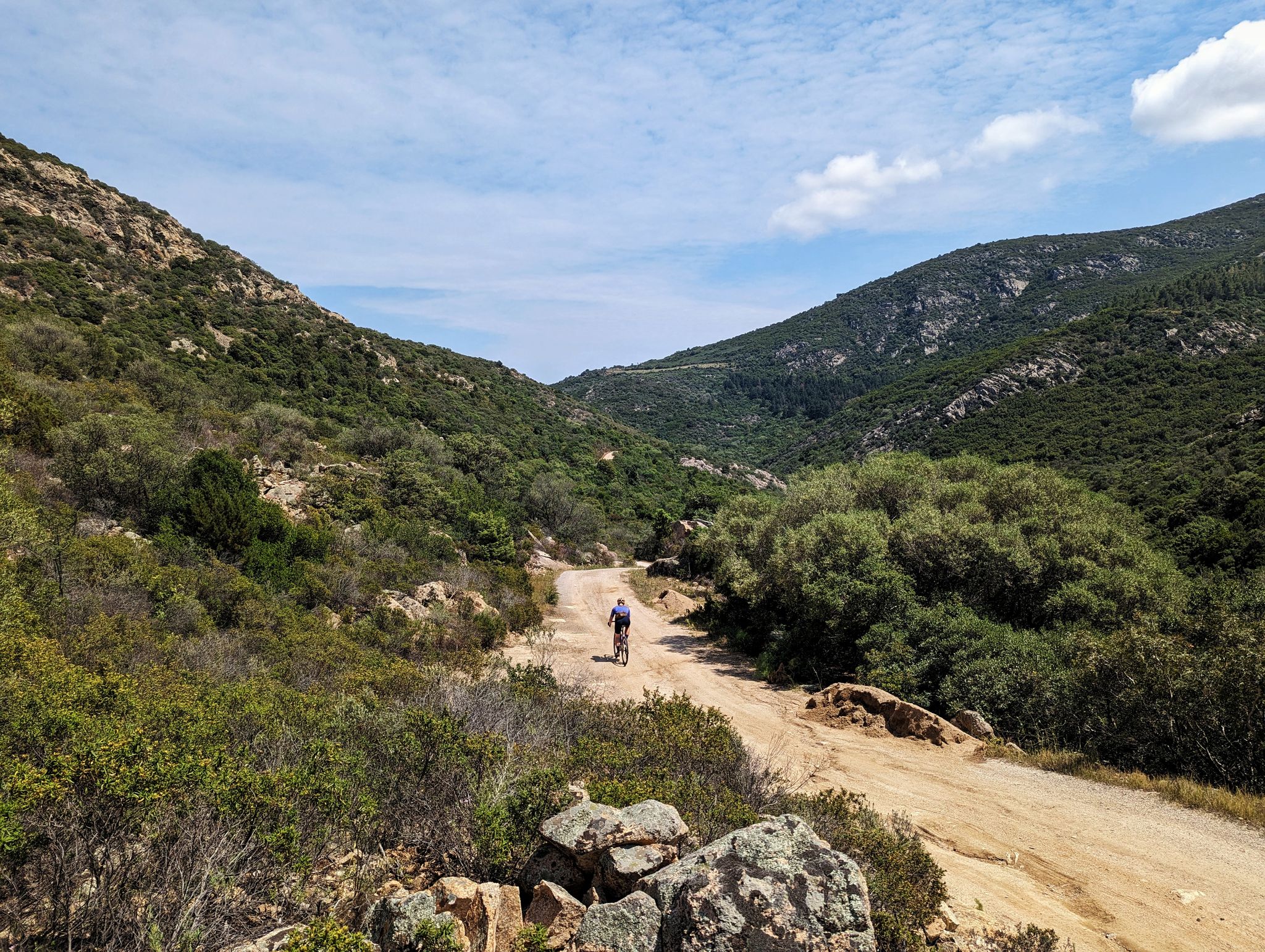
Glorious gravel in Sardinia — three day routes from Olbia
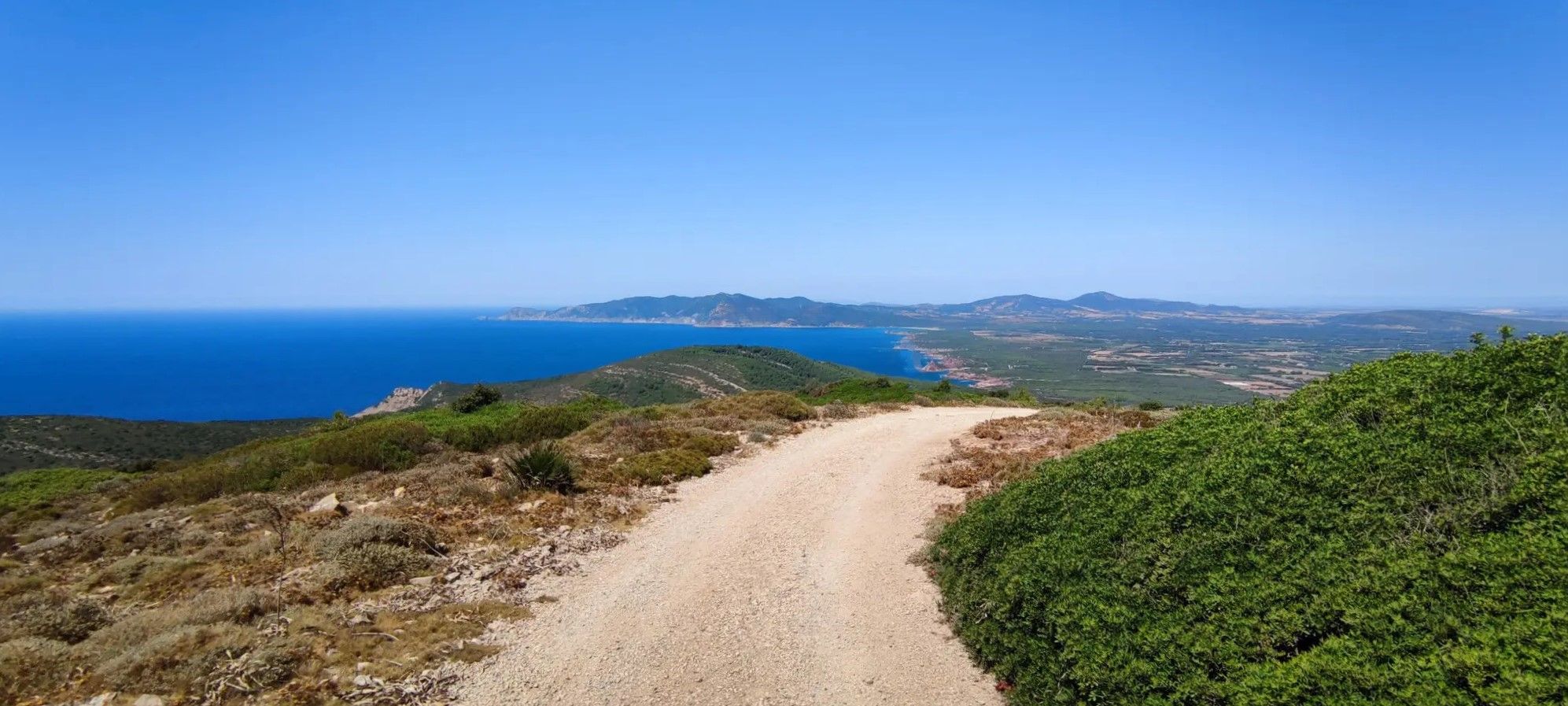
By the sea on Sardinian cliffs – Nurra Trail
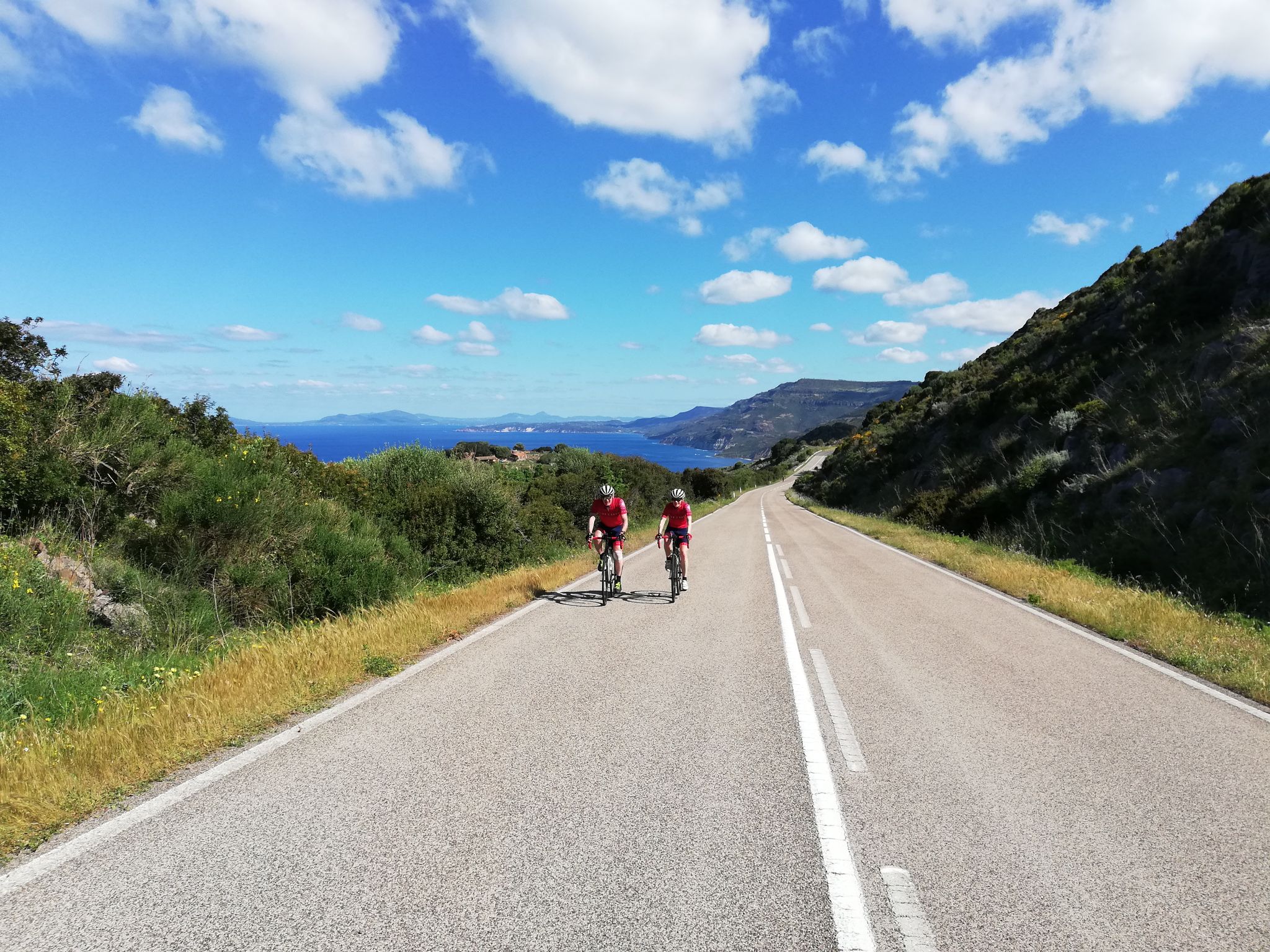
Amazing views on perfectly smooth asphalt - road bike tours in Sardinia
Other adventures in Tàtari/Sassari


Tips from the Community

Very good water quality! Refilling bottles is possible without any problems!
0
0


The patronage of "Our Lady of the Snows" – which, in my experience, is not all that common – indicates that this church was dedicated to the Blessed Virgin Mary, but not, as is usually the case, associated with one of her classic feast days (such as the Name of Mary, the Nativity, the Assumption, or as Queen of the Rosary). Rather, the search for the origin of "Our Lady of the Snows" leads us far back in church history to the fourth or fifth century, and geographically speaking, away from Sardinia to the Italian capital. On August 5, 363, at the site where the magnificent church of Santa Maria Maggiore stands today, the so-called "Miracle of the Snows" occurred. That is, on that day, in the middle of summer, snow lay on the ground in the morning because Our Lady wanted a church dedicated to her to be built on that spot. She communicated this wish in a nighttime vision to a wealthy couple – who financed the construction – and to the Bishop of Rome, Pope Liberius. The Roman church has the rank of a patriarchal basilica (papal basilica), and is the origin of all churches and chapels bearing this patronage. In the liturgical calendar of the Catholic Church, the date of August 5, the day of the church's consecration (in the year 432 by Pope Sixtus III), is a "non-obligatory memorial."
0
0

It's not really a "via ferrata" - but you need to have the ability to find your way and should be able to climb a bit to get to the top (and back down safely).
0
1

Even though it gets a bit steeper at this point and you might need to use your hands to help, this section was still easy to walk in October despite the rain. And the path is always visible. With good shoes and a bit of fitness, this climb can be mastered quite easily.
0
0
Frequently Asked Questions
What kind of terrain can I expect on mountaineering routes in Tàtari/Sassari?
Mountaineering in Tàtari/Sassari offers a diverse landscape. You'll find rugged mountains, extensive coastlines with dramatic cliffs, and dense forests. Notable geological features include limestone crags, ideal for climbing, and granite peaks, particularly in the Monte Limbara range. Routes like the Monte Nieddu loop explore rugged terrain, while the Rio Pisciaroni Wooden Bridge – Vallicciola Sequoias loop leads through forested areas, including sequoia groves.
Are there any challenging mountaineering routes in the Tàtari/Sassari region?
Yes, for those seeking a challenge, the Tàtari/Sassari region offers difficult routes. One such option is the Monte Nieddu loop from Sorgente Sos Pantamos, which is rated as difficult and explores rugged terrain over 5.7 km.
What are the best times of year for mountaineering in Tàtari/Sassari?
Sardinia, including the Tàtari/Sassari region, is recognized for its mild winter temperatures, making it an attractive year-round destination for outdoor activities. Spring and autumn generally offer the most pleasant weather for mountaineering, with comfortable temperatures and less intense sun than the summer months.
Are there any circular mountaineering routes available?
Yes, the region features several circular routes. For example, the Rio Pisciaroni Wooden Bridge – Vallicciola Sequoias loop from Vallicciola is a moderate 9.9 km circular trail. Another is the Monte Limbara – Statue of Madonna della Neve loop from Santa Maria de la Neve, a 6.7 km moderate loop through granite peaks.
What kind of natural features or landmarks can I see along the mountaineering routes?
The Tàtari/Sassari region is rich in natural beauty and historical sites. You can encounter dramatic sea cliffs like the Capo Caccia Cliffs, explore unique rock formations, or visit caves such as Neptune's Grotto. The Monte Limbara range offers panoramic views, potentially extending to Corsica and Asinara on clear days. You might also discover historical sites like The tomb of Molafà or various castles like Pedres Castle.
Are there opportunities for rock climbing in Tàtari/Sassari?
Absolutely. The Sassari area is a notable hub for rock climbing, primarily offering single-pitch sport routes on limestone crags. Near Alghero, the sea cliffs of Capo Caccia are particularly impressive, featuring multi-pitch sport routes up to 140 meters long. The climbing options range from easy grade 3 to challenging 8b routes, and the area also offers deep water soloing (DWS).
What are the options for public transport to access mountaineering areas like Monte Limbara or Capo Caccia?
While specific public transport routes directly to trailheads can be limited, major towns like Sassari and Alghero are connected by bus services. From these points, you might need to arrange local transport or a taxi to reach more remote mountaineering starting points such as those in Monte Limbara or Capo Caccia. It's advisable to check local bus schedules in advance for the most up-to-date information.
Are there any permits required for mountaineering in the Tàtari/Sassari region?
Generally, permits are not required for standard hiking and mountaineering on established trails in the Tàtari/Sassari region. However, if you plan to access protected areas like the Porto Conte Regional Park or the Northwest Sardinia Regional Natural Park, or engage in specific activities like deep water soloing in certain zones, it's always best to check with the local park authorities for any specific regulations or access requirements.
What do other mountaineers say about the routes in Tàtari/Sassari?
The mountaineering routes in Tàtari/Sassari are highly rated by the komoot community, with an average score of 5.0 stars. Users often praise the varied terrain, from rugged mountains to dense forests, and the opportunities to explore unique natural features like sequoia groves or granite peaks.
Are there any easy or beginner-friendly mountaineering routes in Tàtari/Sassari?
While the listed routes include moderate and difficult options, the region offers diverse landscapes suitable for various skill levels. For beginners, routes like the Monte Limbara – Statue of Madonna della Neve loop (6.7 km, moderate) provide a good introduction to the area's granite peaks without being overly strenuous. The Monte Limbara Regional Park also features six different trekking routes, some of which are less demanding.
Can I find places to explore nearby after a mountaineering trip?
Absolutely. The Tàtari/Sassari region offers many attractions. You can visit historical sites like Castelsardo Castle or explore the unique rock formations at Valle della Luna (Valley of the Moon) at Capo Testa. For a relaxing end to your day, the Monserrato Garden in Sassari provides a historical park for short walks. There are also numerous coastal paths and beaches, such as Porto Ferro, to enjoy.
What are the typical durations for mountaineering routes in Tàtari/Sassari?
The duration of mountaineering routes in Tàtari/Sassari varies depending on the trail's length and difficulty. For instance, the Monte Limbara – Statue of Madonna della Neve loop typically takes around 2 hours 8 minutes to complete, while the longer Rio Pisciaroni Wooden Bridge – Vallicciola Sequoias loop usually requires about 3 hours 43 minutes.
Most popular routes in Tàtari/Sassari
Most popular attractions in Tàtari/Sassari

Get inspired with the komoot mobile app


Explore more
Browse the best Mountain Hikes & Routes in other regions.
