Top 20 Natural Monuments in Illinois
Best natural monuments in Illinois showcase a diverse landscape, from ancient geological formations to unique ecosystems. The state features significant natural areas, including sandstone canyons, vast prairies, and wetlands. These sites offer insights into Illinois's natural heritage and provide opportunities for outdoor exploration. Many locations are recognized for their ecological importance and distinct geological features.
Best natural monuments in Illinois
- The most popular natural monument is Starved Rock, a natural monument characterized by numerous canyons. It features over 13…
Last updated: October 13, 2026
Buckingham Fountain
Highlight • Monument
Translated by Google •
Tip by

Wrigley Square & Millennium Monument
Highlight • Monument
Translated by Google •
Tip by

Sign up now to discover places like this
Get recommendations on the best single tracks, peaks, & plenty of other exciting outdoor places.
Crown Fountain, Millennium Park
Highlight • Monument
Translated by Google •
Tip by

Starved Rock
Highlight • Natural Monument
Tip by

Milton L Olive III Park
Highlight • Monument
Tip by

La Salle Canyon Waterfall
Highlight (Segment) • Waterfall
Tip by

Lover's Leap Overlook
Highlight • Viewpoint
Tip by
French Canyon
Highlight (Segment) • Canyon
Tip by
Fabyan Forest Preserve
Highlight • Forest
Tip by

Montrose Beach Dunes Natural Area
Highlight • Natural Monument
Tip by

Sign up for free to discover even more natural monuments in Illinois.
Already have an account?
Start today with a free account
Your next adventure awaits.
Popular around Illinois
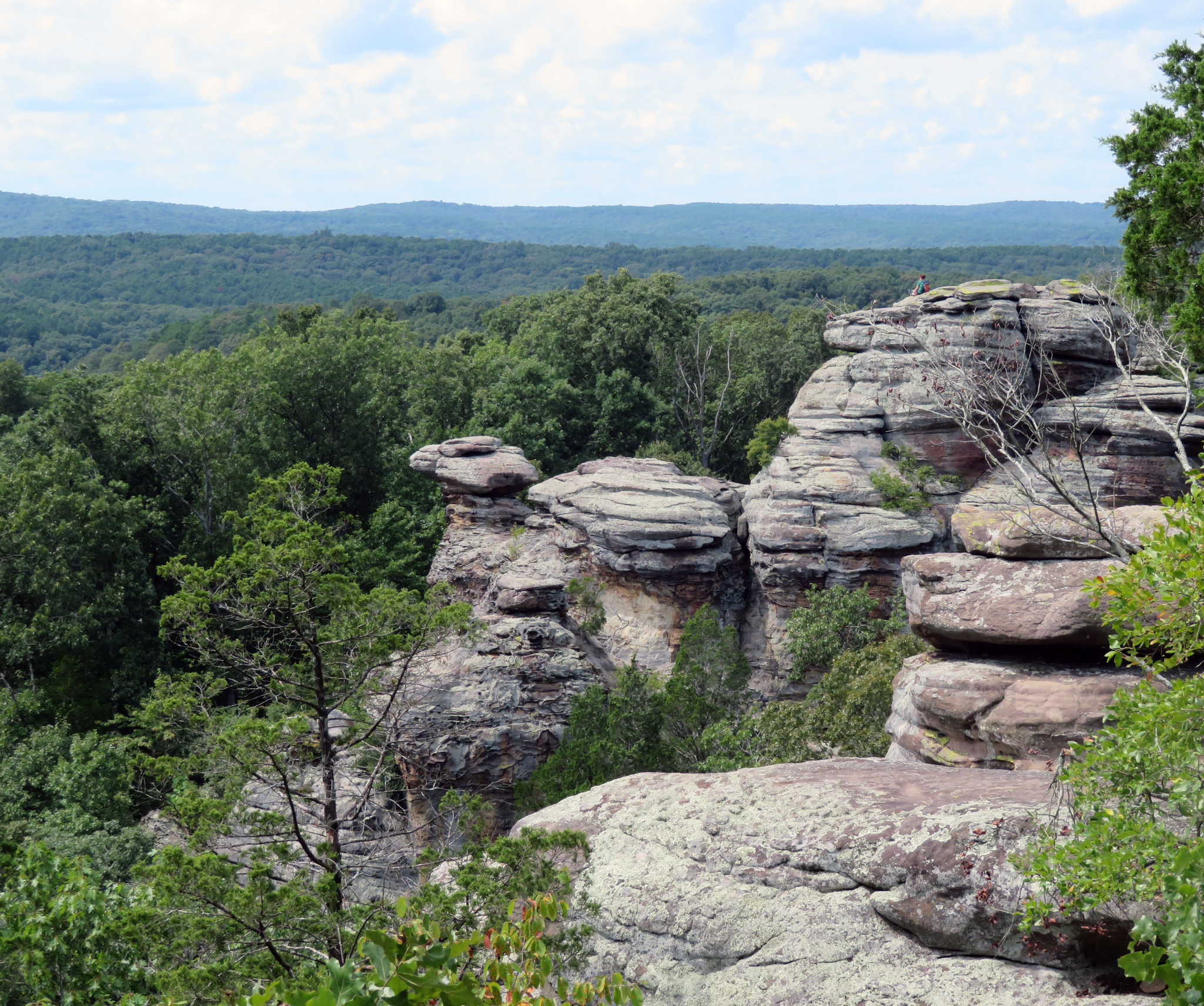
River to River Trail — A patchwork journey across Illinois
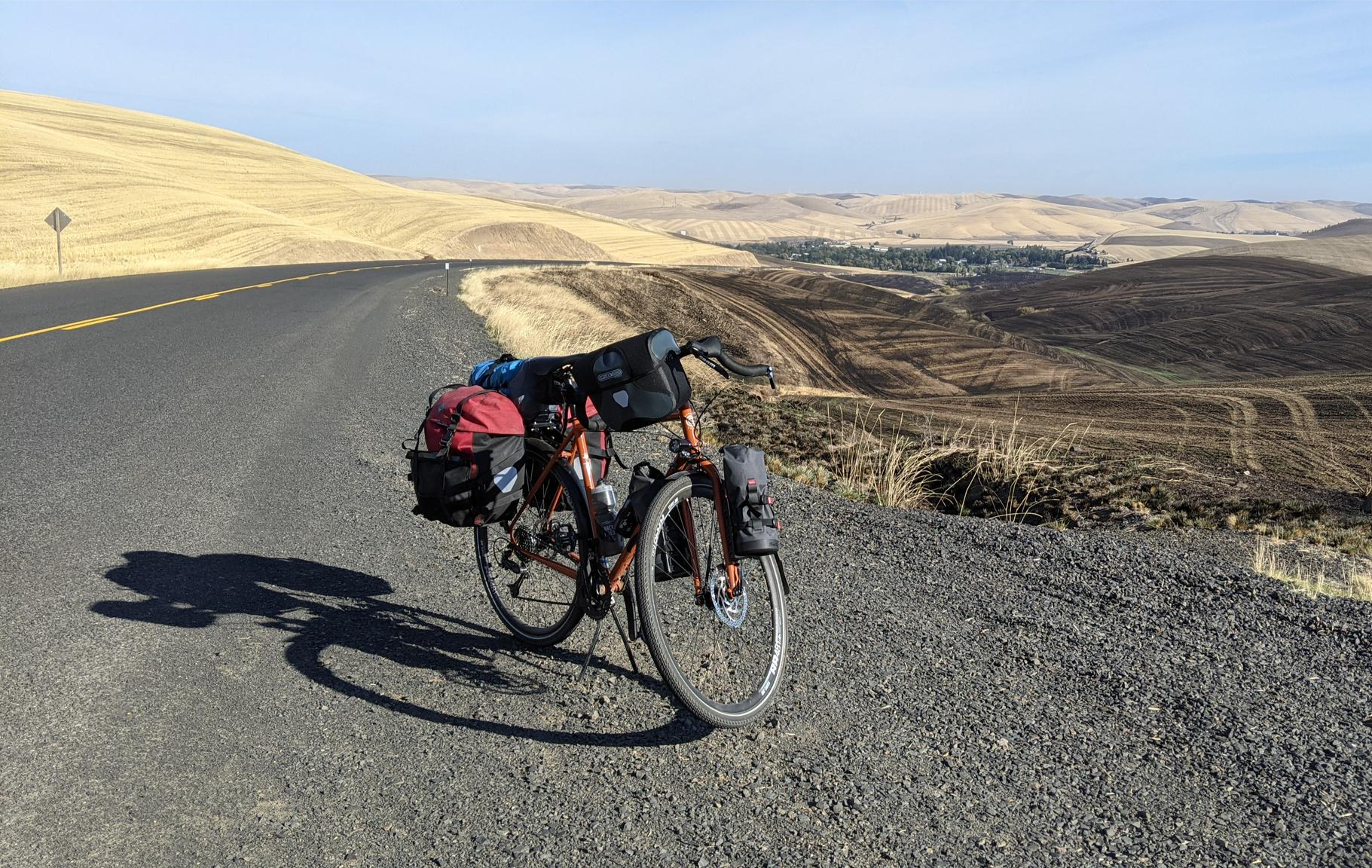
The Lewis & Clark Trail — Following the Corps of Discovery

American Discovery Trail — Walking from sea to shining sea
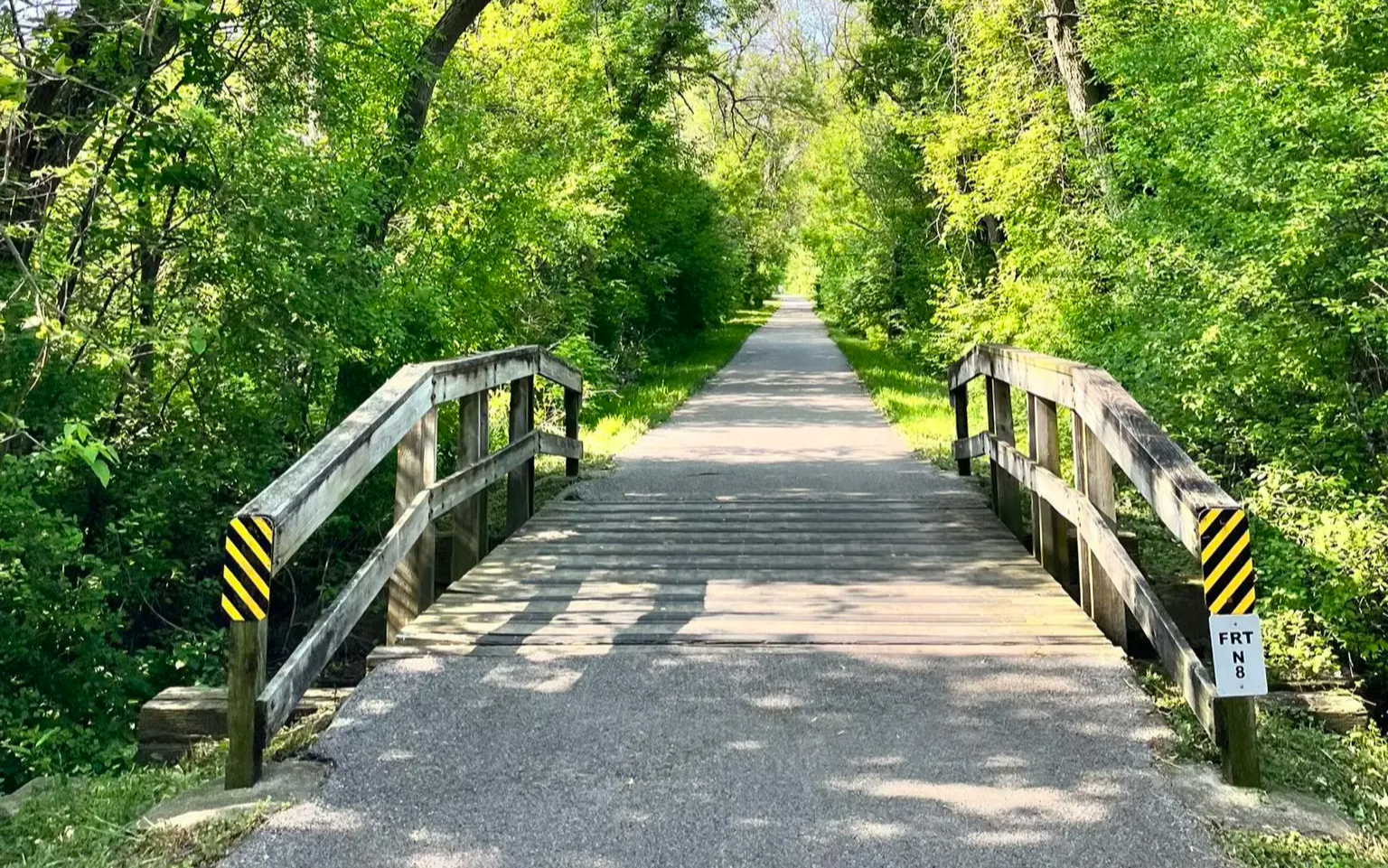
The Fox River Trail – A Journey Through Illinois History and Wildlife

Adventure Cycling Association's Bicycle Route 66 — LA to Chicago
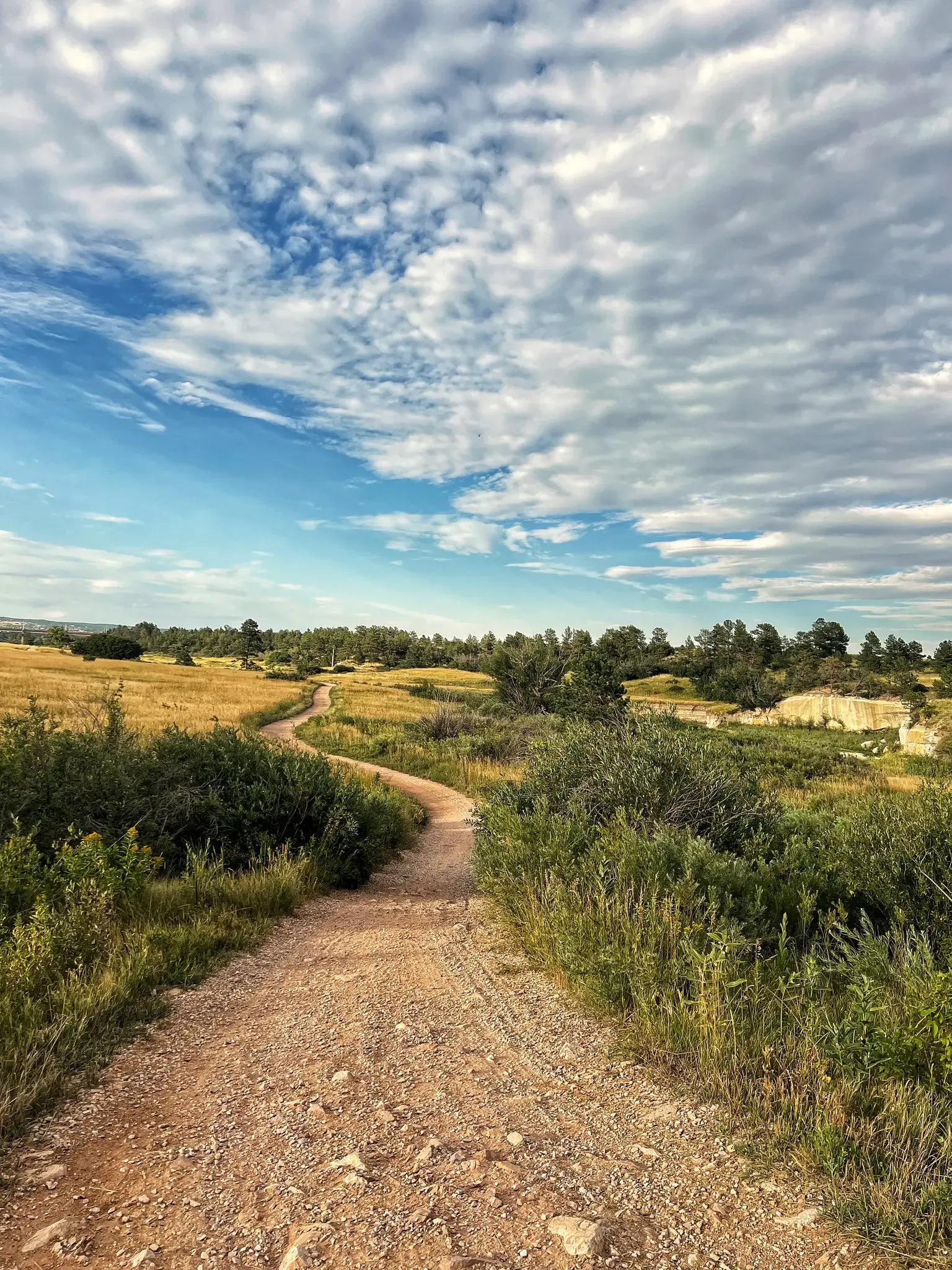
American Discovery Trail — Riding coast to coast
Des Plaines River Trail and Greenway — Cycling Along Nature’s Highway
Des Plaines River Trail & Greenway — From Wetlands to Woods

The rhythms of the river – road trip along the Mississippi
Great North Music Tour – hiking in the footsteps of music legends
Other adventures in Illinois


Tips from the Community


The Clarence F. Buckingham Memorial Fountain is one of the largest and most impressive fountains in the world. It stands in the center of Grant Park, Chicago's "front yard," and was donated to the city in 1927 by Kate S. Buckingham in memory of her brother.
1
0
The Crown Fountain in Millennium Park, Chicago, is one of the city's most unique and interactive artworks. Designed by Spanish artist Jaume Plensa, the fountain consists of two 50-foot-tall glass towers, each with LED screens projecting the faces of Chicagoans. Between the towers is a shallow pool where children (and adults!) can play on warm days.
1
0
The Millennium Monument in Chicago is an impressive tribute to the city's past and future. It's located in Wrigley Square, a quiet corner of Millennium Park.
1
0
A beautiful view, but the number of locks is still very limited today
0
0
According to local legend, the Ottawa leader Pontiac was assassinated by a Peoria warrior in 1769. • In retaliation, the Ottawa and Potawatomi besieged a group of Illiniwek (Illinois Confederacy) entrenched on the rock. • The besieged starved to death, and thus the rock became known as "Starved Rock."
1
0

Wrigley Square is a prominent public space in the northwest corner of Millennium Park in Chicago. It was established as part of the park's development and is named in recognition of the William Wrigley Jr. Foundation, which donated $5 million to its creation. The centerpiece of Wrigley Square is the Millennium Monument, a semi-circular colonnade designed in the Greco-Doric style. The monument is a replica of the original peristyle that stood in Grant Park from 1917 to 1953. The colonnade’s base honors 115 major donors to Millennium Park, with 91 contributing $1 million or more. The square also features an expansive lawn and a fountain, that provides an iconic open space for visitors to enjoy and serves as a key historical and architectural highlight within Millennium Park.
0
0

Water features are what make a park really interesting. This fountain is too big for European standards, but it fits perfectly in Chicago!
1
0
Frequently Asked Questions
What are some of the most popular natural monuments in Illinois?
Illinois offers a diverse range of popular natural monuments. Among the most visited is Starved Rock, known for its numerous canyons, over 13 miles of hiking trails, and cascading waterfalls. Other favorites include La Salle Canyon Waterfall, a scenic and popular canyon within Starved Rock State Park, and Lover's Leap Overlook, which provides beautiful views of the Illinois River.
Are there natural monuments in Illinois suitable for families with children?
Yes, many natural monuments in Illinois are family-friendly. For example, French Canyon in Starved Rock State Park is a popular choice for families due to its accessible trails. The Cache River State Natural Area offers easy trails and canoe exploration among ancient cypress trees, while Illinois Beach State Park provides sandy beaches and dunes for family activities along Lake Michigan. Matthiessen State Park also features accessible dells and canyons that are enjoyable for all ages.
Where can I find unique geological formations in Illinois?
Illinois is home to several sites with unique geological formations. The Garden of the Gods in Shawnee National Forest is famous for its 300-million-year-old sandstone rock formations like Camel Rock and Mushroom Rock. Pomona Natural Bridge features a 90-foot natural sandstone arch spanning a ravine. Starved Rock and Matthiessen State Parks showcase numerous canyons carved by glacial meltwater, with impressive sandstone cliffs and waterfalls.
What kind of wildlife and ecosystems can I expect to see at Illinois's natural monuments?
Illinois's natural monuments protect a variety of ecosystems and wildlife. The Cache River State Natural Area is an ecological treasure with wetlands, ancient cypress trees, and critical habitat for over 100 endangered plant and animal species. Midewin National Tallgrass Prairie is a significant prairie restoration project, notable for its bison herd. Little Grand Canyon features diverse ecosystems including oak-hickory forests and prairies, and is known for its snake populations. Volo Bog State Natural Area is Illinois's only remaining open-water quaking bog, supporting unique flora and fauna.
Are there opportunities for hiking near Illinois's natural monuments?
Yes, hiking is a primary activity at many of Illinois's natural monuments. You can find a variety of trails, from easy strolls to more challenging routes. For instance, the Garden of the Gods offers a 0.25-mile Observation Trail with panoramic views, while Little Grand Canyon features a rewarding 3-mile trail. Starved Rock State Park alone boasts over 13 miles of hiking trails. For more hiking options, explore guides like Easy hikes in Illinois or Hiking in Illinois.
What are some less crowded or 'hidden gem' natural monuments in Illinois?
While popular sites like Starved Rock draw crowds, you can find quieter natural monuments. Matthiessen State Park, located near Starved Rock, often offers a more intimate experience with its steep-walled canyons. Bell Smith Springs in Southern Illinois is a beautiful series of geological features with clear rocky streams and canyons, popular for hiking and swimming but generally less crowded than major state parks. The Cache River State Natural Area, with its bayou-like scenery, also provides a unique and tranquil escape.
Can I visit natural monuments in Illinois during the winter?
Many natural monuments in Illinois remain open during winter, offering a different perspective on their beauty. Starved Rock State Park, for example, is known for its stunning ice formations in its canyons during colder months. While some facilities or trails might have limited access, the geological formations and frozen waterfalls can be particularly picturesque. It's always advisable to check park conditions and prepare for cold weather hiking.
Are there any natural monuments in Illinois with historical significance?
Yes, several natural monuments in Illinois hold historical significance. Starved Rock is a designated National Register of Historic Places site, known for the legend of the Illiniwek Native Americans. Cave-In-Rock, a large cave overlooking the Ohio River, was historically a hideout for frontier outlaws. Midewin National Tallgrass Prairie is a significant site for prairie restoration, offering a glimpse into Illinois's historical landscape before European settlement.
What are some natural monuments located in Southern Illinois?
Southern Illinois is rich in natural monuments, many within or near the Shawnee National Forest. Key sites include the Garden of the Gods with its unique rock formations, Cave-In-Rock overlooking the Ohio River, and the ecological wonder of Cache River State Natural Area. Other notable locations are Pomona Natural Bridge, Little Grand Canyon, Bell Smith Springs, and Bork Falls in Ferne Clyffe State Park.
How do Starved Rock State Park and Matthiessen State Park compare for visitors?
Starved Rock State Park is larger and generally more popular, featuring numerous expansive canyons, waterfalls, and extensive hiking trails. It's known for its dramatic geological formations and historical legends. Matthiessen State Park, located nearby, offers a more intimate experience with its steep-walled dells and canyons. While both feature waterfalls and unique rock formations, Matthiessen is often considered less crowded and provides a quieter, more secluded natural setting, making it a great alternative or complement to Starved Rock.
Are there natural monuments in Illinois that offer views of Lake Michigan or major rivers?
Yes, Illinois has natural monuments that provide scenic views of its significant waterways. Illinois Beach State Park preserves the state's only beach ridge shoreline along Lake Michigan, offering expansive lake views. Mississippi Palisades State Park, as its name suggests, features cliffs and valleys along the Mississippi River, providing extensive scenic vistas. Additionally, Lover's Leap Overlook in Starved Rock State Park offers beautiful views of the Illinois River.
What kind of accessibility options are available at Illinois's natural monuments?
While many natural monuments involve rugged terrain, some offer accessible features. For instance, the Observation Trail at Garden of the Gods is a relatively easy walk. Illinois Beach State Park provides accessible paths along its shoreline. Some urban natural monuments like Buckingham Fountain and Wrigley Square & Millennium Monument in Chicago are wheelchair accessible. It's always recommended to check specific park websites for detailed accessibility information before visiting.
Can I find natural arches or bridges in Illinois?
Yes, Illinois features notable natural arches and bridges. Pomona Natural Bridge in Jackson County is a prominent example, a 90-foot natural sandstone arch spanning a ravine, easily accessible via a short hike. Bell Smith Springs also boasts a natural arch among its series of geological features, alongside canyons and clear rocky streams.
What do visitors particularly enjoy about the natural monuments in Illinois?
Visitors to Illinois's natural monuments frequently praise the unique geological formations, the stunning panoramic views, and the opportunities for outdoor recreation. Many appreciate the chance to explore ancient canyons, witness cascading waterfalls, and immerse themselves in diverse ecosystems. The historical context of sites like Starved Rock and the tranquil beauty of places like the Cache River State Natural Area are also highly valued.
Are there any natural monuments in Illinois where swimming is allowed?
Yes, some natural monuments in Illinois offer opportunities for swimming. Bork Falls in Ferne Clyffe State Park is a notable example, featuring a beautiful waterfall with a tranquil oasis beneath it where visitors can swim. Bell Smith Springs is also a popular spot for swimming in its deep pools, alongside hiking its canyons and streams.
Most popular routes in Illinois
Most popular attractions in Illinois

Get inspired with the komoot mobile app


Didn’t find what you were looking for?
Find even more amazing natural monuments in Illinois by checking out the top Highlights region by region:
Explore more
Extend your search for the best caves by checking out these guides of the top ones in Illinois:
