The best waterfall hikes and walks in Illinois
4.7
(700)
10,040
hikers
42
hikes
Waterfall hiking trails in Illinois traverse a diverse landscape, from rugged bluffs and winding rivers to dense forests and dramatic sandstone canyons. The state, despite its "Prairie State" moniker, features significant natural formations, particularly in Northern and Southern Illinois. These areas are characterized by glacier-carved canyons and numerous seasonal waterfalls, offering varied terrain for outdoor exploration.
Best waterfall hiking trails in Illinois
- The most popular waterfall hiking route is River Trail, Bluff Trail, and Illinois Canyon Loop, a 6.6 miles (10.7 km) trail that takes about 2 hours 50 minutes to complete. This moderate route explores the scenic canyons and bluffs of Starved Rock State Park.
- Another top favourite among local hikers is Dells Area to Vermillion River Area Loop, a moderate 7.7 miles (12.5 km) path. This trail offers views of sandstone formations and river valleys, often completed in about 3 hours 20 minutes.
- Local hikers also love the Ottawa Canyon Trail, a 1.0 mile (1.7 km) trail leading through a sandstone canyon, often completed in about 25 minutes.
- Hiking in Illinois is defined by sandstone canyons, winding rivers, and dense forests. The network offers options for various ability levels, from easy strolls to more challenging climbs.
- The routes in Illinois are highly rated by the komoot community with an average score of 4.7 stars from more than 600 reviews. More than 8,900 hikers have used komoot to explore Illinois's varied terrain.
Last updated: October 11, 2026
4.8
(4)
55
hikers
10.7km
02:52
140m
120m
Moderate hike. Good fitness required. Easily-accessible paths. Suitable for all skill levels.
18
hikers
12.5km
03:22
160m
180m
Moderate hike. Good fitness required. Easily-accessible paths. Suitable for all skill levels.

5.0
(2)
10
hikers
1.67km
00:27
30m
20m
Easy hike. Great for any fitness level. Easily-accessible paths. Suitable for all skill levels.
4.19km
01:09
70m
50m
Easy hike. Great for any fitness level. Easily-accessible paths. Suitable for all skill levels.
284km
76:52
3,890m
4,020m
Hard hike. Very good fitness required. Easily-accessible paths. Suitable for all skill levels.
Get access to more routes and recommendations from other explorers.
Already have an account?
Our route recommendations are based on thousands of hikes, rides, and runs completed by other people on komoot.
Start today with a free account
Your next adventure awaits.
Popular around Illinois
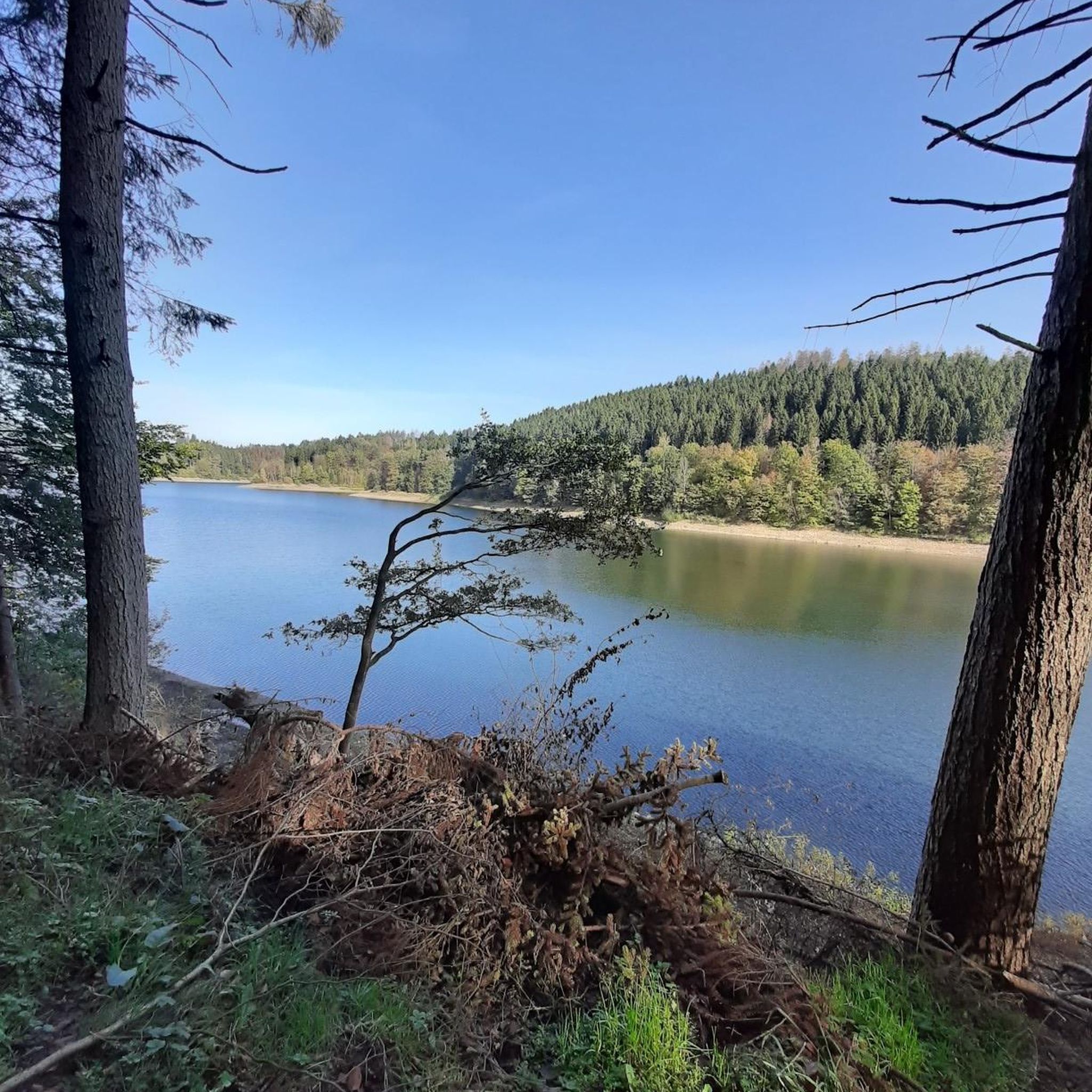
Waterfall hikes in LaSalle County

Waterfall hikes in Shawnee National Forest

Waterfall hikes in Will County

Waterfall hikes in Cook County

Waterfall hikes in DuPage County

Waterfall hikes in St. Clair County

Waterfall hikes in Madison County
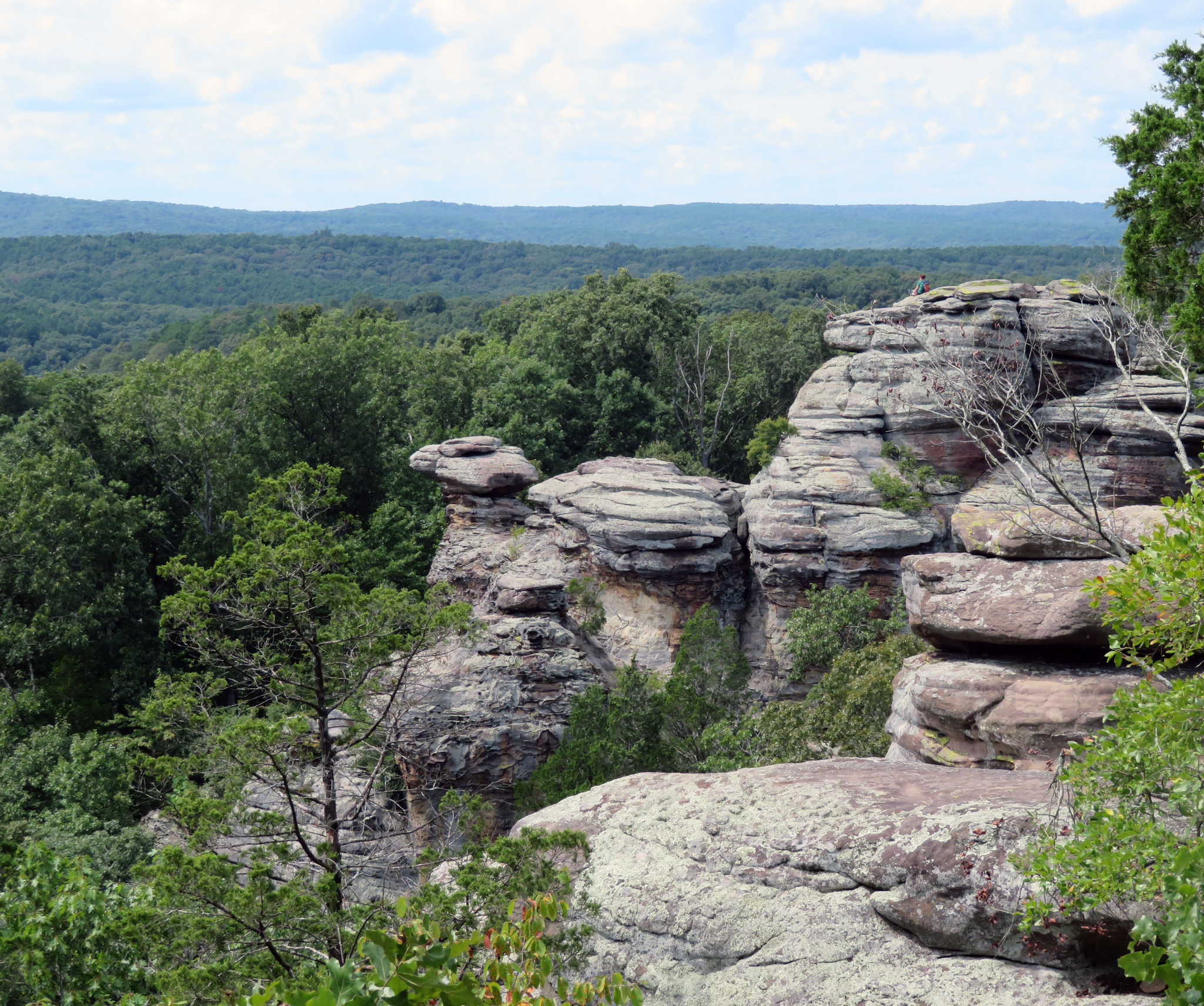
River to River Trail — A patchwork journey across Illinois

American Discovery Trail — Walking from sea to shining sea
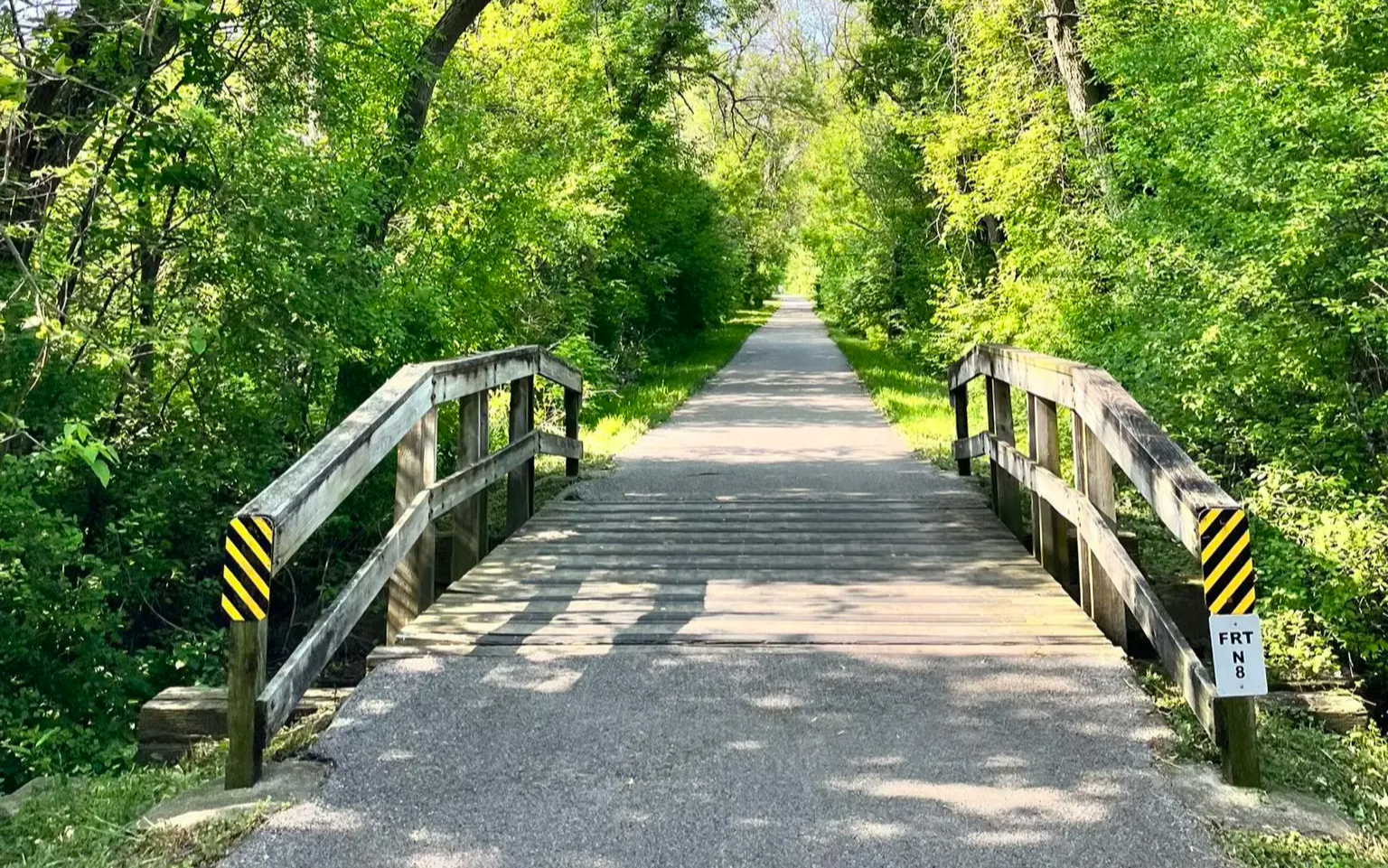
The Fox River Trail – A Journey Through Illinois History and Wildlife
Other adventures in Illinois


Tips from the Community

One of several campgrounds in Ferne Clyffe State Park; this one is a nice middle ground for backpackers and "rustic" car campers, with camping pads, pit toilets, showers(!), cooking grills and picnic tables. If you want more quiet, there's another class C campground, specifically for backpackers, about a half-mile away.
0
0
The River to River Trail goes straight across the dam for Dutchman Lake. The views from the trail can be particularly pretty in the fall, when the trees blaze with orange and yellow — but the lake and accompanying creek are also the best source of water for miles around. (Make sure you filter the water before drinking!)
0
0
This natural area centers around the prominent rocky Crow Knob, which is said to have become the place of worship, and a utilitarian lookout point, for a community of freed slaves in pre-Civil War times. They began meeting at the knob after their church was burned.
0
0

A beautiful view, but the number of locks is still very limited today
0
0
Wildcat Canyon is one of the most impressive and popular canyons in Starved Rock State Park. It is known for: • The highest waterfall in the park: approximately 70 feet (21 meters) high • The deepest canyon: up to 90 feet (27 meters) deep • Two overlooks at the top of the canyon
1
0
Dam Technical Specifications • Type: Gravity dam • Length: 400 meters • Height: Up to 10 meters • Spillway: Controlled, for regulating water discharge • Lock: Navigation lock measuring 110 x 600 feet for shipping
2
0
Max Creek is said to be the site of a vortex, where orbs of mysterious, maybe supernatural light are sometimes seen floating around on their own. I don't know about that, but the creek is pretty much the best water source along this section of the River to River Trail. For weary thru-hikers there are plenty of flat spots to camp here, too.
0
0
This is the shorter, more direct of two trails leading south to Trigg Tower, an abandoned fire watchtower that has been repurposed into a lookout tower. It's the last remaining fire tower in Shawnee National Forest, and there is a manmade pond at this intersection that (in theory) has water year-round.
0
0
Frequently Asked Questions
How many waterfall hiking trails are available in Illinois?
Illinois offers a wide array of outdoor experiences, with over 40 dedicated waterfall hiking trails. These routes traverse diverse landscapes, from rugged bluffs and winding rivers to dense forests and dramatic sandstone canyons, catering to various skill levels.
What are some of the most notable natural features to see on waterfall hikes in Illinois?
Illinois is surprisingly rich in natural beauty, especially around its waterfall trails. In Northern Illinois, areas like Starved Rock State Park and Matthiessen State Park feature stunning glacier-carved sandstone canyons and seasonal waterfalls such as Wildcat Canyon Falls and Cascade Falls. Southern Illinois, particularly within the Shawnee National Forest, offers rugged landscapes with towering sandstone cliffs and unique formations like those found at Garden of the Gods, alongside waterfalls like Ferne Clyffe Waterfall and Bork Falls.
Are there family-friendly waterfall hikes in Illinois?
Yes, Illinois has many family-friendly options for waterfall hikes. Many trails are designed for various ability levels, including easy strolls. For example, the Ottawa Canyon Trail is a relatively short and easy 1.0-mile path, perfect for families looking for a gentle introduction to the state's natural beauty. Always check specific trail conditions for suitability with younger children.
Can I bring my dog on waterfall trails in Illinois?
Many state parks and forest preserves in Illinois welcome dogs on their hiking trails, provided they are kept on a leash. However, specific rules can vary by location, so it's always best to check the regulations for the particular park or preserve you plan to visit before heading out with your furry friend. For instance, while Starved Rock State Park allows dogs on many trails, some specific canyon trails might have restrictions.
When is the best time to visit Illinois waterfalls?
The best time to visit Illinois waterfalls is typically in the spring, especially after heavy rains or snowmelt, when the waterfalls are at their most powerful. Late fall can also offer beautiful scenery with autumn foliage. While many waterfalls are seasonal, some, like those in Starved Rock and Matthiessen State Parks, can even freeze in winter, offering a unique and stunning spectacle for those prepared for cold weather hiking.
Are there any challenging waterfall hikes for experienced hikers in Illinois?
Yes, for experienced hikers seeking a challenge, Illinois offers more strenuous options. The River to River Trail in Southern Illinois, for example, is a difficult 176-mile backcountry route that traverses bluffs, creeks, and hardwood forests, connecting the Mississippi and Ohio Rivers. While not solely focused on waterfalls, it passes through rugged terrain where seasonal cascades can be found.
What kind of terrain can I expect on waterfall trails in Illinois?
You can expect a diverse range of terrain on Illinois waterfall trails. Northern Illinois features trails through sandstone canyons, along river bluffs, and through dense forests, often with stairs and uneven surfaces. In Southern Illinois, particularly within the Shawnee National Forest, the terrain can be more rugged, with towering sandstone cliffs, natural bridges, and steep ascents and descents. Even in central areas, you might find trails traversing prairies, savannas, and oak-maple woods.
Are there loop trails available for waterfall hikes in Illinois?
Yes, many waterfall hikes in Illinois are designed as loop trails, offering varied scenery without retracing your steps. A popular example is the River Trail, Bluff Trail, and Illinois Canyon Loop, which explores the scenic canyons and bluffs of Starved Rock State Park. Another great option is the Dells Area to Vermillion River Area Loop, offering views of sandstone formations and river valleys.
What do other hikers say about the waterfall trails in Illinois?
The waterfall trails in Illinois are highly regarded by the komoot community, with an impressive average rating of 4.7 stars from over 600 reviews. Hikers frequently praise the stunning natural beauty of the canyons and bluffs, the refreshing presence of the waterfalls, and the well-maintained paths that make exploration enjoyable.
Are there any nearby attractions or points of interest near these waterfall trails?
Absolutely! Many waterfall trails are located within or near areas with other attractions. For instance, near Starved Rock State Park, you can find the iconic Starved Rock itself, a significant natural monument. In the Chicago area, you might explore highlights like Buckingham Fountain or Wrigley Square & Millennium Monument, though these are urban and not directly adjacent to waterfall hikes.
What should I know about parking and permits for waterfall hikes in Illinois?
Most state parks and forest preserves in Illinois offer designated parking areas, often free of charge. However, during peak seasons or holidays, parking lots at popular locations like Starved Rock State Park can fill up quickly, so arriving early is recommended. Generally, permits are not required for day hiking on most public trails, but it's always wise to check the official website of the specific park or preserve for any updated regulations or fees before your visit.
Can I visit Illinois waterfalls in winter?
Yes, visiting Illinois waterfalls in winter offers a unique and often breathtaking experience. The canyons at Starved Rock and Matthiessen State Parks, for example, transform into a winter wonderland with frozen waterfalls and ice formations. While beautiful, winter hiking requires appropriate gear, including warm layers, waterproof boots, and traction devices for icy trails. Some areas may also be closed due to hazardous conditions, so always check park advisories beforehand.
Most popular routes in Illinois
Most popular attractions in Illinois

Get inspired with the komoot mobile app


Didn’t find what you were looking for?
Check out more Hikes throughout Illinois below and find the perfect route in your destination.
Explore more
Browse the best Hikes in other regions.
