Top 3 Castles around Castro Laboreiro
Best castles around Castro Laboreiro are situated in a mountainous region within the Peneda-Gerês National Park. This area is known for its historical significance, particularly its strategic position between Portugal and Galicia. The landscape features elevated positions, such as the Castro Laboreiro Castle at over 1,000 meters above sea level, offering views over river valleys and plateaus. The castles here reflect the region's past as a border defense and its unique adaptation to mountain life.
Best castles around Castro Laboreiro
…Last updated: August 13, 2026
Castro Laboreiro Castle
Highlight • Castle
Translated by Google •
Tip by

Castle of Melgaço
Highlight • Castle
The castle is the most …
Tip by

Sign up now to discover places like this
Get recommendations on the best single tracks, peaks, & plenty of other exciting outdoor places.
Sign up for free
Lindoso Castle and Granaries
Highlight (Segment) • Castle
Translated by Google •
Tip by

Start today with a free account
Your next adventure awaits.
Login or Signup
Tips from the Community

By the way, do you know where the name Lindoso comes from? One possible explanation is related to the word "limitosum," which means "limit" in Latin, as it's a border region.
0
0
It was built during the reign of Afonso III (13th century), at a time when Portuguese independence was being established. It is said that King Dinis, on his first day in the area, named the place as beautiful and cheerful as it was, although the name may come from the Latin "limitosum," meaning limit. In the 17th century, it regained great importance during the Restoration War between Portugal and Castile. It has been fully Portuguese since 1663. It is also considered one of the most important Portuguese military monuments due to the architectural technical innovations used during its construction. It features Romanesque and Gothic features, which is why it was declared a "National Monument" in 1910 and rebuilt in the 1940s. Furthermore, it preserves part of its wall, and the interior can be visited, where there is a chapel, an oven, and a 15-meter tower of homage. It also houses a museum with permanent exhibitions on the evolution and human occupation of the territory. Outside, in addition to the beautiful views of the dam of the same name, the Limia valley and the Xurés and Peneda mountains in the background, you can see in the village itself a fantastic set of 64 stone granaries (one of the largest concentrations of style in the world). Some are up to 200 years old, and have been an inseparable part of popular culture, as well as a subsistence diet so recognizable on both sides of the border.
0
0

These are the ruins of a Romanesque castle with a walled enclosure around a central tower with a cistern, located on the top of an isolated hill at 1,033 meters (3,389 feet) above the Minho and Lima rivers. It has an oval plan oriented north-south. The main entrance is the Porta do Sol, which opens to the east, while the Gate of Traitors, the Porta do Sapo, is located at the other end. The exit is well-maintained and normal for its location.
0
0

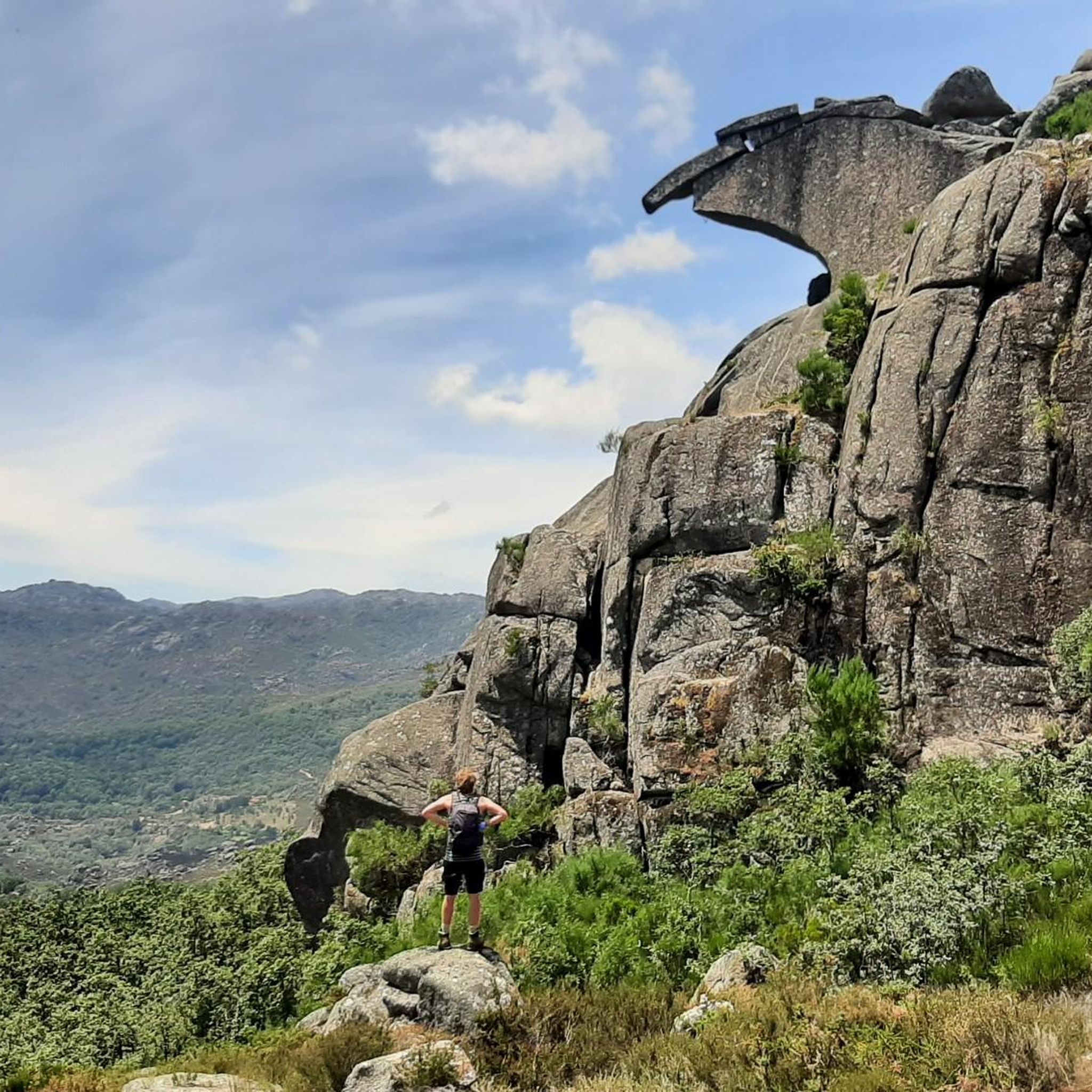
Built on a granite hill over 1,000 metres above sea level, the castle dominates the Laboreiro River valley, offering spectacular views of the surrounding landscape. Its origins are ancient, probably dating back to Roman or pre-Roman times, but the current structure mainly reflects medieval modifications and extensions, particularly during the Reconquista and the formation of the Kingdom of Portugal. The castle, although now in ruins, still preserves its defensive walls, part of the watchtower and the main gate, elements that testify to its strategic importance in controlling the borders. It is a symbol of the history and resistance of the region, and its isolated and wild location adds to its charm.
0
0

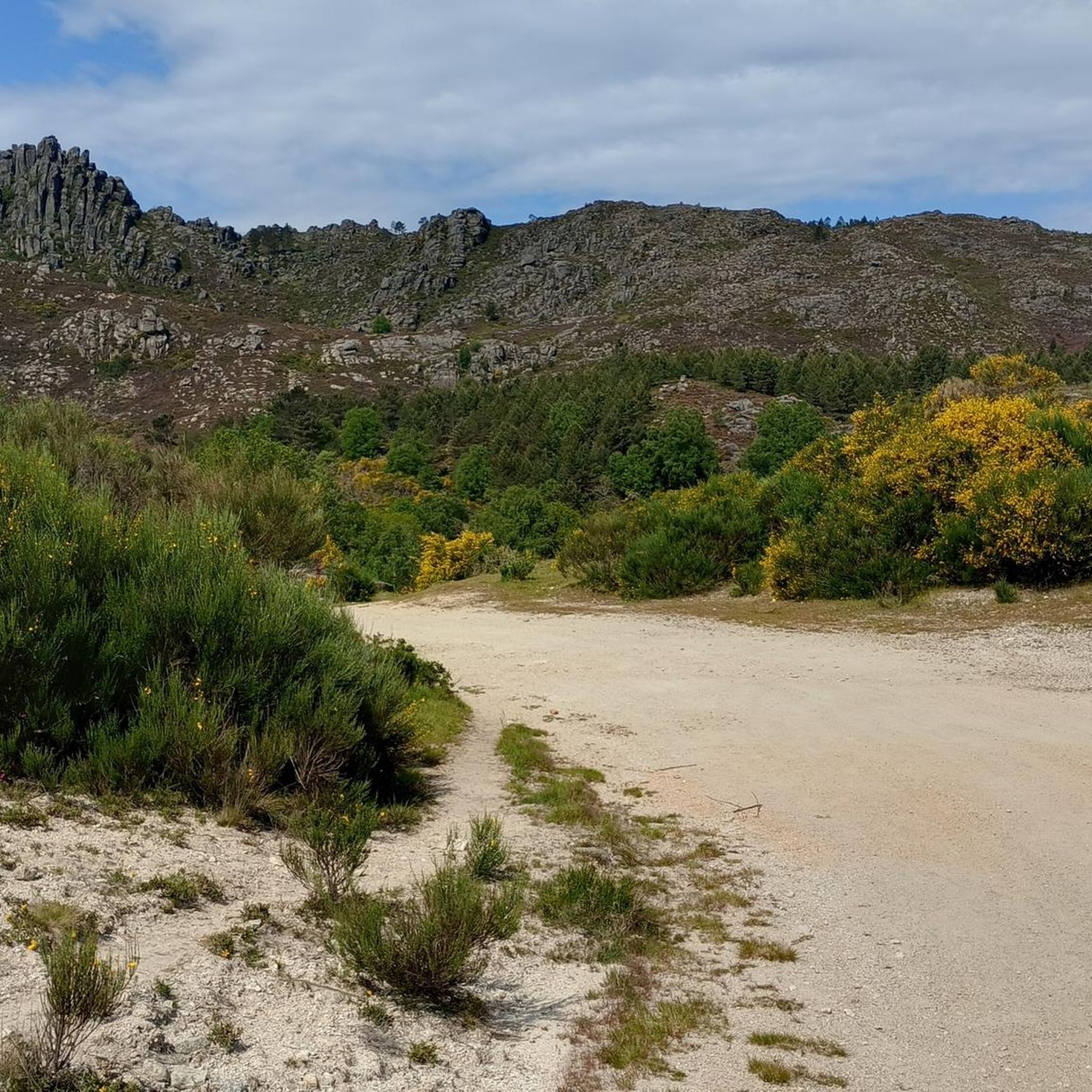
Nice walk but certainly not easy and not flat. Lots of scrambling and climbing First part was a lot of climbing but doable. Descent after the castle was sometimes difficult
0
2

In the 12th century it was the main border defense of Alto Minho, forming the northernmost guard post in Portugal on the section where the Minho River begins its border function and monitoring the crossing into Galicia (WIKIPEDIA). Today just a ruin. There is a small museum in the preserved keep.
0
0
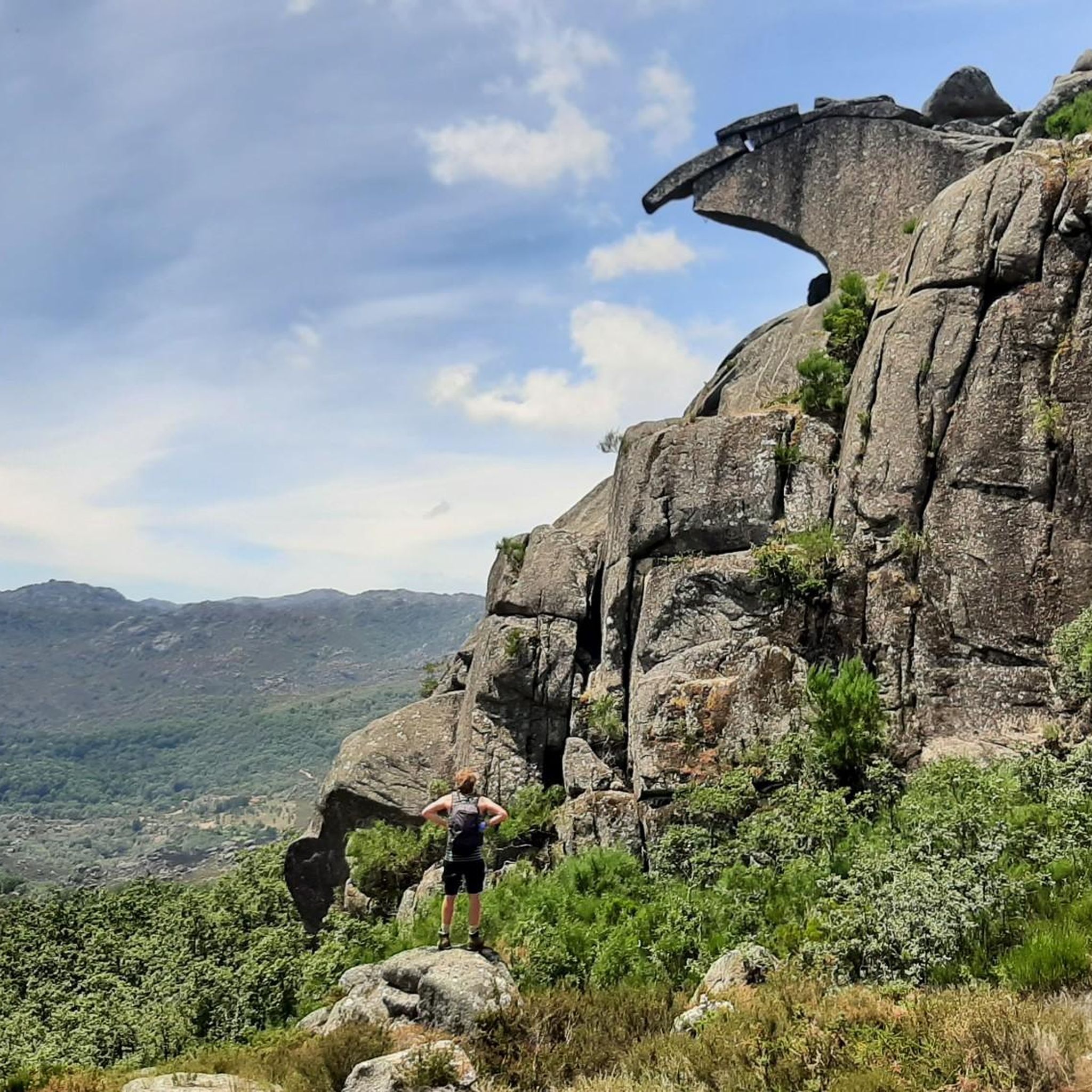
Castle ruins in a dominant location on a hill, in difficult to access terrain.
1
4

Visiting hours: M-D: 10:00-17:00. L: closed
0
0
Frequently Asked Questions
What is the historical significance of the castles in Castro Laboreiro?
The castles in Castro Laboreiro, particularly Castro Laboreiro Castle, hold significant historical importance due to their strategic location between Portugal and Galicia. They served as crucial border defenses, witnessing numerous conflicts and playing a vital role in the formation of Portugal. The region's history dates back to prehistoric times, with the castles reflecting medieval modifications and adaptations to mountain life.
Which castles offer the best panoramic views?
Castro Laboreiro Castle, perched on a granite hill over 1,000 meters above sea level, offers spectacular panoramic views of the surrounding mountainous landscape, including the Laboreiro River valley and the Peneda-Gerês National Park. Lindoso Castle and the Castle of Melgaço also provide excellent viewpoints of their respective towns and river valleys.
Are there family-friendly castles to visit in the area?
Yes, both Lindoso Castle and the Castle of Melgaço are considered family-friendly. Lindoso Castle has a parking lot nearby, making it easily accessible, and the village itself is welcoming. The Castle of Melgaço is located in a picturesque old town with a preserved keep that offers great views, which can be enjoyable for families.
What kind of outdoor activities can I do near the castles?
The area around Castro Laboreiro is excellent for outdoor activities, especially hiking. You can find various routes, from easy to difficult. For example, there are easy hikes like the 'Castro Laboreiro Castle loop' or more challenging ones such as the 'Ponte da Cava da Velha – Bico do Patelo loop'. You can explore more options in the Hiking around Castro Laboreiro guide or the Easy hikes around Castro Laboreiro guide. Running trails are also available, as detailed in the Running Trails around Castro Laboreiro guide.
What is the best time of year to visit the castles in Castro Laboreiro?
The castles are located in a mountainous region within the Peneda-Gerês National Park. While specific seasonal advice isn't provided, generally, spring and autumn offer pleasant weather for exploring historical sites and hiking. Summers can be warm, and winters might involve colder temperatures and potentially snow at higher elevations, especially around Castro Laboreiro Castle.
Is there parking available near Castro Laboreiro Castle?
While Castro Laboreiro Castle is in a difficult-to-access terrain, visitors often park in the village of Castro Laboreiro and hike up. For Lindoso Castle, there is a parking lot conveniently located right next to the castle complex.
How long does it typically take to visit Castro Laboreiro Castle?
Visiting Castro Laboreiro Castle involves a hike to its elevated position. The time required depends on your pace and how long you wish to spend exploring the ruins and enjoying the panoramic views. An easy hiking loop from Castro Laboreiro to the castle is approximately 1.8 km, suggesting a visit could take a couple of hours including travel time to and from the site.
Are there any unique architectural features among the castles?
Yes, Castro Laboreiro Castle features a unique dual-purpose design. Besides its military center with a keep and cistern, it includes a lower enclosure specifically designed to protect livestock and goods during invasions. This adaptation highlights the importance of animal breeding to the medieval mountain communities and is considered unique in Portugal.
Can I find places to eat or drink near the castles?
Yes, in the village of Lindoso, near Lindoso Castle, there is a very good restaurant below the castle offering delicious and plentiful regional dishes. Near the Castle of Melgaço, the old town has several restaurants, such as Adega Sabino, known for its Cabrito de Monte. The town of Castro Laboreiro also has cafes and restaurants.
Are permits required for hiking in Peneda-Gerês National Park near the castles?
While general access to the Peneda-Gerês National Park is usually open, certain activities or specific trails, especially those in more sensitive areas, might require permits or prior authorization. It's always advisable to check with the park's official information points or website for the most current regulations regarding hiking and access.
What makes Castro Laboreiro Castle particularly unique?
Castro Laboreiro Castle is unique for its strategic location at 1,033 meters above sea level, offering unparalleled views. Its architectural layout, adapted to the terrain, includes a distinct lower enclosure designed to protect livestock during wartime, a feature considered rare in Portugal. This design provides insight into the daily lives and concerns of medieval mountain communities.
Are the castles dog-friendly?
While specific rules for dogs inside the castle ruins are not detailed, the surrounding natural areas and hiking trails in the Peneda-Gerês National Park are generally dog-friendly. When visiting the ruins themselves, it's best to keep dogs on a leash and be mindful of other visitors and any posted regulations.
Most popular attractions around Castro Laboreiro

Get inspired with the komoot mobile app


Explore more
Looking for the best castles somewhere else? Discover other guides around Castro Laboreiro:
