The best cycling routes around Castro Laboreiro
3.0
(1)
23
riders
4
rides
Touring cycling around Castro Laboreiro offers routes through a rugged mountainous landscape, characterized by granite boulders, glacier-carved valleys, and extensive oak forests. Situated at an altitude of almost 1000 meters, the region provides expansive views and challenging terrain within the Peneda-Gerês National Park. Rivers carve deep valleys, and the area features a network of off-road paths that wind through pastures and historical sites. This environment provides a diverse setting for touring cyclists.
Best touring cycling routes around Castro Laboreiro
- The…
Last updated: June 28, 2026
3
riders
48.3km
04:36
890m
890m
Hard bike ride. Very good fitness required. Mostly paved surfaces. Suitable for all skill levels.
76.4km
05:19
1,420m
1,420m
This difficult 47.5-mile touring bicycle route crosses the Gerês-Xurés Biosphere Reserve, featuring Roman ruins and mountain views.

Sign up for free
3.0
(1)
6
riders
38.4km
02:41
730m
730m
Hard bike ride. Very good fitness required. Mostly paved surfaces. Suitable for all skill levels.
4
riders
30.6km
02:26
840m
840m
Hard bike ride. Very good fitness required. Mostly paved surfaces. Suitable for all skill levels.
5
riders
52.7km
03:52
1,120m
1,120m
Hard bike ride. Very good fitness required. Mostly paved surfaces. Suitable for all skill levels.
Our route recommendations are based on thousands of hikes, rides, and runs completed by other people on komoot.
Start today with a free account
Your next adventure awaits.
Login or Signup
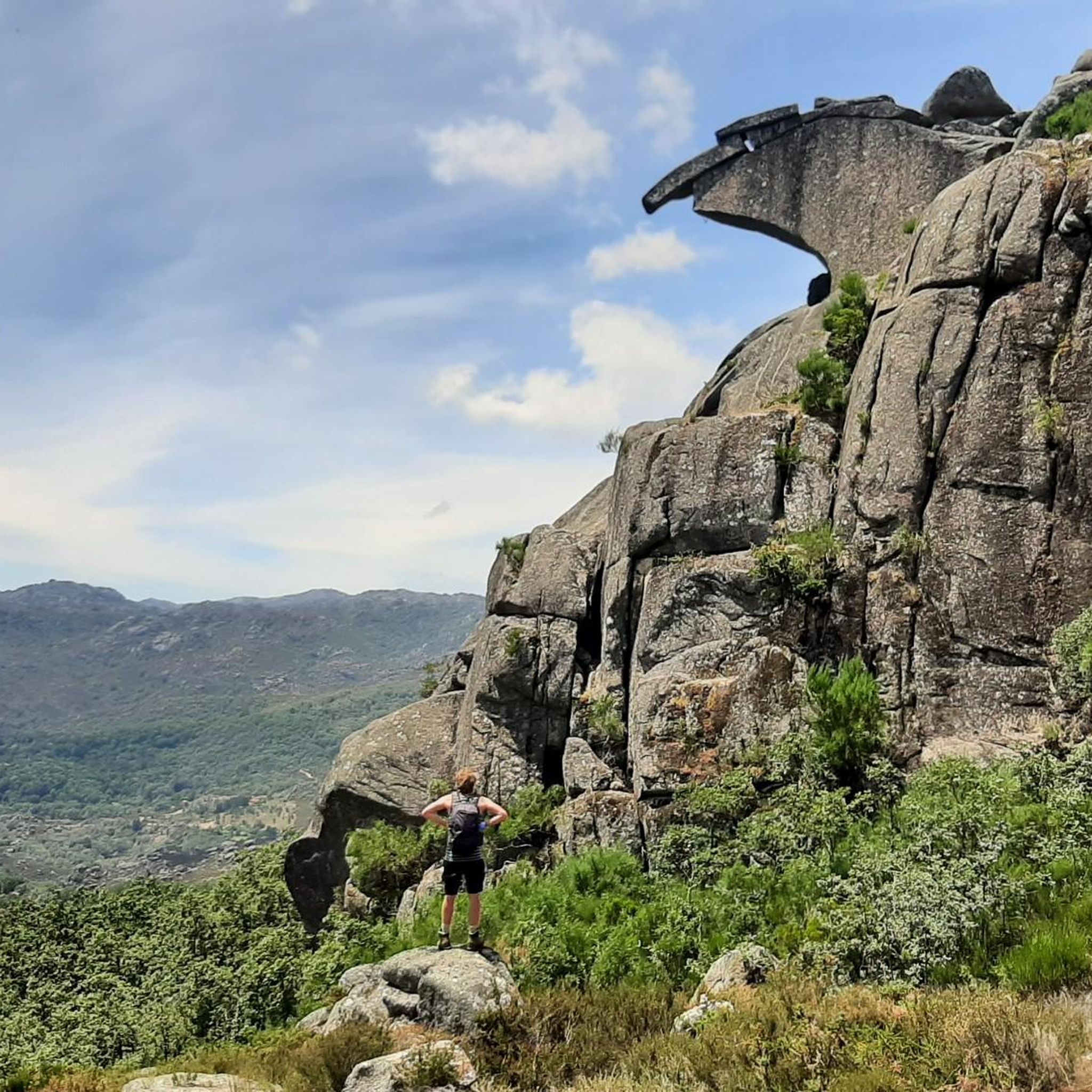
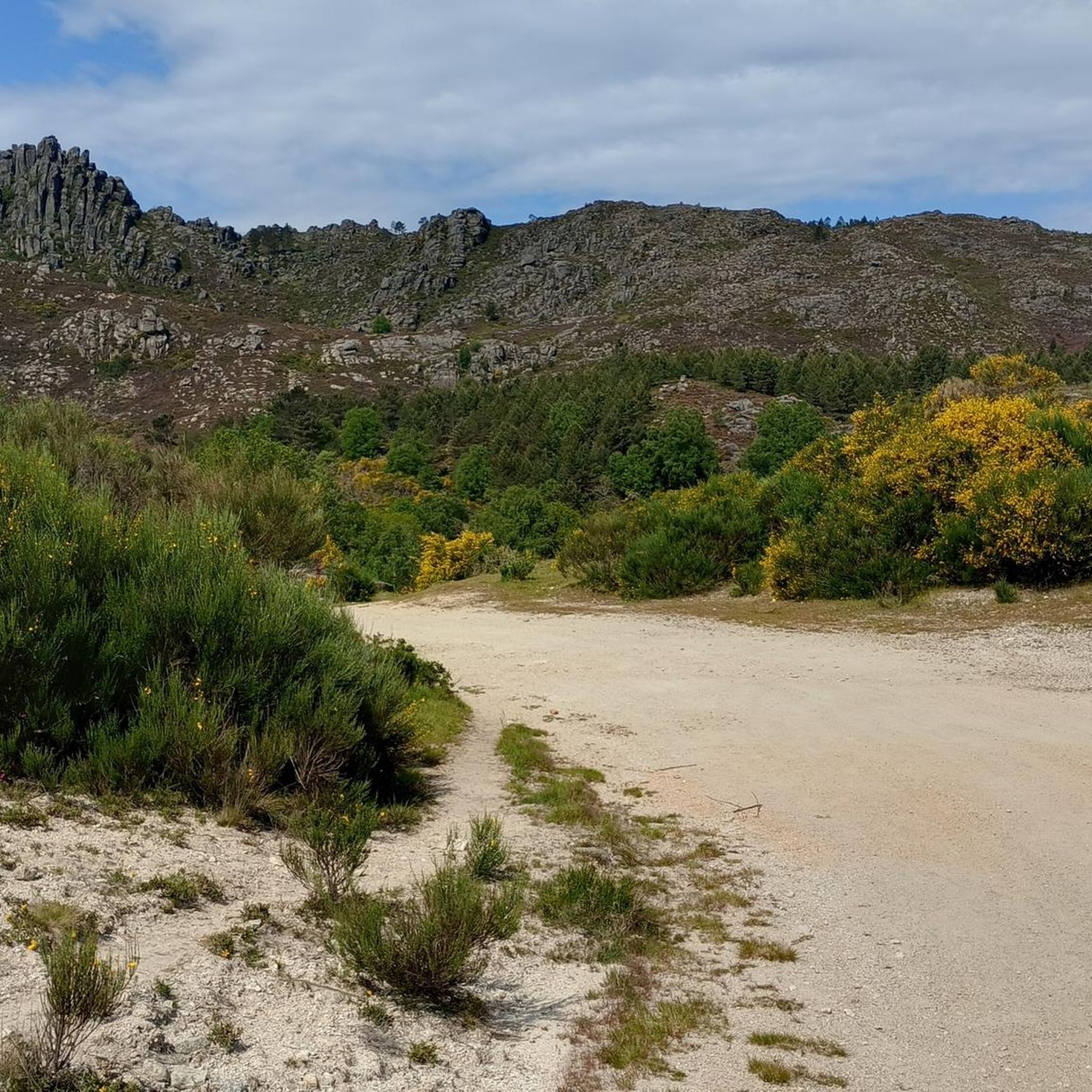
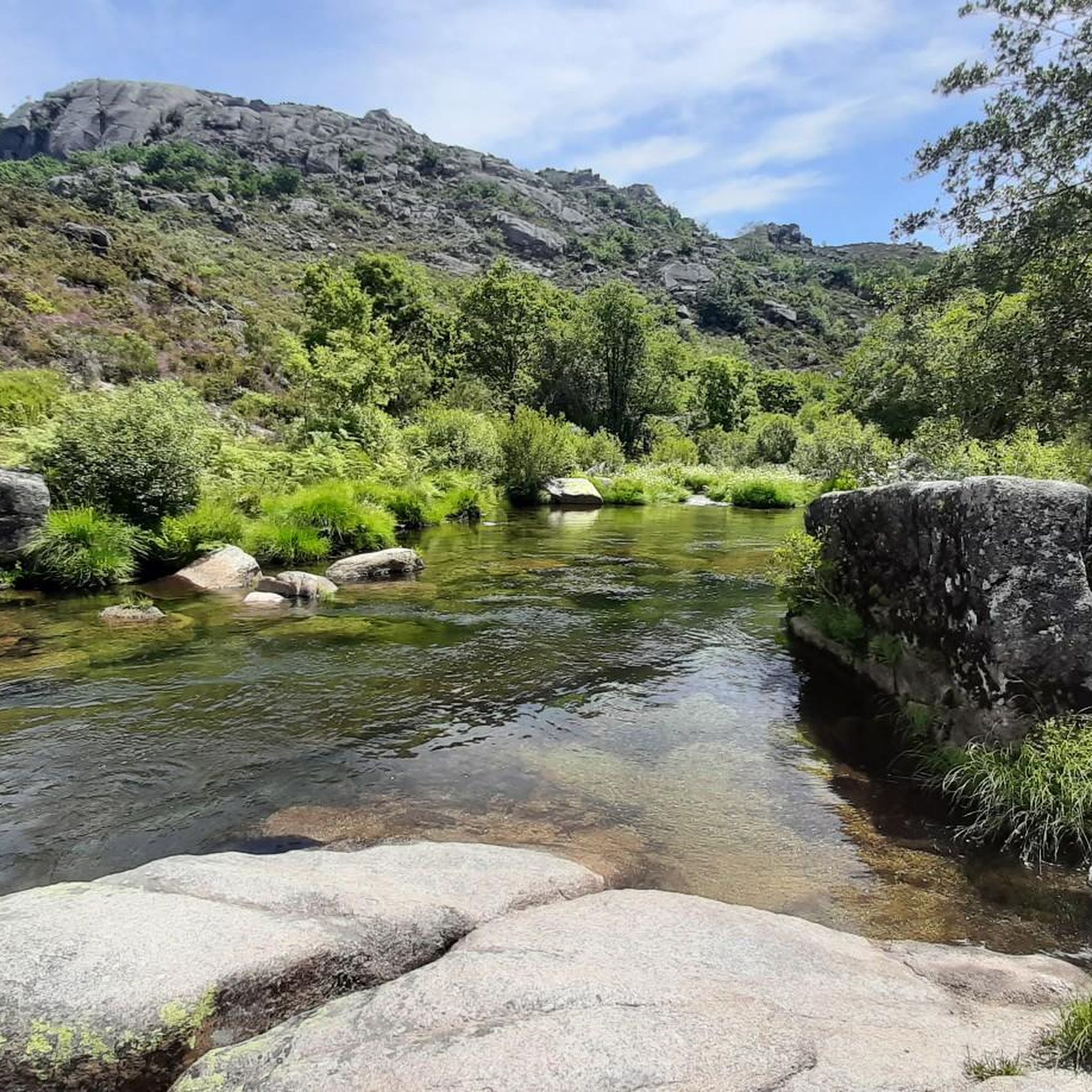
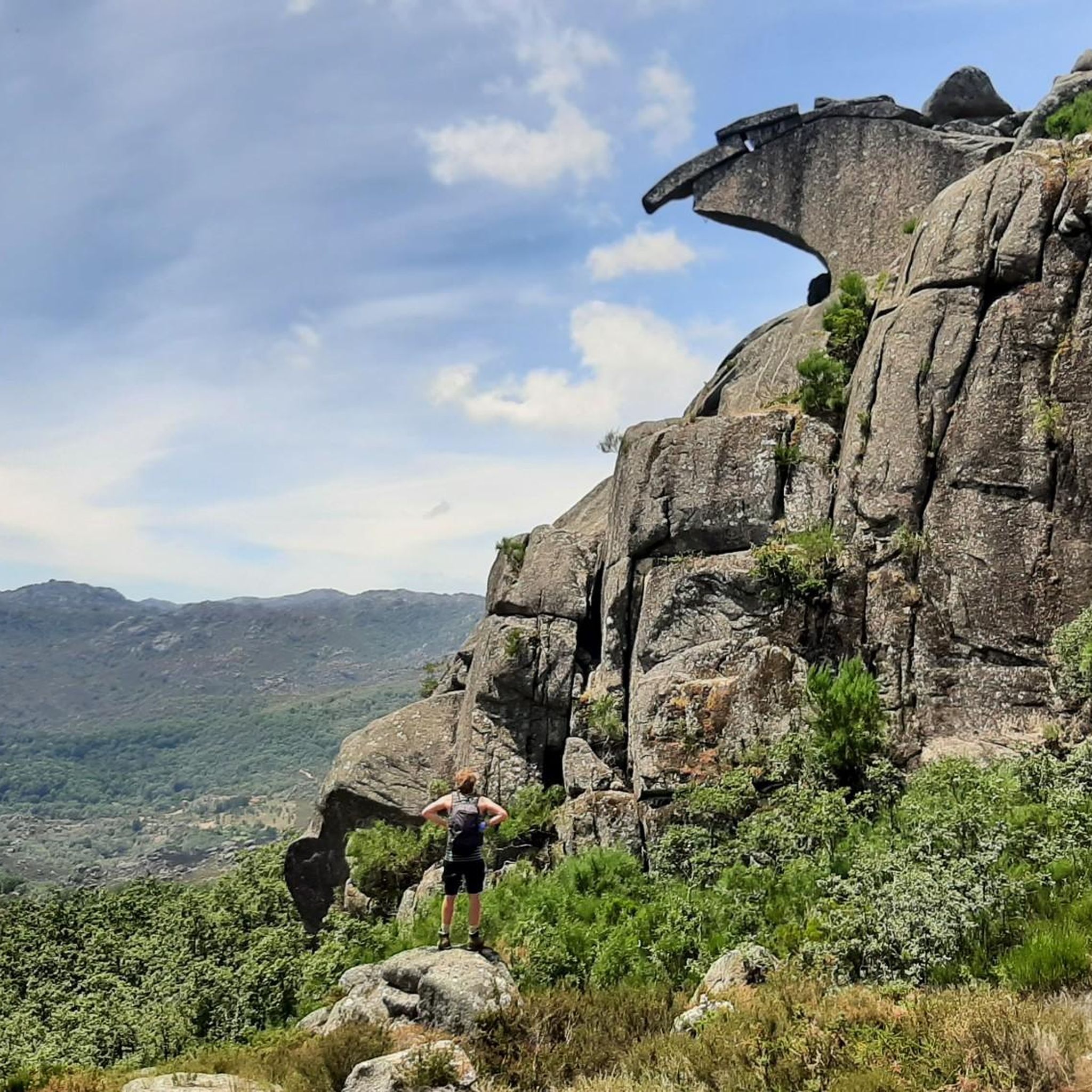
Tips from the Community

Barbeita Bridge - Mouro River - Monção - Portugal The bridge over the Mouro River is located in Ponte de Mouro, connecting Barbeita to Ceivães over the Mouro River, in Monção. It is known that a bridge existed at this location at least as early as 1386. It was here that, in that year, the historic meeting between King John I and the Duke of Lancaster, pretender to the throne of Castile, took place. The marriage of the Portuguese king to Philippa of Lancaster, the duke's daughter, was also arranged. The old bridge visible today underwent renovations in 1627.
0
0

Foot trail going up that leads to the lagoon
0
0
Perfect for taking a dip in the summer, very pleasant.
0
0

In the 12th century it was the main border defense of Alto Minho, forming the northernmost guard post in Portugal on the section where the Minho River begins its border function and monitoring the crossing into Galicia (WIKIPEDIA). Today just a ruin. There is a small museum in the preserved keep.
0
0
Due to its surrounding beauty and in the summer we can take a bath
0
0
branda da Gavieira, a very beautiful place with lots of holly trees, beautiful
0
0
Pleasant place with a bar, open only in summer
0
0
Frequently Asked Questions
How many touring cycling routes are available around Castro Laboreiro?
There are 3 touring cycling routes listed around Castro Laboreiro on komoot, all rated as difficult. These routes offer a challenging experience through the region's rugged landscapes.
What kind of terrain can I expect on touring cycling routes in Castro Laboreiro?
The terrain around Castro Laboreiro is characterized by a rugged mountainous landscape, featuring granite boulders, windswept moors, and glacier-carved valleys. Routes often involve off-road paths, hills, and stream crossings, providing a challenging and immersive experience away from asphalt roads.
What historical landmarks can I see along touring cycling routes in Castro Laboreiro?
Many routes pass by significant historical sites. You can explore ancient structures like the Castro Laboreiro Castle, which offers panoramic views. The region is also rich in Roman and medieval bridges, such as Ponte da Dorna and Ponte da Capela, and features megalithic monuments. The village of Castro Laboreiro itself, with its traditional settlements and historic center, is a landmark.
Are there any natural features or viewpoints to discover while cycling?
Absolutely. The region is part of the Peneda-Gerês National Park, offering dramatic scenery. You can encounter picturesque waterfalls like Cascata do Laboreiro, and enjoy expansive views from higher elevations. Routes like Gerês-Xurés and Lindoso Reservoir Trail specifically offer views of the Lindoso Reservoir.
What is the best time of year for touring cycling in Castro Laboreiro?
The scenery in Castro Laboreiro transitions beautifully with the seasons. While winter brings snow-blanketed mountains, spring transforms the landscape into carpets of wildflowers, making it a vibrant time to visit. Summer and autumn also offer pleasant conditions for exploring, though higher elevations can be exposed.
Are there family-friendly touring cycling options in Castro Laboreiro?
The touring cycling routes listed for Castro Laboreiro are generally rated as difficult, involving significant elevation changes and rugged terrain. While the area is beautiful, these specific routes may not be suitable for young children or beginners. For easier family-friendly options, it's advisable to check local guides or komoot for routes specifically marked as easy or moderate in the broader Peneda-Gerês National Park area.
Can I bring my dog on touring cycling routes in Castro Laboreiro?
Castro Laboreiro is located within the Peneda-Gerês National Park, which is a protected area. While dogs are generally allowed on trails, it's crucial to keep them on a leash to protect local wildlife, especially wild garrano horses, and respect the natural environment. Always check specific park regulations before heading out.
What do other touring cyclists enjoy the most about touring cycling in Castro Laboreiro?
The area is highly rated by the komoot community, with an average score of 3.0 stars. Cyclists often praise the challenging nature of the routes, the stunning natural beauty of the Peneda-Gerês National Park, and the opportunity to explore historical sites and traditional settlements away from paved roads.
Are there any circular touring cycling routes in the area?
Yes, there are circular options available. For example, the Castle of Melgaço – Ponte da Barbeita loop from Melgaço is a popular circular route that takes you through historical sites and river crossings.
Where can I find parking for touring cycling routes in Castro Laboreiro?
Parking is generally available in the village of Castro Laboreiro itself. For routes starting outside the main village, such as the Bouça dos Homens – Casa do Bico do Pássaro loop from Lamas de Mouro, you would typically find parking in the nearby starting villages or designated trailheads. It's recommended to check the specific route details on komoot for precise parking information.
Are there cafes or pubs near the touring cycling routes in Castro Laboreiro?
The village of Castro Laboreiro, with its historic center, offers cafes and pubs where you can refuel. While some routes venture into more remote areas of the Peneda-Gerês National Park, you'll find amenities in the main settlements. It's always a good idea to carry sufficient water and snacks, especially on longer, more isolated routes like Tour 4 de Melgaço — Parque Nacional da Peneda-Gerês.
What kind of forests and vegetation will I see while cycling?
The region boasts diverse forest types, including dominant oak trees, alongside arbutus, holly, laurel cherry-trees, pine-trees, and white birch. At higher elevations, you'll often find broom, furze, and heather, contributing to the rugged and wild beauty of the landscape.
Most popular attractions around Castro Laboreiro

Get inspired with the komoot mobile app


Explore more
Browse the best Cycling routes in other regions.
