The best walks and hikes around Castro Laboreiro
4.5
(774)
2,863
hikers
19
hikes
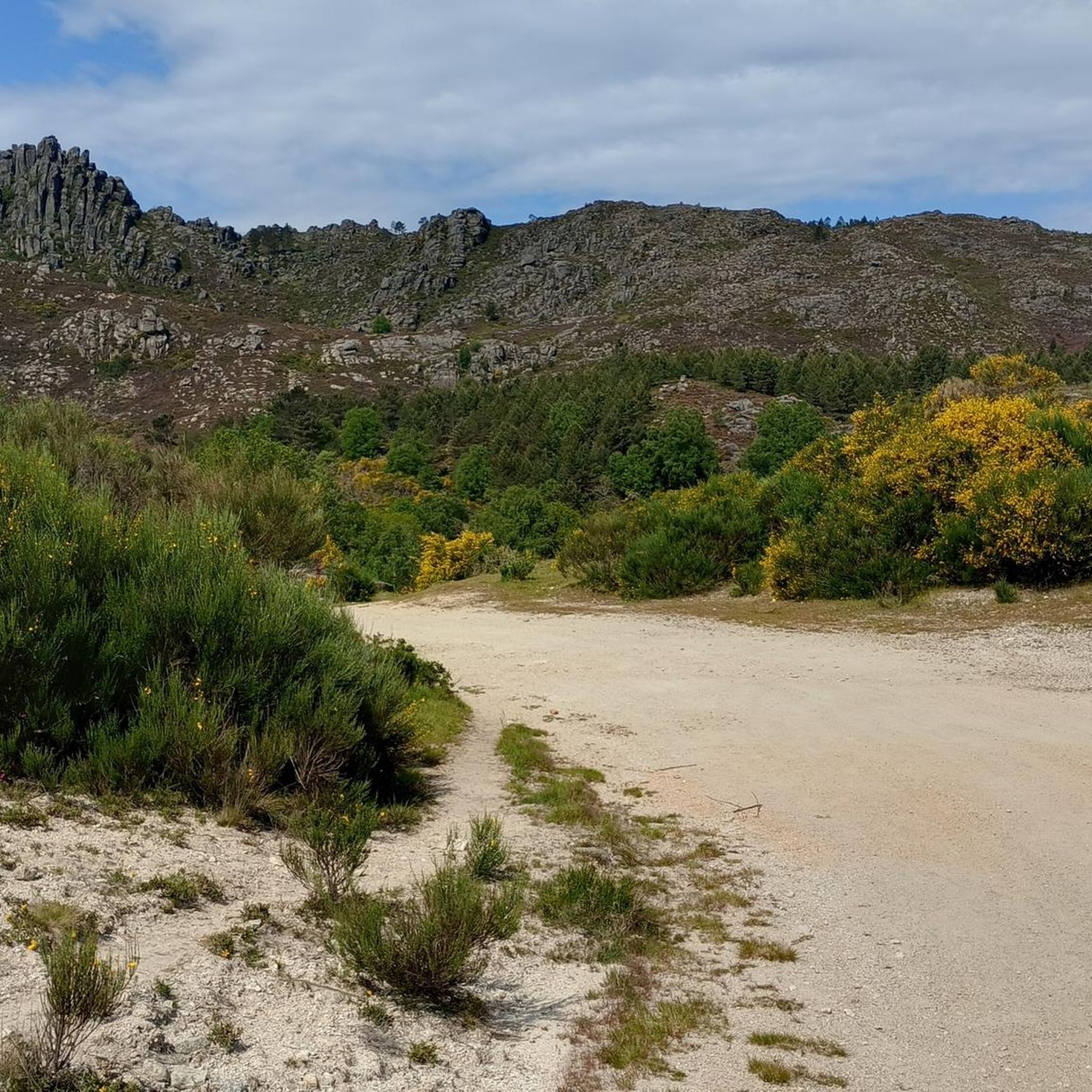
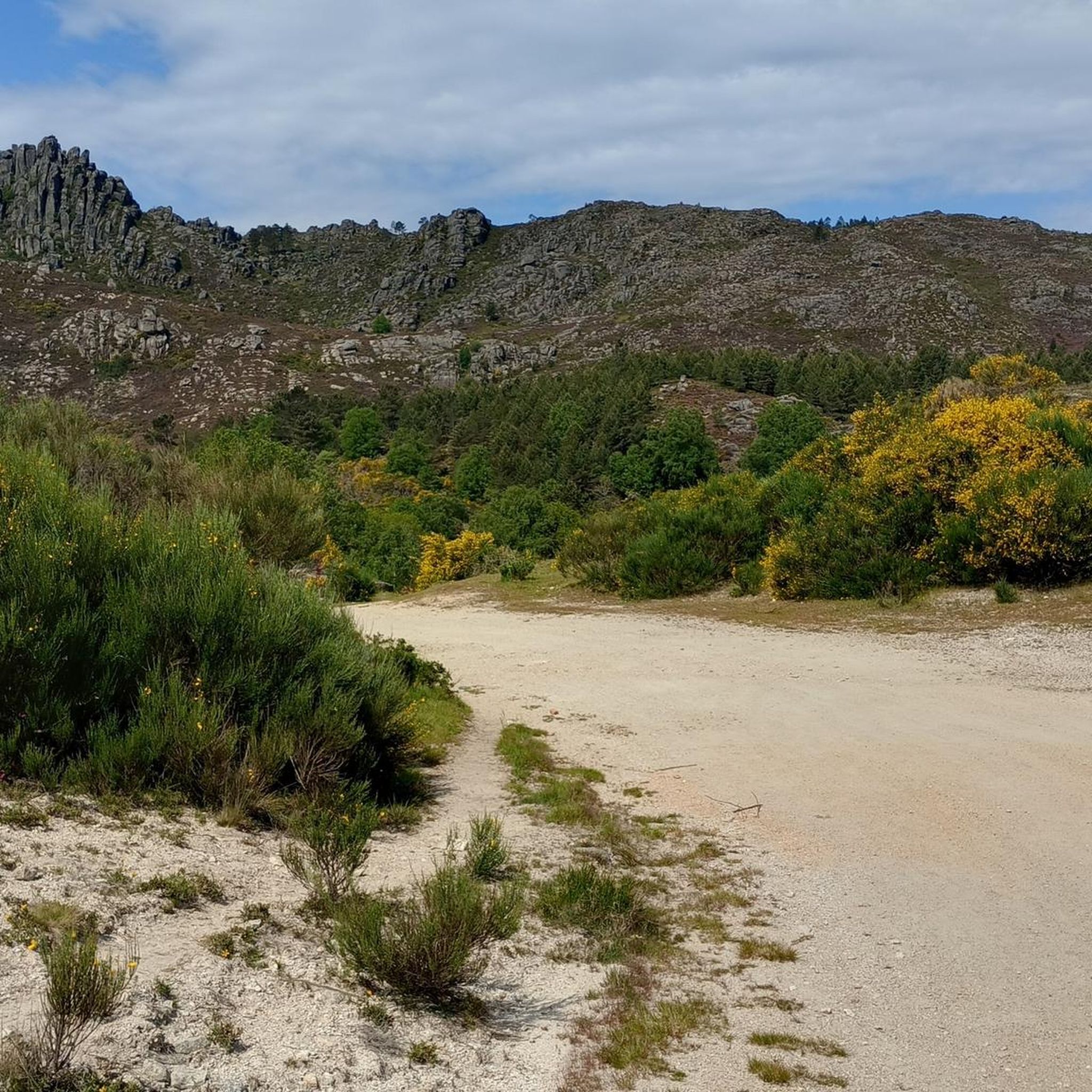
Hiking around Castro Laboreiro offers access to Portugal's Peneda-Gerês National Park, characterized by a mountainous, granitic landscape with deep valleys. The region features granite boulders, oak forests, and high-altitude plateaus. Rivers carve through the terrain, creating waterfalls and natural pools. This area provides a blend of wild nature and traditional human settlements.
Best hiking trails around Castro Laboreiro
- The most popular hiking route is Ponte da Cava da Velha – Bico do Patelo loop from Castro Laboreiro, a 10.7 miles (17.1 km) trail that takes 5 hours 12 minutes to complete, offering expansive views across the granitic landscape.
- Another top favourite among local hikers is Ponte da Cava da Velha – Bico do Patelo loop from Castro Laboreiro e Lamas de Mouro, a difficult 12.9 miles (20.7 km) path that explores the rugged mountainous terrain and traditional settlements.
- Local hikers also love the Laboreiro River Waterfalls – PRVI Steel Bridge loop from Castro Laboreiro, a 5.1 miles (8.2 km) trail leading through river valleys and past waterfalls, often completed in about 2 hours 28 minutes.
- Hiking around Castro Laboreiro is defined by its granitic landscape, river valleys, and oak forests. The network offers options for various ability levels, from moderate walks to challenging treks.
- The routes in Castro Laboreiro are highly rated by the komoot community with an average score of 4.4 stars from over 270 reviews. More than 1000 hikers have used komoot to explore Castro Laboreiro's varied terrain.
Last updated: October 15, 2026
4.6
(21)
96
hikers
17.0km
05:10
560m
560m
Hard hike. Very good fitness required. Easily-accessible paths. Suitable for all skill levels.
4.7
(26)
132
hikers
Hard hike. Very good fitness required. Easily-accessible paths. Suitable for all skill levels.

4.7
(15)
44
hikers
8.23km
02:28
250m
250m
Moderate hike. Good fitness required. Easily-accessible paths. Suitable for all skill levels.
4.5
(2)
23
hikers
Moderate hike. Good fitness required. Easily-accessible paths. Suitable for all skill levels.
4.8
(5)
11
hikers
9.15km
02:44
280m
280m
Moderate hike. Good fitness required. Easily-accessible paths. Suitable for all skill levels.
Get access to more routes and recommendations from other explorers.
Already have an account?
Our route recommendations are based on thousands of hikes, rides, and runs completed by other people on komoot.
Start today with a free account
Your next adventure awaits.
Tips from the Community

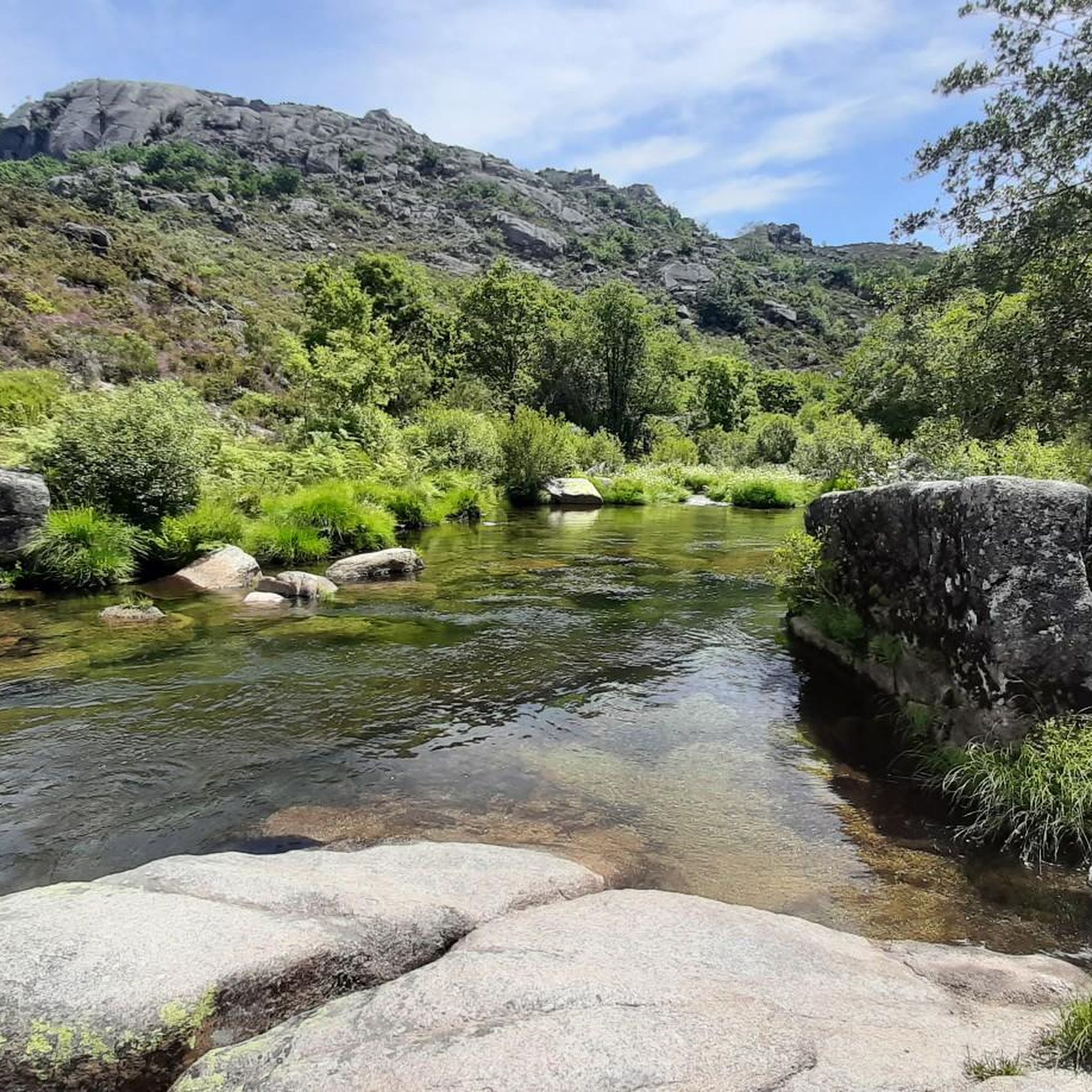
The Laboreiro Waterfall (Cascata do Laboreiro) is one of the most beautiful spots in Peneda-Gerês National Park, located near the village of Castro Laboreiro in Melgaço. It's a waterfall formed by the Laboreiro River, which cascades down between granite rocks, creating natural pools. The surroundings are spectacular: mountains, native vegetation, and panoramic views of the valley. Ideal for photography and enjoying nature in its purest form.
1
1
The Ponte Velha de Castro Laboreiro is one of the most emblematic historical bridges in Peneda-Gerês National Park, located in the municipality of Melgaço. Of medieval origin, it was probably built between the 13th and 14th centuries. Style: Romanesque architecture, with a semicircular arch and granite stonework. Function: It formed part of the ancient road that connected Galicia with northern Portugal, facilitating the crossing of the Laboreiro River.
1
0

This ancient stone bridge crosses the Ribeira da Varziela near the village of Varziela. Built with large granite blocks and a simple arch, it is a fine example of traditional mountain architecture.
0
0
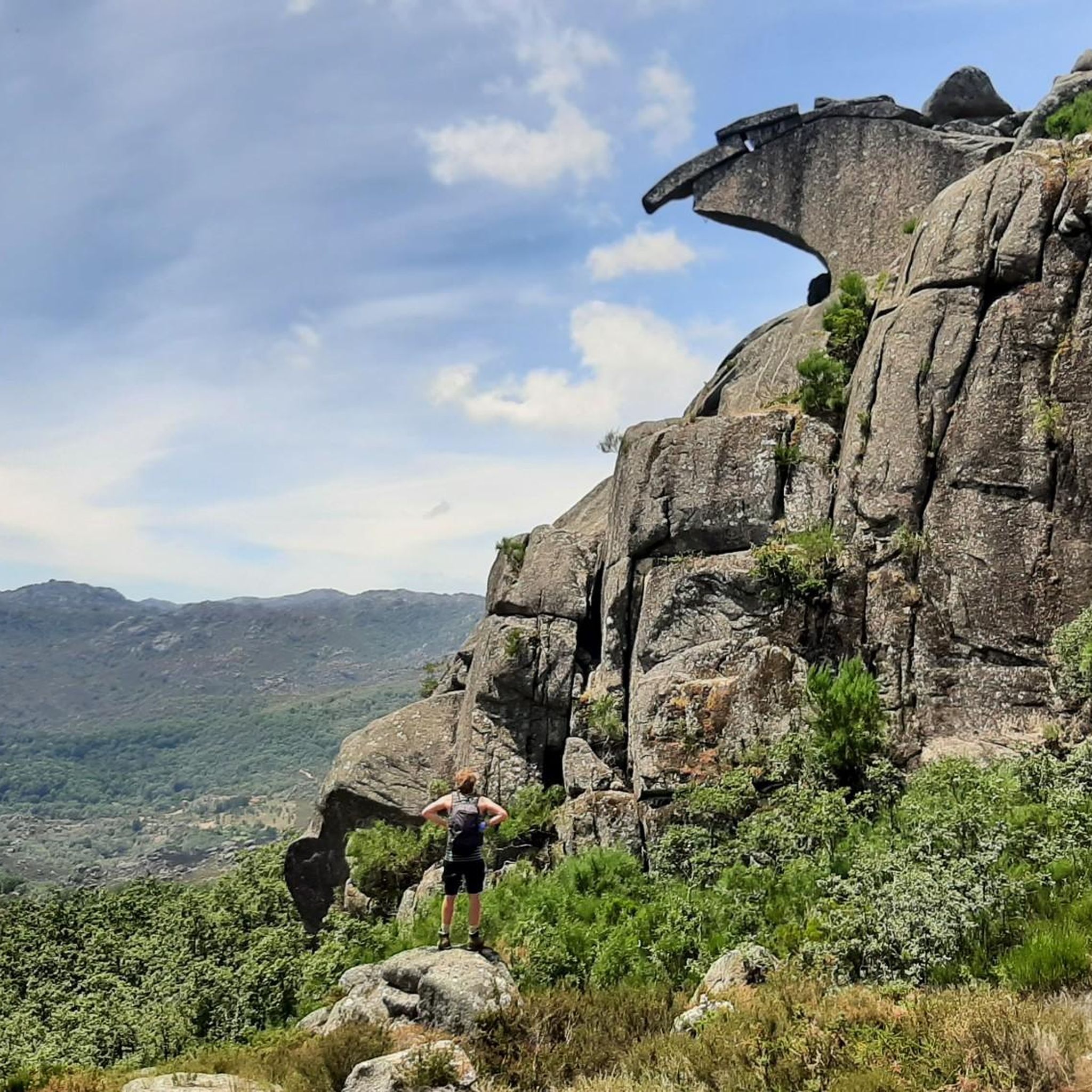
Bico do Patelo, literally "Patelo’s Beak," is a striking granite rock formation in Peneda-Gerês National Park. Its bold shape rises above the surrounding hills, catching the eye from different points along the PR3 Castrejo trail. As you approach, the unusual form makes it a natural landmark and one of the memorable sights of the hike.
0
0
Pousios is a small traditional hamlet in the mountains of Peneda-Gerês National Park. Stone houses, narrow paths, and surrounding fields reflect the rural way of life that has shaped this remote region for centuries.
0
0
From this point you can see the traditional stone-walled terraces around Castro Laboreiro. These fields were once used for rye, potatoes, and grazing, forming part of the seasonal farming system of the mountain villages. The terraces shape the landscape and reflect the hard work of generations who lived in this remote region of Peneda-Gerês.
0
0
Chão da Roca is a rocky high plateau above Castro Laboreiro in Peneda-Gerês National Park. Once used as summer pasture land, it still shows traces of ancient stone-walled terraces and seasonal settlements (brandas). Today it offers wide and beautiful views across the mountains.
0
0
Frequently Asked Questions
How many hiking trails are available around Castro Laboreiro?
There are over 15 hiking trails in the Castro Laboreiro area, offering a range of options from moderate walks to more challenging treks through the granitic landscape of Peneda-Gerês National Park.
What makes hiking in Castro Laboreiro unique?
Hiking in Castro Laboreiro offers a unique blend of rugged, glacier-carved landscapes, traditional granite villages, and rich cultural heritage within Portugal's only national park, Peneda-Gerês. You'll encounter diverse flora and fauna, ancient shepherds' tracks, and historic landmarks.
What is the best time of year to go hiking in Castro Laboreiro?
The best time to hike in Castro Laboreiro is generally during spring (April-June) and autumn (September-October) when the weather is milder and the natural scenery is vibrant. Summers can be hot, while winters may bring colder temperatures and snow at higher altitudes.
Are there any historical sites or landmarks to see while hiking in Castro Laboreiro?
Yes, many trails pass by significant historical sites. You can explore the ruins of the Castro Laboreiro Castle, offering panoramic views, or discover ancient megalithic monuments. Historic stone bridges, like the Roman bridge of Cava da Velha, are also common sights.
Can I find waterfalls or natural pools along the hiking trails?
Absolutely. The region's rivers carve deep valleys, leading to numerous waterfalls and natural pools. Notable examples include the Cascata do Laboreiro and the Laboreiro River Waterfalls. Some trails, like the Laboreiro River Waterfalls – PRVI Steel Bridge loop from Castro Laboreiro, specifically highlight these natural features.
Are there family-friendly hiking options in Castro Laboreiro?
Yes, Castro Laboreiro offers several easier and moderate trails suitable for families. These routes often feature gentle slopes and lead through picturesque landscapes, allowing for an enjoyable experience for all ages. Look for trails marked as 'easy' or 'moderate' difficulty.
Are dogs allowed on the hiking trails in Castro Laboreiro?
Peneda-Gerês National Park, where Castro Laboreiro is located, generally allows dogs on trails, but they must be kept on a leash to protect wildlife and ensure the safety of other hikers. Always ensure your dog is under control and respect local regulations.
What do other hikers enjoy most about the trails in Castro Laboreiro?
The trails in Castro Laboreiro are highly rated by the komoot community, with an average score of 4.4 stars from over 270 reviews. Hikers frequently praise the stunning granitic landscapes, the peaceful river valleys, and the opportunity to discover traditional villages and ancient cultural sites.
Are there any circular hiking routes available?
Yes, many of the trails around Castro Laboreiro are designed as circular routes, allowing you to start and end in the same location. For example, the popular Ponte da Cava da Velha – Bico do Patelo loop from Castro Laboreiro is a challenging circular option.
Where can I find parking for hiking trails in Castro Laboreiro?
Parking is generally available in or near the village of Castro Laboreiro, often close to the starting points of popular trails. Specific parking information can usually be found on individual route descriptions or local signage.
Are there any less crowded hiking options for a more tranquil experience?
While popular routes can see more visitors, the vastness of Peneda-Gerês National Park means it's possible to find quieter trails. Exploring some of the moderate or difficult routes, or hiking during off-peak hours or seasons, can lead to a more serene experience amidst the rugged landscape.
Can I find places to eat or stay in Castro Laboreiro village?
Yes, Castro Laboreiro village offers a few traditional restaurants and cafes where you can enjoy local cuisine. There are also various accommodation options, including guesthouses and rural tourism establishments, providing a comfortable base for your hiking adventures.
Most popular attractions around Castro Laboreiro

Get inspired with the komoot mobile app


Explore more
Browse the best Hikes in other regions.
