Top 15 Lakes around Lo-Reninge
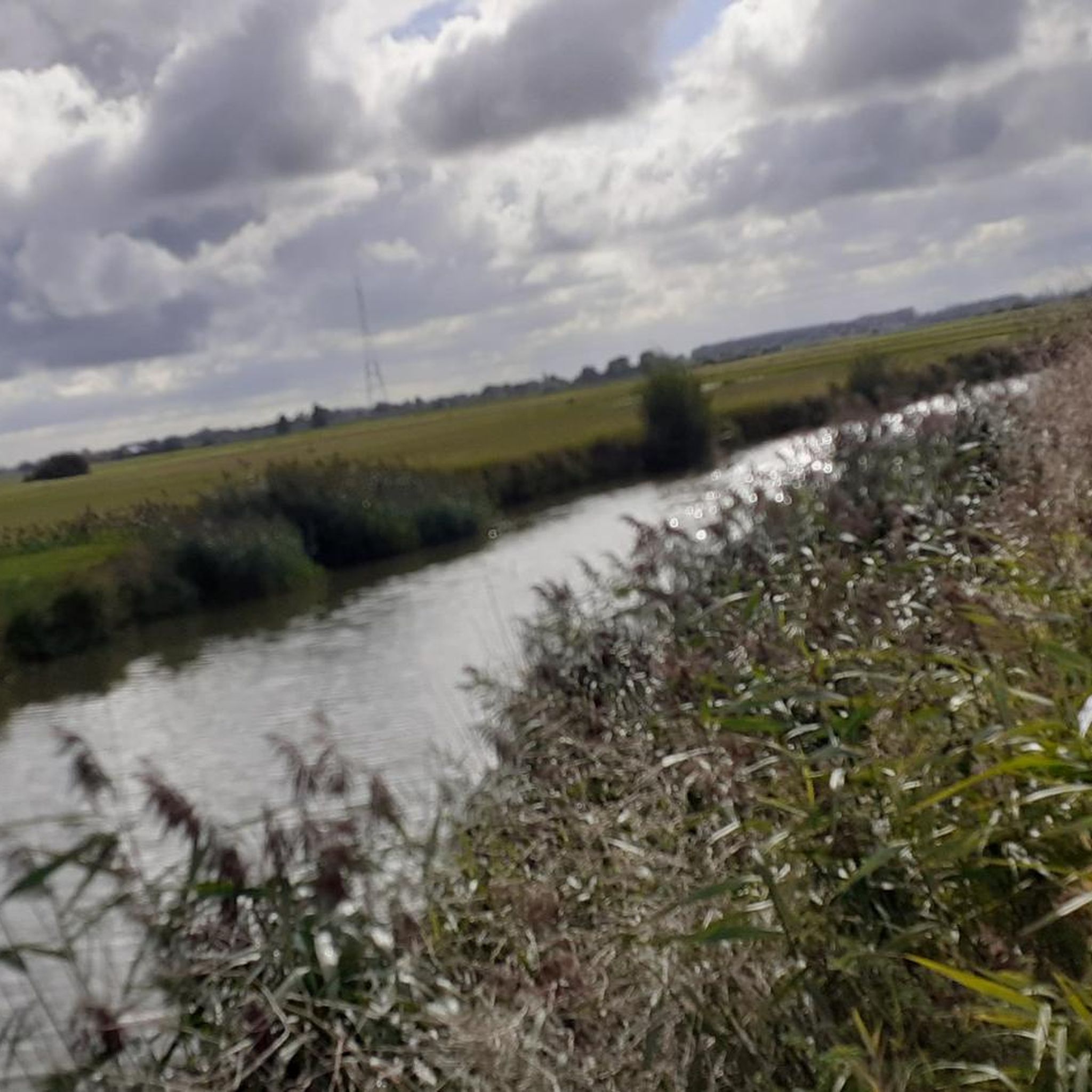
Best lakes around Lo-Reninge are found within a tranquil polder landscape in West Flanders, Belgium. This region is characterized by a network of canals and rivers, such as the Lovaart and the IJzer, which define its water landscape. While traditional large natural lakes are not prominent, the area offers serene environments around its various water features, including man-made ponds and clay pits. The flat, open terrain is suitable for outdoor activities like cycling and walking along these waterways.
Best lakes…
Last updated: August 24, 2026
Zillebeke Pond
Highlight • Lake
Translated by Google •
Tip by

Viconia Clay Pits
Highlight • Lake
The area …
Translated by Google •
Tip by

Sign up now to discover places like this
Get recommendations on the best single tracks, peaks, & plenty of other exciting outdoor places.
Sign up for free
Peace Forest, Ypres
Highlight • Forest
Translated by Google •
Tip by

Dikkebus Pond
Highlight • Lake
Translated by Google •
Tip by

Dikkebus Pond
Highlight • Lake
Translated by Google •
Tip by

Sign up for free to discover even more lakes around Lo-Reninge.
Sign up for free
Already have an account?
Start today with a free account
Your next adventure awaits.
Login or Signup

Tips from the Community

Experience the Viconia Clay Pits. A walking loop introduces you to the ponds and the observation tower.
0
1

An interesting anecdote concerns the battles around the pond during the war. Soldiers used the pond as a natural barrier and shelter. There are stories of soldiers wading through the water at night to reach enemy lines, which gave the pond strategic significance.
7
0

The nature reserve is just over 40 hectares and is home to many birds, which can be viewed from the bird hide. The area is managed by nature and forest. In the 13th and 14th centuries, St. Michael's parish was located here. It was designed in the early 1990s as a reservoir for drinking water and as a holding basin against flooding. The finds from the excavations of St. Michael's parish used to be on display in glass cabinets in the Mergelynck Museum, but are now also in the Yper Museum.
2
0

At the beginning of the 14th century, Ypres was a very prosperous and densely populated city. Two ponds were constructed for water supply: one in Dikkebus and one in Zillebeke, and these ponds still provide Ypres with drinking water today. The 28-hectare Zillebeke Pond is fed by the Zillebeek stream. On the western bank lies the pumping and treatment plant, which produces approximately four to five thousand cubic meters of drinking water daily. The pond is surrounded by a beautiful double row of trees. Fishing is permitted with a special permit. The pond is a valuable natural feature. The large fields of water lilies are particularly picturesque. A colony of grebes breeds there, but grey herons, coots, moorhens, mallards, and sandpipers also call the pond home. During the migration season, the pond is frequently visited by numerous bird species. You can cycle and walk around the pond. Source: knooppunter.com/zillebekevijver
2
0
Old pond that supplies fresh water to the city of Ypres. Some explanation: The Dikkebus Pond is a pond near the village of Dikkebus, south of Ypres. On July 23, 1310, the City of Ypres received permission from the Count of Flanders to dig the pond, which, next to the Zillebeke Pond, was intended to ensure sufficient water in the city for fulling and dyeing cloth. The pond was created by damming the Kemmelbeek stream and was excavated on land belonging to the parishes of Vlamertinge, Dikkebus, and Voormezele. The expropriation of the necessary land was arranged by the city of Ypres and took about ten years. The thirty-six-hectare pond was not completed until around 1323. The pond supplied and still supplies Ypres with drinking water, initially via the Ypres canals and later via a system of oak pipes. Since 1926, this has been done via a modern pumping station. The Zillebeke Pond and Bellewaarde Pond were also created this way. Besides providing drinking water, the pond also serves a recreational purpose. Enjoy the shady banks at a moderate pace.
2
0
Old pond that supplies fresh water to the city of Ypres. Some explanation: The Dikkebusvijver is a pond near the village of Dikkebus, south of the city of Ypres. On July 23, 1310, the City of Ypres received permission from the Count of Flanders to dig the pond next to the Zillebeke pond to ensure that sufficient water was available in the city for fulling and dyeing sheets. The pond was created by damming the Kemmelbeek and was excavated on the grounds of the parishes of Vlamertinge, Dikkebus and Voormezele. The expropriation of the necessary land was arranged by the city of Ypres and took about ten years to complete. The pond of thirty-six hectares was not realized until around 1323. The pond provided and supplies Ypres with drinking water, formerly via the Ypres canals and then via a system of oak pipes. Since 1926 this has been done via a modern pumping station. The Zillebeke pond and Bellewaarde pond were also created in this way. In addition to the drinking water supply, the pond also has a recreational function. Enjoy the shaded banks at moderate speed.
4
0
The Westhoek Vredeshoek platform has been proposed in the Peace Forest in Ypres. It is a platform in which the 17 Westhoek municipalities will collaborate with organizations such as Wakker voor Vrede, Moeders voor Vrede and Peace Village. They also want to further promote the idea of peace after the commemoration of the 100th anniversary of the First World War. Source: https://radio2.be/lees/westhoek-vredeshoek-voorstellen-in-vredesbos-ieper
1
1
The photo of the water was taken on the Ypres fortresses, near the Eilandje. (At entrance to Restaurant). You can recognize Zillebeke pond by the white Vijverhuis, former cafeteria. The 2 last pictures are indeed Zillebeke pond.
4
0
Frequently Asked Questions
What kind of 'lakes' can I expect to find around Lo-Reninge?
Lo-Reninge is characterized by a tranquil polder landscape with a network of canals and rivers, such as the Lovaart and the IJzer, rather than large natural lakes. The area features man-made ponds, clay pits, and extensive waterways that offer serene environments for outdoor activities. These water features, like Zillebeke Pond and Viconia Clay Pits, are often nature reserves with historical significance.
Are there family-friendly water features or trails in the Lo-Reninge area?
Yes, several spots are family-friendly. Zillebeke Pond and Dikkebus Pond offer walking and cycling paths around their perimeters. The Viconia Clay Pits nature reserve also has beautiful hiking trails and a lookout tower, making it an engaging place for families to explore and spot birds.
What outdoor activities can I do near the water features in Lo-Reninge?
The flat, open polder landscape around Lo-Reninge is ideal for cycling and walking along its canals and rivers. You can find numerous routes for these activities. For more structured options, explore cycling routes, running trails, and even gravel biking routes that pass through the scenic waterways and surrounding areas.
Are there any historical sites or features related to the water bodies?
Absolutely. Zillebeke Pond and Dikkebus Pond were both created in the 13th and 14th centuries, respectively, to supply drinking water to Ypres and support its cloth industry. The Peace Forest, Ypres, while a nature reserve, also holds historical significance, having been the site of St. Michael's parish and later designed as a reservoir and holding basin.
What kind of wildlife can I expect to see around the water areas?
The water features around Lo-Reninge are valuable natural habitats. Zillebeke Pond is home to various bird species, including grebes, grey herons, coots, moorhens, mallards, and sandpipers, especially during migration season. The Viconia Clay Pits and Peace Forest, Ypres also boast diverse bird populations, with bird hides and lookout towers available for observation.
What is the best time to visit Lo-Reninge for outdoor activities?
The flat terrain makes the area enjoyable for walking and cycling throughout much of the year. However, the polder environment means that water management is crucial, and areas can occasionally be 'under water after persistent flooding.' It's advisable to check local conditions, especially during prolonged wet periods, but generally, spring through autumn offers pleasant weather for exploring the waterways.
Are there specific trails for hiking or walking near the water?
Yes, many of the water features have trails around them. For instance, you can cycle and walk around Zillebeke Pond. The Viconia Clay Pits nature reserve features the Viconiapad, which includes a bird hide. The region's network of canals and rivers, like the Lovaart and IJzer, also provides numerous serene paths for walking and cycling.
Can I fish in any of the ponds or waterways?
Fishing is permitted in Zillebeke Pond, but you will need a special permit to do so. Always ensure you have the necessary permissions before fishing in any of the local waterways.
What are the Viconia Clay Pits and what can I do there?
The Viconia Clay Pits are a nature reserve formed from clay extraction between 1945 and 1979. This 40-hectare domain features wet meadows, ponds, ditches, and reed collars, creating a diverse ecosystem. Visitors can explore hiking trails, observe birds from a hide, or enjoy panoramic views from a new lookout tower.
What is the Peace Forest, Ypres, and what does it offer?
The Peace Forest, Ypres is a nature reserve spanning over 40 hectares. Originally designed as a reservoir and holding basin, it is now home to many birds, which can be viewed from a bird hide. The area also holds historical significance, having been the site of St. Michael's parish in the 13th and 14th centuries.
Are there any facilities or amenities near these water features?
While specific facilities vary, areas like Dikkebus Pond are known to have a recreational function and a gravel path around them. For cafes, pubs, or accommodation, you would typically find these in the nearby towns and villages, such as Lo-Reninge itself or Ypres, which is close to several of the mentioned ponds.
What is the terrain like for walking and cycling around Lo-Reninge's waterways?
The terrain around Lo-Reninge's waterways is predominantly flat. This characteristic of the polder landscape makes it very accessible and suitable for easy walking and cycling, offering a relaxed experience for most fitness levels.
Most popular routes around Lo-Reninge
Most popular attractions around Lo-Reninge

Get inspired with the komoot mobile app


Explore more
Still not found your perfect lake around Lo-Reninge? Check out the guides of these regions to see even more beautiful places.
