The 11 Most Amazing Peaks in Tanzania
Mountain peaks in Tanzania offer diverse landscapes and unique ecosystems. The country is home to Africa's highest peak, Mount Kilimanjaro, alongside other significant mountains like Mount Meru and Ol Doinyo Lengai. These geological formations provide varied experiences, from challenging climbs to wildlife viewing and cultural exploration. Tanzania's mountains are recognized for their natural beauty and ecological importance.
Best mountain peaks in Tanzania
- The most popular mountain peaks is Uhuru Peak (5,895 m), Mount Kilimanjaro, a summit that represents the highest point of the Kilimanjaro mountain massif. It is the highest point in Africa and part of the UNESCO World Natural Heritage.
- Another must-see spot is Stella Point, a summit. Visitors reaching this point are close to the highest point in Africa and can enjoy the views before continuing.
- Visitors also love View of Mawenzi, a viewpoint. This spot offers views of one of Kilimanjaro's secondary peaks, often appearing above the clouds.
- Tanzania is known for volcanic peaks, ancient crystalline mountains, and mountains with preserved rainforests. These ranges offer a variety of experiences, including climbing, wildlife observation, and cultural immersion.
- The mountain peaks in Tanzania are appreciated by the komoot community, with 89 upvotes and 50 photos shared across 11 highlights.
Last updated: June 26, 2026
Uhuru Peak (5,895 m), Mount Kilimanjaro
Highlight • Summit
Kilimanjaro means "mountain of the evil spirit". There is a legend among the Swahili that on Kilimanjaro there lives a wicked god who does not tolerate any man on his mountain. Anyone who tried it would stiffen their hands and feet and then fall off.
There are several routes on the Kibo. Technically, the climb is not difficult, the height is the biggest challenge for climbers. If you make your way to the kibo, you should plan for at least five to seven days for the return trip. The ascent is chargeable, in addition, the commission of local carriers is mandatory.
Translated by Google •
Tip by

Lava Tower
Highlight • Natural Monument
Tip by

Sign up now to discover places like this
Get recommendations on the best single tracks, peaks, & plenty of other exciting outdoor places.
Sign up for free
Stella Point
Highlight • Summit
Translated by Google •
Tip by

Ol Doinyo Lengai Crater
Highlight • Volcano
Take with you:
• Minimal 4 layers of upper clothing. A down jacket is useful.
• Good hiking shoes (category B3 or C)
• Blankets or a sleeping bag for the early morning bivouac, you will wait there for about an hour before the final ascent. It is a very small cavern in the rocky slope.
• Headlight
• Balaclava and/or warm hat
• Gloves
• Minimal 3 liter of water
• Eat well before departure
• Take abundant snacks/power bars etc.
• Take ski/walking sticks (no wooden Maasai sticks!)
• Sunscreen and sun-hat
We did not expect such a ‘low’ mountain to be such a challenge and to be so cold. You will have to climb around 1800m up for the last point a 4WD can bring you. Also, the route to this point is not in the best condition, you'll need an experienced driver and good vehicle.
Despite the challenges we had a great time on the Ol Doinyo Lengai!!! Not to be missed. What a sunrise and what an impressive crater!
Tip by

Descent from Mount Kilimanjaro
Highlight (Segment) • Trail
Translated by Google •
Tip by

Little Meru Summit (3,820 m)
Highlight • Summit
Translated by Google •
Tip by

View of Mawenzi
Highlight • Viewpoint
Tip by

Sunset view of Mount Meru from Shira Camp
Highlight • Viewpoint
Translated by Google •
Tip by
Night Ascent to Uhuru Peak
Highlight • Summit
Tip by

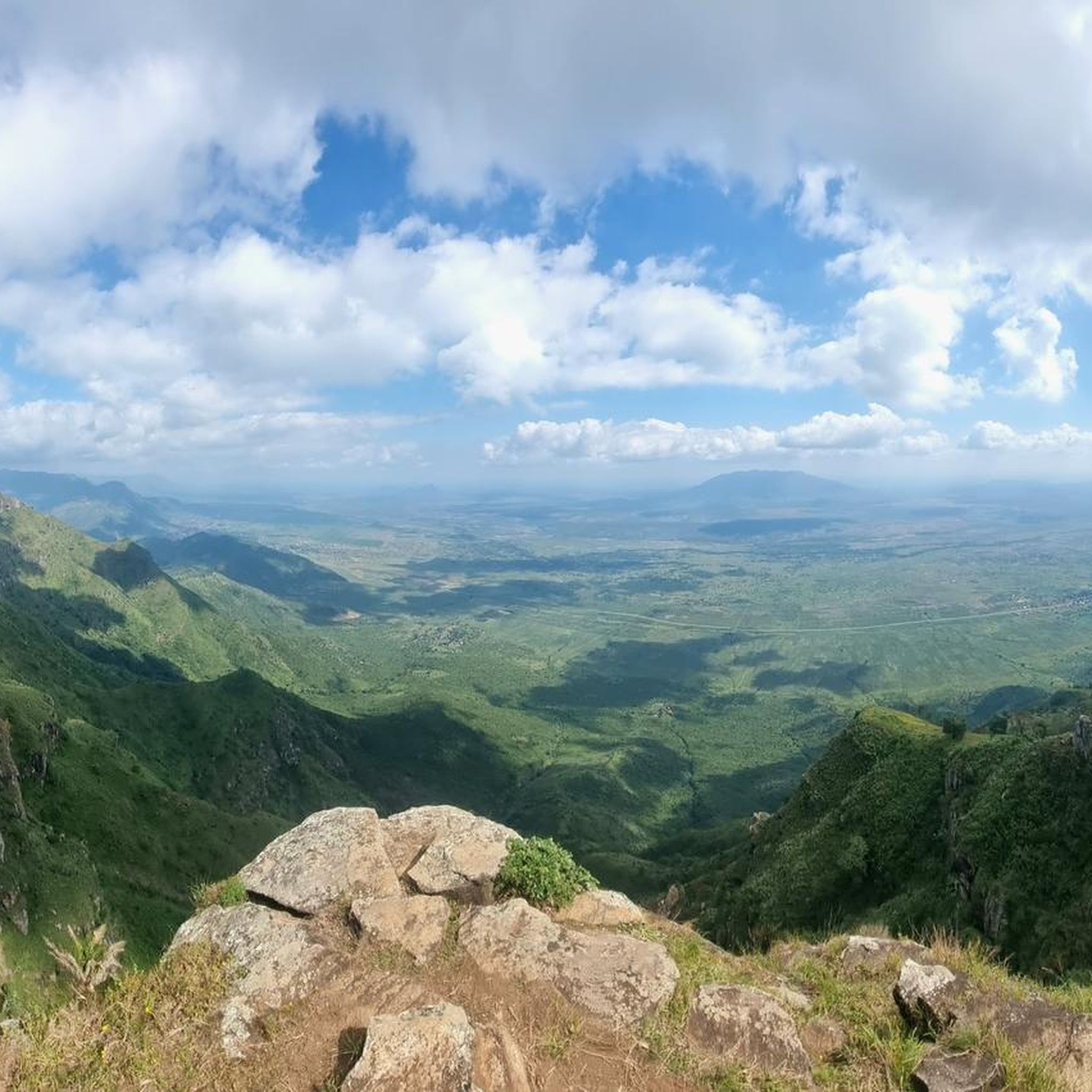
View of the Mountains of Tanzania
Highlight • Viewpoint
Translated by Google •
Tip by

Sign up for free to discover even more peaks in Tanzania.
Sign up for free
Already have an account?
Start today with a free account
Your next adventure awaits.
Login or Signup
Popular around Tanzania
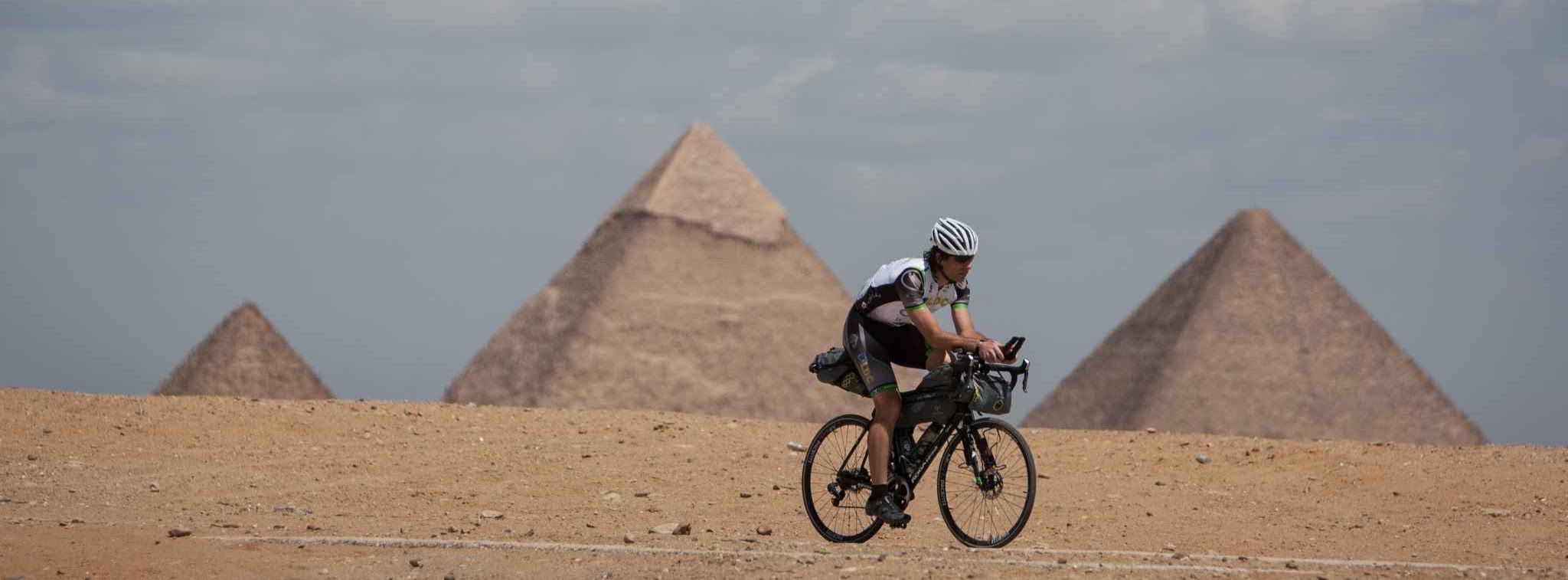
Africa Solo — Cairo to Cape Town in 41 days
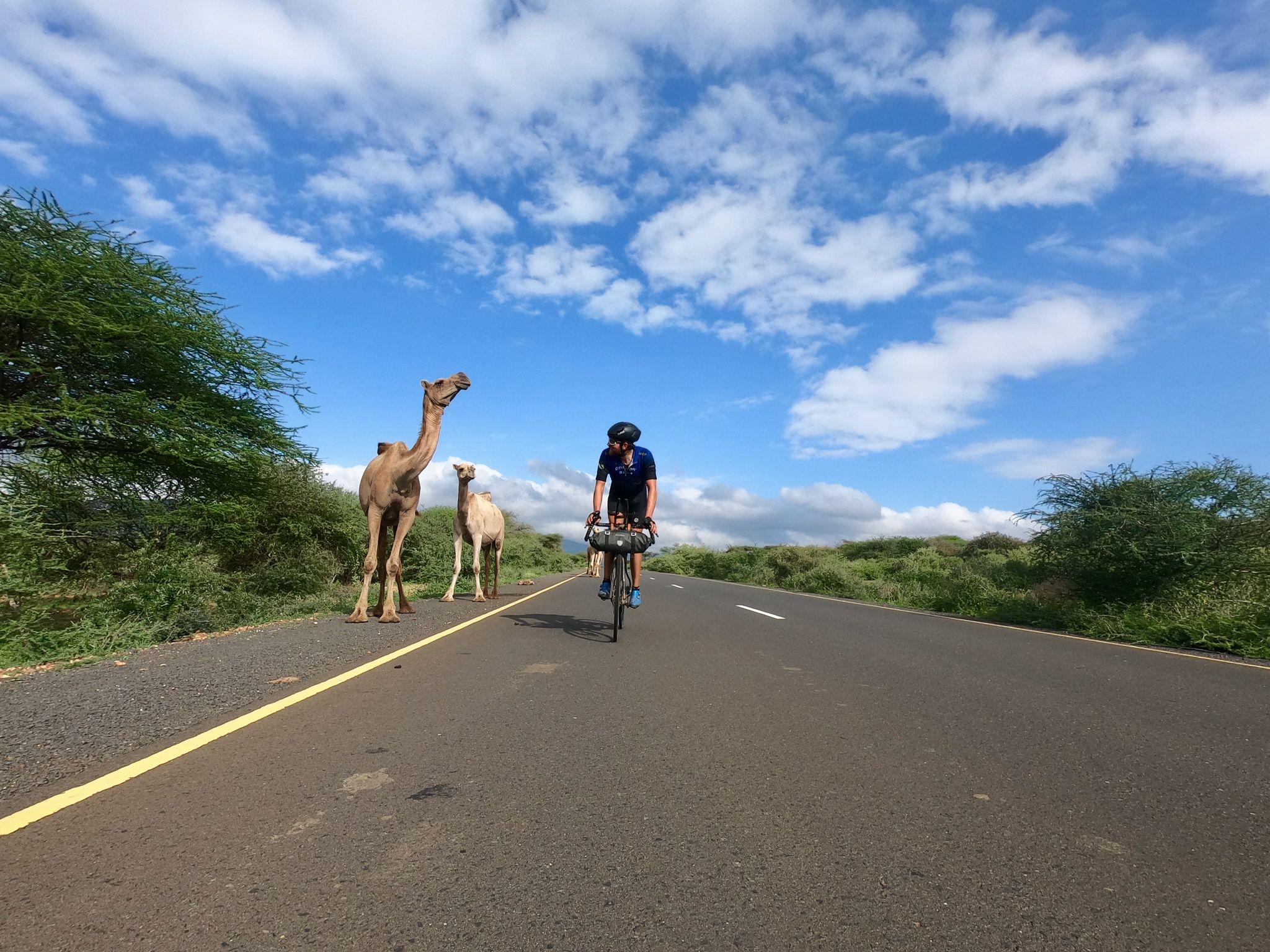
Cape to Cape Challenge – 18,000km in 73 days
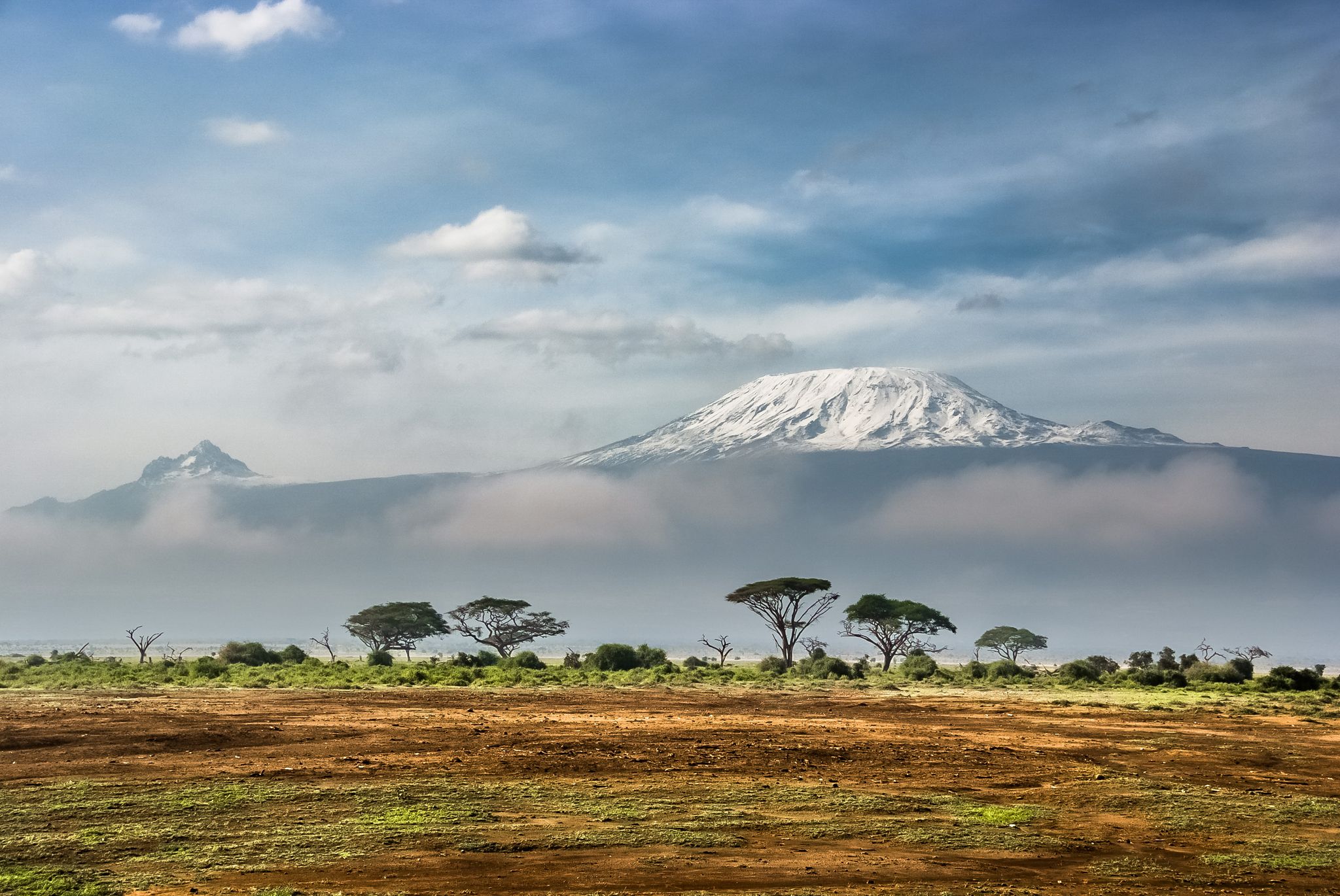
Kilimanjaro — from the jungle to Africa's rooftop
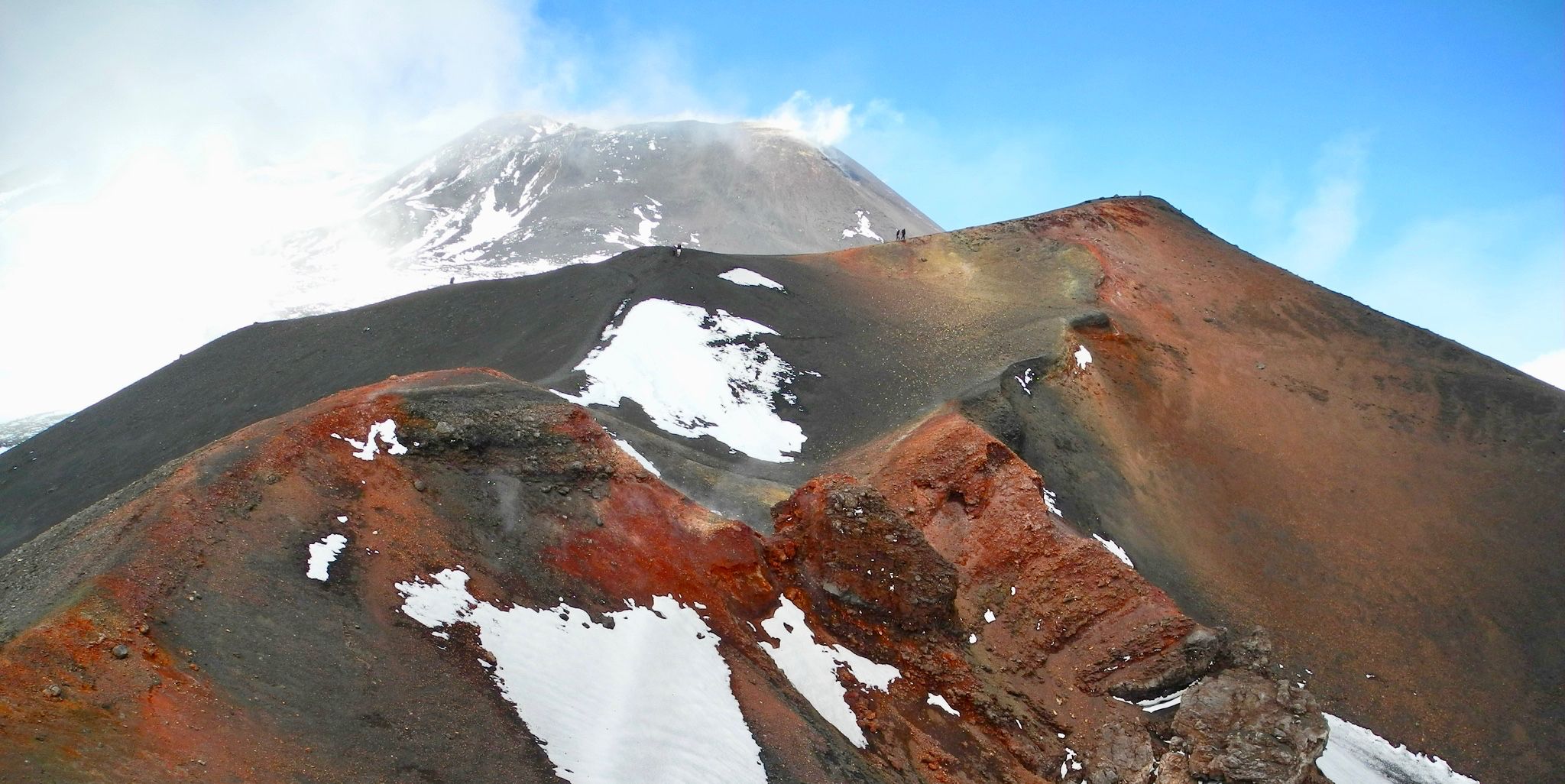
Holy mountains and their stories
Hiking in Tanzania
Running Trails in Tanzania
Mountain Hikes in Tanzania
Road Cycling Routes in Tanzania
MTB Trails in Tanzania
Cycling in Tanzania
Other adventures in Tanzania


Tips from the Community

A very beautiful mountain route, well-paved, with relatively few cars. https://www.komoot.com/de-de/tour/2534487431
0
0

I used double hiking socks around my nalgene bottle to protect from freezing on the way up. my hydration pack/water bladder pipe froze even with me pushing air back through the tube.
1
0

When following the Lemosho route on Kilimanjaro. You climb up to the Lava Tower. Lava Tower is a 300-foot tall rock structure on Mount Kilimanjaro. It is a distinct geological formation and significant landmark on the mountain. Lava Tower is a volcanic plug that was formed when Kilimanjaro was an active volcano. The process began between 150,000-200,000 years ago during a volcanic eruption. Magma rose through a vent from deep within the Earth to reach the surface. After the eruption subsided, the magma within the vent cooled and solidified. Over time, erosion wore away the softer, surrounding volcanic material, leaving the hard material exposed.
0
0

climbed 4 times from 4 different routes
0
0

Beautiful rock formation, the porters set up the tents up there and serve something to eat. You stay there for about an hour to acclimatise. It is at least 4600 m high
0
0

The steep ascent is rewarded here with a fabulous view
2
1


Frequently Asked Questions
What are the most prominent mountain peaks in Tanzania?
Tanzania is home to several iconic peaks. The most famous is Uhuru Peak (5,895 m), Mount Kilimanjaro, Africa's highest point. Other significant mountains include Mount Meru, Tanzania's second-highest peak, and Ol Doinyo Lengai, a unique active volcano. The Usambara Mountains, Mahale Mountains (with Mount Nkungwe), Mount Hanang, and Rungwe Mountain also offer diverse experiences.
What makes Mount Kilimanjaro a popular destination for climbers?
Mount Kilimanjaro, with its Uhuru Peak (5,895 m), is the world's tallest freestanding mountain and a UNESCO World Heritage Site. While the altitude presents the biggest challenge, it's not technically difficult, making it accessible to non-professionals. Climbers are drawn to the diverse climate zones, from rainforest to alpine desert, and the ultimate reward of reaching the 'Roof of Africa'.
How long does it typically take to climb Mount Kilimanjaro?
Climbing Mount Kilimanjaro typically requires a commitment of at least five to seven days for the round trip. This duration allows for proper acclimatization, which is crucial given the significant altitude challenge to reach Uhuru Peak.
What is unique about Ol Doinyo Lengai?
Ol Doinyo Lengai, known as the 'Mountain of God' by the Maasai, is Tanzania's only active volcano and is globally unique for producing natrocarbonatite lava. This lava is much cooler than typical lava and turns white upon contact with humidity. The ascent is technical and steep, often undertaken at night, offering views of Lake Natron and the Great Rift Valley from its crater.
Are there opportunities for wildlife viewing near Tanzania's mountain peaks?
Yes, especially around Mount Meru, which is located within Arusha National Park. Its lower slopes are home to diverse wildlife, including elephants, buffalo, and monkeys, offering a unique blend of climbing and wildlife viewing. The remote Mahale Mountains are also famous for their large protected chimpanzee population, providing a rare opportunity to observe them in their natural habitat.
What are the permit requirements for climbing mountains in Tanzania?
Climbing Mount Kilimanjaro is chargeable, and the commission of local carriers is mandatory. For Mount Meru, an armed ranger is required for climbs, which typically take 3-4 days. It's advisable to check with local authorities or tour operators for the most current permit requirements and fees for specific peaks and national parks.
What other mountain ranges in Tanzania offer hiking opportunities beyond Kilimanjaro and Meru?
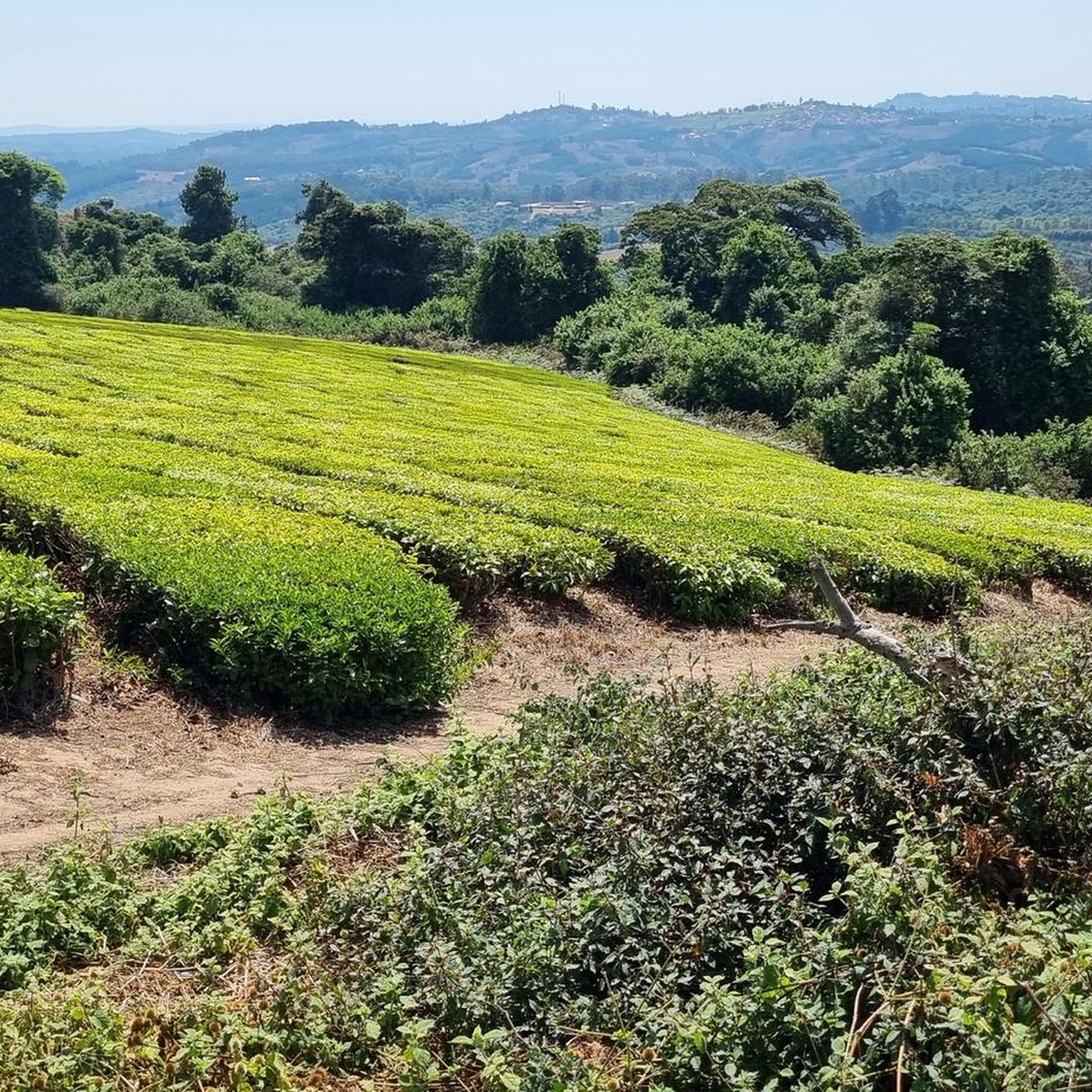
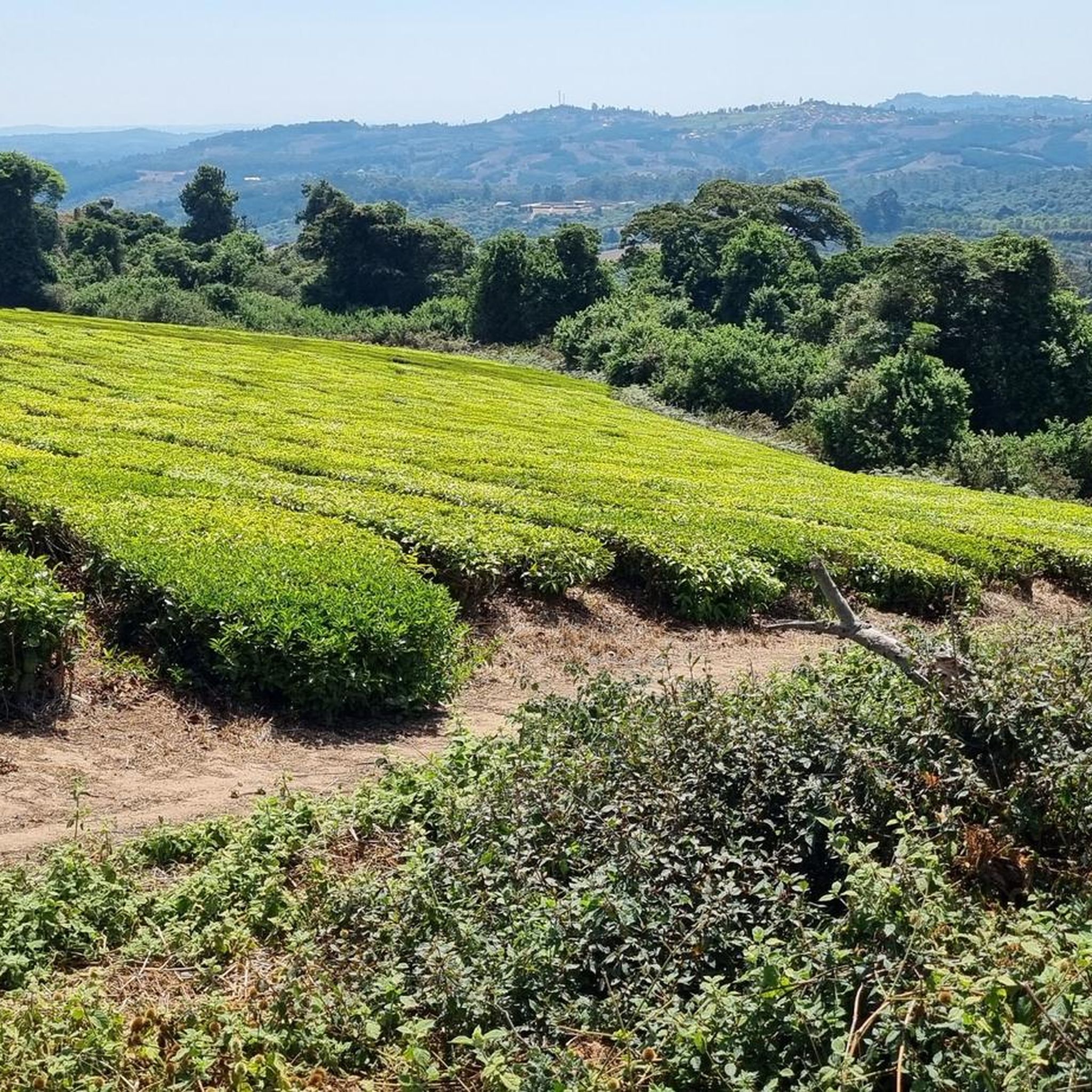
Beyond the well-known peaks, the Usambara Mountains offer perfectly preserved rainforests and accessible hiking trails, ideal for exploring local culture and biodiversity. The Mahale Mountains, with Mount Nkungwe, provide a remote chimpanzee trekking experience. Mount Hanang and Rungwe Mountain also offer options for hiking enthusiasts, with Rungwe being a dormant volcano that can be hiked in a day by experienced trekkers.
What outdoor activities can I do near these mountain peaks?
Besides mountaineering, the regions around Tanzania's peaks offer various outdoor activities. You can find numerous MTB trails in Tanzania, including moderate loops near Moshi. There are also great options for cycling in Tanzania, with routes around Moshi and Mikumi. For hikers, there are dedicated mountain hikes in Tanzania, including challenging routes to Uhuru Peak and around Little Meru.
Are there any family-friendly mountain activities in Tanzania?
While many of Tanzania's highest peaks present significant challenges, the Usambara Mountains offer charming farms, villages, and accessible hiking trails that are suitable for families looking to explore local culture and biodiversity. For less strenuous activities, visitors can explore areas around the base of mountains or national parks that offer wildlife viewing and shorter walks.
What is the best time to visit Tanzania's mountain peaks?
The best time to visit Tanzania's mountain peaks generally coincides with the dry seasons. For Kilimanjaro and Meru, this typically means January-March and June-October, when the weather is clearer and drier, offering better visibility and safer climbing conditions. However, conditions can vary, so it's always best to check specific forecasts closer to your travel dates.
What do visitors enjoy most about climbing Mount Kilimanjaro?
Visitors to Mount Kilimanjaro often express immense pride upon reaching the summit, particularly Uhuru Peak or Stella Point. They appreciate the stunning views, the sense of accomplishment, and the unique experience of traversing diverse landscapes. Many also highlight the beauty of the glaciers and the feeling of floating above the clouds, especially when viewing peaks like Mawenzi.
Most popular attractions in Tanzania

Get inspired with the komoot mobile app


Didn’t find what you were looking for?
Discover Tanzania’s best peaks and summits by region:
Explore more
See even more amazing summits in Tanzania with these guides:
