Top 20 Caves in Romania
Caves in Romania offer a diverse range of underground experiences, with over 12,000 discovered formations across the country. The Apuseni Mountains are particularly known for their high concentration of notable caves. These natural and man-made subterranean sites showcase unique geological features, historical significance, and impressive scale. Visitors can explore ancient ice formations, vast chambers, and sites of archaeological importance.
Best caves in Romania
- The most popular caves is Scărișoara Cave, a cave that features one of the largest underground glaciers in Europe. Its ice block has an estimated volume of 50,000 cubic meters and maintains a temperature around 0 degrees Celsius.
- Another must-see spot is Salina Turda, a man-made monument. This former salt mine is 120 meters deep and features massive chambers, with one measuring 50x80 meters and 42 meters high.
- Visitors also love Huda lui Papara Cave, a natural monument with a large entrance and a river flowing from within. It is appreciated for its impressive scale and the cold air emanating from its interior.
- Romania is known for its ice caves, limestone formations, and historical underground sites. These include natural caves with diverse speleothems and significant man-made underground structures.
- The caves in Romania are appreciated by the komoot community, with 34 upvotes and 42 photos shared across 27 highlights.
Last updated: October 12, 2026
Scărișoara Cave
Highlight • Cave
Translated by Google •
Tip by

Salina Turda
Highlight • Cave
One "cave" is 50x80 m and 42 m high (168,000 m3), the other has a diameter of 75 m and is 90 m high.
A huge thing, extremely worth seeing! Be sure to watch the video, it's really well done.
salinaturda.eu/en
Translated by Google •
Tip by

Sign up now to discover places like this
Get recommendations on the best single tracks, peaks, & plenty of other exciting outdoor places.
Suspension bridge at the Washed-Out Hideout Cave (Cheile Turzii)
Highlight • Bridge
Translated by Google •
Tip by

Crăpătura Zorilor Cave Entrance
Highlight • Cave
The work has the appearance of a canyon, being developed mainly in one direction, but there are also lateral galleries, as well as wells, executed in different time periods.
Zorilor's crater is a medium-sized mining work of approximately 3-8 meters, similar to a crack in the mountain with steep vertical walls of tens of meters, along which are superimposed mining galleries, some with large openings, on the walls of which scaffolding , casts) accessible on wooden stairs, necessary for the exploitation of polymers rich in polymers.
Translated by Google •
Tip by

Huda lui Papara Cave
Highlight • Cave
Tip by

The Ponor Fortresses
Highlight • Gorge
Tip by

The Bats Cave
Highlight • Cave
Translated by Google •
Tip by

Bat Cave
Highlight • Cave
Translated by Google •
Tip by

Trail to Peștera Liliecilor (Bat Cave)
Highlight (Segment) • Trail
Tip by

Tureni Gorge Cave
Highlight • Gorge
Translated by Google •
Tip by

Sign up for free to discover even more caves in Romania.
Already have an account?
Start today with a free account
Your next adventure awaits.
Popular around Romania

Triathlon 360 – my journey around the world
Via Transilvanica (second section) – Highlands
Via Transilvanica (first section) – Bucovina
TCR No. 8 — racing across Europe
The world's most epic cycling roads
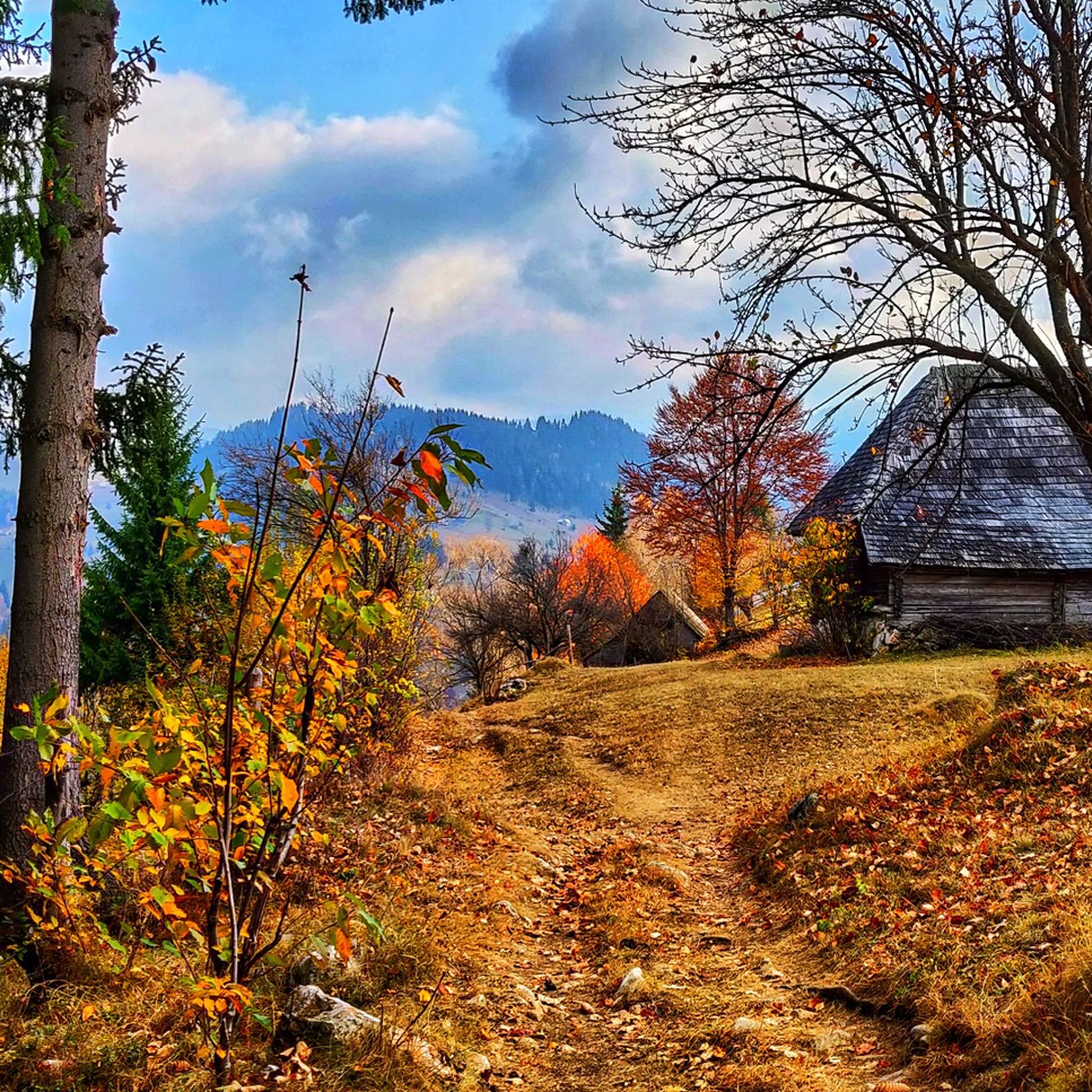
Hiking in Romania
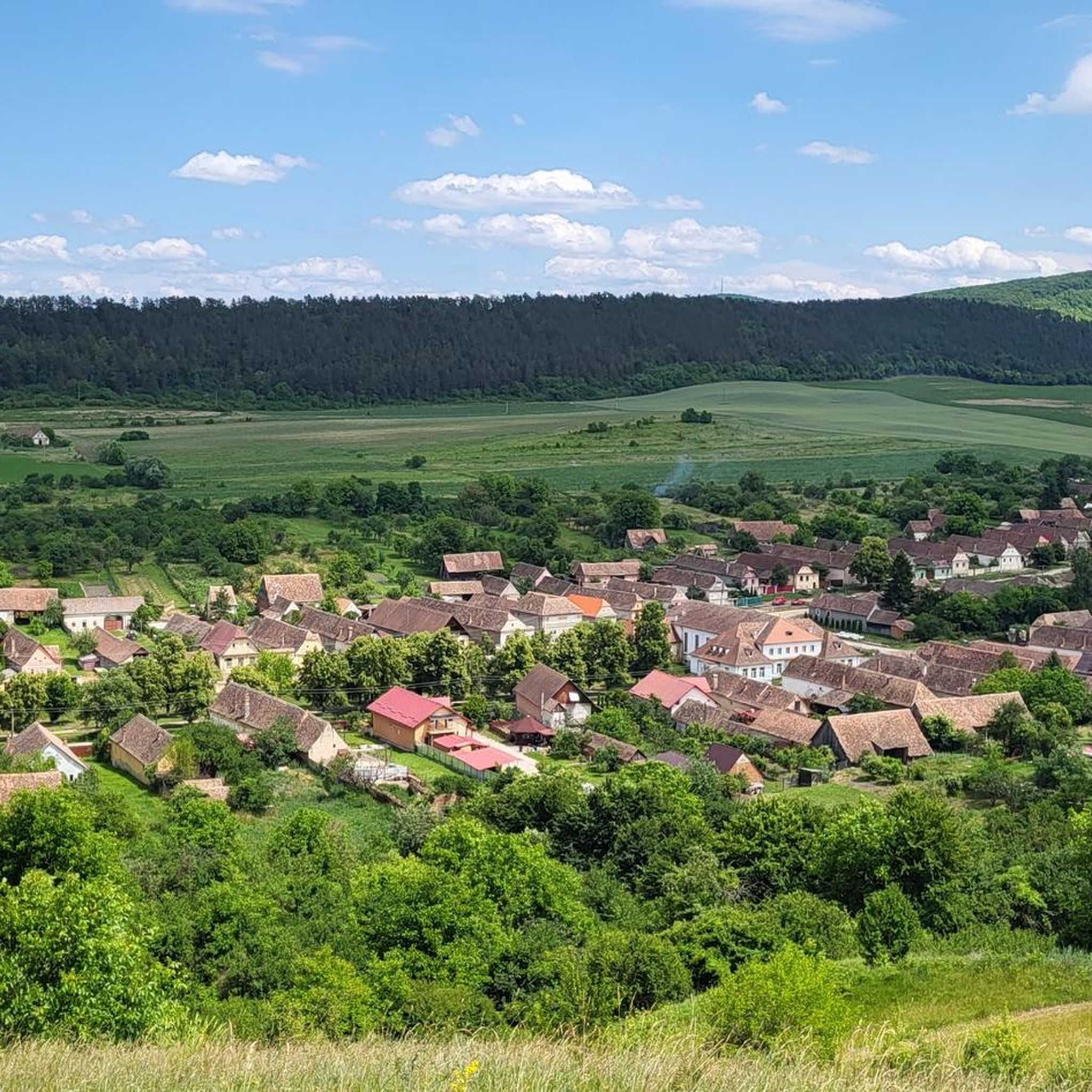
Running Trails in Romania
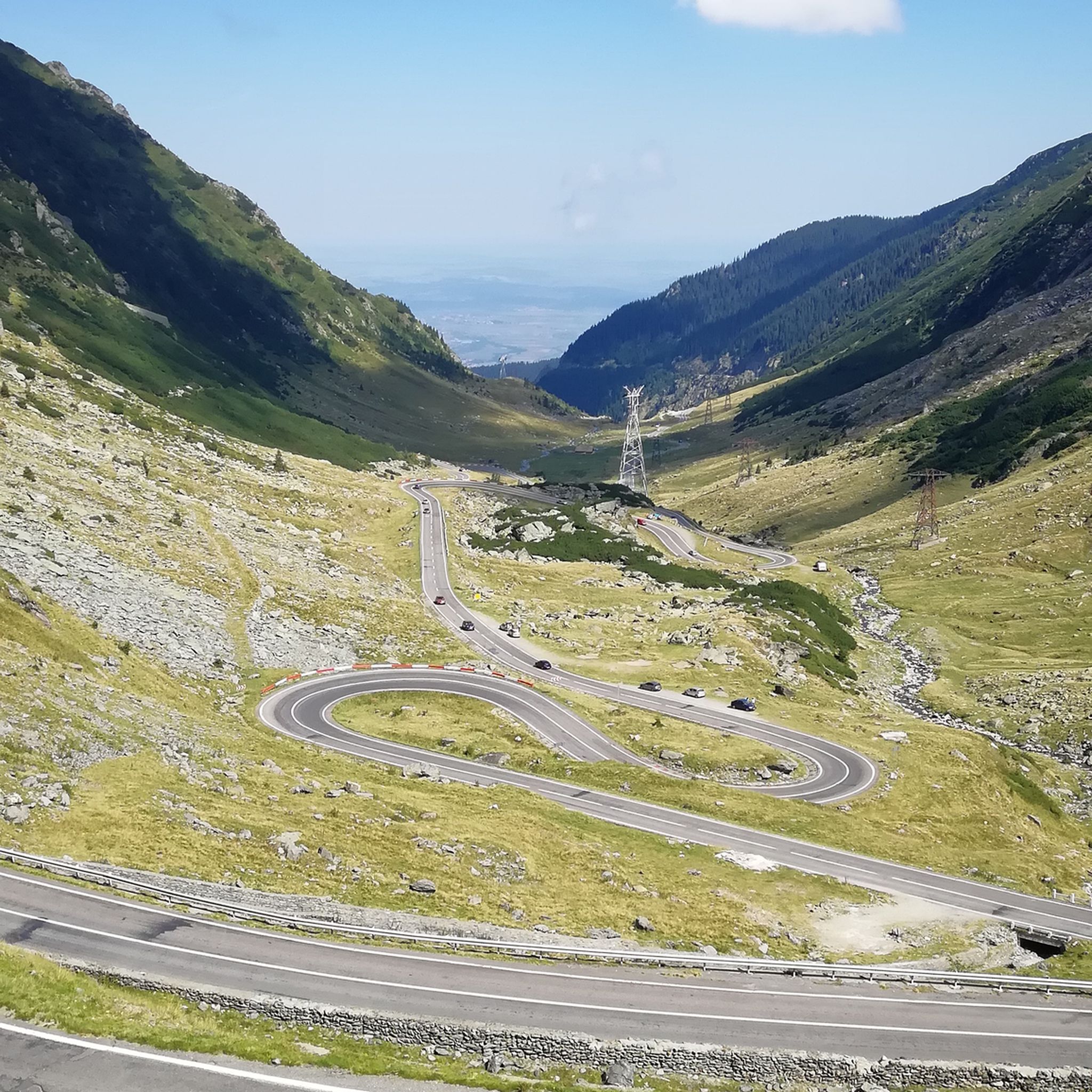
Road Cycling Routes in Romania
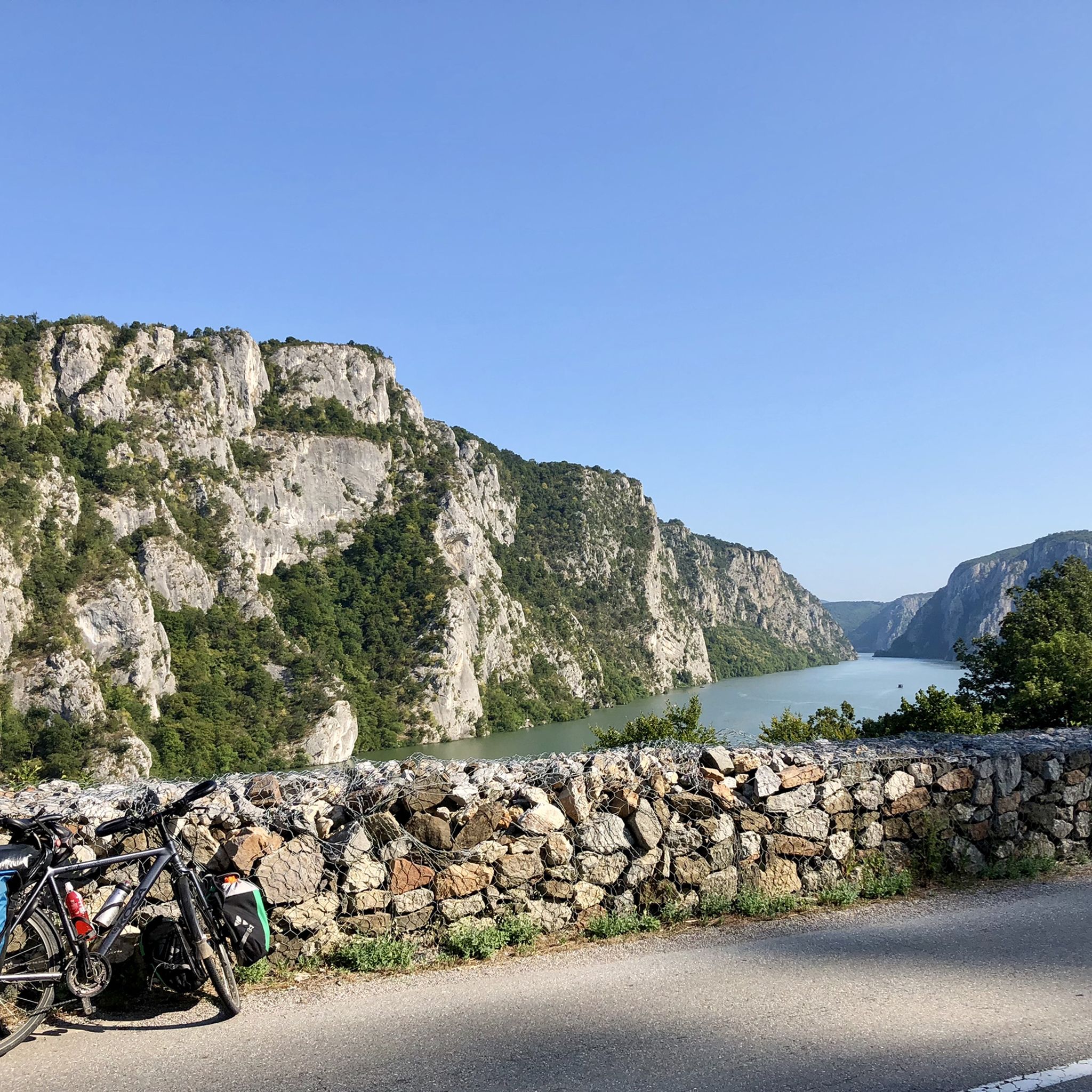
Cycling in Romania
MTB Trails in Romania
Other adventures in Romania


Tips from the Community

Hard terrain, sure foot and good condition is needed. In wet weather the track is very difficult and dangerous.
0
0

The Turda Salt Mine (Salina Turda) is a former salt mine in Cluj County, Transylvania. What makes this salt mine unique is the amusement park located 120 meters underground, featuring a 20-meter-high Ferris wheel, a boat tour on the salt lake, and a miniature golf course. An amphitheater, a bowling alley, and billiard tables are also located deep underground.
2
0

These small caves are located right next to the river and you can climb through them with a little skill. The locals have called them "The Washed-Out Hideout".
9
0
The second crossing of the Hășdate on the hiking trail is the bridge "At the washed-out hiding place". The suspension bridge swings noticeably, especially when several people are walking on it at the same time. From the bridge you can see the caves on the left bank of the river, which gave it its name.
7
0

Cave of bats. Located at an altitude of 950 m on the Bran platform. The cave is a national natural monument. However, it is very polluted
0
0

Wonderful trail where it’s usually not crowded. Interesting caves. There are very very short climbs to the caves but it’s steep. Great path, location and views.
0
0

Bring a good flashlight, you can go deep into the cave
0
0

The way back over the gorge is easier and has a nice view.
1
0
Frequently Asked Questions
What unique natural features can I expect to see in Romanian caves?
Romania's caves offer diverse natural wonders. You can explore one of the world's largest underground glaciers at Scărișoara Cave, or witness impressive speleothems and cave bear fossils at Bear's Cave. Other caves feature vast chambers, underground rivers, and unique rock formations sculpted by water over millennia.
Are there any caves in Romania with significant historical or archaeological importance?
Yes, several caves hold historical significance. Women's Cave in Gorj County served as a refuge during wartime and has archaeological findings from the Paleolithic Age. Salina Turda, while a former salt mine, is a remarkable man-made historical site. Ialomicioarei Cave in the Bucegi Mountains even has a monastery at its entrance.
Which caves in Romania are suitable for families with children?
Many caves are family-friendly. Salina Turda is particularly popular, featuring an underground amusement park with a Ferris wheel and boat tours. Bear's Cave is also a great option, known for its well-preserved cave bear fossils and accessible pathways. Valea Cetatii Cave near Rasnov Citadel is equipped with modern infrastructure, making it easy to explore.
What are the accessibility options for visiting caves in Romania, especially for seniors or those seeking easy access?
Caves like Bear's Cave and Valea Cetatii Cave are known for their good accessibility, featuring equipped paths, bridges, and lighting. Salina Turda is also very accessible, with elevators and well-maintained areas. However, some caves, like Scărișoara Cave, may involve steeper descents or more rugged terrain.
When is the best time of year to visit caves in Romania?
Most caves in Romania are open year-round, but the best time to visit generally depends on your preference for surface activities. Summer offers pleasant weather for exploring the surrounding areas, while caves like Scărișoara Cave maintain a constant cool temperature (around 0°C) regardless of the season, making them a refreshing escape in warmer months.
What kind of outdoor activities can I do near the caves in Romania?
The regions around Romania's caves, especially the Apuseni and Bucegi Mountains, offer excellent opportunities for outdoor activities. You can find numerous hiking trails, ranging from easy to difficult, such as those around Cheile Turzii or Zărnești Gorge. There are also running routes and road cycling routes available in various areas.
Are there any challenging caving experiences available in Romania?
For those seeking more adventurous caving, Cetatile Ponorului Cave in the Apuseni Mountains offers a challenging experience. Its dynamic underground waters and vast system require proper equipment and a knowledgeable guide. Meziad Cave is also known for its large, spacious chambers that can be explored, though visitors are required to wear protective helmets.
What should I wear or bring when visiting caves in Romania?
Even in summer, cave temperatures are consistently cool, often around 0-10°C. It's advisable to wear warm layers, a jacket, and comfortable, sturdy shoes with good grip. For less developed caves, a good flashlight is essential. Some caves, like Meziad, may require protective helmets.
Can I visit caves in Romania during winter?
Many of Romania's caves remain open during winter, offering a unique experience. The constant cool temperatures inside caves like Scărișoara Cave mean the ice formations are particularly impressive. However, access roads to some mountain caves might be affected by snow, so it's always best to check local conditions and opening hours beforehand.
How long does a typical cave visit take in Romania?
The duration of a cave visit varies. For well-developed show caves like Bear's Cave or Valea Cetatii Cave, a guided tour typically lasts between 45 minutes to 1.5 hours. Exploring Salina Turda can take several hours due to its size and attractions. More adventurous or less accessible caves might require half a day or more for exploration.
Where can I find caves with large bat colonies in Romania?
Meziad Cave is particularly known for its numerous colonies of bats, making it a significant site for bat observation. Women's Cave also hosts bat colonies. Additionally, there are highlights named The Bats Cave and Bat Cave, indicating their importance for these creatures.
Are there any caves in Romania that offer more than just natural exploration, like cultural events?
Yes, Valea Cetatii Cave near Rasnov is renowned for its exceptional acoustics, leading to it being regularly used for classical music concerts within its Great Hall. This offers a unique blend of natural beauty and cultural experience.
Which regions in Romania are best known for their caves?
The Apuseni Mountains are particularly famous for their high concentration of fascinating underground formations, including major sites like Scărișoara Cave, Bear's Cave, Meziad Cave, and Cetatile Ponorului. Other notable cave regions include Gorj County for Women's Cave and the Bucegi Mountains for Ialomicioarei Cave.
What makes Salina Turda a unique underground attraction?
Salina Turda is unique because it's a former salt mine transformed into an impressive underground amusement park and museum. It reaches 120 meters deep with massive chambers, some 50x80 meters and 42 meters high. Visitors can enjoy a Ferris wheel, boat rides on an underground lake, and mini-golf, all within a spectacular man-made subterranean environment.
Most popular routes in Romania
Most popular attractions in Romania

Get inspired with the komoot mobile app


Didn’t find what you were looking for?
Discover more caves in Romania region by region:
Explore more
Extend your search for the best caves by checking out these guides of the top ones in Romania:
